14 Jul 11 of the Sweetest Teas That Are Naturally Sugar-Free
When people search for the sweetest teas, most expect the answer to involve sugar, syrup or artificial flavouring. It does not have to. Some of the sweetest teas around get every bit of their flavour from the plant itself, whether that is a naturally sweet fruit, a honeyed flower, or a fruit as sweet as its name suggests, monk fruit.
At Teapro, we believe artificial flavourings mask the real flavour of tea, so every tea on this list earns its sweetness honestly. Below are eleven sweet herbal and true teas worth trying, along with brewing tips and answers to the questions we hear most about naturally sweet and dessert teas.
Table of Contents
Why Some Teas Taste Naturally Sweet
The 11 Sweetest Teas, Naturally
2.1 Dehydrated Monk fruit tea (Luo han gou)
2.2 Honeybush
2.3 Rose Bud tea
2.4 Strawberry and Cream fruit tisane
2.5 Jungle Berry Fruit tea
2.6 Orange Sunshine
2.7 Lemon Rooibos
2.8 Bamboo Tea
2.9 Silver Needle White tea
2.10 Lan Gui Ren Oolong
2.11 Honey Tulsi Chai
How to Brew a Naturally Sweet Cup
Frequently asked questions
Where to start with tea
Why some teas taste naturally sweet
Sweetness in tea usually comes from one of a few sources: naturally sweet compounds in the plant itself, such as those found in monk fruit, the natural sugars present in dried fruit, the gentle, honeyed character that comes from herbs like honeybush and rooibos, or the delicate sweetness that careful sourcing and processing brings out in a true tea like white tea or oolong.
None of this requires added sugar or artificial flavouring, which is exactly why we build our range around pure, single-origin ingredients rather than flavour additives.
Understanding the true flavour of tea, rather than a flavour added afterwards, is part of what we mean when we say every Teapro customer is on a journey from tea drinker to tea pro.
The 11 Sweetest teas, naturally
Dehydrated Monk fruit tea (Luo Han Guo)
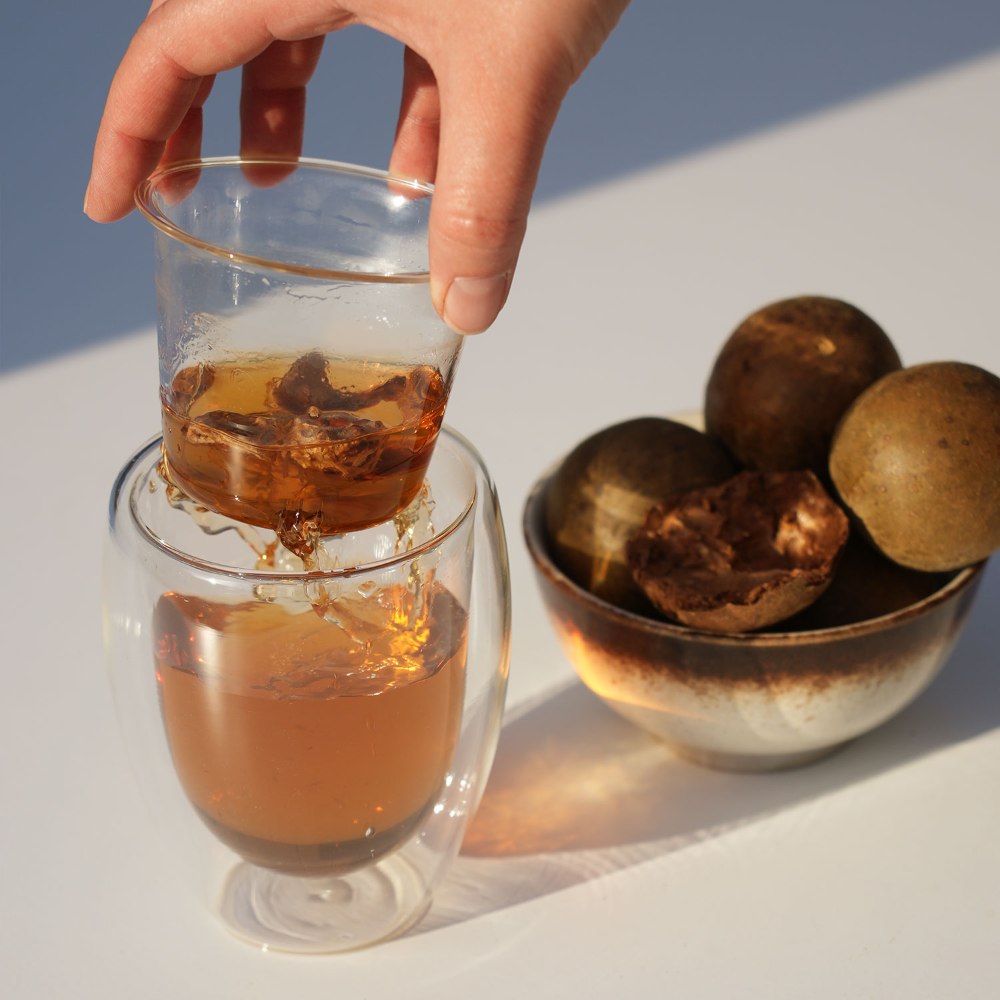
Monk fruit, or luo han guo, is nature’s own sweetener, and it is the obvious place to start on any list of the sweetest teas.
The dried fruit itself carries a deep, honeyed sweetness without a single grain of added sugar, making it a good option if you want a naturally sweet cup without reaching for the sugar bowl.
It works well brewed on its own or added to a milder tea to bring a touch of natural sweetness.
Learn why monk fruit is naturally sweet with our Monk Fruit Tea Guide.
Dehydrated Monk Fruit Tea – Nature’s Sweetener – Luo Han Guo Tea
Honeybush
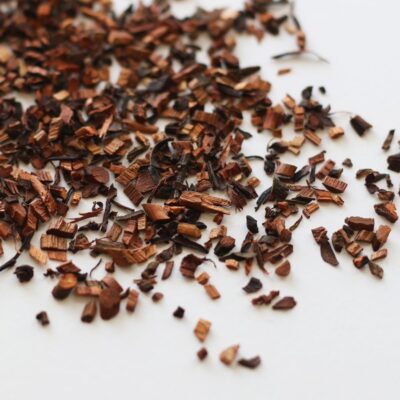
Honeybush lives up to its name with a naturally sweet, honeyed flavour that needs nothing added.
It is caffeine-free and closely related to rooibos, making it an easy, everyday choice if you want a sweet herbal tea that still feels light rather than heavy or syrupy.
Rose Bud Tea
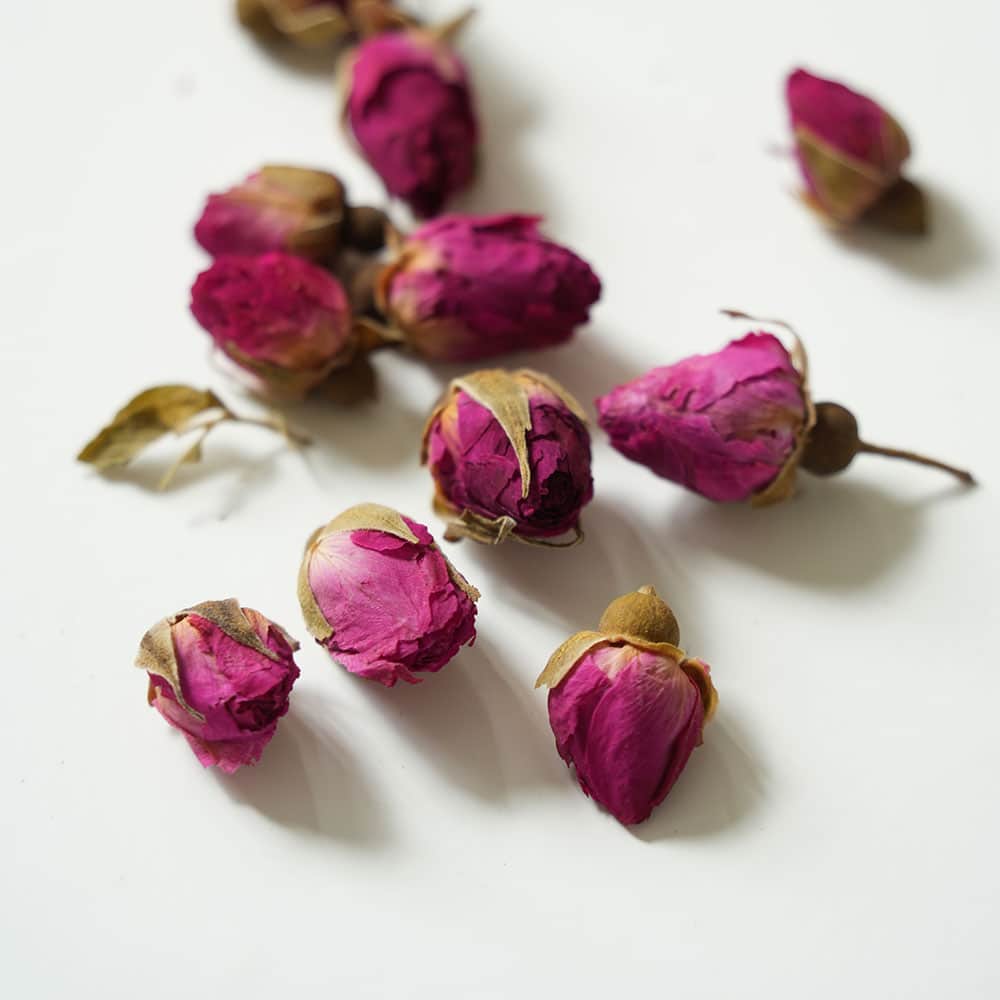
Rose petal tea brings a delicate, naturally sweet floral note that makes it one of the prettiest entries on this list as well as one of the most fragrant.
It is a lovely example of how the true flavour of tea can be sweet and interesting without any artificial flavouring at all.
Strawberry and Cream fruit tisane
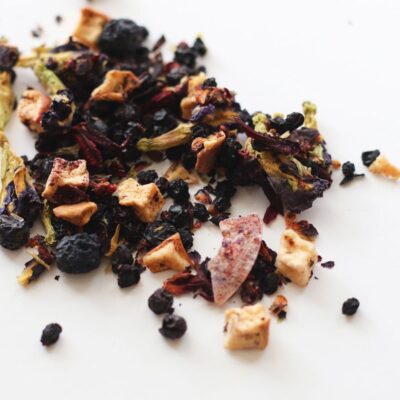
If you are searching for teas that taste like dessert, this is exactly that.
Strawberry and cream fruit tisane is naturally fruity and indulgent, built entirely from real fruit pieces and botanicals rather than artificial flavouring, so the sweetness you taste is the genuine article.
Jungle Berry fruit tea
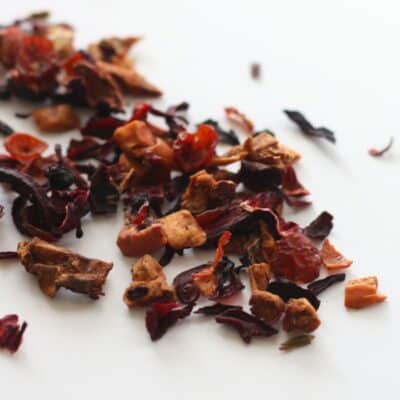
Jungle berry fruit tea is a vibrant, naturally sweet blend built around real berries, making it one of our most popular hot teas that are sweet without any added sugar.
Served hot in winter or cold-brewed in summer, it is a good introduction to naturally sweet dessert teas.
Orange Sunshine
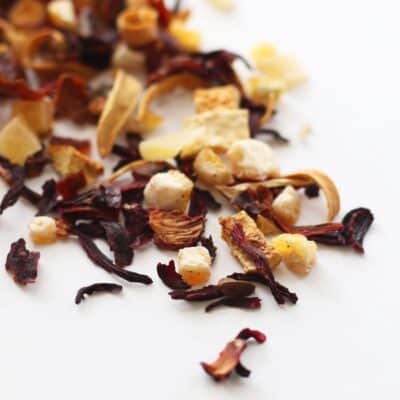
Orange Sunshine brings bright, naturally sweet citrus character to the cup, making it a good pick if you want something zesty rather than deeply fruity or floral.
It is a great everyday example of how naturally sourced ingredients can deliver real sweetness on their own.
Looking for some other fun ways to enjoy this tea? Visit our Orange Sunshine Iced tea cooler recipe.
Lemon Rooibos
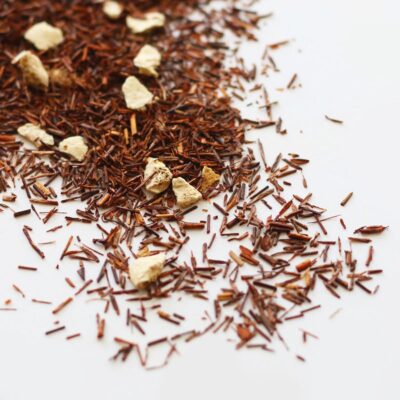
Rooibos already has a naturally sweet, honeyed base, and the addition of lemon here brightens that sweetness rather than masking it.
It is caffeine-free and works well any time of day, whether you are after a comforting sweet hot tea or something refreshing served cold.
Bamboo Tea
Bamboo leaf tea offers a light, naturally sweet, grassy flavour that has long been valued in Chinese herbal tradition.
It is caffeine-free and delicately refreshing, making it a good choice if you want a naturally sweet tea that is subtle rather than rich or syrupy.
Interested with Bamboo tea? Read our guide to Bamboo leaf tea benefits and explore our refreshing 5 Bamboo leaf tea recipes.
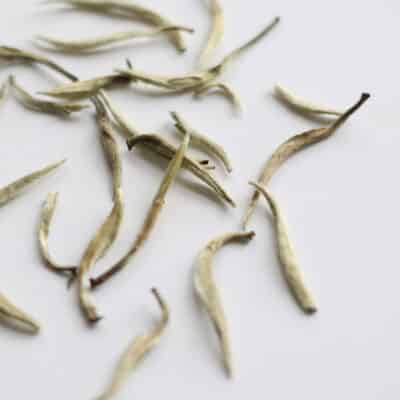
Silver Needle White tea
Silver needle is the most delicate of the white teas, prized for a naturally sweet, honeyed character that develops as the young buds are gently dried rather than heavily processed.
It is one of the purest examples on this list of how a naturally sweet cup can come entirely from careful sourcing rather than any added flavouring.
As a true tea rather than a herbal infusion, it does contain a light amount of natural caffeine.
Lan Gui Ren Oolong
Lan gui ren is a fragrant oolong traditionally coated with powdered American ginseng and licorice root, and that combination is exactly where its natural sweetness comes from.
The result is a smooth, floral cup with a lingering sweet, faintly liquorice aftertaste, sometimes called “Lady Orchid” for its aroma.
It is a good example of how a natural addition, rather than an artificial one, can still produce a genuinely sweet, dessert-like cup.
Like other true teas, it contains a moderate amount of natural caffeine.
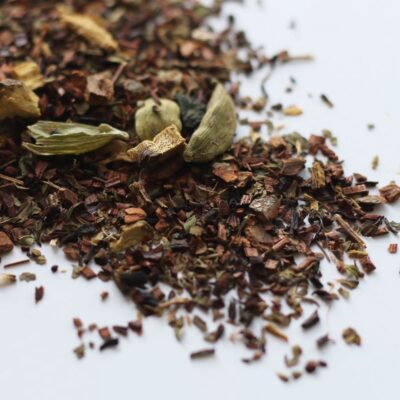
Honey Tulsi Chai
Honey tulsi chai blends the warm, peppery character of tulsi, also known as holy basil, with a honeybush base and warming spice.
Its natural sweetness comes from the honeybush itself and a touch of licorice root, rather than any added sugar or artificial flavouring.
It is a comforting, dessert-leaning cup that works well any time you want something a little richer than a plain herbal infusion.
Unlike a traditional chai, it uses honeybush rather than black tea as its base, so, like the rest of the herbal teas on this list, it is naturally caffeine-free.
How to brew a naturally sweet cup
| Tip | What to Do |
|---|---|
| Skip the Sugar Bowl | Naturally sweet teas such as monk fruit or honeybush rarely need any sweetening at all. |
| Steep for the Full Time | Usually 3 to 4 minutes for white tea and oolong, or 5 to 7 minutes for fruit and herbal blends, to draw out the natural sweetness fully. |
| Try Cold-Brewing | Cold-brew fruit tisanes overnight in the fridge for an even sweeter, smoother iced tea the next day. |
| Blend Two Together | Combine two naturally sweet teas, such as monk fruit with rose petal, to build your own dessert-style cup. |
| Serve After a Meal | Enjoy dessert-style teas, like strawberry and cream, after a meal as a naturally sweet alternative to pudding. |
Ever wondered why cold-brewing makes your tea even sweeter?
Cold-brewing extracts fewer tannins than hot water, which is part of why the result tastes smoother and less bitter, according to research published in the Journal of Food Processing and Preservation
I’ve cold-brewed black teas and green teas in the past and was amazed by how naturally sweet they are. Learn how to cold brew your tea at home with our guide.
Frequently asked questions
There is no single answer, since sweetness in tea comes from the plant itself rather than a fixed formula. Monk fruit is one of the sweetest teas available, honeybush and rooibos-based blends offer a gentler honeyed sweetness, and delicate true teas like silver needle white tea or lan gui ren oolong bring their own natural sweetness through careful processing.
Not at Teapro. Our naturally sweet and dessert-style teas get their flavour from real fruit, flowers, botanicals or careful tea processing rather than added sugar or artificial sweeteners, in keeping with our no artificial flavourings standard.
Flavoured teas often rely on artificial flavouring to mimic a taste, such as strawberry or vanilla, added on top of a base tea. A naturally sweet tea gets its flavour directly from the plant itself, whether that is a fruit, a flower, a naturally sweet herb like monk fruit, or a true tea like white tea or oolong where sweetness develops through how it is grown and processed.
Monk fruit is naturally sweet without added sugar, which makes it a popular choice for people looking to enjoy a sweet-tasting tea without reaching for the sugar bowl. If you are managing a specific health condition such as diabetes, it is worth speaking to your GP or a dietitian about how it fits into your diet.
Yes. Unlike the herbal infusions on this list, silver needle white tea and lan gui ren oolong are true teas made from the Camellia sinensis plant, so they contain a natural amount of caffeine. If you want a completely caffeine-free option, the herbal and fruit teas on this list, such as honeybush, rose petal or bamboo leaf, are the better choice.
Yes. Fruit tisanes such as jungle berry and strawberry and cream work particularly well cold-brewed or served over ice, and citrus blends like Orange Sunshine and lemon rooibos make a refreshing iced tea in warmer months.
Where to start with Tea
New to tea altogether? Our complete guide to Types of Tea, explains the difference between herbal tea and true tea, how each tea is processed, and how to build your own blends from scratch.
It is the best place to start before working your way through the sweet teas above.
Ready to taste the real thing? Explore Teapro’s collection of pure, single-origin teas and discover just how sweet nature can be without a single artificial flavouring.

Teapro co-founder. Favourite tea - Long Jing Dragon Well Green Tea. Obsessed with film, photography and travelling.


No Comments