How to Taste Tea Like a Pro

Most people drink tea. Very few actually taste it. There is a real difference between lifting a cup out of habit and pausing long enough to notice what is actually in it – the way the colour shifts in the light, the floral lift that rises before you even take a sip, the quiet sweetness that lingers after you swallow.

Learning to taste tea like a pro is not about memorising technical terms or having a trained sommelier’s background. It is about slowing down, paying attention, and building a personal vocabulary for what your palate is already picking up.


In this guide, Teapro walks you through the four pillars of professional tea tasting, a practical map of loose leaf tea flavour notes, and the habits that will develop your palate steadily over time – whether you are completely new to tea or simply ready to get more from every cup.

Content overview

Why Developing Your Tea Palate Changes Everything

Most people drink tea. Far fewer actually taste it.

There is a meaningful difference between the two – and once you cross from one to the other, you cannot go back. When you learn how to taste tea like a pro, every cup becomes richer, more interesting, and more satisfying.

You stop reaching for the same bag out of habit and start making genuine choices based on what your palate is telling you.

The good news? Developing a tea palate is not reserved for sommeliers or professional tasters. It is a skill – and like any skill, it builds with practice, the right guidance, and the right tea.

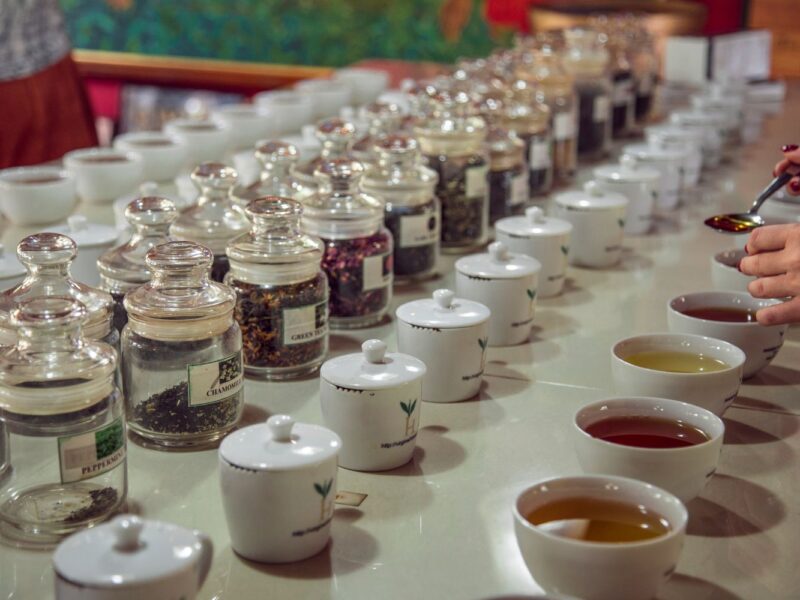
tea tasting palate - how to taste tea like a pro

At Teapro, our whole purpose is to turn tea drinkers into tea pros. This guide is one of the most important steps on that journey. We also recommend reading our Complete Guide to Tea – Health Benefits, Types and How to Get Started alongside this post for a broader foundation.

What Does Tasting Tea Like a Pro Actually Mean?

Professional tea tasters – including those who grade tea at source in regions like Darjeeling, Yunnan, and Uji – use a structured, repeatable process. They are not guessing. They are methodically evaluating appearance, aroma, taste, and finish.

Learning to develop your tea palate does not mean memorising a hundred technical terms. It means slowing down enough to notice what is actually in the cup – and building a personal vocabulary to describe it.

The difference between a tea drinker and a tea pro comes down to attention. A tea drinker asks “do I like this?” A tea pro asks “what am I tasting, and why?” That shift in question changes everything.

drink a relaxing cup of tea - how to taste tea like a pro

Both have genuine wellness benefits. They just work differently – and knowing which to reach for, and when, is part of becoming a Teapro.

The Four Pillars of Tea Tasting

Professional tea tasting is built around four distinct sensory stages. Work through each one every time you brew, and you will develop your palate faster than you expect.

Appearance – The Dry Leaf

Before water even touches the leaves, look at what you have.

What to Look For Details
Colour Is the leaf dark green, silver, brown, or golden? Colour signals oxidation level and processing method.
Shape Twisted, rolled, flat, or broken? Well-crafted whole-leaf teas tend to carry more complex flavour than fannings or dust.
Aroma of the dry leaf Rub a pinch gently between your fingers and smell it. You are already beginning to identify tea flavours before brewing starts.

The Liquor – Colour and Clarity

Once brewed, look at your cup against a white background if possible.

Tea Type Color Description
Green tea Pale yellow to soft jade
White tea Delicate straw or champagne
Oolong Gold to deep amber - varies widely depending on oxidation level
Black tea Bright copper to deep mahogany
Pu-erh Dark and earthy, almost like a rich broth

Cloudiness is not automatically a flaw, but clarity often signals careful processing and good brewing practice.

Aroma – The Most Underused Sense in Tea Tasting

Aroma is where most new tasters leave significant value on the table. Before you sip, smell the liquor. Smell the inside of the empty cup after you pour. Smell again mid-brew. The loose leaf tea flavour notes you can detect in aroma include:

Flavor Profile Notes Common In
Floral Jasmine, rose, orchid High-grade green teas and white teas
Vegetal Fresh grass, seaweed, spinach Japanese greens like Gyokuro
Fruity Stone fruit, citrus, dried fig Taiwanese oolongs and some Darjeelings
Earthy Forest floor, wet stone, mushroom Aged pu-erh
Malty Biscuit, bread crust, warm grain Assam and Keemun black teas
Smoky Charcoal, wood, tobacco Lapsang Souchong and some roasted oolongs
Sweet Honey, caramel, vanilla Often a sign of quality and careful processing

Taste and Finish

Now sip – but do not swallow immediately. Hold the tea in your mouth for a moment. Let it move across the tip, sides, and back of your tongue.

Pay attention to:

Quality What to Notice What It Signals
Sweetness A natural sweetness - honey-like, fruity, or floral - without any added sugar A sign of quality leaf and correct brewing; no added sugar should be needed
Astringency A drying, gripping sensation at the back of the mouth A small amount is normal and pleasant in many black teas; too much usually signals over-brewing or low quality
Bitterness Distinct from astringency - a sharpness rather than a grip Controlled bitterness adds complexity; harsh bitterness usually points to water that was too hot or brewing time that ran too long
Body Whether the liquor feels light and delicate or full and round in the mouth Body reflects mouthfeel - almost like comparing skimmed milk to whole milk
The finish What lingers after you swallow - length, sweetness, and clarity A long, sweet, clean finish - known as "hui gan" or returning sweetness - is one of the hallmarks of exceptional tea

How to Set Up a Proper Tea Tasting

You do not need specialist equipment to run a tea tasting at home. Here is what a solid setup looks like.

What you need:

Item Details Why It Matters
Two or three contrasting teas Ideally from different categories Contrast makes differences easier to detect and builds your reference points faster
Gaiwan or small teapot 100-150ml is ideal for a tasting pour Smaller vessels give you more control over steeping and temperature
Identical cups White porcelain is preferred White porcelain shows the liquor colour most accurately
Tasting notebook or notes app Any small notebook or phone app works Recording your impressions builds a personal reference library over time
Still, filtered water Avoid tap water Chlorine in tap water will actively interfere with delicate flavour notes
Palate cleanser Plain water or a piece of plain rice cracker Clears residual flavour between teas so each one is tasted fresh

The process:

Step Action Notes
1 - Smell the dry leaf Before brewing, smell each dry leaf and write down two or three words Do not overthink it
2 - Brew correctly Brew each tea at the correct temperature for its type Water that is too hot will destroy green tea; water that is not hot enough will underwhelm a black tea
3 - Pour a small amount Pour around 50ml into your tasting cup -
4 - Evaluate Follow the four pillars: appearance, aroma, taste, finish -
5 - Write your notes Write down what you notice after each cup Do not judge yourself - this is a personal vocabulary you are building, not a test
6 - Cleanse and repeat Rinse your palate and move to the next tea -

The act of writing is important. It forces you to find words for sensations that are easy to let slide by. Over time, those words become a reliable internal map.

Loose Leaf Tea Flavour Notes – A Beginner’s Map

One of the most common questions from people learning to develop their tea palate is: what am I actually supposed to be tasting? Here is a practical map of loose leaf tea flavour notes by category.

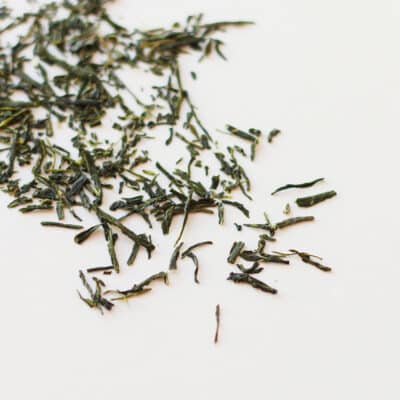
Green Tea

Expect: Fresh, vegetal, grassy, sometimes steamed or roasted notes.

Japanese greens tend toward umami and seaweed. Chinese greens lean more floral and light.

Watch for: A clean, lingering sweetness in well-made examples like Longjing or Gyokuro.

Loading...
Gyokuro green tea
Price range: £5.50 through £55.00

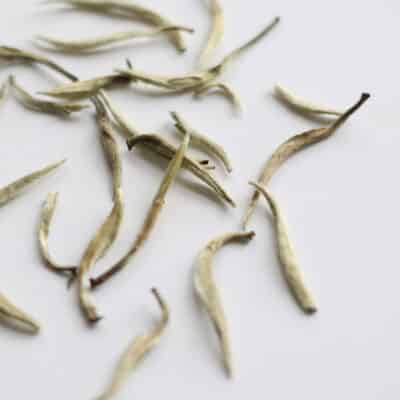
White Tea


Expect:
Delicate, floral, subtle. Notes of hay, honey, cucumber, melon, and chamomile.

Watch for: White tea is easy to under-appreciate if you are used to strong, malty brews. Give it space and patience.

Loading...
Price range: £6.00 through £95.00

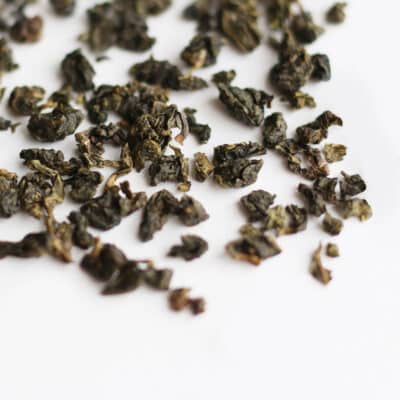
Oolong


Expect:
The most varied category. Lightly oxidised oolongs (like a Taiwanese Jin Xuan) are creamy, floral, and buttery.

Heavily oxidised oolongs (like a Dan Cong) bring stone fruit, caramel, and dark honey.

Watch for: Oolong is arguably the best training ground for learning to identify tea flavours because of the sheer range within the category.

Loading...
Price range: £5.50 through £75.00

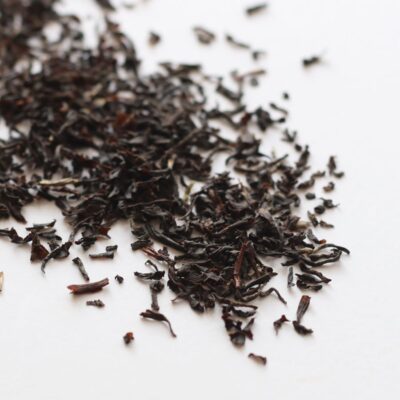
Black Tea


Expect:
Malty, bold, sometimes fruity or smoky.

Assam brings a brisk maltiness. Darjeeling first flush leans muscatel and floral. Keemun is smooth, with notes of orchid and cocoa.

Watch for: Quality black teas have a natural sweetness that does not need milk or sugar to be enjoyable.

Loading...
rwanda black tea
Price range: £3.50 through £55.00

Pu-erh


Expect:
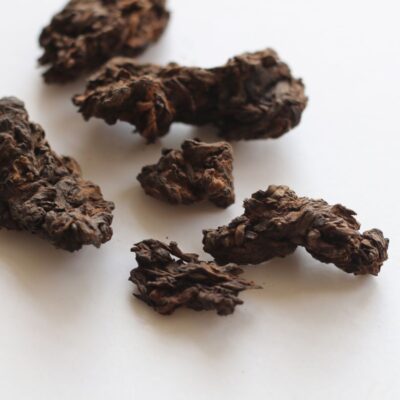
Aged, earthy, deeply complex. Sheng (raw) pu-erh can be sharp, floral, and astringent when young – evolving into something smoother and earthier with age.

Shou (ripe) pu-erh tastes deep, woodsy, and sometimes almost medicinal.

Watch for: Pu-erh rewards patience. It is unlike any other category.

Loading...
Price range: £4.50 through £55.00

Herbal and Rooibos

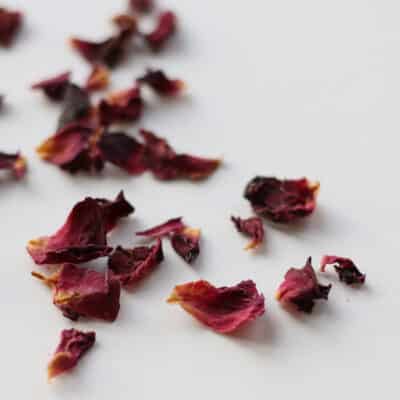
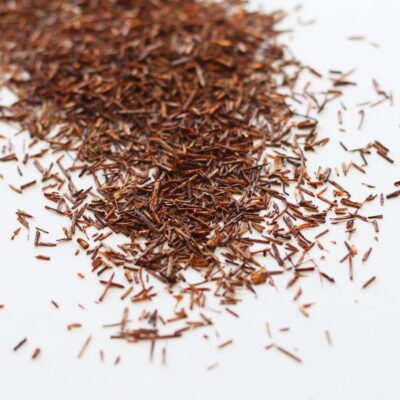
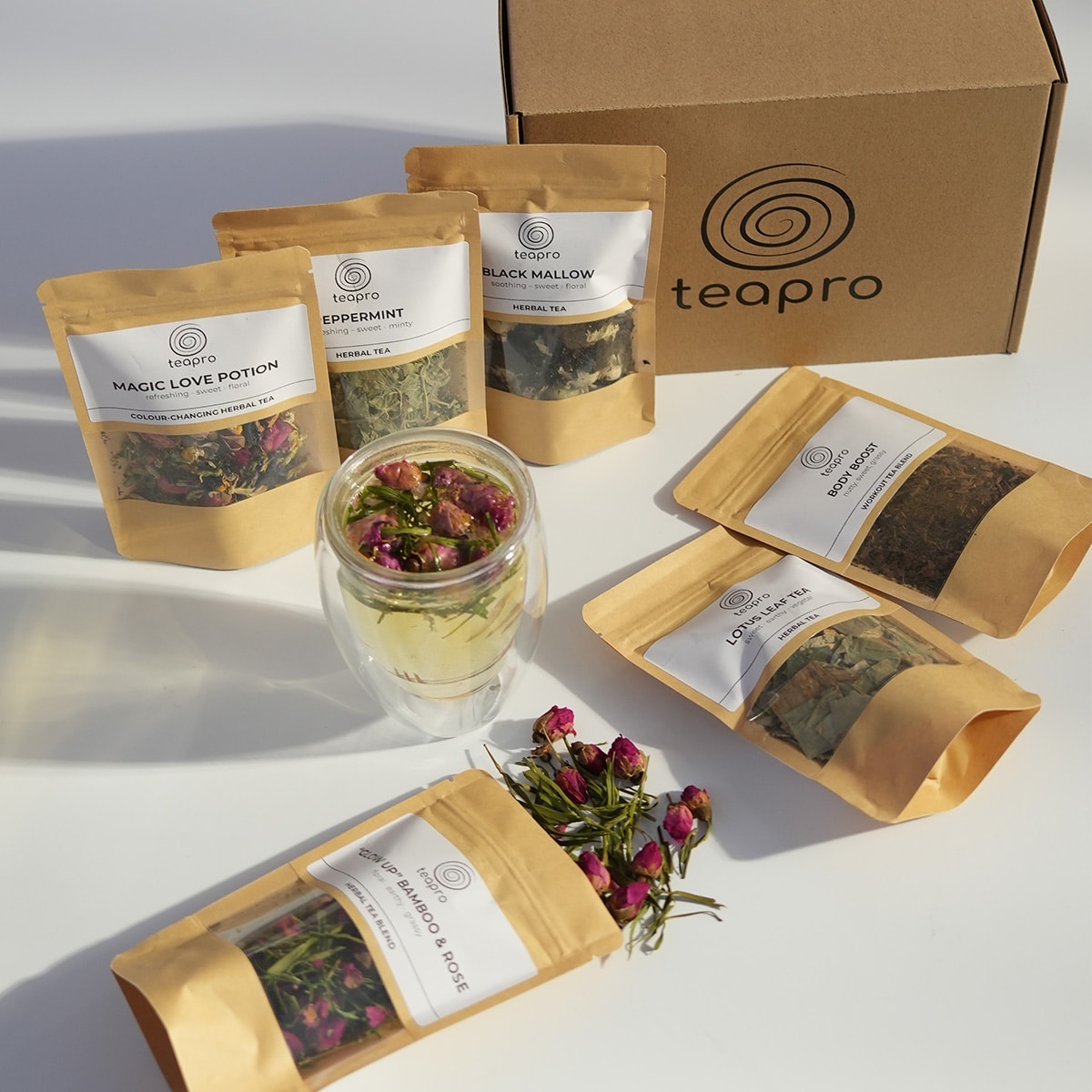
Expect: Naturally caffeine-free. Rooibos has a warm, slightly nutty sweetness. Herbal blends vary widely – but with single-origin, pure herbs, the individual character of each plant comes through clearly.

Watch for: Artificial flavourings mask the real tea. When you taste a genuinely pure herbal blend, the difference is stark.

Loading...
lady's mantle tea
Price range: £7.50 through £21.00
Loading...
rooibos tea
Price range: £4.50 through £70.00

Common Mistakes That Dull Your Palate

If you are finding it hard to identify tea flavours, one of these is likely interfering.

Mistake What Happens What to Do Instead
Using water that is too hot Green and white teas become bitter and astringent before their delicate notes can emerge White and green teas: 70-80C; oolongs: 80-90C; black teas and pu-erh: 95-100C
Brewing too long Over-steeping causes tannins to dominate, creating an astringent, bitter cup that drowns subtler notes Start with shorter steeps and build up
Tasting after coffee or strong food Coffee, spicy food, and strong flavours coat your palate and make delicate notes almost impossible to detect Taste in the morning or after a plain palate cleanser
Using flavoured teas to learn If the tea contains artificial flavourings or strong added ingredients, you are tasting those - not the tea itself Use pure, single-origin teas as the clearest training ground for developing your palate
Drinking on the go Tasting properly takes around five minutes per tea - drinking on the go means you are drinking, not tasting Both have value, but only slowing down builds your palate

How to Develop Your Tea Palate Over Time

Learning how to taste tea like a pro is not a single session – it is a gradual process of exposure, comparison, and reflection. Here is how to structure your progress.

Tip How to Do It Why It Works
Start with contrast Compare a Japanese green tea with a Chinese green tea; compare a first flush Darjeeling with an Assam Contrast makes differences audible - it is harder to hear one instrument in isolation than in an orchestra
Keep a tasting journal Note even three words per tea - "malty, dry, short finish" or "floral, sweet, long" Builds a reference library you can return to; entries become more nuanced over weeks and months without effort
Taste the same tea brewed differently Try the same tea at 75C and 85C; try a 2-minute steep and a 4-minute steep The variation teaches you more about how flavour is constructed than any amount of reading
Follow a structured programme Join the Become a Teapro 12-box subscription - each month introduces a different tea type with tasting notes and brewing guidance The only structured tea education programme of its kind in the UK
Taste with others Taste tea with a friend or partner, even casually, and name flavours out loud When someone agrees - or disagrees - it sharpens perception and accelerates development faster than solo sessions

Why Single-Origin Tea Is the Best Training Ground

When you are learning to develop your tea palate, the quality and purity of what you taste matters more than you might expect.

Artificially flavoured teas – where strawberry, vanilla, or caramel has been added to cover the base – make it almost impossible to learn what tea actually tastes like. You are not tasting tea. You are tasting flavouring agents.

Single-origin, pure teas let the leaf speak for itself. When you taste a genuine Taiwanese high-mountain oolong or a hand-rolled Darjeeling first flush, the flavour notes come from the terroir, the processing, and the craftsmanship – not from a laboratory.

This is not a subtle distinction. It is the difference between learning to recognise wine from actual grapes and trying to identify varietals in a fruit-flavoured soft drink.

At Teapro, we source single-origin teas and natural herb blends because we genuinely believe artificial flavourings mask the real taste of tea. That belief is the foundation of everything we do – and it is why our teas are the clearest possible training ground for anyone serious about learning how to taste tea like a pro.

If you want to explore the health benefits of different tea types alongside this sensory journey, our Complete Guide to Tea covers everything from green tea antioxidants to the calming properties of rooibos.

Loading...
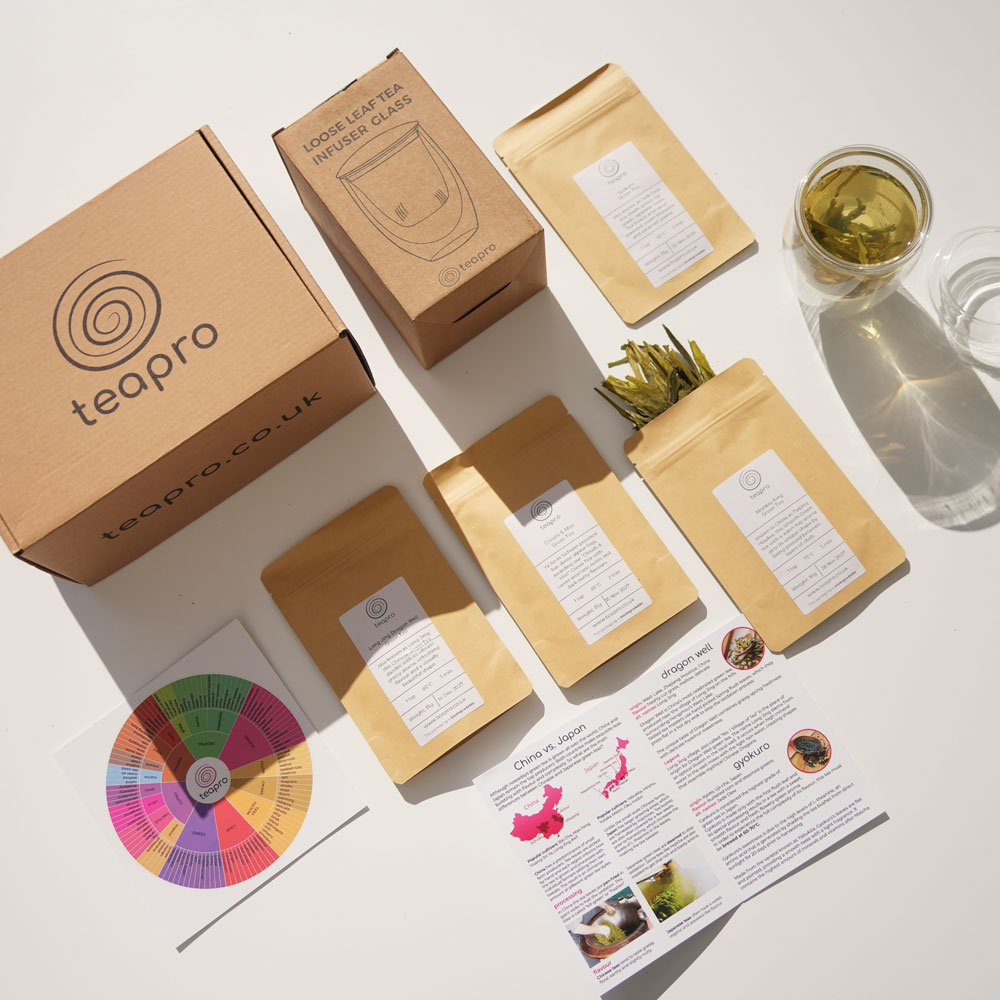
Shades of Green Tea Gift Set
Price range: £21.00 through £38.00
Loading...
black tea gift box
Price range: £25.00 through £42.00

Frequently Asked Questions

Most people notice a meaningful improvement within four to six weeks of tasting purposefully – even just two or three times a week. The key is consistency and comparison. Following a structured programme like Become a Teapro can accelerate this significantly because each month focuses on a different tea type.

Not necessarily expensive, but quality matters. Pure, single-origin teas give your palate something real to work with. Heavily flavoured or low-grade teas are harder to learn from because the base character is either masked or absent.

Yes – though it helps to try each new tea plain first, even for just the first sip, before adding anything. Milk and sugar are perfectly fine habits, but they make it difficult to identify tea flavours in their raw form.

Astringency is a drying, gripping sensation – it comes from tannins binding to proteins in your mouth. Bitterness is a distinct flavour sensation at the back of the tongue, caused mainly by caffeine and catechins. Both can be pleasant in moderation. Both become unpleasant in excess, usually due to over-brewing or water that is too hot.

Whole-leaf loose tea gives you significantly more flavour complexity to work with. Most teabags contain broken leaf grades or dust – which brew quickly and strongly but lack the nuance of a whole leaf. If you want to learn how to identify tea flavours properly, loose leaf is the right starting point.

Hui gan is a Chinese term for the “returning sweetness” – a pleasant sweetness that rises at the back of the throat 20-30 seconds after swallowing. It is one of the most valued qualities in fine Chinese teas, particularly high-grade oolongs and aged pu-erh. To experience it, swallow your sip, breathe in slowly through your nose, and pay attention to the back of your throat. With quality tea, it will be there.

Each month of the 12-month subscription introduces a different tea category – green, black, herbal, oolong, pu-erh, matcha, and more. Every delivery includes brewing guidance and tasting notes designed to guide your senses. It is the only programme of its kind in the UK, built around the journey from tea drinker to tea pro.

Ready to go deeper? Explore our full collection at teapro.co.uk – or start your journey with the Become a Teapro 12-box subscription.

Teapro co-founder. Favourite tea - Long Jing Dragon Well Green Tea. Obsessed with film, photography and travelling.

No Comments

Post A Comment