READ MORE
what does green tea taste like?
Green tea offers a vast spectrum of flavours depending on how the leaves are processed.
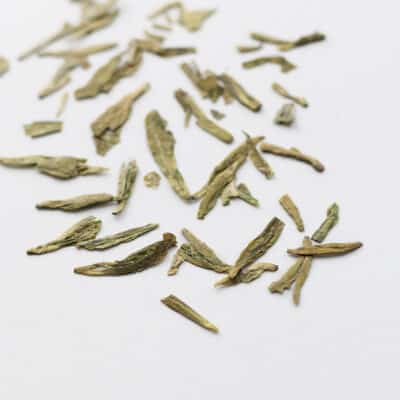
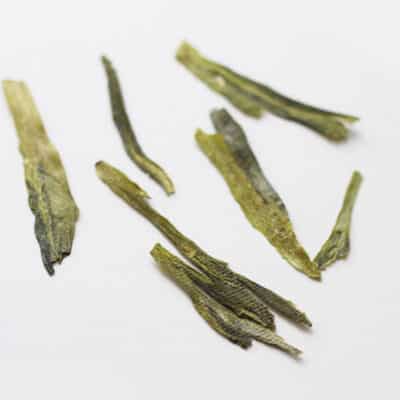
Chinese varieties like Longjing (Dragon Well) are typically pan-fired, resulting in a mellow, nutty, and toasted chestnut sweetness.
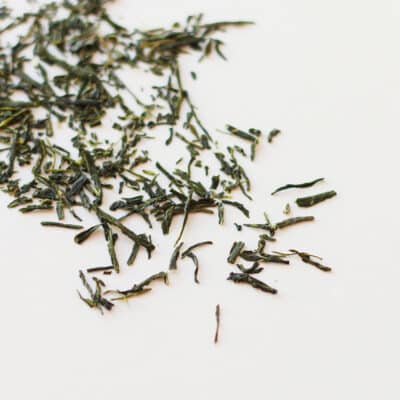
Japanese teas like Gyokuro and Matcha are steamed, which preserves chlorophyll and creates a vibrant, “sea-breezy” umami flavour with a rich, grassy finish.
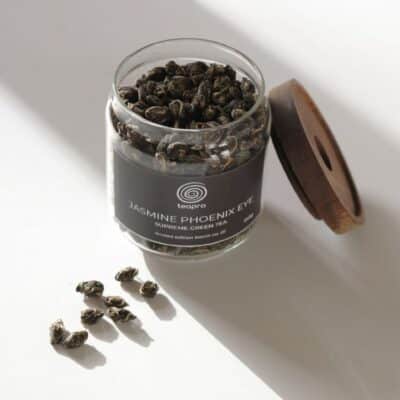
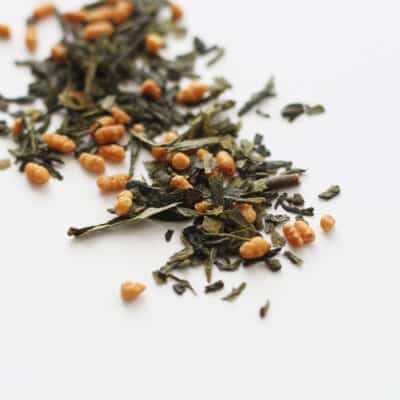
Unique blends like Genmaicha add toasted brown rice for a comforting, popcorn-like aroma, while floral varieties like Phoenix Eye Jasmine offer a delicate, perfumed sweetness.
how to brew green tea
Green tea is more sensitive to heat than black or white tea; using boiling water can scorch the leaves and cause bitterness.
Water temperature: 70-80°C (lower for Gyokuro/Matcha)
Amount: 2-3g per 350ml
Steep time: 1-2 minutes
Infusions: High-quality leaves like Clouds & Mist can be infused 2-3 times.
is green tea caffeinated?
Yes. Most green teas contain 25-45mg per cup. Matcha is higher because you consume the whole powdered leaf.
The caffeine is balanced by L-Theanine, an amino acid that promotes “calm alertness,” preventing the jitters often associated with coffee.
what are the health benefits of green tea?
Green tea is famous for its high concentration of EGCG (epigallocatechin gallate), a powerful antioxidant that supports metabolism, heart health, and cognitive function.
It is often turned to for its detoxifying properties and its ability to support a healthy immune system.
green tea varieties at a glance
Our selection covers the most iconic styles from China and Japan.
Longjing (Dragon Well): The gold standard of Chinese green tea; flat-pressed leaves with a silky, nutty profile.
Gyokuro: A shade-grown Japanese delicacy, prized for its intense umami and deep green hue.
Matcha: Stone-ground tea powder used in traditional ceremonies, offering a concentrated boost of energy and nutrients.
Monkey King (Taiping Houkui): Extraordinary oversized leaves that produce a clean, orchid-like fragrance.
Clouds & Mist: A classic high-mountain tea known for its refreshing, sweet, and slightly smoky notes.
can you cold brew green tea?
Absolutely. Cold brewing extracts less tannin, resulting in a naturally sweet, refreshing drink with zero bitterness.
Add 4g of tea to 500ml of cold water and steep in the fridge for 3-5 hours.
Genmaicha and Jasmine Green tea are particularly delicious when served over ice.
how should I store green tea?
Freshness is key for green tea. Store it in a cool, dark, airtight container.
Unlike white or dark teas, green tea is best enjoyed fresh (ideally within 6-12 months of harvest) to experience its vibrant “green” characteristics.
is green tea good for beginners?
If you’ve found green tea bitter in the past, it was likely due to poor leaf quality or boiling water.
At Teapro, we source only the finest grades, like our Phoenix Eye Jasmine or Dragon Well, which are naturally smooth. Follow our brewing temps, and you’ll discover a whole new world of flavour.

 This product has multiple variants. The options may be chosen on the product page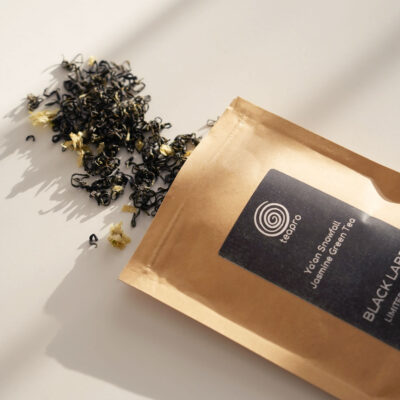
 This product has multiple variants. The options may be chosen on the product page
 This product has multiple variants. The options may be chosen on the product page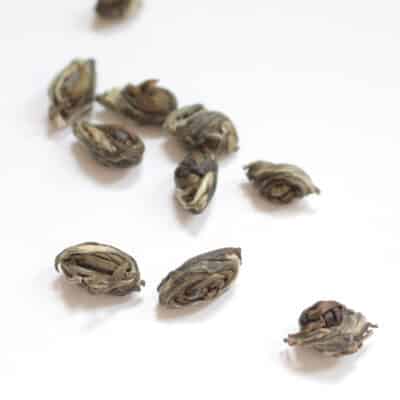
 This product has multiple variants. The options may be chosen on the product page
 This product has multiple variants. The options may be chosen on the product page
 This product has multiple variants. The options may be chosen on the product page
 This product has multiple variants. The options may be chosen on the product page
 This product has multiple variants. The options may be chosen on the product page
 This product has multiple variants. The options may be chosen on the product page
 This product has multiple variants. The options may be chosen on the product page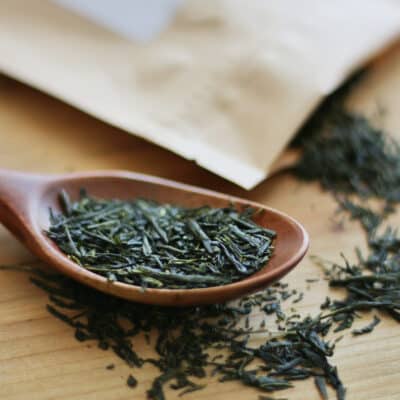
 This product has multiple variants. The options may be chosen on the product page