READ MORE
raw (sheng) vs. ripe (shu) pu erh
All Pu Erh begins with “Mao Cha” (sun-dried green tea), but the finish depends on the fermentation process.
Raw (Sheng): These leaves are left in their natural state after drying, allowing them to age slowly over time. When young, they offer a bright, floral, and sometimes smoky character that develops into something much deeper and smoother as the years pass.
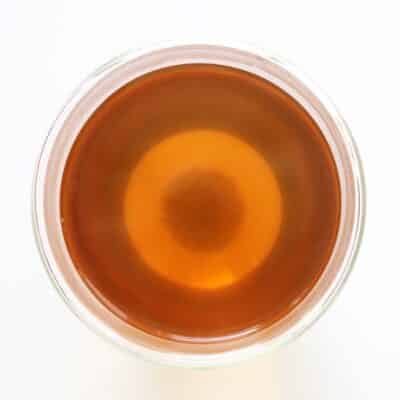
Ripe (Shu): Undergoes an accelerated fermentation process (wet-piling). This results in a dark, thick infusion with earthy, woody, and chocolatey notes. It is ready to drink immediately and is incredibly forgiving to brew.
the art of ageing and tree age
Pu Erh is unique because it is a “living” tea. While Raw Pu Erh is the most famous for long-term ageing, both types evolve over time.
The quality is often dictated by the age of the tea trees; leaves from Ancient Trees (Gushu) possess deeper root systems, leading to a more profound “Cha Qi” (energy), a richer mouthfeel, and the ability to be re-steeped many more times than plantation tea.
Storing your Pu Erh in a stable environment with some airflow allows the natural micro-organisms to continue transforming the flavour profile year after year.
what does pu erh taste like?
Young Raw Pu Erh can be punchy, mineral, and sweet, often with a hint of clean wood smoke.
Ripe Pu Erh is much darker, often described as “autumnal.” Think damp forest floor, dark cocoa, sweet grains, and a velvety texture that coats the throat.
how to brew pu erh tea
Pu Erh is incredibly hardy. We highly recommend a quick 5-second “rinse” with hot water before your first steep to “awaken” the leaves.
Water temperature: 95-100°C (Boiling)
Amount: 5-8g per 150ml (Gongfu), 3g per 350ml (Western), or 1 piece (Mini Tuo Cha)
Steep time: 10-30 seconds (Gongfu) or 3-5 minutes (Western)
Infusions: High-quality Pu Erh (like our Lao Cha Tou) can easily last for 10-15 infusions when brewed Gongfu style.
is pu erh tea caffeinated?
Yes, Pu Erh contains caffeine. However, many find the effect more grounded and less “jittery” than other teas.
The fermentation process modifies the chemical structure, often making it easier on the stomach, which is why it is traditionally enjoyed during or after heavy meals.
what are the health benefits of pu erh?
In Traditional Chinese Medicine, Pu Erh is a powerhouse for digestion and “cleansing” the body of grease and toxins.
It is widely studied for its ability to help lower cholesterol, support weight management, and provide a wealth of probiotics from the natural fermentation process.
pu erh varieties at a glance
Our current selection highlights the incredible versatility of this tea:
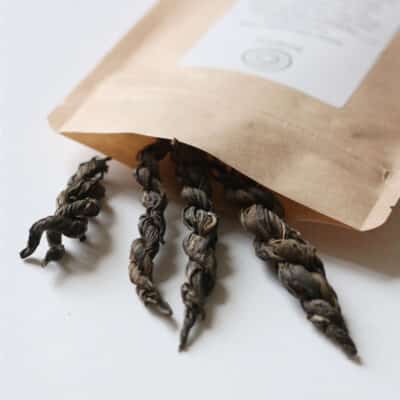
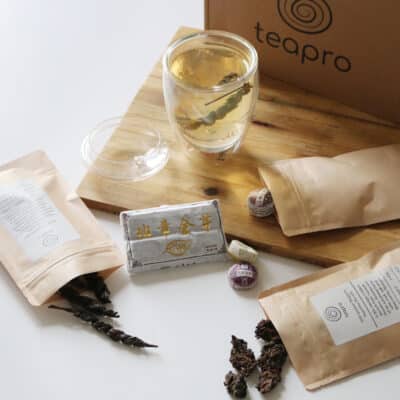
Raw Pu Erh Braids: Hand-braided leaves offering a unique mineral and slightly smoky profile – as beautiful as they are tasty.
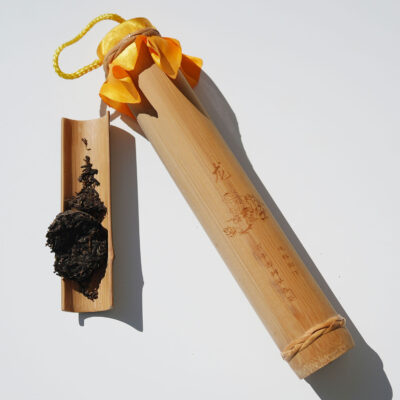
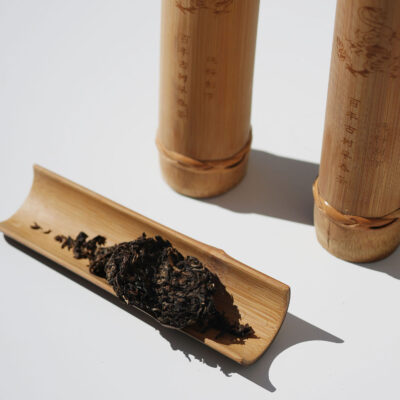
Bamboo Tube Pu Erh: Tea pressed into aromatic bamboo and roasted, infusing the leaves with a distinct sweet, woody fragrance.
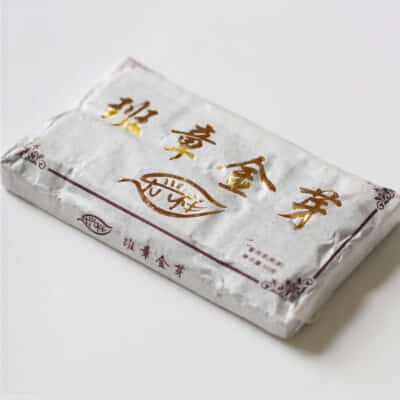
Ripe Pu Erh Bricks: The classic format; deep, dark, and earthy – perfect for daily drinking.
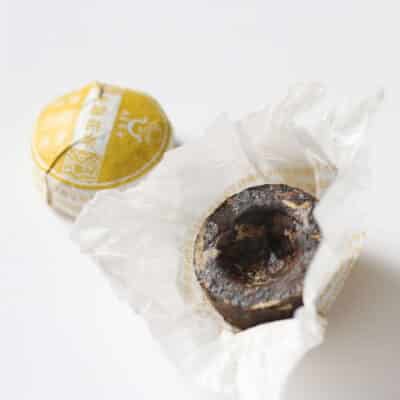
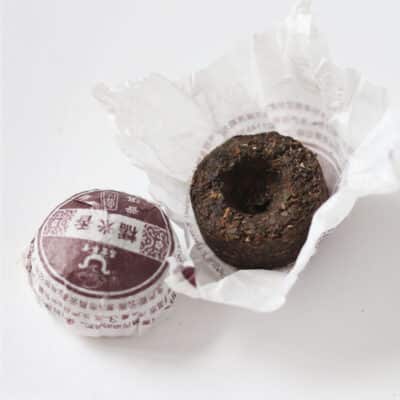
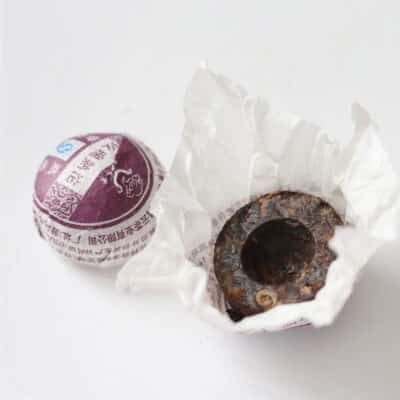
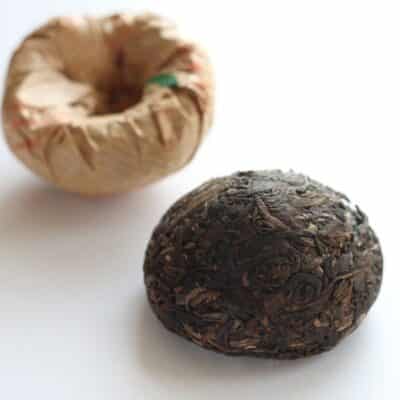
Mini Tuo Chas: Convenient single-servings blended with Sticky Rice herbs (Nuomi Xiang), Rose, or Chrysanthemum for a floral twist.
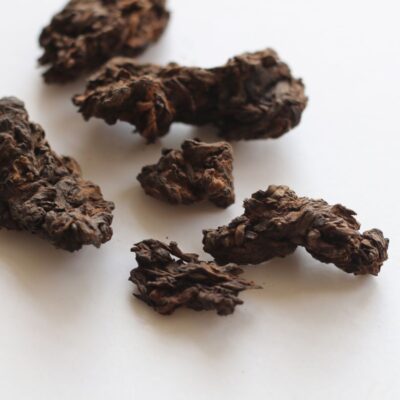
Lao Cha Tou (Old Tea Heads): Naturally formed “nuggets” from the fermentation pile. They are incredibly dense, sweet, and nearly impossible to over-brew.
how should I store pu erh?
Unlike Green tea, Pu Erh does not need to be airtight. It needs to breathe.
Store it away from strong odours (like spices or perfume) in a cool, dry place. A simple clay jar or a cardboard box is often perfect for allowing the tea to age gracefully.
is pu erh good for beginners?
Absolutely. If you find Green tea too “grassy” or Black tea too “tannic,” Ripe Pu Erh’s smoothness will be a revelation.
For a fun entry point, try our Sticky Rice Mini Tuo Chas – they offer a comforting, savoury aroma that is instantly lovable. If you’re a fan of complex, bold flavours, our Lao Cha Tou nuggets are a must-try.

 This product has multiple variants. The options may be chosen on the product page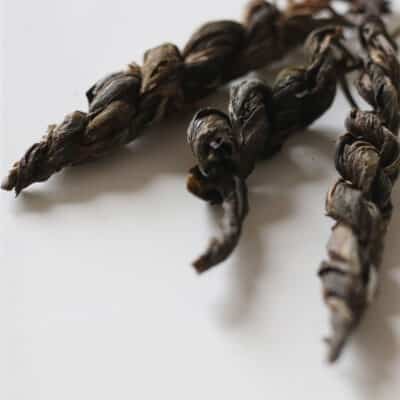
 This product has multiple variants. The options may be chosen on the product page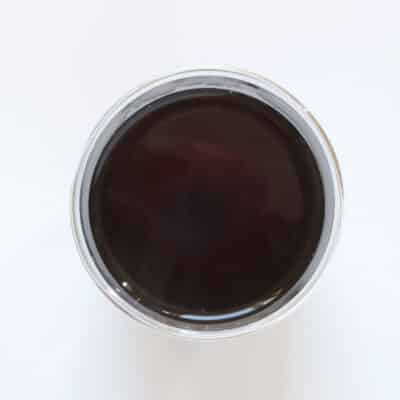
 This product has multiple variants. The options may be chosen on the product page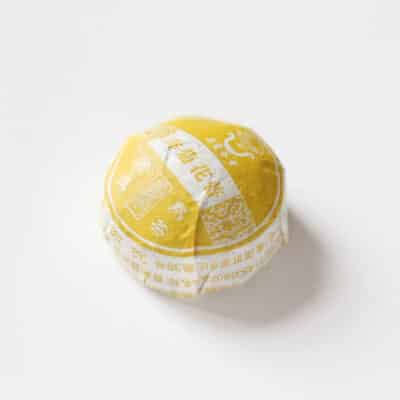
 This product has multiple variants. The options may be chosen on the product page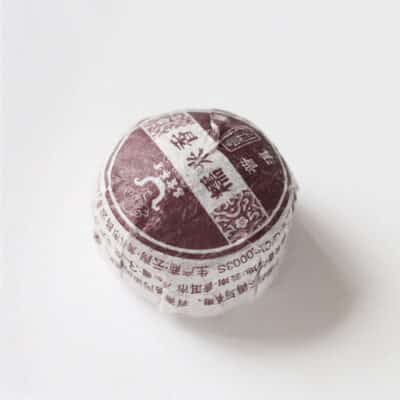
 This product has multiple variants. The options may be chosen on the product page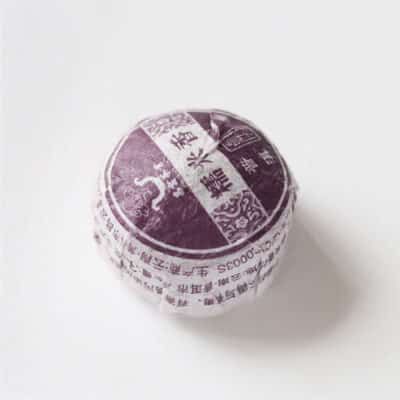
 This product has multiple variants. The options may be chosen on the product page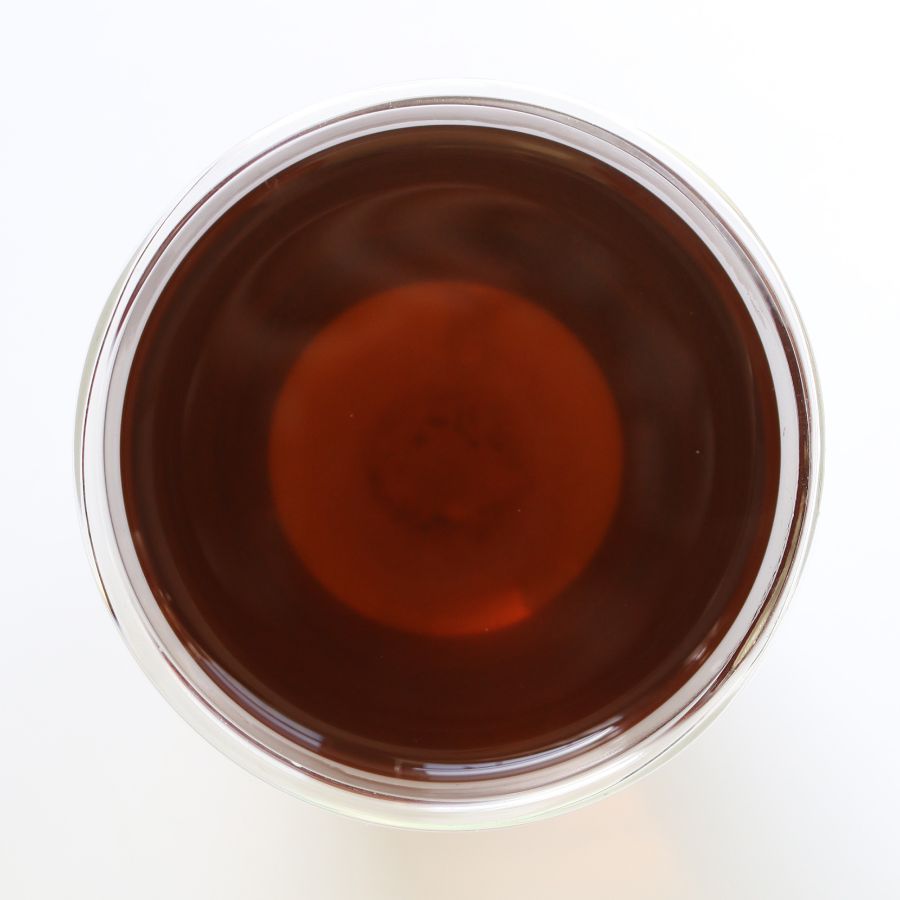
 This product has multiple variants. The options may be chosen on the product page