READ MORE
light oolongs vs. dark oolongs
The world of Oolong is defined by oxidation levels, which can range from 10% to 80%.
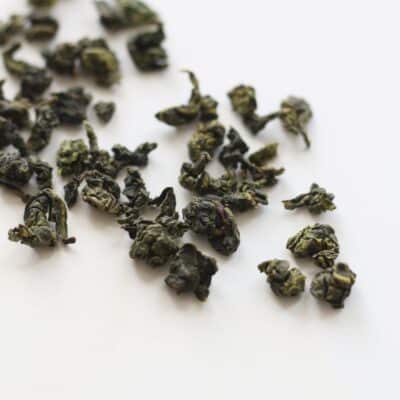
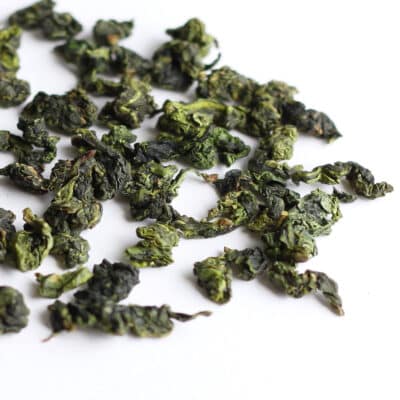
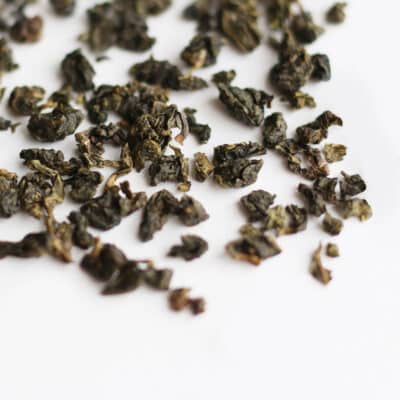
Light (Green) Oolongs: Often tightly rolled into pearls, these are lightly oxidized to preserve floral, buttery, and fresh notes. Examples include Tie Guan Yin and Milk Oolong.
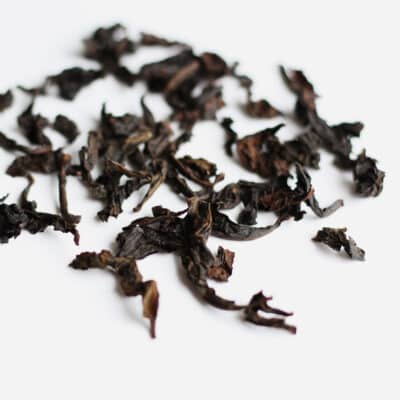
Dark (Roasted) Oolongs: These undergo heavy oxidation and traditional charcoal roasting, resulting in deep amber infusions with notes of chocolate, stone fruit, and wood smoke. Da Hong Pao is the quintessential dark oolong.
what does oolong tea taste like?
Oolong is perhaps the most diverse tea category in terms of flavor.
Floral varieties like Tie Guan Yin offer an “orchid-like” fragrance and a clean, refreshing finish. In contrast, “Milk Oolongs” provide a naturally creamy, silky mouthfeel with hints of sweet cream.
Roasted varieties from the Wuyi Mountains (Rock Teas) carry a distinct “Yan Yun” or “Rock Rhythm” – a complex minerality combined with toasted nuts and caramel.
how to brew oolong tea
Oolong thrives with “Gongfu” style brewing – using more leaves and shorter steep times to unlock layers of flavor across multiple infusions.
Water temperature: 85-95°C (lower for light oolongs, higher for roasted)
Amount: 5-7g per 150ml (Gongfu) or 3g per 350ml (Western)
Steep time: 20-40 seconds (Gongfu) or 2-3 minutes (Western)
Infusions: High-quality Oolongs are the champions of re-steeping; many can be infused 5-8 times.
is oolong tea caffeinated?
Yes. Oolong generally contains a moderate amount of caffeine, typically falling between green and black tea (approx. 30-50mg per cup).
Because Oolong leaves are often large and whole, the caffeine release is steady, making it an excellent “all-day” tea.
what are the health benefits of oolong tea?
Oolong is rich in polyphenols that are known to activate enzymes that cut down triglycerides, making it a popular choice for supporting metabolism and digestion.
The combination of antioxidants and L-Theanine also supports skin health and provides a gentle, focused energy boost.
oolong varieties at a glance
Explore the iconic styles in our curated collection.
Tie Guan Yin (Iron Goddess of Mercy): A legendary light oolong with a captivating floral aroma and a lingering sweet aftertaste.
Da Hong Pao (Big Red Robe): A prestigious “Rock Tea” from the Wuyi Mountains; dark, roasted, and rich with mineral complexity.
Milk Oolong (Jin Xuan): Prized for its naturally buttery texture and milky scent without any added dairy.
Lan Gui Ren (Ginseng Oolong): High-quality oolong coated with ginseng and licorice root for a potent, sweet, and energizing brew.
can you cold brew oolong tea?
Yes, and it is a revelation. Light, floral oolongs like Tie Guan Yin become incredibly sweet and honey-like when cold-brewed.
Steep 5g of leaves in 500ml of cold water overnight (6-8 hours) for a sophisticated, champagne-colored iced tea.
how should I store oolong tea?
Oolongs are more stable than green teas, but still prefer cool, dark, and dry conditions.
Roasted oolongs actually “settle” and improve with a few months of age, whereas light oolongs are best enjoyed while their floral aromatics are most vibrant.
is oolong tea good for beginners?
Oolong is often the “gateway” tea that turns casual drinkers into tea enthusiasts. Its forgiving nature and massive variety mean there is a profile for everyone.
If you love florals, start with Tie Guan Yin. If you prefer coffee or dark chocolate, go for Da Hong Pao. At Teapro, we ensure every leaf is sourced to showcase the very best of its origin.

 This product has multiple variants. The options may be chosen on the product page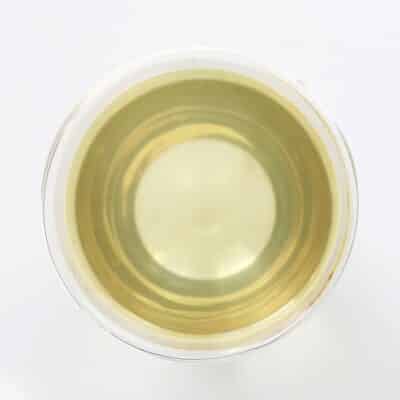
 This product has multiple variants. The options may be chosen on the product page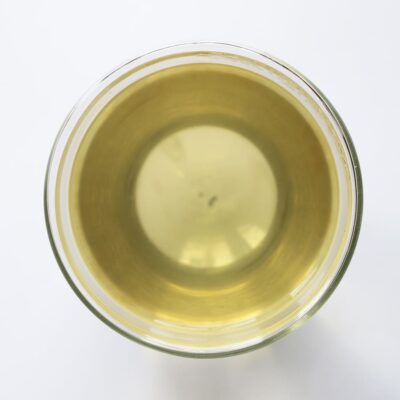
 This product has multiple variants. The options may be chosen on the product page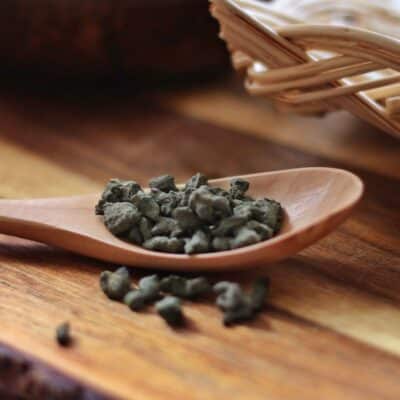
 This product has multiple variants. The options may be chosen on the product page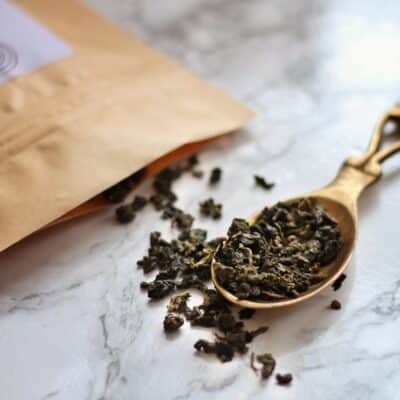
 This product has multiple variants. The options may be chosen on the product page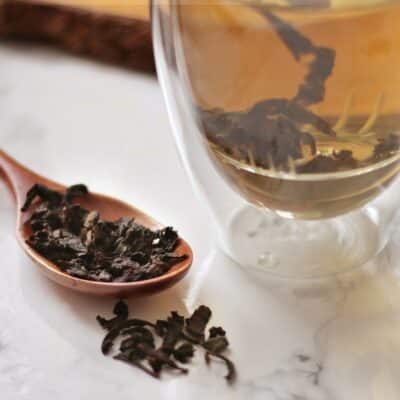
 This product has multiple variants. The options may be chosen on the product page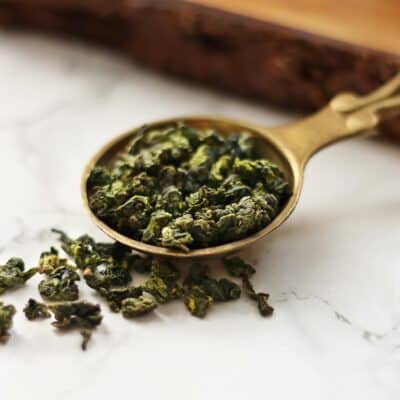
 This product has multiple variants. The options may be chosen on the product page