The Complete Guide to Tea and Your Health: Benefits, Types, and How to Get Started

The health benefits of tea have been celebrated for thousands of years – but only recently has modern science begun to explain exactly why. From antioxidant-rich green teas to caffeine-free herbal infusions, tea is one of the most accessible and well-researched wellness tools available.


Whether you are looking to support your gut, sleep better, manage stress, or simply replace your morning coffee with something equally satisfying, this guide covers everything you need to know – clearly, honestly, and without the noise.

Content overview

Why tea is more than just a drink

Billions of cups of tea are drunk every day. But for most people in the UK, tea still means a builder’s brew – a bag, boiling water, a splash of milk, done. Which is a shame. Because once you look past the teabag, tea becomes one of the most genuinely fascinating wellness tools you can add to your daily routine.

We are talking about a plant – Camellia sinensis – that has been studied for its antioxidant, anti-inflammatory, and adaptogenic properties for decades. And then there is the world of herbal teas alongside it: plants like chamomile, peppermint, echinacea, and hibiscus, each with their own distinct wellness profiles.

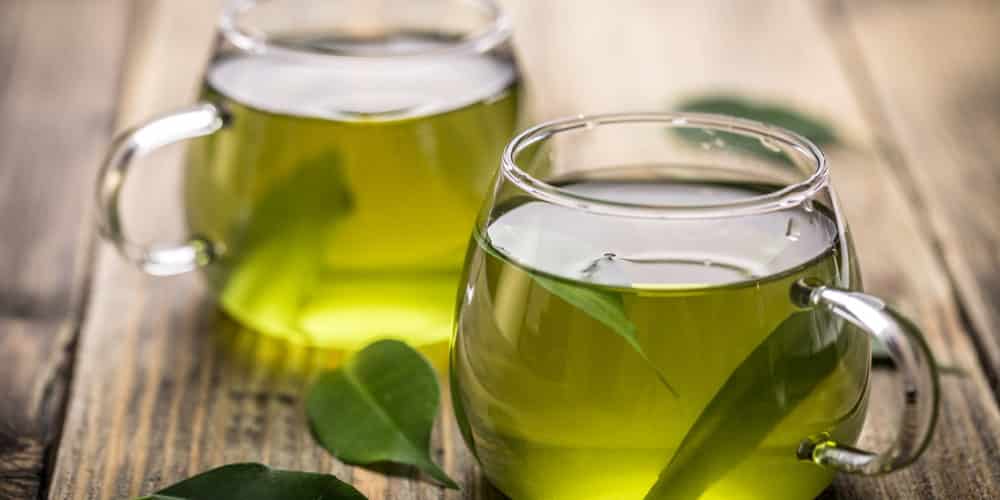
green tea - complete guide to tea and health

At Teapro, we believe tea deserves to be understood, not just consumed. This is your complete guide to health tea benefits. Whether you are thinking about cutting down on coffee, trying to support your gut, sleep better, or simply drink something that tastes as good as it is good for you – you are in the right place.

True teas vs herbal teas: what is the difference?

Before we go any further, it helps to understand two distinct categories.

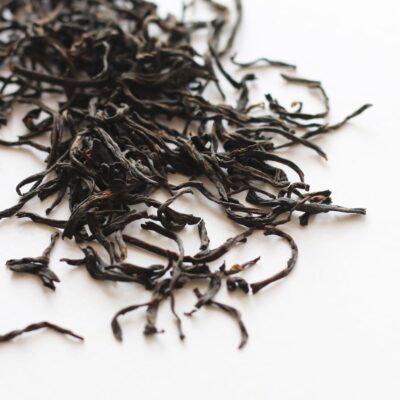
True teas all come from the same plant, Camellia sinensis. The differences between green, black, white, oolong, pu-erh, and yellow tea come down to how the leaves are processed after picking – how much oxidation they go through, how they are dried, whether they are fermented. This processing affects their flavour, their caffeine content, and their antioxidant profile.

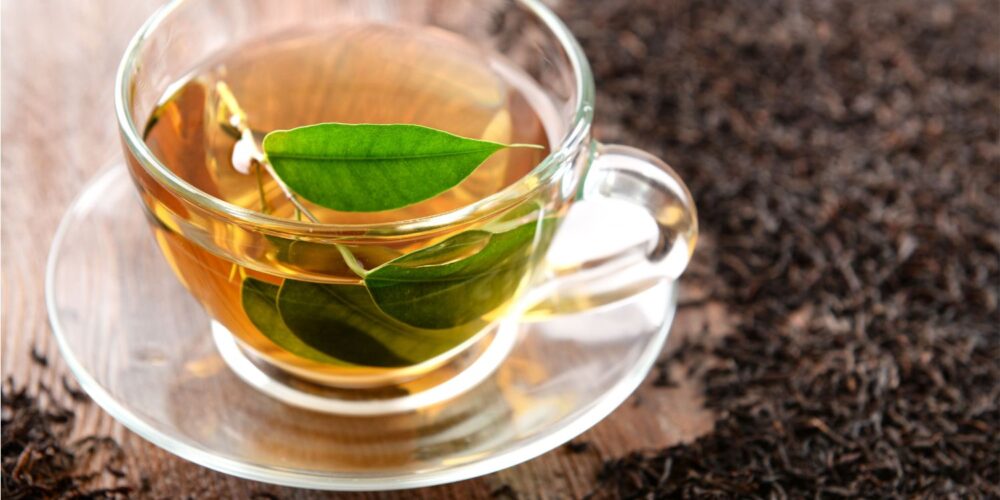
True tea - the complete guide to tea and health benefits

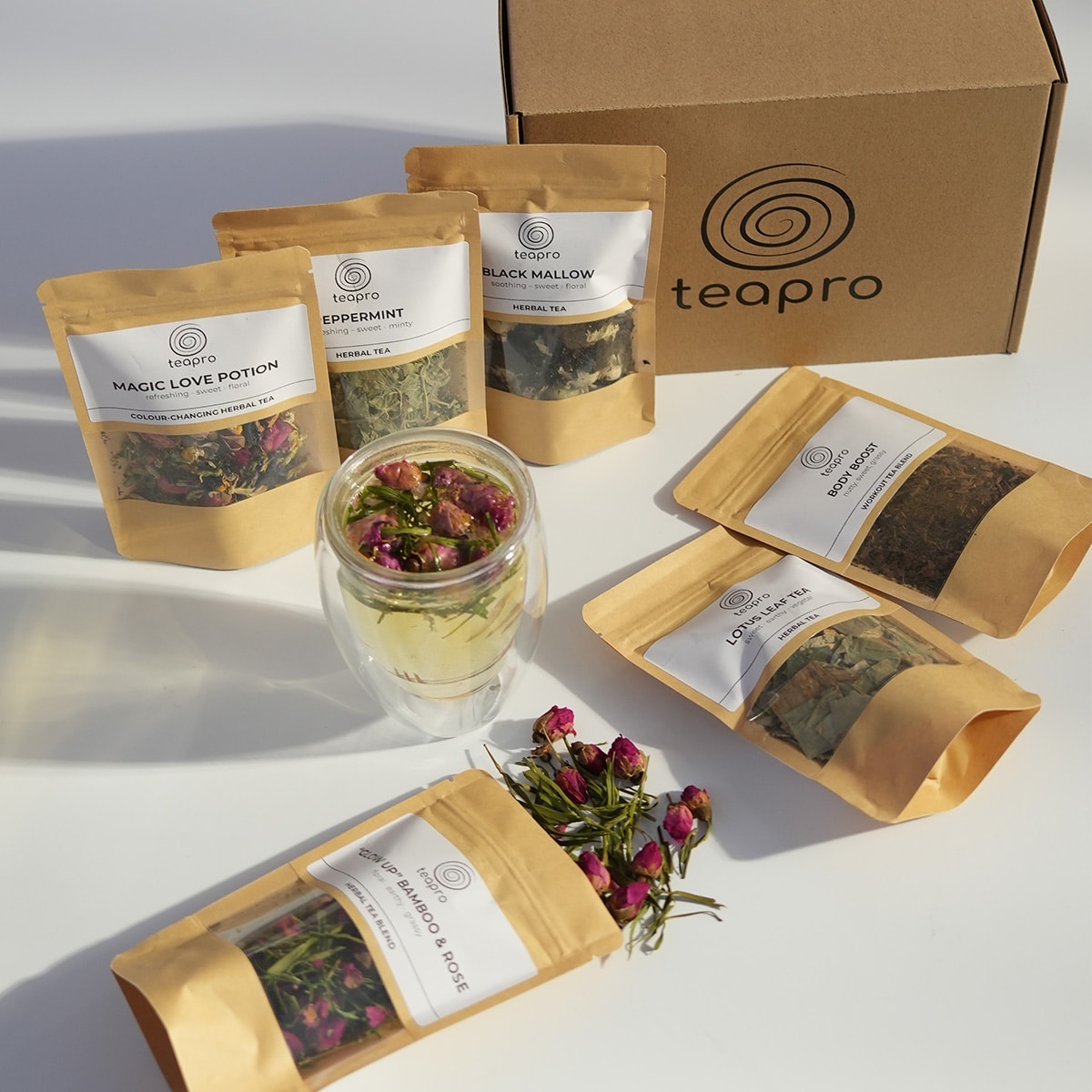
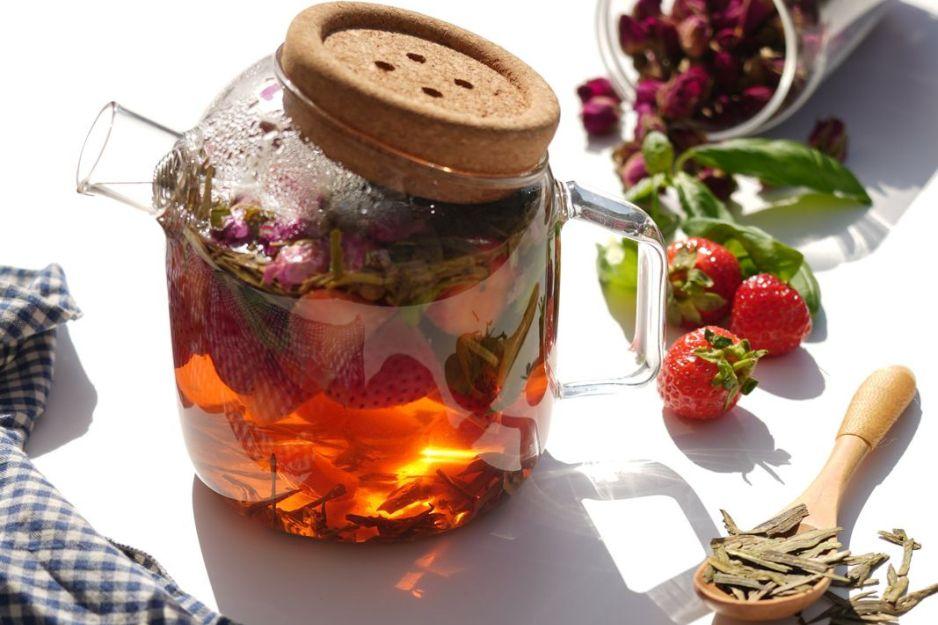
Herbal teas (sometimes called tisanes) are not technically tea at all. They are infusions made from dried flowers, herbs, roots, bark, and berries – chamomile, peppermint, hibiscus, elderflower, echinacea, and many more. Most are naturally caffeine-free, which makes them especially useful for evening rituals or for people reducing their caffeine intake.

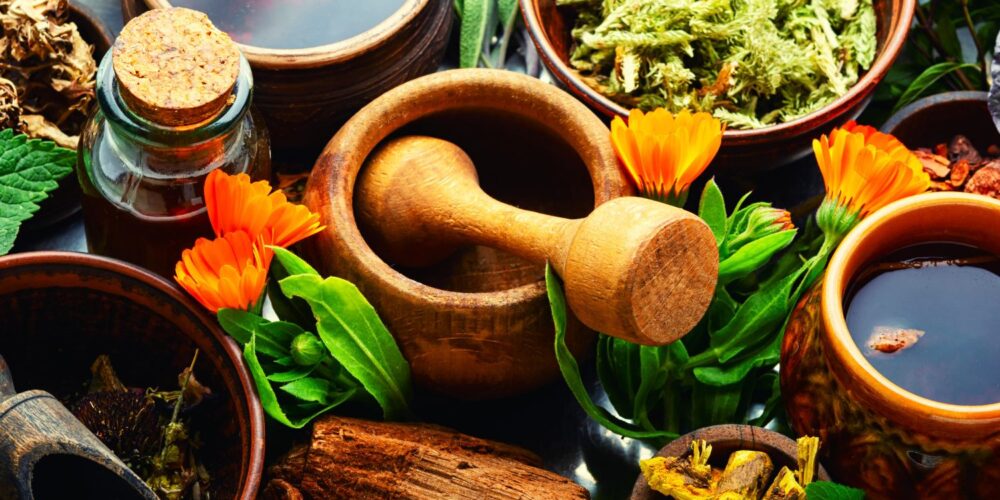
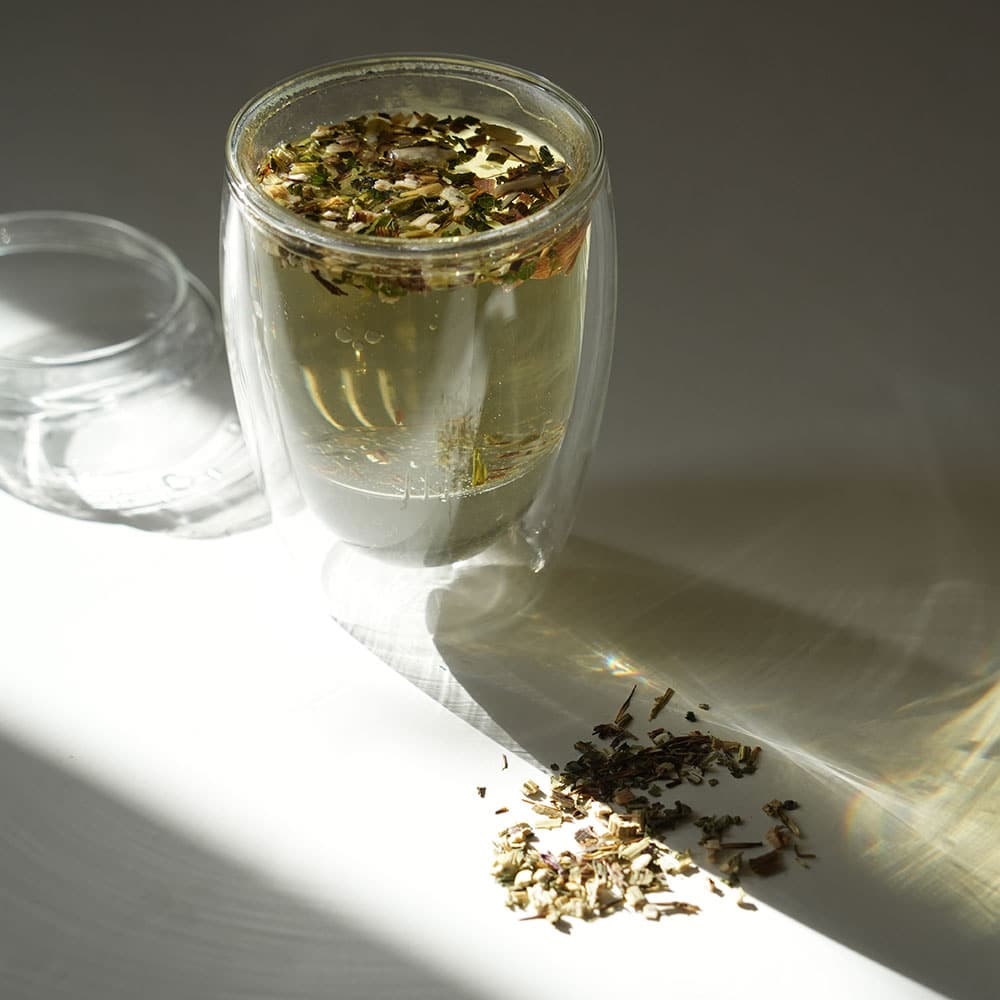
herbal teas - the complete guide to tea and health benefits

Both have genuine wellness benefits. They just work differently – and knowing which to reach for, and when, is part of becoming a Teapro.

The main health areas tea supports

Gut health and digestion

Your gut is sometimes called your second brain – and with good reason. The state of your gut microbiome affects everything from your immune function to your mood. Tea has a meaningful role to play here.

Green tea contains polyphenols – particularly a catechin called EGCG (epigallocatechin gallate) – that research suggests can support a healthier balance of gut bacteria.

Meanwhile, herbal teas like peppermint and ginger have long been used to ease digestive discomfort: bloating, cramping, nausea, and sluggish digestion.

Peppermint in particular has been well-studied. Its active compound, menthol, has an antispasmodic effect on the smooth muscle of the digestive tract, which is why it is often recommended for people with irritable bowel syndrome (IBS).

We have a full deep dive on peppermint tea’s benefits for digestive issues and overall wellness if you want to go further. For a broader look, our guide to 8 herbal remedies for digestive discomfort covers the key plants and how to use them.

Sleep and relaxation

Not all teas are created equal when it comes to sleep. Some help, some actively hinder. Getting this right matters.

On the helpful side: chamomile is the classic sleep-support herb, and for good reason. It contains an antioxidant called apigenin, which binds to receptors in the brain that promote relaxation and sleepiness. Valerian, passionflower, and lavender are other herbal options associated with reduced anxiety and improved sleep onset.

On the less-helpful side: any true tea (green, black, white, oolong) contains caffeine. If you are sensitive to caffeine, drinking true tea in the evening is worth reconsidering. We cover the full picture in our guide to the best and worst teas to drink before bed.

Anxiety and stress

L-theanine – an amino acid found almost exclusively in the Camellia sinensis plant – is one of the more interesting compounds in true tea. It promotes what researchers describe as “alert calm”: a state of relaxed focus without drowsiness.

Combined with caffeine, as it naturally is in green and black tea, it tends to produce a smoother, more sustained energy than coffee – without the jitteriness.

For people dealing with anxiety, herbal options like chamomile, ashwagandha, and lemon balm are often cited. Our dedicated guide to tea for anxiety covers the evidence behind each.

Hormonal balance

Beyond androgens, hormonal balance is also about the stress-hormone connection. Cortisol – the body’s primary stress hormone – shares the same chemical precursor as oestrogen and progesterone.

When the body is under chronic stress, this precursor is diverted toward cortisol production rather than sex hormones, which can compound imbalance. This is why stress-supporting herbs like lemon balm and chamomile belong in any honest conversation about hormonal health, not just the more obviously “hormonal” plants.

For perimenopause and menopause specifically, maca root has a growing body of clinical evidence – a pilot study found it significantly alleviated perimenopausal symptoms by 74-87%, including hot flushes, night sweating, and disrupted sleep, while also balancing levels of FSH, oestrogen, and progesterone.

It works as an adaptogen, supporting the hypothalamic-pituitary axis rather than delivering plant hormones directly.

Lady’s mantle is one of the most established women’s herbs in European herbal medicine, with a long history of use for menstrual regulation, PMS, and menopause.

Its tannins and flavonoids support uterine health and it is thought to have a progesterone-like effect, which can be helpful for women experiencing oestrogen dominance in perimenopause.

Meanwhile, adaptogenic herbs like ashwagandha and maca – sometimes available as tea or infusion blends – are associated with supporting the body’s stress-hormone response, which has indirect effects on hormonal balance more broadly.

Rooibos tea contains flavonoids that help suppress cortisol, the primary stress hormone, while its key compounds – aspalathin and nothofagin – support adrenal health and reduce oxidative stress, making it particularly beneficial during hormonal shifts like menopause.

Its anti-inflammatory properties further help reduce inflammation, a known contributor to hormone imbalance. Being caffeine-free also makes it an ideal evening drink, avoiding the hormonal stress that caffeine can trigger.

Weight management

Green tea is the most studied tea in relation to metabolism and weight management. The combination of EGCG and caffeine has been associated in multiple studies with modest increases in fat oxidation – particularly during exercise.

Yerba mate takes a different approach. A study in healthy active women found that yerba mate significantly increased fatty acid oxidation during exercise and reduced hunger, desire to eat, and prospective eating scores compared to placebo.

A broader systematic review of 32 studies confirmed consistent effects on metabolism improvement across different populations. Unlike green tea, yerba mate also contains theobromine – a compound also found in dark chocolate – which may contribute to its appetite-modulating effects.

It is one of the few teas that delivers meaningful caffeine alongside its own distinct polyphenol profile.

Oolong and pu-erh have also attracted research interest for their effects on lipid metabolism – pu-erh in particular for its impact on cholesterol levels, which may be related to its unique microbial fermentation process.

The honest summary: no tea replaces a balanced diet and regular movement. But green tea, yerba mate, oolong, pu-erh, and rooibos all have credible, distinct mechanisms that make them genuinely useful additions to a weight-conscious wellness routine – not as magic solutions, but as well-supported ones.

The best herbal teas for wellness

Herbal teas are a world of their own. Here are some of the most useful ones to know:

Herbal Tea Key Benefits
Chamomile The go-to for relaxation, sleep support, and mild digestive relief. Gentle, widely available, and well-studied.
Peppermint Excellent for digestive discomfort, particularly bloating and IBS symptoms. Naturally caffeine-free and refreshing both hot and cold.
Echinacea Most commonly associated with immune support, particularly around cold and flu season.
Elderflower Delicate, fragrant, and associated with anti-inflammatory and antiviral properties.
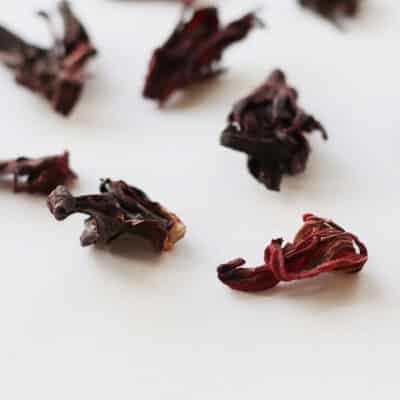
Hibiscus Tart, vivid red, and genuinely impressive in terms of antioxidant content. Some research links it to modest reductions in blood pressure.

For seasonal inspiration, our guide to 5 best herbal teas to drink this autumn is a great starting point. 

If you want to go deeper and create your own wellness blends, our herbal tea blending masterclass is the most hands-on way to do it. 

Loading...
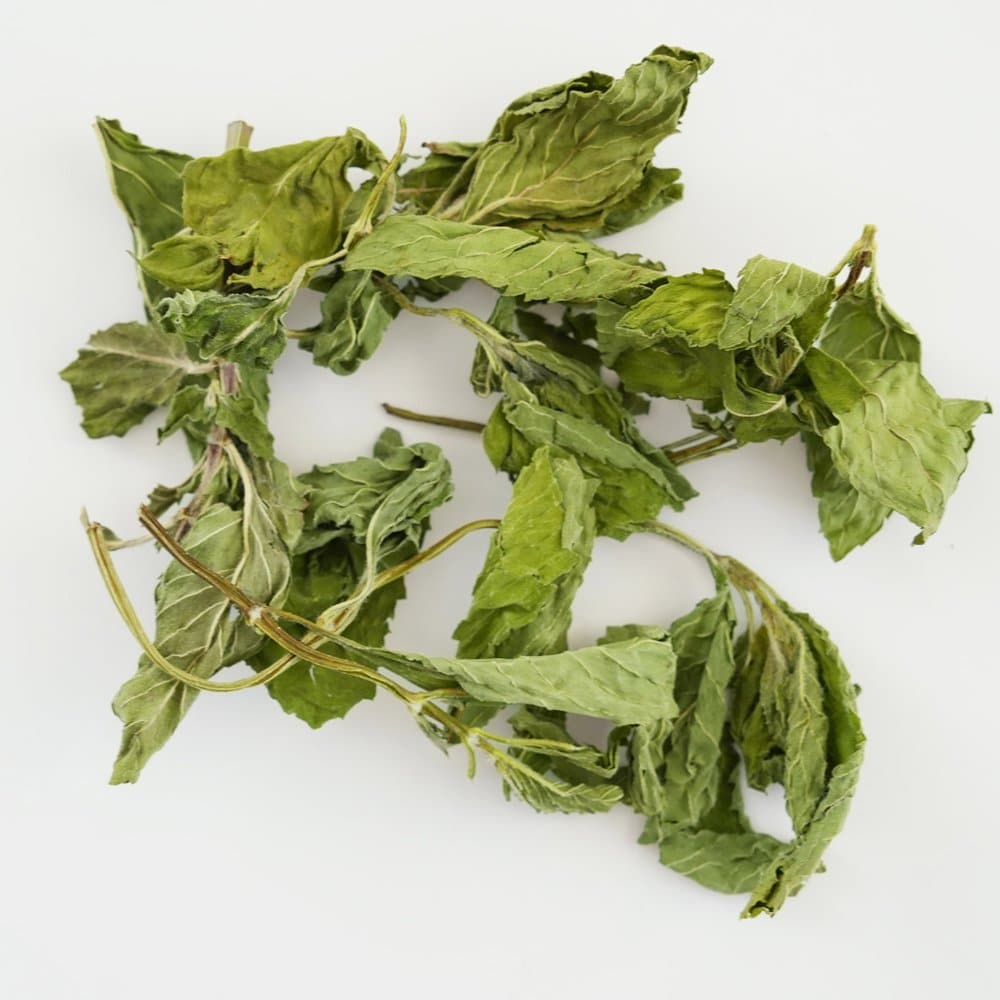
peppermint tea - mint tea
Price range: £6.50 through £60.00
echinacea tea
Price range: £3.45 through £16.00
Price range: £2.50 through £48.00

How much tea should you actually drink?

This is one of the most common questions we hear – and the answer is more nuanced than “drink as much as you like.”

For true teas, caffeine is the main variable to manage. Most adults in the UK consume up to 400mg of caffeine per day without adverse effects – a typical cup of black tea contains around 40-70mg, and green tea somewhat less. So three to five cups of true tea a day is a reasonable range for most people.

For herbal teas, most are naturally caffeine-free and safe to drink freely – but a small number of herbs have upper limits worth knowing. Liquorice root, for example, can affect blood pressure at very high consumption. If you are pregnant, have a health condition, or take medication, it is always worth checking with your GP.

The short answer for most healthy adults: two to four cups of true tea and one to two herbal teas daily is a sensible, well-supported range.

Loading...
wuyi black tea
Price range: £5.50 through £75.00
Loading...
workout tea detox tea herbal blend
Price range: £6.95 through £29.95

Loose leaf vs tea bags: does it matter for health?

Honestly? Yes – though perhaps not as dramatically as some loose leaf advocates claim.

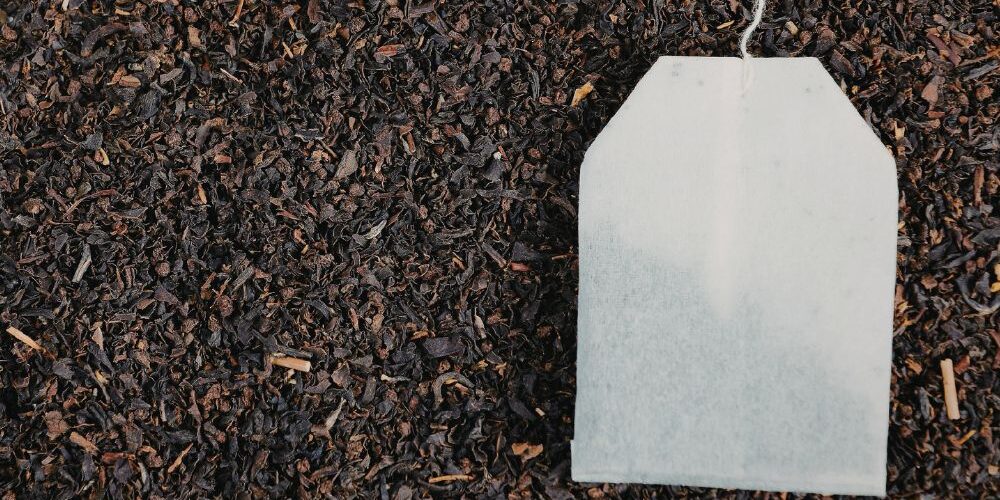
The key difference is surface area. Loose leaf tea uses whole or large-cut leaves. Most standard tea bags contain CTC (cut, tear, curl) tea – very small particles with a much higher surface area that extract quickly but lose more volatile aromatic compounds in the process. Pyramid bags often contain better quality leaf than traditional bags.

From a wellness perspective, higher-quality whole-leaf tea generally contains a better-preserved antioxidant profile – simply because it has undergone less processing.

loose leaf vs tea bag - the complete guide to tea and health

Single-origin loose leaf tea, bought from a reputable source, also gives you traceability: you can know where it was grown, how it was processed, and that it contains nothing artificial.

Not sure where to start? Our guide to choosing quality tea online walks you through exactly what to look for.

At Teapro, this is non-negotiable for us. We source pure single-origin teas and natural herb blends because we believe artificial flavourings mask what tea actually tastes like. When you drink a cup of our Darjeeling first flush, you are tasting that specific garden, that specific season – not a flavouring designed to mimic it.

How to switch from coffee to tea

If you are reading this guide partly because you want to reduce your coffee intake, you are not alone. It is one of the most common reasons people come to tea – and it is absolutely doable. But doing it well matters.

Going cold turkey from coffee tends not to work. Caffeine dependency is real, and the headaches, fatigue, and brain fog that come with sudden withdrawal are unpleasant enough to make most people give up by day three.

A gradual, structured approach works much better. Our 4-week coffee-to-tea plan takes you through the process step by step – swapping in teas at different caffeine levels, managing the withdrawal period, and building new rituals that make tea genuinely satisfying rather than a consolation prize.

The key insight: tea does not taste like coffee, and it should not try to. The goal is to find teas you genuinely love – not to replicate what you are leaving behind.

Loading...
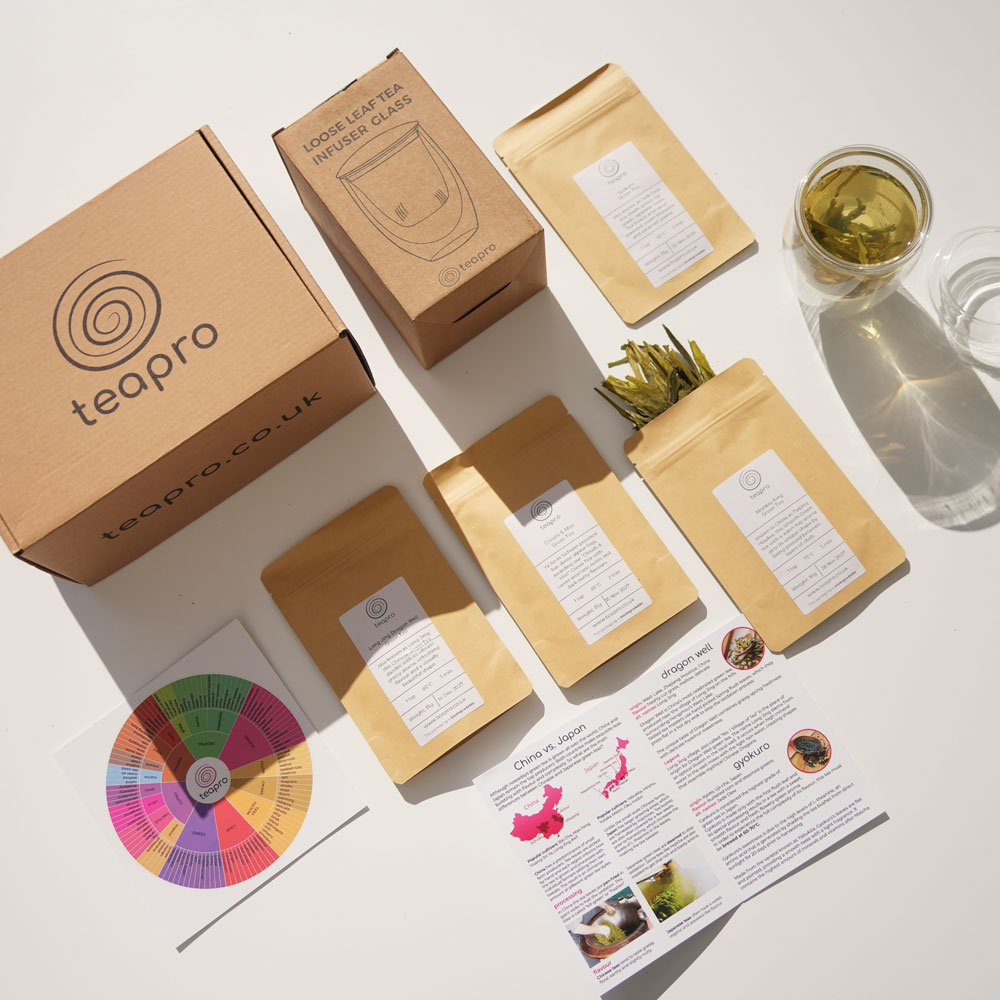
Shades of Green Tea Gift Set
Price range: £21.00 through £38.00
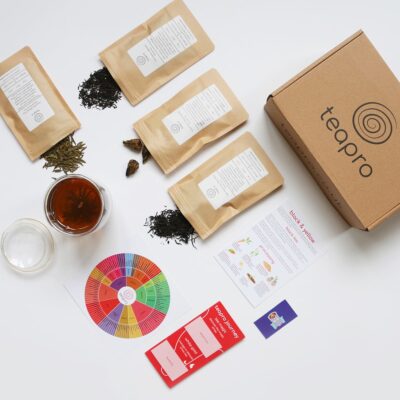
black tea gift box
Price range: £25.00 through £42.00

How to get the most from your cup

Knowing which tea to drink is only half the picture. How you brew it matters enormously.

The single most common mistake people make with tea – including good quality tea – is using water that is too hot. Boiling water is right for black tea and herbal infusions, but green tea brewed at 100 degrees Celsius will taste bitter and astringent.

Most green teas are best at 70-80 degrees. White tea at 75-85 degrees. Oolong somewhere in between, depending on the style.

Steeping time matters too. Over-steeping releases more tannins – the compounds responsible for bitterness and that dry, gripping sensation. Most teas are better slightly under-steeped than over. You can always brew again; you cannot undo a bitter cup.

Learning to taste tea properly – to notice origin, processing style, and quality – is a skill that develops over time. Our guide on how to taste tea like a pro will help you start developing your palate.

Getting the brew right matters as much as the tea itself. Our Tea Brewing Guide walks you through the techniques for every style.

If you want a structured path through the world of tea, our Become a Teapro 12-box subscription is the only programme of its kind in the UK. Each month covers a different tea type, with education built into every delivery.

FAQs

Yes – the evidence base for tea’s health benefits is substantial, particularly for true teas rich in polyphenols and antioxidants. Green tea has the largest body of research behind it. That said, tea is not medicine – it is a genuinely beneficial daily habit that supports overall health as part of a balanced lifestyle.

It depends on your goal. Green tea has the most robust research for antioxidant content and metabolic support. Herbal teas like chamomile, peppermint, and hibiscus each excel in specific areas. There is no single “healthiest” tea – the best one is the one you will actually drink consistently.

Yes, for most healthy adults. Drinking two to four cups of true tea daily is associated with a range of health benefits, including reduced risk of heart disease and improved cognitive function. Herbal teas can be enjoyed daily with few caveats for most people.

Yes. Despite caffeine’s mild diuretic effect, research consistently shows that tea contributes to your daily fluid intake. The diuretic effect of moderate caffeine consumption does not outweigh the fluid you take in.

Most herbal teas should be approached with caution during pregnancy – some, like peppermint in large quantities or liquorice root, are not recommended. True teas contain caffeine, which should be limited to under 200mg per day during pregnancy. Always check with your midwife or GP.

For an energy boost with fewer jitters than coffee, a good quality Assam or Darjeeling black tea works well. Matcha is another excellent morning option – its combination of caffeine and L-theanine provides focused, sustained energy. If you are caffeine-sensitive, a rooibos or herbal blend is a lovely caffeine-free alternative.

A good English Breakfast or a single-origin Assam is an accessible starting point – familiar, forgiving to brew, and satisfying. If you want to explore beyond black tea, a lightly processed oolong is a beautiful middle ground, with a natural sweetness that most people love immediately.

In most cases, yes – particularly for flavour and quality. Single-origin loose leaf tea gives you traceability and a purer flavour profile. The gap between a good pyramid bag and a loose leaf tea of the same type is smaller than the gap between standard supermarket teabags and quality loose leaf.

Start by paying attention to what you are drinking. Where is it from? What does it smell like before you add water? Does it taste different at different temperatures? Curiosity is the foundation. From there, our Become a Teapro 12-month subscription is the most structured way to build genuine knowledge – one tea type per month, with education at every step.

Ready to go deeper? Explore our full collection at teapro.co.uk – or start your journey with the Become a Teapro 12-box subscription.

teapro.co.uk

Hot drinks lover, especially peppermint tea. Consumer Behaviour and Marketing student. Passionate about cooking, exploring new music, and playing the piano.

No Comments

Post A Comment