13 Feb How to Choose Quality Tea When Buying Online: The Complete Guide
Knowing how to choose quality tea online is the difference between a cup that genuinely moves you and one that tastes vaguely of perfume.
Open any browser and you’ll find hundreds of brands, thousands of blends, and an overwhelming number of choices – many of which look virtually identical until you start asking the right questions. This tea buying guide exists to help you ask those questions. Whether you’re new to buying loose leaf tea online UK or a seasoned drinker looking to refine your palate, the principles below apply equally.
Here’s everything you need to know – from the single most important distinction in the tea world (loose leaf tea vs tea bags) to how to read tea sourcing information, spot artificial tea flavourings, and find the best quality tea UK has to offer.
But as every teapro will tell you, not every tea is equal, and some are better quality than others. How then do you tell the quali-tea from the not-so-desirable?
1. Loose Leaf Tea vs Tea Bags: The First Thing to Understand
If there’s one thing worth understanding before you buy a single gram of tea online, it’s this: the format your tea comes in matters enormously.
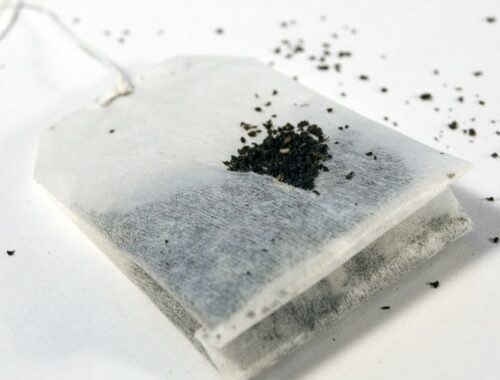
Tea bags – including many sold by well-known premium brands – typically contain what the industry calls “fannings” or “dust”: the broken fragments left over after higher-grade whole leaves have been sorted and processed.
These tiny particles have a vastly increased surface area, which means they release tannins quickly. The result is a harsh, astringent brew that fades fast and offers little of the complexity that real tea can provide.
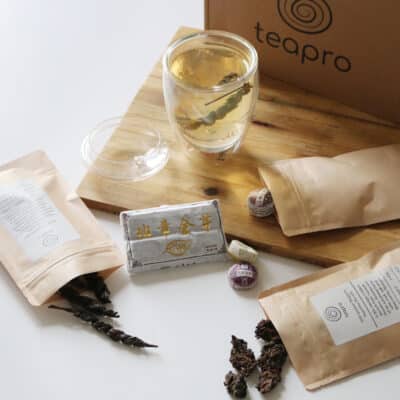
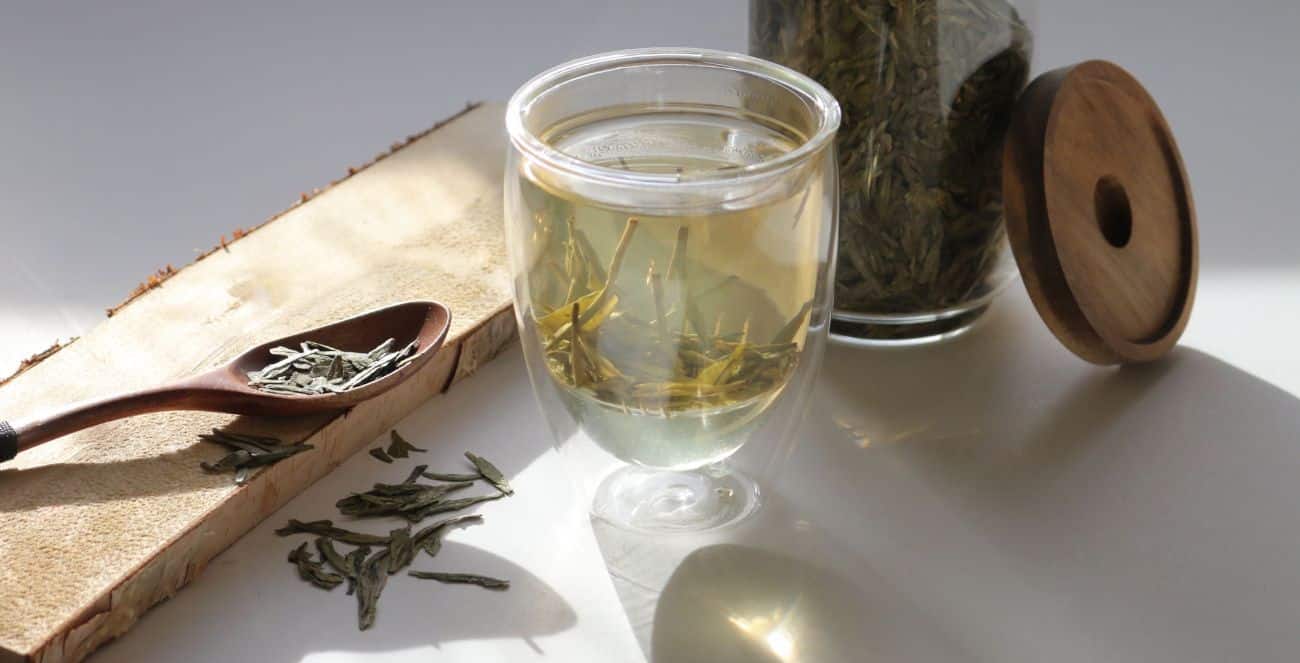
Loose leaf tea, by contrast, is made from whole or near-whole leaves. These leaves unfurl slowly as they steep, releasing their flavour gradually and completely. A good loose leaf tea can often be steeped multiple times – each infusion revealing something slightly different. That’s not a gimmick. It’s what real tea tastes like.
This is the foundation of how to choose quality tea online: start with loose leaf, and you’ve already eliminated most of the low-quality options on the market.
When browsing loose leaf tea online UK, look for:
- Products explicitly sold as loose leaf
- Listings that show the actual leaves clearly – ideally across multiple photographs
- No mention of tea bags as the primary format (though some brands now offer compostable options with whole-leaf contents)
At Teapro, we use only loose leaf teas. Not because it’s fashionable, but because it’s the only format that lets the tea speak for itself. It’s also entirely free of the microplastics that synthetic tea bags can release into your cup – something worth knowing when searching for the best quality tea UK brands have to offer.
2. Single Origin Loose Leaf Tea vs Blends: Why Provenance Matters
Walk into a good coffee shop and you’ll likely see single-origin coffees clearly labelled – Yirgacheffe, Sumatra, Colombian Highland. The same principle applies to tea, and for the same reason: where a tea is grown shapes everything about how it tastes.
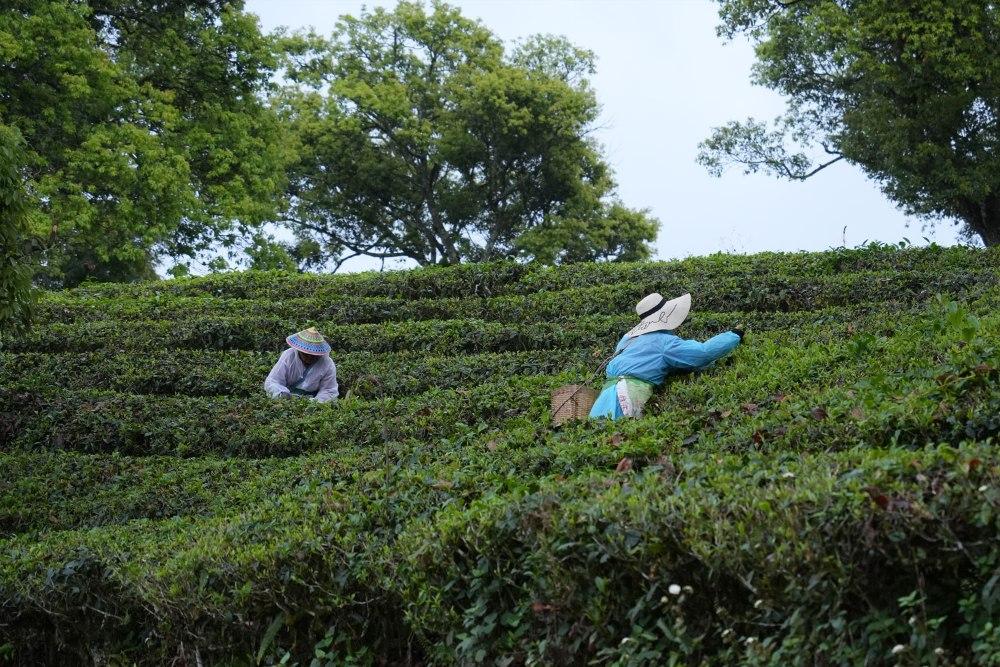
Single origin loose leaf tea comes from one specific garden, estate, or region. A Darjeeling First Flush from the Makaibari Estate has a flavour profile you simply cannot replicate with leaves from elsewhere. The soil, altitude, rainfall, and local harvesting traditions all leave their mark on the leaf.
Blended teas combine leaves from multiple sources. There’s nothing inherently wrong with blending – English Breakfast is a blend by design – but the key question is why the tea is blended. Is it blended by a master taster to create a consistent, complex flavour? Or is it blended to cut costs using lower-grade leaves from various sources?
As part of any practical tea buying guide, here’s what to look for on product pages:
- Named growing regions (Yunnan, Assam, Fujian, Darjeeling, etc.)
- Specific estate or garden names where possible
- Seasonal harvest information (First Flush, Second Flush, Spring Harvest)
- Transparent supply chain information – does the brand explain how they source?
If a product simply says “green tea” with no further origin information, that’s a signal worth heeding. The best producers are proud of where their tea comes from and will tell you.
3. The Red Flag You Shouldn’t Ignore: Artificial Tea Flavourings
This is perhaps the most important section in this tea buying guide – and the one most brands would rather you didn’t think too hard about.
Artificial tea flavourings are extraordinarily common across the industry. They’re cheap to produce, easy to apply, and create a bold, consistent flavour hit that can be very appealing on first taste. The problem is that they mask the tea itself. When artificial tea flavourings are added – whether labelled as “natural flavouring,” “nature-identical,” or simply “aroma” – you’re no longer tasting the tea. You’re tasting the flavouring on top of it.
This matters for several reasons.
Quality becomes irrelevant when flavouring is added. If a tea is going to be heavily flavoured regardless, there’s no incentive for the producer to source exceptional leaves. Lower-grade, cheaper tea becomes perfectly acceptable because the flavouring dominates anyway. The result is a product that tastes exciting but tells you nothing about what real tea is capable of.
Your palate never develops. Many tea drinkers who rely on heavily flavoured teas find that unflavoured teas seem bland by comparison – at first. This is because the palate hasn’t been trained to detect the subtler, richer notes that pure tea provides. It’s the same reason someone who eats a lot of highly processed food finds whole foods initially underwhelming. Given time, the reverse becomes true.
You can’t evaluate quality by taste. When you drink a pure, unflavoured tea and something tastes off, you know. When you’re drinking something heavily flavoured, identifying quality issues is almost impossible. The artificial tea flavourings hide everything – including problems.
How to spot artificial tea flavourings when shopping online:
- Read the ingredients list carefully. “Natural flavouring,” “flavouring,” or “aroma” all indicate added flavourings – including many labelled as “natural”
- Be sceptical of very bold, very consistent flavour profiles across a wide product range. Real teas vary; artificially flavoured ones don’t
- Look at what the brand says about its philosophy. Do they talk about the tea itself, or mainly about the flavour experience?
At Teapro, we have a simple rule: no artificial tea flavourings on any camellia sinensis teas.
Our teas – including our herbal blends – contain only what they say they contain. If you’re reaching for a mango or lychee note, it should come from real mango or real lychee, not from a laboratory. And if the tea itself is the point, it should taste like the place it came from.
4. How to Read Tea Sourcing Information
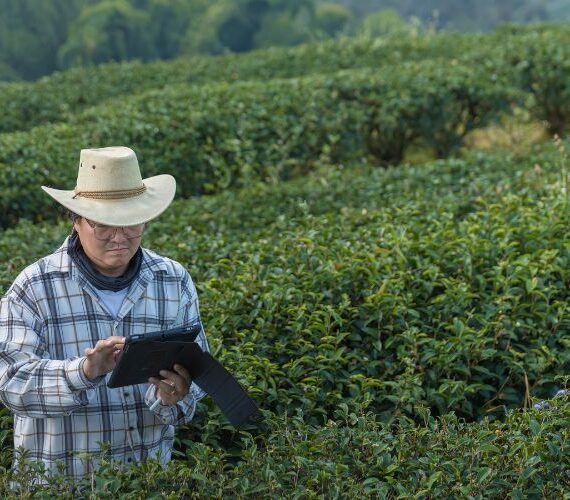
Once you know to look for it, sourcing information tells you an enormous amount about a brand’s values – and the likely quality of what’s in the bag. Knowing how to read tea sourcing information is one of the most practical skills you can develop as an online tea buyer.
What good tea sourcing information looks like:
- Named country and region of origin
- Harvest season or year (particularly relevant for green teas, white teas, and aged teas like pu erh)
- Descriptions of the tea garden or estate, including altitude and growing conditions
- Information about how the tea was processed (withering, oxidation, firing method)
- Direct trade or ethical sourcing claims – and whether these are substantiated with real detail
What poor tea sourcing information looks like:
- Generic country names only (“China” or “India”) with no further detail
- Vague descriptions such as “hand-picked” or “premium quality” without specifics
- No information at all beyond the flavour profile
- No explanation of how the tea was processed
This doesn’t mean every good brand runs its own plantation – most don’t. But reputable brands work closely with trusted suppliers, visit estates, and can tell you exactly where your tea came from.
That transparency is not just a marketing asset; it’s evidence of a real commitment to quality. When in doubt on how to read tea sourcing information, ask yourself: would I be satisfied with this level of detail on a food label? If not, dig deeper.
5. Start With Sample Sizes
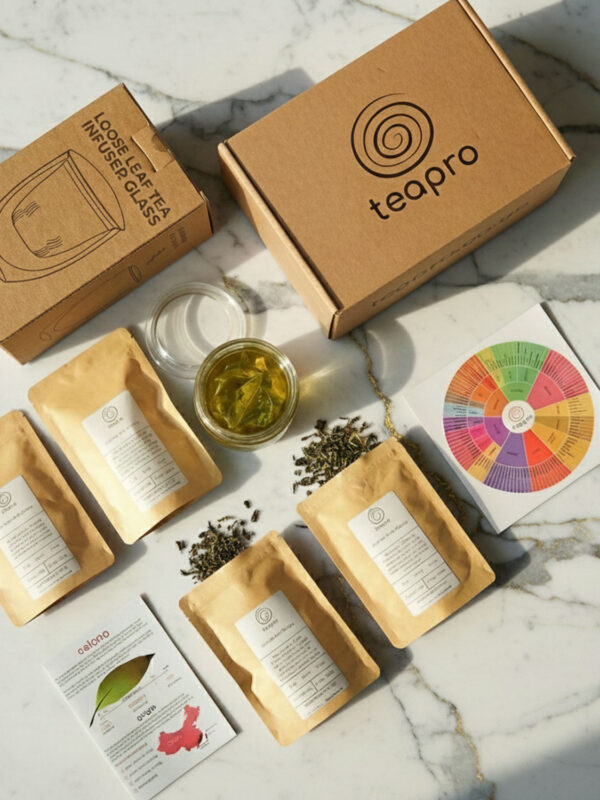
Before committing to a large purchase from a new brand, start small. Most reputable sources of loose leaf tea online UK offer sample sizes or discovery boxes – and these are one of the smartest ways to buy tea online, especially if you’re still building your palate.
Buying a sample gives you:
- The chance to evaluate quality before spending more
- An opportunity to check whether the brand’s description matches reality
- A low-risk way to explore unfamiliar tea types
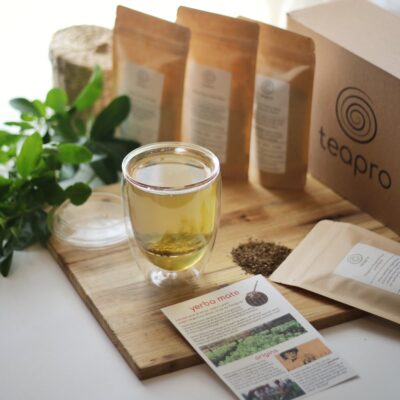
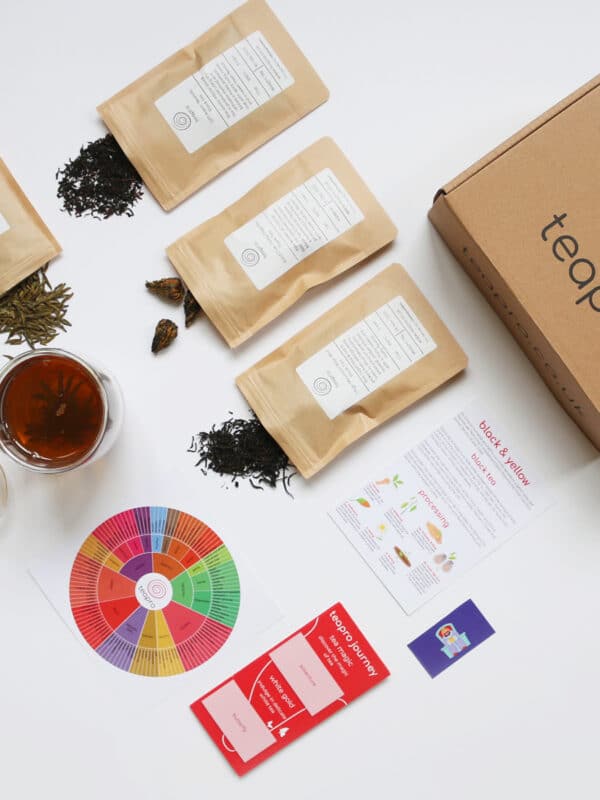
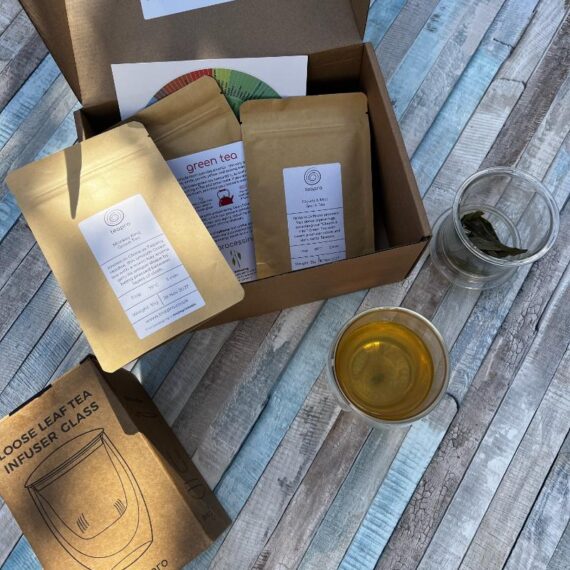
At Teapro, our discovery gift boxes are built around exactly this principle. They’re designed to introduce you to a category of tea – black, green, oolong, white, and more – with enough variety to understand what you like. If one tea captivates you, you can go deeper. If it’s not quite right, you’ve learned something useful without significant outlay.
6. Check Product Photography – But Know What You’re Looking For
Product photography for tea varies enormously, and it can tell you a surprising amount about a brand’s confidence in what it’s selling.
Signs of quality in tea product photography:
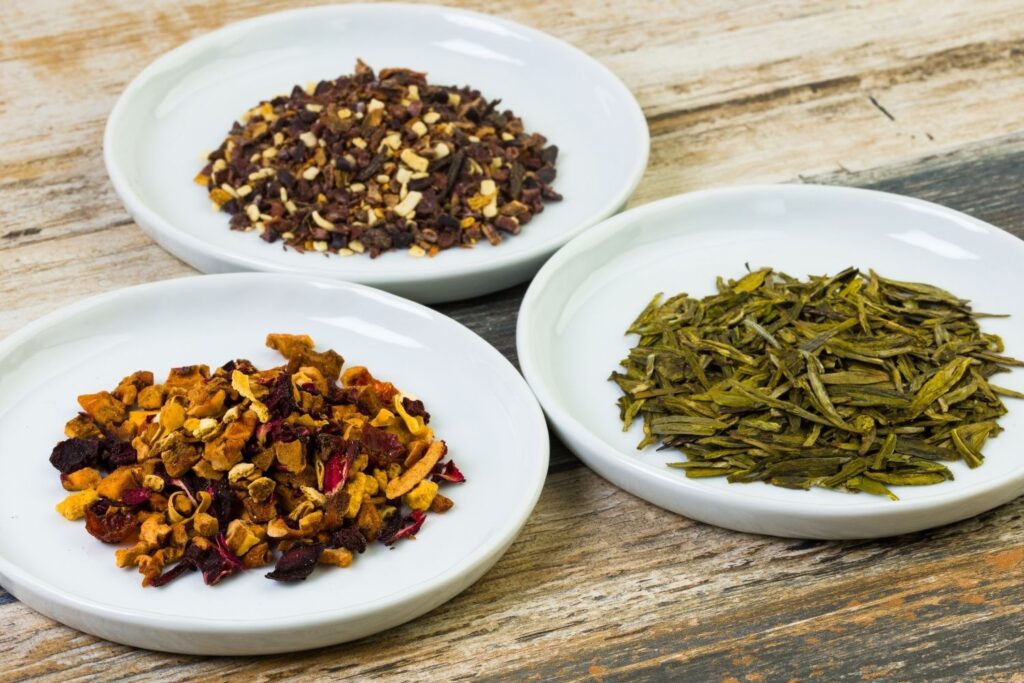
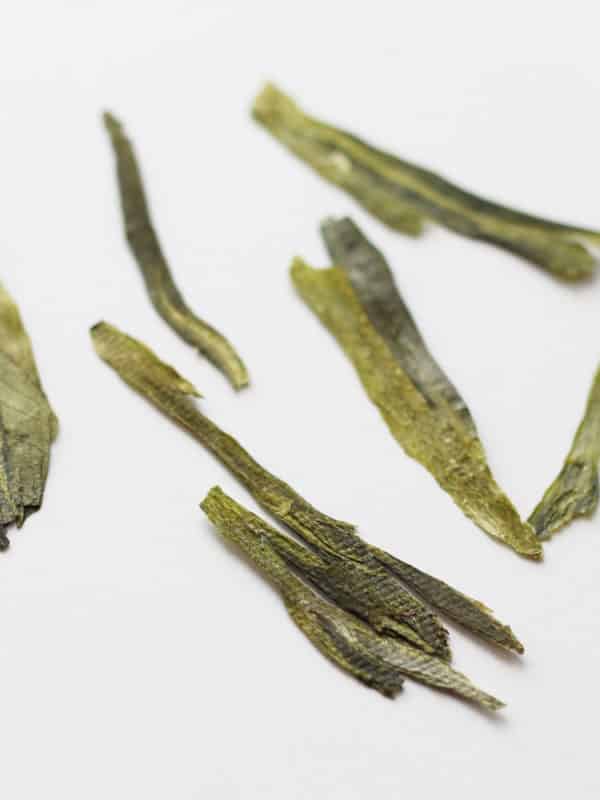
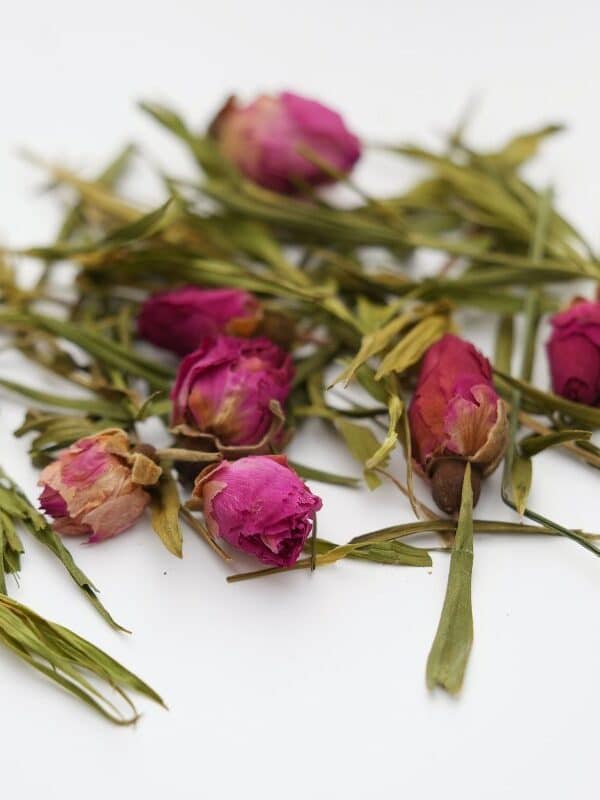
- Clear, high-resolution images of the dry leaves themselves – loose leaf tea should look like leaves, not dust
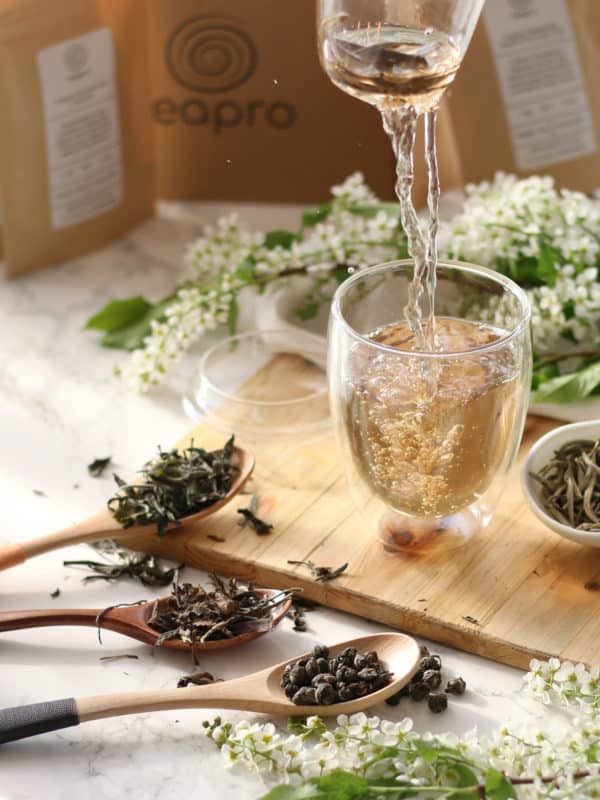
- Multiple shots showing different angles: dry leaf, brewed cup, packaging
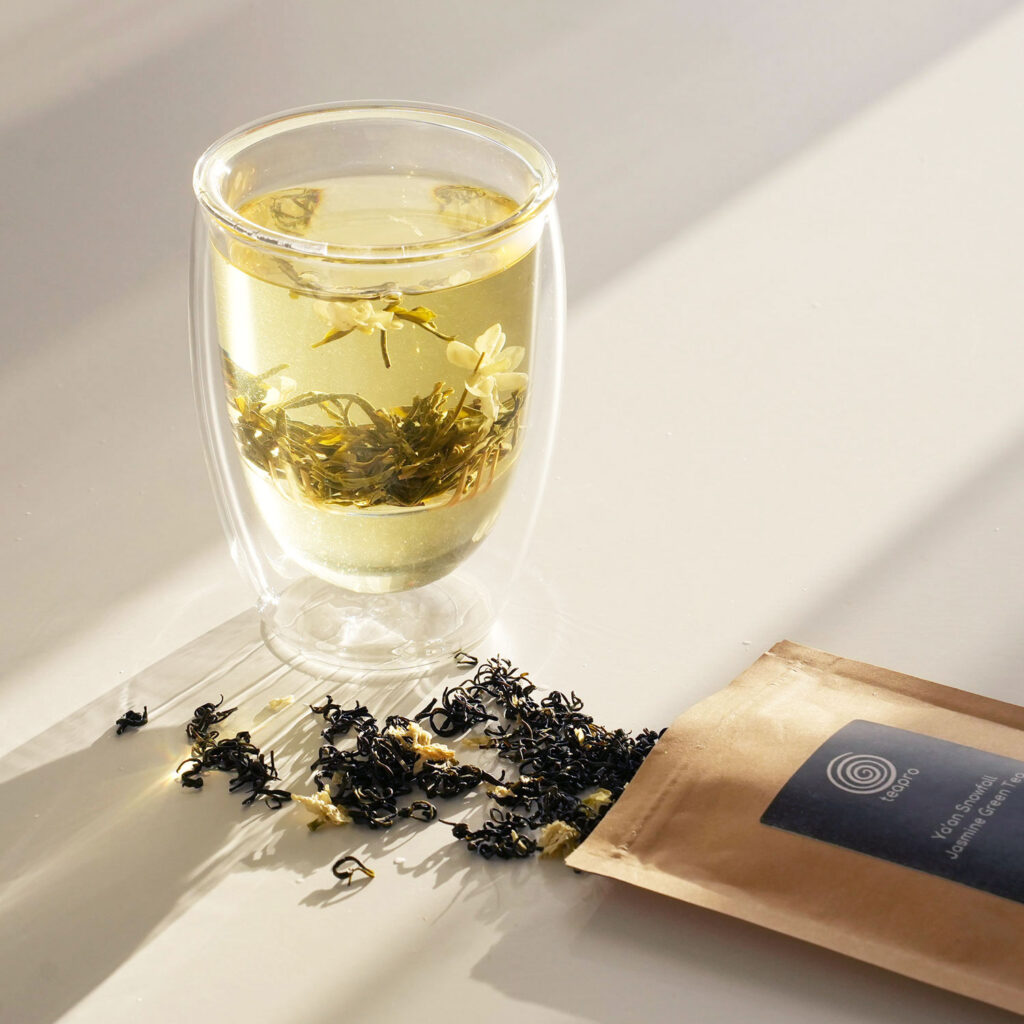
- Realistic brew colour – green teas should look pale golden-green, not electric green; black teas should be amber to mahogany
- Visual consistency that feels considered and honest, not heavily filtered
Signs worth treating with caution:
- Only packaging shots, with no images of the actual tea
- Brewed tea that looks implausibly vivid or saturated (often a sign of colouring agents or very heavy artificial tea flavourings)
- Stock photography that doesn’t appear to be of the actual product
A brand that’s confident in the quality of its leaves will show you the leaves. This is a quick and reliable filter when you’re learning how to choose quality tea online.
7. Understand What You’re Drinking: The Main Tea Types
Part of finding the best quality tea UK retailers stock is knowing what you’re actually choosing between. Here’s a brief orientation to the main categories.
black
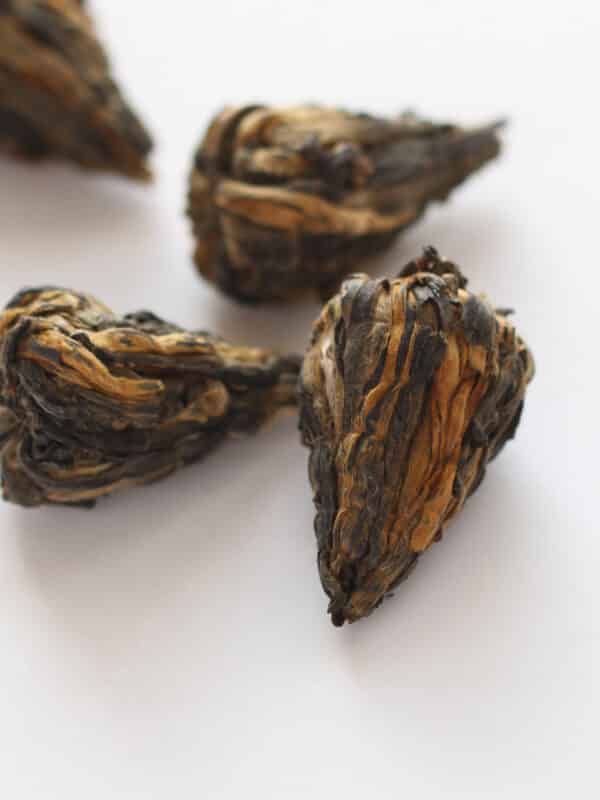
Fully oxidised, with a strong, rich, malty flavour. Accounts for around 90% of tea sold in the West. An excellent starting point for those moving away from coffee. Also known as red tea in China.
Read more: How to brew loose leaf tea properly.
green
What makes green tea unique is minimal oxidation. The leaves are pan-fired or steamed immediately after picking to halt the oxidation process.
Flavour ranges from grassy and vegetal (Japanese styles) to sweet and nutty (Chinese styles). Highly sensitive to brewing temperature – never use boiling water.
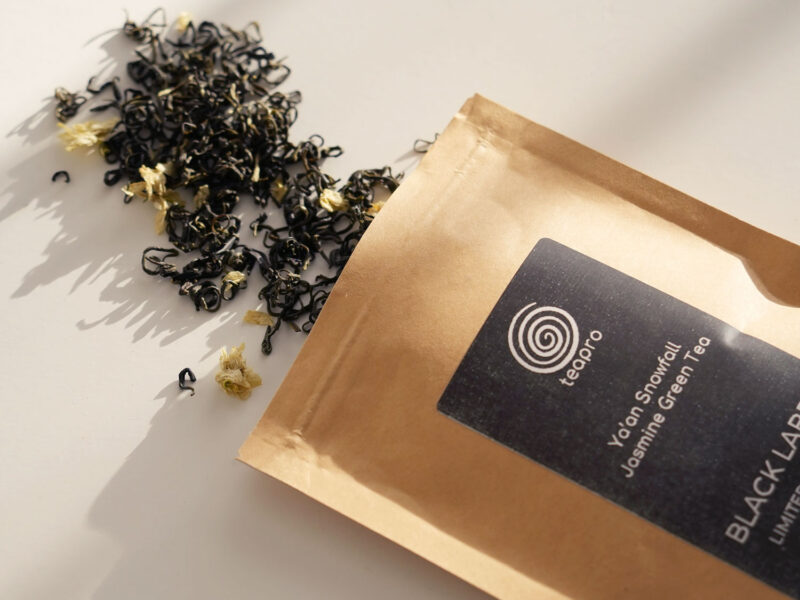
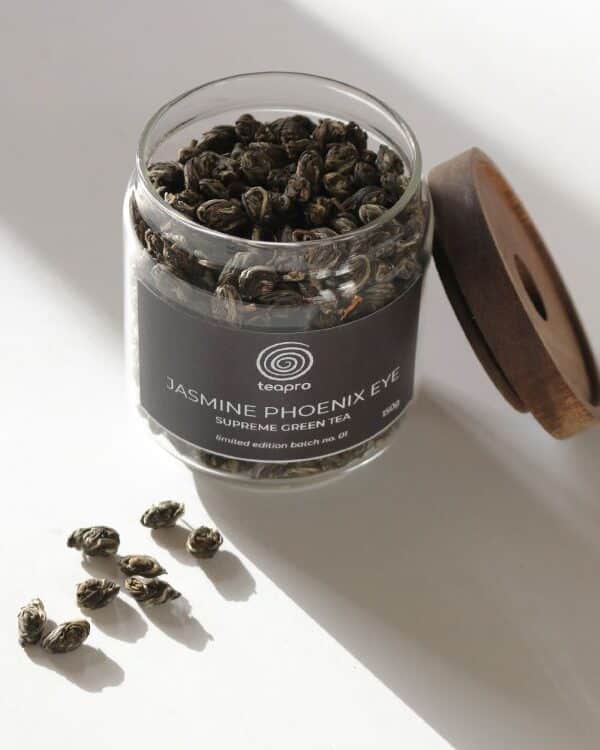
Teapro Black Label Supreme Phoenix Eye Jasmine Green Tea | Limited Edition
white tea
The least processed type. Made from young buds and leaves, minimally handled. Delicate, often sweet or floral. A good white tea is one of the most nuanced things you can put in a cup.
Read more: White tea
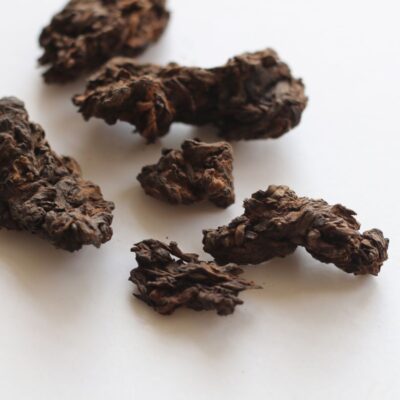
Teapro 2018 Aged Shou Mei White Tea Mini Cakes | Limited Edition
oolong
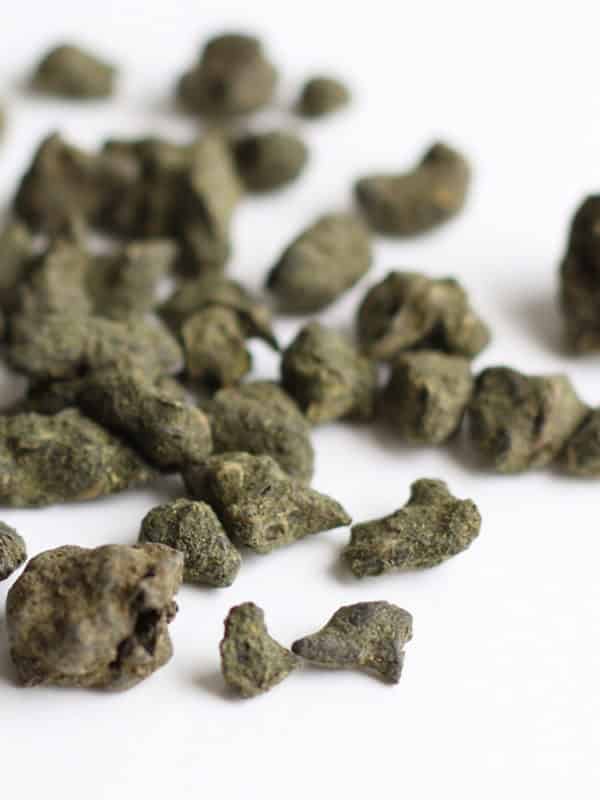
Partially oxidised, sitting between green and black. The range is enormous: light, floral oolongs (like a high-mountain Taiwan variety) through to dark, roasted styles (like Da Hong Pao). One of the most complex and rewarding categories to explore.
Pu erh
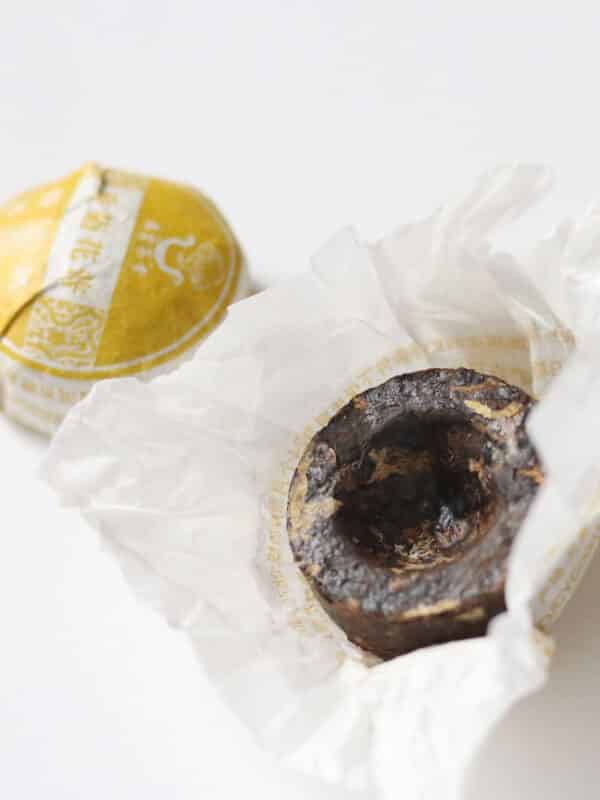
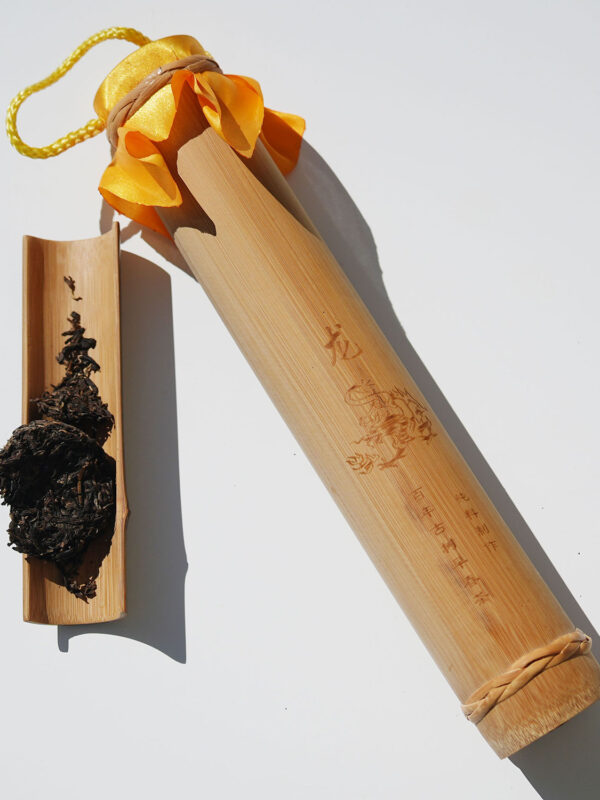
Aged and fermented, often pressed into cakes or bricks. The flavour deepens with age. An acquired taste, and entirely unlike anything else in the tea world.
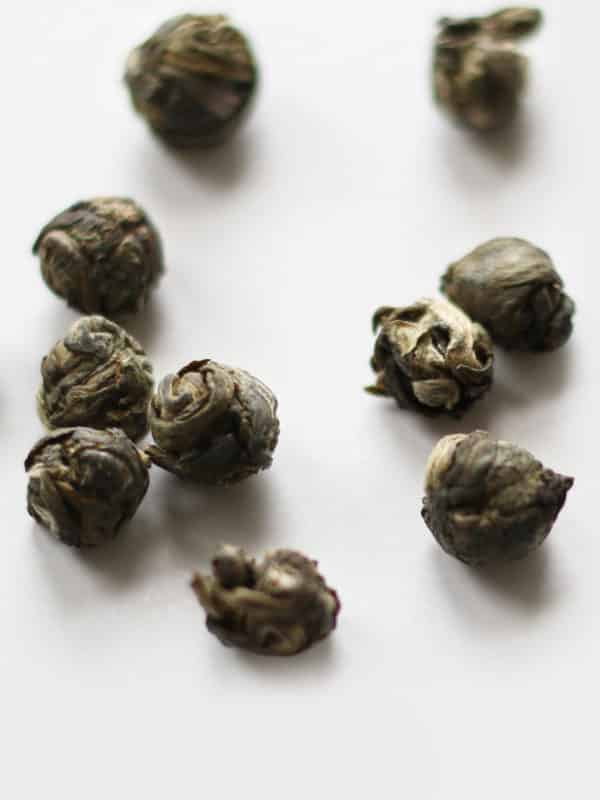
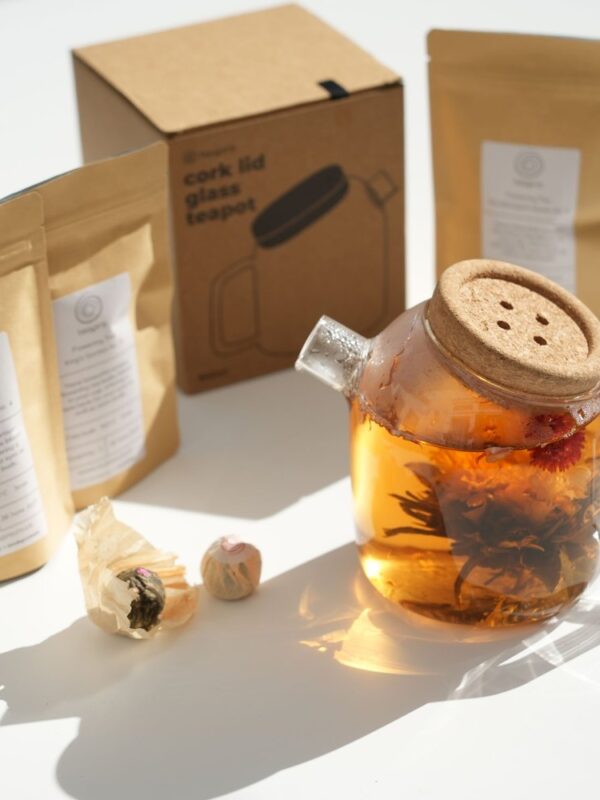
blooming tea
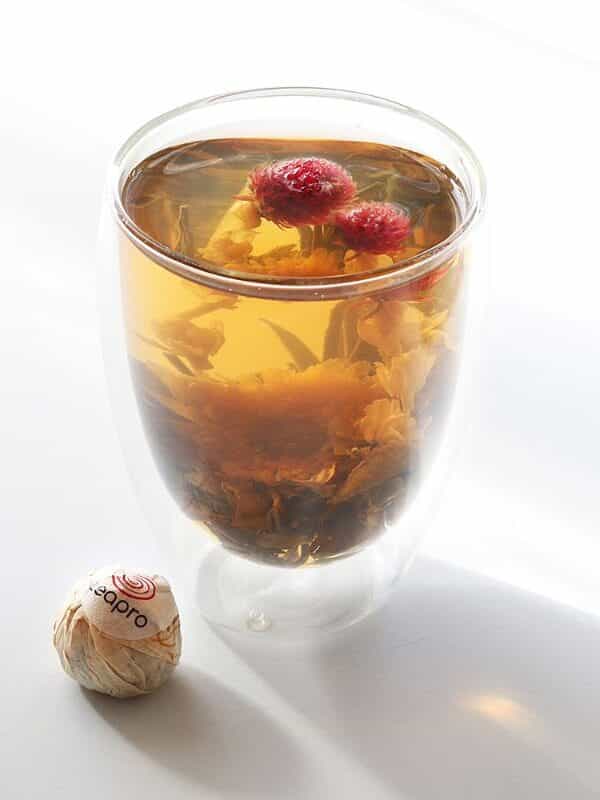
You could also give blooming teas their own category, as they’re so unique in their look and require a lot of craftsmanship (although technically it should be considered a blend).
Herbal teas (tisanes)
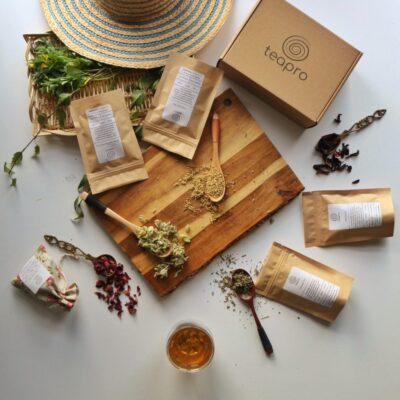
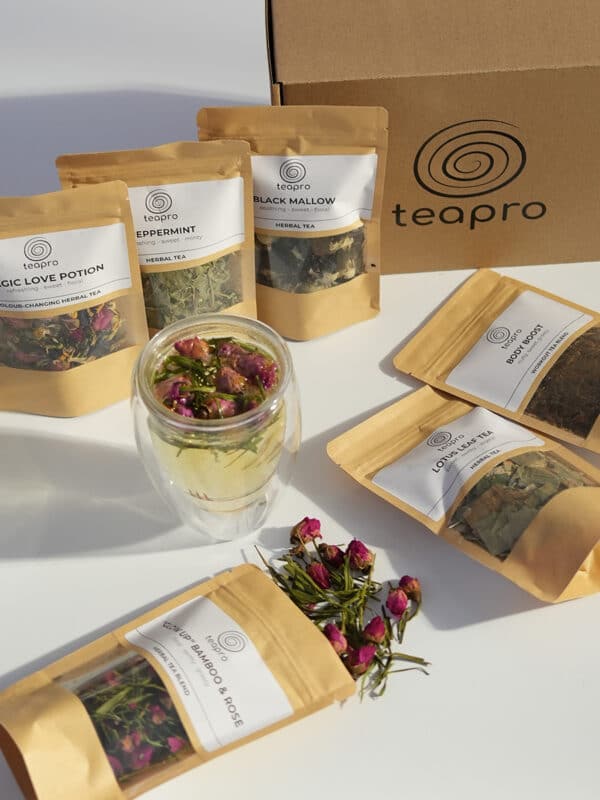
Technically not tea at all, as they contain no Camellia sinensis, but an enormous and diverse category covering everything from chamomile and peppermint to rarer herbs like sideritis (Greek mountain tea). Most are naturally caffeine-free.
Knowing these categories helps you navigate ingredient lists, flavour descriptions, and brewing instructions with much greater confidence – and makes it far less likely you’ll accidentally buy something that isn’t quite what you had in mind.
There are over 3,000 different tea varieties (that we know of!) on the planet, and all of them are likely worth exploring. Even if you don’t get through all of them in your lifetime, trying might be fun!
At Teapro, our “Become a Teapro” subscription is built around exactly this kind of structured exploration – twelve boxes, twelve tea types, with educational materials that make each step genuinely illuminating. But you don’t need a programme to start. You just need curiosity and a willingness to pay attention.
Master EVERY TYPE OF TEA with our 12-box educational loose leaf tea gift set worth £360
8. Read Reviews – But Read Them Smartly
Customer reviews remain one of the most useful tools available when you’re looking to buy loose leaf tea online UK, but they require some interpretation.
For tea specifically, pay attention to:
- Reviews that describe how the tea actually tastes – these are far more informative than simple star ratings
- Whether reviewers mention repeat purchases, which is a strong quality signal
- How the brand responds to negative reviews – engaged, respectful responses suggest a company that takes quality seriously
- Third-party platforms like Trustpilot, which are harder to manipulate than on-site reviews
Also worth following:
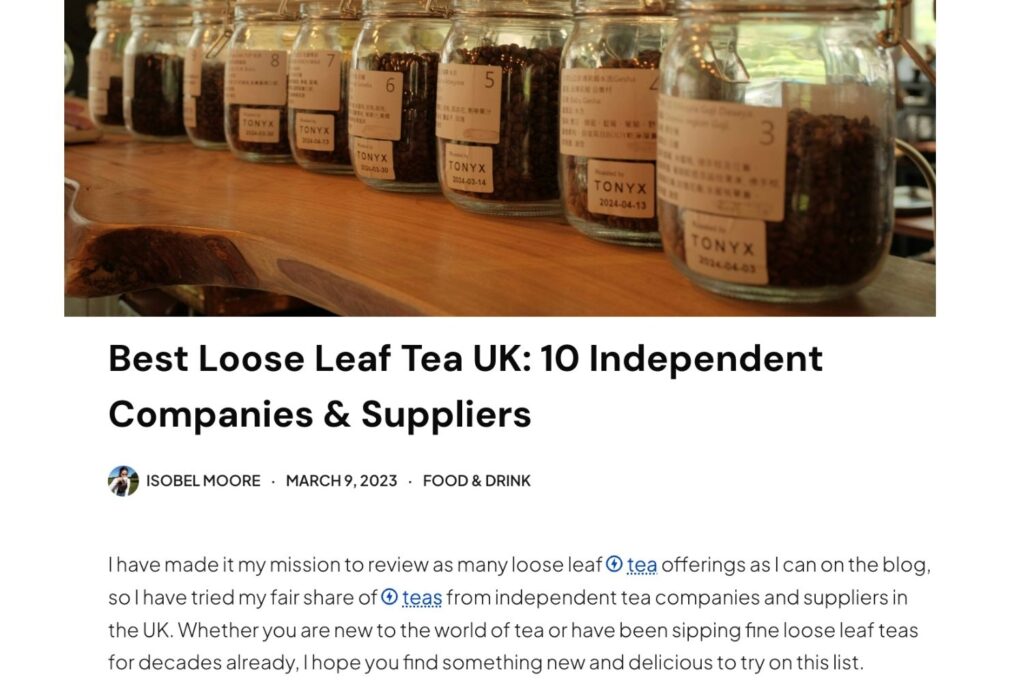
Independent tea reviewers and bloggers who specialise in single origin loose leaf tea. Their assessments tend to be detailed, comparative, and not commercially motivated.
9. Sustainability as a Quality Signal
The most sustainable teas tend also to be the highest quality teas. This is not a coincidence.
Brands committed to sustainability – traceable supply chains, natural growing methods, minimal processing – are also committed to letting the tea be what it is. Shortcuts in sustainability often correspond to shortcuts in quality. For anyone trying to figure out how to choose quality tea online, sustainability is a reliable proxy for the values that produce better tea.
Sustainability signals worth looking for:
- Loose leaf format – Loose leaf tea means no synthetic bag materials, no microplastics, and typically better quality across the board
- Compostable packaging – Teapro has moved all its packaging to compostable materials, meaning nothing ends up in landfill
- Recyclable or minimal packaging – less packaging generally means a brand thinking carefully about its impact
- Transparent sourcing – brands that can trace their supply chain have built relationships with producers who grow with care
The tea industry has significant environmental and ethical dimensions. Choosing brands that engage with these honestly is both better for the planet and, typically, better for your cup.
10. How to Build Your Personal Tea Profile
The ultimate goal of any tea buying guide is to help you develop a sense of what you like – a personal flavour profile that’s yours, rather than a brand’s recommendation.
A useful framework:
Start with oxidation level. Do you prefer lighter, more delicate flavours? Start with white or green tea. Do you want something robust and familiar? Begin with black. Oolong sits in the middle and offers extraordinary variety.
Notice what draws you in flavour descriptions. Floral, grassy, earthy, malty, smoky, fruity, nutty – these aren’t marketing words. They’re real flavour characteristics that come from the leaf, the terroir, and the processing method. The more you taste, the more meaningful these terms become.
Pay attention to what changes between infusions. Good loose leaf tea evolves across multiple steeps. If you notice this happening – if the third infusion tastes different from the first – you’re drinking something worth coming back to.
Keep notes. Even brief notes (“earthy, slightly sweet, good with food”) help enormously when you’re trying to remember what you loved and what didn’t quite land.
For a complete list of different tea types and varieties check out our article: Your Complete Guide Through the Remarkable World of Tea
Summary: Your Checklist for How to Choose Quality Tea Online
The next time you’re browsing for loose leaf tea online UK – whether you’re a first-time buyer or adding to a growing collection – run through this checklist before you add anything to your cart.
Tea quality checklist
Answer yes to most of these, and you’re likely looking at the best quality tea UK online shopping has to offer. Answer no to several, and it’s worth looking elsewhere.
Knowing how to choose quality tea online doesn’t require years of expertise. It just requires knowing what questions to ask – and being willing to hold brands to a higher standard.
Ready to Start?
Browse our full range of pure, single origin loose leaf tea and curated gift sets – each one selected for quality, traceable to its source, and entirely free of artificial tea flavourings.

Teapro co-founder. Favourite tea - Long Jing Dragon Well Green Tea. Obsessed with film, photography and travelling.
- Tatjana

- Tatjana


No Comments