£4.00 – £15.00Price range: £4.00 through £15.00
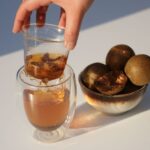
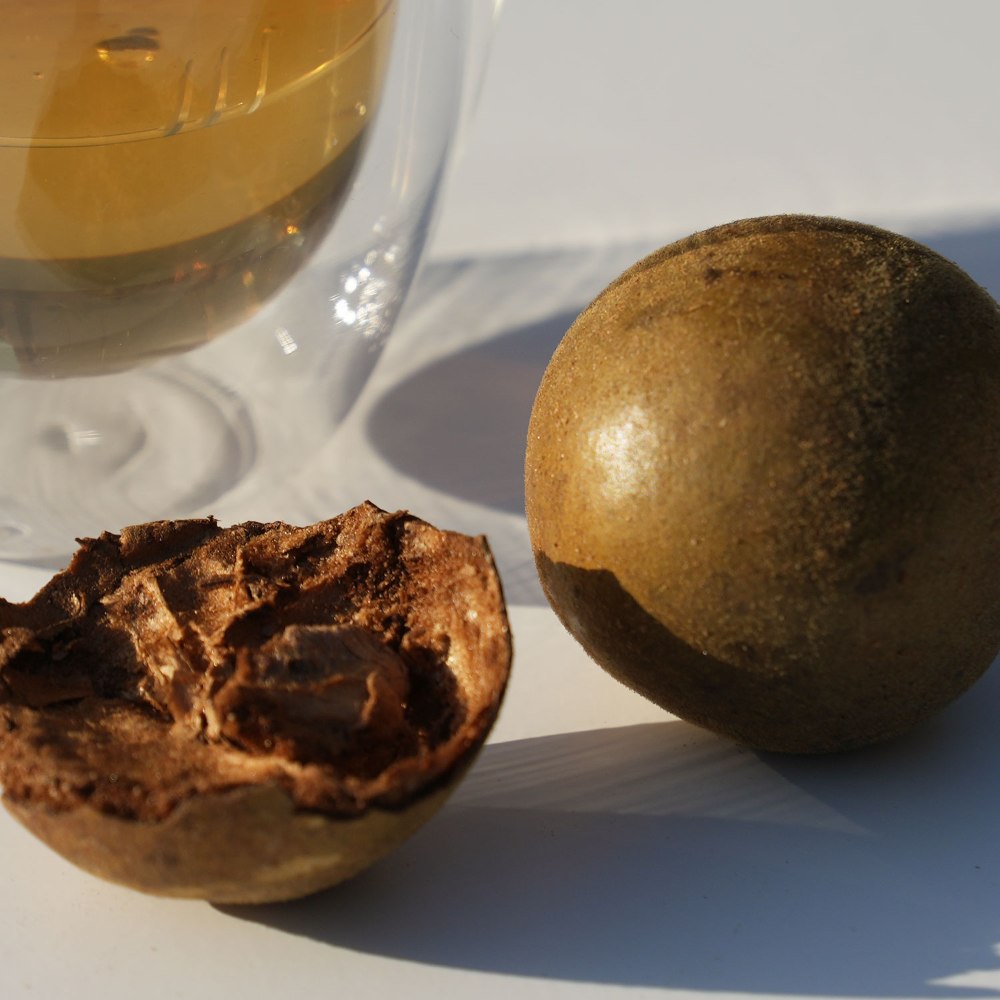
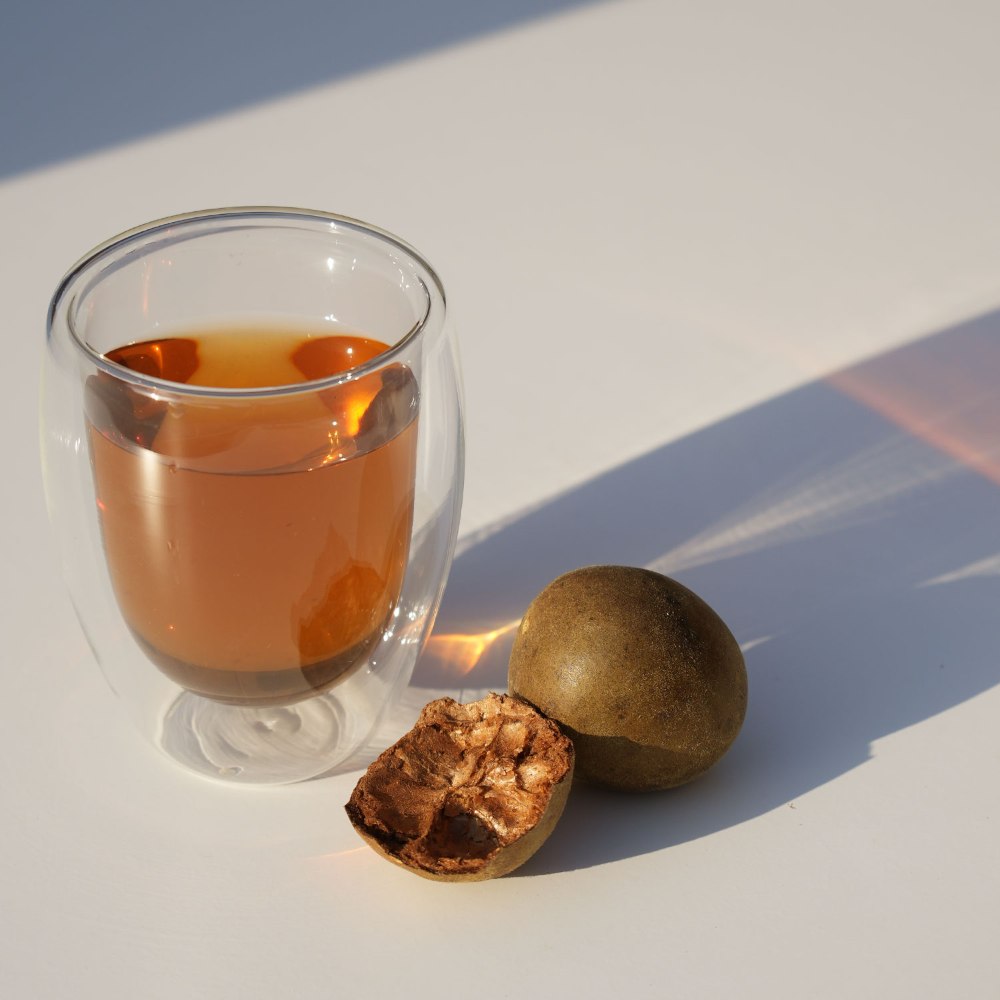
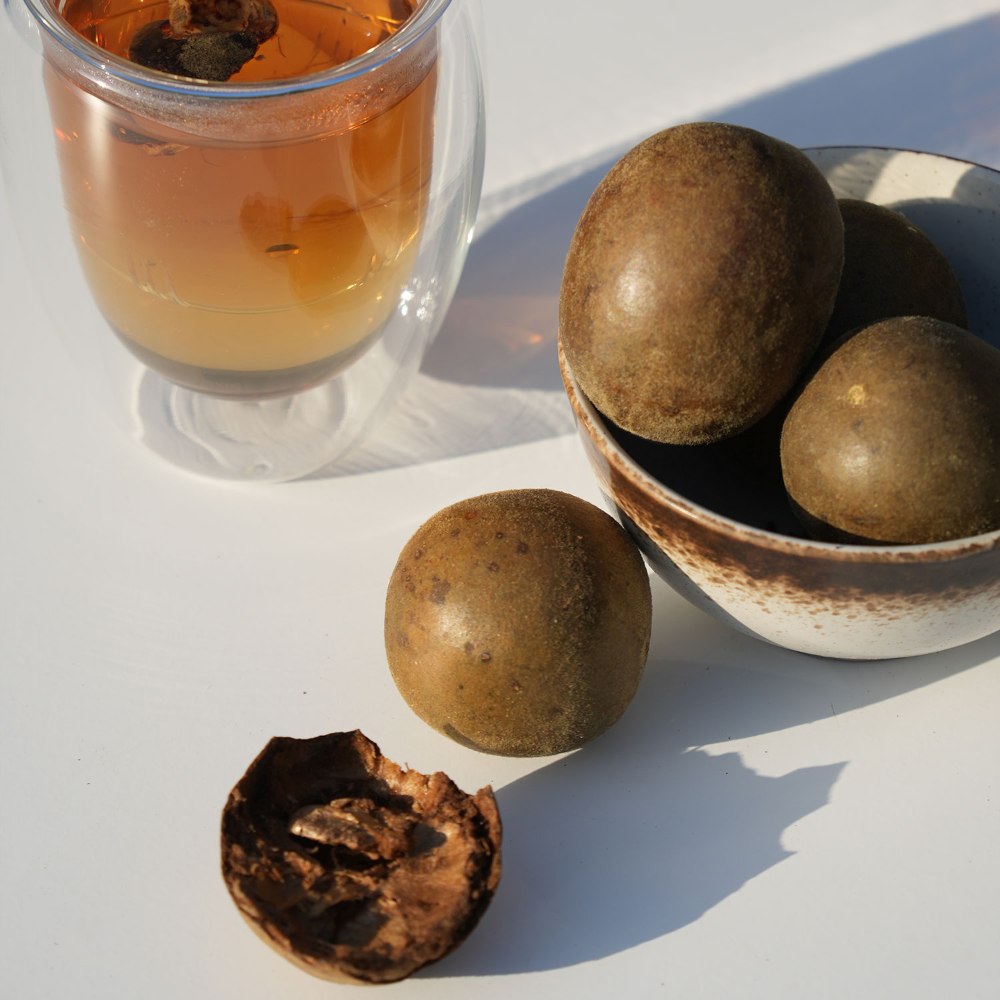
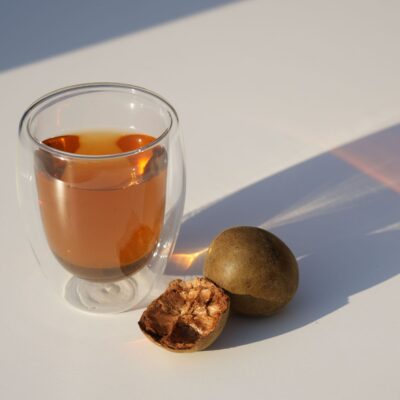
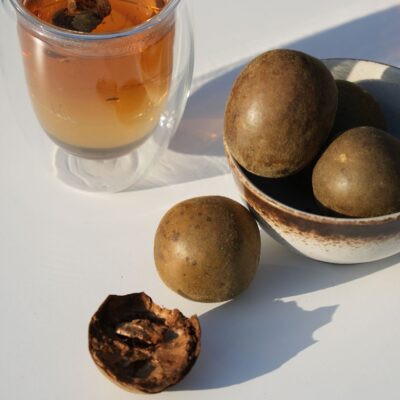
Dehydrated Monk Fruit (Luo Han Guo) is naturally 150-200x sweeter than sugar, yet contains zero calories and nothing artificial. Drink monk fruit tea as a gentle, honeyed infusion on its own, or add a pinch to any tea blend for effortless sweetness without the sugar spike.
🌱 type: fruit
🌱 origin: Asia
🌱 flavour: sweet, honeyed
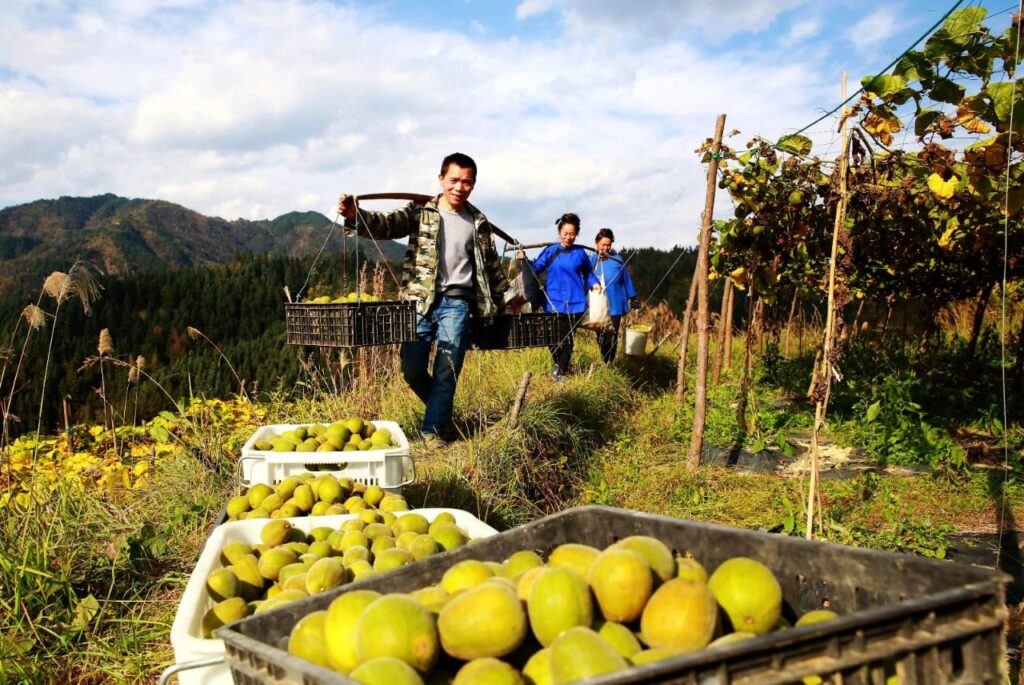
Monk fruit tea – known in China as luo han guo – has been treasured across southern China and Southeast Asia for centuries, long before the modern world caught on.
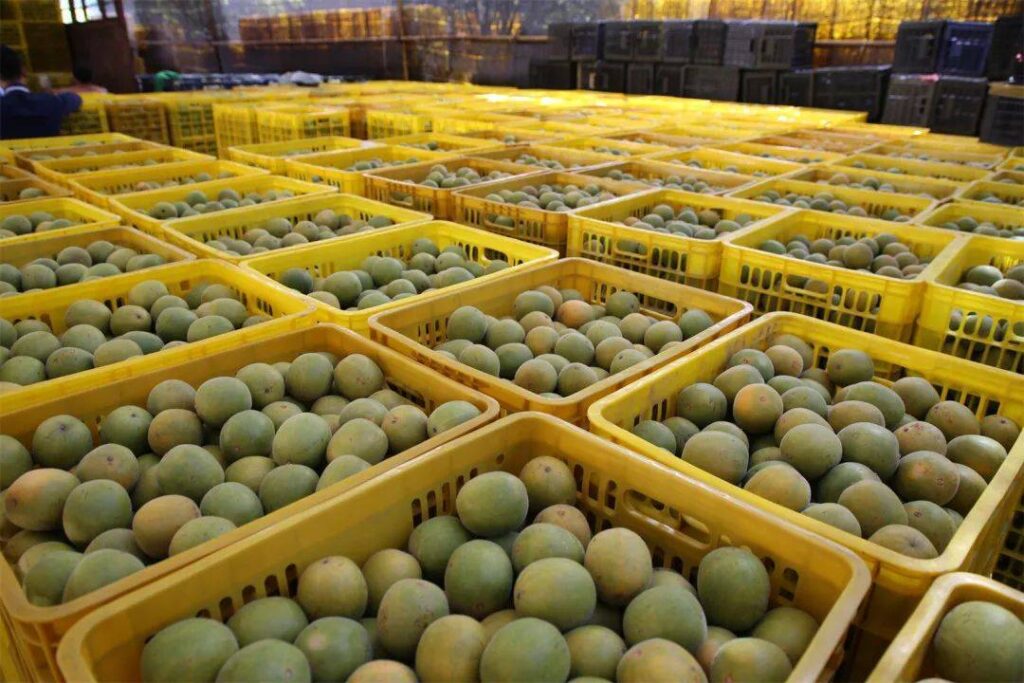
Named after the Buddhist monks who first cultivated it in the misty mountains of Guangxi province, this small, round fruit produces a naturally occurring compound called mogroside that delivers extraordinary sweetness without a single calorie.
Where refined sugar spikes and artificial sweeteners leave an aftertaste, monk fruit simply sweetens. Gently. Cleanly. Honestly. Our dehydrated monk fruit is minimally processed to preserve the full natural character of the fruit – nothing stripped away, nothing added.
The result is a versatile product that works beautifully as a standalone herbal infusion or as a pinch-and-steep sweetener alongside your favourite loose leaf tea. One ingredient. Centuries of tradition. A genuinely better way to sweeten your cup.
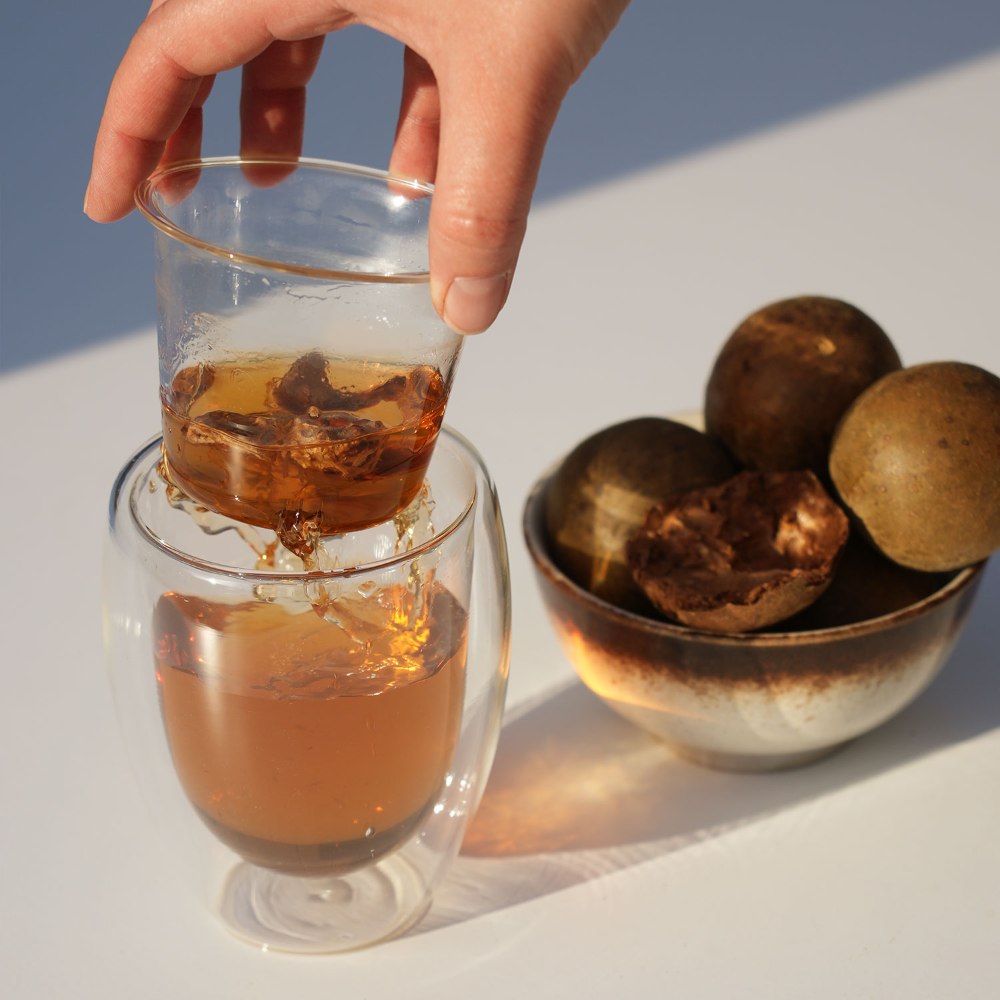
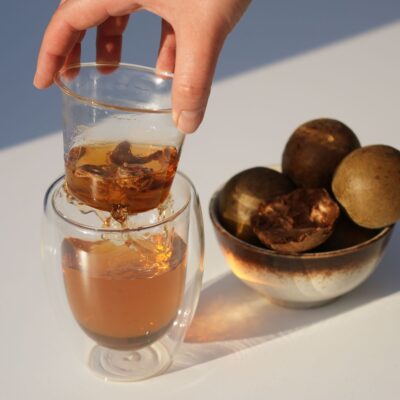
Measure 1-2g of dehydrated monk fruit into your infuser, teapot, or mug. Pour over freshly boiled water – unlike many delicate teas, monk fruit can handle full boiling temperature without turning bitter. Allow to steep for 3-5 minutes.
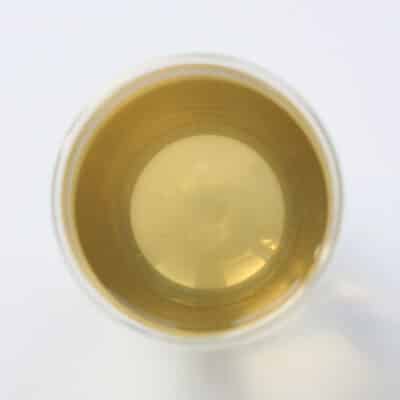
The liquor will turn a soft golden colour as the natural sweetness releases. Taste and adjust steeping time to your preference – longer steeps give a more pronounced sweetness.
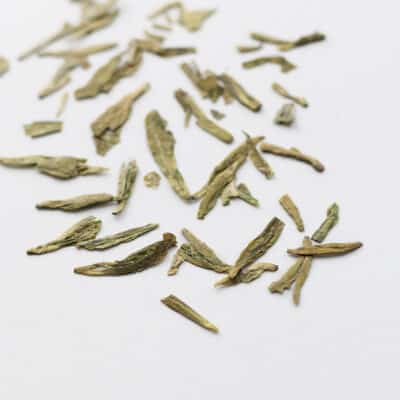
To sweeten another tea: simply add a small piece of monk fruit (roughly 0.5-1g) directly to your infuser alongside your chosen tea. It blends seamlessly with green, white, black, and herbal teas alike.
Pro tip: Because monk fruit sweetness is so concentrated, start with less than you think you need. A small amount goes a long way, and you can always steep for longer rather than adding more.
It has a soft, honeyed sweetness – warmer and rounder than sugar, without the sharpness or artificial aftertaste you get from sweeteners like stevia or aspartame.
On its own, it makes a light, golden infusion. Added to another tea, it simply lifts the sweetness without masking the tea’s natural character.
Yes – that’s exactly what many of our customers do. Because monk fruit is naturally 150-200x sweeter than sugar, you only need a very small amount. A single gram steeped alongside your tea can replace one or two teaspoons of sugar, with zero calories and nothing artificial.
Monk fruit is widely enjoyed by people managing blood sugar, following low-carbohydrate diets, or simply looking to reduce refined sugar. It contains no glucose or fructose in meaningful amounts – its sweetness comes from mogrosides, which are not metabolised in the same way as sugar. As always, if you have specific health conditions, we’d recommend checking with your healthcare provider.
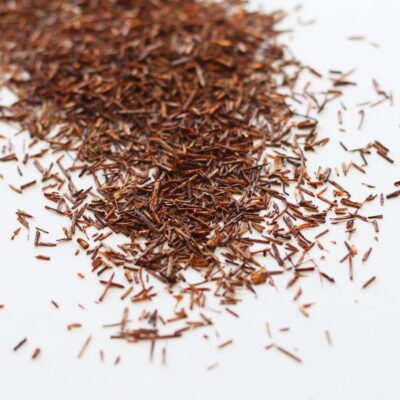
Absolutely. It works particularly well with green teas, white teas, and floral herbals where you want to lift sweetness without adding the heavy weight of sugar. It also pairs beautifully with stronger black teas as a natural alternative to a sweetener. Experiment freely – monk fruit plays well with almost everything.
The sweetness in monk fruit doesn’t come from sugar at all. It comes from natural compounds called mogrosides, which bind to sweetness receptors on your tongue in the same way sugar does, but are not absorbed or metabolised by the body in the same way.
That means no blood sugar spike, no calories, and no crash afterwards. It is one of the few things in nature that tastes genuinely sweet while offering none of the downsides of sugar.
To make Chinese black tea, steep 1-2 tsps per cup in boiling water for 2–3 minutes. It can be served plain, or with a splash of milk if preferred.
For a traditional Chinese experience, enjoy it without milk or sugar to appreciate its natural notes.
Top varieties include Keemun (Qimen), known for its wine-like aroma; Lapsang Souchong, famous for its smoky flavour; Yunnan Dian Hong, prized for its golden buds and rich, malty taste; and Wuyi black teas from the Wuyi Mountains, which offer a bold, mineral-rich profile often referred to as “rock charm” (yan yun).
These teas vary by region and processing style, offering something for every palate.
Monk fruit is one of the most diet-friendly natural sweeteners available.
It is suitable for keto and low-carb diets (zero net carbs, no impact on ketosis), calorie-controlled and weight-loss diets, diabetic-friendly eating plans (no glucose or fructose in meaningful amounts), vegan and plant-based diets, and gluten-free diets. It is also a popular choice for anyone following a no-added-sugar lifestyle who still wants to enjoy a naturally sweet cup.
As always, if you have a specific medical condition, check with your healthcare provider before making any dietary changes.
Elevate your tea experience with our easy-to-use, stylish teaware.
The most spectacular and effortless way to brew your loose leaf tea! The removable glass infuser allows for multiple re-steeps and helps to avoid over-brewing.
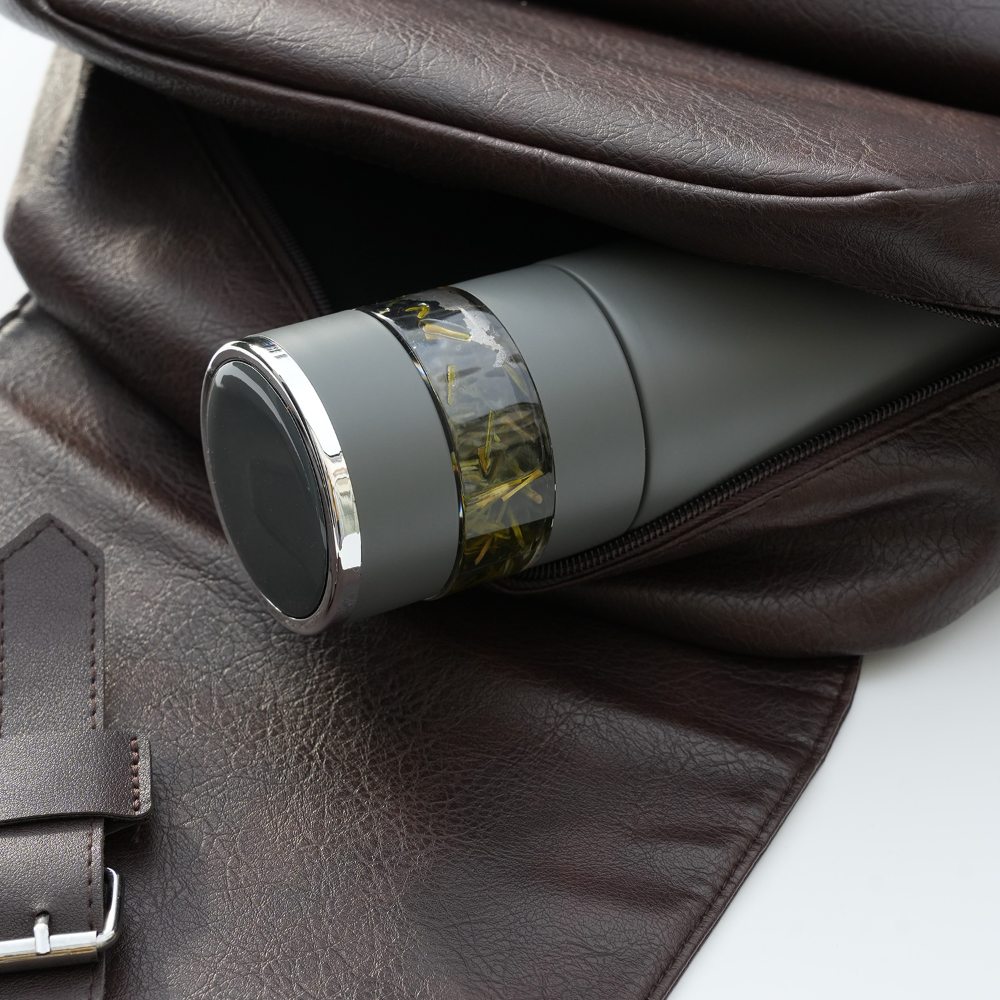
Our Teapro infuser bottle is your perfect travel companion, ensuring maximum flavour, whilst keeping your tea hot or cold for up to 12 hours in a sleek & sustainable design.
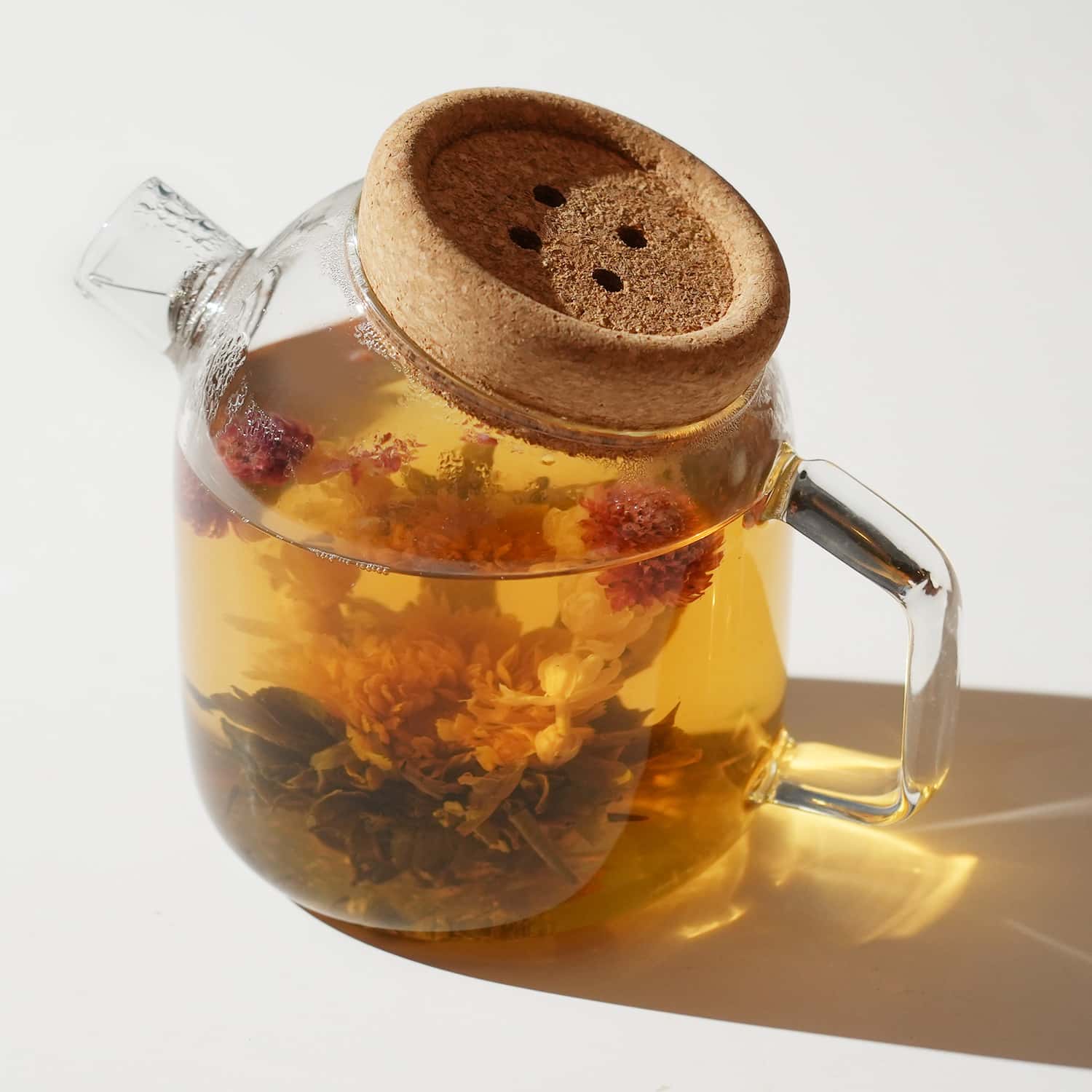
Witness the mesmerising transformation of loose leaf tea as it steeps, creating a beautiful centrepiece while serving a perfect tea for you and your friends.
Dehydrated Monk Fruit Tea - Nature's Sweetener - Luo Han Guo Tea
| 5 star | 0% | |
| 4 star | 0% | |
| 3 star | 0% | |
| 2 star | 0% | |
| 1 star | 0% |
| Weight | N/A |
|---|---|
| SIZE | 1pc, 2pc, 6pc |