READ MORE
what is single origin tea?
Single origin tea comes from one specific region, estate, or garden – rather than being blended from multiple sources.
This matters because the terroir (the combination of soil, altitude, rainfall, and temperature) directly shapes how a tea tastes, just as it does with wine or coffee. No two origins produce the same cup.
what does single origin tea taste like?
The range is vast, and that’s precisely the point.
Chinese teas from Yunnan offer earthy depth and natural sweetness, while Zhejiang’s Longjing is mellow and nutty. Japanese teas from Kyushu tend to be grassy and umami-rich.
Indian teas deliver brightness, malt, and muscatel character. African and South American varieties bring bold, distinctive personalities all of their own.
In short: if you can imagine a flavour, there’s likely an origin that produces it.
how to brew single origin tea
Brewing varies by tea type, but a good rule of thumb is to let the leaf lead.
Water temperature: 70-100°C (lower for green and white; higher for black and pu-erh)
Amount: 2-3g per 350ml
Steep time: 1-5 minutes
Infusions: Many single origin leaves – especially oolongs and pu-erhs – reward multiple re-steeps, often getting better with each one.
what caffeine levels are available?
Our single origin collection spans the full spectrum. High-caffeine options include Japanese matcha and Assam black teas. Green and white teas sit in the low-to-medium range.
And herbal and rooibos teas from Greece, South Africa, and beyond are naturally caffeine-free – making this category a home for every kind of tea drinker.
what are the health benefits?
Because single origin teas are unblended, their natural compounds – antioxidants, polyphenols, L-Theanine, and essential oils – remain pure and traceable.
Green teas are rich in EGCG; white teas are celebrated for their antioxidant delicacy; pu-erhs are known for digestive support; and herbal varieties offer everything from calming chamomile to immune-boosting hibiscus.
single origin highlights at a glance
Our collection draws from the world’s most celebrated tea-growing regions.
China (Yunnan, Zhejiang, Fujian, Anhui): The heartland of tea – home to pu-erh, Dragon Well, white peony, and countless classics.
Japan (Kyushu): Precision-processed, steamed teas renowned for their vibrant green colour and umami depth.
India: Bold, characterful teas shaped by altitude and monsoon – from muscatel Darjeelings to malty Assams.
South Africa & Greece: Naturally caffeine-free rooibos and mountain herbals with their own distinct wellness traditions.
Taiwan & beyond: High-mountain oolongs and rare regional finds for the adventurous tea drinker.
can you cold brew single origin tea?
Absolutely. Cold brewing extracts sweetness without bitterness, letting the natural character of each origin shine through undisturbed.
Add 4g of tea to 500ml of cold water and steep in the fridge for 4-8 hours.
Japanese greens, white teas, and light oolongs are particularly stunning served this way.
how should I store single origin tea?
Store in a cool, dark, airtight container away from moisture and strong odours.
Green and white teas are best enjoyed fresh within 6-12 months of harvest. Pu-erhs and aged teas are the exception – like a fine wine, they improve with careful long-term storage.
is single origin tea good for beginners?
It’s one of the most rewarding ways to start exploring tea. Rather than blended flavours engineered for consistency, single origin teas offer something more interesting: a genuine sense of place.
Start with a familiar type – a Chinese green or an Indian black – and let curiosity take you from there. High-quality single origin leaves are naturally smooth and forgiving, making every cup a small discovery.

 This product has multiple variants. The options may be chosen on the product page
 This product has multiple variants. The options may be chosen on the product page
 This product has multiple variants. The options may be chosen on the product page
 This product has multiple variants. The options may be chosen on the product page
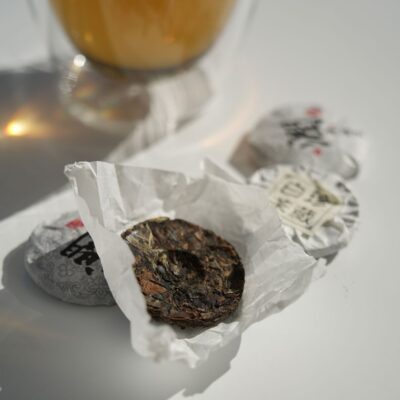 This product has multiple variants. The options may be chosen on the product page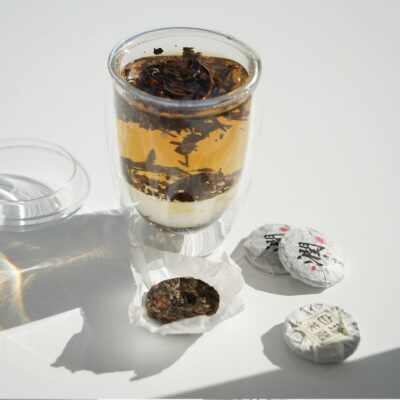
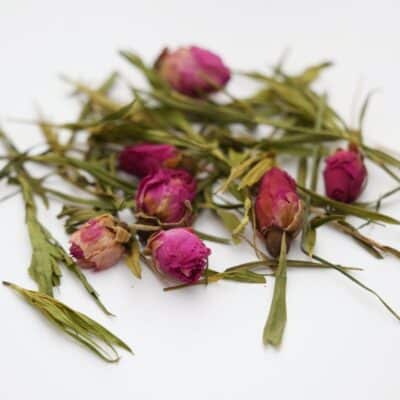 This product has multiple variants. The options may be chosen on the product page
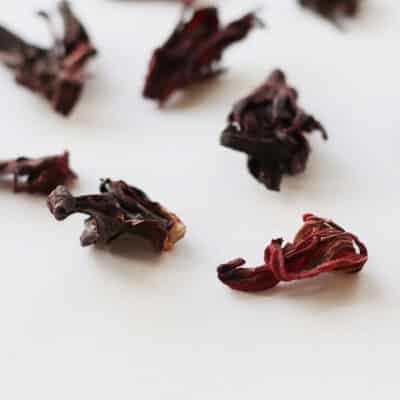 This product has multiple variants. The options may be chosen on the product page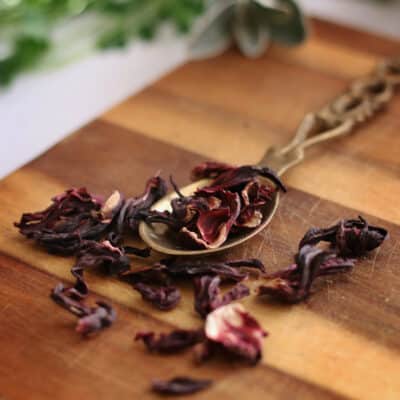
 This product has multiple variants. The options may be chosen on the product page
 This product has multiple variants. The options may be chosen on the product page
 This product has multiple variants. The options may be chosen on the product page
 This product has multiple variants. The options may be chosen on the product page