READ MORE
why loose leaf tea?
Loose leaf tea is made from whole or near-whole leaves – the part of the plant that carries the most flavour, the most aroma, and the most nutritional complexity. Tea bags, by contrast, typically contain fannings and dust: the broken fragments left over after higher-grade leaves have been sorted and processed.
Whole leaves need room to unfurl as they steep. They release their flavour gradually and completely, producing a cup that develops across the infusion rather than one that hits hard and fades fast. Many loose leaf teas can be steeped two, three, or even four times – each infusion revealing something slightly different.
Loose leaf tea is also free of the microplastics that synthetic tea bags can release into your cup. When you drink loose leaf, what’s in your cup is exactly what should be there: tea, water, and nothing else.
what types of loose leaf tea are there?
All true teas come from the same plant – Camellia sinensis – and are distinguished by how they are processed after picking. Herbal teas are made from other botanicals entirely and are naturally caffeine-free.
White tea: The least processed tea type. Delicate, often floral or faintly sweet, with a clean, nuanced character that rewards slow attention.
Green tea: Minimally oxidised, with flavours ranging from grassy and vegetal (Japanese styles) to nutty and toasted (Chinese styles). Sensitive to brewing temperature – never use boiling water.
Oolong: Partially oxidised, sitting between green and black. One of the most complex and varied categories in the tea world – light and floral through to dark and roasted.
Black tea: Fully oxidised, with a strong, rich, malty character. Accounts for around 90% of tea consumed in the West. An excellent starting point for those moving away from coffee.
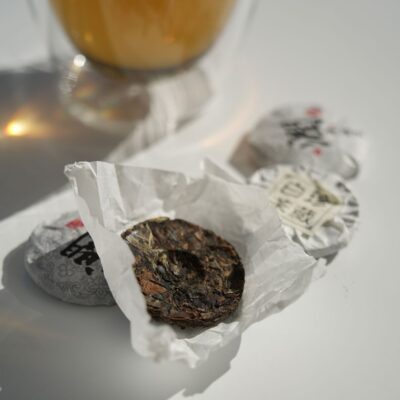
Pu erh: Aged and fermented, often pressed into cakes. The flavour deepens with time – earthy, smooth, and entirely unlike any other tea.
Herbal teas (tisanes): Naturally caffeine-free, made from herbs, flowers, roots, and fruit. An enormous category spanning chamomile, peppermint, rooibos, Greek mountain tea, and hundreds more.
how do I brew loose leaf tea?
Each tea type has its own ideal brewing parameters, but the principles are consistent: use the right temperature, the right quantity, and give the leaves room to expand.
White tea: 75-90°C | 2-3g per 300ml | 2-5 minutes
Green tea: 70-80°C | 2-3g per 350ml | 1-2 minutes
Oolong: 85-95°C | 3-4g per 300ml | 2-3 minutes
Black tea: 95-100°C | 2-3g per 300ml | 3-4 minutes
Pu erh: 95-100°C | 3-5g per 200ml | 30 seconds to 2 minutes (gongfu style)
Herbal teas: 95-100°C | 1-2 teaspoons per 300ml | 5-7 minutes
what are the health benefits of loose leaf tea?
Loose leaf tea retains a higher concentration of beneficial compounds than broken or powdered tea. Polyphenols, catechins, flavonoids, and L-Theanine are all present in greater quantity in whole-leaf tea – and these compounds are associated with a wide range of health benefits, from antioxidant protection and heart health to improved focus, digestion, and immune support.
The specific benefits vary by tea type. Green tea is particularly studied for its EGCG content. White tea is rich in antioxidants and associated with skin health. Black tea supports gut health through its prebiotic properties. Herbal teas each carry their own botanical profile – chamomile for calm, peppermint for digestion, rooibos for antioxidant support. Browse individual categories for more detail.
how is Teapro loose leaf tea different?
Every tea in our range is single-origin or made from clearly named, traceable botanicals. We know where each tea comes from, how it was grown, and how it was processed – and we share that information with you, because we believe knowing your tea is part of appreciating it.
We never use artificial flavourings. Not in our teas, not in our herbal blends, not anywhere in our range. We believe artificial flavourings mask the real character of the tea – and we sell tea precisely because we want you to taste the real thing.
can you cold brew loose leaf tea?
Yes – and cold brewing is one of the most rewarding ways to explore loose leaf tea. Steeping in cold water extracts less tannin and less caffeine than hot brewing, producing a naturally sweet, smooth drink with none of the bitterness that can result from high-temperature steeping.
Add 4g of tea to 500ml of cold water and steep in the fridge for 3-8 hours depending on the tea type. Green teas, white teas, oolongs, and fruit herbals are all excellent cold-brewed.
Cold-brewed loose leaf tea also makes a beautiful base for iced drinks – serve over ice with a slice of lemon, a sprig of mint, or a dash of honey.
how should I store loose leaf tea?
Store loose leaf tea in an airtight container away from light, heat, moisture, and strong odours. A sealed tin or opaque jar kept in a cool cupboard is ideal for most teas.
Green and white teas are best enjoyed fresh – ideally within 6-12 months of harvest. Black teas and oolongs are more stable and keep well for 12-24 months. Aged teas like pu erh and certain white tea cakes actually improve with time when stored correctly.
Do not store loose leaf tea in the fridge. The fluctuation in temperature and exposure to food odours will damage the leaf and flatten the flavour.
where do I start if I’m new to loose leaf tea?
The best place to start is wherever your instincts take you. If you drink black tea with milk, try a single-origin Assam or Yunnan and notice what changes. If you’re curious about green tea, Dragon Well (Longjing) is one of the most approachable and rewarding entry points. If you want something caffeine-free, chamomile or peppermint brewed from whole dried leaves is a revelation compared to a supermarket tea bag.
Our discovery gift boxes are also designed precisely for this moment – curated selections across a single tea category, with enough variety to understand what you like and enough quality to show you what the category is truly capable of.

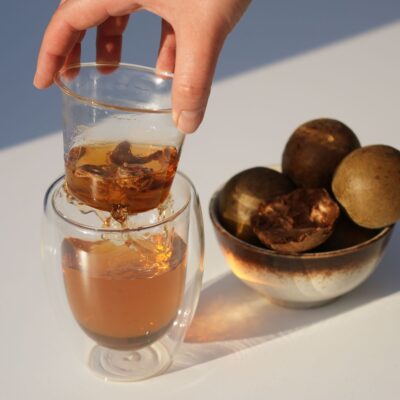 This product has multiple variants. The options may be chosen on the product page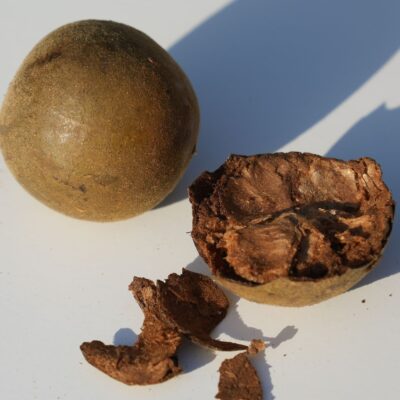
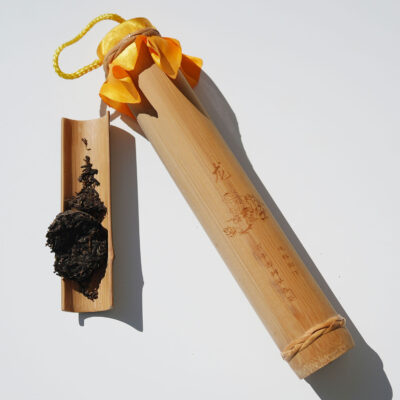
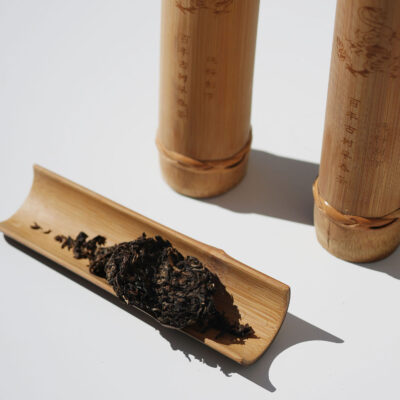
 This product has multiple variants. The options may be chosen on the product page
 This product has multiple variants. The options may be chosen on the product page
 This product has multiple variants. The options may be chosen on the product page
 This product has multiple variants. The options may be chosen on the product page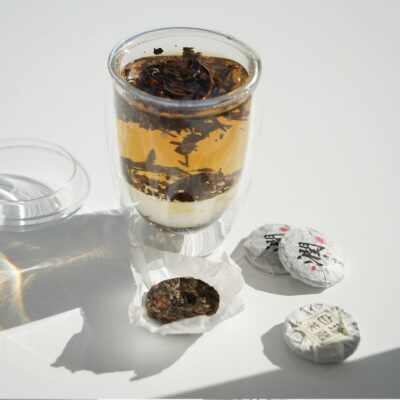
 This product has multiple variants. The options may be chosen on the product page
 This product has multiple variants. The options may be chosen on the product page
 This product has multiple variants. The options may be chosen on the product page
 This product has multiple variants. The options may be chosen on the product page
 This product has multiple variants. The options may be chosen on the product page
 This product has multiple variants. The options may be chosen on the product page