READ MORE
what makes Chinese tea so special?
China is the only country in the world that produces every major category of tea – green, white, yellow, oolong, black, pu-erh, and flowering – often from the same Camellia sinensis plant, transformed entirely by how the leaves are processed.
Each region has its own microclimate, soil composition, and centuries-old techniques that produce flavours impossible to replicate anywhere else on earth.
what does Chinese tea taste like?
The range is extraordinarily broad. Chinese green teas – like Longjing from Zhejiang or Clouds & Mist from the high mountains – tend to be mellow, nutty, and gently sweet, quite different from their Japanese counterparts.
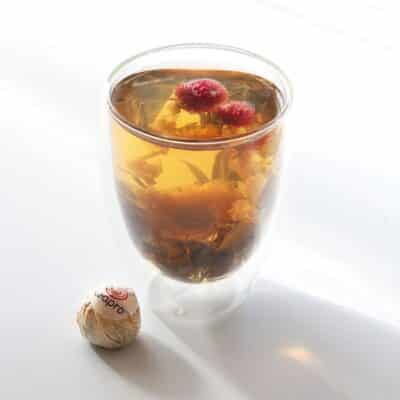
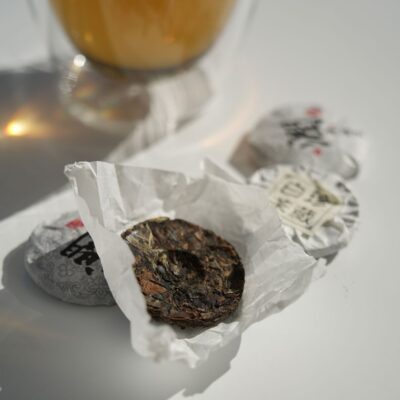
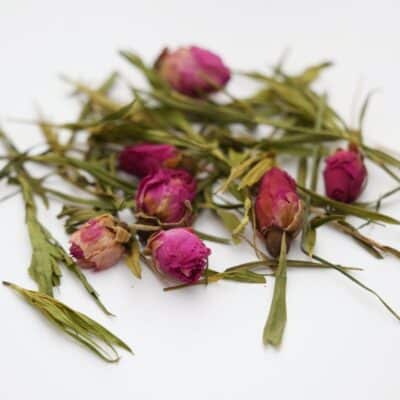
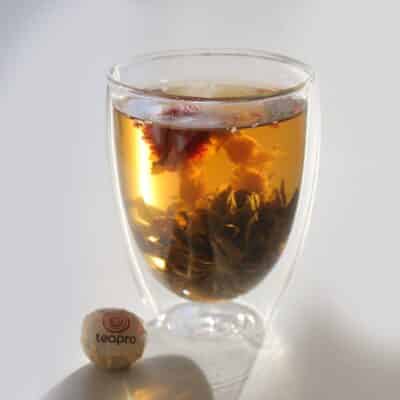
White teas from Fujian, such as Shou Mei, are delicate and lightly honeyed. Pu-erh teas from Yunnan offer deep, earthy complexity that deepens with age. Flowering teas unfurl dramatically in the cup, delivering a visual experience as much as a flavour one.
Whether you’re drawn to something clean and grassy or rich and aged, China’s tea regions have a cup for you.
how to brew Chinese tea
Brewing temperature varies significantly by tea type – and getting it right makes all the difference.
Water temperature: 70-80°C for green and white teas; 90-100°C for oolong, black, and pu-erh
Amount: 2-3g per 350ml
Steep time: 1-3 minutes (shorter for greens; longer for pu-erh)
Infusions: Many Chinese teas – especially oolongs, pu-erhs, and white teas – are designed to be re-steeped multiple times, often revealing new layers of flavour with each infusion.
what caffeine levels are available?
Our Chinese tea collection spans the full caffeine spectrum. Green and white teas are lower in caffeine, making them a gentler choice throughout the day. Black teas and pu-erhs sit at the higher end.
Some herbal offerings from China, such as Ginkgo Biloba and Bamboo Leaf, are naturally caffeine-free – ideal for evening drinking or those who prefer to avoid stimulants entirely.
what are the health benefits of Chinese tea?
Chinese teas are among the most studied in the world for their wellness properties. Green teas are rich in EGCG, a powerful antioxidant linked to metabolism, heart health, and cognitive function. White teas are prized for their high antioxidant content and gentle nature.
Pu-erh is traditionally valued for supporting digestion and gut health, while herbal varieties like Ginkgo Biloba are celebrated for focus, memory, and circulation.
Chinese tea regions at a glance
Our collection draws from China’s most celebrated tea-producing provinces.
Yunnan: The ancient home of pu-erh – earthy, complex teas that age like fine wine. Also produces rich, malty black teas.
Zhejiang: Birthplace of Longjing (Dragon Well), China’s most famous green tea – flat-pressed, nutty, and silky smooth.
Fujian: The heartland of white tea, producing delicate styles like Shou Mei and Bai Mu Dan, as well as celebrated oolongs.
Anhui: Home to Monkey King (Taiping Houkui) and Keemun black tea, known for their distinctive character and orchid-like fragrance.
Sichuan & Guangxi: Emerging regions producing jasmine greens, aged teas, and unique herbal blends with deep cultural roots.
can you cold brew Chinese tea?
Absolutely – and it’s particularly wonderful with Chinese greens and white teas. Cold brewing draws out natural sweetness while keeping bitterness at bay.
Add 4g of tea to 500ml of cold water and steep in the fridge for 4-8 hours.
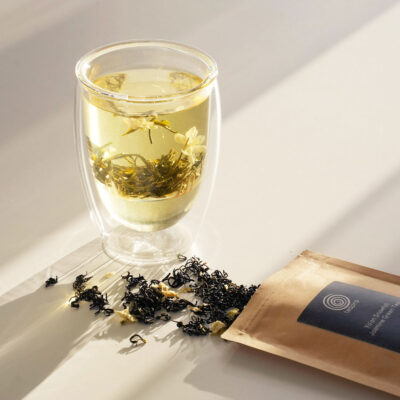
Jasmine green teas and Shou Mei white tea are especially delicious served over ice.
how should I store Chinese tea?
Store in a cool, dark, airtight container away from moisture, heat, and strong odours. Green and white teas are best enjoyed fresh within 6-12 months of harvest.
Pu-erh and aged white teas are the notable exception – properly stored, they improve significantly over time, making them the collector’s teas of the Chinese tradition.
is Chinese tea good for beginners?
It’s one of the best places to start. Chinese teas are naturally smooth and rewarding when brewed at the right temperature – something we make easy with clear guidance on every product.
Begin with a Dragon Well or a Jasmine Green for something approachable and fragrant, then let curiosity lead you toward the aged depths of pu-erh or the quiet elegance of a Fujian white tea.

 This product has multiple variants. The options may be chosen on the product page
 This product has multiple variants. The options may be chosen on the product page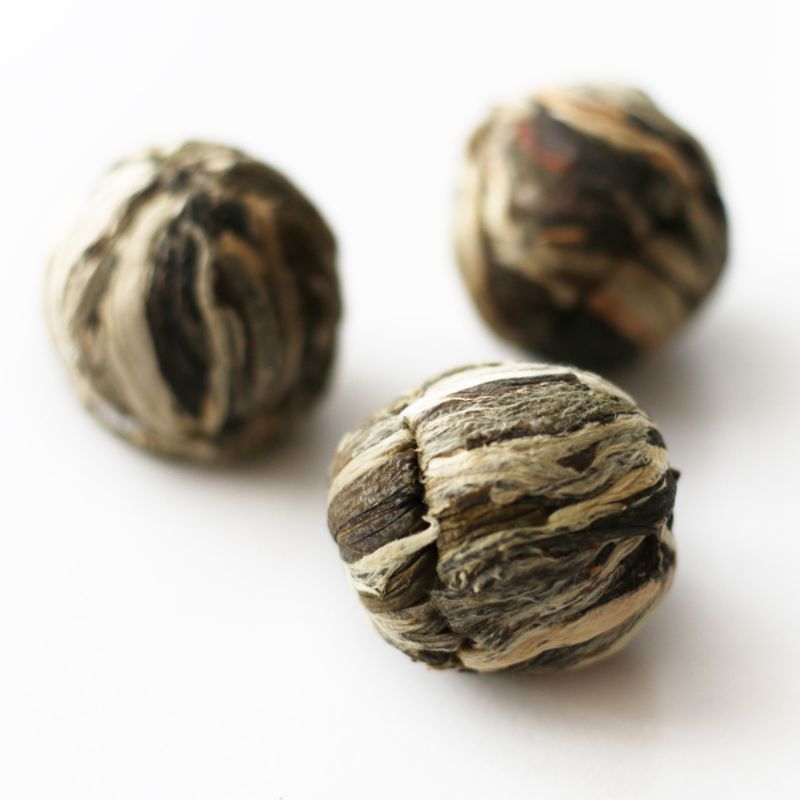
 This product has multiple variants. The options may be chosen on the product page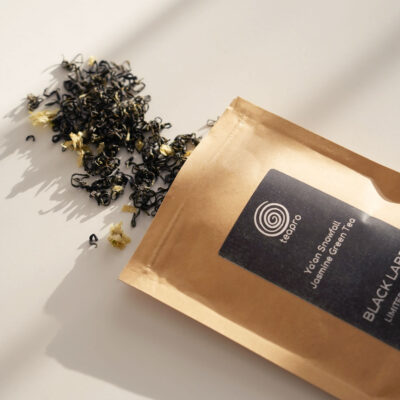
 This product has multiple variants. The options may be chosen on the product page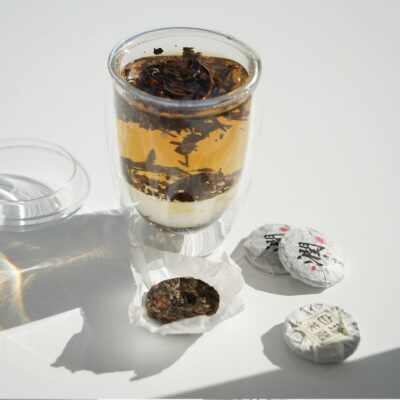
 This product has multiple variants. The options may be chosen on the product page
 This product has multiple variants. The options may be chosen on the product page
 This product has multiple variants. The options may be chosen on the product page
 This product has multiple variants. The options may be chosen on the product page
 This product has multiple variants. The options may be chosen on the product page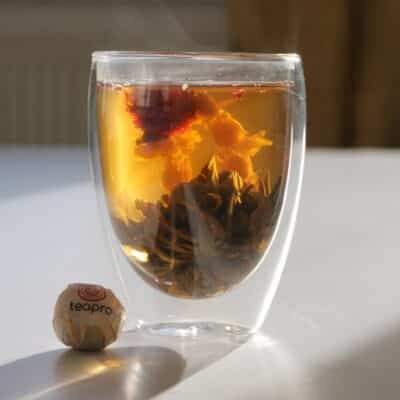
 This product has multiple variants. The options may be chosen on the product page