04 Jun Does Yerba Mate Give You Jitters? Honest Answer for Coffee Drinkers
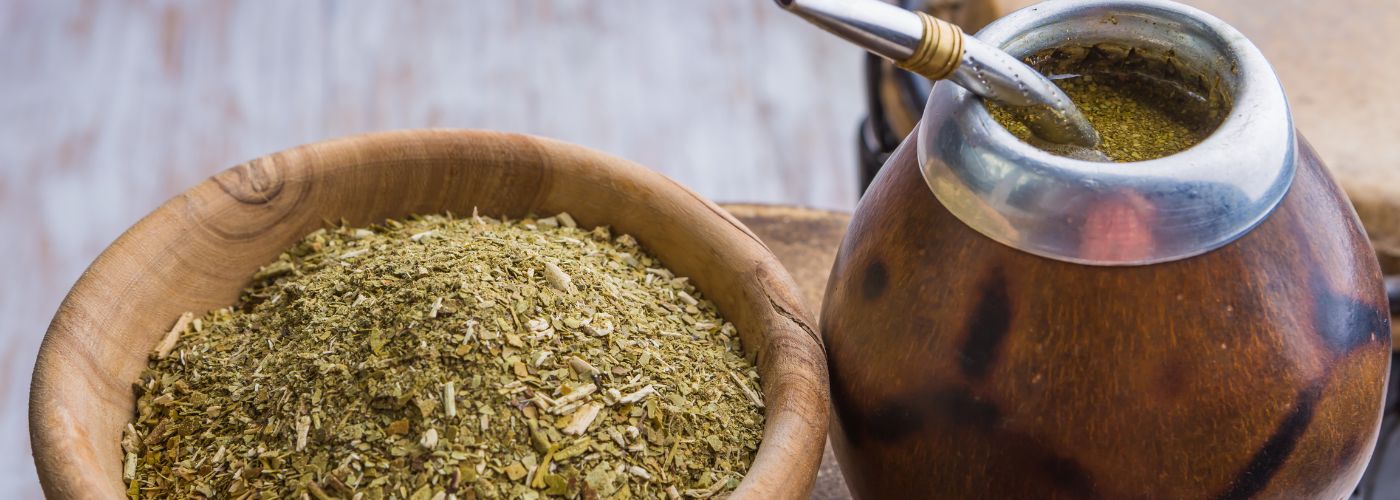
If you have ever switched from coffee to yerba mate – or you are thinking about it – one of the first questions you are likely to ask is does Yerba mate give you jitters?, anxious feeling that a strong flat white sometimes does. It is a fair question, and it deserves a straight answer.
The short version: yerba mate does contain caffeine, and yes, it can cause jitters in some people, under some circumstances.
But the full picture is more nuanced than that – and understanding it will help you get the most from what is genuinely one of the most interesting caffeinated drinks in the world.
In this guide, we look at the science honestly, explain why the quality and purity of your yerba mate matters more than most people realise, and give you the practical knowledge to brew it in a way that works for your body.
For a full introduction to the drink itself, you can also read our complete yerba mate guide. If you’re curious about where this remarkable plant comes from and how it became a daily ritual for millions, explore the cultural origins of yerba mate.
Table of Contents
How much caffeine does yerba mate actually contain?
Why does yerba mate feel different from coffee?
So does yerba mate give you jitters?
What makes the jitter question more complicated
The quality of your yerba mate makes a real difference
How to brew yerba mate to reduce the chance of jitters
Who is yerba mate best suited for?
Frequently asked questions
Your next step
How Much Caffeine Does Yerba Mate Actually Contain?
Yerba mate contains caffeine – there is no getting around that. A typical serving prepared in a gourd or a French press contains roughly 70 to 85 mg of caffeine, depending on how much leaf you use, how long you steep it, and whether you are drinking traditional loose leaf or a commercial blend.
For context:
| Drink | Caffeine Content |
|---|---|
| Espresso | 60 to 80 mg per shot |
| Drip Coffee | 90 to 120 mg per cup |
| Yerba Mate | 70 to 85 mg per serving (traditional preparation) |
| Matcha | 30 to 70 mg per serving |
| Black Tea | 40 to 70 mg per cup |
So yerba mate sits in a similar caffeine range to espresso and below a strong drip coffee. The amount of caffeine alone does not tell the whole story – but it does mean that if you are very sensitive to caffeine, yerba mate is not a caffeine-free alternative.
Why Does Yerba Mate Feel Different from Coffee?
This is where things get interesting. Many people who drink yerba mate regularly – including people who find coffee anxious-making – describe a noticeably different energy experience: more alert, more focused, less jittery, and without the hard crash.
What is clear is that the nutritional profile of yerba mate is considerably more complex than coffee. To see how that complexity translates into real-world health outcomes, read our full breakdown of the 7 remarkable health benefits of yerba mate.”
There are a few reasons for this.
| Compound | What It Does |
|---|---|
| Theobromine | Yerba mate contains theobromine - the same compound found in dark chocolate - alongside caffeine. Theobromine is a mild stimulant but works more slowly and gently than caffeine, and it has a vasodilating effect: it widens blood vessels rather than constricting them. This tends to produce a smoother, more sustained energy lift rather than a sharp spike. |
| Theophylline | Yerba mate also contains theophylline, another methylxanthine compound related to caffeine. Theophylline is a bronchodilator - it gently opens the airways - and contributes to the stimulant effect of the drink. The combination of all three compounds (caffeine, theobromine, theophylline) is sometimes described as a more rounded stimulation compared to caffeine alone. |
| Polyphenols and Antioxidants | Yerba mate is exceptionally rich in polyphenols - plant compounds with antioxidant and anti-inflammatory properties. Some researchers have suggested that these compounds may help modulate the body's stress response, though this is an area where the science is still developing. What is clear is that the nutritional profile of yerba mate is considerably more complex than coffee. |
Together, these compounds create an experience that many drinkers describe as closer to the calm energy of matcha than the sharp punch of espresso. But – and this is important – the experience varies by person, by product, and by preparation.
So Does Yerba Mate Give You Jitters?
Honestly: it can. Here is when jitters are more likely:
| When Jitters Are More Likely | What to Know |
|---|---|
| High Doses | If you drink multiple servings back to back - particularly in a traditional gourd that is refilled multiple times - you are consuming a meaningful amount of caffeine. That is enough to cause jitters in many people, regardless of the theobromine and theophylline. |
| Caffeine Sensitivity | Some people are genetically more sensitive to caffeine. If coffee reliably makes you anxious or raises your heart rate significantly, yerba mate may still cause some of those effects - even if they are less pronounced. |
| Low-Quality or Adulterated Products | Processed yerba mate products - bottled drinks, energy drink blends, heavily sweetened commercial versions - often contain added caffeine, artificial stimulants, or sugars that amplify the jitter-inducing effect. These are not representative of drinking pure, loose leaf yerba mate. |
| Empty Stomach | Drinking yerba mate on an empty stomach intensifies the stimulant effect, just as it does with coffee. If you find it causes nausea or anxiety, try drinking it with or after food. |
For most people who drink a single serving of quality loose leaf yerba mate in the traditional way, the jitter experience is noticeably milder than an equivalent coffee. But ‘milder’ is not the same as ‘absent’.
What Makes the Jitter Question More Complicated
The word ‘jitters’ is doing a lot of work here, and it is worth unpacking it.
Caffeine-induced jitters typically involve some combination of: a racing heart, shakiness in the hands, difficulty concentrating, anxious or restless feelings, and a sense of being over-stimulated. These effects come primarily from caffeine’s action on adenosine receptors and its triggering of adrenaline release.
Theobromine and theophylline do not fully block these effects – they soften them and change the texture of the stimulation. Whether that is enough to make the difference for you personally depends on your individual caffeine sensitivity, your baseline stress levels, what you have eaten, and the quality and dose of the yerba mate you are drinking.
The honest answer is: try it thoughtfully, start with a smaller serving, use good quality loose leaf, and pay attention to how your body responds.
The Quality of Your Yerba Mate Makes a Real Difference
At Teapro, our position on artificial flavourings is clear: they mask the real taste of tea and herbs. The same principle applies to yerba mate.
A significant proportion of yerba mate products available in the UK are either low-grade, heavily processed, or blended with artificial flavourings and additives. These products may deliver more of the jitter-inducing effect and less of the nuanced energy that pure yerba mate is known for.
What to look for in a quality yerba mate:
| Quality Indicator | What to Look For |
|---|---|
| Single-Origin Loose Leaf | Sourced from a specific region - Argentina, Brazil, or Paraguay - rather than blended from multiple unspecified origins. |
| No Artificial Flavourings | Pure yerba mate has a distinctive grassy, slightly smoky, umami-rich flavour profile. Artificial flavourings mask this - and often indicate lower-grade leaf. |
Transparency about the source. A brand that can tell you where the yerba mate comes from, how it was processed, and what is in the blend is one worth trusting.
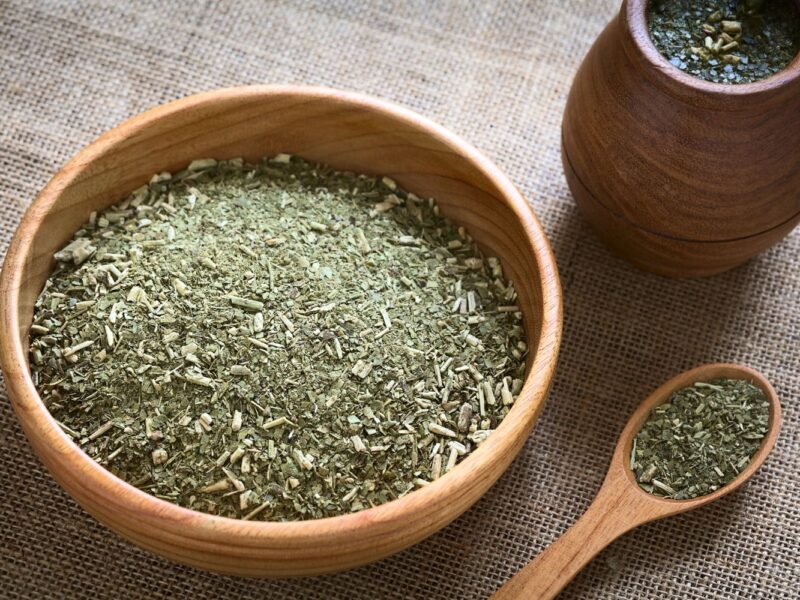
Pure, single-origin yerba mate gives you the full profile of compounds – caffeine, theobromine, theophylline, polyphenols – in the proportions that the plant naturally provides. That is the version most likely to give you the calm, focused energy that yerba mate is known for.
For a deeper look at how to identify quality yerba mate and understand what you are tasting, visit our complete yerba mate guide.
How to Brew Yerba Mate to Reduce the Chance of Jitters
Preparation makes a significant difference to how yerba mate feels. If you want to go beyond the basics – from choosing the right gourd to mastering your steep – our guide to yerba mate tools and brewing techniques covers everything you need.
| Brewing Tip | Why It Matters |
|---|---|
| Use Water at 70 to 80 Degrees Celsius | Boiling water over-extracts the bitterness and caffeine content. Water just off the boil - or rested for two to three minutes after boiling - produces a smoother, less harsh cup. |
| Start With Less Leaf | Traditional yerba mate preparation fills the gourd roughly two-thirds full, but if you are new to it, start with one to two teaspoons per cup and adjust from there. |
| Do Not Steep for Too Long | A two to four minute infusion is usually sufficient. Extended steeping pulls more caffeine and bitterness into the cup. |
| Eat Something First | Drinking yerba mate on an empty stomach intensifies all of its effects. A light meal or snack beforehand can noticeably reduce the jitter risk. |
| Drink One Serving and Wait | If you are new to yerba mate, drink one cup, then give your body 30 to 45 minutes to feel the effect before deciding whether to have more. The energy arrives more gradually than coffee. |
| Avoid Adding Sugar | Some commercial preparations and habits involve sweetening yerba mate heavily. Sugar amplifies the energy spike and crash pattern you are trying to avoid. |
Yerba mate tends to work particularly well for specific groups of people.
Who Is Yerba Mate Best Suited For?
If you enjoy the lift of caffeine but find coffee anxious-making or too harsh, yerba mate is worth exploring. We have looked at this in depth – find out why so many coffee drinkers are making the switch in our guide to yerba mate as the superior coffee substitute.”
| Who It Suits | Why Yerba Mate Works for Them |
|---|---|
| Coffee Drinkers Wanting Cleaner Energy | If you enjoy the lift of caffeine but find coffee anxious-making or too harsh, yerba mate is worth exploring - especially if you start with a quality loose leaf product and prepare it carefully. |
| People Building a Morning Wellness Ritual | The preparation of traditional yerba mate - like the preparation of matcha - is itself a mindful act. Many of our customers have incorporated it into a deliberate, intentional morning routine. |
| People Who Need Sustained Focus | The combination of caffeine, theobromine, and theophylline tends to produce a more extended, even energy curve than coffee alone - well suited to writing, studying, or creative work. |
| Tea Connoisseurs Wanting Something New | Yerba mate sits in a fascinating category of its own - technically not a tea (it comes from the Ilex paraguariensis plant rather than Camellia sinensis), but brewed and consumed like one. Understanding it adds a genuinely different dimension to your palate. |
Many of our customers have incorporated it into a deliberate, intentional morning routine. If weight management is part of your wellness goals, it is also worth reading about how yerba mate supports weight loss.”
Frequently Asked Questions
It can, particularly at high doses or if you are sensitive to caffeine. But many people – including those who find coffee anxious-making – report a noticeably different experience with quality loose leaf yerba mate: more sustained, less spikey, and with less of the crash. The key variables are the quality of the product, the dose, and how you prepare it.
A typical serving of traditionally prepared yerba mate contains roughly 70 to 85 mg of caffeine – similar to an espresso and less than a large drip coffee. However, traditional drinking in a gourd involves multiple infusions, which can add up quickly. If you are counting your caffeine intake, treat each refill as an additional partial serving.
Yerba mate contains not just caffeine but also theobromine (from chocolate) and theophylline, plus a dense profile of polyphenols and antioxidants. These compounds work together to create a stimulation that most people describe as smoother and more rounded than caffeine alone. It is the same reason matcha feels different from an espresso despite containing caffeine – the other compounds in the plant matter.
Possibly – but it is not caffeine-free, so it is not a guaranteed safe option for people with strong caffeine sensitivity. The theobromine and theophylline may soften the experience, and starting with a lower dose than you would normally use for coffee is sensible. If coffee causes you genuine anxiety or sleep problems, speak to a healthcare professional before switching to any caffeinated alternative.
Yes, significantly. Low-grade, artificially flavoured, or commercially processed yerba mate products often deliver the caffeine hit without the full complex of companion compounds that characterise pure loose leaf mate. Single-origin, pure loose leaf yerba mate is the version most likely to give you the calm, focused energy the drink is known for.
That depends on why you gave up coffee. If it was for the caffeine, be aware that yerba mate still contains it. If it was for the acidity, bitterness, or the spike-and-crash pattern, many people find that yerba mate – prepared carefully from quality loose leaf – is a more comfortable fit. As always, your own response is the best guide.
Use water at 70 to 80 degrees Celsius rather than boiling, start with a smaller serving, eat beforehand, and avoid heavily processed or sweetened commercial versions. Drinking one serving and waiting 30 to 45 minutes before having more is also a sensible approach if you are new to it.
Your Next Step
Yerba mate is one of the most misunderstood drinks in the wellness space. Too often, people either write it off as ‘just another caffeine hit’ or overstate its jitter-free credentials.
Once you are comfortable with the basics, there is a whole world of preparation styles to explore. For inspiration beyond the traditional gourd, take a look at these 7 yerba mate recipes to energise your day.
The honest reality sits somewhere between those two positions – and once you understand it, you are in a much better position to decide whether it is right for you.
If you want to go deeper – understanding where quality yerba mate comes from, what to look for when you buy it, how to prepare it in different ways, and how to identify the difference between a pure product and a processed one – our complete guide covers everything you need.
Or, if you are ready to begin your full tea education, our ‘Become a Teapro’ 12-box subscription takes you through 12 essential tea types – yerba mate included – with the knowledge, provenance, and brewing guidance that turns a tea drinker into a tea pro.


Teapro co-founder. Favourite tea - Long Jing Dragon Well Green Tea. Obsessed with film, photography and travelling.


No Comments