Butterfly Pea Tea Benefits: What the Science Actually Says

Blue butterfly pea tea health benefits are making waves among tea enthusiasts worldwide. Known as Clitoria ternatea, this mesmerizing blue-hued tea is not only visually captivating but also offers a range of enriching health perks.

Originating from Southeast Asia, this tea has been traditionally used in various remedies and culinary delights. Let’s explore the origins of blue butterfly pea tea, the plant it comes from, and the unique taste that makes it so special.

What is Butterfly Pea Flower?

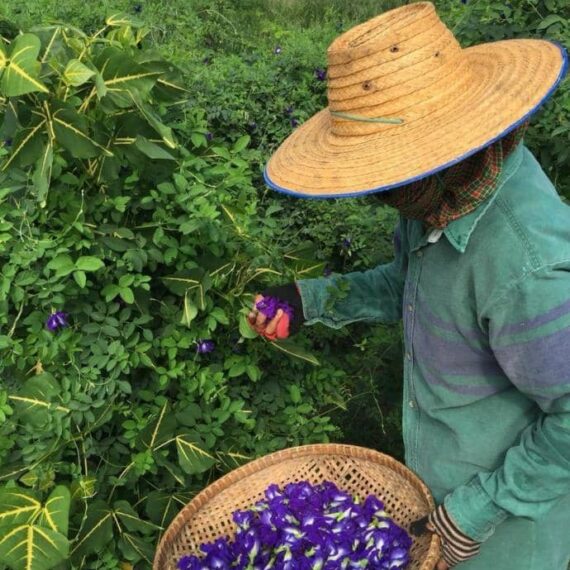
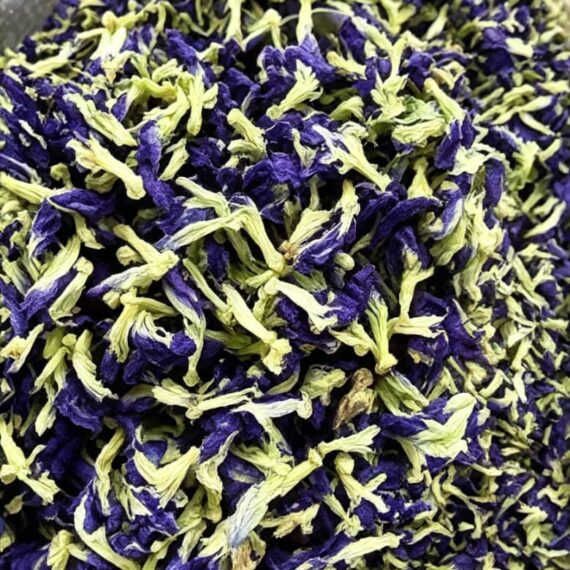
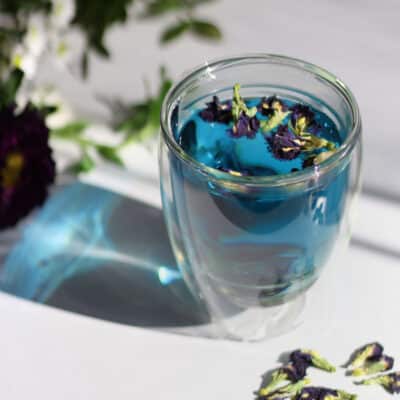
Butterfly pea tea is a herbal infusion made from the dried flowers of Clitoria ternatea, a climbing plant native to Thailand, Malaysia, and the wider Southeast Asian region. It is completely caffeine-free and produces a stunning deep blue liquor when brewed in hot water.

Its signature colour comes from a group of plant pigments called anthocyanins – the same compounds responsible for the deep blue and purple hues found in blueberries and blackcurrants.

In Thailand, butterfly pea flowers have been used in traditional medicine and culinary preparations for generations. The flowers are also used to colour rice and desserts across Southeast Asia.

New to butterfly pea tea entirely? We’ve put together a complete butterfly pea flower guide covering what it is, how it tastes, how to brew it, and why it changes colour.

Colour Changing Magic 

  
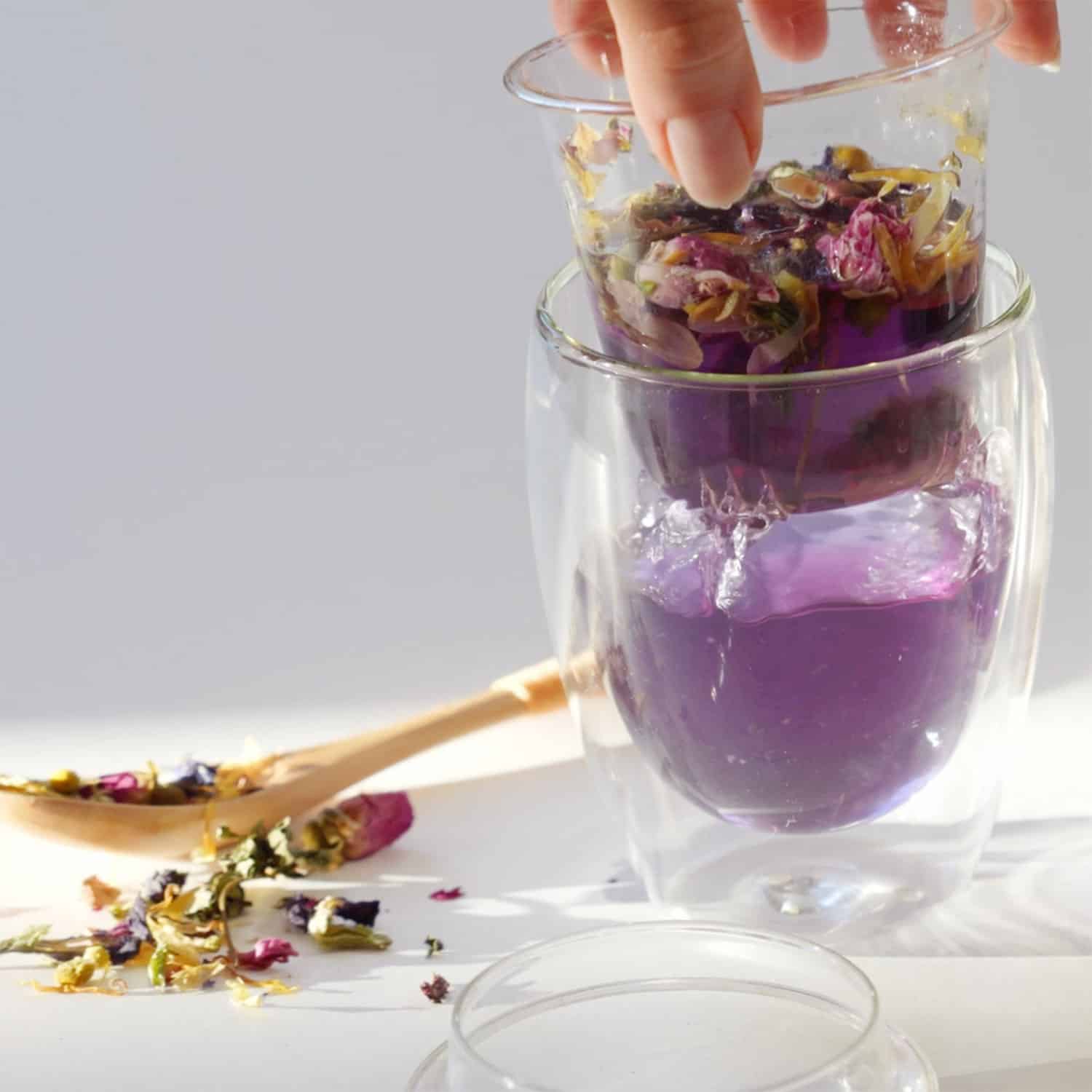
Interestingly, the tea changes colour to purple when an acidic ingredient like lemon juice is added, making it a popular choice for colourful drinks and dishes. Blue butterfly pea tea changes colour due to the presence of anthocyanins, which react to changes in pH, turning from blue to purple or pink when acidic substances like lemon juice are added.

Does Butterfly Pea Tea Taste Good?

Yes – though it is more subtle than you might expect. The flavour is mild, earthy, and slightly woody, with a gentle floral quality. It is far less astringent than green tea and has none of the bitterness you might associate with herbal infusions.

Its flavour pairs well with honey, lemon, ginger, and mint. It also works as a base for lattes when blended with warm oat or coconut milk.

Nutrient Composition Of Butterfly Pea Tea


Rich in antioxidants such as flavonoids, anthocyanins, and catechins, this tea helps protect cells from oxidative stress, reducing the risk of chronic diseases and supporting overall immune function. 

Here’s a list of unique nutrients found in blue butterfly pea tea and their benefits:

Flavonoids: Another group of antioxidants present in blue butterfly pea tea, flavonoids help protect the body from oxidative stress, which can contribute to chronic diseases such as heart disease and cancer.

Anthocyanins: These powerful antioxidants give the tea its vibrant blue colour and offer various health benefits, including reducing inflammation, supporting cardiovascular health, and promoting cognitive function.

Catechins: These antioxidants are known for their anti-inflammatory and anticancer properties. They may also help improve blood flow and lower blood pressure, contributing to overall cardiovascular health.

Additionally, it contains vitamins and minerals including vitamin C, vitamin A, and iron, which are essential for skin health, immune support, and energy metabolism.

The tea’s nutritional profile also includes peptides and alkaloids, which may have anti-inflammatory and antimicrobial properties, contributing to digestive health and overall vitality. 

Incorporating blue butterfly pea tea into your daily routine can provide a nourishing boost of essential nutrients to support optimal health.

7 butterfly pea tea benefits backed by science

Butterfly pea flowers are exceptionally rich in anthocyanins – the same pigments that give blueberries and blackcurrants their deep colour, and that researchers consistently associate with antioxidant protection.

What makes butterfly pea flowers unusual is the concentration: studies examining Clitoria ternatea have found their anthocyanin content is among the highest recorded in any edible flower.

Worth noting: most of the strongest research uses concentrated flower extracts rather than brewed tea, which is more diluted. That doesn’t make your cup ineffective – it just means the science is still catching up with what traditional medicine has known for centuries.

1. Rich in Antioxidants

The most well-established of all butterfly pea tea benefits is its high antioxidant content. The flowers are particularly rich in anthocyanins, flavonoids, and catechins – compounds that help neutralise free radicals in the body.

Antioxidants matter because they neutralise free radicals – unstable molecules that cause oxidative stress, which accelerates cellular ageing and is linked to increased risk of chronic disease. Drinking antioxidant-rich teas regularly is one of the simplest, most evidence-backed dietary habits associated with long-term health.

Research published in journals focusing on Clitoria ternatea confirms that the plant’s anthocyanin profile is among the most concentrated found in any edible flower.

2. may support brain health and memory


One of the most exciting areas of butterfly pea tea research is its potential neuroprotective effect. The anthocyanins in butterfly pea flowers have been studied for their ability to improve blood flow to the brain and protect neural tissue from oxidative damage.

Traditional use in Thailand and India has long associated the plant with enhanced memory and cognitive function. Early preclinical studies suggest it may help support acetylcholine activity in the brain – a neurotransmitter closely associated with learning and memory. While large-scale human trials are still limited, the early findings are promising.

3. supports healthy skin

The antioxidants in butterfly pea tea – particularly its flavonoids – are linked to healthier, more resilient skin. Oxidative stress is one of the key drivers of premature skin ageing, including fine lines, loss of elasticity, and uneven skin tone.

By helping to neutralise the free radicals that accelerate this process, regular consumption of butterfly pea tea may contribute to a clearer, more radiant complexion over time. This is why butterfly pea flower extract has also found its way into high-end skincare formulations.

4. may support healthy eyes

Butterfly pea flowers contain proanthocyanidins, compounds that have been studied for their potential to improve blood circulation to the capillaries of the eyes. Some research suggests these compounds may help with conditions associated with poor ocular circulation, including eye fatigue and sensitivity to light.

While evidence is still developing, this is one of the traditional uses of Clitoria ternatea that modern research is beginning to support.

5. natural anti-inflammatory properties

Chronic low-grade inflammation is increasingly recognised as an underlying factor in a wide range of health conditions. Butterfly pea tea contains several anti-inflammatory compounds, including flavonoids and terpenoids, that may help reduce inflammatory markers in the body.

Traditional Ayurvedic and Thai herbal medicine has used butterfly pea as an anti-inflammatory remedy for centuries – modern biochemical research is now exploring the mechanisms behind this effect.

Anti-inflammatory

6. may help support healthy blood sugar levels

Emerging research suggests that compounds in Clitoria ternatea may help regulate the digestion of carbohydrates by inhibiting certain enzymes involved in starch breakdown, which can help moderate post-meal blood sugar spikes.

A study examining butterfly pea flower extract found potential antidiabetic effects in preclinical models. As with most herbal tea research, human clinical studies are still in early stages – but the biochemical rationale is well-established.

7. naturally calming and caffeine-free


Butterfly pea tea is completely caffeine-free, making it suitable at any time of day – including the evening. Many people report a gentle calming effect after drinking it, consistent with traditional use of the plant as a mild adaptogen and nerve tonic.

Whether the calming effect is primarily biochemical or partly the result of the meditative ritual of preparing a beautiful blue tea, the outcome is the same: a moment of quiet calm in the day.

Calming effect

Is Butterfly Pea Tea safe?

Butterfly pea tea is generally considered safe for most people when consumed in normal amounts as a herbal infusion. As with any herb, if you are pregnant, breastfeeding, or taking prescription medication, it is worth checking with your doctor before drinking it regularly.

Excessive consumption may lead to digestive discomfort, and moderation is crucial, especially for those with medical conditions or taking medications, as interactions are not fully understood. 

While there is no universally agreed-upon limit for how much is too much, most herbal tea experts recommend limiting intake to around 2-3 cups per day. It’s essential to seek guidance from a healthcare professional before incorporating blue butterfly pea tea into your routine.

How to Brew Butterfly Pea Tea

Brewing butterfly pea tea is simple and genuinely magical.

Water temperature: 100°C (freshly boiled)
Amount: 2-3g per 350ml (roughly 1-2 teaspoons of dried flowers)
Steep time: 3-5 minutes

The longer you steep, the deeper and more saturated the blue. For a lighter, more delicate cup, 3 minutes is plenty.

The colour-change trick: Once brewed, add a squeeze of fresh lemon juice or a splash of hibiscus tea and watch the liquid shift from deep blue to purple or pink. This happens because the anthocyanins are pH-sensitive – acid turns them pink, alkaline keeps them blue.

Butterfly pea tea is also excellent cold brewed

Add 3-4g of flowers to 500ml of cold water and leave in the fridge overnight. The result is a naturally sweet, crystal-clear blue drink that works beautifully over ice or as a base for cocktails and mocktails.

Where to Buy Butterfly Pea Tea in the UK

At Teapro, we sell pure, dried butterfly pea flowers sourced directly from Thailand – with no artificial colouring, additives, or flavourings. Our butterfly pea tea can be enjoyed on its own, as part of our Magic Love Potion blend, or used as a stunning natural food colouring in the kitchen.

Loading...
Butterfly Pea Tea Benefits
Price range: £6.50 through £349.00
Loading...
magic love potion herbal tea
Price range: £7.00 through £85.00

Want to go deeper? Our complete butterfly pea tea guide covers everything from the colour-change chemistry to how it’s traditionally drunk in Thailand.

The Bottom Line

Butterfly pea tea is far more than a pretty cup. Its benefits – from powerful antioxidant protection to potential support for brain health, skin, and blood sugar – are grounded in a long tradition of use and a growing body of scientific research.

It is also completely caffeine-free, naturally vibrant, and endlessly versatile. Whether you are drawn to it for its wellness credentials or its colour-changing spectacle, it earns its place in any tea collection.

At Teapro, we believe the best way to understand a tea is to taste the real thing – pure, unadulterated, and exactly as nature intended.

Sipping tea while brainstorming creative masterpieces!
Media, Communications, and Culture student with a passion for bringing ideas to life through design and media. Movie guru and gym enthusiast keeping it active and healthy in spare time!

1 Comment
  • Suraj
    Posted at 11:59h, 20 September Reply

    This is such a thorough and well-explained article! I really enjoyed learning about butterfly pea tea—from its unique color-changing properties to its potential health benefits like heart support, skin care, and stress relief. The detailed brewing tips and precautions were especially helpful. Definitely makes me want to try incorporating it into my daily routine

Post A Comment