17 Sep Hibiscus Tea Origin: From Roselle Tea to Karkade
Every hibiscus tea origin story tells a slightly different version of the same plant, from Nigeria’s Zobo to Mexico’s Agua de Jamaica, which is exactly what makes this flower worth tracing around the world.
In fact, roselle is the plant’s proper botanical name, and in places like Australia, Jamaica and Latin America, it’s simply what people call the tea itself.
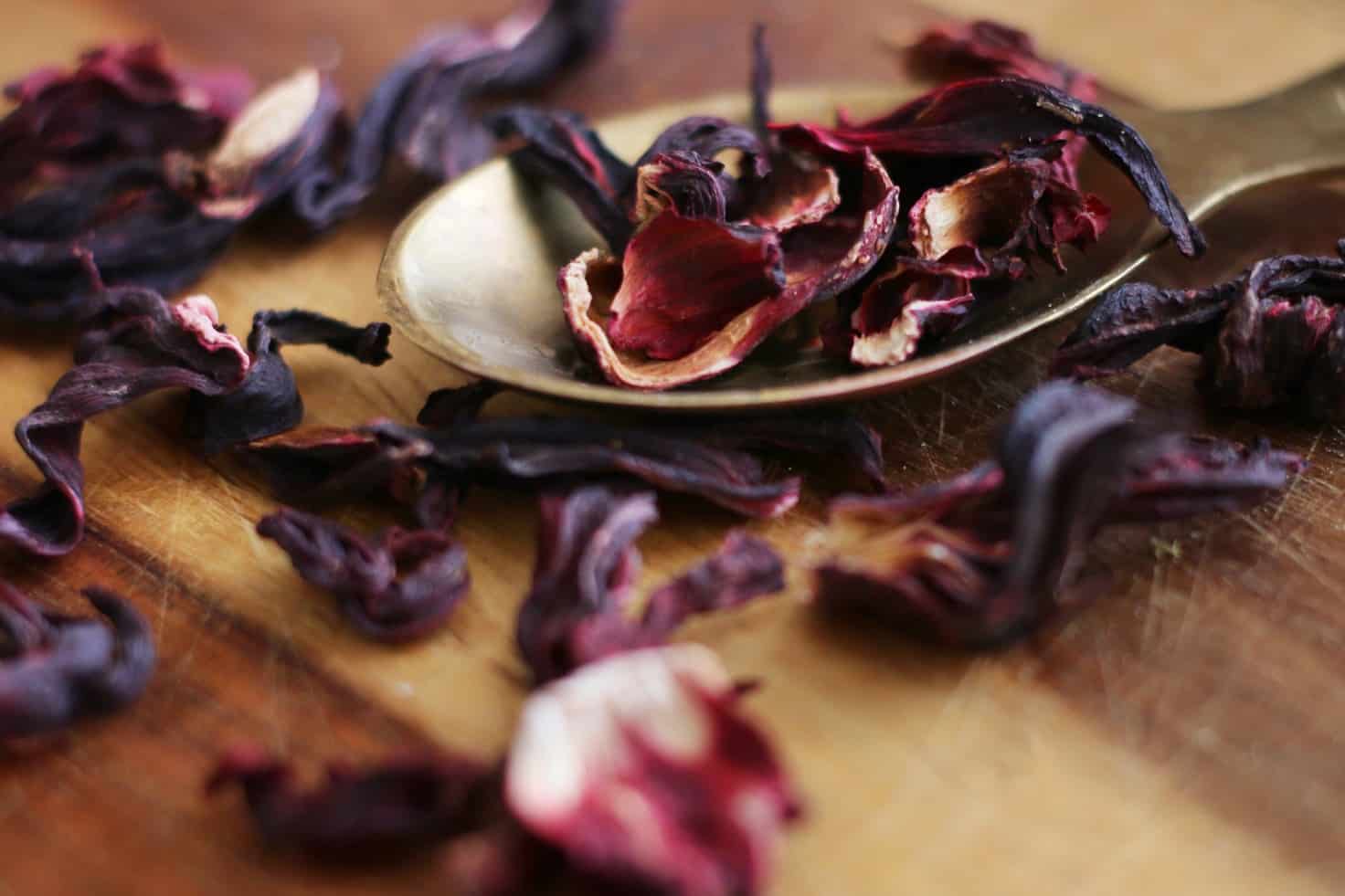
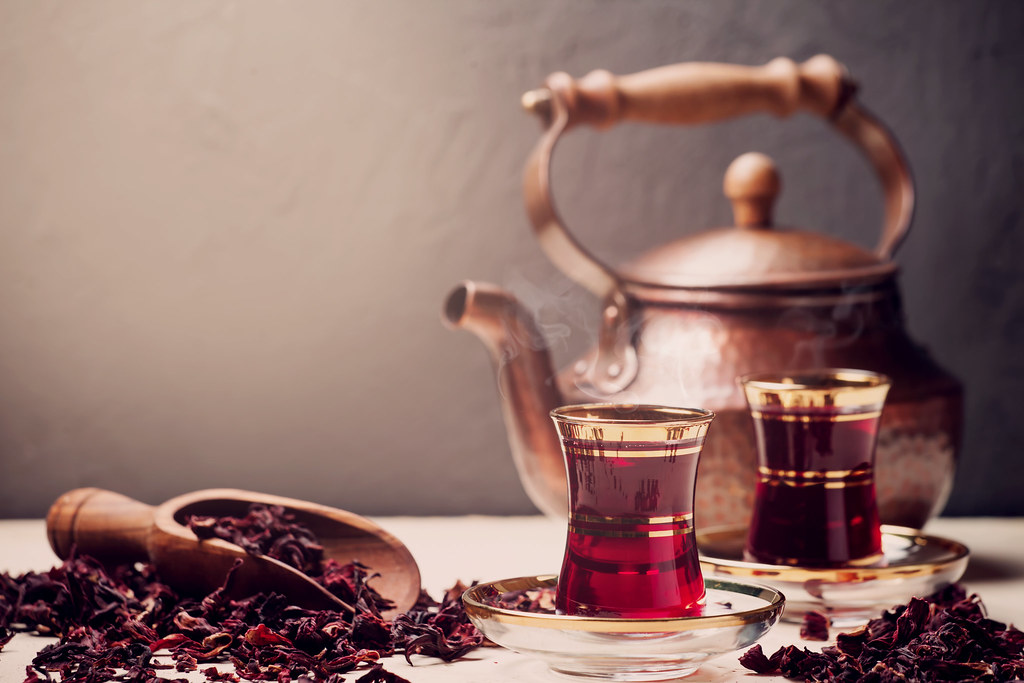
Roselle tea, made from the hibiscus flower, is a tart, sweet, bright red tisane with zero calories, zero caffeine and lots of benefits.
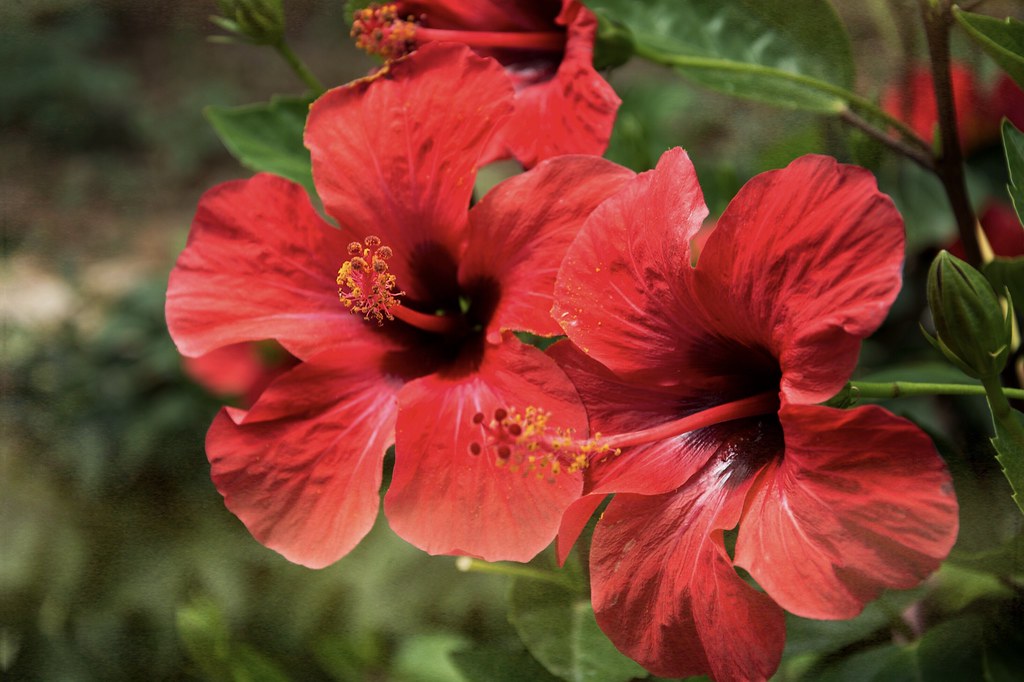
It seems to effortlessly blend with any secondary ingredient and is the perfect bed fellow for other herbal teas. There are approximately 300 species of hibiscus flower for tea, of which the most flavourful tend to grow in hot dry countries around the world, with colours ranging across the culture spectrum including pink, red, peach, yellow and purple.
Latin: Malcaceae

Wanting to try hibiscus tea yourself? Well you are in luck! Try our loose-leaf hibiscus tea and let us know your thoughts!
Hibiscus around the world
Nigeria
Zobo is the Yoruban word for Hibiscus. Yoruban is an Ethnicity in Nigeria that accounts for 35% of the population although sometimes it is called roselle tea.
Jamaica
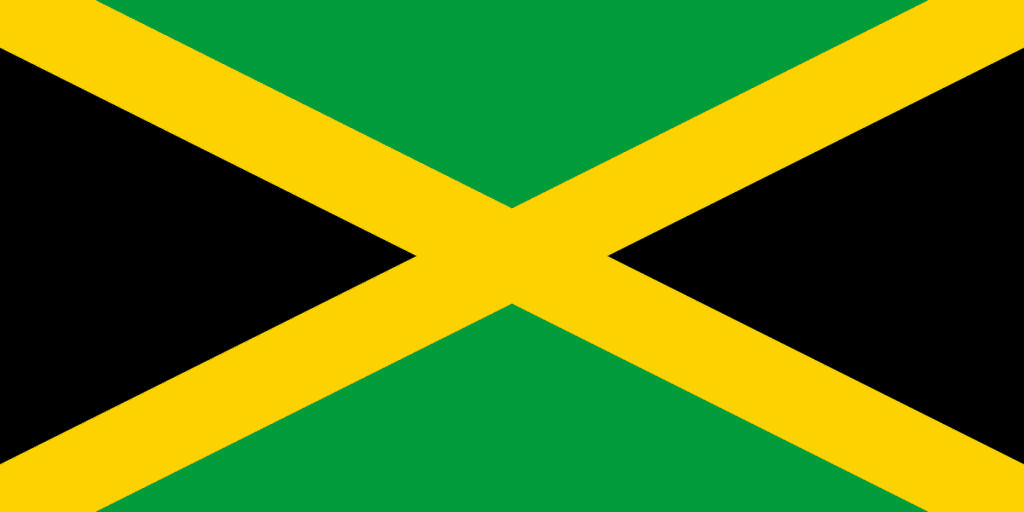
In Jamaica it is known as Sorrel or Red Sorrel and is described as “liquid soul”. The traditional Red Sorrel drink is often made with Hibiscus flowers, cinnamon, all spice and fresh ginger. You can check out a lovely Jamaican Red Sorrel recipe on Global Travel Adventure blog.
Mexico
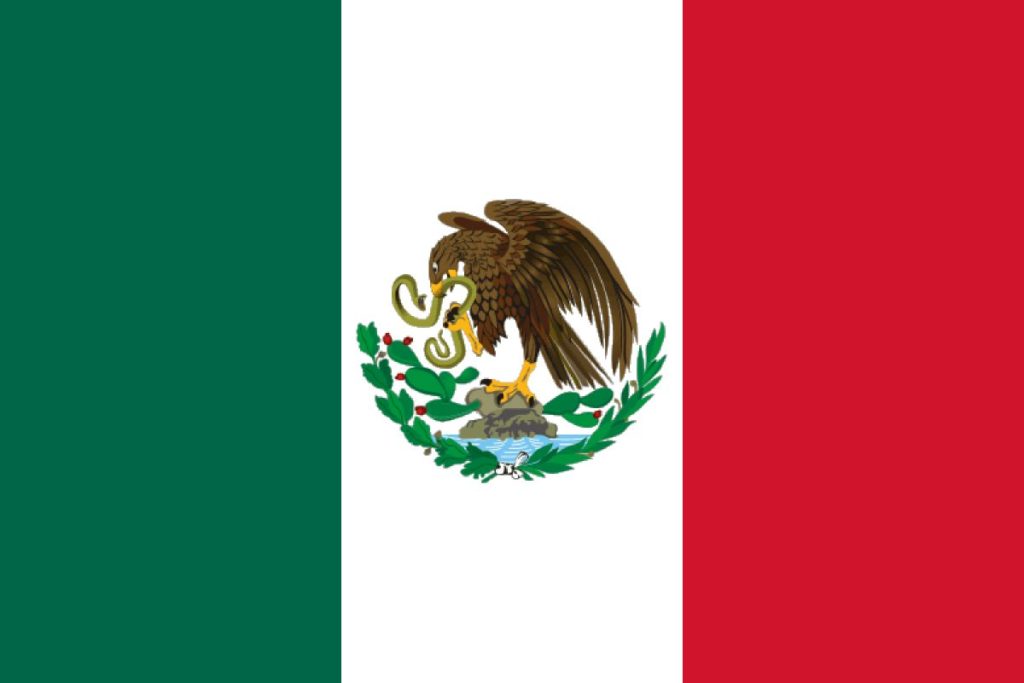
In Mexico hibiscus flower is known as flor de jamaica. Hence the traditional drink made with hibiscus is called Agua de Jamaica and is served in Mexico in between meals. It’s served iced and is usually very sweet, tart, delicious and incredibly refreshing. We found a lovely recipe on Mexican Food Journal in case you’d like to give it a try!
Sudan and Egypt
Hibsicus is known as Karkade in and Egypt, Sudan and Bisap in West Africa. Iced sweetened Karkade tea has been around for centuries and was thought to be popular with the ancient Egyptian Pharaohs. It’s the perfect drink to cool you down in the boiling heat of Egyptian summer.
Malaysia and Senegal
In 1960 Malaysia has chosen Hibiscus to be their national flower. In Malaysia and Singapore it is called “bunga raya” translated as large flower. The red petals symbolise courage, and the five petals represent the Rukun Negara (National Principles).
Burma and the Philippines
It is common for the Hibiscus leaves to be used as an ingredient in cooking curries and stews. In the Phillipines it is known as “Guatemala tea”.
India
In Hinduism, Kali, the Hindu Godess is represented by red hibiscus flower and are used during worship. The hibiscus represents Kali’s tongue and is a manifestation of primordial energy. She represents empowerment, and with that, admittedly, comes destruction, making her a fierce goddess.
Hawaii
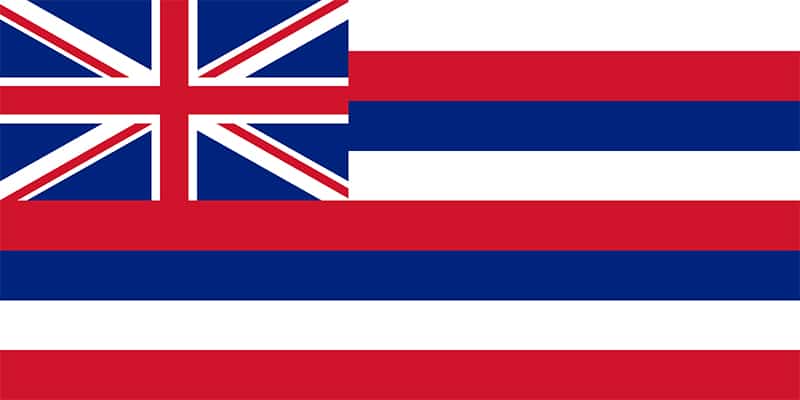
Hawaii’s state flower is their native Hibiscus plant. It is traditionally placed behind the right ear of women who are seeking a partner, with the left indicating she is not available. Just so I am clear, the right ear (her right ear)…either way it is probably best to ask.
Hibiscus Tea use in Herbalism
Hibiscus has long been a herbal staple, and modern research is exploring why.
| Benefit | What the research suggests |
|---|---|
| Weight and digestion | Studies suggest hibiscus tea may reduce starch and glucose absorption by inhibiting amylase, and it is traditionally used to support regularity. It is also satiating, and popular iced for cooling down. Discover the best teas for weight loss. |
| Heart health | Research links hibiscus to lower blood pressure in adults with hypertension, reduced LDL cholesterol and triglycerides, and possible support for blood sugar in type 2 diabetes. |
| Immunity and liver | Rich in vitamin C and antioxidants, hibiscus has anti-inflammatory and diuretic properties traditionally used to ease colds, fevers and support the liver. |
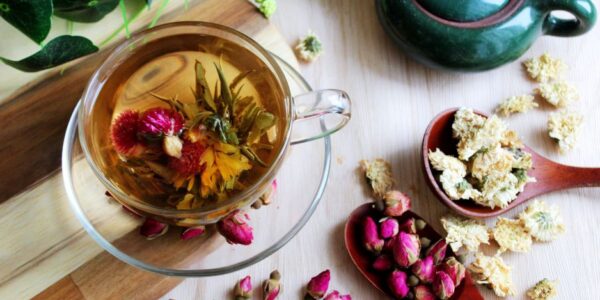
| Mood and hormones | Traditionally used to ease menstrual cramps and mood swings, with early animal studies suggesting a link to serotonin and dopamine. Rose bud tea is another calming option. |
| Early research | Lab studies on hibiscus compounds show antioxidant and anti-tumour potential, but this is preliminary. Hibiscus is not a treatment for cancer or any condition. |
Want the full picture? Our in-depth guide to what hibiscus (roselle) tea actually does for your body covers each benefit in detail.
How to Brew Roselle Tea
Drink by itself for a delicious, sweet, bitter palate quencher, as a blend or Iced.
Begin by pouring boiling water onto the Hibiscus plant.
Leave for 1 minutes and check to see if you are happy. If not leave for another minute. If you are Icing the tea we recommend brewing for 10-15mins.
Add Honey to balance the sourness but try to avoid refined sugars as it will damage the components in the tea
Herbalism Box
If you’d like to try some high quality Hibiscus tea, check out our teapro Herbalism box!
What did we experience?
Hibiscus is sharp and cleansing but also distinctly sweet. There are strong floral aromas but you will remember the zesty finish this flower packs. It will improve or pair superbly with all manner of different herbs and we strongly recommend trying alongside Elderflower, Damiana and Greek High Mountain tea.
Some Precautions
Please be careful if you are planning surgery or have Diabetes as Hibiscus can affect blood sugar levels and consult your doctor.
If you are concerned about your reaction to Hibiscus please consult your doctor.
If you love the taste of hibiscus tea, make sure to try our other flowering teas! Which ones are your favourite- we would love to know!
No Comments