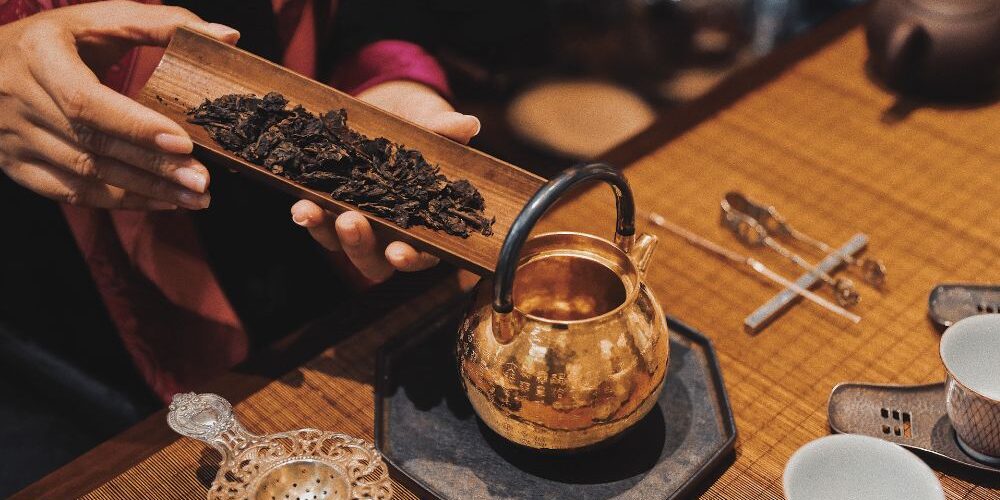

Black Tea Benefits: What Happens When You Drink It Every Day

What happens when you drink black tea every day? The science on antioxidants, gut health and focus tells a more interesting story than most people expect. 

Black tea is one of the most studied beverages in nutritional science.

The evidence for its effects on the body – from antioxidant activity to gut health to sustained mental focus – is both broad and specific. And when you are drinking a high-quality loose leaf black tea, rather than a tea bag filled with processed dust, those benefits are more available, not less. 

Most people who drink black tea every day do it out of habit. The kettle goes on, the cup follows, and the morning begins. What they probably do not know is that the habit is doing a lot more for them than they realise. 

This is what actually happens when you make black tea a daily habit.

Why Black Tea Benefits Add Up Every Day 

Black tea comes from Camellia sinensis – the same plant as green, white and oolong tea. What makes black tea distinct is full oxidation: the leaves are withered, rolled and allowed to react with oxygen, which transforms their chemistry, deepens the flavour and changes how the bioactive compounds behave in the body. 

why black tea benefits add up -black tea benefits

So, what are the key components responsible for the benefits of black tea?

The key compounds in black tea are theaflavins and thearubigins (polyphenols formed during oxidation), catechins (antioxidants shared with green tea, present in lower amounts), caffeine (at moderate levels – typically 40 to 70 mg per cup) and L-theanine (an amino acid that modifies how caffeine works in the body). 

These compounds do not work in isolation. They interact with each other and with the body in ways that have been studied for decades. What follows is what the evidence consistently shows. 

Antioxidants: the daily defense 

Antioxidants are molecules that neutralise free radicals – unstable compounds produced by normal metabolism, stress, processed food and environmental pollution. Left unchecked, free radicals damage cells and contribute to chronic disease and accelerated ageing. 

Black tea is a significant dietary source of antioxidants, specifically theaflavins and thearubigins. These compounds form during the oxidation process that turns green tea leaves black.

They are chemically different from the catechins in green tea – and in some studies, show comparable or stronger antioxidant activity in specific biological contexts. 

antioxidant black tea benefits

Drinking black tea daily gives your body a consistent supply of these compounds. The research suggests that regularity matters more than quantity: a moderate daily habit (two to four cups) appears more effective than occasional high consumption. 

If you want to understand the full spectrum of black tea’s composition – how oxidation creates these compounds and what distinguishes variety to variety – our complete guide to black tea covers the science and the sourcing in depth. 

Black tea and gut health 

This is one of the more surprising areas of black tea research – and one of the most active. 

The gut microbiome – the community of bacteria, fungi and other microorganisms living in your digestive tract – plays a significant role in immunity, mood, inflammation and metabolic health. What you eat and drink daily shapes which bacteria thrive and which do not. 

Black tea polyphenols appear to act as prebiotics: compounds that feed beneficial gut bacteria, particularly Lactobacillus and Bifidobacterium strains.

Studies have found that regular black tea consumption is associated with a more diverse microbiome – and diversity is generally considered a marker of gut health.

gut health black tea benefits

There is also evidence that black tea polyphenols inhibit the growth of certain pathogenic bacteria in the gut, without disrupting beneficial strains. This is a meaningful distinction – it is not a blanket antimicrobial effect, but a selective one. 

The practical implication: making black tea a daily habit appears to have a cumulative positive effect on gut bacterial composition. This is not a dramatic overnight change – it builds over weeks and months of consistent consumption.

Heart health and circulation 

The cardiovascular evidence for black tea is among the most consistent in the research literature. Multiple large-scale studies have found associations between regular black tea consumption and reduced risk of cardiovascular events. 

heart health - benefits of barley tea - benefits of black tea

Blood pressure 

Several trials have found that regular black tea consumption is associated with modest reductions in both systolic and diastolic blood pressure. The effect is not dramatic – we are talking about a few mmHg in most studies – but sustained over time, small reductions in blood pressure have meaningful implications for cardiovascular risk. 

LDL cholesterol 

Theaflavins in black tea have been studied for their effect on LDL (low-density lipoprotein) cholesterol – commonly referred to as bad cholesterol. Some trials have found that daily black tea consumption is associated with modest LDL reductions, though results vary by population and baseline diet. 

Arterial function 

Beyond blood pressure and cholesterol, research has looked at the effect of black tea flavonoids on endothelial function – the ability of blood vessels to dilate and contract normally. Some studies suggest that regular flavonoid intake supports endothelial health, which in turn supports healthy circulation. 

The consistent message across this research: black tea as a daily habit appears to contribute positively to cardiovascular health markers over time. It is not a medicine and should not be framed as one – but as part of a balanced diet, the daily cup is doing work.

Mental focus without the coffee crash 

This is where black tea distinguishes itself most clearly from coffee – and it comes down to one compound: L-theanine. 

L-theanine is an amino acid found almost exclusively in the tea plant. It crosses the blood-brain barrier and influences brain wave activity – specifically, it promotes alpha wave generation, which is associated with a relaxed but alert mental state.

L-Theanine mental focus black tea benefits

When L-theanine is combined with caffeine – as it naturally is in every cup of black tea – the two compounds interact in a way that modifies the caffeine experience. The result is focused alertness without the jitteriness, anxiety or sharp crash that many people experience from coffee. 

Black tea contains moderate caffeine (40 to 70 mg per cup, compared to 80 to 100 mg in coffee) alongside a meaningful amount of L-theanine. This ratio is part of why the mental experience of black tea feels different from coffee – even at comparable caffeine levels. 

For health-conscious people moving away from coffee, this is one of the most practical reasons to make black tea a daily habit. You get the cognitive lift without the volatility.

Blood sugar regulation 

There is emerging and reasonably consistent evidence that black tea polyphenols play a role in blood sugar regulation – specifically in reducing post-meal blood glucose spikes. 

The proposed mechanisms include inhibition of alpha-glucosidase (an enzyme involved in breaking down carbohydrates into glucose) and improved insulin sensitivity. In practice, this means the glucose from a meal is absorbed more slowly, which flattens the blood sugar curve.

oolong tea benefits - blood sugar - black tea benefits

This is relevant not just for people managing blood sugar conditions – it matters for anyone experiencing the afternoon energy slump that follows a high-carbohydrate lunch. Blunting the post-meal glucose spike means a more stable energy baseline through the afternoon. 

The research here is still developing, and effects vary by individual and diet. But the direction of the evidence is consistent: regular black tea consumption appears to support more stable blood sugar management as part of a balanced diet. 

Milk and sugar: the great British question

The majority of black tea in the UK is drunk with milk, and often with sugar – so it is worth addressing both directly.

The evidence on milk is mixed but broadly reassuring: some studies suggest that milk proteins may bind to certain polyphenols and reduce their bioavailability, while other research finds the effect is modest and unlikely to negate the benefits of daily consumption.

If you are drinking black tea primarily for its health properties, drinking it without milk is the cleaner choice – but a splash is not going to undo the habit. Sugar is a more straightforward consideration: it adds calories and contributes to blood sugar spikes, which works against some of the blood sugar regulation benefits described above.

If you take two sugars out of habit rather than genuine preference, it is worth experimenting with reducing that gradually. The tea – especially a good loose leaf – may surprise you with how little it needs.

What changes with daily drinking – and what to watch 

Daily black tea consumption is well-tolerated by the vast majority of people. But there are a few things worth knowing. 

Caffeine accumulation 

If you are drinking three or four cups a day, the caffeine adds up. Most adults handle up to 400 mg of caffeine daily without issue, which means three to four cups of black tea (120 to 280 mg total) is well within a safe range. If you are caffeine-sensitive, shorter steeping times reduce extraction significantly. 

Tannins and iron absorption 

Black tea contains tannins – compounds that can bind to non-haem iron (the type found in plant foods) and reduce its absorption when consumed at the same time as iron-rich foods. If you follow a plant-based diet and rely on plant sources for iron, it is worth drinking your tea between meals rather than with them. 

Hydration 

Contrary to older assumptions, moderate black tea consumption does contribute to daily fluid intake. The mild diuretic effect of caffeine is offset by the liquid volume at typical cup quantities. Drinking two to four cups daily does not dehydrate you. 

Dental considerations 

Black tea can stain teeth with regular consumption. This is cosmetic rather than a health concern, but worth noting. Rinsing with water after your cup helps minimise staining.

Loading...
black tea dianhong pagoda
Price range: £6.00 through £68.00
wuyi black tea
Price range: £5.50 through £75.00
rwanda black tea
Price range: £3.50 through £55.00

Why loose leaf delivers more 

Not all black tea is equal – and the form it comes in matters more than most people realise when it comes to the compounds above. 

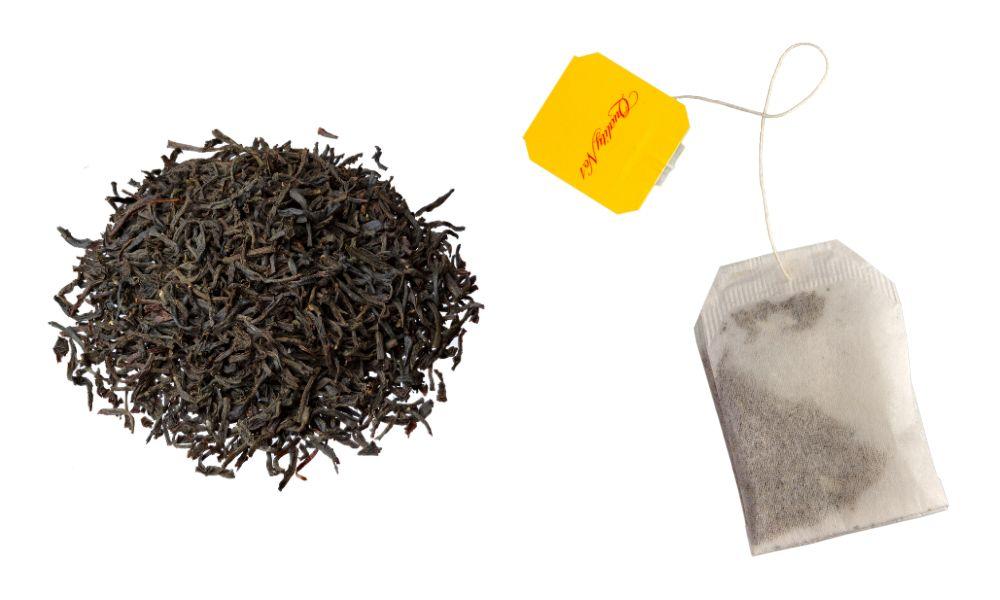
Tea bags are typically filled with fannings and dust: the smallest particles left after tea processing. These particles have a high surface area, which means caffeine and bitter tannins extract fast and aggressively. But many of the more delicate polyphenols – the ones associated with the health benefits above – are volatile and degrade quickly in fine-particle form.

Loose leaf black tea uses larger, more intact leaves. These leaves retain more of their original polyphenol content through processing, because less surface area is exposed to oxidation in the tin.

They also extract more slowly and evenly during brewing, which means you get a fuller spectrum of compounds in the cup rather than a spike of caffeine and tannins. 

black tea bitterness

The practical difference: the same daily habit delivers more of the beneficial compounds when it is built around loose leaf. The cup tastes better, and the chemistry is richer. 

For a deeper look at how black tea is processed and what distinguishes one variety from another, our complete guide to black tea is the place to start. 

How to get the most from your daily cup 

A few practical notes that make a real difference: 

  • Water temperature: boiling (100 degrees C). Black tea is fully oxidised and needs full heat to extract properly. Lower temperatures under-extract and leave the more complex compounds behind. 
  • Steeping time: 3 to 4 minutes for full flavour and compound extraction. Shorter if you are caffeine-sensitive. Beyond 5 minutes, bitterness increases without meaningful benefit. 
  • Quantity: one heaped teaspoon per 250 ml cup. Do not under-leaf – it produces a thin cup that under-extracts. 
brewing black tea black tea benefits
  • Between meals for iron: if you are vegetarian or vegan, drink your tea between meals rather than with food to minimise the effect of tannins on iron absorption. 
  • Consistency over quantity: two to three cups daily, every day, appears more beneficial than occasional larger consumption. Make it a habit, not an event. 
  • Choose loose leaf: for all the reasons above. Single-origin, clearly labelled, no artificial flavourings. Know what is in your cup. 

Frequently Asked Questions

Yes, for most people. Two to four cups of black tea per day is well within safe caffeine limits and is associated with a range of positive health outcomes in the research literature. Those who are pregnant, caffeine-sensitive or managing certain conditions should check with a healthcare professional about their ideal intake. 

Some effects – improved focus, steadier energy – are noticeable immediately, cup by cup. Others, like changes to gut microbiome composition or cardiovascular markers, are cumulative and build over weeks and months of consistent consumption. The habit matters more than any single cup.

They offer different benefit profiles rather than one being straightforwardly better. Green tea retains more catechins because it is unoxidised. Black tea develops theaflavins and thearubigins through oxidation – compounds with their own distinct antioxidant and anti-inflammatory properties. Both are genuinely beneficial. The best tea is the one you will drink consistently. 

Some research suggests that black tea polyphenols may support gut microbiome changes associated with weight management, and that the caffeine-L-theanine combination can support metabolic rate and fat oxidation. The evidence is not strong enough to make direct claims, but black tea as a replacement for sugary drinks or high-calorie coffee drinks is a straightforward positive change. 

Coffee is also a significant source of antioxidants. The compounds differ: coffee contains chlorogenic acids while black tea contains theaflavins and thearubigins. Both are potent in different ways. The key difference is the L-theanine in tea, which has no equivalent in coffee, and the gentler caffeine experience that comes with it. 

This is debated. Some research has suggested that milk proteins may bind to tea polyphenols and reduce their bioavailability. Other studies have found no significant effect. The evidence is inconclusive. If you add milk, the balance of pleasure versus minor potential reduction in polyphenol absorption is likely a reasonable trade-off for most people. 

A single-origin loose leaf black tea with a clear origin label and no artificial flavourings. Assam for boldness and malt, Darjeeling first flush for brightness and complexity, Ceylon for a clean and versatile everyday cup. The best one is the one whose flavour you genuinely enjoy – because consistency is what delivers the benefit. 

Ready to understand black tea properly before you commit to it daily? Our complete guide to black tea covers everything from how oxidation shapes the leaf to which varieties are worth your attention – and how to brew each one properly. That is where the daily habit begins. 

Loading...
Loading...
black tea gift box
Price range: £25.00 through £42.00

Teapro co-founder. Favourite tea - Long Jing Dragon Well Green Tea. Obsessed with film, photography and travelling.

No Comments

Post A Comment