How to Brew Pu-erh Tea: The Complete Guide for Beginners
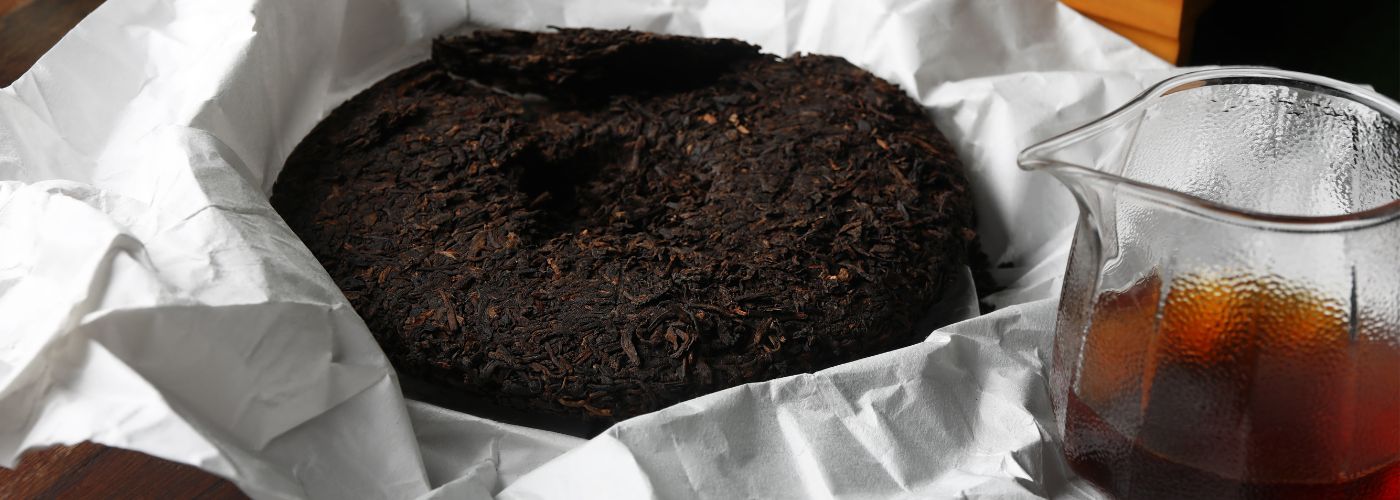
If you have just encountered your first cake of pu-erh tea and stared at it wondering what on earth to do next, you are not alone. Pu-erh is unlike any other tea in the world – aged, fermented, compressed, and utterly unlike the bag of breakfast tea sitting in your kitchen cupboard. It is also, once you understand it, one of the most rewarding teas you will ever drink. 

This guide covers everything you need to know about how to brew pu-erh tea at home, from breaking up the compressed leaves to understanding why your first cup might taste nothing like your second. By the end, you will have the knowledge and the confidence to get the best from every single brew. 

If you are new to pu-erh altogether and want to understand what it is, where it comes from, and why it has been drunk in China for centuries, start with our complete guide to pu-erh tea first. Then come back here when you are ready to brew. 

Beyond flavour, pu-erh has attracted interest for its potential wellness properties – Healthline has a useful overview if you’re curious

In this guide 

What makes brewing Pu-erh tea different 

Before we get into the how, it helps to understand the why. 

Most teas – your greens, your blacks, your whites – are made from fresh leaf that is processed within days of picking. Pu-erh is different. It undergoes microbial fermentation, either naturally over years (raw pu-erh, known as sheng) or through an accelerated process called wet-piling (ripe pu-erh, known as shou). The result is a tea that carries extraordinary depth, earthiness, and complexity. 

Because pu-erh has this fermented character, it responds differently to water temperature, brewing time, and vessel choice than other teas. It benefits from a rinse before drinking. It can be steeped many more times than a standard loose leaf tea. And the difference between a mediocre brew and an outstanding one often comes down to small details that, once you know them, are very easy to get right. 

The good news: pu-erh is a forgiving tea. Even a slightly imperfect brew is usually still enjoyable. And with each session, you learn a little more about what this remarkable leaf is capable of.

Pu-erh has been traded across Asia for centuries – most famously along the ancient tea horse road, a network of mountain routes connecting Yunnan to Tibet and beyond

What you will need 

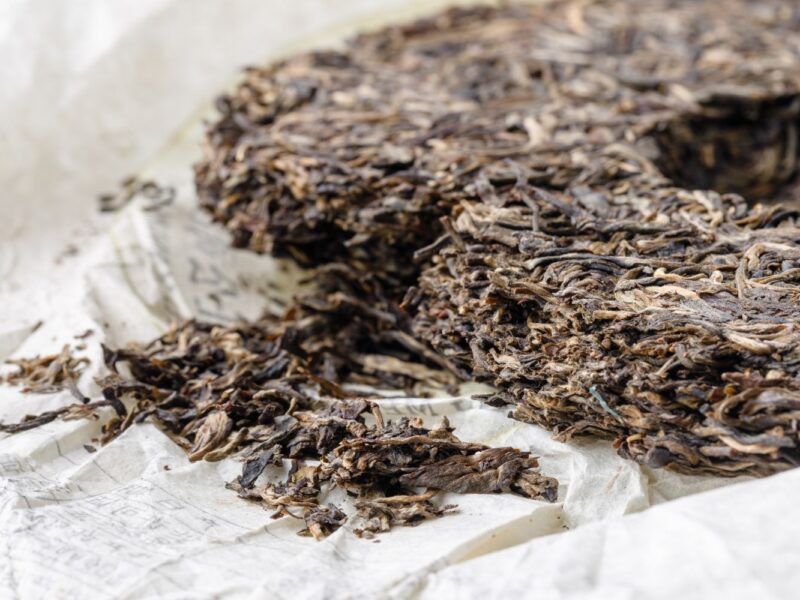
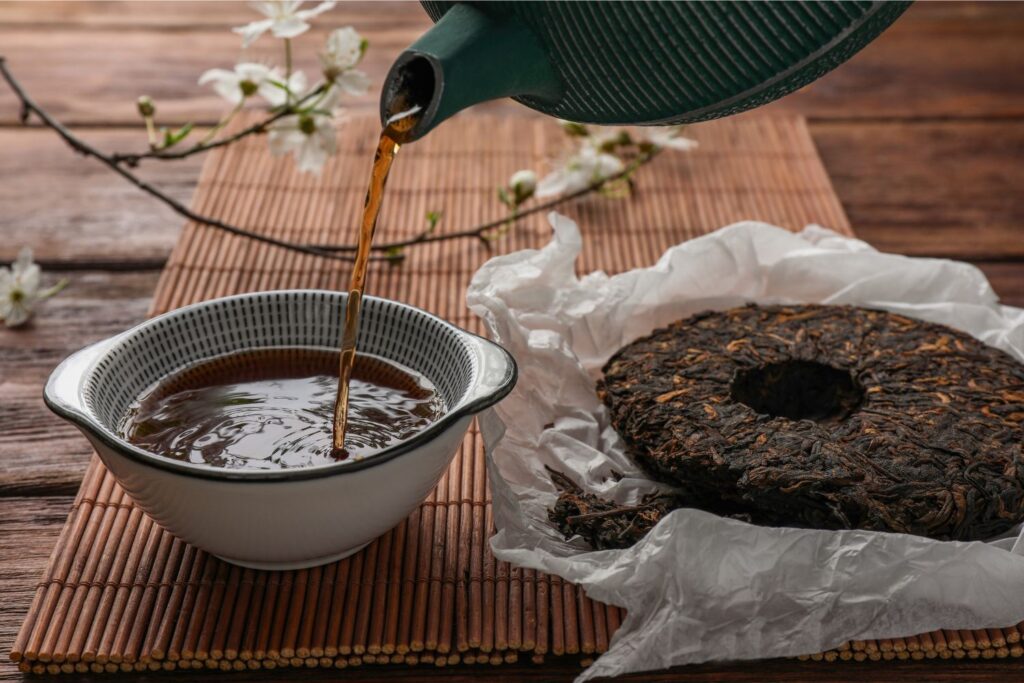
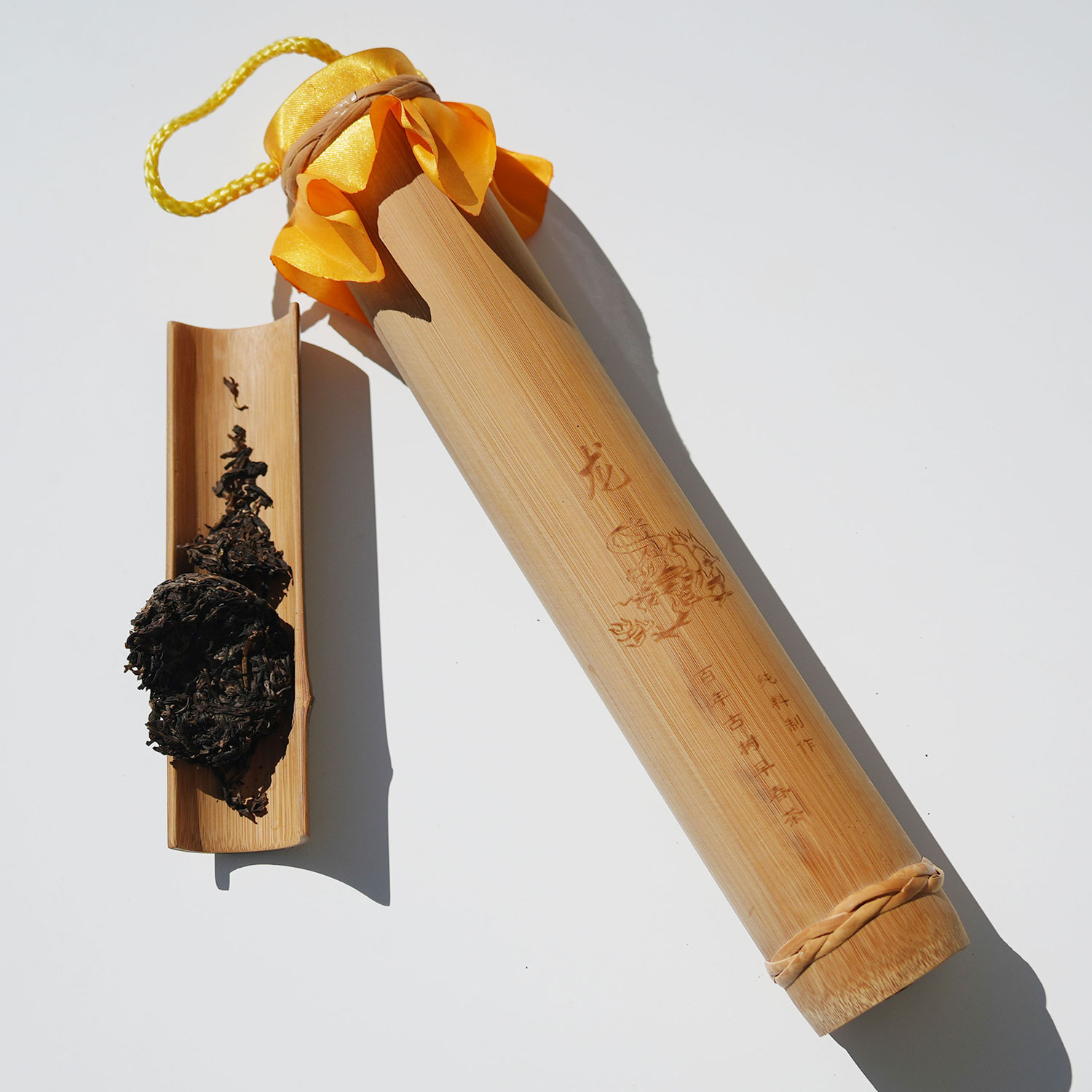
Pu-erh almost always comes compressed into cakes, bricks, or small tuos. This is a centuries-old tradition that aided transport along the ancient tea horse road, and it also helps the tea age beautifully over time. 

You will need to break off your portion before brewing, which brings us to the most important piece of teaware in your pu-erh kit. 

A pu-erh pick or knife 

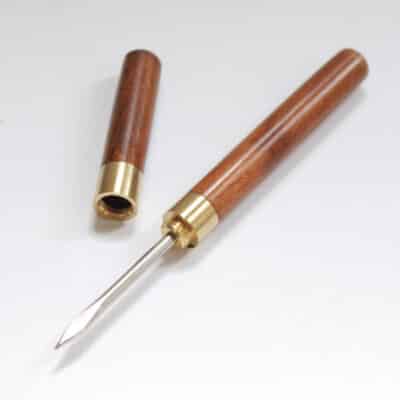
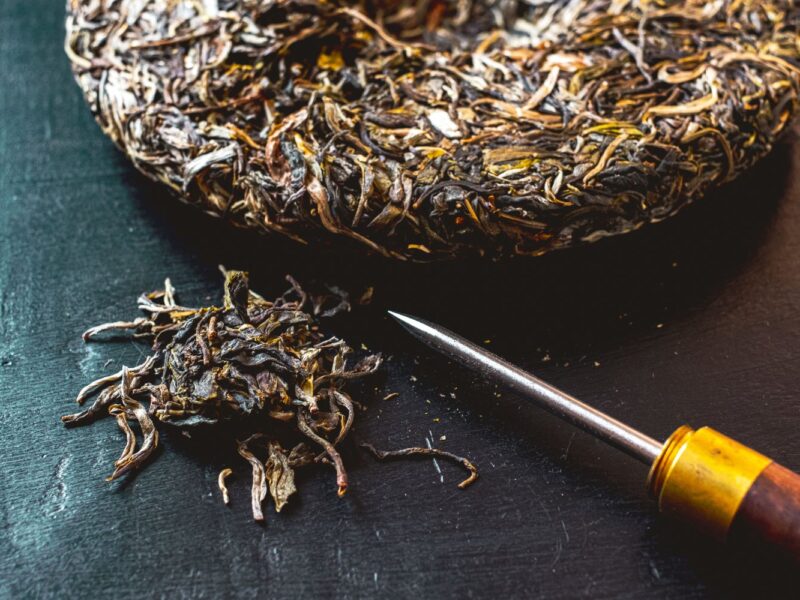
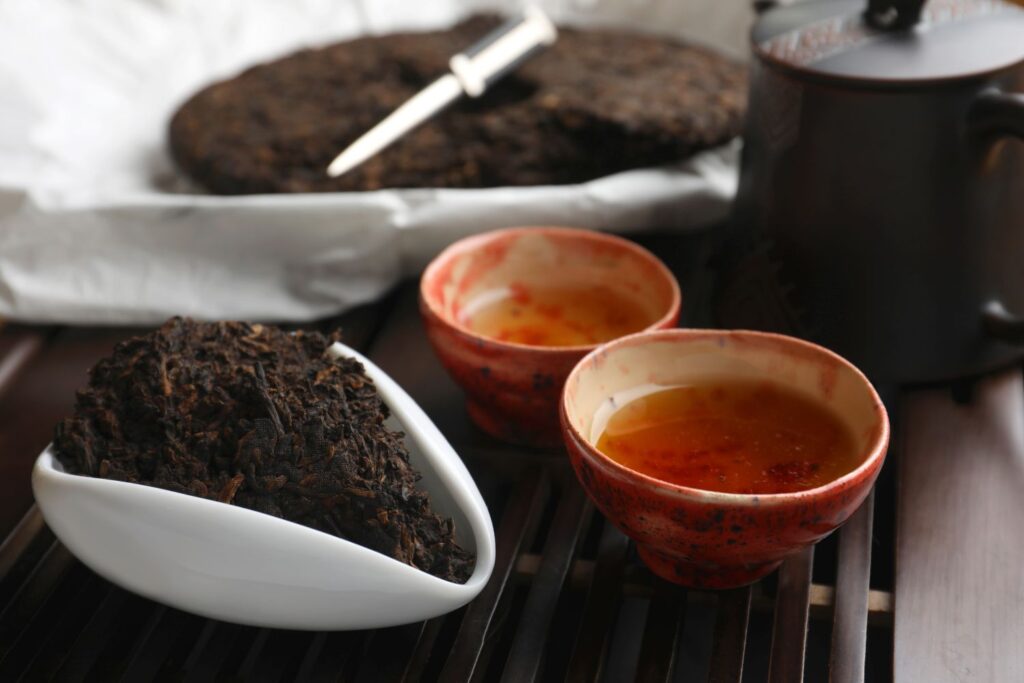
A pu-erh pick (sometimes called a tea needle or pu-erh knife) is a pointed tool used to prise compressed leaves apart without crushing them. This matters more than most beginners realise. 

When you crush compressed pu-erh – with scissors, a knife blade, or by forcing it apart with your hands – you break the leaves into fine dust and fragments. Fine particles brew faster and more intensely than whole leaves, which means your cup becomes difficult to control: too strong, too bitter, and lacking in the layers of flavour pu-erh is known for. 

A proper pu-erh pick lets you work gently between the layers of compressed leaf, loosening sections intact. The leaves stay whole. They unfurl slowly during brewing. You get a much more nuanced, controllable, and enjoyable cup. 

Our Teapro pu-erh pick and knife is designed specifically for this purpose. It is an essential tool if you plan to drink pu-erh regularly, and a small investment that will pay for itself many times over in better brews. 

Loading...

Your brewing vessel 

The vessel you choose shapes how you experience pu-erh, and the good news is there is a natural progression from casual to dedicated. Here are your main options, roughly in order of commitment. 

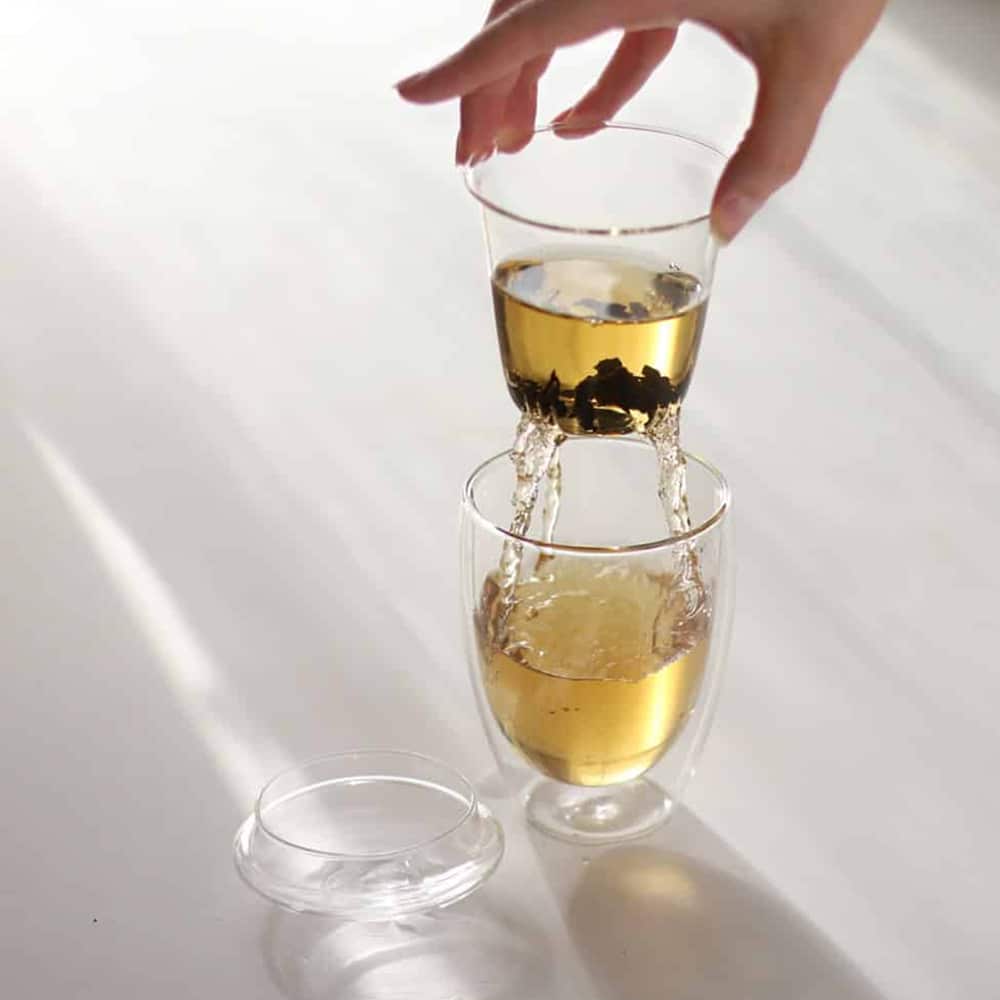
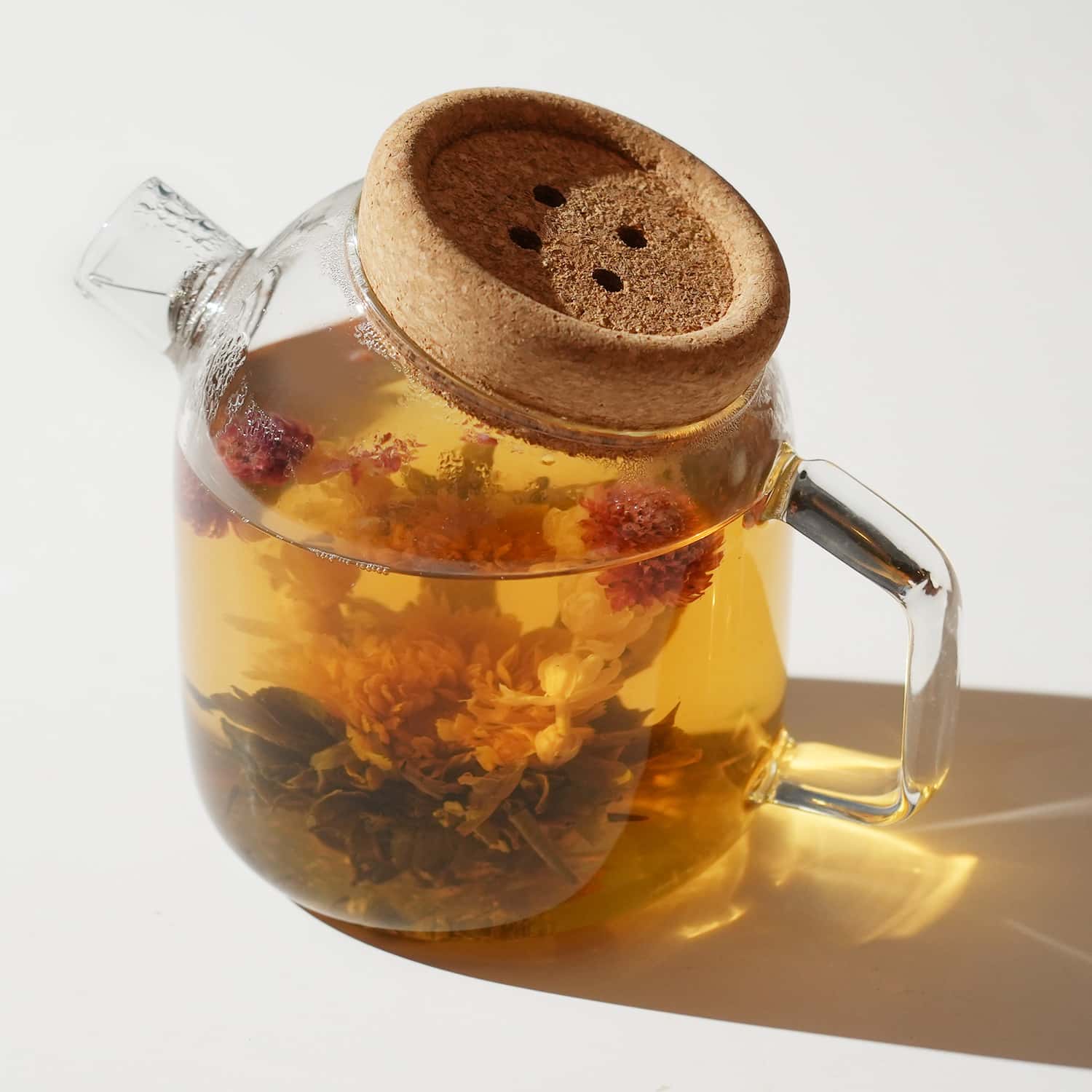
A glass loose leaf infuser or glass teapot – if you are not ready to invest in gongfu teaware just yet, this is the ideal place to start. A glass infuser mug or glass teapot with a built-in strainer insert lets you brew pu-erh simply and cleanly, without any specialist knowledge. The glass also lets you watch the deep, almost black liquor unfurl and steep – which is genuinely beautiful with a good ripe shou. Our Teapro loose leaf infuser glass and glass teapot are designed exactly for this kind of everyday brewing, and make a brilliant starting point for anyone new to loose leaf tea. 

Loading...
tea strainer- tea infuser
Price range: £17.99 through £64.00

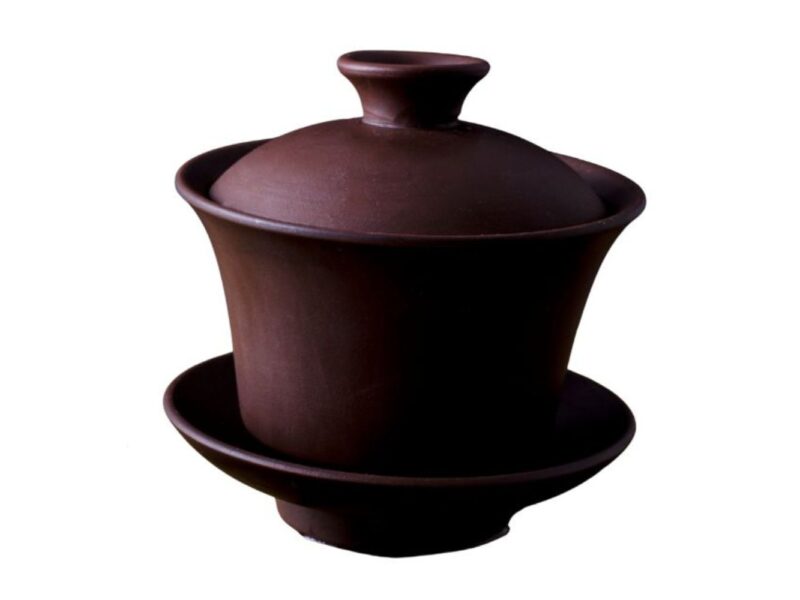
A gaiwan – a lidded bowl, typically porcelain, used in Chinese gongfu-style brewing. Once you are ready to go deeper, the gaiwan is the most versatile choice for pu-erh. It gives you precise control over steeping time, holds temperature well, and shows off the liquor colour beautifully. It has a learning curve, but not a steep one – and the level of control it gives you is worth it. 

gaiwan bowl

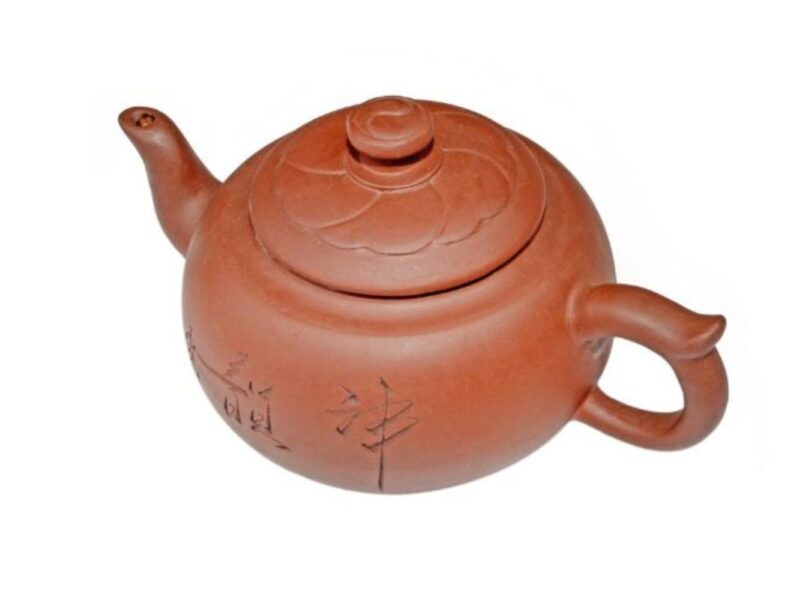
A Yixing teapot – an unglazed clay pot from the Yixing region of China. Yixing clay is famously porous and absorbs the oils and flavour compounds of whatever tea it brews over time, building up a seasoning that enhances future sessions. Many experienced pu-erh drinkers dedicate one Yixing pot exclusively to ripe pu-erh. This is very much a long-term investment for those who have caught the pu-erh habit properly. 

Yixing teapots

Water and temperature 

Water quality matters enormously in tea, and especially in pu-erh. Tap water that is heavily chlorinated or very hard will dull the tea and interfere with its natural character. If your tap water tastes good, it will brew good tea. If not, filtered water or a light, low-mineral bottled water makes a noticeable difference. 

Temperature: aim for water just off the boil – around 95 to 100 degrees Celsius. Pu-erh, particularly ripe shou pu-erh, is a robust tea that needs that heat to open up fully. Unlike green tea, which can turn bitter and astringent at high temperatures, pu-erh is best friends with near-boiling water. 

Step one – breaking the cake 

This is where most beginners go wrong, and where a pu-erh pick earns its place immediately. 

Place your pu-erh cake on a clean, flat surface. Insert the tip of your pick into the side or edge of the cake, angling it gently between the layers rather than driving it straight through the top. Work slowly, using a gentle prying motion. The layers will begin to separate naturally. 

Your aim is to loosen sections of leaf that remain as whole or near-whole as possible, with minimal broken fragments and dust. A typical serving of pu-erh is around 5 to 7 grams – roughly a teaspoon or two of loosened leaf, depending on how compressed it is. 

A tip from experience: the edges and the very centre of a cake behave differently. Edges are easier to access and often looser. The centre is more compressed and may require more patience. Take your time, especially the first few sessions with a new cake, to understand how it is structured. 

If some dust falls as you break the cake, do not worry. A small amount is normal. But if the majority of what you are working with is powder, that is a sign to use a gentler technique next time – or to check that your pick is sharp enough to work cleanly.

Step two – the rinse (do not skip this) 

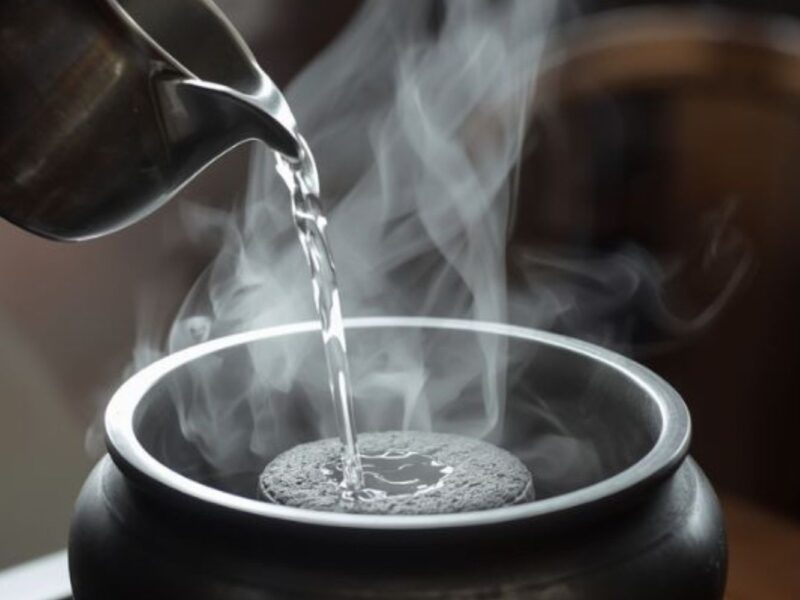
The rinse – sometimes called the awakening or the wash – is a step that surprises many tea drinkers new to pu-erh. You add hot water to the leaves, wait five to ten seconds, and then pour that water away before you ever drink a drop. 

Why? A few very good reasons. 

First, pu-erh has been compressed and aged, sometimes for years. A quick rinse with hot water removes any surface dust from the breaking process and any residue from storage.

This is especially relevant for teas that have been aged in traditional storage environments. 

Second, the rinse begins to open the leaves. Compressed pu-erh leaves are tightly bound together, and they need that initial contact with hot water to start unfurling. 

Rinse Pu erh

Your first proper steeping – the one you actually drink – will be far richer and more even because the leaves have already begun to wake up. 

Third, for ripe shou pu-erh in particular, the rinse can remove the slightly musty or pond-like aroma that some teas carry from the wet-piling process. After a rinse, that note usually settles or disappears entirely, leaving the deep, smooth, earthy character that good shou is known for.
 

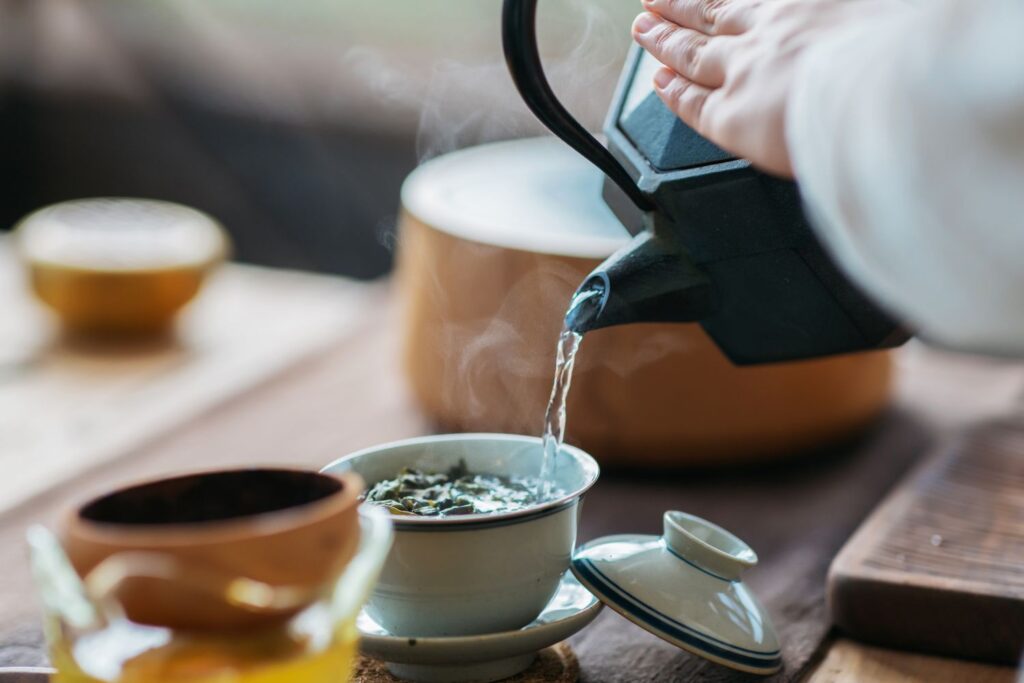
How to rinse: add your near-boiling water, cover the vessel, and pour off after about 5 to 10 seconds. You can rinse twice if you wish, particularly with older or heavily compressed cakes. 

Step three – brewing 

Gongfu Style (Recommended) 

Gongfu brewing uses a high ratio of leaf to water, brewed in short, successive steepings. This method is widely considered the best way to experience pu-erh because it reveals how the tea changes across multiple infusions – which is part of what makes pu-erh so fascinating. 

  • Leaf ratio: 5 to 7 grams of tea per 100ml of water. 
  • First steeping: 20 to 30 seconds after your rinse. 
  • Subsequent steepings: add 10 to 15 seconds to each steeping as you go. A quality pu-erh will give you 8 to 15 or more infusions before the flavour starts to fade significantly. 
  • Water temperature: 95 to 100 degrees Celsius throughout. 

Pour into a small cup and drink while warm. Then immediately add more water for the next steeping. The ritual is part of the pleasure.

brewing Pu erh

Western Style (Simpler) 

If gongfu brewing feels like too much to learn at once, a Western-style brew is a perfectly good starting point. 

  • Leaf ratio: 3 to 4 grams per 250ml (a standard mug). 
  • Steeping time: 2 to 3 minutes for a first cup. 
  • Water temperature: 95 to 100 degrees Celsius. 

You will get 2 to 4 good steepings from the leaves this way before flavour fades. Western-style brewing produces a bolder, more full-bodied cup – some people prefer it. The difference is that you experience less of the evolving character that gongfu reveals across many shorter steepings. 

Gongfu style Western style
Leaf ratio 5–7g per 100ml 3–4g per 250ml
Water temperature 95–100°C 95–100°C
First steep 20–30 seconds 2–3 minutes
Steepings 8–15+ 2–4
Best for Exploring the tea's full range Simplicity, bolder cup

What Pu-erh Should Taste Like 

Ripe shou pu-erh typically produces a dark, almost black liquor with a deep, earthy flavour profile. Think forest floor, dark dried fruit, leather, chocolate, and a long, smooth finish. Good shou should not taste musty or harsh – if it does, try a double rinse next time, and make sure your water is hot enough. 

Raw sheng pu-erh is more complex and variable. Young sheng can be intensely vegetal, grassy, bitter, and astringent – an acquired taste. Aged sheng softens and develops extraordinary depth: dried apricot, camphor, honey, and a clarity that is unlike anything else in the tea world. If you are brand new to pu-erh, starting with ripe shou is usually recommended, as it is much more approachable.

Common mistakes (and how to fix them) 


The tea is too bitter or astringent 

This is the most common complaint, and it almost always has one of three causes. 

Your steeping time may be too long. Pu-erh releases its compounds quickly, especially in gongfu style. Reduce your steeping time and see if that helps. 

Your water may not be hot enough. Counterintuitively, water that is not quite hot enough can cause uneven extraction that emphasises bitterness. Make sure you are using water that is truly close to boiling. 

Or you may be working with a very young raw sheng, which is inherently more bitter and astringent than aged sheng or ripe shou. That bitterness is characteristic of young sheng and softens considerably with age. 

The tea tastes flat or thin 

This usually means your leaf ratio is too low, your water is not hot enough, or your steeping time is too short. Try increasing the amount of leaf, raising the water temperature, and steeping for a little longer. 

If you are on a later steeping and the tea is fading, that is simply the leaves giving what they have. A high-quality pu-erh will sustain good flavour for many infusions; a cheaper one may fade after three or four. 

There is too much sediment in the cup 

A small amount of fine sediment is perfectly normal in pu-erh, particularly in the first couple of steepings. Pour more slowly from your vessel, or use a fine strainer if it bothers you. Some drinkers embrace a little sediment as a sign of authenticity. 

Problem Likely cause Fix
Too bitter or astringent Steep too long; water not hot enough; young sheng Reduce steep time; check temperature; try a double rinse
Flat or thin Too little leaf; low water temperature; steep too short More leaf; hotter water; steep for longer
Too much sediment Fine particles from breaking the cake Pour slowly; use a fine strainer

How many times can you steep Pu-erh? 

This is one of the things that makes pu-erh genuinely remarkable. A quality pu-erh, brewed gongfu style, can produce anywhere from 8 to 20-plus steepings from a single session. The flavour evolves with each cup, often becoming sweeter and smoother in the middle steepings before gradually softening in the later ones. 

This is also why pu-erh represents remarkable value for money. You are not buying a single cup per portion of tea – you are buying a whole journey of cups. 

Western-style brewing extracts more flavour per steeping, so you will typically get fewer infusions this way – usually 2 to 4 – but each one will be more robust.

Storing Pu-erh after you open the cake 

Once you have broken into your cake, keep the remaining tea in a breathable container – an unbleached paper bag, a clay jar without a tight seal, or a purpose-made tea storage box are all good options. Pu-erh needs a small amount of airflow to continue ageing gracefully.

Avoid airtight plastic containers, which trap moisture and odours. Avoid keeping pu-erh near strong-smelling foods or products, as it will absorb those aromas readily – another reason why dedicated storage matters. 

Keep it somewhere cool, dark, and stable. Pu-erh does not like dramatic fluctuations in temperature or humidity. 

pu erh storage

A well-stored pu-erh cake will continue to improve over time. This is not just marketing language. Pu-erh is genuinely one of the few teas that ages rather than deteriorates, which is why serious collectors hold cakes for decades.

Loading...
Price range: £9.00 through £100.00
Price range: £12.00 through £125.00

The right teaware makes a difference 

We have mentioned the glass infuser, the gaiwan, and the Yixing pot, and all are worth exploring as you go deeper into pu-erh. But the tool that will make the most immediate difference to your brewing experience is the pu-erh pick. 

A quality pick allows you to break compressed cakes cleanly, preserving the leaf structure that determines the flavour and complexity in your cup. It is the difference between a brew you feel in control of and one that surprises you with unexpected bitterness or thin flavour. 

Our Teapro pu-erh pick and knife are designed to handle everything from delicate young cakes to tightly compressed aged bricks. And if you are just starting out, our glass loose leaf infuser and glass teapot give you the simplest, most satisfying way to brew your first cups. If you are serious about getting the most from your pu-erh, teaware is the place to start. 

Frequently Asked Questions 

Not at all. A glass loose leaf infuser or a glass teapot with a built-in strainer is a perfectly good starting point. The one tool that will make an immediate difference is a pu-erh pick, which lets you break compressed cakes without crushing the leaves. Beyond that, a gaiwan or Yixing teapot are worth exploring once you are ready to go deeper – but they are not necessary to enjoy your first sessions.

The rinse removes surface dust from breaking the cake, any residue from storage, and begins to open up the compressed leaves so they steep more evenly. For ripe shou pu-erh especially, it also helps settle the earthy, musty notes that can come from the wet-piling process. It takes five to ten seconds and makes a noticeable difference to the cup. Do not skip it.

Aim for water just off the boil – around 95 to 100 degrees Celsius. Pu-erh is a robust tea that needs that heat to open up fully. Unlike green tea, which can turn bitter at high temperaturespu-erh genuinely benefits from near-boiling water throughout your brewing session.

A quality pu-erh brewed gongfu style will give you anywhere from 8 to 15 or more infusions from a single session. The flavour evolves with each steeping, often becoming sweeter and smoother in the middle infusions. Western-style brewing extracts more per steep, so you will typically get 2 to 4 good cups this way.

Sheng (raw) pu-erh is naturally aged over time and can be intensely vegetal, bitter, and astringent when young, developing extraordinary complexity as it matures. Shou (ripe) pu-erh undergoes an accelerated fermentation process and produces a dark, smooth, earthy cup much sooner. If you are new to pu-erh, starting with a ripe shou is usually recommended – it is more approachable, more consistent, and much more forgiving to brew.

This usually comes down to one of three things: steeping for too long, water that is not quite hot enough (which causes uneven extraction), or working with a very young raw sheng, which carries natural bitterness that softens with age. Try reducing your steeping time first, then check your water temperature is genuinely close to boiling.

Keep the remaining tea in something breathable – an unbleached paper bag, a clay jar without a tight seal, or a dedicated tea storage box all work well. Avoid airtight plastic containers, which trap moisture and odours. Store it somewhere cool, dark, and stable, away from strong-smelling foods. A well-stored pu-erh cake will continue to improve over time.

You can, though most pu-erh drinkers prefer it without. The depth and complexity of a good pu-erh – particularly aged sheng – is best appreciated without additions. That said, ripe shou pu-erh works surprisingly well with a splash of milk, not unlike a strong black tea. Try it plain first, then experiment from there.

 A note on patience 

Brewing pu-erh well is not complicated, but it does reward attention. The first session with a new tea is often more about getting to know it than about achieving a perfect cup. You are learning how tightly it is compressed, how quickly it opens, how assertive the flavour is, and how it changes across steepings. 

Write a few notes after your first session if that appeals to you. What did you taste? How did it change from the third to the sixth steeping? What would you do differently next time? 

This is exactly the kind of knowledge that our complete guide to pu-erh tea is designed to build – understanding that turns a tea drinker into a tea pro. Because once you start noticing these things, once you start tasting the difference between a rinse and no rinse, between twenty seconds and forty seconds, between a glass infuser and a gaiwan, you realise that pu-erh is not just a tea. It is a practice. 

And it is one of the most interesting practices in the world of tea.

Loading...
Loading...
Price range: £37.00 through £60.00

Teapro co-founder. Favourite tea - Long Jing Dragon Well Green Tea. Obsessed with film, photography and travelling.

No Comments

Post A Comment