Does Black Tea Have More Caffeine Than Green Tea? The Answer May Surprise You
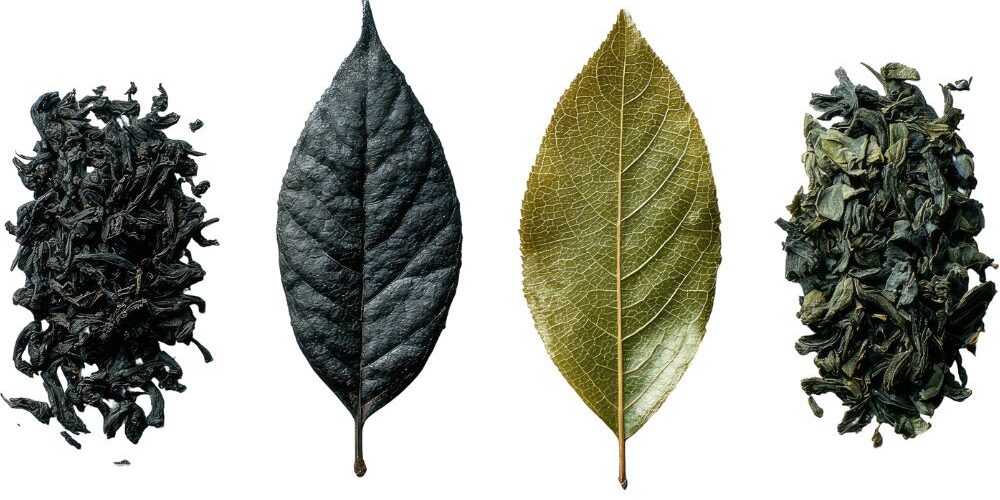
Does black tea have more caffeine than green tea? Short answer: yes, black tea generally has more caffeine than green tea. But the full picture is more interesting – and more useful – than a simple yes or no. Let’s get into it.

Both teas come from the same plant. Both can wake you up in the morning. But ask most people how much caffeine is in black tea versus green tea, and you’ll get a shrug. This is exactly the kind of question we love at Teapro – because the real answer tells you something genuinely useful about how tea works.

Why both teas contain caffeine 

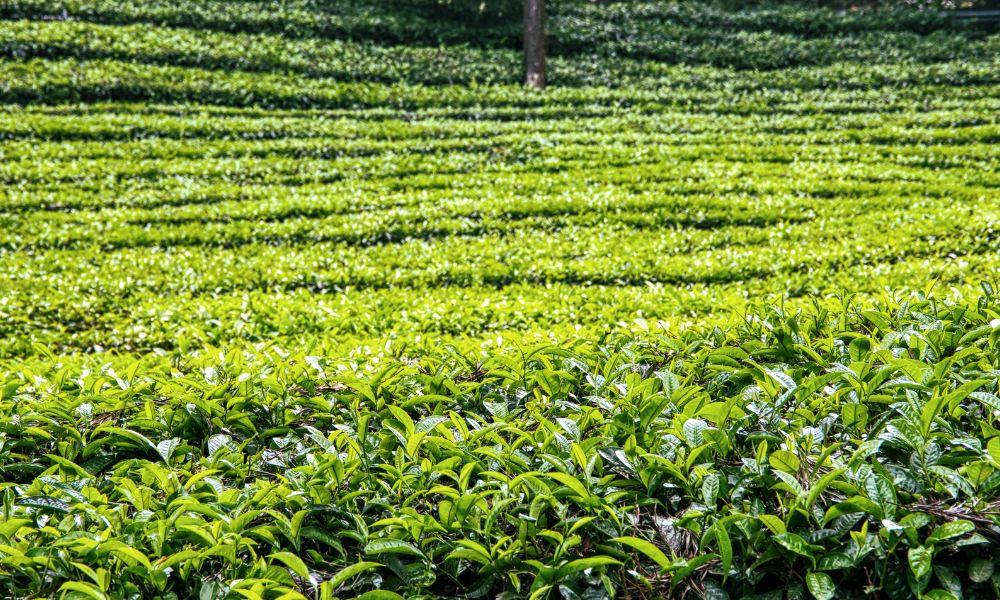
Before we compare, it helps to understand where caffeine comes from in the first place. Both black tea and green tea are made from Camellia sinensis – the same tea plant. Caffeine is produced naturally in the leaves of this plant as a defence mechanism against insects. So every cup of traditional tea, whether black, green, white or oolong, contains some caffeine. 

The difference in caffeine levels between black and green tea comes down to one key factor: oxidation. 

Oxidation: The key difference

When tea leaves are harvested, producers can choose how much they allow them to react with oxygen. This process – called oxidation – changes the chemistry of the leaf in several ways, including how readily it releases caffeine during brewing.

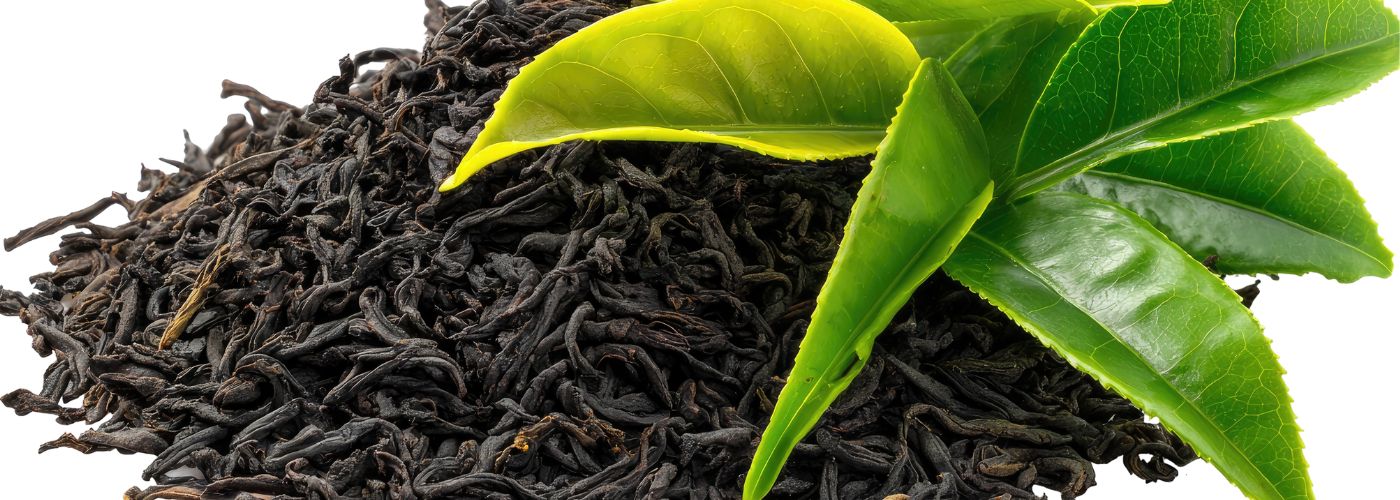
Black tea is fully oxidised. After picking, the leaves are withered, rolled, and left to oxidise for several hours. This turns them dark, deepens the flavour, and makes the caffeine more soluble – meaning more of it ends up in your cup.

Green tea is unoxidised. The leaves are heated quickly after picking (by pan-firing or steaming) to stop any oxidation. This preserves the green colour, the grassy or vegetal flavour, and results in less caffeine being extracted when you brew it.

To learn more about green tea – its origins, processing, and how to brew it – explore our complete green tea guide.

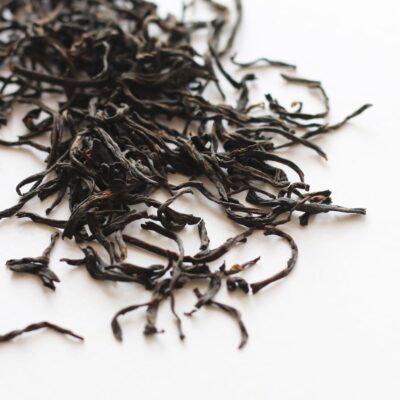
oxidation Does Black Tea Have More Caffeine Than Green Tea? | Teapro

So does black tea have more caffeine than green tea in real numbers?

Here are the typical ranges for an 8 oz (240 ml) cup:

Tea Type Caffeine per cup (approx.)
Black tea 40-70 mg
Green tea 20-45 mg
Coffee (for reference) 80-100 mg

So on average, a cup of black tea delivers roughly twice the caffeine of a cup of green tea – but still significantly less than a cup of coffee. That’s a useful benchmark if you’re managing your caffeine intake through the day. 

But wait – It’s not that simple 

The ranges above are broad for a reason. Several factors can shift caffeine levels significantly – and this is where understanding your tea properly starts to matter. 

Leaf grade and growing conditions 

Younger tea leaves and buds naturally contain more caffeine. A high-grade single-origin Assam black tea, made from young tips, will often contain more caffeine than a lower-grade green tea made from older leaves.

Provenance matters – and it’s one reason knowing the origin of your tea tells you more than just where it was grown.

Brewing time and water temperature 

The longer you steep and the hotter the water, the more caffeine is extracted. A black tea brewed for 5 minutes in boiling water will release considerably more caffeine than one steeped for 2 minutes.

The same principle applies to green tea – though green tea is typically brewed at a lower temperature (around 70-80 degrees C) to protect its delicate flavour. 

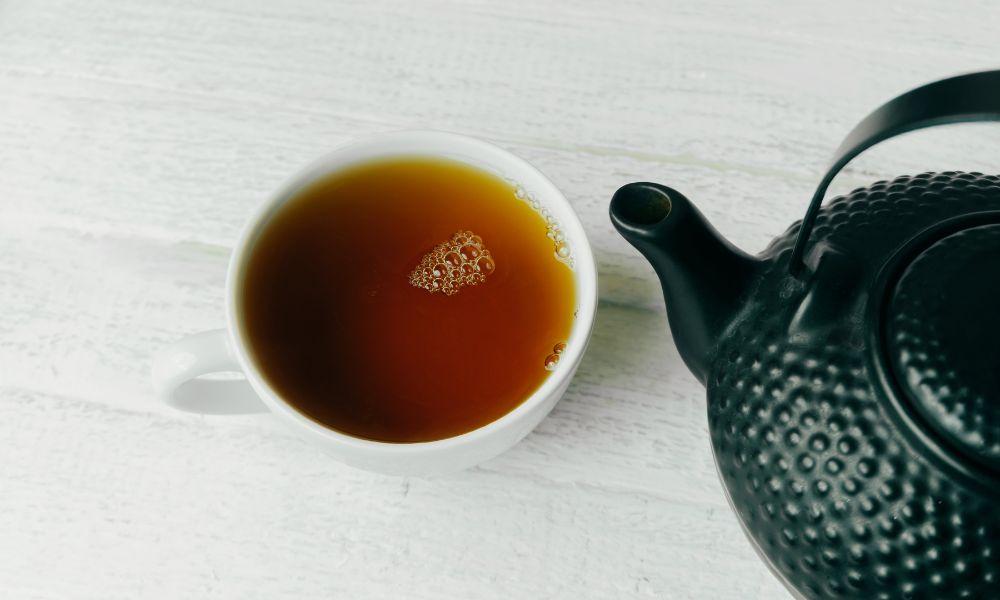
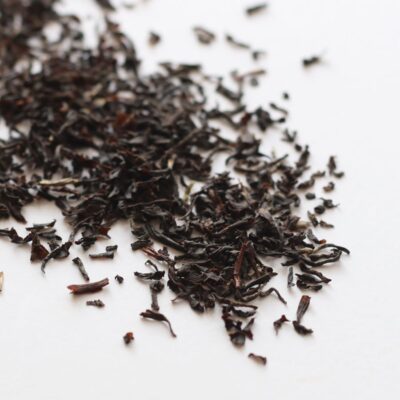
brewed black tea - Does Black Tea Have More Caffeine Than Green Tea? | Teapro

Loose leaf versus tea bags

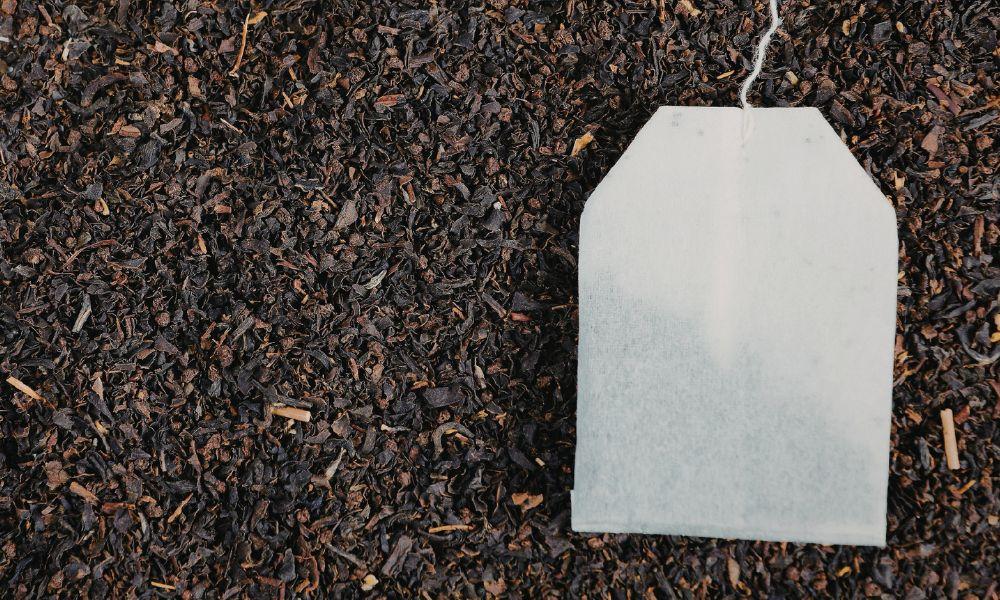
Loose leaf tea generally contains larger, more intact leaves. Tea bags often contain fannings and dust – very small particles with a higher surface area – which means caffeine is extracted more quickly and intensely.

A loose leaf black tea and a bagged black tea can have meaningfully different caffeine profiles, even when brewed identically. 

The gyokuro exception

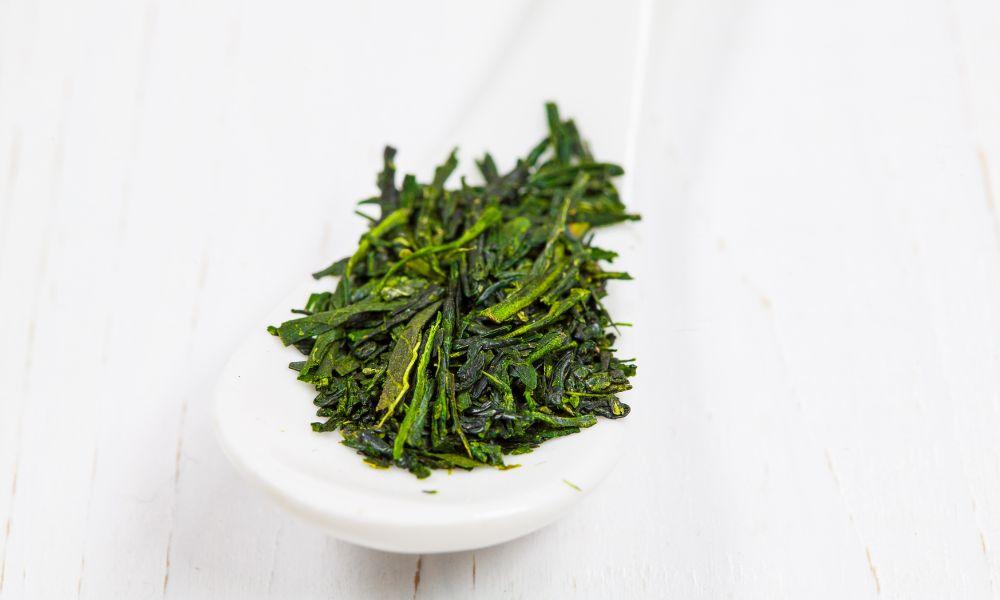
It’s worth knowing that some premium shaded Japanese green teas – gyokuro being the standout example – can actually contain more caffeine than black tea.

Shading the tea plant before harvest causes it to produce more caffeine as a stress response. Gyokuro can reach 120 mg of caffeine per cup. This is why blanket rules can mislead: the variety and origin matter as much as the colour. 

gyokuro Does Black Tea Have More Caffeine Than Green Tea? | Teapro

The L-theanine factor 

Caffeine content is only part of the story. Both black and green tea contain L-theanine – an amino acid that works synergistically with caffeine to produce a state of calm, focused alertness rather than the sharp spike and crash more common with coffee. 

Green tea tends to have a higher ratio of L-theanine relative to caffeine. This is one reason many people find green tea produces a subtler, more sustained lift, even though its caffeine content is lower. Black tea delivers a stronger caffeine dose, but the L-theanine still moderates the effect compared to coffee. 

This is the real reason tea drinkers often describe their relationship with caffeine differently from coffee drinkers. The combination of compounds – not just the raw caffeine number – shapes how it feels.

Which should you choose? 

The answer depends on what you need – and when. 

  • Morning energy: Black tea. The higher caffeine and bold flavour make it a natural coffee replacement for those stepping away from the habit. It provides a real wake-up without the extreme highs and lows of a double espresso. 
  • Afternoon focus: Green tea. Lower caffeine, higher L-theanine ratio, and a lighter flavour profile makes it well-suited to the post-lunch hours when you want clarity without disrupting sleep later. 
  • Caffeine sensitivity: Green tea, or a well-brewed white tea. Shorter steeping time also reduces caffeine regardless of which you choose. 
  • Pure curiosity about flavour: Try both – loose leaf, single-origin. The difference in character between a first-flush Darjeeling and a hand-rolled Chinese Dragon Well green tea is remarkable. Caffeine aside, you’re tasting completely different expressions of the same plant. 
Loading...
black tea gift box
Price range: £25.00 through £42.00
black tea dianhong pagoda
Price range: £6.00 through £68.00
wuyi black tea
Price range: £5.50 through £75.00

Want to go deeper on black tea? 

If you’re curious about what makes black tea the UK’s favourite – and how to get the most from it as a loose leaf experience – we’ve covered it in depth. Read our complete guide to black tea, where we explore everything from origins and oxidation to how to brew it properly and which varieties are worth your attention.

Frequently asked questions 

Generally, yes – but not always. While black tea averages 40-70 mg of caffeine per cup versus green tea’s 20-45 mg, factors like leaf grade, brewing time, and variety can shift those numbers significantly. Some premium shaded green teas like gyokuro can actually contain more caffeine than black tea.

Oxidation makes caffeine more soluble in the leaf, so more of it is released when you brew. Black tea is fully oxidised, which is why it typically delivers more caffeine per cup. Green tea is unoxidised – the leaves are heated immediately after picking to halt the process – resulting in lower caffeine extraction.

Not necessarily more in total – but tea bags often release caffeine faster. Bags typically contain fannings and dust (very fine particles with high surface area), so caffeine extracts quickly and intensely. Loose leaf tea uses larger, more intact leaves, producing a different caffeine curve over the brew. For precise control over caffeine, loose leaf gives you more options.

Yes. Shorter steeping times and lower water temperatures both reduce how much caffeine is extracted. For green tea, brewing at around 70-80°C for 2 minutes rather than 3-4 minutes will noticeably lower the caffeine in your cup – and often improves the flavour too, avoiding bitterness from over-extraction.

L-theanine is an amino acid found naturally in both black and green tea. It works alongside caffeine to promote a state of calm, focused alertness – without the jittery spike and crash often associated with coffee. Green tea has a higher ratio of L-theanine relative to caffeine, which is why many people find its effect gentler and more sustained than black tea or coffee. 

It’s an excellent option. Black tea delivers roughly half the caffeine of a standard cup of coffee (40–70 mg vs 80–100 mg), while still providing a real lift. The presence of L-theanine also makes the experience feel smoother – a more measured, sustained energy compared to the sharp peak of espresso. Many people making the switch find black tea gives them the morning ritual without the overcaffeination. 

Gyokuro – a premium shaded Japanese green tea – can reach up to 120 mg of caffeine per cup, making it the highest-caffeine tea available. The shading process before harvest causes the plant to produce extra caffeine as a stress response. Beyond gyokuro, high-grade black teas made from young tips (like a first-flush Assam) also sit at the upper end of the caffeine scale. 

The Teapro take 

Does black tea have more caffeine than green tea? On average, yes.

But the real skill is in understanding why – and using that knowledge to choose the right tea for the right moment in your day. 

Caffeine levels shift with leaf grade, steeping time, water temperature, and variety. The origin matters. The processing matters. A loose leaf single-origin Assam brewed correctly is a completely different experience – in flavour, in character, and yes, in caffeine – from a bagged green tea steeped for too long. 

This is exactly what we mean when we say we teach you to taste the real thing. Understanding what’s in your cup – and why – is the beginning of becoming a tea pro. 

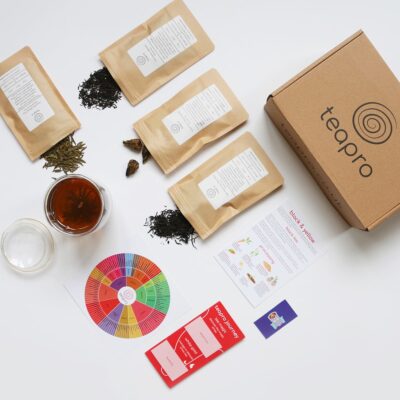
Explore our single-origin black teas and 12-box Become a Teapro subscription to start the journey. 

Loading...
Loading...
black tea gift box
Price range: £25.00 through £42.00

Teapro co-founder. Favourite tea - Long Jing Dragon Well Green Tea. Obsessed with film, photography and travelling.

No Comments

Post A Comment