06 May What is Black Tea? The Complete Guide to the UK’s Favourite Loose Leaf
Black tea is the most consumed tea in the UK – yet most people have never tasted what it actually tastes like. That’s not a contradiction. It’s a problem that flavourings, poor brewing habits, and mass-market teabags have quietly created for decades.
This guide exists to fix that.
Whether you’ve been drinking tea your whole life or you’re just beginning to move beyond the builder’s brew, what follows is the most complete explanation of black tea you’ll find:
what it is, where it comes from, how it’s made, how to brew it properly, and why loose leaf black tea – pure and single-origin – tastes completely different to anything in a foilwrapped bag.
🍃 At Teapro, we source the purest single-origin teas and natural herb blends we can find. We believe artificial flavourings mask the real taste of tea – so wherever possible, we let the leaf speak for itself.
What’s in This Guide
• What is black tea? The essential definition
• How black tea is made: the full oxidation process
• Types of black tea: origins, regions and what makes each different
• Black tea vs. green tea: the real difference
• How to brew black tea properly – temperatures, ratios, times
• Black tea and caffeine: what you actually need to know
• Health benefits of black tea: the evidence
• Why loose leaf black tea is different (and better)
• The Teapro Black Tea Collection
• FAQ: Everything else you need to know
• Your next step: the journey from tea drinker to tea pro
What is Black Tea? The Essential Definition
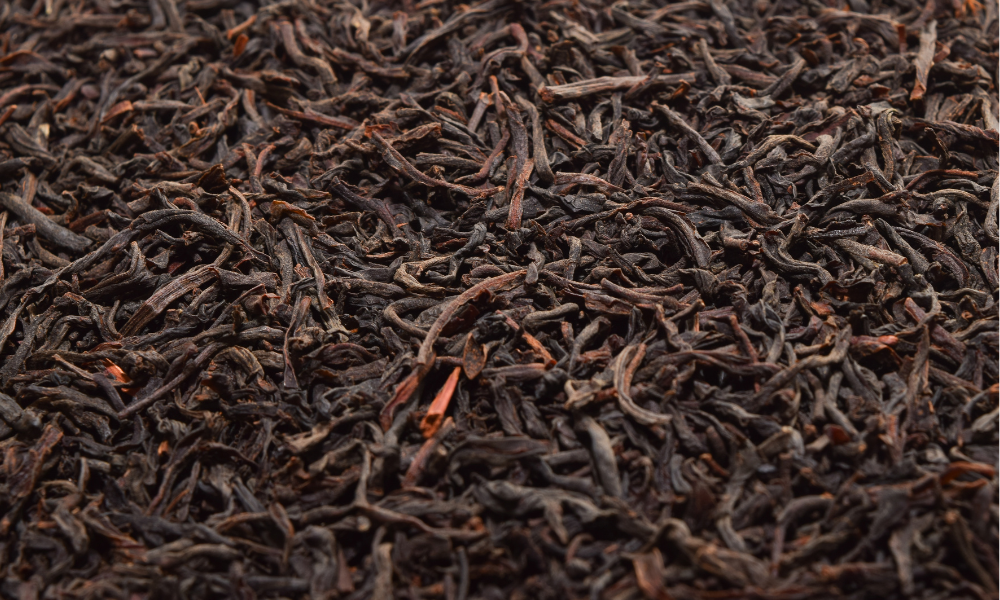
Black tea is a fully oxidised tea made from the leaves of the Camellia sinensis plant. It is the same plant that produces green tea, white tea, oolong, and puerh – the difference between them is entirely in how the leaves are processed after harvest.
In the case of black tea, the leaves are allowed to oxidise completely.
This is the process by which exposure to oxygen transforms the leaf’s chemical compounds, specifically polyphenols called catechins – into new compounds called theaflavins and thearubigins.
These are responsible for black tea’s characteristic deep amber colour, its robust flavour, and its higher tannin content compared to other tea types.
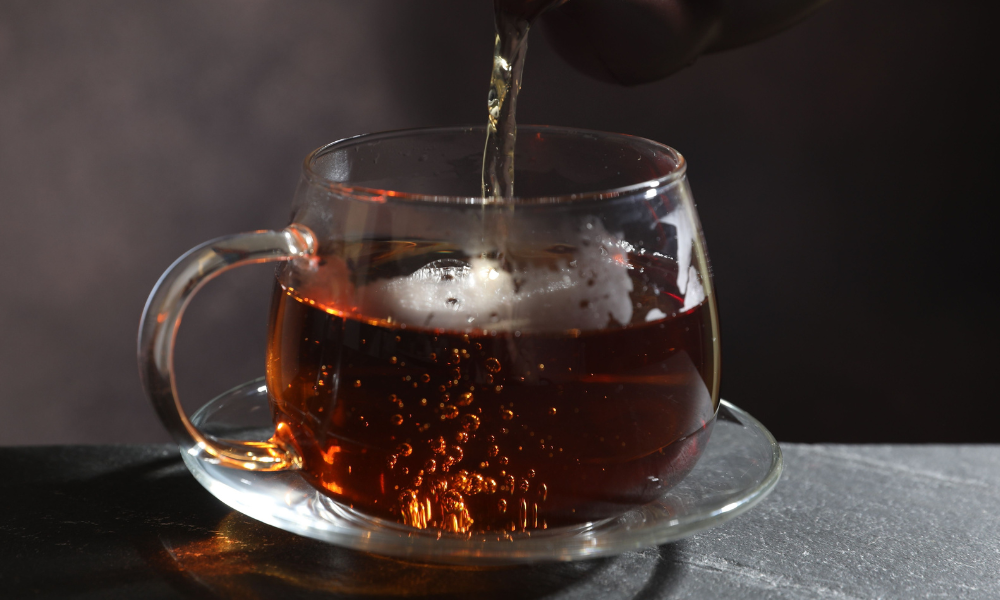
The word ‘black’ refers to the colour of the processed leaf, not the liquor it produces. In China, where it originated, black tea is called hóng chá (红茶) – meaning ‘red tea’ -because of the reddish-brown colour of the brewed cup. In the West, ‘black tea’ describes the dark, oxidised leaf.
🍃 Teapro Tip: Full oxidation is what separates black tea from every other tea type. Green tea is unoxidised. Oolong is partially oxidised. White tea is minimally processed. Black tea goes all the way – and that’s where its depth of flavour comes from.
How Black Tea is Made: The Full Oxidation Process
Understanding how black tea is produced is the first step to understanding what you’re tasting. Each stage of production leaves a fingerprint on the flavour.
Step 1: Plucking
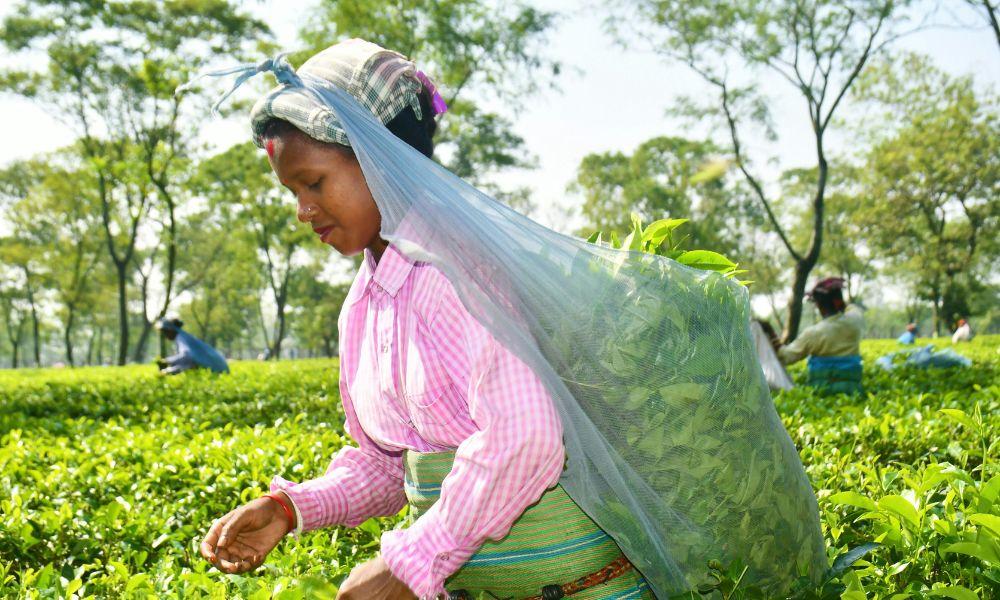
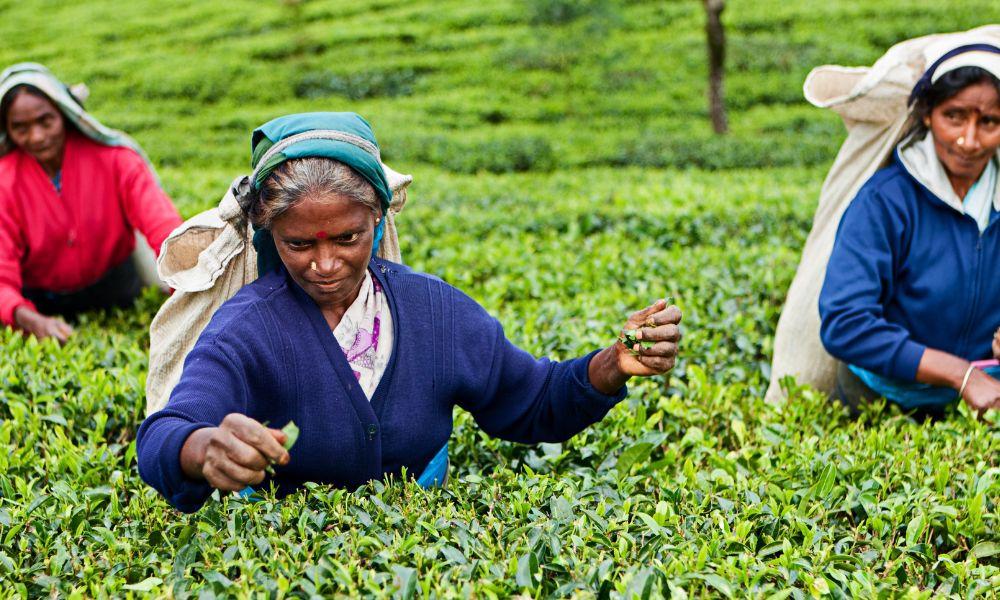
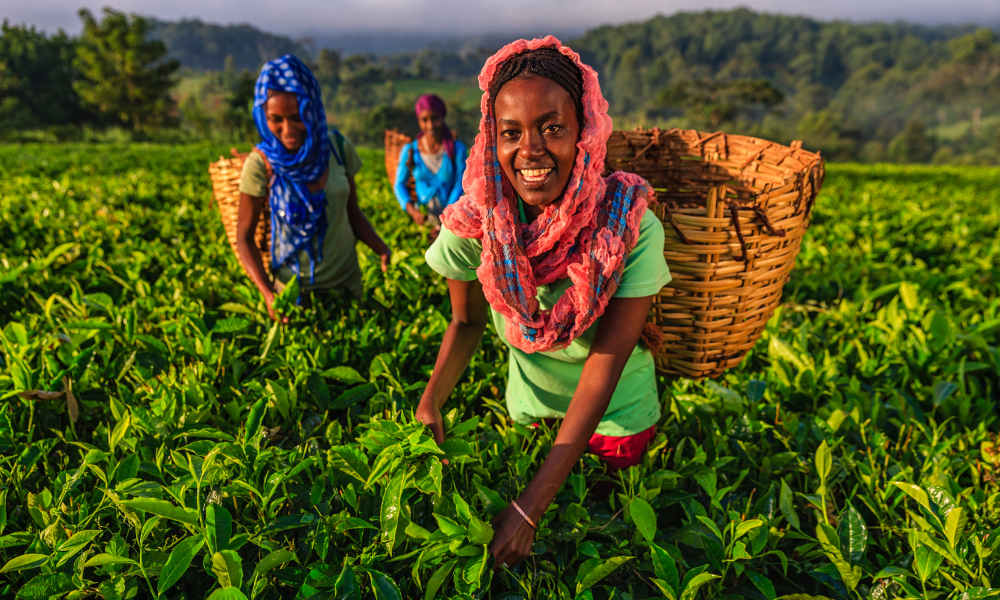
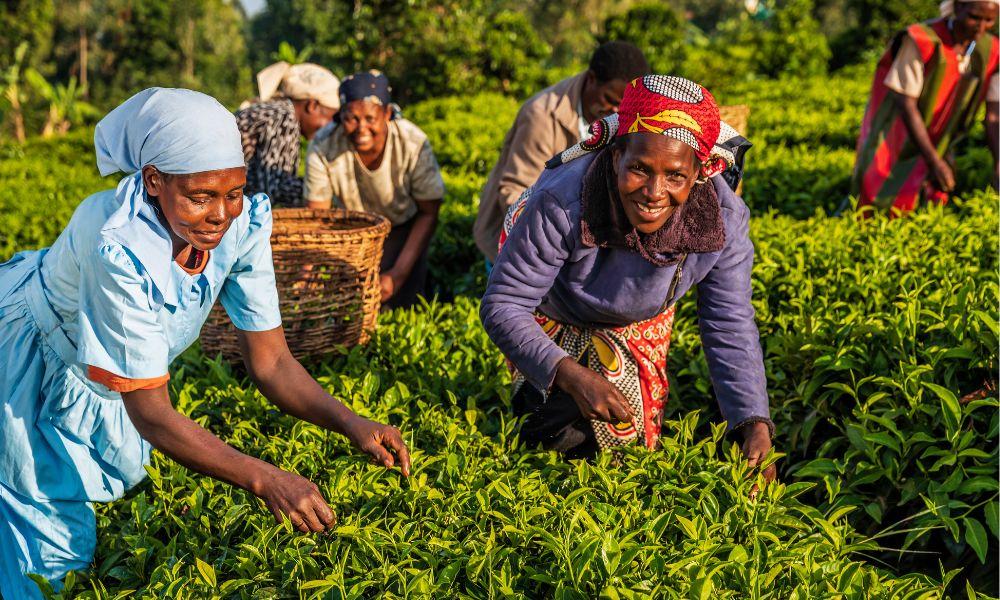
Tea leaves are hand-picked from the Camellia sinensis plant. For premium loose leaf black tea, only the top two leaves and the bud (known as the ‘golden tip’) are selected. This selective harvesting is labour-intensive but dramatically affects cup quality.
Step 2: Withering
Freshly plucked leaves contain around 75-80% moisture. During withering, they are spread on bamboo or wire troughs and exposed to warm air for 12–18 hours. This reduces moisture content to approximately 50–60%, making the leaves pliable and beginning the enzymatic processes that lead to oxidation.
Step 3: Rolling (or CTC Processing)
For high-quality loose leaf teas, leaves are rolled – either by hand or machine – to break the cell walls and release the natural juices. This initiates oxidation and also shapes the leaf. The alternative – CTC (Crush, Tear, Curl) – is an industrial method that produces the small, uniform pellets found in teabags. CTC is faster and cheaper but produces a harsher, less complex cup.
Step 4: Full Oxidation
This is the defining step. Rolled leaves are spread in cool, humid rooms (typically 20-27°C, 95-98% humidity) for 1-3 hours. During this time, the enzymes released during rolling react with oxygen. Catechins convert to theaflavins (which give brightness and astringency) and thearubigins (which give depth and colour). The leaf turns from green to copper, then brown, then dark.
Step 5: Firing (Drying)
Oxidation is halted by rapidly drying the leaves in ovens at 90-95°C for 20-30 minutes. This locks in the flavour profile developed during oxidation. The moisture content drops to around 2-3%. The skill of the tea master lies in timing this precisely – too early and the tea is underwhelming; too late and it becomes flat and harsh.
Step 6: Sorting and Grading
Finished tea is passed through sieves to separate it by particle size. This grading is where terms like FTGFOP (Finest Tippy Golden Flowery Orange Pekoe) originate – a grading scale for whole-leaf teas that describes the proportion of golden tips and whole leaves present.
Types of Black Tea: Origins, Regions and What Makes Each
Different
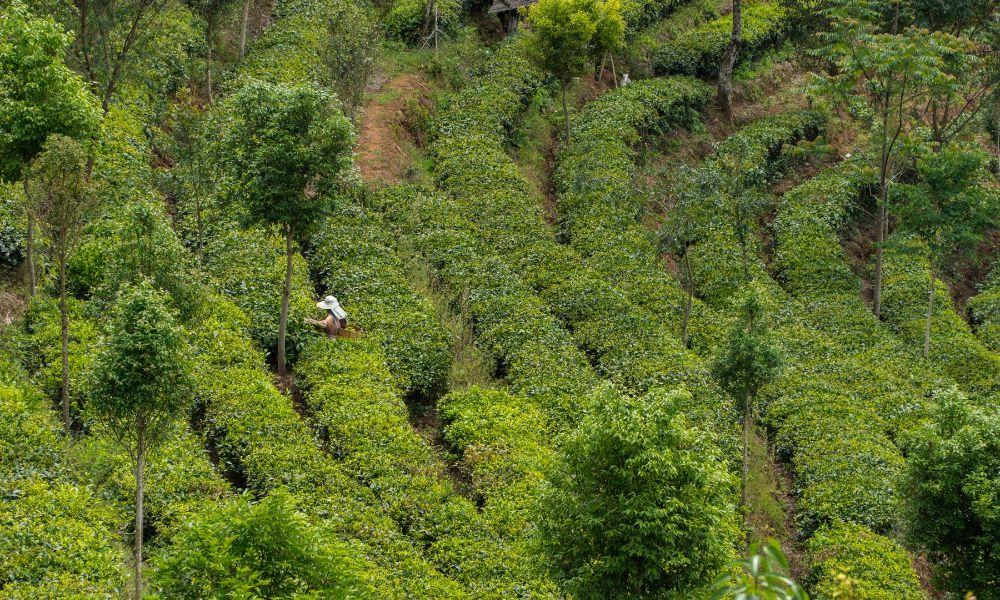
Black tea is grown across an equatorial belt spanning South Asia, East Africa, China, and beyond. Each region’s combination of altitude, soil, rainfall, and local processing tradition produces a distinctly different cup.
This is called terroir – the same concept that explains why wines from different regions taste different even when made from the same grape.
Assam, India
Grown in the Brahmaputra River valley in northeastern India at relatively low altitudes (50-100m), Assam produces the boldest, most malty black teas in the
world. The climate is hot and humid – ideal for vigorous growth of the indigenous Camellia sinensis var. assamica subspecies, which has larger leaves and higher tannin content than the Chinese variety.
• Flavour profile: Malty, bold, full-bodied, rich
• Best for: Breakfast tea, drinking with milk
• Key grades: TGFOP, FTGFOP1 (the ‘1’ denotes exceptional quality)
• Harvest: Two flushes – First Flush (March–April), Second Flush (May–June).
Second Flush is prized for its peak malt
Darjeeling, India
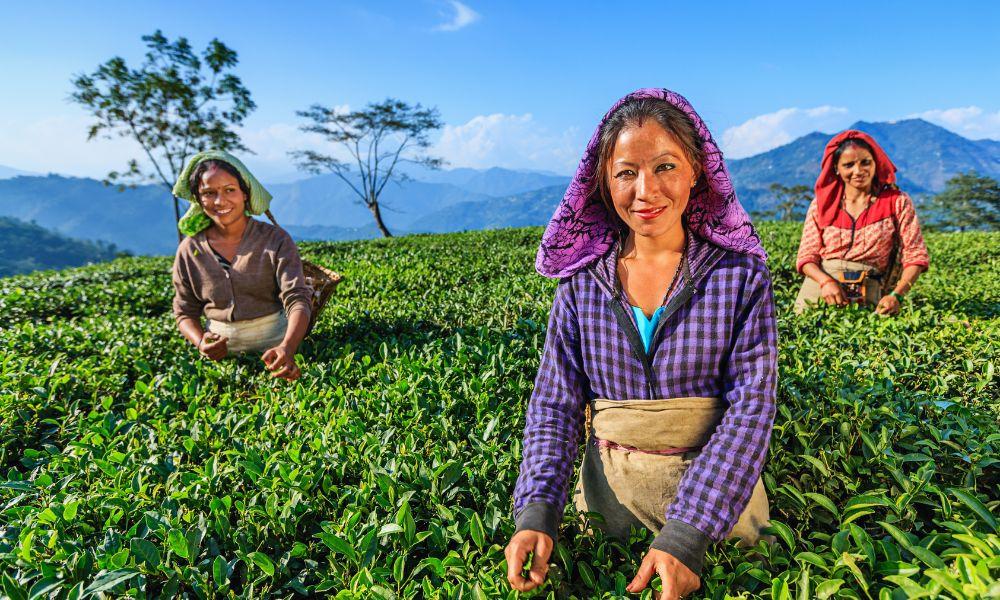
Grown at elevations of 600–2,000m in the Himalayan foothills of West Bengal, Darjeeling produces teas so distinct they are often called ‘the Champagne of teas.’ The high altitude, cool temperatures, and misty conditions slow leaf growth and concentrate flavour compounds.
• Flavour profile: Muscatel (grape-like), floral, light to medium body
• Best for: Drinking without milk to appreciate the complexity
• Key note: Darjeeling is technically from the Chinese subspecies (Camellia
sinensis var. sinensis), making it genetically closer to green tea – which is
why some Darjeelings are only lightly oxidised
• Harvest: Four flushes. First Flush (March) is fresh and delicate; Second Flush
(May–June) shows the full muscatel character
Ceylon (Sri Lanka)
Sri Lanka’s colonial-era name lives on in the tea world. Grown at varying altitudes across the island – from sea-level Ruhuna to the high-grown Nuwara Eliya – Ceylon teas range from bold and full-bodied to light and citrusy.
• Flavour profile: Bright, brisk, citrusy (high-grown); bold, full-bodied (low-grown)
• Best for: Drinking with or without milk depending on grade
• Key distinction: Ceylon is often used as a blending base in commercial teas,
which is precisely why single-origin Ceylon loose leaf is so different from what
you find in teabagsadipiscing elit. Ut elit tellus, luctus nec ullamcorper mattis, pulvinar dapibus leo.
Yunnan, China
Yunnan is the birthplace of tea. Located in southwestern China, its ancient tea trees (some over 1,000 years old) produce Dian Hong – Yunnan black tea -characterised by the distinctive golden tips and a naturally sweet, mellow profile quite different from Indian black teas.
• Flavour profile: Honey, cocoa, malt, naturally sweet
• Best for: Drinking without milk; exploring the ‘other’ side of black tea
• Key distinction: Lower tannin content and higher natural sweetness make
Yunnan black teas approachable for those who find Assam or strong Ceylon
too astringent
Kenyan Black Tea
Kenya is now one of the world’s largest tea producers, primarily using the CTC
method for export. However, premium Kenyan orthodox loose leaf teas – particularly from the highlands around Nandi Hills – are world-class and criminally underrated.
• Flavour profile: Bright, brisk, clean, medium-bodied
• Best for: Drinking with milk; those who want brightness without heavy malt
• Key distinction: Kenyan terroir produces naturally bright, clean teas at high
altitude – a distinctive style
Rwandan Black Tea
Rwanda is one of Africa’s hidden gems in the world of tea. Nestled in the heart of Central Africa, its high-altitude gardens – sitting between 1,500 and 2,500 metres above sea level – produce a black tea known for its exceptional brightness, briskness, and clean finish. Rwanda’s volcanic soil, consistent rainfall, and cool misty climate create ideal growing conditions, giving its teas a naturally vibrant character that stands out among African black teas.
• Flavour profile: Bright, brisk, floral, lightly fruity, medium-bodied with a clean finish
• Best for: Drinking with or without milk; those who enjoy a lively, refreshing cup
• Key distinction: Rwanda’s dramatic high-altitude volcanic terroir produces teas with a distinctive clarity and brightness – often compared to the best Kenyan teas but with a softer, more floral character
How to Brew Black Tea Properly
This is the section that changes everything. More flavour is ruined in the kitchen than anywhere else in the supply chain. The most important variables:
| Tea Type | Water Temp | Leaf Quantity | Steep Time | Milk? |
|---|---|---|---|---|
| Assam | 95-100°C | 2-3g per 250ml | 3-4 minutes | Yes, if desired |
| Darjeeling First Flush | 85-90°C | 2.5g per 250ml | 2-3 minutes | Ideally not |
| Darjeeling Second Flush | 90-95°C | 2.5g per 250ml | 3-4 minutes | Optional |
| Ceylon High-Grown | 90-95°C | 2-3g per 250ml | 3 minutes | Yes, if desired |
| Yunnan Dian Hong | 90-95°C | 3g per 250ml | 3-4 minutes | No - enjoy it plain |
| Kenyan Orthodox | 95-100°C | 2-3g per 250ml | 3-4 minutes | Yes, if desired |
🍃 Brewing Rule #1: Never use boiling water (100°C) for delicate teas like
Darjeeling First Flush. Boiling water scorches the leaf and destroys the floral,
muscatel compounds you’re paying for. If you don’t have a temperature-controlled
kettle, bring water to the boil and leave it for 3 minutes to drop to around 85-90°C.
The Milk Question
Adding milk to black tea is a matter of personal preference – but it isn’t
neutral. Milk proteins (caseins) bind to tannins and reduce astringency, which is why milk makes a strong Assam smoother and more palatable. However, milk also suppresses the aromatic compounds responsible for the nuanced
flavours in high-quality teas.
The Teapro position: with a mass-market teabag, milk is often necessary. With
premium loose leaf tea, we encourage you to try it without milk first – then
decide. Tasting tea in its purest form is how you develop your palate.
Loose Leaf vs. Teabag: What Actually Changes
Whole-leaf tea needs space to unfurl and release its compounds slowly. A standard teabag holds broken leaves and dust (CTC-processed), which release tannins rapidly – producing a quick, harsh brew.
Loose leaf in a teapot or infuser gives the full leaf room to expand, producing a smoother, more layered cup with significantly more aromatic complexity.
Black Tea and Caffeine: What You Actually Need to Know
Black tea contains approximately 40–70mg of caffeine per 250ml cup, depending on tea type, leaf grade, water temperature, and steep time. For reference:
| Drink | Approx. Caffeine per 250ml |
|---|---|
| Espressosingle shot, 30ml - ~63mg per shot |
~530mg
|
| Filter Coffee |
~95-150mg
|
| Black Tealoose leaf, properly brewed |
~40-70mg
|
| Green Tea |
~25-45mg
|
| Decaf Black Tea |
~2-5mg
|
The caffeine in tea is delivered differently from coffee because tea contains an amino acid called L-theanine, which modulates how caffeine is absorbed. Ltheanine promotes alpha brain wave activity – associated with calm alertness – and slows the uptake of caffeine. This produces a different cognitive state from coffee: sustained focus without the spike and crash.
🍃 Teapro Tip: If you’re reducing your coffee intake, black tea is a clinically studied, physiologically different experience – not just a weaker substitute. The Ltheanine + caffeine combination is what many people describe as ‘calm energy.’
How to Reduce Caffeine in Black Tea
Steep time and water temperature both affect caffeine extraction. A shorter steep (2 minutes instead of 4) and slightly cooler water will reduce caffeine without eliminating it entirely. Decaf loose leaf black tea is also available, though quality varies significantly by decaffeination method – the CO2 method preserves the most flavour.
Health Benefits of Black Tea: The Evidence
Black tea has been studied extensively. The following summarises the current evidence – note that Teapro always encourages you to consult medical professionals regarding any health concerns.
Cardiovascular Health
Multiple systematic reviews, including a 2014 meta-analysis published in the European Journal of Nutrition, found associations between regular black tea consumption and reduced LDL cholesterol levels and lower blood pressure.
The mechanism is believed to involve theaflavins and thearubigins acting as
antioxidants.
Gut Microbiome
Black tea polyphenols are not fully absorbed in the small intestine — they reach the colon, where they are metabolised by gut bacteria. Research suggests this fermentation process may have a prebiotic effect, supporting the growth of beneficial bacteria including Lactobacillus and Bifidobacterium.
Blood Sugar Regulation
Theaflavins and thearubigins may help moderate post-meal blood glucose spikes by inhibiting alpha-glucosidase activity — the enzyme that breaks down carbohydrates into glucose. This is an emerging area of research with promising early findings.
Mental Alertness
The L-theanine and caffeine combination described in Section 5 is one of the most studied cognitive performance combinations in nutritional science. Multiple randomised controlled trials have found improved sustained attention, memory, and reaction time compared to caffeine alone.
🍃 Teapro Tip: No reputable nutritional scientist claims tea ‘cures’ or ‘prevents’
disease. The evidence base for black tea is observational and mechanistic – strong enough to be interesting, not strong enough to replace medical advice. At Teapro, we’re straightforward about this distinction.
Why Loose Leaf Black Tea is Different – and Better
This section deserves more attention than it usually gets. The difference between loose leaf black tea and teabag black tea is not a matter of snobbery – it’s a matter of chemistry, botany, and production.
The Leaf Itself
Premium loose leaf black tea contains whole or large-cut leaves. The essential oils, aromatic compounds, polyphenols, and flavour precursors are concentrated in these structures. When a teabag is made, leaves are CTCprocessed into tiny particles with a dramatically higher surface area – they release their compounds almost instantly, but the compounds that emerge first are primarily tannins. This is why teabags can taste harsh and onedimensional.
The Role of Artificial Flavourings
Many commercial tea brands add artificial flavourings to compensate for the flavour limitations of CTC-processed, lower-grade tea. These flavourings can be pleasant, but they mask rather than express the real flavour of the tea. At Teapro, we consider this the central dishonesty of the mainstream tea market.
When you taste a single-origin Assam or Darjeeling Second Flush without any flavouring added, you are tasting something that no artificial compound can replicate: the specific expression of a plant grown in a specific place, at a specific altitude, processed by specific hands. That’s what loose leaf tea is.
🍃 Our Position: Teapro does not and will never use artificial flavourings. Our teas
must be able to speak for themselves – because they can.
Single-Origin vs. Blended
Most commercial teas are blends – a consistent profile across multiple estates and growing regions, designed to taste the same year-round. There’s nothing wrong with this, but it erases the individual character of any particular tea. Single-origin teas, by contrast, change with each harvest. Learning to taste these variations is what the journey from tea drinker to tea pro is about.
The Teapro Black Tea Collection
🍃 Start Here: If you’re new to loose leaf, our Black Tea Gift Box includes a curated selection of single-origin black teas from three different regions, with a brewing guide and tasting notes. It’s designed so that the recipient doesn’t just receive tea – they receive understanding.
FAQ: Everything Else You Need to Know
The evidence base is positive but nuanced. Regular consumption of black tea
has been associated with benefits for cardiovascular health, gut microbiome
diversity, and cognitive alertness. It is not a medicine and should not be
treated as one – but as part of a balanced lifestyle, high-quality black tea is a
genuinely beneficial daily ritual.
No. Black tea contains approximately 40–70mg of caffeine per 250ml cup. A
standard filter coffee contains 95–150mg per 250ml. However, the caffeine in
tea is moderated by L-theanine, producing a different and more sustained
alertness response.
Absolutely – and for premium loose leaf black teas, we recommend trying it
without milk first. This allows you to taste the full flavour profile of the tea
before deciding whether you want to modify it.
English Breakfast tea is a blend – typically combining Assam, Ceylon, and
sometimes Kenyan teas – designed to produce a consistently bold, fullbodied cup that pairs well with milk. It is not a tea ‘type’ in the botanical sense.
When you buy single-origin black teas, you are choosing the individual components that might go into such a blend, but experiencing each in its pure,
unblended form.
The leaf grade, processing method, and storage all differ. Loose leaf tea uses
whole or large-cut leaves processed using the orthodox method. Teabags
typically contain CTC-processed dust and fannings, which brew faster but less
subtly. The surface area difference changes extraction chemistry entirely.
Black tea should be stored in an airtight, opaque container away from light,
heat, and moisture. A ceramic or tin caddy works well. Properly stored, loose
leaf black tea remains at peak quality for 18-24 months. Avoid refrigeration –
the moisture and odour absorption will damage the tea.
FTGFOP stands for Finest Tippy Golden Flowery Orange Pekoe — a grading
system for whole-leaf Indian and Sri Lankan teas. ‘Tippy’ denotes high golden
tip content; ‘Flowery’ indicates the presence of flowery, young leaves; ‘Orange
Pekoe’ (OP) refers to a leaf size and style. The ‘1’ in FTGFOP1 indicates the
highest grade within that classification.
Single-origin means the tea comes from one specific estate, garden, or region
– rather than being blended from multiple sources. Single-origin teas express
the specific terroir of their growing conditions: the altitude, soil, climate, and
harvest season. No two single-origin teas from different estates are the same,
even if they’re both ‘Assam.’
Your Next Step: The Journey from Tea Drinker to Tea Pro
This guide has covered a lot of ground. But reading about tea and tasting tea are two different things and the second is the only one that matters.
The Teapro philosophy is built on a simple premise: everyone starts as a tea drinker. With the right teas, the right education, and the right approach to brewing, anyone can become a tea pro – someone who understands what they’re tasting, where it comes from, and why it matters.
Black tea is the starting point. It’s the most familiar, the most forgiving, and in its finest single-origin forms, one of the most complex and rewarding flavour experiences in the world of food and drink.
🍃 Begin the Journey: ‘Become a Teapro’ is a 12-month programme that takes you through 12 tea types – from black tea through oolong, pu-erh, matcha, white tea and beyond. Each month includes a curated selection of teas, educational content, and tasting guidance. It’s the only programme of its kind in the UK.

Teapro co-founder. Favourite tea - Long Jing Dragon Well Green Tea. Obsessed with film, photography and travelling.
- Tatjana



No Comments