How Much Tea Should You Drink a Day? The Science-Backed Answer

If you have ever wondered whether your third cup of green tea is one too many – or whether there is actually a case for drinking more – you are asking exactly the right question.


Tea is the second most consumed beverage in the world after water. And while it carries an excellent reputation for health, the relationship between how much tea should you drink a day and what your body actually experiences is more nuanced than most people realise. The answer depends on the type of tea, your caffeine sensitivity, your health status, and – critically – the quality of what you’re brewing.

This guide breaks down the science by tea type, addresses the caffeine question honestly, and gives you practical guidance you can use to build a daily tea habit that genuinely supports your health.

Content overview

The Short Answer: How Many Cups of Tea a Day Is Optimal?

For most healthy adults, 3-5 cups of tea per day sits within the range where research consistently finds health benefits with minimal risk. But that headline number comes with important caveats.

The most robust research – particularly on green tea and cardiovascular health – comes from populations drinking 3-5 cups daily.

A landmark Japanese cohort study following over 40,000 adults for 11 years found that drinking 5 or more cups of green tea per day was associated with significantly lower mortality from cardiovascular disease. Similar benefits were observed at 3 cups per day.

how much tea a day - how much tea should you drink a day

However, ‘a cup of tea’ is not a single fixed thing. A 200ml cup of Gyokuro is a very different caffeine and antioxidant proposition to a mug of supermarket teabag English Breakfast.

And five cups of high-grade matcha would put many people significantly over the daily caffeine recommendations set by the European Food Safety Authority (EFSA) of 400mg for healthy adults.

The more precise answer: 3-5 cups per day of moderate-caffeine teas (green, black, oolong, white) is well-supported by science. For higher-caffeine preparations like matcha and yerba mate, lower daily amounts are advisable.

For naturally caffeine-free herbal infusions and rooibos, there is no upper safety limit for most people.

Why the Type of Tea Changes Everything

All teas from the Camellia sinensis plant – green, black, white, oolong, and pu-erh – contain caffeine and polyphenols (primarily catechins and flavonoids), but in very different concentrations depending on how the leaf is processed.

Herbal infusions (chamomile, peppermint, rooibos, hibiscus, and so on) are not technically teas at all – they are infusions of plants, roots, flowers, or berries. They contain no caffeine and different families of beneficial compounds.

why the type of tea changes everything - how much tea should you drink a day

Understanding this distinction matters for two reasons: caffeine accumulation across the day, and the specific health compounds you’re actually consuming.

A day of five green teas, three black teas, and two herbals is not the same as five of any one type – and the accumulation of caffeine from multiple caffeinated tea types needs to be considered alongside any coffee, energy drinks, or chocolate consumed.

For a comprehensive breakdown of all 12 major tea types – their origins, active compounds, flavour profiles, and brewing methods – read our Complete Guide to Tea: Health Benefits, Types and How to Get Started.

Green Tea: The Most Researched Daily Cup

Green tea has more clinical research behind it than any other tea type. The evidence for its health benefits is strongest in three areas: cardiovascular health, cognitive function, and metabolic support.

If you want to get the most from your daily cups, it helps to start with the right leaf – and few teas reward the switch like a good loose leaf green tea.

How much green tea per day?

3-5 cups of loose leaf green tea per day is the range most consistently associated with health benefits in population studies.

A meta-analysis of 18 cohort studies in the British Journal of Nutrition found that each additional cup of green tea per day was associated with a 4% reduction in all-cause mortality.

Larger reviews suggest the benefits are most consistent at around 2 to 3 cups daily, with some Japanese cohort data linking 5 or more cups to lower mortality.

The key active compound is EGCG (epigallocatechin gallate) – a catechin with potent antioxidant, anti-inflammatory, and metabolic properties.

High-grade loose leaf green teas contain significantly more EGCG than standard teabags, because whole leaves preserve catechin content far better than the broken dust and fannings typical of mass-market bags.

Caffeine in green tea

A 200ml cup of loose leaf green tea typically contains 20-45mg of caffeine – well below the 80-100mg of an espresso.

Crucially, green tea also contains L-theanine, an amino acid that modulates the effects of caffeine: slowing its absorption and promoting calm alertness rather than jitteriness.

The L-theanine-to-caffeine ratio in green tea is why many people report that green tea produces cleaner, more sustainable focus than coffee – even at a lower total caffeine dose.

This effect is most pronounced in shade-grown varieties like Gyokuro and high-grade Sencha, which have the highest L-theanine concentrations.

Loading...
genmaicha
Price range: £4.50 through £34.00
Loading...
Ceremonial Grade Matcha - why does my matcha taste bitter
Price range: £20.00 through £320.00

Upper limit considerations

Very high green tea consumption – above 8-10 cups per day – may begin to accumulate sufficient EGCG to place load on the liver in susceptible individuals.

This is not a concern at 3-5 cups per day for most people, but it is worth noting for those who consume green tea alongside green tea extract supplements.

Black Tea: Bold, Beneficial and Often Misunderstood

Black tea is the most widely consumed tea in the UK, and it has an unfair reputation for being the least healthy of the tea types. This is not supported by the evidence.

How much black tea per day?

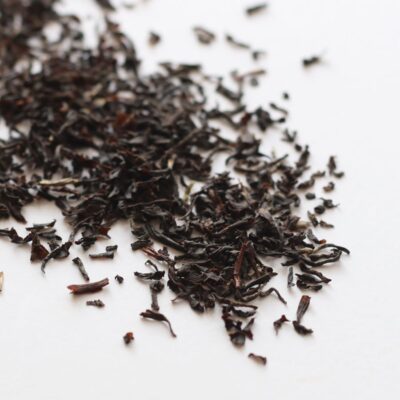
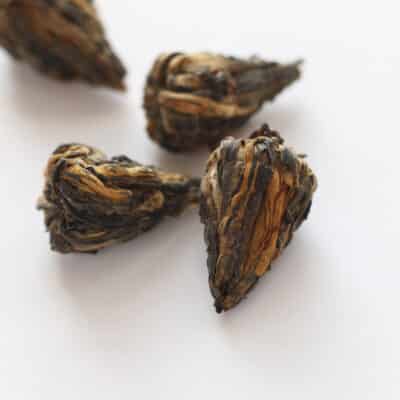
2-4 cups of black tea per day falls well within the evidence base for health benefits. Black tea’s primary active compounds are theaflavins and thearubigins – polyphenols formed during the oxidation process that gives black tea its characteristic colour and depth.

These compounds have demonstrated antioxidant, anti-inflammatory, and gut microbiome-supporting properties.

A 2019 systematic review in the journal Molecules found that regular black tea consumption was associated with improvements in LDL cholesterol, blood pressure, and blood glucose regulation. Effects were most consistent at 3 cups per day.

If you are wondering what happens when you drink black tea every day, the research is reassuring.

Caffeine in black tea

Black tea typically contains 40-70mg of caffeine per 200ml cup – more than green tea but still considerably less than coffee. For most healthy adults, 2-4 cups of black tea per day leaves significant headroom within the 400mg daily caffeine limit.

That said, those with caffeine sensitivity, anxiety, or difficulty sleeping should taper their last black tea to before 2pm to avoid disrupting sleep.

Loading...
rwanda black tea
Price range: £3.50 through £55.00
Loading...
black tea gift box
Price range: £25.00 through £42.00

Tannins and iron absorption

One genuine consideration with high black tea consumption is the effect of tannins on non-haem iron absorption. Tannins bind to iron in the gut and can reduce absorption by up to 60% when tea is consumed with or immediately after iron-rich meals.

This is most relevant for those with iron deficiency or who rely heavily on plant-based iron sources. The solution is simple: drink black tea between meals rather than with them if iron intake is a concern.

Matcha: Concentrated Benefits, Concentrated Considerations

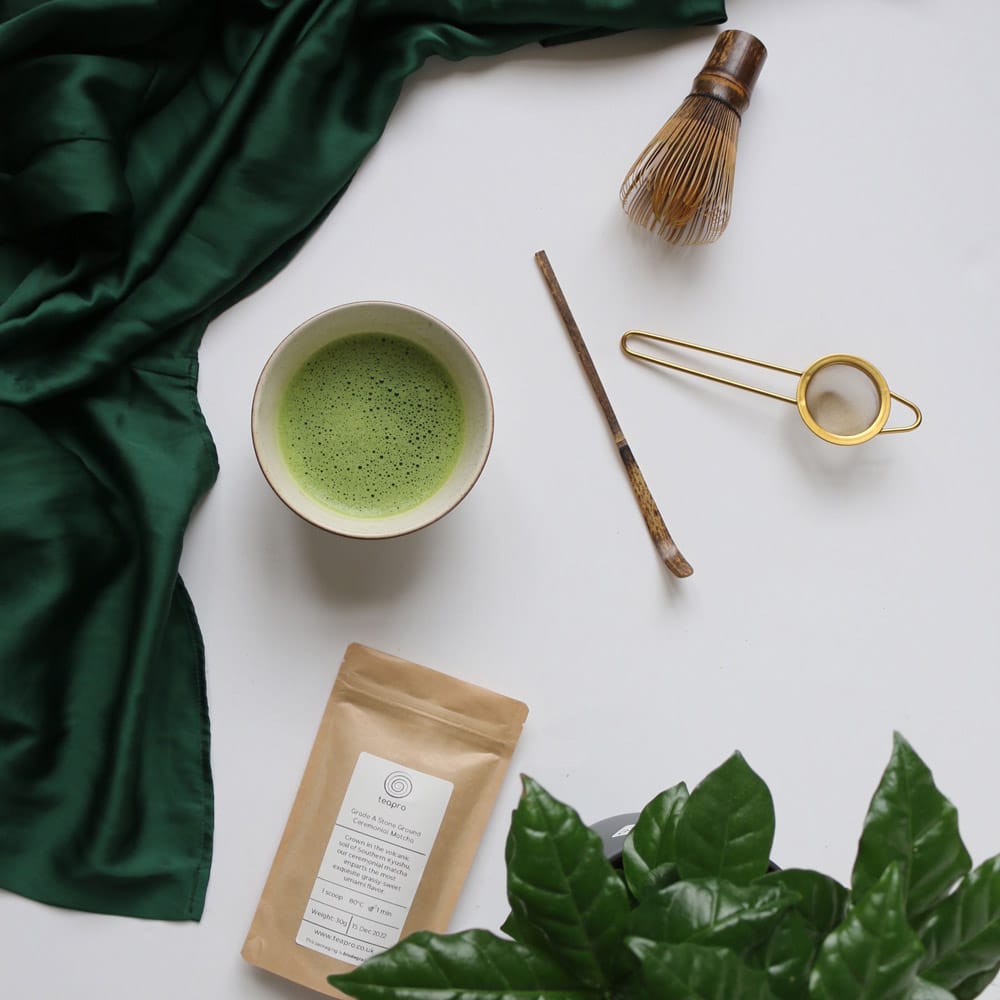
Matcha is ground whole green tea leaf – which means that when you drink matcha, you are consuming the entire leaf rather than an infusion of it. This concentrates both the benefits and the caffeine.

Interested in matcha? Read our comprehensive Matcha Guide for everything you need to know.

How much matcha per day?

1-3 cups of ceremonial or high-grade matcha per day is the range that provides substantial health benefits while keeping caffeine within sensible limits.

A 1g serving of matcha in 150ml of water contains approximately 35-70mg of caffeine and a significantly higher concentration of EGCG and L-theanine than a standard cup of loose leaf green tea.

One cup of good matcha in the morning is an excellent daily anchor. Two cups is entirely reasonable for most adults.

Three cups approaches the upper end of what most people need. Drinking matcha alongside other caffeinated teas or coffee will compound caffeine levels quickly.

Loading...
Ceremonial Grade Matcha - why does my matcha taste bitter
Price range: £20.00 through £320.00
Loading...
tea gifts for her
Price range: £42.00 through £57.00

Quality is not optional with matcha

Ceremonial grade matcha – made from the youngest, most carefully shade-grown, stone-ground leaves – has a naturally sweet, umami-rich flavour.

Lower-grade culinary matcha has a harsher, more bitter profile and significantly lower L-theanine and EGCG content. If matcha tastes unpleasant to you, the grade – not the tea type – is almost certainly the issue.

White and Oolong Teas: The Flexible Middle Ground

White tea

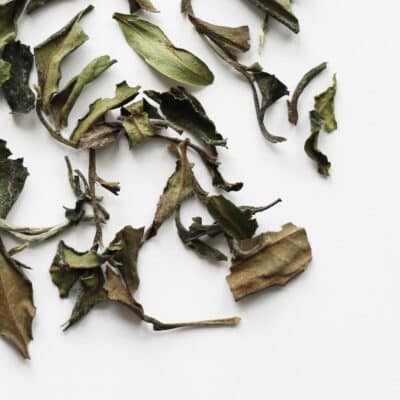
White tea is the least processed of the Camellia sinensis teas. Made from young buds and leaves, it contains the lowest caffeine levels of any true tea (15-30mg per cup) and high concentrations of catechins in their unoxidised form.

3-6 cups per day of white tea is well within any reasonable daily limit. Its delicate, slightly sweet, floral character makes it one of the most pleasant teas to drink in quantity.

For those who want the health benefits of green tea polyphenols with minimal caffeine disruption, white tea is an excellent choice. To know more about the health benefits of White tea, visit our White tea benefits Guide.

Loading...
Price range: £6.00 through £95.00
Loading...
white peony white tea
Price range: £7.00 through £23.00

Interested in White tea? Read our comprehensive White tea Guide for everything you need to know.

Oolong tea

Oolong occupies the spectrum between green and black tea in terms of oxidation – anywhere from 15% to 85% oxidised depending on the variety. Its caffeine content reflects this range: roughly 30-55mg per cup.

The diversity of oolong styles is extraordinary – from the light, floral High Mountain oolongs of Taiwan to the roasted, darker Wuyi rock oolongs of Fujian – and each style has a slightly different polyphenol profile.

2-4 cups per day is the sensible range for oolong. Research on oolong specifically has found associations with improved lipid profiles and blood glucose regulation, particularly in the context of post-meal consumption, where it appears to modulate glucose absorption.

For a deeper dive into Oolong tea, visit our complete Oolong tea Guide.

Loading...
Price range: £4.95 through £70.00
Loading...
magic tea gift box - tea gift sets - tea gifts
Price range: £20.00 through £37.00

Pu-erh, Yerba Mate and Chai: The High-Caffeine Cases

Pu-erh tea

Pu-erh is an aged, fermented tea from Yunnan province in China. It is called the ‘coffee of China’ for its bold, earthy character and its caffeine profile of 30-70mg per cup.

It also contains unique bioactive compounds produced during fermentation – including lovastatin precursors – that have been associated with cholesterol-lowering effects in research.

2-3 cups per day is a sensible daily amount. Pu-erh is traditionally consumed after meals, as it is believed to aid digestion and fat metabolism – a practice that has some preliminary scientific support.

For more information on Pu erh tea, take a look at our in-depth Pu erh tea Guide.

Loading...
Price range: £4.50 through £55.00
Loading...
Price range: £4.50 through £55.00

Yerba mate

Yerba mate is not technically a tea but is brewed and consumed similarly. It contains mateine (essentially caffeine in a different molecular context), typically at 65-130mg per 200ml serving – the highest of any tea-like beverage.

It also contains theobromine and theophylline, which produce a stimulant effect with a different profile to caffeine alone.

1-2 cups per day is the recommended ceiling, particularly for those who are caffeine-sensitive or who consume other caffeinated beverages.

In very high amounts (the traditional South American consumption of 1-2 litres per day over decades), some studies have noted an association with increased oesophageal cancer risk, likely due to the temperature of consumption rather than the mate itself. At 1-2 cups daily, this is not a concern.

Want to learn more about Yerba Mate? Our complete  Guide to Yerba Mate covers everything from its origins to preparation.

Loading...
Price range: £5.00 through £89.00
Loading...
Price range: £5.00 through £89.00

Chai

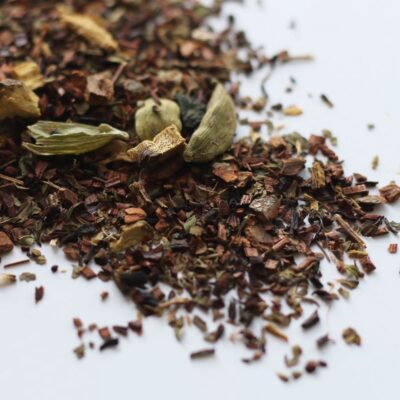
Traditional chai is a blend of black tea with warming spices – ginger, cinnamon, cardamom, black pepper, clove. The caffeine in chai depends on the strength of the black tea base and typically falls in the 40-70mg range.

The spice blend adds its own distinct set of health compounds: gingerols, cinnamaldehydes, and eugenol, all with anti-inflammatory properties.

2-3 cups per day provides real benefit from both the tea polyphenols and the spice compounds. The caveats around tannins and iron absorption noted for black tea apply here too.

Loading...
Price range: £6.50 through £89.00
Loading...
Price range: £5.50 through £38.00

Herbal Infusions and Rooibos: The Unlimited Category (Almost)

Herbal infusions are naturally caffeine-free. This makes them the most flexible category from a volume perspective – there is no upper limit driven by caffeine considerations.

Rooibos

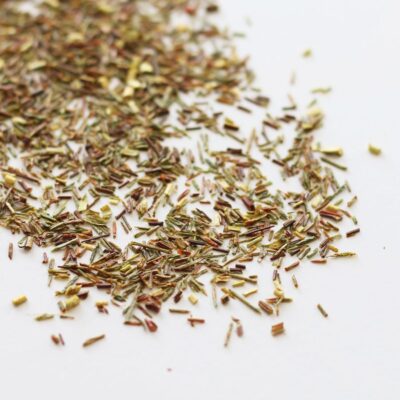
Rooibos, from the South African fynbos shrub Aspalathus linearis, is genuinely exceptional in its health profile. It contains aspalathin – an antioxidant found nowhere else in nature – along with a range of flavonoids with anti-inflammatory, anti-diabetic, and cardiovascular benefits.

Unusually for a palatable tea, it is also very low in tannins, which means it does not interfere with iron absorption.

There is no established upper daily limit for rooibos. 3-6 cups per day is common among regular drinkers and well within what research suggests is safe and beneficial.

To learn more about Rooibos tea, explore our complete Rooibos tea Guide.

Loading...
Price range: £4.50 through £60.00
Loading...
Price range: £18.00 through £35.00

Common herbal infusions

Chamomile, peppermint, lemon balm, ginger, hibiscus, and similar infusions are consumed freely throughout the day by most people who enjoy them. For most commonly available herbs, there is no safety concern at 3-6 cups per day.

The exception is certain medicinal herbs (valerian, St John’s Wort, high-dose liquorice) which should be treated with more caution – particularly if you are on any regular medication.

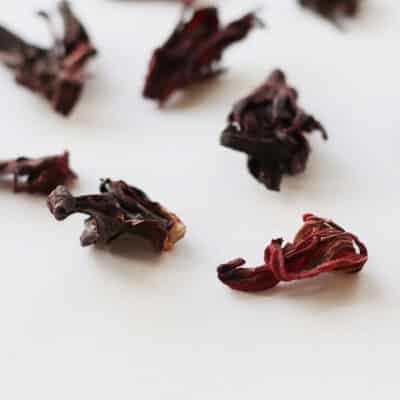
Hibiscus is worth noting specifically: it has well-documented blood-pressure-lowering effects and should be consumed with care by those already on antihypertensive medication.

Discover the world of Herbal tea in our complete Herbal tea Guide.

Loading...
Price range: £2.50 through £48.00
Loading...
honeybush
Price range: £5.50 through £45.00

Daily Tea Intake Quick-Reference by Tea Type

Use this as a practical guide to building your daily tea routine:

Tea type Caffeine per cup Optimal daily cups Best time to drink
Black tea 40-70 mg 2-4 Morning, early afternoon
Green tea 20-45 mg 3-5 Morning, with meals
Matcha 35-70 mg 1-3 Morning, focus sessions
White tea 15-30 mg 3-6 Anytime
Oolong 30-55 mg 2-4 Afternoon
Pu-erh 30-70 mg 2-3 After meals
Rooibos 0 mg Unlimited Anytime, evening
Herbal 0 mg Unlimited Afternoon, evening
Yerba mate 65-130 mg 1-2 Morning only

Notes: Caffeine values are approximate and vary with brewing time, water temperature, leaf grade, and quantity. ‘Optimal daily cups’ reflects the range most associated with health benefits in current research.

Unlimited for herbal and rooibos refers to caffeine considerations only – extreme quantities of any single herb are not advisable.

Signs You Are Drinking Too Much Tea

Most people who over-consume tea do so through caffeine accumulation – often without realising how much they have consumed across the day. Signs that your daily tea intake may have tipped too high include:

Sign What to Look For
Sleep problems Difficulty falling asleep or staying asleep, even when your last tea was hours ago
Heart palpitations Racing pulse, particularly in the afternoon or evening
Anxiety and restlessness Heightened anxiety, restlessness or a sense of being 'wired but tired'
Headaches Persistent headaches that improve when you reduce tea consumption
Nausea Can occur with very high EGCG intake on an empty stomach
Tooth staining Staining of the teeth more pronounced than usual, which can indicate very high tannin consumption
Disrupted iron levels Particularly if you are already borderline deficient and drinking tea with meals

The solution is rarely to stop drinking tea altogether – it is almost always to redistribute your intake (stopping caffeinated teas by early afternoon), switch later cups to herbal infusions, and pay attention to total caffeine across all sources rather than tea in isolation.

Signs You Could Benefit from Drinking More

On the other side of the equation, many people who enjoy tea are drinking less than the research suggests would benefit them. Consider whether any of the following apply:

If This Sounds Like You What to Try
You drink 1-2 cups per day with no particular health goals Increasing to 3-4 cups of loose leaf green or white tea would put you in the zone most associated with cardiovascular and cognitive benefits
You rely heavily on coffee for energy Replacing 1-2 daily coffees with a high-grade loose leaf black tea or matcha would reduce total caffeine intake while maintaining (or improving) focus quality through the L-theanine effect
Your evening routine has no caffeine-free alternatives Adding chamomile, rooibos, or lemon balm in the evening supports sleep quality and provides an additional dose of beneficial plant compounds at no caffeine cost
You are not currently drinking tea with meals Green or oolong consumed 30-60 minutes after meals has the most consistent association with metabolic benefits in the research

Frequently Asked Questions

Yes – for most healthy adults, drinking tea every day is not only safe but actively associated with health benefits at 3-5 cups per day. The key variables are the type of tea, the quality, and how your total daily caffeine intake adds up across all sources. Pure, single-origin loose leaf teas with no artificial additives are the most beneficial option and the most reliably studied.

The threshold where tea begins to cause issues depends primarily on caffeine sensitivity and the type of tea. For caffeinated teas, exceeding 400mg of caffeine per day from all sources is the general threshold to avoid – that is roughly 6-10 cups of tea depending on type and strength. For those with caffeine sensitivity, anxiety, heart conditions, or who are pregnant, the limit is lower. For herbal infusions and rooibos, ‘too much’ is rarely a concern at typical consumption levels.

Morning: High-grade green tea or matcha for sustained focus, antioxidant benefits, and the L-theanine-caffeine combination that produces calm alertness. Midday: Black or oolong tea – bold enough to provide a lift, but ideally consumed 30-60 minutes after meals rather than with them if iron absorption is a concern. Afternoon: White tea or lighter oolongs, as you begin to taper caffeine for sleep. Evening: Herbal infusions – chamomile, rooibos, lemon balm, or peppermint. No caffeine, active plant compounds, and preparation for restful sleep.

Yes – in most cases, significantly so. Loose leaf tea uses whole or large-cut leaves that retain far more of their polyphenols, catechins, L-theanine, and volatile aromatic compounds. Standard teabags use the smallest, most broken leaf fragments – sometimes called ‘dust and fannings’ – which have a larger surface area that accelerates oxidation and loss of active compounds. The research showing health benefits from tea was conducted on whole-leaf preparations, not supermarket teabags. If you are drinking tea for its health properties, the upgrade to loose leaf is the single highest-impact change you can make.

At 3-5 cups per day of loose leaf green tea, the risk of adverse effects in healthy adults is extremely low. At very high consumption – above 8-10 cups per day – or when combining high consumption of green tea with green tea extract supplements, there is a theoretical risk of excessive EGCG intake placing load on the liver. This is not a concern for the overwhelming majority of tea drinkers. Nausea from drinking green tea on an empty stomach is the most common complaint at high volumes, and is easily resolved by drinking with or after food.

Caffeine in tea varies considerably by type, grade, brewing time, and quantity of leaf. As a general guide: white tea contains 15-30mg per cup; green tea 20-45mg; oolong 30-55mg; black tea 40-70mg; matcha 35-70mg per gram of powder; pu-erh 30-70mg; and yerba mate 65-130mg. These are approximate figures for 200ml cups brewed to standard parameters. Longer brew times, higher water temperatures, and greater leaf quantities all increase caffeine extraction.

Yes – despite long-standing mythology about tea being dehydrating, the evidence is clear that moderate tea consumption contributes positively to hydration. Tea is approximately 99% water, and while caffeine has a mild diuretic effect, the fluid intake from tea more than compensates for this. A 2011 study in the British Journal of Nutrition found no significant difference in hydration status between groups consuming tea and those consuming plain water over a 24-hour period. Herbal infusions and rooibos, being caffeine-free, contribute entirely to daily fluid intake.

The research-backed optimal range is slightly higher for green tea (3-5 cups) than black tea (2-4 cups), partly because the studies on green tea mortality outcomes used those quantities, and partly because green tea’s lower caffeine content gives more headroom. Black tea has its own distinct set of benefits – theaflavins and thearubigins rather than catechins – and 2-4 cups per day is well within what population research supports. Both types provide genuine health benefits; the best answer is the one you will actually sustain.

The Bottom Line

For most healthy adults, 3-5 cups of tea per day is where the science and the pleasure most comfortably meet. The specific teas, the timing, and the quality of what you brew determine whether that number moves up, down, or spreads across different types throughout the day.

What the research makes clear – and what every cup of well-brewed loose leaf confirms – is that tea rewards both quantity and quality. Drinking more of a poor-quality tea does not give you more of the benefits.

Drinking 3-4 cups of genuinely pure, properly brewed, single-origin loose leaf tea is a meaningfully different proposition from 6 supermarket teabags.

To continue building your tea knowledge – from understanding caffeine and antioxidants to mastering the brewing conditions that unlock the best from every type – read our Complete Guide to Tea: Health Benefits, Types and How to Get Started.

It covers all 12 tea types in depth, with the science and the craft behind every cup.

Teapro co-founder. Favourite tea - Long Jing Dragon Well Green Tea. Obsessed with film, photography and travelling.

No Comments

Post A Comment