The Complete Matcha Green Tea Guide

Matcha is everywhere right now. But there’s a big difference between the powdered green stuff in a chain coffee shop latte and the real thing – a stone-ground, single-origin Japanese tea with centuries of ceremony, craft and nuance behind it. 

At Teapro, we believe matcha deserves more than a trend. It deserves understanding. This is your complete matcha green tea guide – from what matcha actually is, to how to choose a grade worth drinking, to the rituals and recipes that make it part of your daily life.

Bookmark this page. It links to everything you need.

Table of contents

What Is Matcha – Really? 

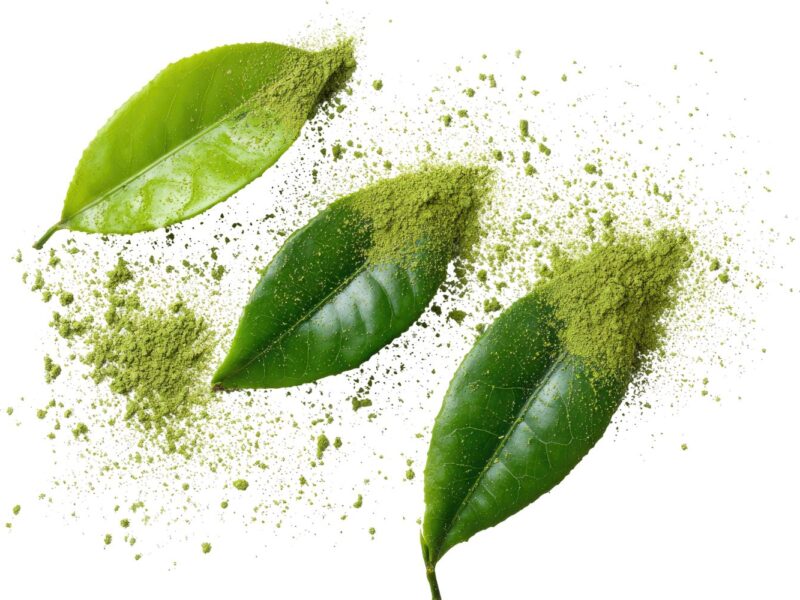
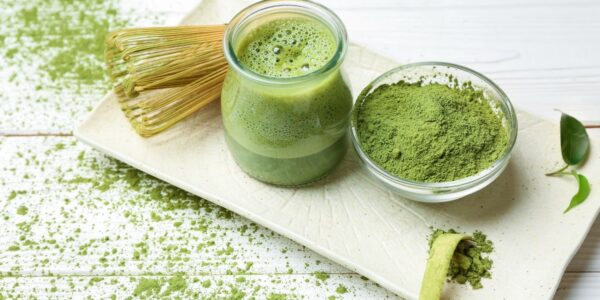
Matcha is a powdered green tea made from shade-grown tea leaves called tencha. What makes it genuinely different from every other tea is this: you consume the whole leaf. 

With loose leaf tea, you steep the leaf and discard it. With matcha, the leaf is stone-ground into a fine powder and whisked directly into water. Every antioxidant, every amino acid, every drop of flavour – it all ends up in your cup. 

That shade-growing process is what gives matcha its vivid green colour and its famously smooth, umami-rich flavour.

Covering the plants for three to four weeks before harvest forces them to produce more chlorophyll and L-theanine – the amino acid responsible for matcha’s calm, focused energy. 

It’s why matcha doesn’t give you the spike-and-crash of coffee. It gives you something steadier and cleaner. 

The Different Grades of Matcha 

Not all matcha is the same – and knowing the difference will save you from wasting money on the wrong product for the wrong purpose. 

Matcha Grade Guide
Grade Best For What to Look For
Ceremonial Drinking on its own, whisked with water only Brightest green, sweet and umami-rich, stone-ground
Premium Daily drinking, everyday matcha lattes Vivid green, robust flavour, excellent everyday quality
Culinary Baking, cooking, lattes with milk and sweetener Deeper colour, stronger and slightly bitter - holds up against other ingredients

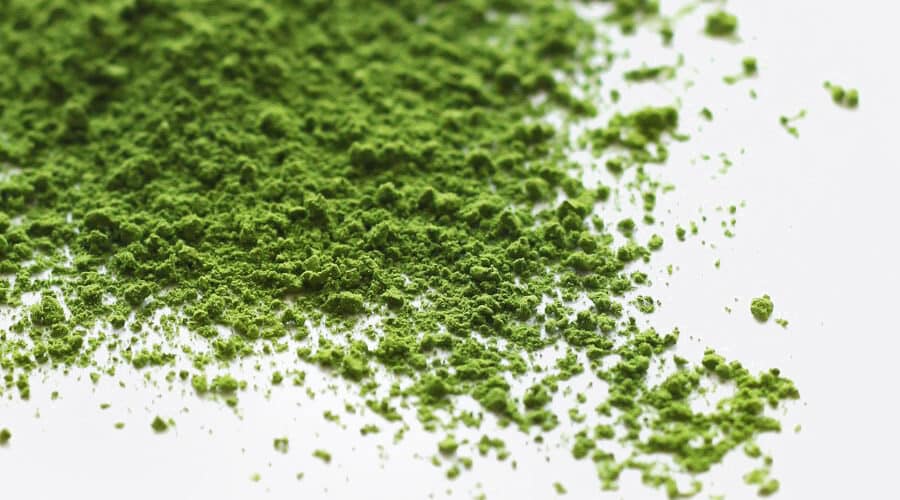
The key markers of quality at any grade: vivid green colour (dull or yellowish matcha is a warning sign), a fresh grassy-sweet smell, and a smooth texture when rubbed between your fingers. 

For a deeper dive: Grades of Matcha – From Everyday Delight to Ceremonial Elegance 

The Right Tools for the Job 

Matcha prepared with the wrong tools is a frustrating experience – clumps, uneven texture, flat flavour. The right tools make the ritual simple and the result consistently excellent. 

Matcha Tools Guide
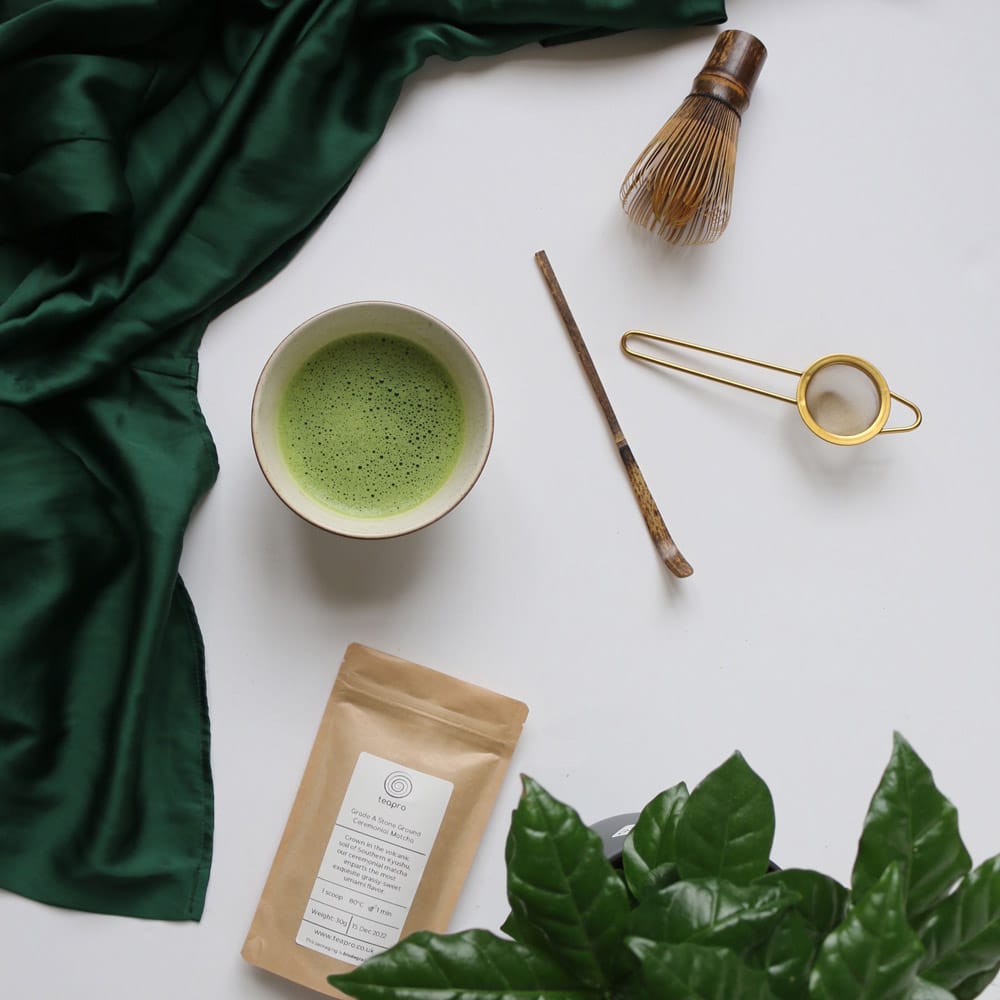
Tool What It Does Why It Matters
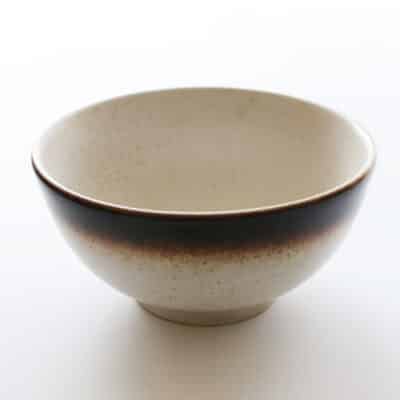
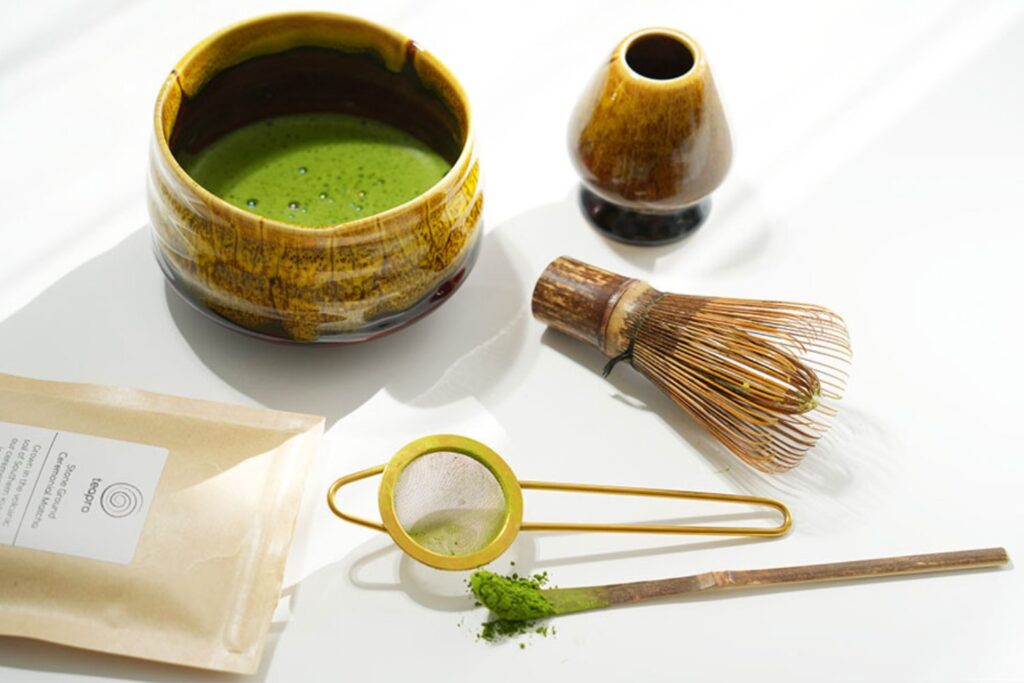
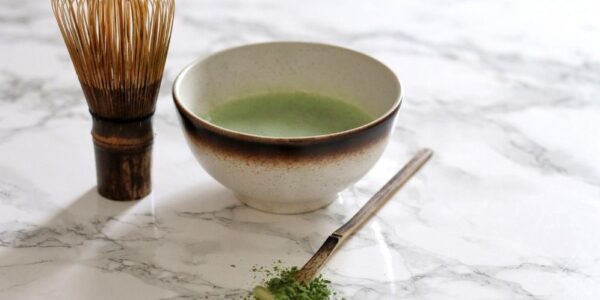
Chawan (bowl) Wide, curved bowl for whisking and drinking Gives the whisk room to move and aerates the matcha properly
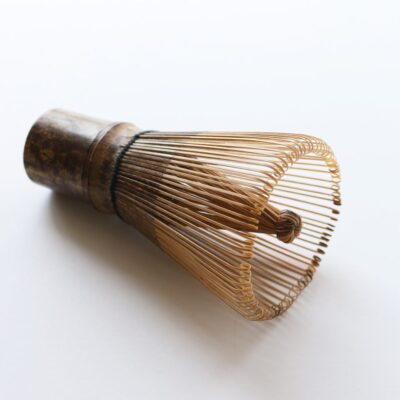
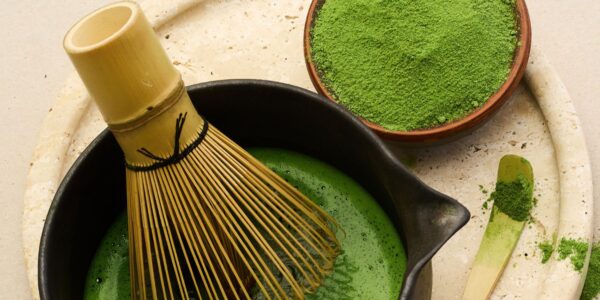
Chasen (whisk) Bamboo whisk with fine, flexible tines Creates the fine foam and emulsification that makes matcha taste right - non-negotiable
Chashaku (scoop) Bamboo measuring scoop Standardised dose - two scoops (approx. 2g) is the classic ceremonial serving
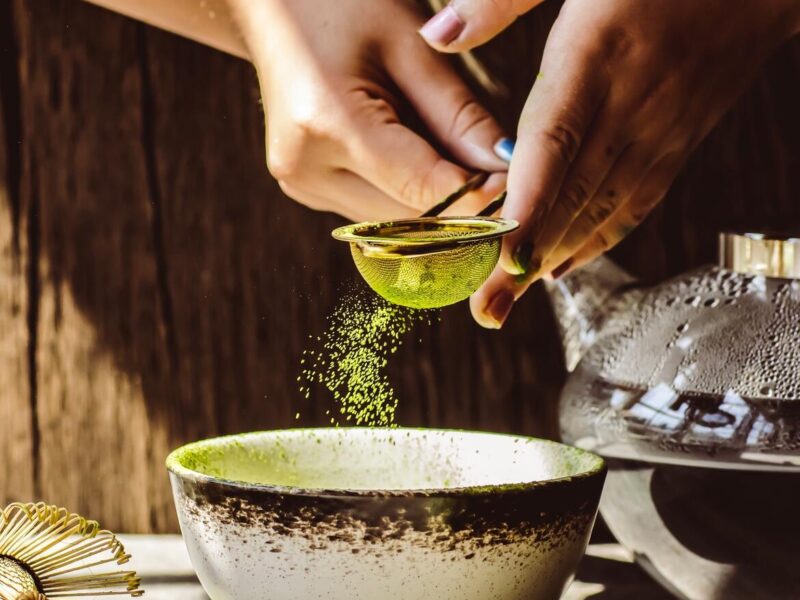
Fine-mesh sifter Sifts matcha powder before whisking Eliminates clumps before they form - one of the smallest steps, one of the biggest differences
Thermometer Measures water temperature Matcha needs 70-80°C - boiling water scorches the leaves and introduces bitterness
Loading...
matcha starter kit - matcha starter set
Price range: £34.95 through £57.95
Ceremonial Matcha set
Price range: £69.00 through £95.00

How to Prepare Matcha Properly 

Good matcha preparation is a sequence, not a single step. Follow this and you’ll have a cup worth drinking every time. 

Matcha Preparation Steps
Step Action Key Detail
1 Heat your water Bring to 70-80°C. If using a standard kettle, boil and let cool for 2-3 minutes.
2 Warm your bowl Pour a small amount of hot water into your chawan, swirl and discard. Prevents temperature shock.
3 Sift your matcha Use a fine-mesh sifter to sift 1-2 tsp (2-4g) into your bowl. Eliminates most clumping problems.
4 Make a paste first Add 30-40ml of water onto the powder and work into a smooth paste (called 'neri'). Foundation of a smooth cup.
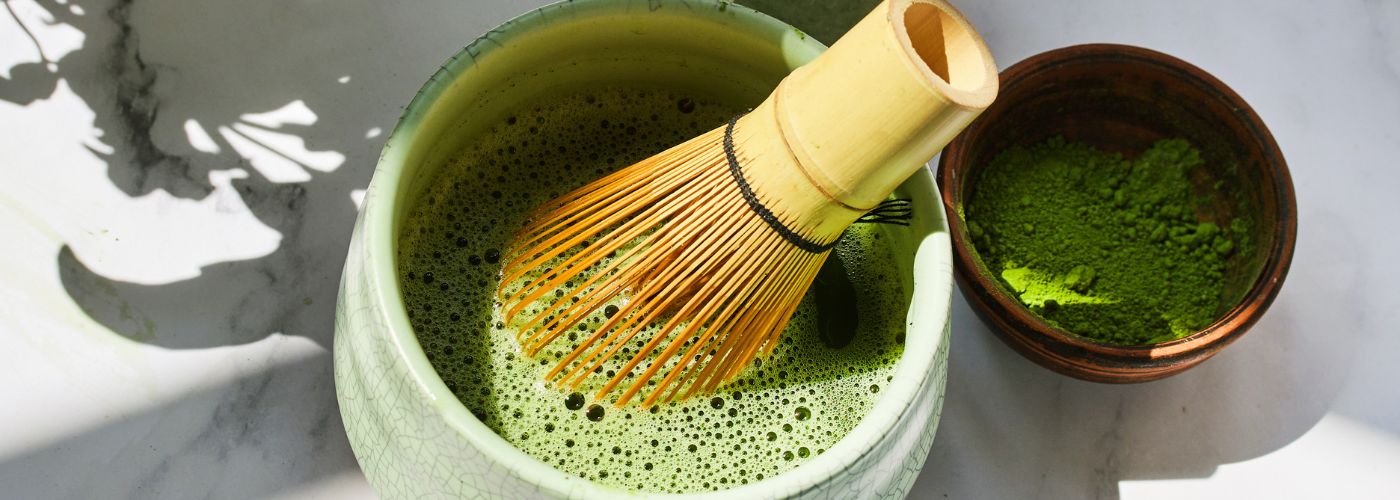
5 Whisk properly Add 60-80ml more water and whisk in a vigorous M or W motion - not circular. You want fine, stable foam on the surface.
6 Drink immediately Matcha does not wait. The foam dissipates and the powder begins to settle. Drink it fresh.

For lattes, the same paste method applies. Build your matcha base first, then add steamed or cold milk of your choice. 

The Health Benefits of Matcha 

Matcha’s wellness credentials are genuinely impressive – and backed by a growing body of research. 

Matcha Benefits
Benefit What It Means
Focused calm (L-theanine + caffeine) Produces alert, steady energy without the anxiety or crash of coffee. L-theanine promotes alpha brain wave activity linked to relaxed focus.
Antioxidant density Exceptionally rich in EGCG - one of the most potent antioxidants in food science. Consuming the whole leaf gives you significantly more than a steeped green tea.
Metabolism support Research suggests EGCG may support fat oxidation and metabolic rate, particularly alongside regular exercise.
Skin health Antioxidants may help protect skin from oxidative damage, support collagen production and reduce inflammation.
Liver and gut support Emerging research points to potential benefits for liver health and gut microbiome diversity - an active area of study.

Matcha and weight loss: Unleash Fat Burning Power – Matcha and Weight Loss 
Matcha and skin: How to Improve Your Skin Health with Collagen and Matcha 

One important note: quality matters enormously for health benefits. Low-grade matcha from unclear origins can contain elevated levels of lead (absorbed from soil by tea plants). Choose single-origin matcha from reputable sources where provenance is transparent. 

Matcha in the Kitchen

Matcha’s deep umami flavour and vivid green colour make it one of the most versatile ingredients in the kitchen – not just for drinks. 

Matcha Formats
Format Description Teapro Recipe
Matcha lattes Whisk a matcha paste with hot water, add steamed milk. Hot or iced, sweetened or not. Two-Tone Matcha Latte
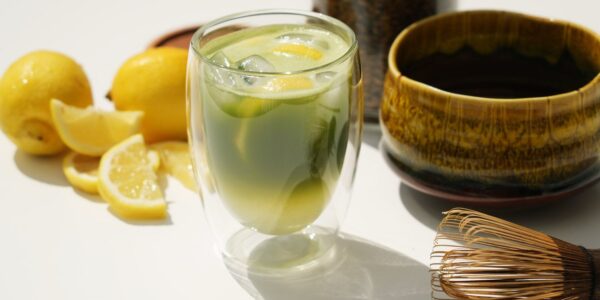
Iced matcha Cold water, ice and a matcha paste base. Refreshing and easy. 9 Iced Matcha Recipes
Baking and desserts Culinary grade matcha brings depth to cakes, cookies, chocolates and ice cream. The bitterness balances sweetness beautifully. 9 Matcha Dessert Recipes
Matcha pancakes Batter turns a beautiful green. Earthy, subtly sweet and a great weekend ritual. 7 Best Matcha Pancake Recipes

The rule for cooking: always use culinary gradeIt’s specifically processed to hold its flavour and colour at higher temperatures, and it’s priced accordingly. 

Choosing Quality Matcha – What to Look For 

The matcha market is full of products that lean on green packaging and wellness language without delivering genuine quality. Here’s how to choose well. 

Matcha Quality Indicators
Indicator What to Know
Colour Good matcha is vivid, bright green - almost electric. Dull or yellowish matcha has oxidised or been stored poorly.
Origin The finest matcha comes from Uji (Kyoto), Nishio (Aichi), Yame (Fukuoka) and Kagoshima. Vague 'Japanese green tea' labelling without regional specificity is a flag.
Processing Traditional stone-grinding produces a finer, smoother powder with more complex flavour than industrial ball-milling.
Ingredients Pure matcha should have one ingredient: matcha. If you see 'matcha blend', 'matcha flavouring' or a long ingredients list, move on.
Packaging Matcha degrades quickly in light, air and heat. Look for opaque, airtight tins or sealed pouches.

At Teapro, we only source matcha we can trace to its origin – because we believe you deserve to know exactly what you’re drinking. 

Matcha vs Other Green Teas 

People often ask how matcha compares to sencha, gyokuro or other Japanese green teas. The key differences at a glance:

Matcha vs Sencha vs Gyokuro
Factor Matcha Sencha Gyokuro
Shade grown? Yes No Yes
Whole leaf consumed? Yes - powdered No - steeped and discarded No - steeped and discarded
Flavour profile Rich, umami, creamy Grassy, bright, fresh Sweet, creamy, deeply savoury
Caffeine level Higher per serving Moderate Higher per serving
L-theanine Very high Moderate Very high
Best for Daily ritual, focus, recipes Light refreshment, everyday drinking Special occasions, slow tasting
Loading...
Ceremonial Grade Matcha
Price range: £20.00 through £320.00

Common Matcha Mistakes to Avoid 

Even experienced matcha drinkers make these. Knowing them upfront saves you from unnecessary bitterness and frustration. 

Matcha Common Mistakes
Mistake Why It Happens The Fix
Using boiling water Most common mistake - the default is to boil the kettle Use 70-80°C. Boiling water scorches amino acids and introduces bitterness.
Not sifting Seems like an unnecessary step Sift every time. Clumps formed in unsifted powder are nearly impossible to fix after the fact.
Poor storage Leaving matcha open or near heat and light Airtight tin, away from heat. Once opened, use within 4-6 weeks for best flavour.
Buying on price alone Low price is tempting, especially for a first purchase Very cheap matcha is almost always low-grade with unclear origins. A small amount of quality matcha beats a large tin of poor matcha.
Using the wrong whisk A metal whisk seems equivalent Bamboo chasen tines are designed to aerate matcha and create microfoam. Metal whisks do not replicate this.

Where Matcha Fits in Your Day 

Matcha is more adaptable to daily routine than most people realise.

When to Drink Matcha
When Why It Works
Morning ritual Many people find matcha a more grounded start than coffee. The caffeine release is slower and L-theanine moderates any jitteriness. Whisking matcha is also a deliberate, quiet act - a few minutes that centre you before the day starts.
Pre-workout The combination of sustained caffeine and antioxidant support makes matcha a popular pre-exercise drink, particularly for steady-state cardio or yoga.
Early afternoon slump A small bowl of matcha around 1-2pm provides a clean energy lift without disrupting sleep later (unlike a second coffee for many people).
Cooking and baking Any time you're in the kitchen and want to add something genuinely interesting.

Frequently asked questions 

Ceremonial grade is the highest quality, intended for drinking straight with just water. It has the brightest green colour, the sweetest flavour and the finest texture. Culinary grade is processed for use in cooking and baking – it has a stronger, slightly more bitter flavour that holds up against milk, sugar and other ingredients. Drinking ceremonial grade in a latte is not necessary; culinary grade is the right tool for the job. 

A standard serving of matcha (approximately 2g) contains roughly 60-80mg of caffeine, which is similar to a small espresso. However, because matcha contains L-theanine, the caffeine is absorbed more slowly and the energy effect is steadier – without the spike and crash associated with coffee. 

You can, but the result will be noticeably different. A bamboo chasen creates the fine foam and smooth emulsification that defines a well-prepared matcha. A small electric milk frother is the best alternative if you don’t have a chasen. A metal whisk or spoon will not replicate the result. 

Store matcha in an airtight tin or sealed pouch, away from heat, light and moisture. Once opened, use within 4-6 weeks for best flavour. Refrigeration can extend freshness but introduce condensation – always let the tin return to room temperature before opening to avoid moisture damage. 

The most common cause is water that is too hot. Matcha should be prepared at 70-80°C; boiling water scorches the amino acids and brings out bitterness. The second most common cause is poor-quality matcha. If you are using good water temperature and still finding it bitter, the matcha itself may be low grade, old or poorly stored.

Yes, for most people. Matcha has been consumed daily as part of Japanese tea culture for centuries. The L-theanine helps moderate the effects of caffeine, making it gentler on the system than coffee. People sensitive to caffeine, pregnant women or those with certain health conditions should consult a doctor. As with any caffeinated drink, moderation is sensible. 

Shade-growing is the process of covering tea plants for three to four weeks before harvest. This forces the plant to produce more chlorophyll (giving matcha its vivid green colour) and more L-theanine (giving it its distinctive umami flavour and calm energy). Both ceremonial grade matcha and gyokuro use shade-growing; standard sencha does not. 

Look for vivid bright green colour (not dull or yellow), a single named origin in Japan (Uji, Nishio, Yame or Kagoshima), stone-grinding as the processing method, and a single ingredient list. Opaque, airtight packaging is also a good sign. Avoid products with vague labelling, matcha blends or artificial flavouring. 

Yes – culinary grade matcha is specifically designed for this. It holds its colour and flavour at higher temperatures and is priced appropriately for kitchen use. It works well in cakes, cookies, pancakes, ice cream, chocolate and lattes. Ceremonial grade is not necessary for cooking and is not the right choice for it. 

Morning is the most popular choice – the slow caffeine release and L-theanine make it a grounded, focused start to the day. A second serving around 1-2pm works well for the afternoon slump without disrupting sleep later. Most people find matcha taken after 3-4pm can affect sleep quality, though this varies individually. 

Become a Teapro – Go Deeper Than Matcha 

Matcha is one of twelve tea types in our ‘Become a Teapro’ programme – the UK’s only structured 12-box tea education journey. Each month covers a different tea: green, black, herbal, chai, oolong, pu-erh, yerba, matcha, fruit, white, magic and rooibos. 

Every month you receive premium, single-origin tea alongside education on origin, brewing, flavour development and how to taste with intention. By the end of twelve months, you understand tea the way a sommelier understands wine. 

If this guide has started something for you, that’s exactly what it’s designed to do. 

Loading...
Loading...
tea gifts for her
Price range: £42.00 through £57.00

Teapro co-founder. Favourite tea - Long Jing Dragon Well Green Tea. Obsessed with film, photography and travelling.

No Comments

Post A Comment