Silver Needle vs Bai Mu Dan: Which White Tea Is Right for You?
White tea is one of the least processed tea types in the world – and one of the most misunderstood.

If you have started exploring loose leaf white tea, you have almost certainly encountered two names that come up again and again: Silver Needle (Bai Hao Yinzhen) and Bai Mu Dan (White Peony). They are both white teas.

For a deeper look into the history, varieties, and culture of this tea type, you can explore our complete guide on white tea.

They both come from Fujian province in China. But they taste quite different – and knowing which one suits your palate can completely change how you experience this extraordinary category. 

At Teapro, we believe that understanding what you are tasting is just as important as the tea itself. So let us walk you through everything you need to know to choose between these two iconic white teas – and to brew them in a way that brings out their very best. 

What Is White Tea? 

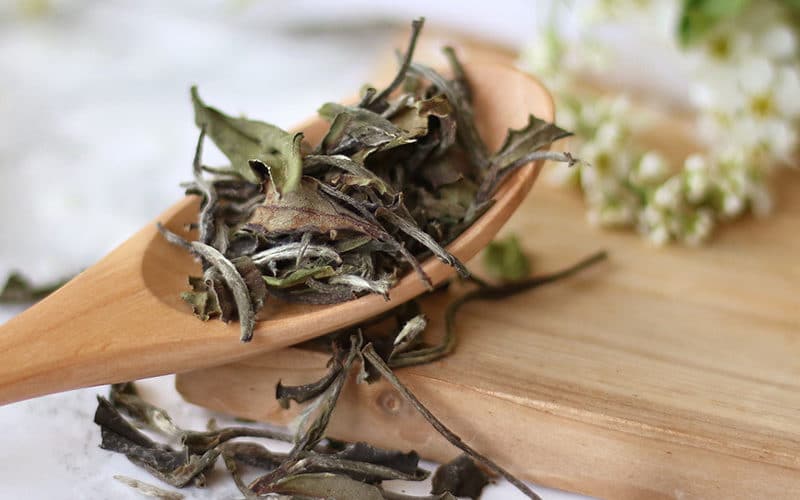
White tea is made from the youngest, most tender parts of the Camellia sinensis plant – typically the buds and the newest leaves. Unlike green or black tea, white tea undergoes almost no processing: the leaves are simply picked, withered, and dried. There is no rolling, no oxidation, no firing. 

While it sounds simple, achieving the perfect balance requires incredible skill; you can read more about it in the fascinating art of white tea processing.

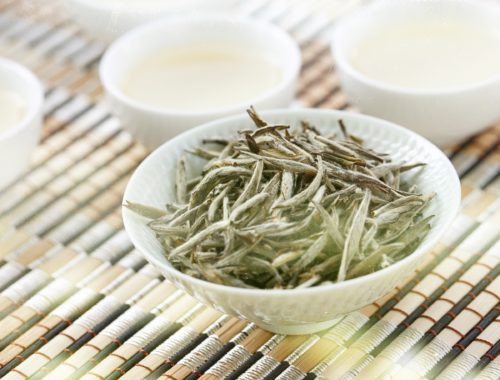
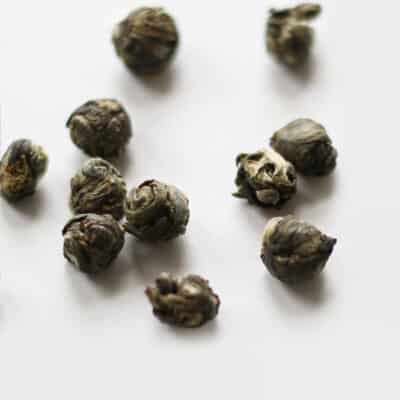
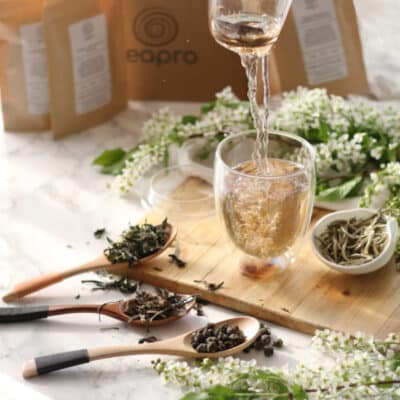
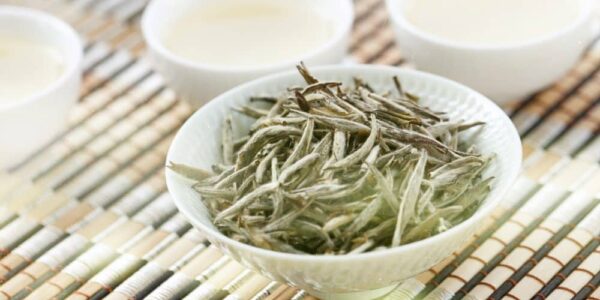
what is white tea - silver needle white tea

This minimal handling is precisely what makes white tea so special – and why purity of sourcing matters so much. At Teapro, we source only natural, single-origin teas with no artificial flavourings, because with white tea, the raw ingredient is everything. There is nowhere to hide. 

White tea tends to be lighter in colour, lower in caffeine than black or green teas, and extraordinarily delicate in flavour. It rewards slow attention – the kind of tea that opens up the more you tune in to it. 

What Is Silver Needle (Bai Hao Yinzhen)? 

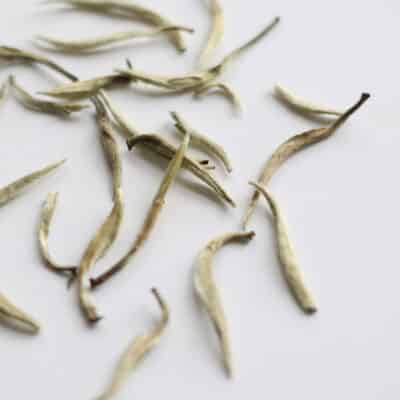
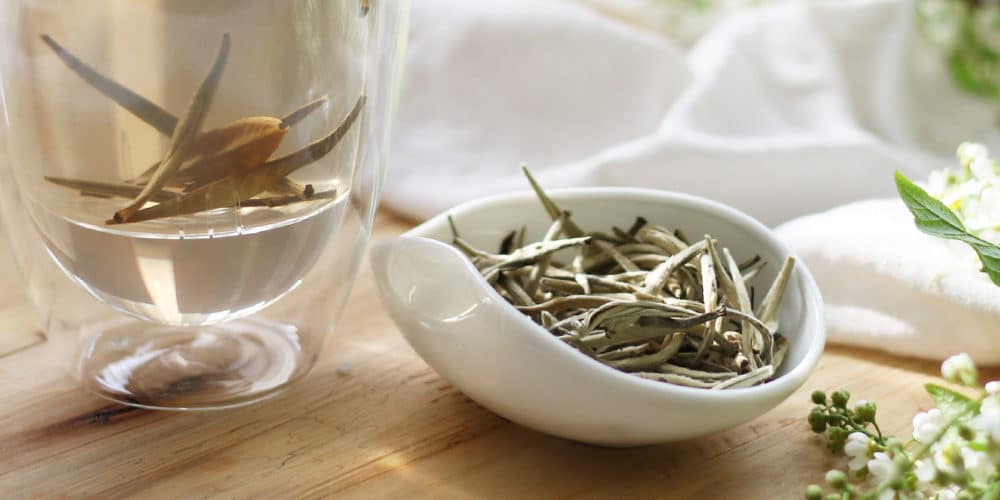
Silver Needle – Bai Hao Yinzhen in Mandarin – is often described as the most prized white tea in the world. The name refers to the appearance: slender, silvery-white buds covered in fine downy hair, resembling needles. 

Only the unopened bud of the tea plant is used – no leaves, no stems. This makes Silver Needle exceptionally labour-intensive to produce. Harvesting typically takes place over just a few weeks each spring in Fujian province, China, predominantly around the towns of Fuding and Zhenghe.

Key facts about Silver Needle: 

  • Made from buds only – nothing else 
  • Produced in a narrow seasonal window in early spring 
  • Covered in fine silver-white down (the hairs protect the bud) 
  • Low in caffeine relative to other teas 
  • The most expensive white tea by weight 
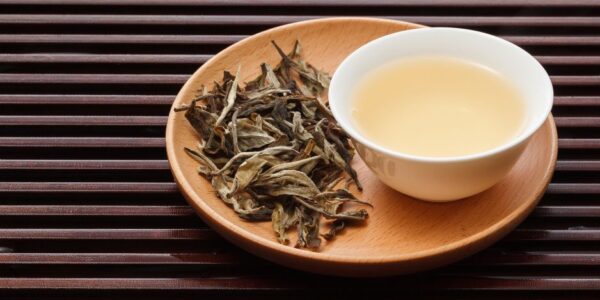
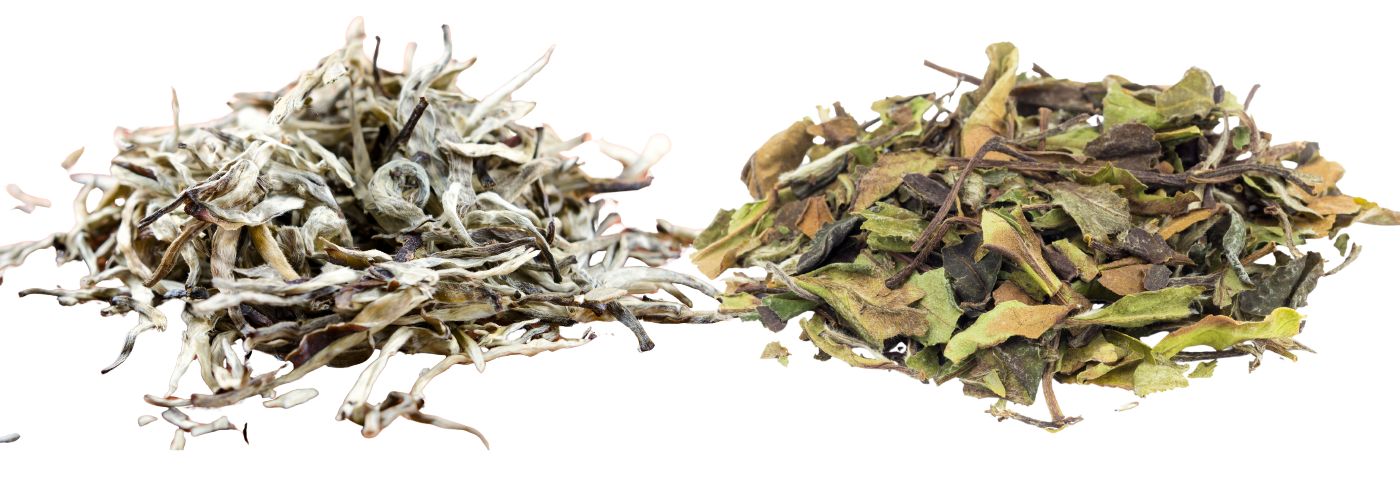
silver needle white tea - silver needle vs bai mu dan

What Is Bai Mu Dan (White Peony)? 

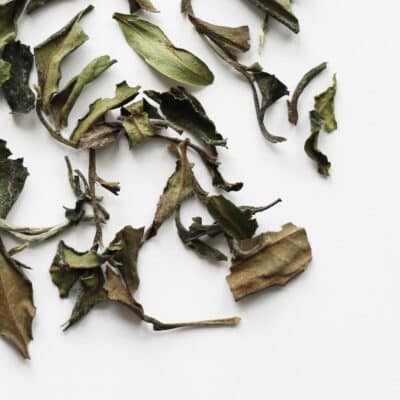
Bai Mu Dan – translated as White Peony – is the second most prestigious white tea from Fujian. Where Silver Needle uses only the bud, Bai Mu Dan includes one bud plus one or two young leaves. This gives it a slightly bolder character while remaining unmistakably in the white tea family. 

The name comes from the visual appearance of the dried tea – with the pale bud flanked by two open leaves, it resembles a white peony flower in bloom. 

Key facts about Bai Mu Dan: 

  • Made from one bud plus one or two young leaves 
  • More widely produced across Fujian than Silver Needle 
  • Slightly higher in caffeine than Silver Needle 
  • More accessible in price 
  • A brilliant everyday white tea with real depth 
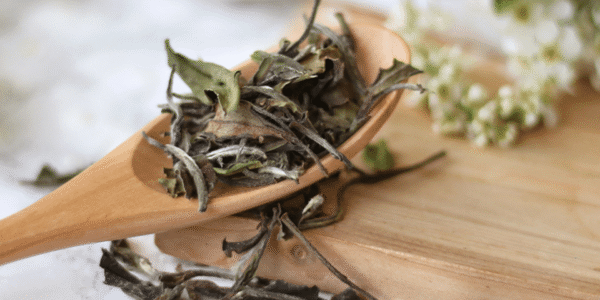
bai mu dan white peony - silver needle vs bai mu dan

Silver Needle vs Bai Mu Dan: Key Differences at a Glance

Feature Silver Needle (Bai Hao Yinzhen) Bai Mu Dan (White Peony)
Parts used Buds only Buds + two young leaves
Flavour Delicate, honeyed, vegetal Fuller, slightly earthy, floral
Caffeine Lower Slightly higher
Origin Fujian, China (Fuding, Zhenghe) Fujian, China (wider region)
Price Premium - higher cost More accessible
Best brewed at 70-75 degrees C, 3-4 minutes 75-80 degrees C, 3-5 minutes
Best for Experienced palates, quiet moments Everyday drinking, beginners

Taste Comparison: What Does Each One Actually Taste Like? 

This is where it gets interesting – and where the real education begins.

Silver Needle 

Silver Needle is feather-light. Brewed well, it produces a pale gold liquor with an aroma that is almost imperceptible at first – then reveals itself slowly, like a quiet room that gradually fills with sound. 

Expect notes of fresh hay, delicate honey, and a faint vegetal sweetness. 

The mouthfeel is soft and silky. There is virtually no astringency. Silver Needle rewards patience and a genuinely quiet moment – it is not a tea that works well when distracted. 

Loading...
Price range: £6.00 through £95.00

Tasting notes: honeyed sweetness, fresh meadow, subtle floral, cucumber, clean finish. 

Bai Mu Dan 

Bai Mu Dan is rounder and more approachable. The presence of young leaves introduces a gentle earthiness and slightly more body – still light by any comparison to green or black tea, but noticeably fuller than Silver Needle.

There is often a soft floral note – sometimes peach, sometimes apricot – and a lingering warmth on the finish. 

Bai Mu Dan is the white tea that works beautifully morning or afternoon. It has enough character to hold your attention without demanding your full concentration. 

Loading...
white peony white tea
Price range: £7.00 through £23.00

Tasting notes: soft floral, dried apricot, light earth, sweet hay, rounded warmth.

How to Brew Silver Needle 

Brewing Silver Needle incorrectly – particularly with water that is too hot – will flatten the delicate flavour completely. Gentle heat is everything here. 

  • Water temperature: 70-75 degrees C 
  • Leaf quantity: 2-3g per 200ml (approximately 1.5 teaspoons) 
  • Steep time: 3-4 minutes 
  • Vessel: glass or ceramic – avoid metal 
  • Re-steeps: yes – Silver Needle opens up beautifully on a second and third infusion

Tip: watch the buds as you brew. They will stand upright in the water before slowly sinking – this is a reliable indicator of good quality Silver Needle and a genuine pleasure to observe. 

How to Brew Bai Mu Dan 

Bai Mu Dan is slightly more forgiving than Silver Needle, but still benefits from cooler water than you would use for green tea. 

  • Water temperature: 75-80 degrees C 
  • Leaf quantity: 2-3g per 200ml 
  • Steep time: 3-5 minutes 
  • Vessel: glass, ceramic, or a small gaiwan 
  • Re-steeps: yes – Bai Mu Dan gives two or three good infusions

Tip: if you find the flavour too light on your first brew, increase the leaf quantity rather than extending the steep time. More tea, same water, same time – this preserves the sweetness without introducing bitterness. 

Which White Tea Should You Choose? 

There is no wrong answer – but there is a right starting point for where you are right now in your tea journey. 

Choose Silver Needle if… 

  • You already drink loose leaf tea and want to go deeper 
  • You value the most refined, nuanced experience above all else 
  • You are happy to give a cup your full attention 
  • You want to experience what single-bud purity actually tastes like 
  • You are exploring white tea for a special occasion or as a premium gift 

Choose Bai Mu Dan if… 

  • You are new to white tea and want an accessible, rewarding introduction 
  • You want a white tea that works well morning or afternoon without demanding ceremony 
  • You are curious about white tea but not yet ready to commit to a premium price 
  • You like a little more body and flavour than ultra-delicate 
  • You are looking for a white tea that works brilliantly as an everyday cup 

Our honest recommendation: start with Bai Mu Dan to learn the character of white tea – then try Silver Needle when you are ready to discover what the category can become at its most elevated. Both are extraordinary. Both will change the way you understand tea. 

Loading...
white tea gift box - teapro white gold
Price range: £22.00 through £39.00
Price range: £6.00 through £95.00
Price range: £6.50 through £22.00

Frequently Asked Questions 

Not better – different. Silver Needle is more refined and expensive because it uses only the bud, but Bai Mu Dan offers real depth and complexity in its own right. Which is better depends entirely on what you are looking for in a cup of tea. 

Yes, but typically less than green or black tea. Silver Needle – made from buds only – tends to be lower in caffeine than Bai Mu Dan, which includes young leaves. If you are sensitive to caffeine, either white tea is a gentler choice than most other types. 

For a detailed breakdown of exact levels and how it compares to other brews, check out our deep dive: Does white tea have caffeine?

Absolutely. Both white teas reward multiple infusions – often the second or third steep reveals flavours that were not obvious in the first. Simply add another minute or two to the steep time with each subsequent infusion. 

Lower than most people expect. Silver Needle: 70-75 degrees C. Bai Mu Dan: 75-80 degrees C. Boiling water (100 degrees C) will damage the delicate compounds and flatten the flavour. Use a temperature-controlled kettle if you have one, or simply let boiled water cool for five to seven minutes. 

The historic home of Silver Needle and Bai Mu Dan is Fujian province in China, particularly the counties of Fuding and Zhenghe. Both regions produce distinct styles – Fuding Silver Needle tends to be slightly sweeter and more delicate, while Zhenghe can have a little more body. When you buy single-origin white tea, the source matters enormously. 

Not in pure white tea – and not in anything we sell at Teapro. Some brands add flavourings to white tea blends to create commercial products, but these mask the natural character of the leaf entirely. Genuine white tea needs nothing added. 

White tea is rich in antioxidants, particularly polyphenols and catechins. Because it is so minimally processed, it retains a high proportion of the natural compounds present in the fresh leaf. Many people who are moving away from coffee choose white tea for its lightness, gentle caffeine, and the calming ritual it encourages. 

To learn more about how this gentle brew supports your health, read our full article on the 10 superb white tea benefits to brew to wellness.

Explore Teapro White Tea 

If you are ready to explore white tea properly – sourced pure, with no artificial flavourings – visit our white tea collection at Teapro. We source our white teas as single-origin loose leaf, so you taste exactly what the plant and the terroir intended. 

Every Teapro order also comes with education built in – origin information, brewing guides, and tasting notes that help you understand what you are drinking, not just drink it. That is what turns a tea drinker into a tea pro. 

Interested in exploring all twelve tea types in a structured way? Our 12-box Become a Teapro subscription takes you through green, black, herbal, oolong, pu-erh, white and more – one type per month, with education at every step.

Loading...
Loading...
white tea gift box - teapro white gold
Price range: £22.00 through £39.00

Teapro co-founder. Favourite tea - Long Jing Dragon Well Green Tea. Obsessed with film, photography and travelling.

No Comments

Post A Comment