What Is Chai? The Complete Guide

Chai is one of the most consumed drinks on the planet. It’s also one of the most diluted, misrepresented and commercially mangled. The chai latte on the high street and the masala chai made in a home kitchen in Mumbai are separated by an enormous gulf – in flavour, in philosophy, and in what they mean to the people who make them.

This guide is about understanding chai properly – where it comes from, what’s really in it, why the spices matter individually, how to make it at home in a way that honours the tradition, and how to spot the difference between genuine chai and a flavoured syrup in a paper cup. 

If you’ve only ever had a chai latte, this will change what you think chai is. And once you’ve had the real thing, you’ll find it very hard to go back. 

What is chai?

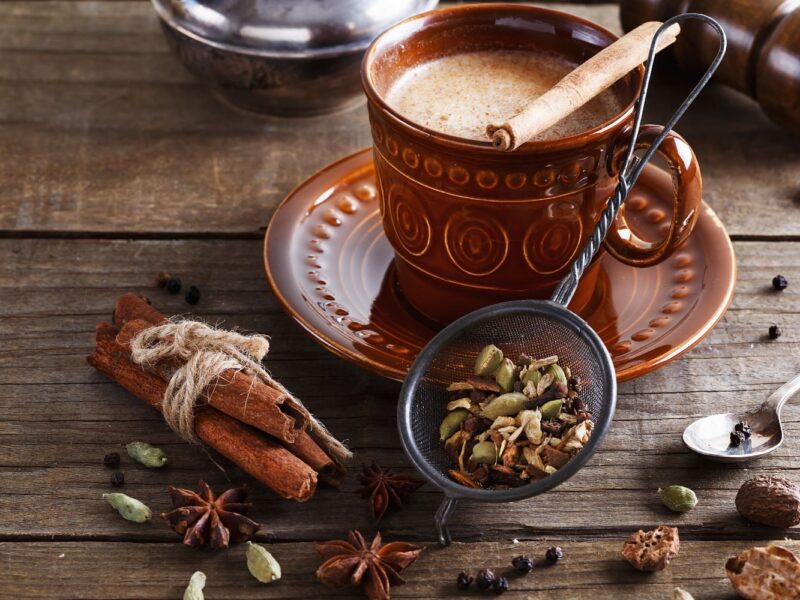
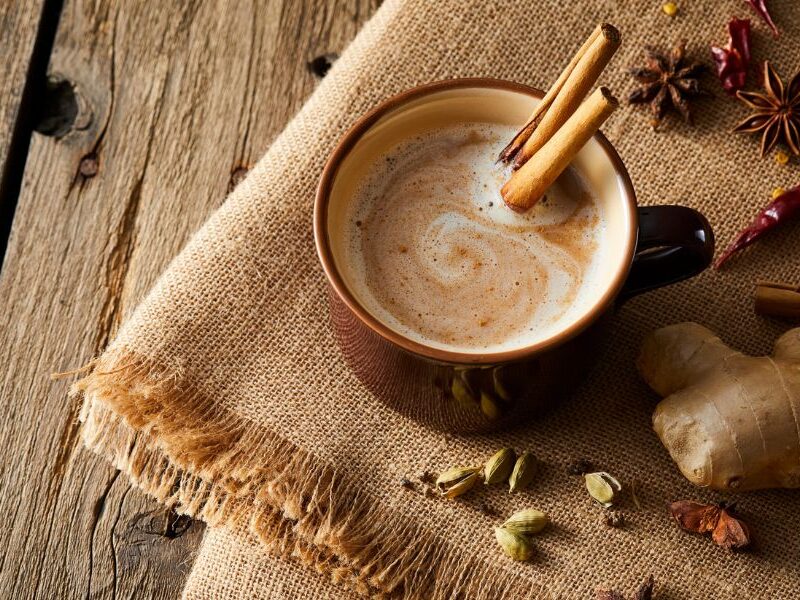
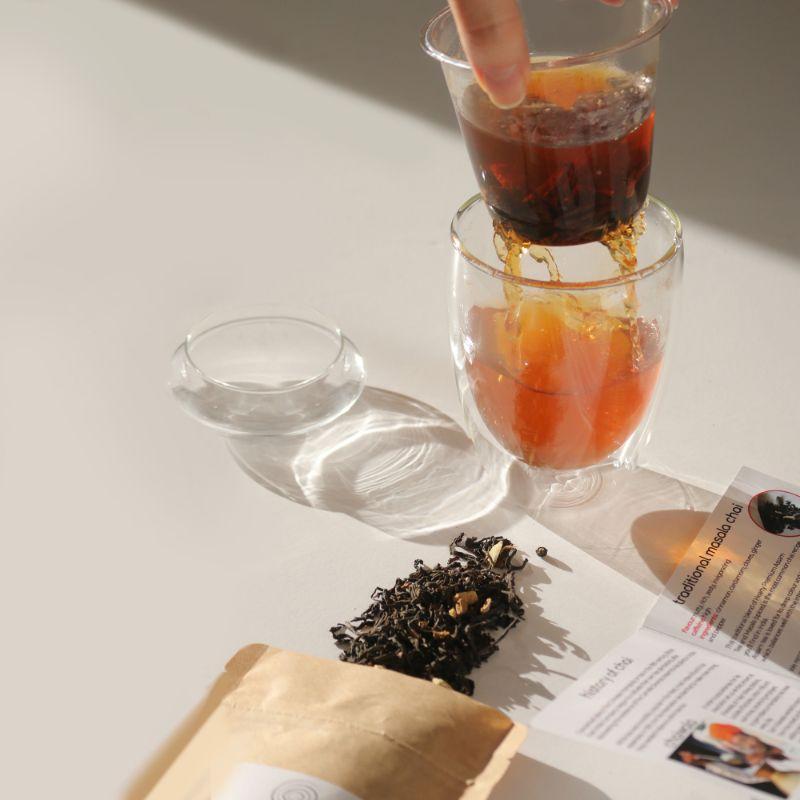
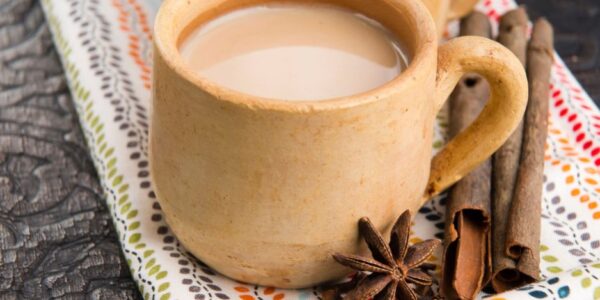
Chai is a spiced tea drink that originated in the Indian subcontinent. At its most traditional, it is black tea brewed together with a blend of warming spices – most commonly cardamom, ginger, cinnamon, cloves and black pepper – combined with milk and sweetened with sugar or jaggery. This traditional version is known as masala chai, where ‘masala’ simply means spice blend.

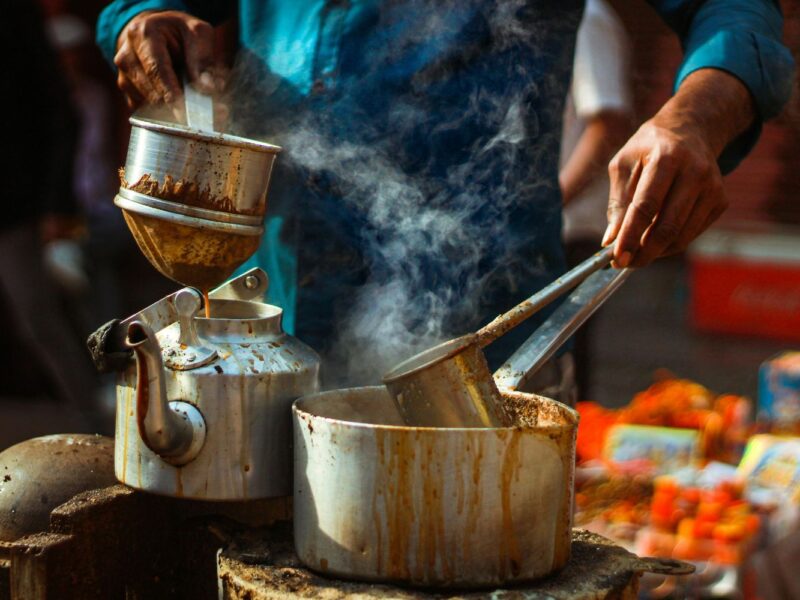
The drink is deeply embedded in Indian culture. It is made and sold by chai wallahs on every street corner and railway platform. It is the first thing offered to a guest in most Indian homes. It is a ritual as much as a drink – and the recipe varies by region, by household, and by the preferences of whoever is making it.

WHAT IS CHAI TEA

The Teapro principle: Real chai is a layered, complex drink built from quality black tea and genuine whole spices. What gets sold as ‘chai’ in most Western cafes is a flavoured syrup – often artificially flavoured – diluted with steamed milk. The two drinks are barely related. Understanding the difference is the first step to tasting what chai can really be.

Quick facts
Fact Detail
Origin Indian subcontinent - particularly India, Pakistan, Nepal and Bangladesh
Base ingredient Black tea - almost always Assam or a robust CTC (crush, tear, curl) grade
Key spices Cardamom, ginger, cinnamon, cloves, black pepper - though blends vary widely
Traditional name Masala chai - 'masala' meaning spice blend, 'chai' meaning tea
Caffeine content Medium to high - contains black tea as the base
Milk? Traditionally yes - brewed with full-fat milk or a mix of milk and water
Sweetness? Traditionally sweetened - with sugar, jaggery (unrefined cane sugar) or honey

The word ‘chai’ – and why ‘chai tea’ is a redundancy

‘Chai’ is simply the Hindi word for tea – derived from the Chinese word ‘cha’, which itself spread across the world via two main trade routes: the overland Silk Road (which gave us ‘chai’ in Hindi, Urdu, Persian, Russian, Turkish and Arabic) and the sea route (which gave us ‘tea’ in English, ‘thé’ in French, ‘tee’ in German).

So when you say ‘chai tea’, you are saying ‘tea tea’. It is a redundancy that only exists because Western markets needed a shorthand for the spiced version – and ‘chai’ became the word that stuck. You’ll also hear ‘masala chai tea’, which compounds the issue further.

The correct term for what most people mean when they say ‘chai’ is masala chai – spiced tea. ‘Chai’ alone just means tea in Hindi. At Teapro, we use ‘chai’ in the Western sense (because language evolves), but we think it’s worth understanding where the word comes from and what it actually means.

This linguistic history is also a reminder of how globally connected tea culture has always been. The same plant, the same leaf, the same word – adapted and transformed across thousands of years of trade, travel and cultural exchange.

A brief history of chai

The history of chai is more complex – and more interesting – than most people realise. Spiced drinks made from various roots, bark and botanicals have existed in India for thousands of years, long before tea arrived. Ayurvedic medicine has always incorporated warming spice blends for their therapeutic properties.

What we now call masala chai – the black tea version – is a relatively modern creation. Black tea was introduced to India by the British East India Company in the early 19th century, initially grown in Assam in an attempt to break China’s monopoly on tea. The British pushed tea consumption hard through advertising campaigns across India.

But Indian chai wallahs transformed the drink entirely. They took the British preference for strong, milky tea and combined it with India’s ancient spice traditions – adding cardamom, ginger, pepper and cloves not just for flavour but for the warmth and digestive benefits the spices were believed to provide. The result was something the British hadn’t created and couldn’t have predicted: masala chai.

The irony: The British introduced tea to India to sell it. Indian chai culture took that tea and created something so vivid and so deeply embedded in the culture that it is now one of India’s defining drinks – and is being sold back to the West as an exotic import. The student became the master.

Today, chai wallahs serve an estimated one billion cups of masala chai per day across the Indian subcontinent. The drink has also spread globally, adapted and reinterpreted in dozens of ways – from the oat milk chai latte in London coffee shops to loose leaf masala chai kits sold by specialist tea brands like Teapro.

The anatomy of masala chai – spices explained

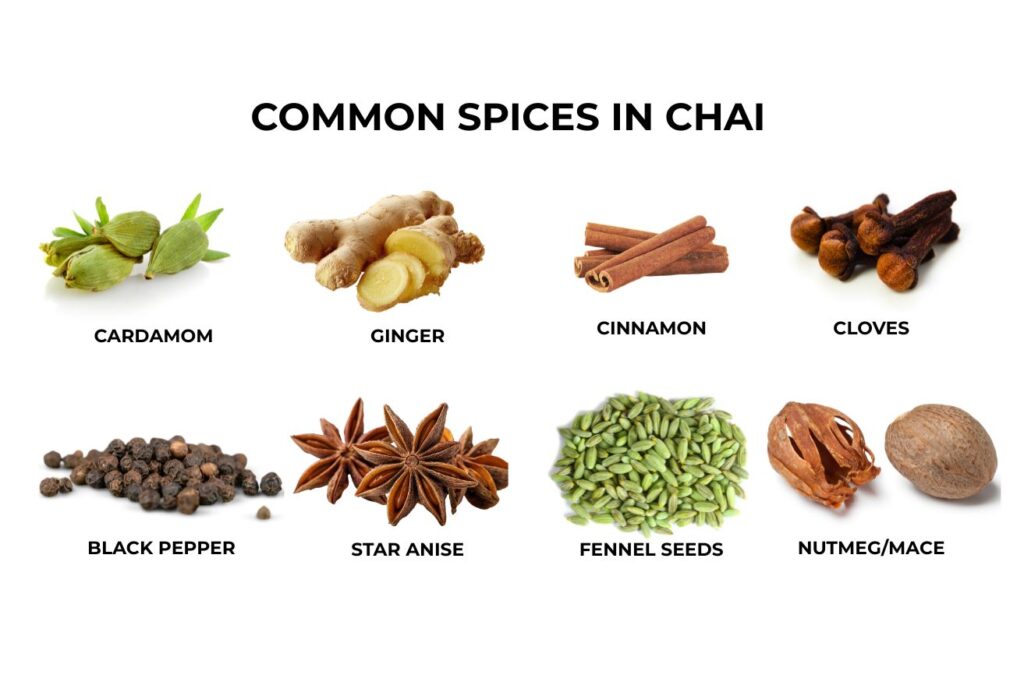
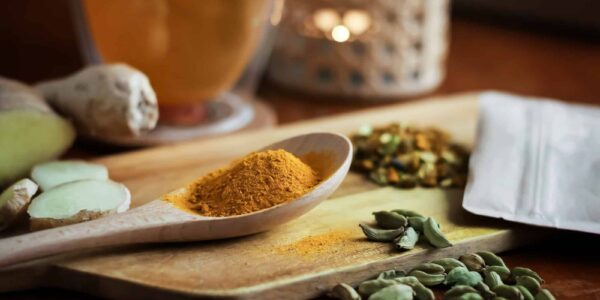
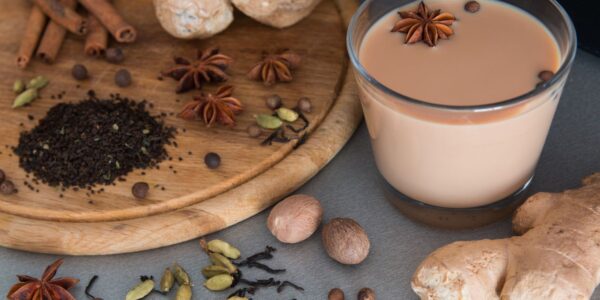
The spices in masala chai are not interchangeable decoration. Each one contributes something specific to the flavour, the aroma and – according to Ayurvedic tradition – the therapeutic effect of the drink. Understanding them individually changes how you taste chai.

Spice Origin Flavour Contribution Traditional Role
Cardamom South India, Guatemala Floral, sweet, eucalyptus-like warmth The defining spice of masala chai - provides the top note. Digestive and aromatic.
Ginger South and Southeast Asia Sharp, warming heat - fresh or dried versions differ significantly Warming and stimulating. Fresh ginger is brighter; dried ginger is deeper and more pungent.
Cinnamon Sri Lanka, Vietnam, China Sweet, woody, warm - true Ceylon cinnamon is delicate; cassia is bolder Sweetness and warmth. Ceylon cinnamon (true cinnamon) is preferred in quality blends.
Cloves Indonesia, Sri Lanka Intense, sharp, medicinal warmth - used sparingly Depth and spice. Powerful - too many dominate the blend. Associated with dental and digestive health.
Black pepper India (Kerala) Dry, sharp heat that builds in the back of the throat The heat that makes chai warming rather than just spiced. Enhances absorption of other spice compounds.
Star anise China, Vietnam Liquorice-like, sweet and anise-forward Not universal but common in some regional styles. Adds exotic sweetness and depth.
Fennel seeds Mediterranean, India Mild anise, fresh and slightly sweet Lightens and freshens heavier blends. Common in Kashmiri and some South Indian styles.
Nutmeg / mace Indonesia, India Warm, sweet, slightly nutty Optional but adds complexity to more elaborate blends. Ground fresh makes a significant difference.
what is chai - the complete guide

The base tea matters as much as the spices

One aspect of chai that rarely gets discussed in the West is the quality and character of the base black tea. Traditional masala chai uses Assam CTC (crush, tear, curl) – a robust, malty, strong black tea that holds its flavour against the intensity of the spices and the richness of the milk.

A delicate Darjeeling first flush would be overwhelmed. A poorly sourced, stale fannings tea produces a flat, one-dimensional chai regardless of spice quality. The tea is the foundation – and it has to be strong enough to bear the weight of the spices above it.

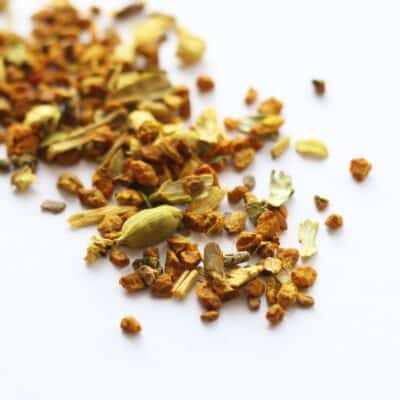
At Teapro, our chai blends are built on quality Assam loose leaf as the base – not fannings or dust. The spices are real whole or coarsely ground ingredients. You can see and smell everything in the bag. That transparency is what separates real chai from a flavoured syrup.

Types of chai

Chai is not a single recipe. It is a family of spiced tea traditions, varying by region, culture and preparation method. Here are the most important styles to understand.

Style Origin Key characteristics What makes it distinct
Masala chai Pan-Indian Black tea, mixed spices, milk, sugar The classic. The benchmark. Infinite regional variations in spice ratios.
Kashmiri chai (noon chai) Kashmir, Pakistan Green tea, milk, salt, cardamom, almonds Pale pink in colour from the bicarbonate. Salted rather than sweet. Completely different from masala chai.
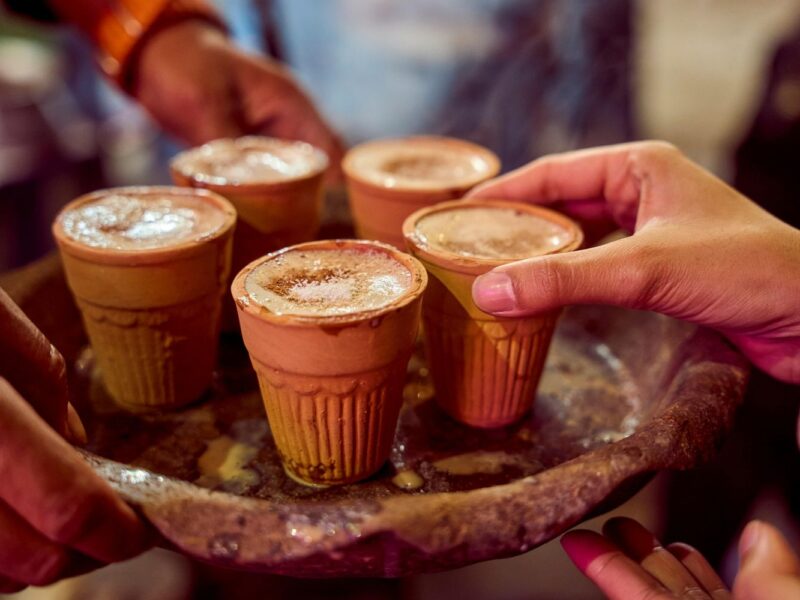
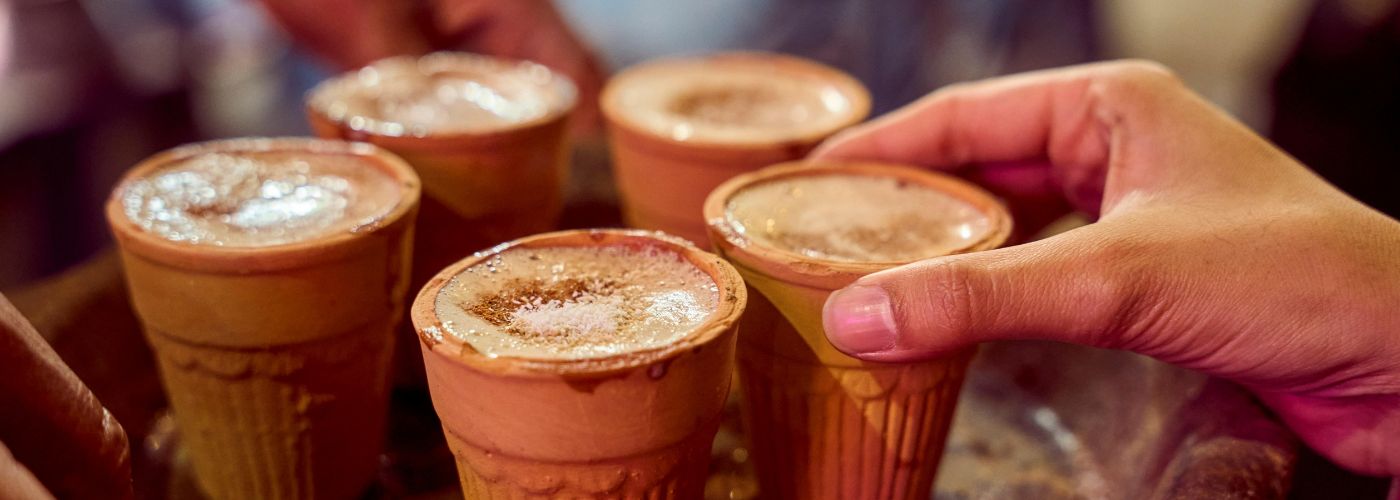
Tandoori chai North India Masala chai poured into a hot clay pot (kulhar) The charred clay vessel adds an earthy, smoky dimension to the drink. A theatre of preparation.
Sulaimani chai Kerala, Gulf region Black tea with lemon, spices, no milk Clear and black - no milk. Popular after meals as a digestive. Cardamom and lemon-forward.
Adrak chai India Black tea, fresh ginger, milk Ginger-focused chai - simpler than full masala but intensely warming.
Cutting chai Mumbai Strong masala chai served in small glasses Half-portions served on the street - concentrated, intensely flavoured, drunk quickly.
Karak chai Gulf states, South Asia Strong black tea, evaporated milk, cardamom Extremely strong and sweet. Often with cardamom as the sole spice. The Gulf's defining tea.
Herbal / caffeine-free chai Western adaptation Rooibos or herbal base with chai spices No black tea - allows all the spice experience without caffeine. Popular for evening drinking.
Loading...
Price range: £22.00 through £42.00
Price range: £6.50 through £89.00
Price range: £6.00 through £79.00

Health benefits of chai

Chai draws its nutritional interest from two sources: the black tea base (with its antioxidants and caffeine) and the spice blend (with a remarkable range of bioactive compounds that have been studied independently). The combination is genuinely interesting.

Ingredient Key compounds Evidence level Associated benefits
Black tea (base) Theaflavins, thearubigins, caffeine, L-theanine Strong Antioxidant activity, cardiovascular markers, gut microbiome support, focused alertness
Cardamom Cineole, limonene, terpinene Promising Digestive support, antioxidant activity, breath freshening, blood pressure in some studies
Ginger Gingerols, shogaols Strong Anti-nausea (well evidenced), anti-inflammatory markers, digestive comfort, warmth
Cinnamon Cinnamaldehyde, coumarin (cassia) Good evidence Blood sugar regulation markers, antioxidant, anti-inflammatory - Ceylon preferred for safety at regular doses
Cloves Eugenol Good evidence One of the highest antioxidant spices by weight. Anti-inflammatory, dental health associations.
Black pepper Piperine Strong Enhances bioavailability of other compounds including curcumin (turmeric) - a natural absorption booster
Star anise Anethole Promising Antimicrobial properties, digestive support, source of shikimic acid (used in antiviral synthesis)

The black pepper effect – why it matters

One of the most fascinating things about traditional masala chai is that the spice combination appears to have been developed intuitively across centuries, and modern research is catching up with why it works.

Black pepper contains piperine – a compound that significantly enhances the bioavailability of other nutrients. This means the other spice compounds in chai are better absorbed when black pepper is present.

This synergy between spices is one reason traditional masala chai formulas are so consistent across centuries – the combination was refined not by food scientists but by generations of chai wallahs observing what felt good and tasted right.

Important note: The health associations above reflect genuine research on these ingredients in isolation or in combination. Chai is not a medicine. The context that matters most is regular, enjoyable consumption as part of an overall healthy lifestyle – not treating it as a supplement. At Teapro, we never make medical claims. We make great chai.

A note on milk and sugar

Traditional masala chai is made with full-fat milk and is sweetened – often quite generously. These are features, not flaws. The fat in the milk carries fat-soluble spice compounds and creates the rich, creamy body that makes chai so satisfying. The sweetness (traditionally from jaggery – an unrefined cane sugar with a molasses character) balances the spice heat.

If you’re watching sugar or dairy intake, plant milks work (oat milk is the most neutral), and jaggery or coconut sugar offer a more complex sweetness than refined white sugar. A chai made with water alone loses much of its character – though some traditions do brew chai this way.

Caffeine in chai

Chai contains meaningful caffeine – because it is built on black tea. The caffeine content varies depending on the tea-to-spice ratio, the strength of the brew and whether milk has diluted the final drink.

Drink Approx. caffeine Notes
Filter coffee (250ml) 95-140mg High benchmark for comparison
Traditional masala chai (250ml) 50-80mg Depends on steep time and tea grade - strong Assam brewed long is at the higher end
Chai latte - cafe (made from syrup) 10-40mg Highly variable - syrup-based versions often have minimal actual tea
Chai latte - cafe (made from tea) 40-70mg Closer to a real chai if the base is brewed Assam
Karak chai (strong, Gulf style) 60-90mg Intensely brewed - high caffeine
Rooibos chai (caffeine-free version) Zero All the spice, none of the caffeine - excellent for evenings
Cutting chai (small street serving) 20-40mg Small volume but intensely concentrated

If caffeine is a concern, rooibos chai is an excellent alternative – rooibos (a South African herbal base) is naturally caffeine-free and holds the spice blend beautifully. All the warmth and complexity, none of the stimulant effect.

How to make chai at home

Making chai from scratch is easier than most people think, and the result is incomparably better than anything that comes from a sachet or syrup. Here is the Teapro method – a traditional simmered masala chai for two cups.

What you need
Ingredient Amount and notes
Loose leaf Assam black tea 2 heaped teaspoons (4-5g) - or 2 Assam teabags as a starting point
Whole milk 200ml - full fat is best; oat milk if plant-based
Water 200ml - filtered if possible
Cardamom pods 4-5 pods, lightly crushed - or 1/2 tsp ground
Fresh ginger 1cm piece, sliced or grated - or 1/4 tsp dried ginger
Cinnamon 1 small stick, or 1/4 tsp ground
Cloves 2-3 whole cloves
Black pepper 3-4 whole peppercorns, cracked - or a pinch of ground
Sugar or jaggery 1-2 tsp to taste - jaggery adds a molasses depth that white sugar doesn't
what is chai

The method – simmered masala chai

  1. Prepare your spices

Lightly crush the cardamom pods with the flat of a knife to crack them open – this releases the seeds and the oils. Crack the peppercorns. Slice or grate the fresh ginger. The spices don’t need to be finely ground – coarse crushing is enough.

  1. Simmer the spices in water

Add the water to a small saucepan with all the spices. Bring to a gentle simmer and let the spices infuse for 2-3 minutes. You’ll see the water begin to take on colour and aroma. This step is where the spice flavours develop properly – don’t skip it.

  1. Add the tea

Add your loose leaf Assam tea directly to the simmering spiced water. Stir briefly. Simmer for a further 2 minutes. The tea should brew strong – this is intentional, as the milk will dilute it.

  1. Add the milk

Pour in the milk and bring everything back to a gentle simmer. Watch it carefully – it will rise quickly. Simmer for 1-2 minutes, stirring occasionally. This is where the chai comes together: the milk picks up the spice and tea flavour and turns a beautiful golden-amber colour.

  1. Sweeten to taste

Add your sugar or jaggery and stir to dissolve. Taste and adjust – traditional chai is noticeably sweet, though you should make it to your preference.

  1. Strain and serve

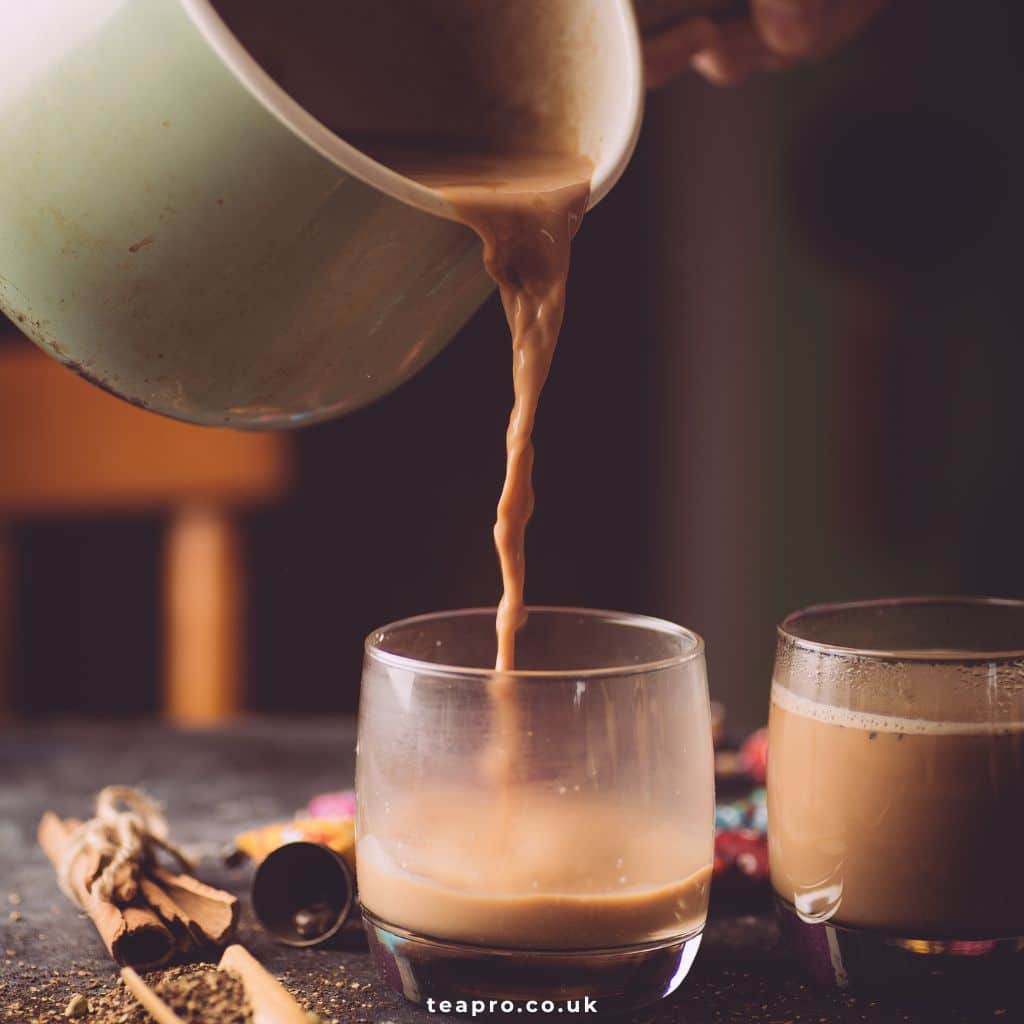
Pour through a fine mesh strainer into your cup. The spent spices and tea leaves stay behind. Serve immediately – chai is best drunk hot, shortly after brewing.

The chai wallah trick: Many experienced chai makers bring the chai to a simmer and then pour it back and forth between the pan and a cup several times before serving. This aerates the drink, creates a frothy surface and – they say – fully marries the spice, tea and milk. Try it. It works.

Cold chai

Chai can be cold-brewed or made hot and chilled – both work beautifully. For cold chai, brew a concentrated batch (double the tea and spice quantities in half the water), let it cool, strain, and add cold milk over ice. Sweetened with jaggery syrup (jaggery dissolved in a little warm water), it is one of the most satisfying cold drinks imaginable.

Adjusting for your taste
If you want... Adjust this
More heat and spice Add more black pepper and ginger - these carry the heat
More floral, aromatic character Increase cardamom - the most aromatic spice in the blend
More depth and sweetness Add more cinnamon, or switch to a cinnamon stick
Less bitterness Reduce steep time for the tea, or use a slightly lower heat
Stronger overall flavour Increase tea quantity rather than steep time - or use a stronger Assam grade
Caffeine-free version Replace Assam with rooibos - keep all other ingredients the same

Chai vs chai latte – what’s the real difference?

This is one of the most important distinctions in the guide – because the two drinks that share the word ‘chai’ are often almost completely different products.

Feature Traditional masala chai Cafe chai latte
Base Brewed loose leaf Assam black tea Usually a pre-made syrup or powder concentrate
Spices Real whole spices simmered directly Artificial or 'natural' chai flavouring in the syrup
Milk Simmered together with the tea and spices Steamed separately and poured over
Sweetness Jaggery or sugar to taste Often heavily pre-sweetened in the syrup
Caffeine Medium-high from real brewed Assam Often lower - depends on syrup formulation
Flavour Complex, layered, spice-forward, slightly bitter Sweet, smooth, one-dimensional, dessert-like
Preparation 10-12 minutes simmering Under 2 minutes with a syrup pump
Cost to make Low - real ingredients are inexpensive Cafe price - primarily for convenience and branding
masala chai
chai tea- chai latte

The chai latte is not inherently bad – it’s a different drink entirely. But it’s worth knowing that when you order one, you are almost never drinking anything made from real brewed tea or real spices. You’re drinking a flavoured milk drink. It may be delicious. It is not masala chai.

The rise of the chai latte has, in one sense, introduced millions of people to the idea of spiced tea. But it has also set a flavour expectation – sweet, milky, dominated by cinnamon and vanilla – that is almost the opposite of what real masala chai delivers. Real chai is spicy. It’s a little bitter. It has edges. It’s more complex and more satisfying than any latte-format version.

How to buy chai well

Chai is one of the categories most prone to poor quality and misleading labelling. Here’s how to navigate the market.

Look for Avoid
Loose leaf format - you can see the base tea and the whole or coarsely cut spices clearly Dust and fannings in teabags - low-grade base that can't hold against the spices
Identifiable spices in the ingredients list - cardamom, ginger, cinnamon, cloves, pepper by name Vague 'spice blend' or 'natural flavouring' as the flavour source
No artificial flavourings - real masala chai doesn't need them Artificial vanilla, artificial cinnamon flavour - these dominate and flatten the real spice profile
Assam as the base black tea - it's the traditional and most appropriate choice Generic 'black tea' with no origin information
Visible whole spice pieces - cardamom seeds, small cinnamon shards, peppercorns Homogenous fine powder with no texture or visible ingredients
Brewing instructions that involve simmering - a sign the brand understands the traditional method Brewing instructions for a simple 2-minute steep in a mug - rarely produces good chai

Pre-made chai blends vs building your own

A quality pre-blended masala chai from a trusted source (like Teapro) is the best starting point – the spice ratios have been developed and tested to work together in proportion. As you develop your palate, you can start adjusting – adding more ginger, more cardamom, or experimenting with star anise and fennel.

Building your own blend from scratch is one of the most rewarding things you can do as a chai drinker. Buy whole spices, experiment with ratios, and discover what your personal masala chai looks like. The tradition has always been personal – every household has its own recipe.

The Teapro standard: Our chai blend is built on quality Assam loose leaf with whole and coarsely ground real spices – nothing artificial. The ingredients list is short, identifiable and honest. We include full brewing instructions for the traditional simmered method. Because that’s the only way to taste chai properly

Frequently asked questions

‘Chai’ simply means tea in Hindi. ‘Masala chai’ means spiced tea – the full name for the black tea and spice blend most people in the West mean when they say chai. In everyday Western usage, ‘chai’ has come to mean masala chai by default – but it’s worth knowing the original word means something broader.

Chai made from real brewed black tea and whole spices carries genuine nutritional interest – from the antioxidants in the black tea base to the bioactive compounds in cardamom, ginger, cinnamon and cloves. The combination is more than the sum of its parts, and traditional Ayurvedic medicine has long treated these spice combinations as therapeutic. That said, chai is a food and a ritual – not a medicine. Drink it because it’s wonderful.

Yes – traditional masala chai is built on black tea, which contains meaningful caffeine (roughly 50-80mg per cup depending on strength). If you want all the spice experience without the caffeine, rooibos chai is an excellent alternative – rooibos holds the spice blend beautifully and is naturally caffeine-free.

Yes, though it changes the character of the drink significantly. Traditional masala chai is always made with milk – the fat carries the spice compounds and creates the rich body. A black chai (no milk) is closer to sulaimani chai, which is a different but equally valid tradition. If you want the creamy experience without dairy, oat milk is the most neutral plant-based option.

A chai latte is a Western cafe drink typically made from a pre-sweetened chai syrup or powder concentrate, combined with steamed milk. It is a different drink from masala chai – sweeter, smoother and usually made without any real brewed tea or whole spices. It can be delicious, but it is not masala chai.

The core spices in masala chai are cardamom, ginger, cinnamon, cloves and black pepper – though the specific blend varies by region and household. Some versions also include star anise, fennel seeds, nutmeg or mace. There is no single correct recipe. The tradition is personal.

Usually because the tea has been steeped too long or at too high a temperature relative to the milk ratio. Try brewing shorter, increasing the milk proportion, or adding sweetener to balance. Real masala chai has a pleasant, mild bitterness from the Assam base – but it should be balanced by the spices, milk and sweetness, not dominating.

Karak chai (sometimes called ‘pulled tea’ or ‘teh tarik’ in Malaysia) is an intensely strong, sweet tea popular in the Gulf states and parts of South Asia. It typically uses evaporated milk for extra richness and is brewed extremely strong. Cardamom is usually the dominant (or sole) spice. It is bolder and more intense than everyday masala chai.

About Teapro

Teapro is a UK-based premium loose leaf tea brand. We source the purest single-origin teas and natural herb blends we can find. We believe artificial flavourings mask the real taste of tea – so wherever possible, we let the leaf speak for itself.

Our ‘Become a Teapro’ 12-box subscription is the only structured tea education programme of its kind in the UK – covering green, black, herbal, chai, oolong, pu-erh, yerba, matcha, fruit, white, magic and rooibos.

Chai is one of our 12 tea types in the Become a Teapro subscription programme – and it earns its place as a full category in its own right. A well-made masala chai, brewed from quality loose leaf tea and real whole spices, is as complex and rewarding as any single-origin green tea.

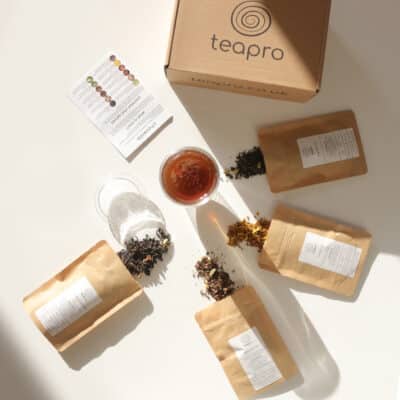
PS: if you’re not ready to subscribe, you can also check out our one-off “Chaiwala” Chai Discovery box featuring 4 unique chai blends.

Loading...
Loading...
Price range: £22.00 through £42.00

Teapro co-founder. Favourite tea - Long Jing Dragon Well Green Tea. Obsessed with film, photography and travelling.

No Comments

Post A Comment