21 May Matcha vs Green Tea: What’s Actually the Difference?
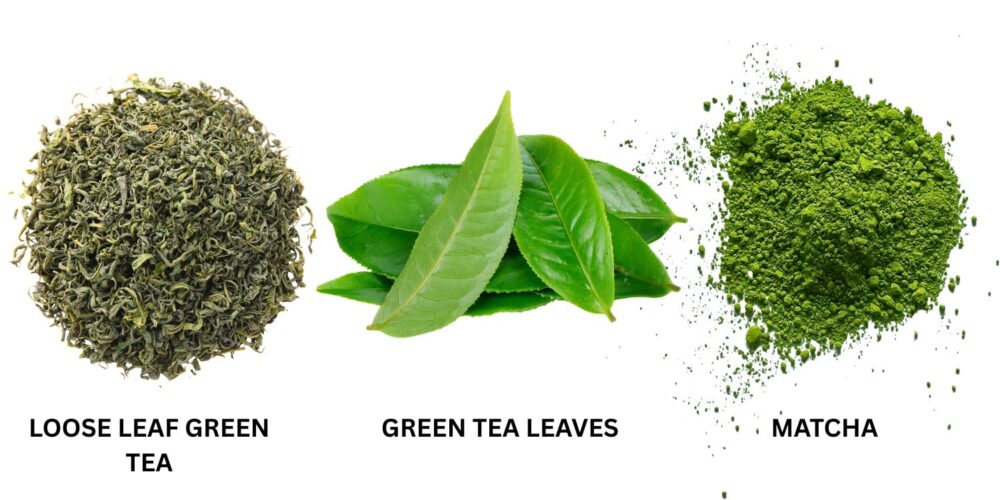
Matcha and green tea both come from the same plant – Camellia sinensis. They are both green. They are both associated with Japan.
But if you have ever drunk a bowl of properly whisked ceremonial matcha next to a cup of sencha brewed at the right temperature, you will know immediately that these are two entirely different experiences.
The difference is not just about flavour. It is about how the plant is grown, how the leaf is processed, how you prepare it, and ultimately what ends up in your cup. Understanding the distinction matters – not just as a piece of tea education, but because it changes how you choose, how you brew, and how much you get from each one.
At Teapro, we believe that knowing what you are tasting is as important as the tea itself. So let us break down the matcha vs green tea question properly – with the nuance it deserves.
Table of contents
Same plant, different story: where matcha and green tea come from
How green tea is grown and made
How matcha is grown and made – and why it’s different
Matcha vs green tea: key differences at a glance
Matcha vs green tea: taste
Matcha vs green tea: caffeine
Matcha vs green tea: health benefits
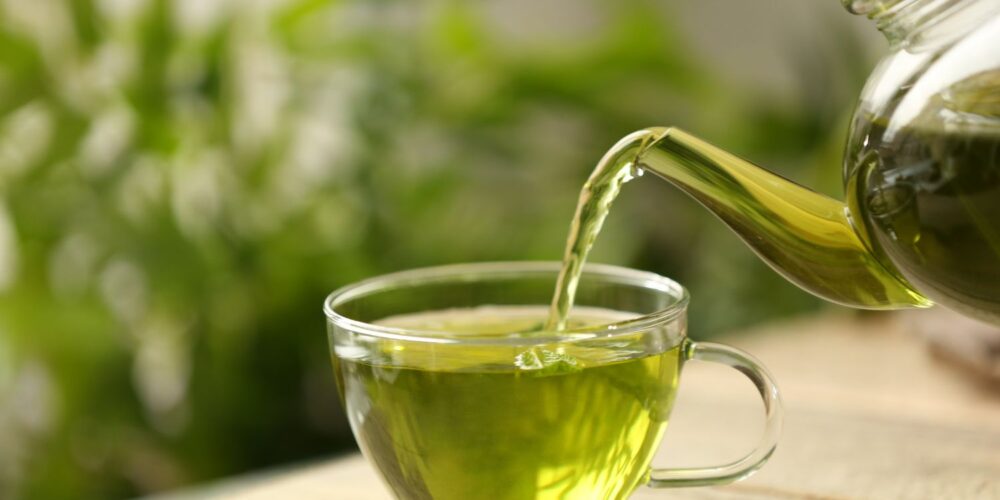
How to brew loose leaf green tea
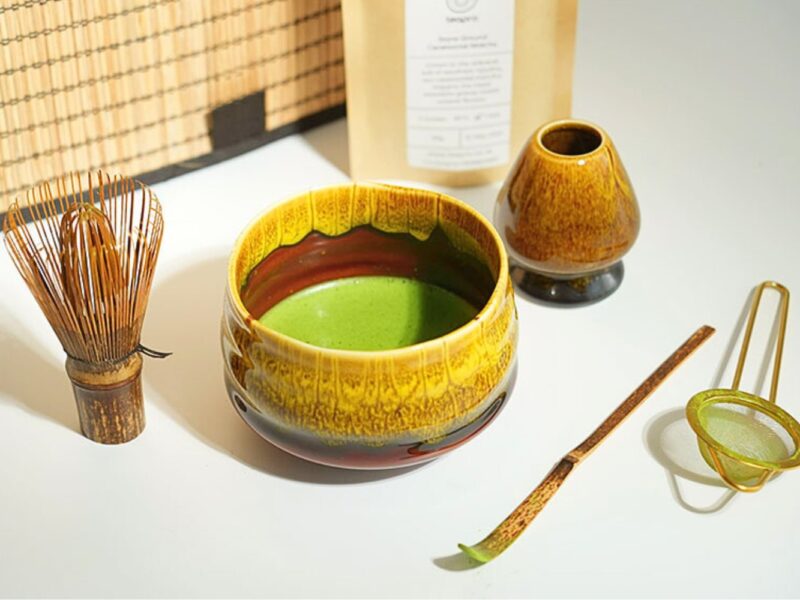
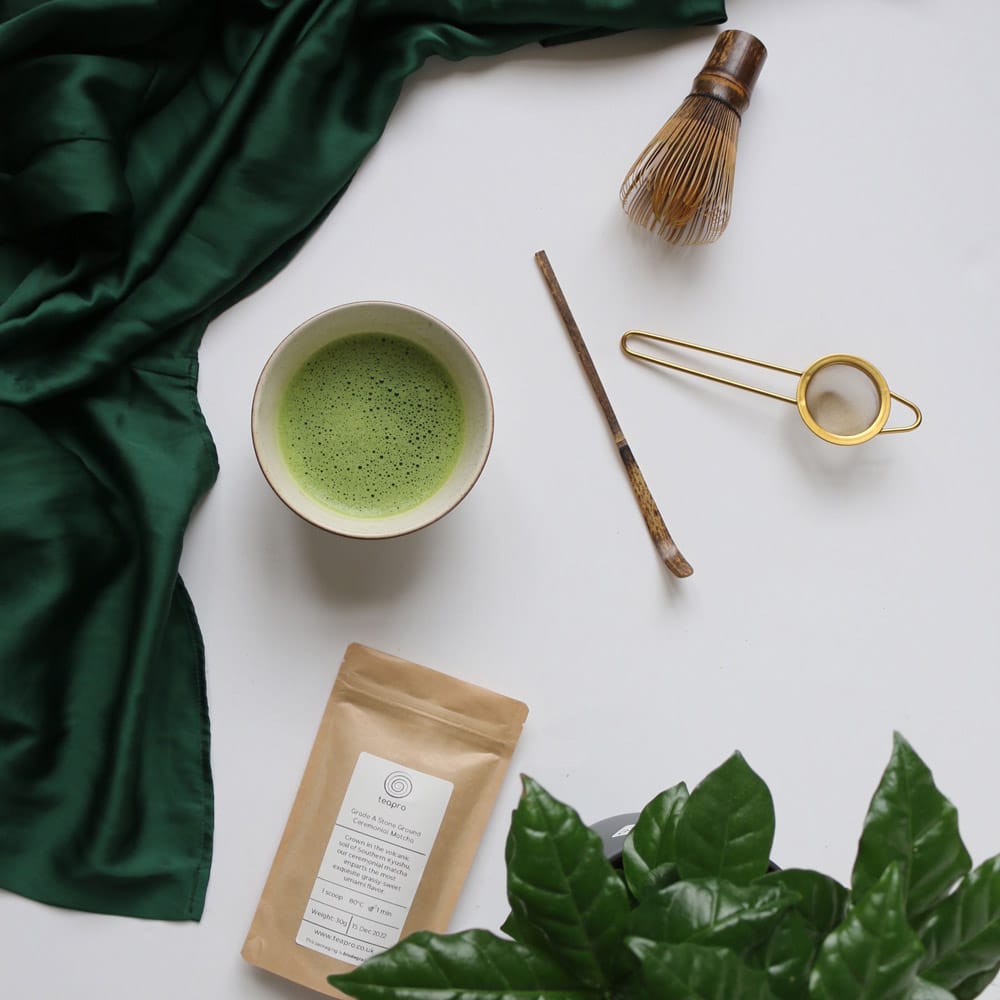
How to prepare matcha
Which should you choose?
FAQ
Explore matcha and green tea at Teapro
Same plant, different story: Where Matcha and Green tea come from
Both matcha and green tea begin with Camellia sinensis – the tea plant. The difference starts before the plant is even harvested, in how it is grown, and diverges further in how the leaf is processed after picking.
Green tea is a broad category. It includes hundreds of different varieties from China, Japan, Korea, and beyond – each with different cultivars, growing conditions, harvest times, and processing methods. Sencha, dragonwell (Longjing), gyokuro, gunpowder, bi luo chun: all green teas, all profoundly different.
Matcha is a specific product: stone-ground green tea powder made from a shade-grown leaf called tencha. It is almost exclusively Japanese in origin (though Chinese stone-ground green powders exist and are different).
It is not simply powdered green tea – the way the leaf is grown and processed before grinding determines everything about what matcha is.
The simplest way to understand it: matcha is a form of green tea, but not all green tea is matcha. Matcha is green tea taken to a precise, highly specialised extreme.
How Green tea is grown and made
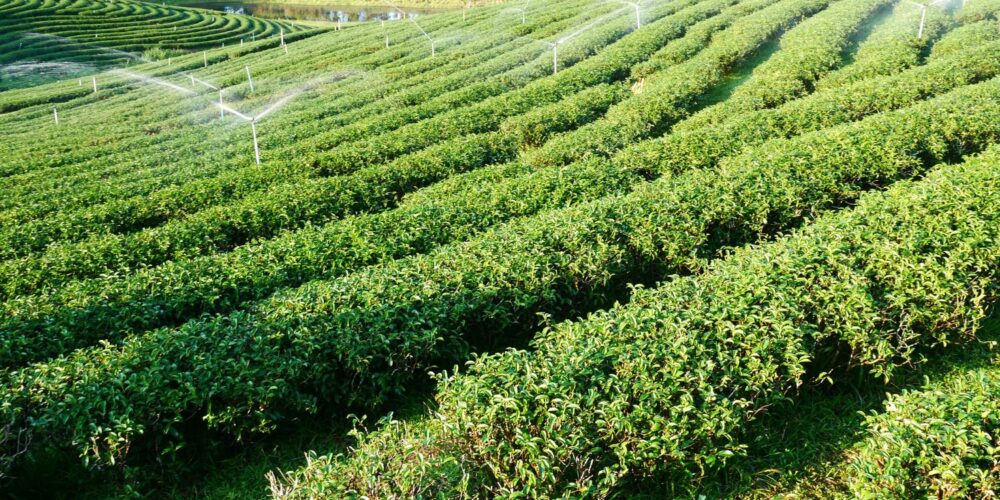
Most green tea is grown in open fields under full sun. After harvesting – typically by hand for higher grades – the key step is preventing oxidation.
Where black tea is deliberately oxidised (turning brown), green tea production is designed to stop oxidation immediately, preserving the green colour and the fresh, vegetal character of the leaf.
In Japan, this is done by steaming the leaf – producing the characteristic grassy, umami character of Japanese green teas. In China, the leaf is typically pan-fired in large woks, which produces a drier, nuttier, more diverse flavour range.
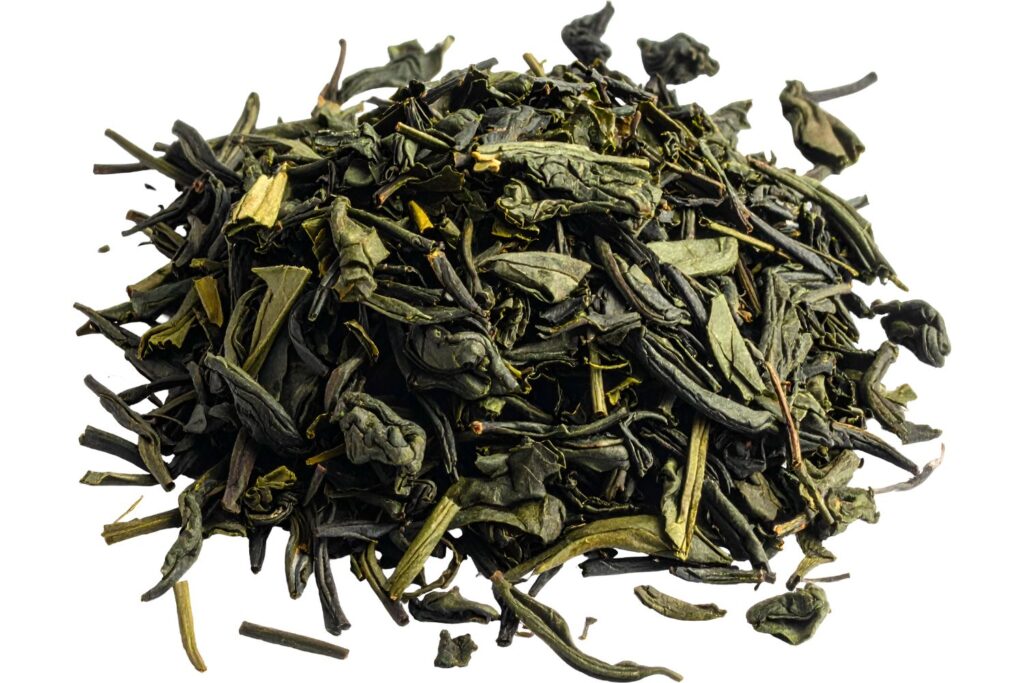
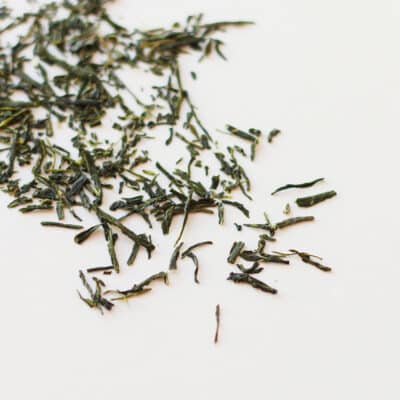
After the heat treatment, leaves are rolled into their characteristic shapes (twisted, flat, balled, needle-like), dried, and sorted. The resulting leaf is steeped in hot water when brewed, and then removed – you are drinking an infusion of the leaf, not the leaf itself.
This is one of the most fundamental differences from matcha, and it has significant implications for everything that follows.
How Matcha is grown and made – and why it’s different
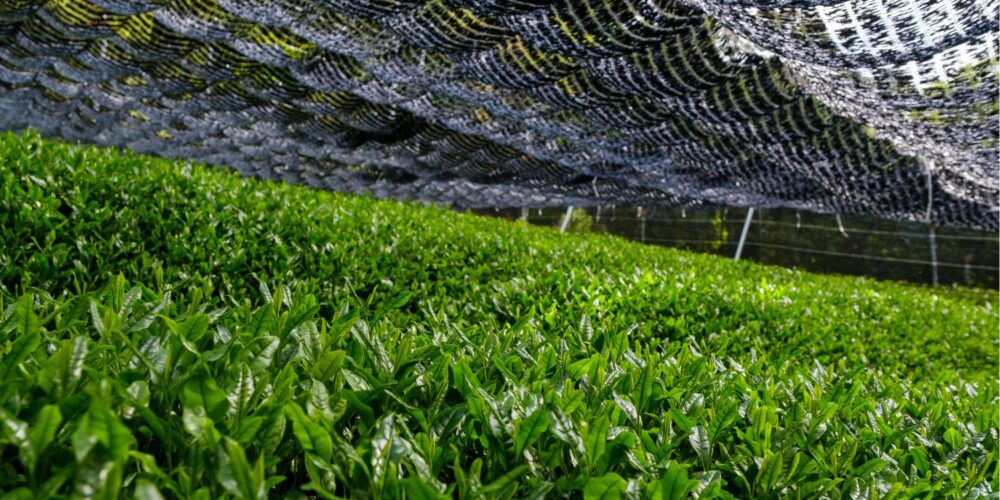
Matcha production begins with a decision made weeks before harvest: the tea plants are shaded. Typically around three to four weeks before picking, shade covers are placed over the plants, blocking 70-90% of direct sunlight.
This forces the plant to produce more chlorophyll (which is why matcha is so intensely green) and dramatically increases the concentration of L-theanine, the amino acid responsible for matcha’s distinctive calm focus.
The shade-grown leaf used specifically for matcha is called tencha. After harvest, the leaves are steamed, dried flat without rolling, and then de-stemmed and de-veined – a careful process that removes the fibrous parts and leaves only the pure leaf flesh.
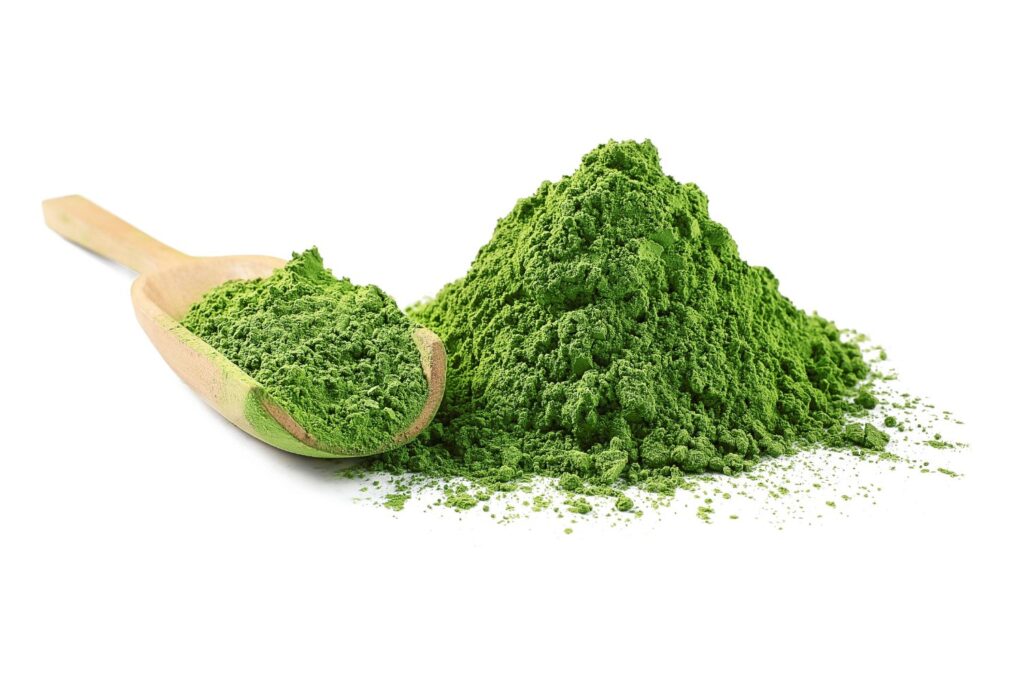
This tencha is then ground slowly, in very small batches, on granite stone mills. The grinding process is slow – often producing only 30-40 grams per hour – because heat from faster grinding would damage the delicate compounds. The result is an extraordinarily fine, bright green powder.
When you drink matcha, you are consuming the entire leaf – not just an infusion. This is why the concentration of virtually every compound in matcha is dramatically higher than in steeped green tea.
Matcha vs Green tea: Key differences at a glance
| Matcha | Loose Leaf Green Tea | |
|---|---|---|
| What you consume | Whole leaf ground to powder - you drink the entire leaf | Leaf is steeped and removed - you drink the infusion only |
| Growing method | Shade-grown for 3-4 weeks before harvest | Typically grown in full sun |
| Caffeine per serving | Higher - approx 60-80mg | Lower - approx 25-40mg |
| L-theanine | Very high - concentrated from shading | Present but lower |
| EGCG (antioxidants) | Much higher - whole leaf consumed | Moderate - partial extraction |
| Flavour | Rich, umami, grassy, slightly bitter | Light, fresh, vegetal, variable by origin |
| How to prepare | Whisked with hot water | Steeped and strained |
| Price | Higher - especially ceremonial grade | More accessible across grades |
| Best for | Focused energy, lattes, cooking | Everyday drinking, exploring origins |
Matcha vs Green Tea: Taste
This is where many people are surprised – because the difference is not subtle.
Loose leaf green tea
The flavour of green tea varies enormously by type and origin. Japanese green teas – sencha, gyokuro, kabusecha – tend to be grassy, vegetal, and umami-rich, with a clean sweetness and gentle bitterness when brewed correctly.
Chinese green teas – Longjing, bi luo chun, mao feng – tend to be nuttier, lighter, and more floral.
Good loose leaf green tea brewed at the right temperature (typically 70-80 degrees C) is delicate and refreshing. It rewards attention. There is rarely any harshness if it is brewed properly.
Matcha
Matcha is much more intense. The flavour is rich, thick, and umami-forward – sometimes described as grassy, sometimes almost marine.
Good matcha has a natural sweetness that lingers on the palate, and a slight bitterness that is pleasant rather than sharp.
The texture is thicker than steeped tea – creamy when whisked properly with the right ratio of powder to water.
Ceremonial grade matcha, sourced from a quality producer with minimal processing and no additives, has a complexity and depth that makes it genuinely comparable to tasting single-origin chocolate or wine.
Culinary grade matcha – which is appropriate for cooking and lattes – is more robust and less nuanced.
Understanding matcha grades matters enormously. If you have ever had matcha that tasted harsh or aggressively bitter, the issue was almost certainly the grade. Read our full guide to matcha grades at Teapro to understand what to look for and what each grade is actually best used for.
Matcha vs Green tea: Caffeine
Caffeine is one of the biggest practical differences between matcha and loose leaf green tea – and it is worth understanding clearly.
A standard cup of steeped green tea contains roughly 25-40mg of caffeine, depending on the variety, brew temperature, and steep time. Gyokuro – the shade-grown Japanese green tea that is the closest relative to matcha – can reach 40-50mg. Sencha typically sits around 25-35mg.
A standard serving of matcha (1-2g of powder) contains roughly 60-80mg of caffeine. Because you are consuming the whole leaf rather than an infusion, significantly more caffeine reaches your system.
However – and this is important – matcha’s caffeine behaves differently in the body. The high concentration of L-theanine in matcha (elevated by the shading process) modulates the caffeine, producing a calmer, more sustained energy.
The experience is often described as alert without anxious, focused without wired. Many people who find coffee anxiety-inducing find matcha a revelation.
| Matcha | Loose Leaf Green Tea | |
|---|---|---|
| Caffeine per serving | Approx. 60–80mg | Approx. 25–40mg |
| Why higher or lower | You consume the whole leaf - not just an infusion | Leaf is steeped and removed - only a portion of caffeine is extracted |
| L-theanine content | Very high - elevated by the shading process | Present but lower |
| How caffeine feels | Calm, sustained focus - alert without anxious. L-theanine modulates the caffeine effect | Lighter, gentler lift - less likely to cause a noticeable energy shift |
| Best for | Morning focus, replacing coffee, sustained energy without the spike | Multiple cups across the day, gentle daily drinking |
| Closest green tea comparison | - | Gyokuro (shade-grown) reaches 40–50mg - the closest green tea comes to matcha caffeine levels |
The L-theanine in matcha is not just a mild modifier – it fundamentally changes the character of the caffeine experience. This is well-established in nutritional neuroscience and is one of the most genuinely distinctive things about matcha as a drink.
Matcha vs Green tea: Health benefits
Both matcha and green tea are associated with significant health benefits – primarily driven by their antioxidant content, particularly EGCG (epigallocatechin gallate) and other polyphenols. But because matcha involves consuming the whole leaf, the concentrations are considerably higher.
Antioxidant content
Because matcha involves consuming the entire ground leaf rather than a steeped infusion, the antioxidant content per serving is substantially higher than steeped green tea.
Studies have suggested matcha may contain up to 10-15 times more EGCG than a standard cup of green tea, though this varies significantly by grade and preparation.
L-theanine and cognitive focus
Both contain L-theanine, but matcha – particularly shade-grown matcha – contains considerably more. The evidence that L-theanine combined with caffeine produces a state of calm, sustained focus is well-established and represents one of the strongest evidence bases in tea nutrition.
Metabolism support
Green tea polyphenols, particularly EGCG, have been associated with modest increases in energy expenditure and fat oxidation in multiple studies. Matcha, with its higher EGCG content per serving, may amplify this effect – though the evidence is stronger in aggregate for green tea consumption than for matcha specifically.
Blood sugar and heart health
Both green tea and matcha have been associated with improvements in blood sugar regulation and cardiovascular markers in observational research.
The mechanisms involve polyphenol action on glucose metabolism and LDL oxidation. These are consistent associations in the literature, though not at the level of established medical treatment.
The honest caveat
Most of the clinical research on green tea benefits is conducted using standardised extracts or specific tea types. Results do not always translate directly to comparing matcha with a cup of sencha at home.
The broader evidence strongly supports regular consumption of pure, high-quality green tea – in either form – as a meaningful contributor to a health-conscious lifestyle.
How to brew loose leaf Green tea
The single most common mistake with green tea is water that is too hot. Boiling water destroys the delicate amino acids and catechins responsible for the best flavour and many of the health benefits. Green tea deserves cooler water than almost any other tea type.
- Water temperature: 70-80 degrees C – lighter Japanese styles at the lower end, Chinese greens a little higher
- Quantity: 2-3g per 200ml
- Steep time: 1-3 minutes – taste as you go, shorter for delicate Japanese greens
- Vessel: ceramic or glass; avoid metal
- Re-steeps: quality loose leaf green tea gives two or three excellent infusions – later steeps often reveal different flavour notes
A temperature-controlled kettle makes a real difference here. If you do not have one, simply boil your water and let it cool for three to four minutes before pouring.
How to prepare Matcha
Matcha preparation is its own ritual – and getting it right produces a fundamentally different experience from the powdered matcha lattes most people encounter in coffee shops.
Traditional preparation (usucha – thin tea)
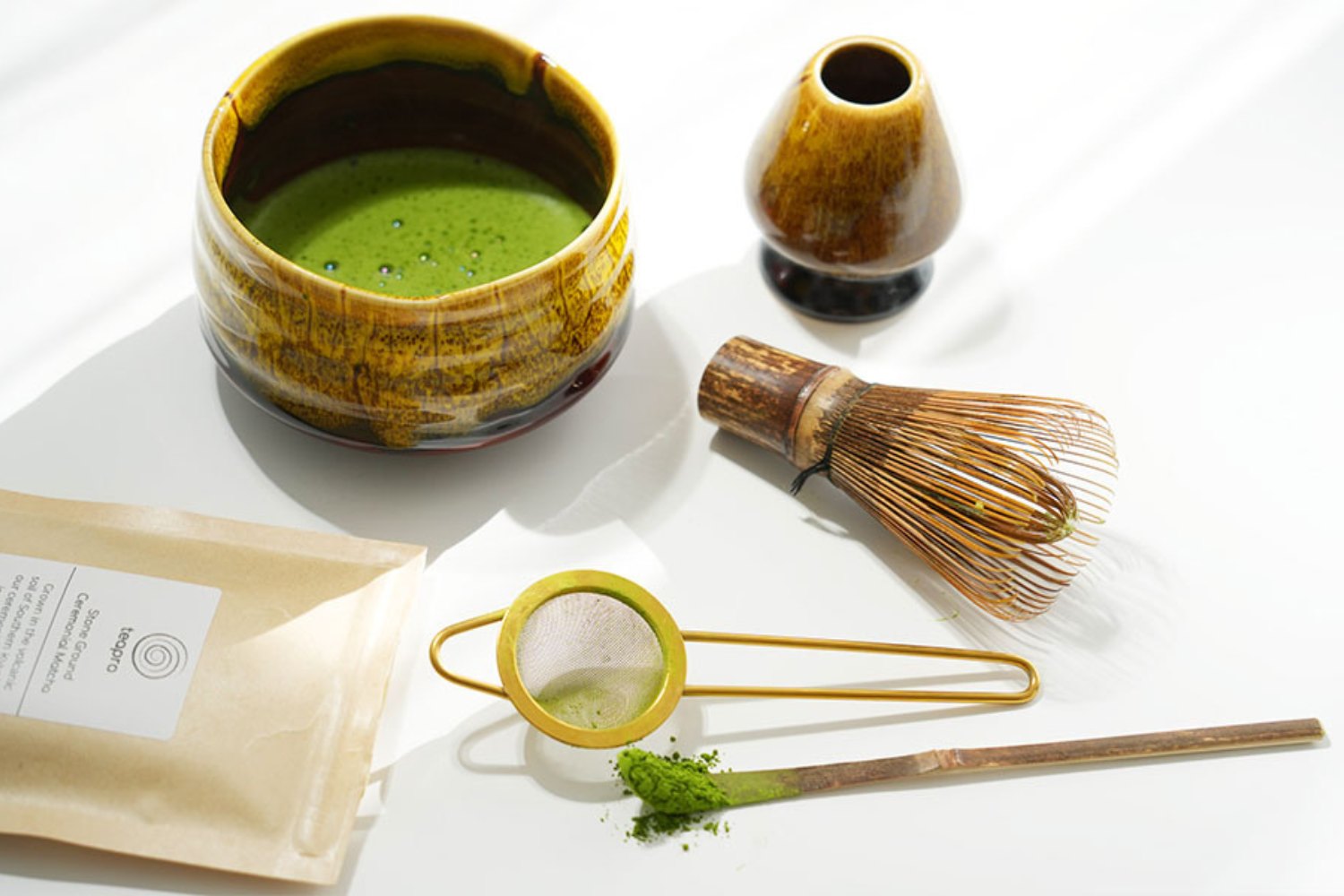
- Sift 1-2g of matcha powder into a prewarmed bowl or cup – sifting is not optional, it prevents clumping
- Add approximately 70-80ml of water at 75-80 degrees C (not boiling – this damages the flavour)
- Whisk vigorously in a W or M motion with a bamboo chasen (matcha whisk) until fully incorporated and a light froth forms on the surface
- Drink immediately – matcha settles and separates if left
For matcha lattes
Use 1-2g of matcha (culinary or latte grade works well here) whisked with a small amount of hot water to form a paste first, then top with steamed or frothed milk of your choice. This produces a smoother result than adding powder directly to milk.
Not sure which matcha grade to use? Our guide to matcha grades explains exactly what ceremonial, latte, and culinary grades are actually suited for – and which Teapro matcha to choose for your intended use.
If you want to take your matcha further, try our matcha pancake recipes for more ways to cook and bake with culinary grade.
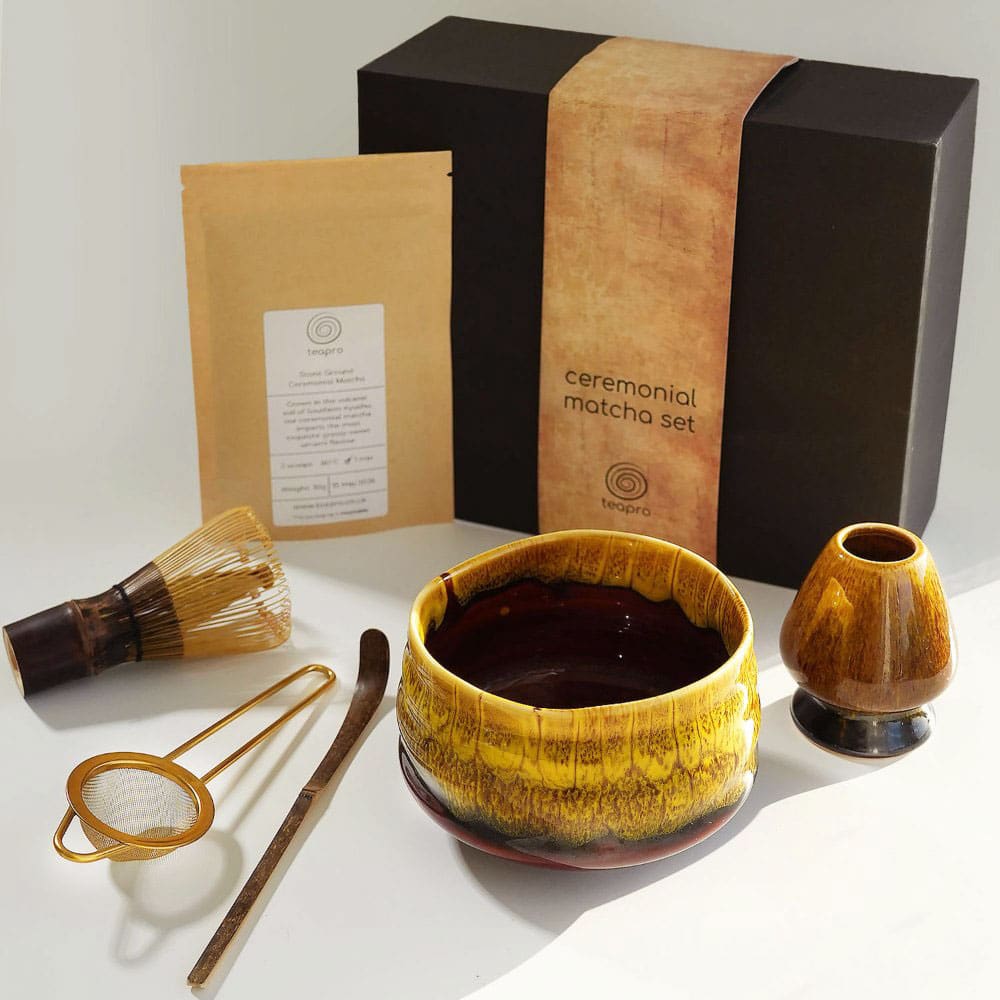
Premium Ceremonial Matcha Set – Yellow Matcha Gift Set
Yin & Yang Matcha Starter Kit | Matcha Ceremony Set
Which should you choose?
There is no hierarchy here – matcha and loose leaf green tea are different tools for different moments. The better question is what you are looking for.
Choose loose leaf green tea if…
- You want to explore the extraordinary range of flavours green tea offers across different origins
- You enjoy the ritual of steeping and the meditative quality of watching leaves open in hot water
- You prefer a lighter caffeine hit and a more delicate experience
- You want to drink several cups across a day without a significant caffeine load
- You are moving away from coffee and want something gentle and interesting
Choose matcha if…
- You want a more concentrated, energising experience with a distinctive calm focus
- You are replacing a morning coffee and want something with genuine caffeine but without the anxiety
- You enjoy the umami richness and intensity of matcha’s flavour
- You want to cook or bake with it, or make matcha lattes
- You are interested in the highest possible antioxidant concentration per cup
Many tea lovers eventually keep both. They are complementary rather than competing – each occupying a different place in the day and the ritual.
Matcha “Land of Fire” Ceremonial Grade Matcha Green Tea
Frequently asked questions
Not exactly – though that is a common simplification. Matcha is made from a specific shade-grown green tea leaf called tencha, which undergoes a distinct growing and processing method before being stone-ground into powder. Regular green tea ground into powder would taste very different and have a different nutritional profile. The shading process, which concentrates L-theanine and chlorophyll, is what makes matcha matcha.
Matcha has significantly more caffeine per serving – typically 60-80mg compared to 25-40mg in a cup of steeped green tea. However, matcha’s high L-theanine content means the caffeine behaves differently, producing a calmer, more focused energy rather than a sharp spike. Many people find matcha more manageable than coffee despite the comparable caffeine content.
Matcha contains higher concentrations of antioxidants, L-theanine, and EGCG per serving because you are consuming the whole leaf rather than a steeped infusion. In that specific sense, yes – it delivers more of the beneficial compounds per cup. But both are genuinely health-supportive drinks, and the best choice for health is whichever one you will drink consistently and with pleasure.
No. You cannot make genuine matcha by grinding loose leaf green tea. The flavour, colour, and nutritional profile of matcha come specifically from the shading process applied to tencha before harvest. Grinding standard green tea would give you a green powder, but not matcha. The results would be significantly more bitter and less nutritionally concentrated.
Ceremonial grade matcha is made from the youngest, most delicate leaves of the first harvest. It has the sweetest, most complex flavour and the brightest green colour – it is designed to be drunk as tea, whisked with water alone. Culinary or latte grade matcha uses later harvests and slightly more mature leaves; it is more robust, slightly more bitter, and perfectly suited to cooking, baking, and lattes where other flavours are present.
The most common causes of bitter matcha are: water that is too hot (above 80 degrees C damages the delicate flavour compounds), using too much powder, or using a lower-grade matcha with insufficient L-theanine to balance the natural bitterness. Ceremonial-grade matcha, properly prepared with water at around 75-80 degrees C and carefully whisked, should have a natural sweetness alongside the vegetal depth.
Matcha contains significantly more antioxidants per serving, particularly EGCG. Because you consume the entire ground leaf in matcha rather than a steeped infusion, a much higher proportion of the antioxidant compounds ends up in your cup. Studies have estimated matcha may contain up to 10-15 times the EGCG of a standard brewed green tea, though this varies significantly by grade and preparation.
Absolutely – and many dedicated tea drinkers do. They serve different purposes well. Matcha is particularly well-suited to a focused morning ritual where you want concentrated energy and a richer experience. Loose leaf green tea is often better for multiple cups across a day, for exploring the diversity of the green tea category, and for a lighter, more delicate experience. They complement each other beautifully.
Explore Matcha and Green Tea at Teapro
All teas in the Teapro range are sourced as single-origin loose leaf with no artificial flavourings – whether you are looking for a pure, ceremonial-grade matcha or a beautifully nuanced loose leaf green tea.
Browse our matcha grades guide to understand exactly what you are choosing, or explore our broader green tea and matcha collection to find the right tea for where you are in your journey.
Every Teapro purchase comes with brewing guidance and tasting notes built in. We believe that understanding what is in your cup – how it was grown, how to prepare it, what to taste for – is what turns a tea drinker into a tea pro. That is not a tagline. It is genuinely what we are here to do.
If you want to explore both matcha and green tea as part of a structured journey through all twelve tea types, our 12-box Become a Teapro subscription includes dedicated months for each – with the context, the history, and the brewing knowledge to get the very best from every leaf.

Teapro co-founder. Favourite tea - Long Jing Dragon Well Green Tea. Obsessed with film, photography and travelling.


No Comments