20 May What Is Fruit Tea? The Complete Guide
Fruit tea is the fastest-growing category in the UK tea market – and also one of the most misrepresented. Most people have had a fruity tea bag that smelled incredible in the packet and tasted of very little in the cup. That’s not fruit tea’s fault. That’s artificial flavouring doing the work that real ingredients should be doing.
This guide is here to help you understand what fruit tea actually is, why the real thing is worth seeking out, how to brew it properly, and how to tell genuine quality from a clever marketing label. Whether you’re caffeine-free for health reasons, a committed tea drinker expanding your palate, or just curious about that hibiscus blend you’ve been eyeing – start here.
Contents
1. What is fruit tea?
2. Is fruit tea really tea?
3. Types of fruit tea and key ingredients
4. Health benefits
5. Caffeine content
6. How to brew fruit tea
7. What does it taste like?
8. Fruit tea vs herbal tea vs green tea
9. How to buy fruit tea well
10. Frequently asked questions
11. About Teapro
What is fruit tea?
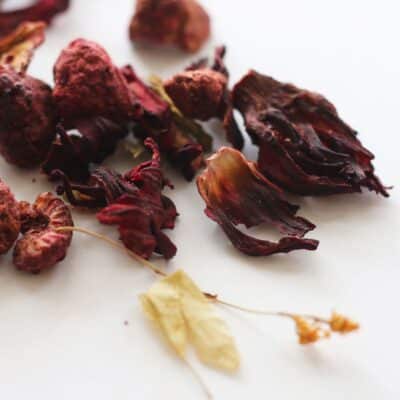
Fruit tea is a category of drink made from dried fruits, flowers, berries, peels and botanicals – steeped in hot or cold water. The key thing to understand immediately is that most fruit teas contain no tea leaves whatsoever.
There is no Camellia sinensis – the plant behind all true teas (green, black, oolong, white, pu-erh). What you’re brewing is a tisane, or herbal infusion.
The word ‘tea’ is used loosely in common language to refer to any hot drink made by steeping something in water. Strictly speaking, only drinks made from Camellia sinensis are true teas.
But fruit tea has earned its place in the wider tea world – and at Teapro, it sits proudly as one of our 12 tea types in the Become a Teapro programme.
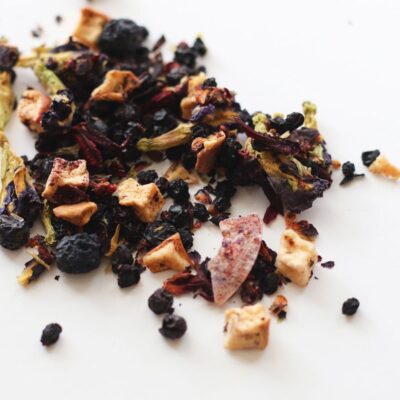
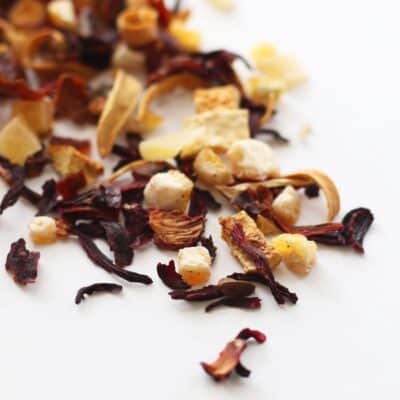
Good fruit tea is made from whole or cut dried ingredients – you can see and smell what you’re getting. Poor fruit tea is made from low-grade base material (often dried apple or rosehip as cheap filler) with artificial flavourings sprayed on to create the scent. The difference in the cup is significant.
Quick facts
| Fact | Detail |
|---|---|
| Contains tea leaves? | Usually no - most fruit teas are caffeine-free herbal infusions |
| Main ingredients | Dried fruits, berries, flowers, peels, botanicals |
| Origin | Widely made across Europe, Asia and South America - hibiscus is especially common in West Africa and Latin America |
| Caffeine content | Typically zero - naturally caffeine-free unless blended with tea leaves |
| Best time to drink | Any time - including evenings, when caffeine-free matters most |
| Flavour profile | Tart to sweet, floral to fruity - enormous variety depending on ingredients |
Is fruit tea really tea?
This is one of the most common questions – and it deserves a straight answer. Technically speaking, no. A ‘true tea’ is made from Camellia sinensis leaves. Fruit teas are herbal infusions or tisanes – a category that includes anything steeped in water that isn’t a true tea leaf.
But the distinction matters less than you might think in practice. The brewing ritual is the same. The mindfulness is the same. The appreciation of origin, ingredients and quality is the same. At Teapro, we take fruit tea just as seriously as we take our green teas – because real, pure ingredients deserve the same attention.
Where it gets confusing: Some fruit teas are blended with actual tea leaves – green tea, white tea or black tea – to add body, a little caffeine or complexity. These blends are ‘true teas’ with added fruit. Always check the ingredients list if caffeine is a concern.
The other important distinction is between fruit tea made from real dried ingredients and drinks made primarily from artificial flavourings on a filler base. The latter is technically fruit-flavoured water, not fruit tea.
The ingredient list tells you everything: if you see ‘natural flavouring‘ or ‘artificial flavouring‘ high up on the list, the real fruit content is low.
Types of fruit tea and key ingredients
Fruit tea is an enormous category – here are the key ingredients and blends you’re most likely to encounter, and what makes each worth understanding.
Core base ingredients
| Ingredient | Origin | Character and role |
|---|---|---|
| Hibiscus | West Africa, Latin America, Asia | The king of fruit tea. Deep crimson colour, intensely tart and cranberry-like. High in antioxidants. Used as the backbone of many blends. |
| Rosehip | Widely grown | The dried fruit of the rose plant. Subtly sweet and fruity - often used as a base filler in lower-quality blends, but genuinely lovely in high-grade form. |
| Apple (dried) | Europe, China | Mild, sweet and versatile. Provides gentle body and sweetness. Found in most commercial fruit tea blends - quality varies hugely. |
| Elderflower | Europe | Delicate, floral and distinctly British. Light-bodied but highly aromatic. Often paired with citrus or berry. |
| Elderberry | Europe | Darker, more complex than elderflower. Earthy-fruity notes. Associated with immune support. |
| Lemon peel / citrus | Mediterranean, Asia | Bright, sharp, aromatic. Adds lift and freshness to blends. |
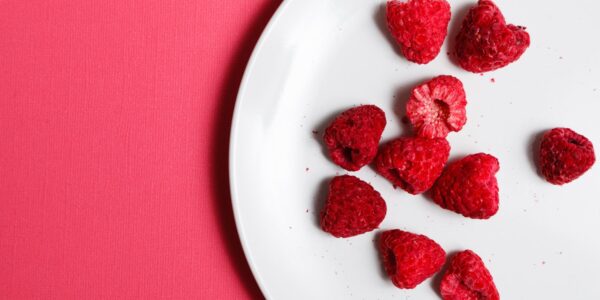
| Raspberry / strawberry leaf | Europe, North America | Softer fruit character - more delicate than the actual berry, often used for colour and gentle flavour. |
| Blackcurrant | UK, Europe | Bold, dark and tangy. One of Britain's most loved fruit flavours - exceptional in pure form. |
| Mango / papaya / pineapple | Tropical regions | Vivid sweetness when dried properly. Watch for artificial versions - real dried tropical fruit is a different thing entirely. |
| Cranberry | North America | Tart and bright. Works particularly well with hibiscus and citrus. |
Common fruit tea styles
| Style | Key ingredients | Flavour profile and best for |
|---|---|---|
| Classic berry blend | Hibiscus, rosehip, elderberry, blackcurrant | Tart, vivid, deep. Best drunk hot or cold - makes exceptional iced tea. |
| Citrus blend | Lemon peel, orange peel, hibiscus, apple | Bright, refreshing, zesty. Great as a cold brew. Natural vitamin C source. |
| Tropical blend | Mango, pineapple, papaya, hibiscus | Sweet and vibrant. The quality gap between real and artificial is largest here. |
| Floral fruit | Elderflower, apple, rosehip, hibiscus | Gentle and aromatic. Lighter than berry blends - elegant and summery. |
| British heritage | Blackcurrant, apple, elderflower | Nostalgic, comforting and genuinely distinctive. Brilliant cold-brewed. |
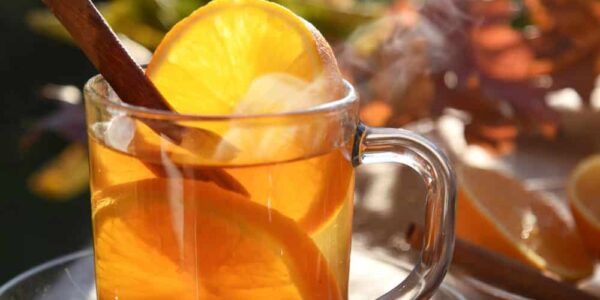
| Spiced fruit | Hibiscus, apple, cinnamon, ginger, clove | Warming and complex. A natural transition from mulled wine in winter. |
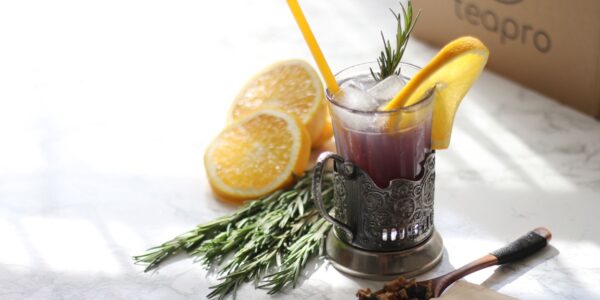
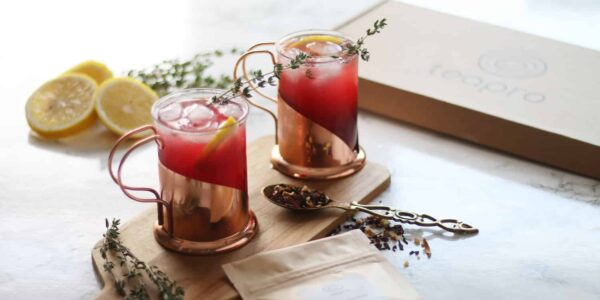
Try our Orange Sunshine Cooler recipe for a simple way to get started.
Health benefits of fruit tea
Fruit teas made from real dried ingredients carry a range of genuinely interesting nutritional properties – particularly from high-antioxidant fruits and botanicals. Here’s what the evidence actually says.
| Ingredient | Key compounds | Evidence level | Associated benefits |
|---|---|---|---|
| Hibiscus | Anthocyanins, vitamin C, polyphenols | Strong | Antioxidant activity, blood pressure support in some studies, liver health markers |
| Rosehip | Vitamin C, carotenoids, polyphenols | Good evidence | Vitamin C content, anti-inflammatory markers, joint health support |
| Elderberry | Flavonoids, vitamin C, anthocyanins | Promising | Immune support - studied in the context of cold and flu duration |
| Lemon / citrus peel | Vitamin C, flavonoids, limonene | Established | Antioxidant and digestive properties |
| Blackcurrant | Anthocyanins, vitamin C | Good evidence | One of the highest antioxidant fruits available |
| Raspberry leaf | Tannins, fragarine | Limited | Traditionally associated with digestive support |
The caffeine-free advantage
One of fruit tea’s most significant practical benefits is simply that it contains no caffeine. For anyone reducing coffee intake, managing anxiety, improving sleep, or navigating a health condition affected by stimulants – fruit tea offers a genuinely satisfying alternative that doesn’t compromise on ritual, warmth or flavour.
Unlike decaffeinated teas (which undergo chemical processing to remove caffeine), fruit teas are naturally caffeine-free. Nothing has been added or removed. The ingredient is simply caffeine-free from the start.
Important note: Fruit tea is food, not medicine. The benefits above relate to regular consumption of real, high-quality ingredients as part of a varied diet. We’ll never make medical claims – that’s not our role. Our role is to help you enjoy real ingredients properly.
Real vs artificially flavoured – does it matter for health?
Yes – meaningfully. The health properties of fruit tea come from the actual fruit compounds – the anthocyanins in hibiscus, the vitamin C in rosehip, the polyphenols in elderberry.
Artificial flavourings that mimic these fruits contribute none of these compounds. You get the taste (roughly) but not the nutrition. And if artificial flavouring is high on the ingredients list, the actual fruit content is likely very low.
Caffeine in fruit tea
The short answer is: most fruit teas are naturally caffeine-free. But there are exceptions, and they matter if caffeine is a concern.
| Type | Caffeine | Notes |
|---|---|---|
| Pure fruit and botanical blend | Zero | Completely caffeine-free - no tea leaves involved |
| Fruit tea blended with green tea | Low-medium (15-40mg) | Check the ingredients list - green tea adds caffeine and body |
| Fruit tea blended with white tea | Very low (5-15mg) | Subtle caffeine - mild and rarely significant |
| Fruit tea blended with black tea | Medium-high (30-60mg) | Some breakfast-style fruit teas use black tea as a base |
| Cold brew fruit tea | Zero (pure blend) | Cold brewing doesn't change the caffeine content - if none in, none out |
| Fruit flavoured green tea | Medium (25-45mg) | A green tea with fruit added - not the same as fruit tea |
The rule is simple: if the ingredients list includes any form of tea leaf (green, black, white, oolong), the blend contains caffeine. If the list is purely fruits, flowers, peels and botanicals, it’s caffeine-free. Never assume from the name alone.
How to brew fruit tea properly
Fruit tea is more forgiving than green tea when it comes to water temperature – but there are still meaningful differences between a good brew and a great one. Here’s how to get the best from your fruit tea, hot or cold.
Hot brewing guide
| Style | Water temp | Amount | Steep time | Re-steeps |
|---|---|---|---|---|
| Berry / hibiscus blends | 95-100C | 2-3g per 250ml | 5-7 minutes | 1-2 times |
| Citrus blends | 95-100C | 2-3g per 250ml | 4-6 minutes | 1 time |
| Tropical blends | 90-95C | 2-3g per 250ml | 5-7 minutes | 1-2 times |
| Floral blends | 85-90C | 2-3g per 250ml | 4-5 minutes | 1 time |
| Spiced fruit blends | 95-100C | 3-4g per 250ml | 7-10 minutes | 2 times |
Looking for a recipe to try? Our Jungle Berry Cooler is a great starting point.
Unlike green tea, fruit tea can handle near-boiling water and longer steep times without becoming bitter. In fact, many fruit teas improve with a slightly longer steep – the hibiscus and berry compounds need time to fully release. Don’t be afraid to go longer.
Cold brew fruit tea – the method we recommend most
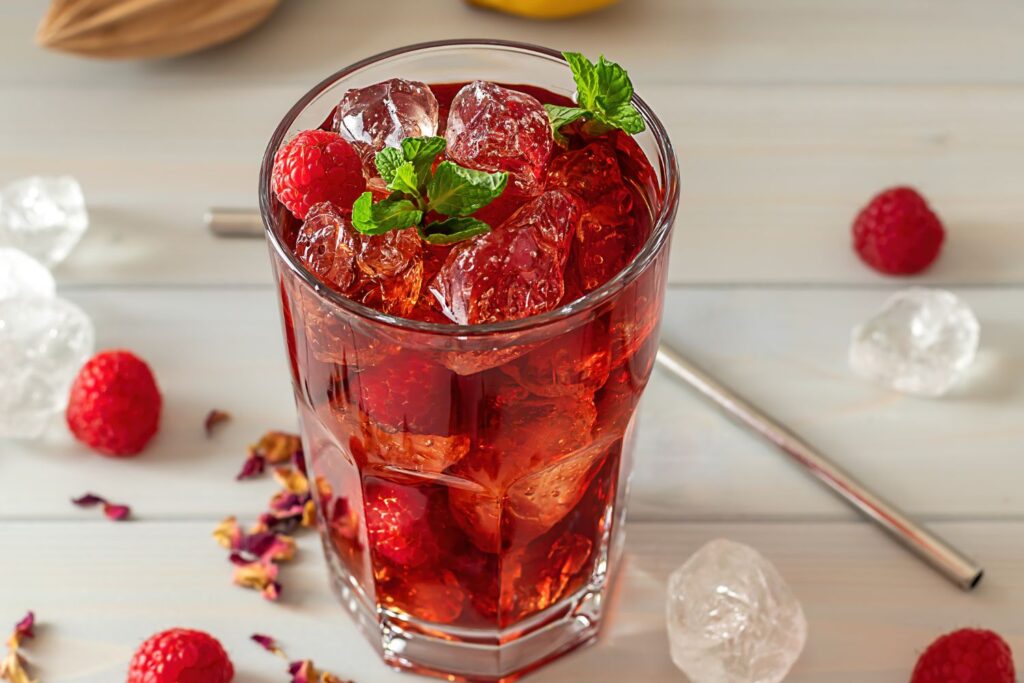
Cold brewing is where fruit tea genuinely shines – possibly even more than when brewed hot. The slow, cold extraction pulls the colour, sweetness and flavour from the fruit over 6-12 hours, producing a drink that is vivid, naturally sweet and deeply refreshing.
If you want inspiration for where to start, our guide to the summer feels of fruit tisanes is a good place to explore
- Use quality loose leaf fruit tea
The difference between a cold-brewed loose leaf fruit blend and a cold-brewed teabag is dramatic. Real dried fruit pieces release colour and flavour slowly and beautifully. Use 4-5g per 500ml.
- Add cold filtered water
Tap water works, but filtered water produces a noticeably cleaner flavour – particularly important when the fruit flavours are delicate. Fill a large jug or glass bottle.
- Refrigerate for 6-12 hours
Longer steeping produces deeper colour and richer flavour. Hibiscus-heavy blends turn a spectacular deep red. Overnight is ideal – ready for the morning.
- Strain and serve
Pour over ice if desired. No sweetener needed for good quality fruit tea – the natural fruit sugars provide all the sweetness required.
- Store for up to 3 days
Cold-brewed fruit tea keeps well in the fridge. The flavour often deepens slightly on day two.
Can you add sweetener?
Good quality fruit tea made from real ingredients rarely needs sweetening – the natural fruit sugars and tartness from hibiscus create a naturally balanced flavour.
If you want to add sweetness, honey dissolves best in hot versions. Agave works well in cold brew as it dissolves in cold water. Avoid refined sugar, which can overwhelm the delicate fruit notes.
What does fruit tea taste like?
The flavour range of fruit tea is enormous – from intensely tart hibiscus-forward blends to gentle, floral elderflower. Here’s how to understand the main flavour families.
| Flavour family | Key driver | Example blends | Best for |
|---|---|---|---|
| Tart / sharp | Hibiscus, cranberry, blackcurrant | Berry blends, hibiscus-forward | Those who like sharp, refreshing drinks - think natural lemonade |
| Sweet / fruity | Dried apple, mango, strawberry | Tropical blends, summer blends | Those transitioning from sugary drinks |
| Floral / delicate | Elderflower, rose, chamomile | Floral blends, light summer blends | Evenings, winding down, palate cleansing |
| Warming / spiced | Cinnamon, ginger, clove + fruit | Spiced berry, winter blends | Cold months, post-dinner, coffee replacers |
| Citrus / bright | Lemon peel, orange peel, hibiscus | Citrus blends, morning fruit teas | Morning drinking, freshness and energy |
How to develop your palate for fruit tea
- Start with hibiscus
Hibiscus is the defining ingredient in most quality fruit teas. Taste a hibiscus-forward blend first so you understand the baseline – vivid tartness and deep colour. Everything else is measured against this.
- Taste hot and cold
The same blend tastes differently depending on temperature. Hot brewing emphasises warmth and body. Cold brewing emphasises freshness and sweetness. Taste both before you decide on a preference.
- Look at the colour
The depth of colour in the cup tells you something about ingredient quality. A deep, jewel-red hibiscus blend has been extracted properly. A pale, washed-out cup suggests either poor quality ingredients or under-brewing.
- Notice the finish
Quality fruit teas with real ingredients have a clean, fruit-forward finish. Artificial-flavoured teas often have a slightly synthetic aftertaste – a cloying sweetness that lingers slightly wrong. Once you’ve noticed it, you can’t un-notice it.
Fruit tea vs herbal tea vs green tea
These three categories are frequently confused – here’s a clear breakdown of what makes each different.
| Feature | Fruit tea | Herbal tea | Green tea |
|---|---|---|---|
| Contains tea leaves? | Usually no | No | Yes - Camellia sinensis |
| Caffeine? | Usually zero | Zero | Low to medium |
| Main ingredients | Dried fruits, berries, peels | Herbs, roots, flowers | Tea leaves (steamed or pan-fired) |
| Typical flavour | Fruity, tart, sweet | Herbal, earthy, floral | Grassy, umami, vegetal, toasty |
| Best brewing temp | 90-100C | 90-100C | 70-80C |
| Cold brew? | Excellent - recommended | Good | Excellent |
| Antioxidants? | Yes - from fruit compounds | Yes - varies by herb | Yes - catechins, EGCG |
| Suitable evenings? | Yes - caffeine-free | Yes - caffeine-free | Mostly - low caffeine |
Where it gets blended: Many modern ‘fruit teas’ combine real tea leaves with fruit ingredients – green tea with mango, white tea with elderflower. These carry caffeine. The ingredients list is always the truth – not the name on the packet.
How to buy fruit tea well
The fruit tea market is flooded with products that use artificial flavourings to mimic what real ingredients should deliver. Here’s how to navigate it.
| Look for | Avoid |
|---|---|
| Visible dried fruit pieces, petals and botanicals you can actually identify | Powders, dusts or homogenous loose material with no recognisable ingredients |
| Short ingredients list of real foods - hibiscus, apple, rosehip, elderberry etc. | Long ingredients lists with 'natural flavouring' or 'flavouring' high on the list |
| Deep, vivid colour when brewed - a sign of real anthocyanins from real fruit | Pale, washed-out brew that doesn't match the vibrant packaging claims |
| No sweetener added - real fruit doesn't need help | Added sugar, sweeteners or stevia - a sign the base ingredient lacks natural sweetness |
| Informative sourcing - where the hibiscus comes from, the harvest quality | No origin information at all - anonymous blending across unknown sources |
| A smell that's subtle and genuine when you open the bag | An overwhelming, synthetic scent that peaks in the packet and disappears in the cup |
The loose leaf vs teabag question
The same principle that applies to all tea applies here: loose leaf fruit tea uses whole or large-cut dried ingredients that expand and release flavour slowly and beautifully. Teabags use smaller, more processed material – and some use almost no real fruit at all, relying on flavouring to do the work.
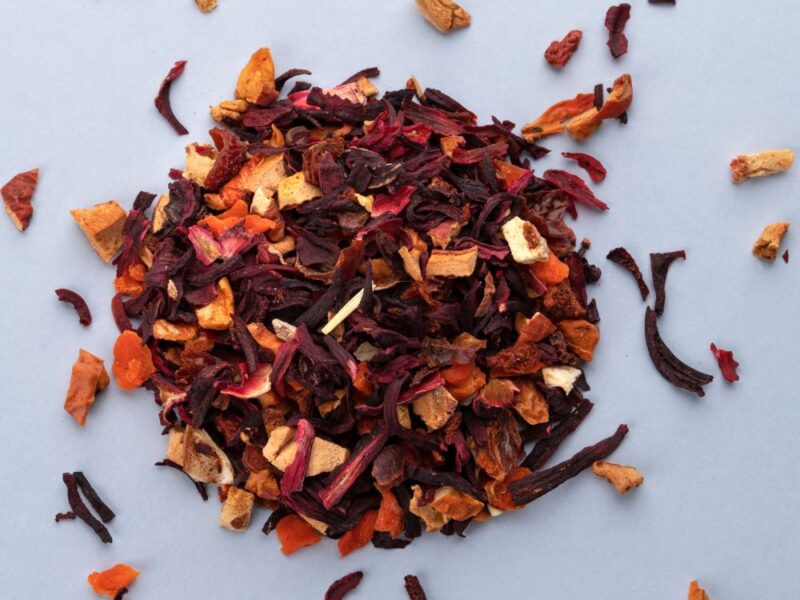
There’s also a visual element that matters with fruit tea. When you can see what you’re brewing – vivid dried hibiscus petals, golden apple pieces, dark elderberries – you understand the blend. That transparency is something only loose leaf can offer.
Frequently asked questions
Fruit tea made from real dried ingredients carries genuine nutritional interest – particularly from high-antioxidant fruits like hibiscus and elderberry. However, it’s important to distinguish between real-ingredient teas and artificially flavoured ones. The health properties come from actual fruit compounds, not flavouring agents. As with all food, it’s one part of a balanced diet – not a medicine.
Most fruit teas are naturally caffeine-free, as they contain no tea leaves. However, some blends combine fruit ingredients with green, white or black tea – which does add caffeine. Always check the ingredients list. If any form of ‘tea’ or ‘Camellia sinensis’ appears, the blend contains caffeine.
Most pure fruit teas are considered safe during pregnancy, but some ingredients warrant caution – particularly hibiscus (in very large amounts), raspberry leaf, and certain herbs. We’d always recommend checking with a healthcare professional before making significant changes to your drink habits during pregnancy.
Hibiscus-heavy fruit teas are notably acidic – similar to cranberry juice. If you’re managing acid reflux or sensitive teeth, this is worth being aware of. Drinking through a straw, diluting slightly, or choosing lower-hibiscus blends (such as apple and elderflower) are all practical options.
Caffeine-free fruit teas are generally suitable for children and are a far better option than squash or cordial. The natural tartness of hibiscus can be offset by slight dilution or cold brewing, which naturally draws out more sweetness. Always check for specific ingredients if a child has allergies.
Any caffeine-free fruit tea is a better pre-sleep choice than caffeinated drinks. For sleep specifically, blends that combine fruit tea with chamomile, lavender or passionflower are particularly popular. The ritual of a warm cup in the evening is itself associated with relaxation and wind-down – the specific blend matters less than the consistency of the habit.
The most common reasons are insufficient leaf quantity, water that’s too cool, or a steep time that’s too short. Try 3-4g of loose leaf per 250ml, near-boiling water, and a full 6-7 minute steep. If it’s still weak, the ingredient quality may simply be low – real dried hibiscus and berry release vivid colour and flavour. If you’re getting very little, the real fruit content in the blend may be minimal.
Quality loose leaf fruit teas can often be re-steeped once – particularly spiced or berry blends with larger dried pieces. The second steep will be lighter but still enjoyable. Floral blends with smaller petals generally don’t re-steep as well. Cold brew fruit tea, by contrast, keeps for up to three days in the fridge and deepens over time.
About Teapro
Teapro is a UK-based premium loose leaf tea brand. We source the purest single-origin teas and natural herb blends we can find. We believe artificial flavourings mask the real taste of tea – so wherever possible, we let the leaf speak for itself.
Our ‘Become a Teapro’ 12-box subscription is the only structured tea education programme of its kind in the UK – covering green, black, herbal, chai, oolong, pu-erh, yerba, matcha, fruit, white, magic and rooibos.

Teapro co-founder. Favourite tea - Long Jing Dragon Well Green Tea. Obsessed with film, photography and travelling.


No Comments