Oolong Tea vs Green Tea: Which is Better for You?
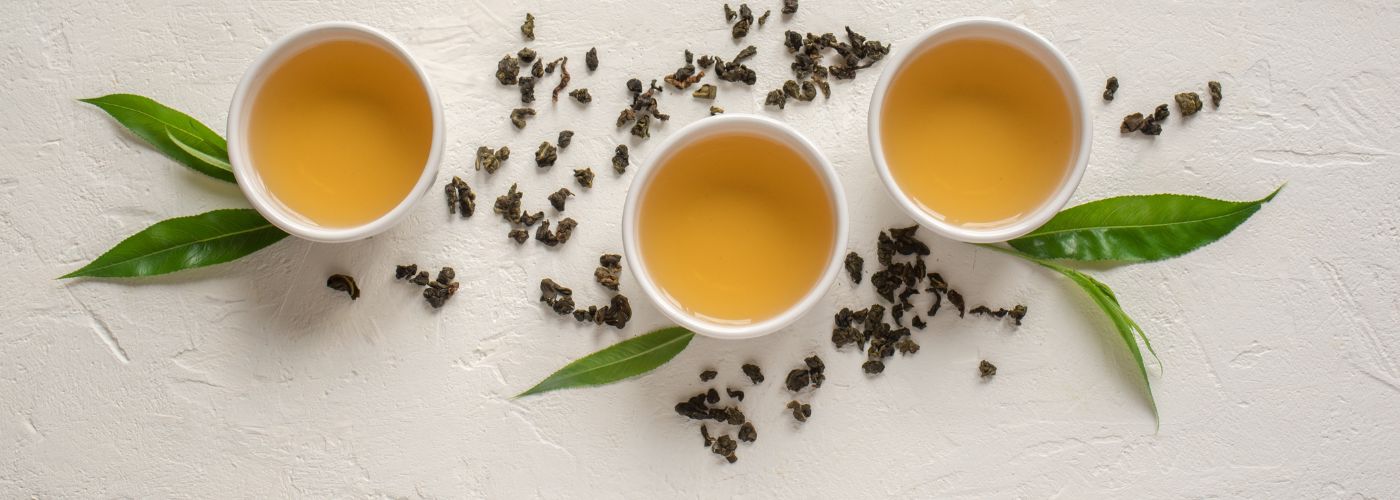
Oolong tea vs green tea – it’s one of the most searched comparisons in the tea world, and for good reason. Both come from the same plant, both carry impressive wellness credentials, and both have devoted followers.

But they are genuinely different teas with different flavour profiles, different caffeine levels, and different things to offer your health.

In this guide, we compare oolong tea and green tea honestly – looking at the science, the taste, the caffeine, and the practical question of which is better for you depending on what you’re actually looking for.

The answer, as with most things in tea, is more interesting than a simple winner.

Table of contents

  1. What is the difference between oolong tea and green tea?
  2. How they are made – and why it matters
  3. Health benefits of green tea
  4. Health benefits of oolong tea
  5. Oolong vs green tea: caffeine levels compared
  6. Flavour profiles – what each one actually tastes like
  7. Which is better for weight loss?
  8. Which is better for focus and calm energy?
  9. How to brew oolong and green tea properly
  10. Frequently asked questions
  11. Your next step

What is the Difference Between Oolong Tea and Green Tea?

Both oolong tea and green tea are made from the leaves of Camellia sinensis – the same tea plant. The difference lies entirely in how those leaves are processed after harvest.

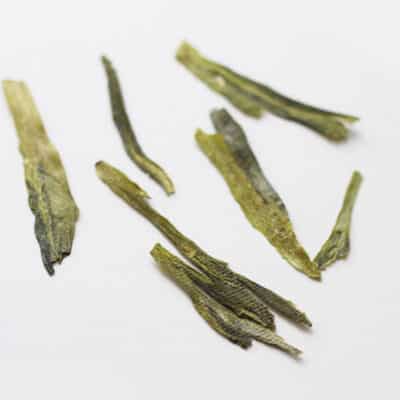
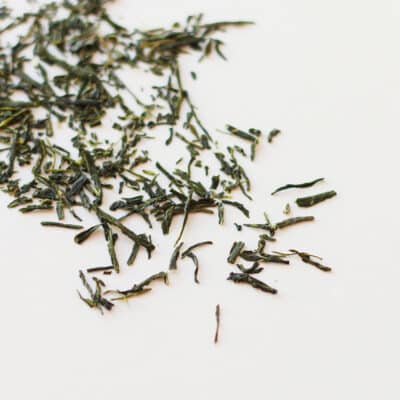
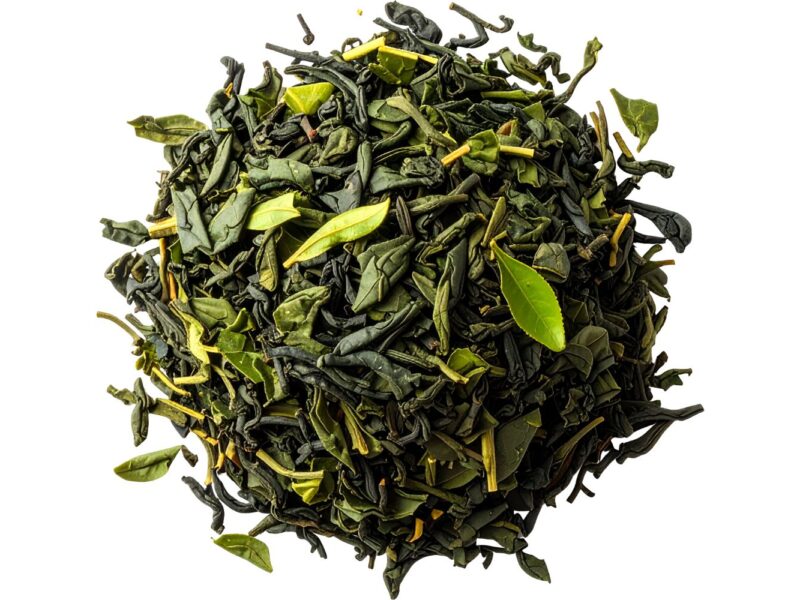
Green tea is minimally oxidised. Once the leaves are picked, they are quickly heated – either steamed (Japanese style) or pan-fired (Chinese style) – to stop oxidation almost immediately.

The result is a tea that retains its green colour, grassy or vegetal flavour notes, and a high concentration of certain antioxidants, particularly EGCG (epigallocatechin gallate).

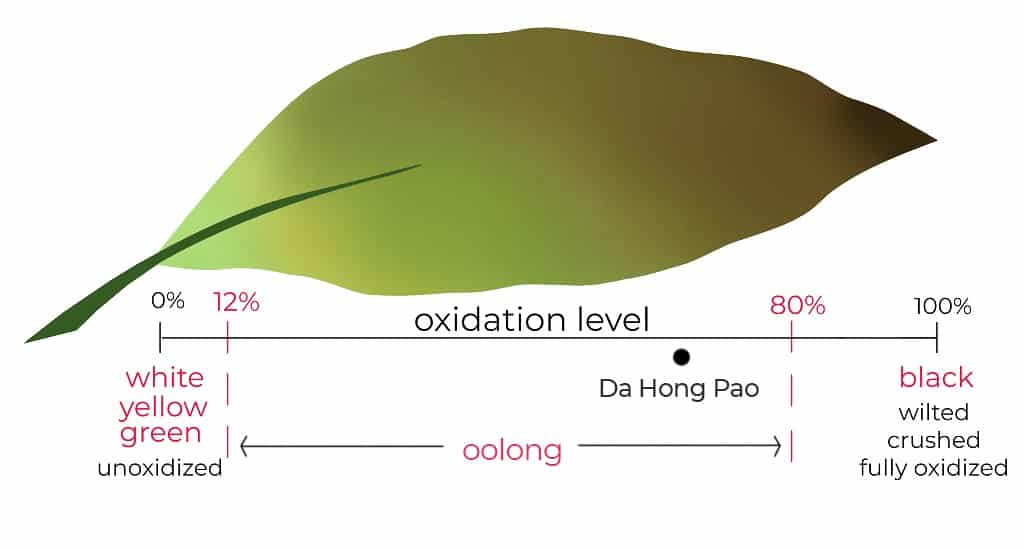
Oolong tea sits between green tea and black tea on the oxidation spectrum. It is partially oxidised – anywhere from around 10% to 80% depending on the style – which gives it an extraordinary range of flavour profiles.

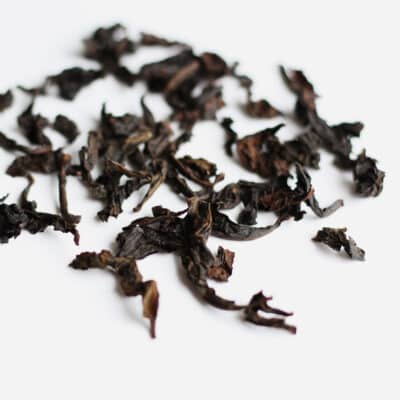
A lightly oxidised oolong can taste floral and almost green. A heavily oxidised oolong can be rich, roasted, and close to black tea in character. This is what makes oolong one of the most complex and varied tea categories in the world.

oxidation oolong - oolong vs green tea

Neither is simply ‘better’ than the other. They are different expressions of the same leaf, shaped by different craftsmanship.

To dive deeper about Oolong oxidation process, see our beginner’s guide to Oolong oxidation levels.

How They Are Made – and Why It Matters

Understanding how each tea is made helps you understand what ends up in your cup – including the compounds responsible for flavour, aroma, and health benefits

Tea Type Processing
Green Tea Processing After picking, leaves are heated almost immediately to halt oxidation. Steaming (used in Japanese teas like sencha and gyokuro) preserves a bright, grassy quality and higher EGCG levels. Pan-firing (used in Chinese greens like Dragon Well) gives a slightly nuttier, more rounded character. The key point is that almost no oxidation occurs - the leaf stays chemically close to its fresh, picked state.
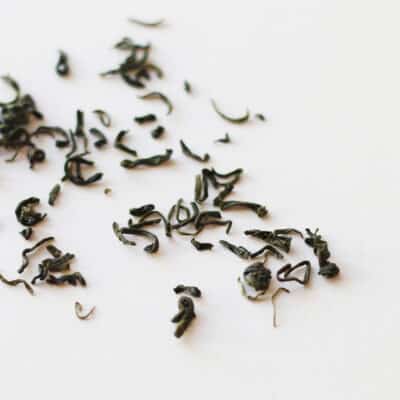
Oolong Tea Processing After picking, oolong leaves go through a careful process of withering, bruising (to initiate oxidation at the leaf edges), and partial oxidation before being halted at the desired level. This partial oxidation transforms some of the catechins into theaflavins and thearubigins - the same compounds found in black tea - which creates oolong's distinctive flavour complexity and alters its antioxidant profile. The degree of oxidation, the terroir, and the skill of the tea maker all contribute to the final character.

The practical implication: green tea tends to be higher in EGCG specifically, while oolong contains a broader and more varied mix of polyphenols across its oxidation range.

Loading...
Price range: £5.00 through £60.00
Price range: £5.50 through £75.00
Price range: £4.95 through £70.00

Health Benefits of Green Tea

Green tea has one of the most extensively researched health profiles of any food or drink. The bulk of this research focuses on its high EGCG content – a powerful catechin antioxidant that has been studied in relation to a wide range of health outcomes.

Benefit Description
Antioxidant Protection EGCG is among the most potent antioxidants found in any plant-based food. Antioxidants help neutralise free radicals - unstable molecules associated with cellular ageing and various chronic conditions.
Cardiovascular Health A significant body of research suggests regular green tea consumption is associated with improved cholesterol levels and reduced blood pressure. A 2020 review in the European Journal of Preventive Cardiology found consistent associations between green tea consumption and reduced risk of cardiovascular events.
Brain Health & Focus Green tea contains both caffeine and L-theanine - the amino acid responsible for the calm, focused energy that distinguishes tea from coffee. This combination has been studied for its effects on attention, reaction time, and cognitive performance.
Metabolic Support Green tea has been widely studied for its potential role in supporting metabolism and fat oxidation - particularly in relation to EGCG and caffeine working together.
Blood Sugar Regulation Some studies suggest green tea may help improve insulin sensitivity and reduce blood sugar levels, particularly after meals.

The caveat on all of this: the quality of the green tea you drink matters. Studies are typically conducted with pure, high-quality tea – not with flavoured blends or artificially enhanced products where the actual catechin content can vary significantly.

You want to know deeper about green tea in our complete guide.

Loading...
Monkey King Green Tea
Price range: £7.00 through £32.00
Shades of Green Tea Gift Set
Price range: £21.00 through £38.00
Gyokuro green tea
Price range: £5.50 through £55.00
Price range: £10.00 through £112.00

Health Benefits of Oolong Tea

Oolong tea is significantly less studied than green tea – but the research that exists is genuinely interesting, and its unique polyphenol profile sets it apart.

Benefit Description
Metabolic Health & Weight Management Oolong tea has been specifically studied in relation to fat metabolism. A notable study published in the Chinese Journal of Integrative Medicine found that participants who consumed oolong tea daily showed measurable reductions in body fat over a six-week period. The combination of caffeine, catechins, and theaflavins appears to activate certain fat-burning enzymes.
Blood Sugar Control Research has suggested oolong may improve insulin sensitivity - potentially more effectively than green tea in some studies - due to its unique polyphenol combination. A 2003 study in Diabetes Care found oolong tea significantly reduced blood sugar levels in patients with type 2 diabetes.
Skin Health Oolong's antioxidant profile has been studied in relation to eczema and skin inflammation. A 2001 study in the Archives of Dermatology found significant improvement in chronic eczema symptoms in participants who drank oolong tea regularly for six months.
Bone Density Some research suggests regular oolong consumption is associated with improved bone mineral density - potentially linked to its fluoride content and antioxidant activity.
Cardiovascular Health Like green tea, oolong has been associated with improved cholesterol profiles and reduced cardiovascular risk markers, though the body of evidence is smaller.

The key distinction: oolong’s partial oxidation means it contains a different and arguably more varied polyphenol profile than green tea. Rather than being dominated by EGCG, it contains a mix of catechins, theaflavins, and thearubigins – each with different mechanisms of action in the body.

Loading...
magic tea gift box - tea gift sets - tea gifts
Price range: £20.00 through £37.00
teapro oolong tea gift box
Price range: £21.00 through £38.00
Price range: £4.95 through £70.00
Price range: £5.00 through £60.00

Oolong vs Green Tea: Caffeine Levels Compared

Caffeine content varies considerably depending on the specific tea, how it was grown, and how it is brewed. That said, some general patterns hold.

Tea Type Caffeine Content
Green Tea Typically contains 20 to 45 mg of caffeine per 8 oz cup, though shade-grown varieties like gyokuro and matcha are significantly higher (matcha can reach 70 mg or more per serving). Steeping time and water temperature affect the final caffeine content.
Oolong Tea Typically contains 30 to 50 mg of caffeine per 8 oz cup. The caffeine level tends to increase with the degree of oxidation - a lightly oxidised oolong may be closer to green tea, while a heavily oxidised oolong approaches the caffeine level of some black teas.

Both teas contain L-theanine alongside their caffeine, which moderates the stimulant effect and produces the calm, focused energy associated with tea drinking rather than the jitteriness sometimes associated with coffee.

If you are caffeine-sensitive, both oolong and green tea are generally gentler options than coffee – and lower-oxidation oolongs or lighter green teas will sit at the lower end of the caffeine range.

Loading...
Gyokuro green tea
Price range: £5.50 through £55.00
Price range: £4.95 through £70.00
genmaicha
Price range: £4.50 through £34.00

Flavour Profiles – What Each One Actually Tastes Like

This is where oolong and green tea diverge most dramatically – and where the choice often comes down to personal taste.

Tea Type Flavour Profile
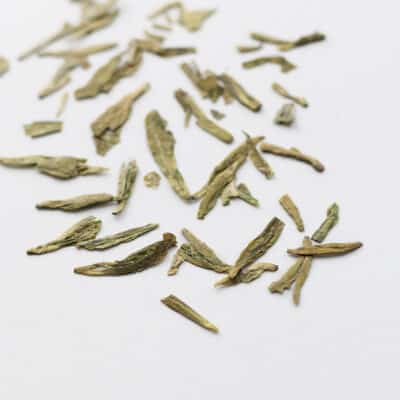
Green Tea Flavour Ranges from bright, grassy, and vegetal (Japanese sencha) to sweet, nutty, and mellow (Chinese Dragon Well). High-quality green tea should not taste bitter - bitterness is usually a sign of over-brewing or water that is too hot. There is often a clean, fresh quality, sometimes with a lingering sweetness.
Oolong Tea Flavour Far wider in range than green tea. A lightly oxidised Taiwanese high mountain oolong (such as Ali Shan or Li Shan) can taste floral, creamy, and almost buttery. A medium-oxidised Wuyi rock oolong from Fujian is mineral, complex, and deeply layered. A heavily oxidised Da Hong Pao can be roasted, rich, and warming. The range within oolong is arguably greater than any other tea category.

If you are new to oolong, a lightly oxidised high mountain variety is often the most approachable starting point – familiar enough if you already enjoy green tea, but with a complexity that immediately shows why oolong has its own devoted following.

Loading...
Gyokuro green tea
Price range: £5.50 through £55.00
Price range: £4.95 through £70.00
genmaicha
Price range: £4.50 through £34.00

Which is Better for Weight Loss?

Both teas have been studied in relation to weight management, and both have legitimate supporting evidence. The honest answer is that neither is a magic solution – but both can play a genuine supporting role in a healthy lifestyle.

Tea Type Weight Loss Research
Green Tea Particularly its EGCG content in combination with caffeine, green tea has been the subject of more weight-loss research overall. A well-cited 2009 meta-analysis in the International Journal of Obesity found that green tea catechins in combination with caffeine produced small but measurable improvements in weight loss and weight maintenance.
Oolong Tea Oolong tea has shown promising results specifically in relation to fat metabolism. Research published in the Chinese Journal of Integrative Medicine found oolong outperformed green tea in some fat-burning measures - likely because of its broader polyphenol mix.

The practical takeaway: if weight management is a priority, both teas support your goals – and the best one is the one you will actually drink consistently. The quality of the tea matters more than the type: pure, single-origin loose leaf tea will always contain higher and more consistent levels of the relevant compounds than blended or artificially flavoured alternatives.

Loading...
Monkey King Green Tea
Price range: £7.00 through £32.00
Da Hong Pao Oolong
Price range: £6.00 through £69.00
Price range: £4.95 through £70.00
Dragon Well Longjing Green Tea - Long Jing Chinese Green Tea
Price range: £5.00 through £185.00

Which is Better for Focus and Calm Energy?

Both oolong and green tea contain caffeine and L-theanine – the combination responsible for the calm, focused energy that tea drinkers often describe as the key reason they prefer tea to coffee.

Tea Type L-Theanine and Focus
Green Tea (shade-grown) Higher L-theanine content due to shading. Varieties like matcha and gyokuro produce a notably clear-headed, sustained focus. The L-theanine to caffeine ratio is often cited as particularly favourable for calm energy.
Oolong Tea Contains L-theanine, though typically in lower concentrations than shade-grown green teas. High mountain oolongs - grown at altitude where slow growth concentrates compounds in the leaf - are associated with a distinctive clarity and calm.

For those specifically seeking the calm energy effect – particularly anyone moving away from coffee – either tea is a good choice.

High-quality green tea, and particularly matcha, sits at the top of the range for L-theanine. Good oolong offers a similar but slightly different quality of focus, often accompanied by greater flavour complexity.

Loading...
teapro oolong tea gift box
Price range: £21.00 through £38.00
Loading...
Shades of Green Tea Gift Set
Price range: £21.00 through £38.00

How to Brew Oolong and Green Tea Properly

Both teas are sensitive to water temperature – using boiling water is one of the most common mistakes and leads to bitterness that masks the real flavour of the leaf.

Tea Type Water Temperature Steep Time Notes
Green Tea 70 - 80°C 1 - 2 minutes Japanese greens like sencha are particularly sensitive to heat - err on the lower end. Can be re-steeped two or three times.
Oolong Tea (lightly oxidised) 80 - 85°C 1 - 3 minutes Cooler water suits lighter styles. Often best from the second or third infusion, opening up more complexity with each steep.
Oolong Tea (heavily oxidised or roasted) 90 - 95°C 1 - 3 minutes Can handle near-boiling water. Particularly well-suited to multiple steepings.

Both teas benefit from loose leaf preparation rather than bags – the leaf needs room to expand and release its full flavour. This is especially true for oolong, where the rolled or twisted leaves unfurl progressively across multiple steepings.

Want a full guide to brewing oolong specifically? We cover every detail – from water temperature and vessel choice to how to taste what you’re drinking.

Read the full guide: The Complete Oolong Tea Guide – Teapro

Loading...
Price range: £9.00 through £42.00
tea strainer- tea infuser
Price range: £17.99 through £64.00

Frequently Asked Questions

Neither is categorically ‘better’ – they have different but overlapping health profiles. Green tea is higher in EGCG specifically and has a larger body of research behind it. Oolong has a more varied polyphenol mix due to partial oxidation and has shown particularly strong results in studies related to fat metabolism and blood sugar control. The honest answer is that both are excellent choices, and the quality of the tea – pure, single-origin, loose leaf – matters more than the type.

Generally yes, though it depends on the specific tea and how it’s brewed. Most oolong teas contain 30 to 50 mg of caffeine per cup, while most green teas contain 20 to 45 mg. Shade-grown green teas like matcha and gyokuro are exceptions and can be higher in caffeine than most oolongs. Both contain L-theanine alongside caffeine, which moderates the stimulant effect and produces a calmer, more focused energy than coffee.

Yes – there is no reason not to. Many tea drinkers enjoy green tea in the morning for its clean, light energy, and oolong in the afternoon for its complexity and slightly richer character. Pay attention to your overall caffeine intake if you are sensitive to stimulants, but drinking both in reasonable quantities is perfectly fine for most people.

Both have legitimate supporting evidence for weight management. Green tea EGCG combined with caffeine has the larger body of research. Oolong has shown strong results specifically in fat metabolism studies. Practically speaking, the best tea for weight management is the one you will drink consistently as part of a healthy diet – quality loose leaf tea of either type will serve you better than any flavoured or blended product.

Very much so – particularly lightly oxidised high mountain oolongs, which are smooth, naturally sweet, and easy to enjoy without milk or sugar. If you already enjoy green tea, a lightly oxidised oolong is a natural next step that introduces greater flavour complexity without the astringency some people find in green tea. More heavily oxidised oolongs offer a journey into richer, roasted territory that rewards curiosity.

Lightly oxidised oolongs share some characteristics with green tea – freshness, floral notes, and a clean finish – but they are distinctly different. The partial oxidation introduces layers of flavour that green tea does not have: creaminess, fruitiness, roasted depth, or mineral complexity depending on the style. Heavily oxidised oolongs taste much closer to black tea than to green tea.

Look for pure, single-origin loose leaf oolong from a supplier who can tell you the specific origin, cultivar, and processing method. Avoid blended or flavoured oolong products – the artificial additions mask the real flavour of the leaf and dilute the health benefits. Our loose leaf oolong is sourced for purity and provenance, with full origin information so you know exactly what you’re tasting.

Your Next Step

Oolong tea vs green tea is not really a competition – they are two expressions of the same leaf, shaped by different craftsmanship, offering different experiences and overlapping health benefits.

The more interesting question is not which is better in theory, but which is right for you – and the only way to answer that is to taste them properly.

Start with a pure, single-origin loose leaf oolong brewed at the right temperature in the right vessel, and you will understand immediately why it has its own devoted following distinct from green tea. The flavour complexity alone is worth the exploration.

Our complete oolong tea guide covers everything you need – from selecting the right style to brewing it properly and understanding what you’re tasting.

Explore The Complete Oolong Tea Guide and start tasting the real thing.

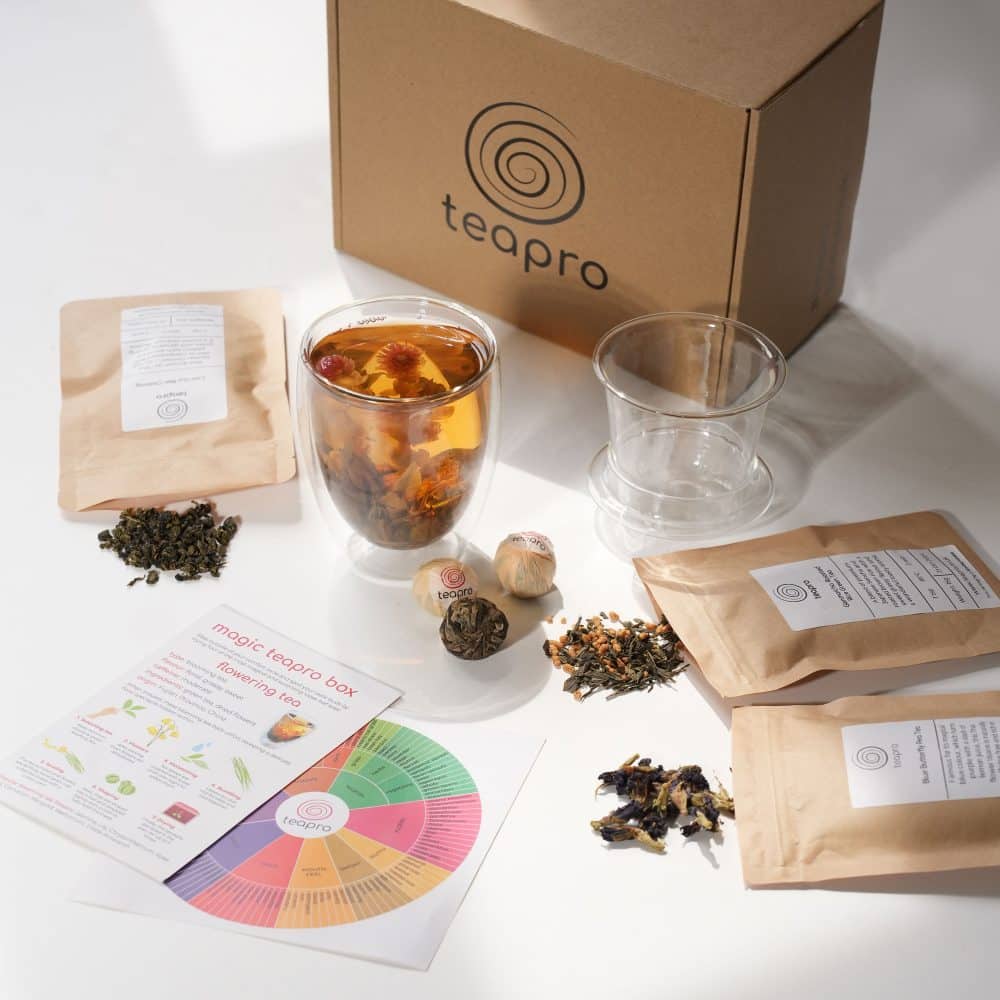
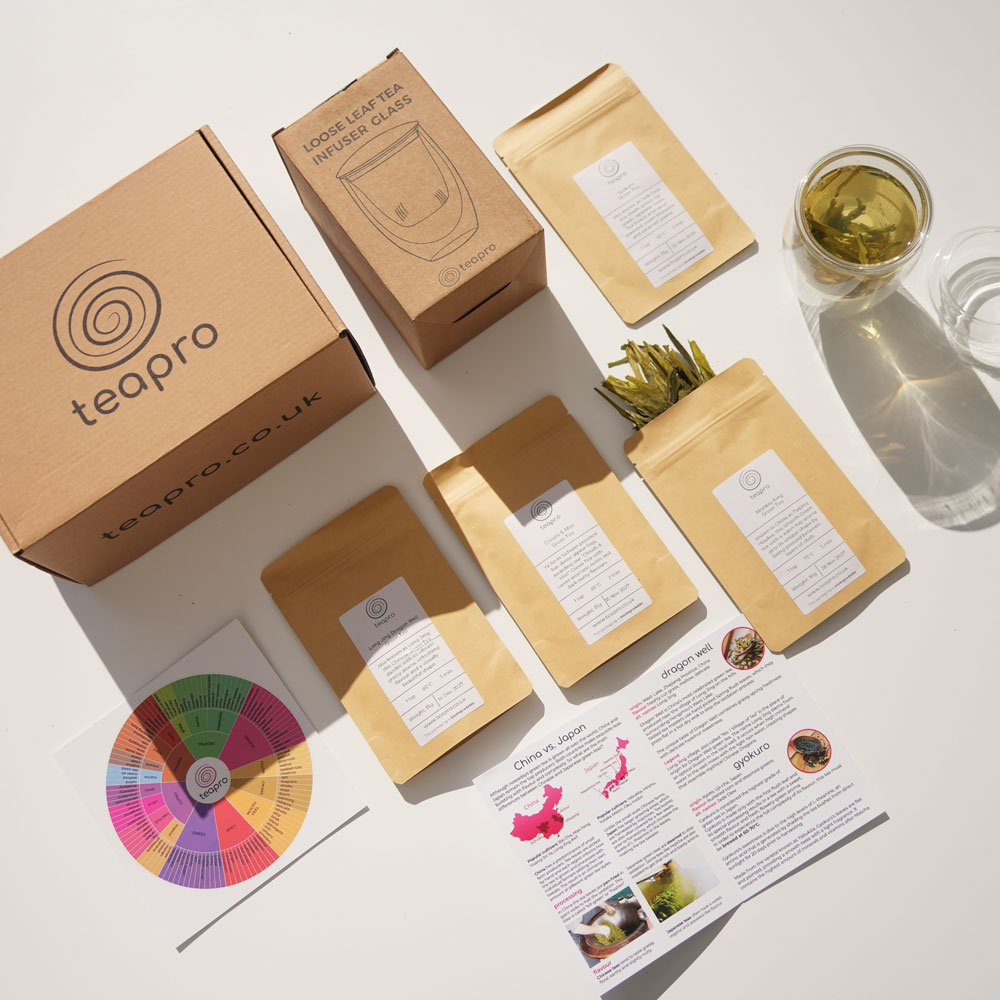
Or, if you’re ready to explore both oolong and green tea – along with ten other tea types – our ‘Become a Teapro’ 12-box subscription takes you through each one in depth, with the provenance, brewing guidance, and education that turns a tea drinker into a tea pro.

Loading...
Loading...
teapro oolong tea gift box
Price range: £21.00 through £38.00


oolong wulong teapro subscription box september

Oolong Tea - September Box subscription teapro

Oolong-Wulong tea subscription

Teapro co-founder. Favourite tea - Long Jing Dragon Well Green Tea. Obsessed with film, photography and travelling.

No Comments

Post A Comment