Does Matcha Have More Caffeine Than Coffee? The Real Answer
If you have ever wondered whether swapping your morning coffee for matcha is actually going to keep you going – you are not alone. It is one of the most common questions we get at Teapro, does Matcha have more caffeine than coffee? and the answer is more nuanced than a simple yes or no.

Matcha and coffee both contain caffeine, but they deliver it in completely different ways. Understanding that difference is what separates a tea drinker from a tea pro.


In this guide, we break down the science, compare the numbers, and explain why the matcha buzz feels so different from a coffee hit – even when the caffeine content looks similar on paper.

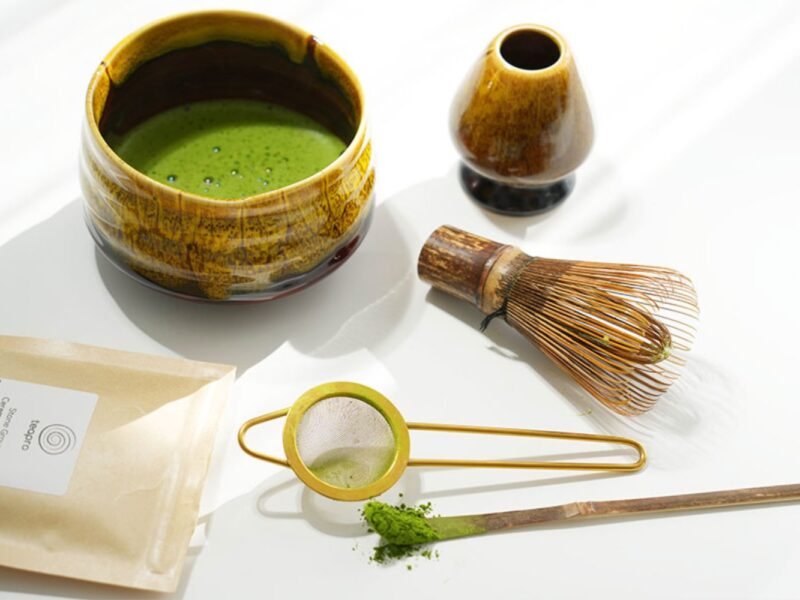
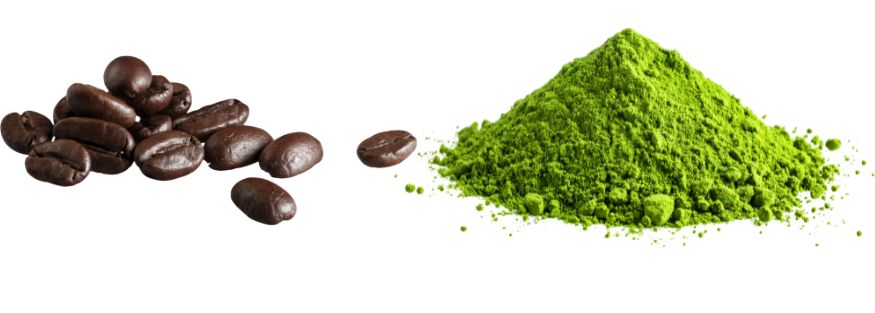
coffee vs matcha - how much caffeine is in matcha

Table of Contents

How Much Caffeine Is in Matcha?

A standard serving of matcha is made with around 1 teaspoon (approximately 2g) of powder. That portion typically contains between 60mg and 80mg of caffeine – though this can vary depending on the grade of matcha, the region it comes from, and how it was grown.

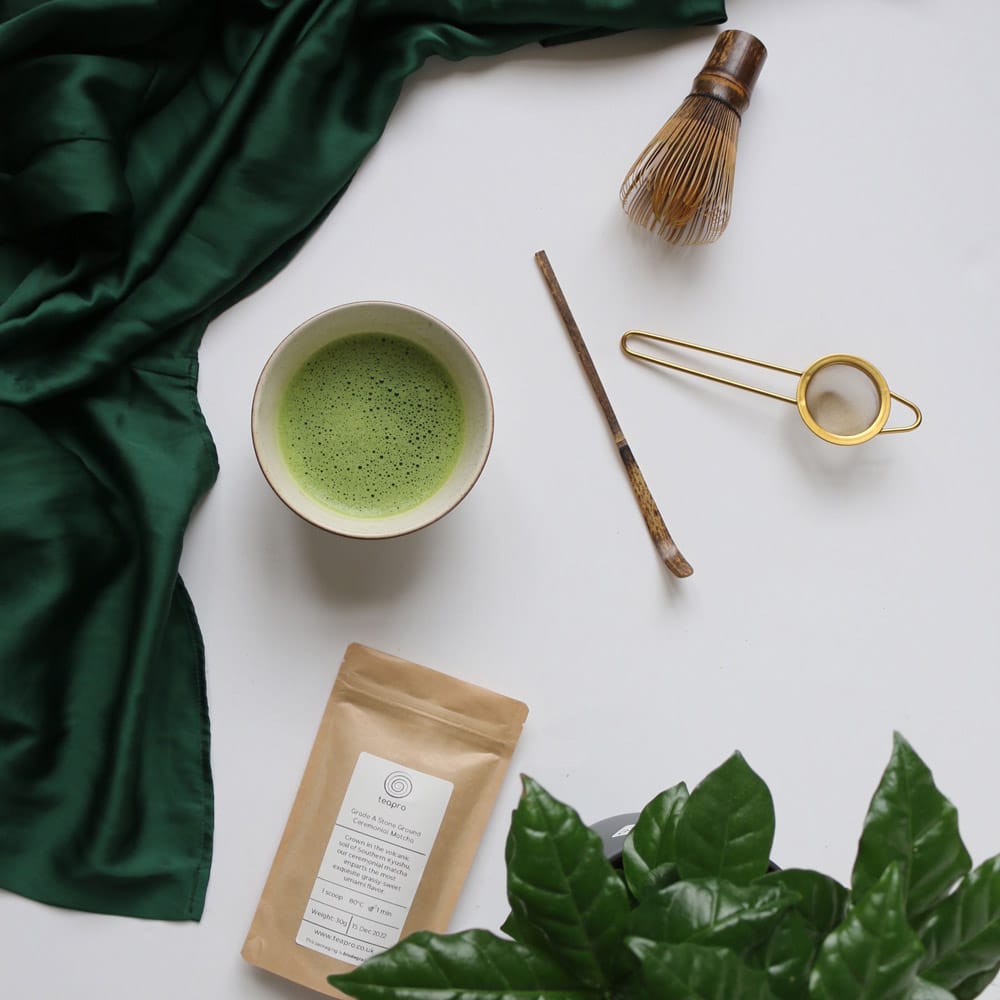
featured image - matcha and L-theanine

Ceremonial grade matcha – the kind Teapro sources – tends to sit at the higher end of that range. This is because ceremonial grade is made from the youngest, most shade-grown leaves, which are naturally higher in both caffeine and L-theanine (more on that shortly).

Not all matcha is created equal. Learn more about the different grades of matcha and how quality influences flavour, colour, caffeine levels, and overall drinking experience.

What matters is not just the number – it is how that caffeine is absorbed. Unlike coffee, matcha delivers its caffeine alongside a compound called L-theanine, which fundamentally changes the experience. You can read more about the full picture of matcha nutrition in our complete matcha green tea guide.

How Much Caffeine Is in Coffee?

Coffee caffeine content varies considerably depending on the type and brewing method.

Here is a rough guide to what you are actually drinking:

Caffeine in a typical cup of coffee:
Filter coffee (240ml mug) 95-200 mg caffeine
Espresso (30ml shot) 60-75 mg caffeine
Americano (standard, 240ml) 60-120 mg caffeine
Instant coffee (240ml mug) 60-90 mg caffeine
Cold brew (240ml) 100-200 mg caffeine

The wide range for filter coffee reflects the enormous variation in bean type, roast level, grind size, and brew time. A light roast filter coffee from a specialty coffee shop can easily hit 200mg in a single mug – more than double a standard matcha serving

Matcha vs Coffee Caffeine – The Comparison

When Jitters Are More Likely What to Know
High Doses If you drink multiple servings back to back - particularly in a traditional gourd that is refilled multiple times - you are consuming a meaningful amount of caffeine. That is enough to cause jitters in many people, regardless of the theobromine and theophylline.
Caffeine Sensitivity Some people are genetically more sensitive to caffeine. If coffee reliably makes you anxious or raises your heart rate significantly, yerba mate may still cause some of those effects - even if they are less pronounced.
Low-Quality or Adulterated Products Processed yerba mate products - bottled drinks, energy drink blends, heavily sweetened commercial versions - often contain added caffeine, artificial stimulants, or sugars that amplify the jitter-inducing effect. These are not representative of drinking pure, loose leaf yerba mate.
Empty Stomach Drinking yerba mate on an empty stomach intensifies the stimulant effect, just as it does with coffee. If you find it causes nausea or anxiety, try drinking it with or after food.

The headline number for a cup of filter coffee is typically higher than a standard matcha serving. But that is not the whole story – and in many ways it is the least interesting part of the comparison.

Why Does Matcha Feel Different to Coffee?

Here is the counterintuitive truth that surprises most people: matcha can contain less caffeine than coffee on paper, yet feel more sustained and more focused in practice. The reason is not the caffeine itself – it is what travels with it.

When you drink coffee, caffeine hits your bloodstream relatively quickly. You get a sharp spike in alertness, followed by an equally sharp drop – the familiar mid-morning or mid-afternoon crash.

For many people, this also comes with side effects: jitteriness, increased heart rate, or a feeling of anxious energy that is hard to channel.

Matcha does not work that way. Because you are consuming the whole leaf as a powder (not just an infusion), the caffeine is bound up within the plant’s natural cellular structure and released more slowly. The result is a gentler, more gradual absorption curve – and noticeably fewer crashes.

Loading...
ceremonial grade matcha, ceremonial grade matcha powder, matcha green tea powder, Japanese matcha, single-origin matcha
Price range: £20.00 through £320.00
Loading...
tea gifts for her
Price range: £42.00 through £57.00

L-Theanine – The Secret Behind the Matcha Buzz

The other major factor is L-theanine, an amino acid found almost exclusively in tea plants – and in far higher concentrations in shade-grown matcha than in any other type of tea.

L-theanine promotes what researchers describe as relaxed alertness. It works synergistically with caffeine – allowing it to sustain your energy without triggering the stress response that caffeine can cause on its own.

The combination is sometimes described as a state of calm, clear focus – you are alert and productive, but not wired.

Want to understand the science behind this unique effect? Explore our detailed guide on how matcha and L-theanine work together to deliver calm, focused energy without the jitters often associated with coffee

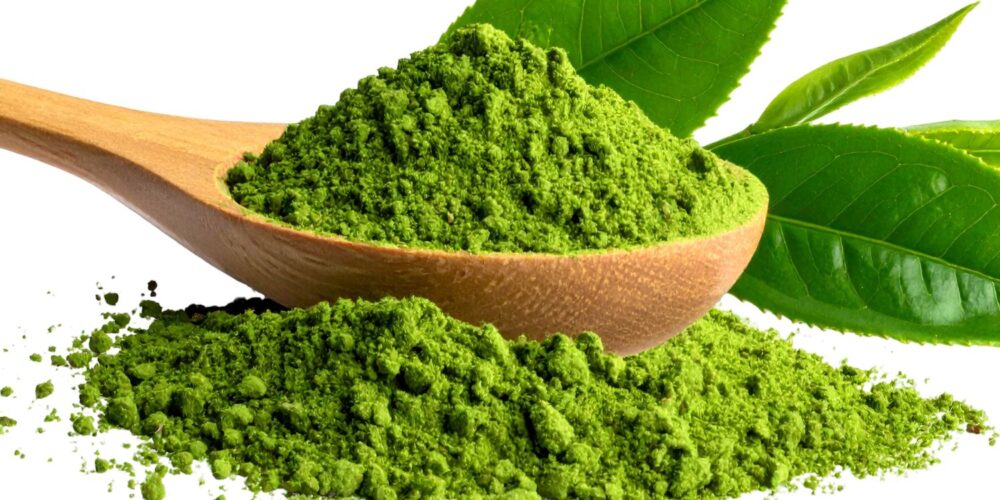
matcha L-theanine - does Matcha have more caffeine than coffee

This is why matcha has been used for centuries by Zen Buddhist monks preparing for long meditation sessions – they needed sustained, calm attention, not a jittery spike.

Studies suggest that the L-theanine to caffeine ratio in matcha sits at roughly 1:1, compared to close to 0 in coffee. That ratio is a meaningful part of why the two drinks produce such different cognitive and physical experiences – even at similar caffeine levels.

Does Matcha Have More Caffeine Than Coffee Per Gram?

This is where the answer flips – and it surprises most people.

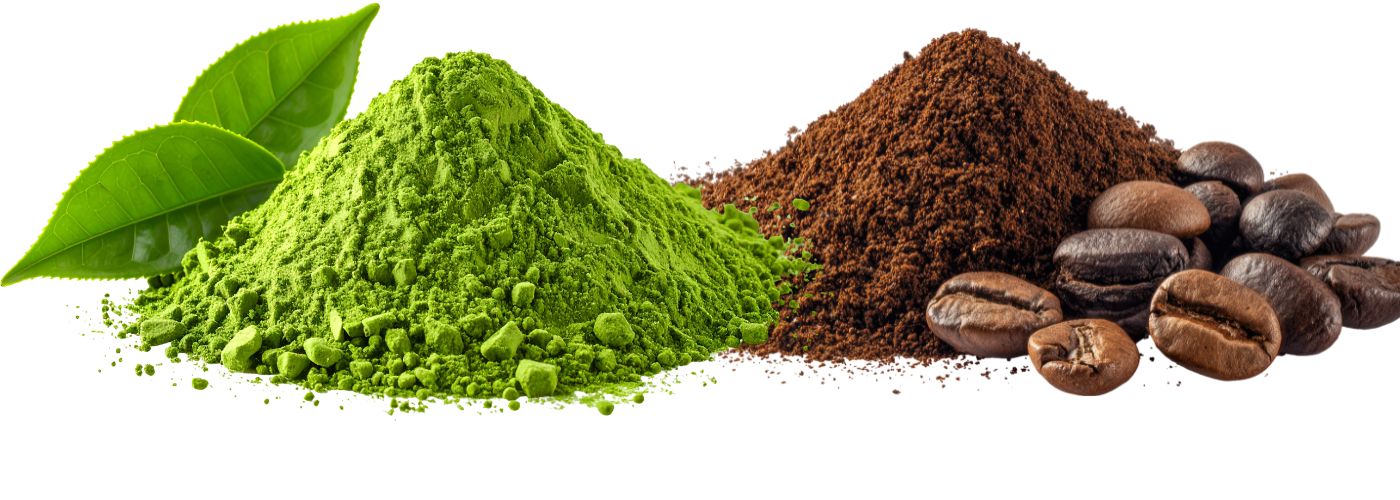
Per gram of dry ingredient, matcha actually contains more caffeine than ground coffee. Matcha contains approximately 35mg of caffeine per gram. Ground coffee contains roughly 10-12mg per gram.

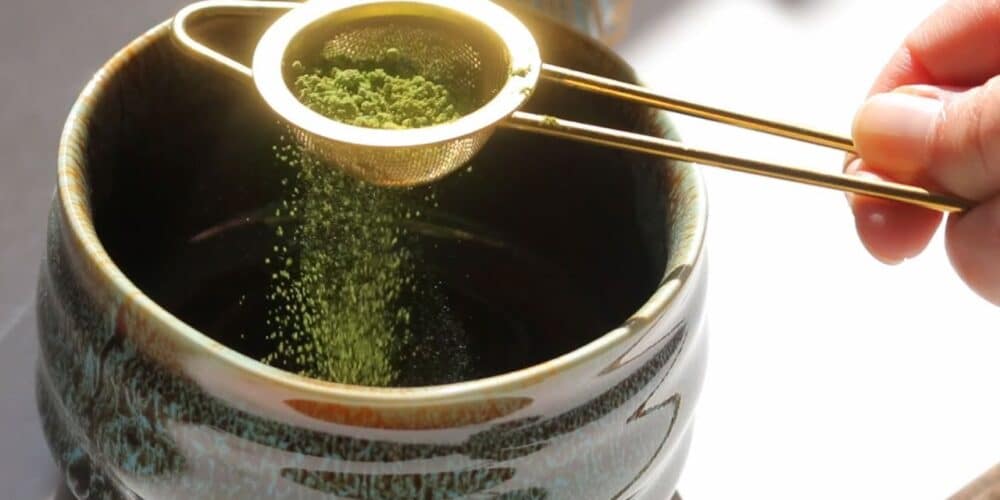
tea sieve - matcha caffeine

The reason your matcha cup contains less caffeine than your coffee cup is simple: you use far less matcha by weight. A standard matcha serving uses 2g of powder. A standard filter coffee uses 10-15g of ground coffee. Adjust the dose and the caffeine content shifts dramatically.

This is worth knowing if you are sensitive to caffeine – using a heaped teaspoon of matcha rather than a level one can increase your caffeine intake significantly, even though it does not look like much of a change.

Which Is Better for Energy – Matcha or Coffee?

The honest answer is that it depends on what you mean by better.

If you need an immediate, high-intensity burst of alertness – before a presentation, during an all-nighter, or to get through a sluggish morning – coffee delivers that more forcefully.

If you want sustained focus across a working day, with less risk of a crash or jitteriness, matcha tends to serve people better.

Many of our Teapro customers – particularly women moving away from coffee as part of a wellness shift – report that matcha replaced two or three coffees per day without losing the functional energy boost they relied on.

The other factor is gut comfort. Coffee is highly acidic and can irritate the stomach lining, particularly on an empty stomach. Matcha is alkaline and significantly gentler – another reason health-conscious drinkers tend to prefer it.

Loading...
ceremonial grade matcha, ceremonial grade matcha powder, matcha green tea powder, Japanese matcha, single-origin matcha
Price range: £20.00 through £320.00
Loading...
tea gifts for her
Price range: £42.00 through £57.00

Who Should Choose Matcha Over Coffee?

Matcha tends to work particularly well for people who:
Coffee jitters Experience jitteriness, anxiety, or heart palpitations from coffee.
Energy crashes Suffer from energy crashes mid-morning or mid-afternoon.
Digestive sensitivity Have digestive sensitivity to coffee's acidity.
Wellness ritual Want a wellness ritual with clear nutritional benefits beyond caffeine.
Less caffeine, same focus Are looking to reduce overall caffeine intake while maintaining focus.
Curiosity Want to understand more about what you are drinking, not just feel it.

This is not about giving up coffee. It is about being intentional with what you put in your body – and knowing what each choice actually does.

Matcha is not just for drinking. If you’re looking for creative ways to enjoy its distinctive flavour, explore our collection of unique matcha dessert recipes that showcase the versatility of this vibrant green tea.

How to Get the Most From Your Matcha

The way you prepare matcha affects its caffeine content and taste. Here are the key things to get right:

Brewing step What to do and why
Water temperature Use water at 70-80 degrees C - never boiling. High temperatures degrade L-theanine and produce a bitter, flat taste. If you only do one thing differently, lower your water temperature.
The ratio A standard serving is 1 level teaspoon (2g) to 60-80ml of water for a traditional matcha, or 100-150ml for a lighter preparation. For a matcha latte, build on this base and add your milk of choice.
Sifting Matcha clumps easily. Sifting the powder before adding water produces a smoother, more evenly mixed cup - and ensures you get a consistent caffeine release rather than pockets of concentrated powder.
Grade matters Ceremonial grade matcha from a single origin - like the matcha in the Teapro range - will have a noticeably different taste, colour, and nutritional profile to culinary grade or blended matcha powders. The bright, vivid green is a signal of high chlorophyll and L-theanine content - both markers of quality. Learn what to look for in our complete matcha guide.

If you’re unsure how ceremonial, premium, and culinary grades compare, our guide to matcha grades explains exactly what to look for when choosing matcha.

For a deeper dive into sourcing, preparation, and what to look for in quality matcha, visit The Complete Matcha Green Tea Guide.

FAQ

Per cup, matcha typically contains less caffeine than a standard filter coffee – around 60-80mg compared to 95-200mg. However, per gram of dry ingredient, matcha contains more caffeine than ground coffee. The serving size makes the difference.

Many people find the matcha buzz feels more focused and sustained than coffee, even at lower caffeine levels. This is primarily due to L-theanine, an amino acid in matcha that moderates how caffeine is absorbed and reduces the jitteriness associated with coffee.

A standard matcha latte made with 1 teaspoon of matcha powder contains approximately 60-80mg of caffeine – roughly the same as a single espresso shot. Using two teaspoons would bring this closer to 120-160mg.

For most healthy adults, yes. A daily serving of matcha falls well within safe caffeine guidelines. However, because matcha is the whole leaf in powdered form, it does contain trace levels of heavy metals naturally present in soil – particularly lead. Moderate daily consumption (1-2 servings) is considered safe. Choosing high-quality, tested single-origin matcha reduces this risk further.

Many caffeine-sensitive people find they tolerate matcha better than coffee. The combination of L-theanine and slower caffeine release reduces the acute stimulation response. That said, matcha does contain meaningful caffeine – if you are highly sensitive, start with half a teaspoon and see how you respond.

Many people find matcha works best mid-morning – after a meal, when cortisol levels from waking have begun to settle. Drinking it too late in the afternoon can affect sleep, as with any caffeinated drink. Given its sustained energy release, a single morning matcha can comfortably carry many people through to early afternoon.

Generally, yes. Ceremonial grade matcha is made from the youngest, most shade-grown leaves, which are higher in both caffeine and L-theanine. Culinary grade uses older, less shaded leaves and typically has lower levels of both. This is one of the reasons quality and grade matter – you are not just paying for taste, you are paying for a different nutritional and functional profile.

Loading...
Loading...
tea gifts for her
Price range: £42.00 through £57.00

Teapro co-founder. Favourite tea - Long Jing Dragon Well Green Tea. Obsessed with film, photography and travelling.

No Comments

Post A Comment