03 Jun The Best Teas for Hormonal Balance: A Guide for Women
Your hormones affect everything – your energy, your mood, your sleep, your skin, your digestion, your relationship with stress. And for millions of women, keeping them in balance is a daily challenge that changes with every decade of life.
The good news is that certain plants – brewed as pure, single-ingredient loose leaf teas and herbal infusions – have been used for centuries to support the body through hormonal fluctuations. Today, an increasing body of research is beginning to catch up with what traditional herbalists have known for generations.
This guide covers the best teas for hormonal balance across the key phases and concerns that affect women most: PMS and the menstrual cycle, perimenopause and menopause, cortisol and stress-driven imbalances, and everyday hormone wellness. We have also included the science behind each recommendation – because understanding what you’re drinking is as important as drinking it.
One important note before we begin: teas and herbal infusions are supportive tools, not medical treatments. If you are experiencing significant hormonal symptoms, please speak with your GP or an endocrinologist. This guide is educational, not prescriptive.
Content overview
How Tea Can Support Hormonal Health
The Best Teas for PMS and Menstrual Support
The Best Teas for Perimenopause and Menopause
The Best Teas for Stress and Cortisol Balance
The Best Green Teas for Everyday Hormone Health
Teas to Be Cautious With
How to Build a Daily Hormone-Supporting Tea Practice
Frequently Asked Questions
A final thought
How Tea Can Support Hormonal Health
To understand why certain teas work for hormonal balance, it helps to understand how plant compounds interact with the body’s endocrine system.
Many herbs contain phytoestrogens – plant-based compounds that have a weak oestrogen-like effect in the body.
These are structurally similar to human oestrogen and can bind to oestrogen receptors, but their effect is far gentler than the body’s own hormones. In the right context – such as when oestrogen levels are declining during perimenopause – this gentle support can be meaningful.
Other herbs work by reducing cortisol (the body’s primary stress hormone), supporting liver function (the liver processes and eliminates excess hormones), reducing inflammation that disrupts hormonal signalling, or providing specific nutrients – zinc, magnesium, B vitamins – that are direct cofactors in hormone production.
The critical qualifier here is quality. Artificial flavourings, synthetic additives, and low-grade plant material can contain compounds that actively disrupt hormonal balance rather than support it.
This is why single-ingredient, pure, natural loose leaf teas and herb blends are so important in this context – you are drinking the plant, not a flavoured approximation of it.
For a broader introduction to tea types, health benefits and how to get the most from your loose leaf practice, read our Complete Guide to Tea: Health Benefits, Types and How to Get Started.
The Best Teas for PMS and Menstrual Support
Lady’s Mantle tea – for menstrual support and cycle balance
Lady’s Mantle has a long history of use in traditional herbal medicine as a women’s health herb. It contains tannins, flavonoids, and plant compounds that are believed to help support the reproductive system, particularly during times of heavy menstrual bleeding and menstrual discomfort.
Its astringent properties may help tone tissues and promote a sense of balance throughout the menstrual cycle.
It is most commonly recommended during the luteal phase (the two weeks before menstruation) and during menstruation itself, particularly for those experiencing heavy periods or cramping.
Avoid use during pregnancy unless advised by a qualified healthcare professional, as its traditional use in supporting uterine tone may not be appropriate during pregnancy.
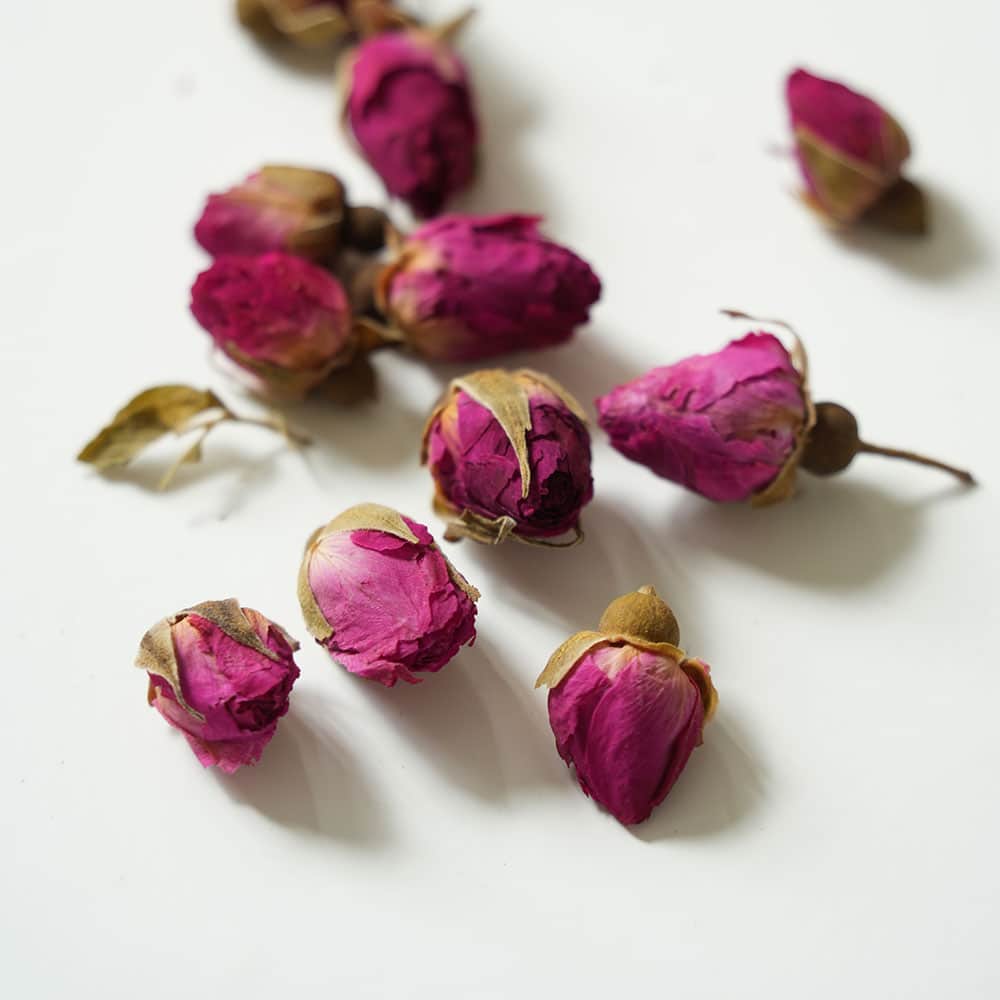
Rosebud tea – for emotional wellbeing and menstrual comfort
Rosebud tea has been treasured in traditional herbal practices for its gentle, soothing properties. Rich in antioxidants, including polyphenols and flavonoids, it is often used to support emotional balance, ease stress, and promote relaxation.
Rose is also traditionally associated with supporting the female reproductive system and may help soothe mild menstrual discomfort.
It is most commonly recommended throughout the menstrual cycle, particularly during the luteal phase (the two weeks before menstruation) when mood changes, tension, or irritability may occur.
Its calming nature also makes it a popular choice during menstruation to encourage relaxation and overall wellbeing.
Rosebud tea is generally considered gentle and suitable for regular use, though those who are pregnant should consult a healthcare professional before introducing any new herbal tea.
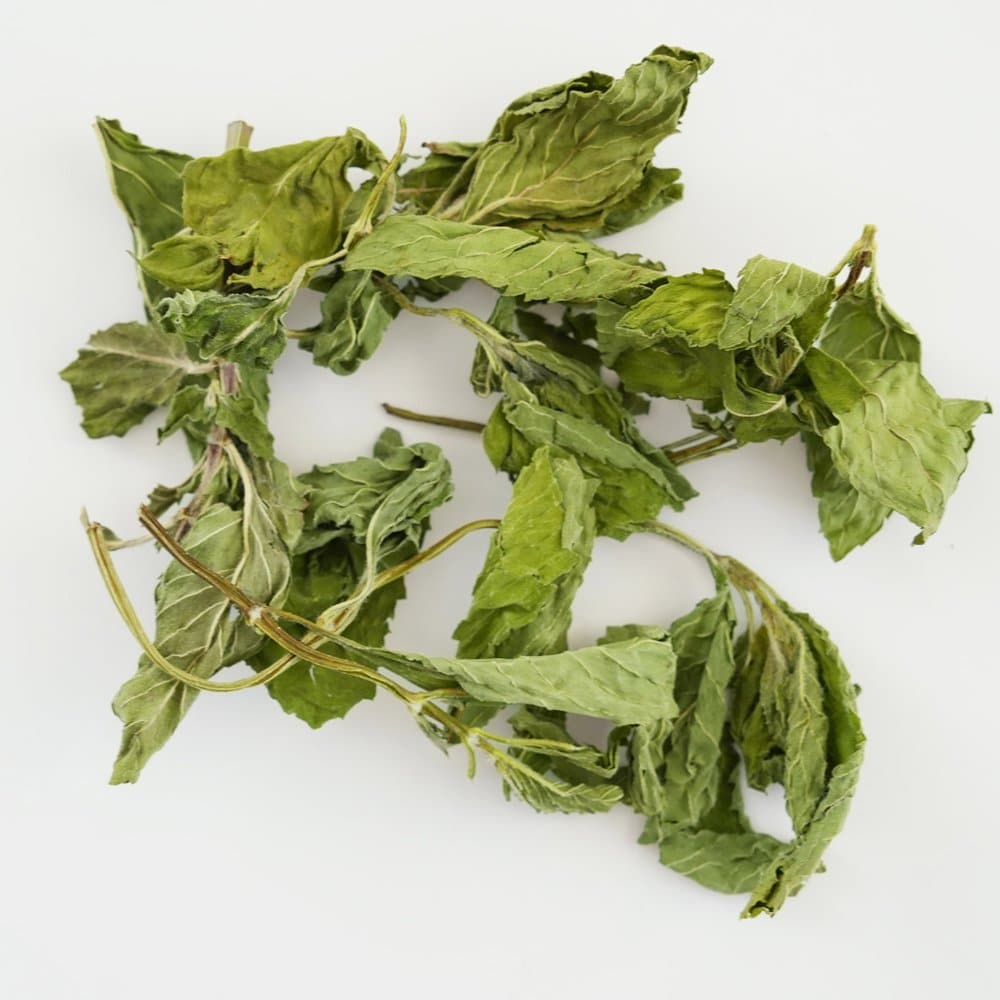
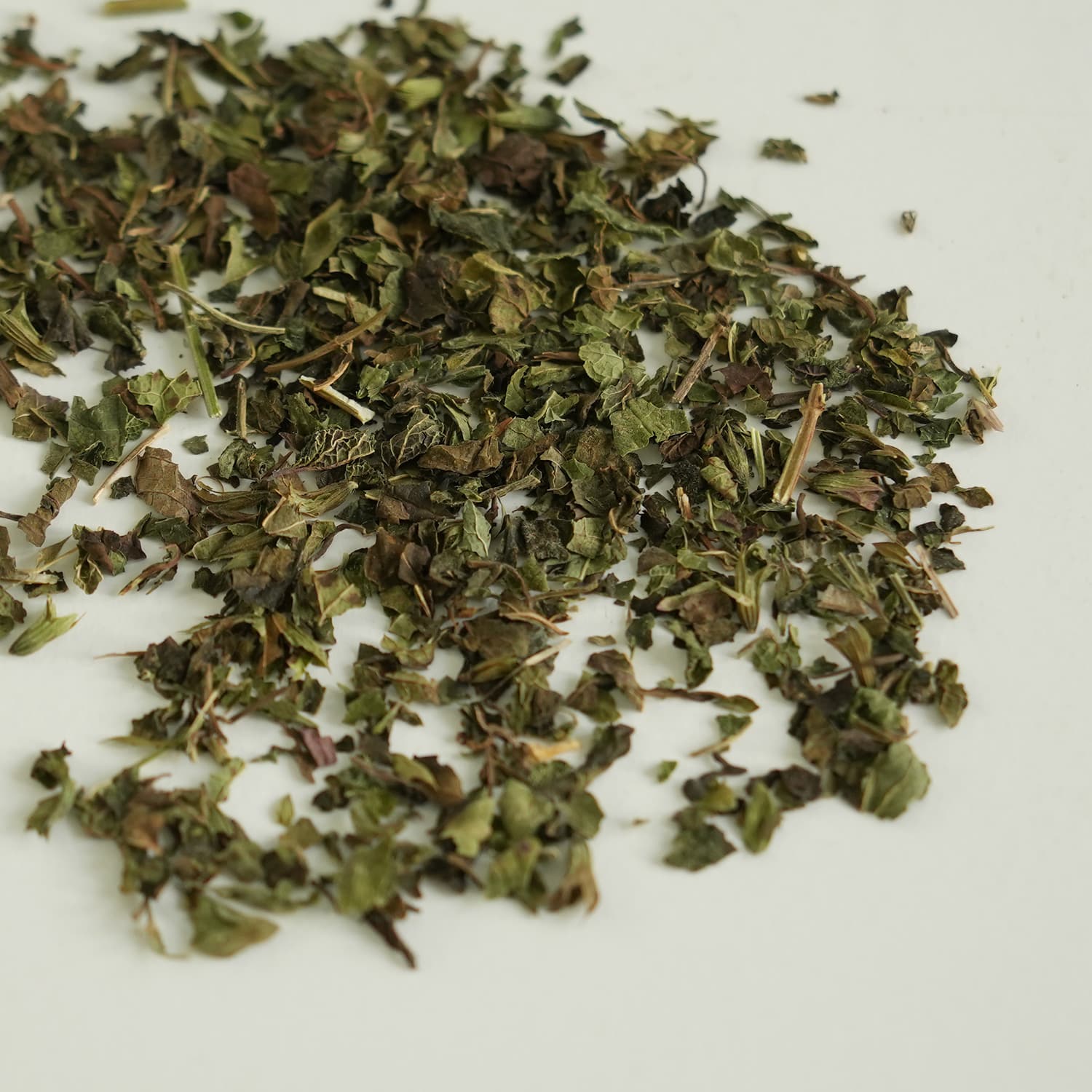
Peppermint tea – for digestion and menstrual comfort
Peppermint has been used for centuries as a soothing digestive herb. It contains menthol, a natural compound that helps relax smooth muscle tissue, which may ease digestive discomfort such as bloating, gas, and stomach cramps.
This muscle-relaxing effect may also help reduce menstrual cramping and promote overall comfort during the menstrual cycle.
It is most commonly recommended during menstruation and in the days leading up to it, particularly for those who experience bloating, digestive upset, or cramping alongside their period.
Peppermint tea can also be enjoyed throughout the month to support healthy digestion and provide a refreshing, calming drink.
While generally well tolerated, those with gastroesophageal reflux (acid reflux) may find that peppermint can worsen symptoms and should use it with caution.
Chamomile tea – for PMS anxiety and sleep
Chamomile’s primary active compound, apigenin, binds to GABA receptors in the brain – the same receptors targeted by anti-anxiety medications, though far more gently.
This makes it particularly useful for the anxiety, irritability, and sleep disruption that characterise the latter half of the menstrual cycle for many women.
Chamomile also has mild antispasmodic properties, which can help with cramping.
Look for whole chamomile flowers rather than ground powder in teabags – the difference in potency and flavour is significant.
The Best Teas for Perimenopause and Menopause
The hormonal shift of perimenopause and menopause is one of the most significant transitions a woman’s body makes.
Oestrogen and progesterone levels become erratic and then decline – driving hot flushes, disrupted sleep, mood changes, cognitive fog, and bone density concerns. Certain plants offer genuine, evidence-backed support during this period.
Lemon balm tea – the calming menopause companion
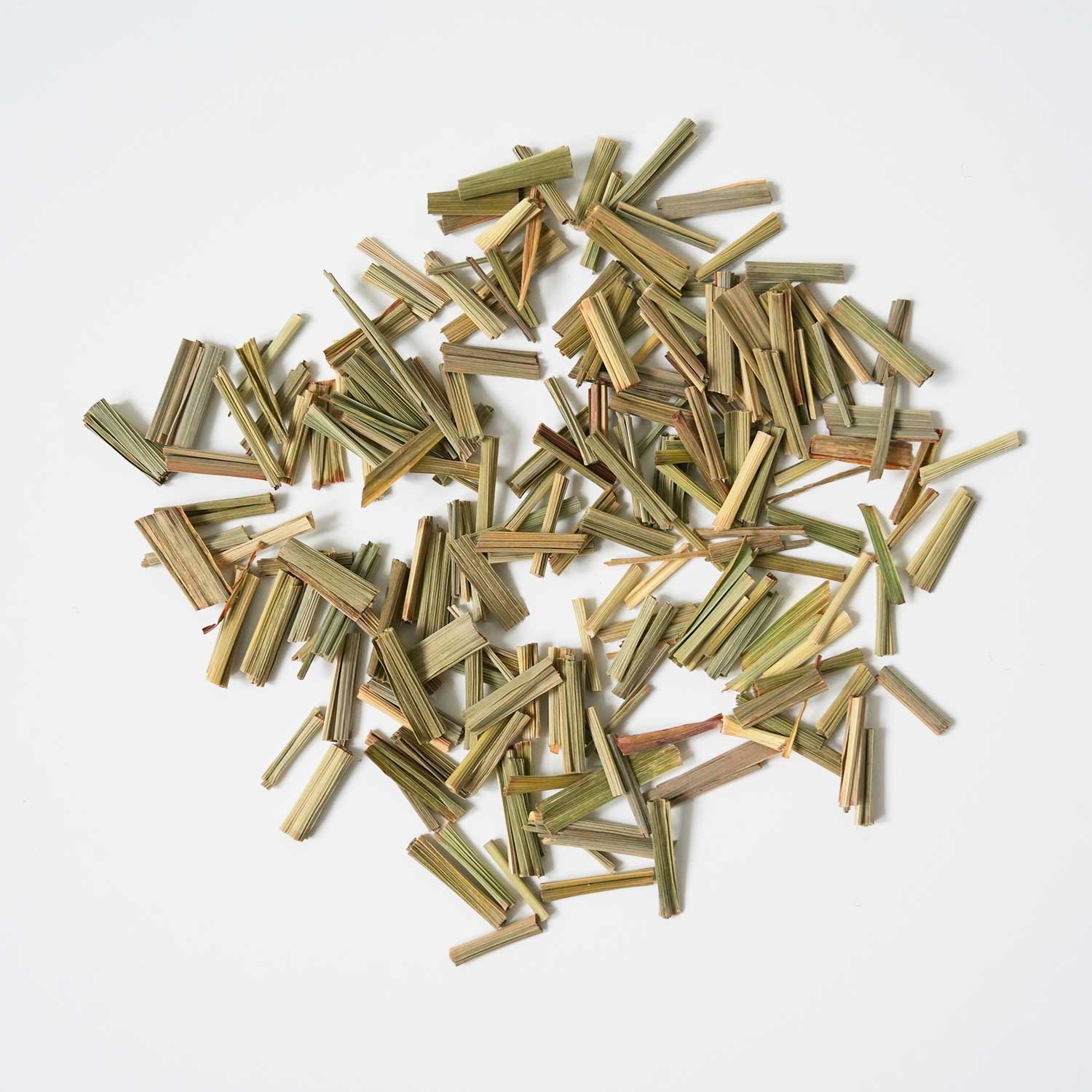
Lemon balm is one of the most valued herbs for calming the nervous system and supporting emotional wellbeing. During perimenopause and menopause, many women experience increased stress, mood changes, irritability, and sleep disturbances as fluctuating hormone levels affect the body’s natural rhythms.
Lemon balm tea offers a gentle citrus flavour and has been traditionally used to promote relaxation, reduce nervous tension, and support restful sleep, making it a comforting daily companion.
Research suggests that lemon balm may help support mood and cognitive function by influencing neurotransmitters involved in relaxation and stress response.
Several studies have found that preparations containing lemon balm may help reduce feelings of anxiety, improve calmness, and support sleep quality.
While most research has focused on extracts rather than tea infusions, the herb remains one of the most widely used botanicals for emotional balance.
Important note: Lemon balm is generally considered safe for most people, but those taking thyroid medication or medications that affect the nervous system should consult a healthcare professional before using it regularly.
Sage tea – for hot flushes
Sage has a long history of use for menopausal symptoms in European herbal medicine, and recent research has begun to validate this tradition.
A Swiss clinical trial published in Advances in Therapy found that a standardised sage extract significantly reduced the frequency and intensity of hot flushes over 8 weeks, with some women experiencing a 50% or greater reduction.
The mechanism is not fully understood but is thought to involve sage’s oestrogenic activity and its action on the hypothalamus, which regulates body temperature.
Sage tea made from fresh or dried sage leaves is the most traditional preparation – steep 1 tablespoon of leaves in hot (not boiling) water for 5 minutes and drink 2-3 cups daily.
Ginkgo biloba tea – for brain fog and cognitive support
Ginkgo biloba is one of the world’s oldest medicinal plants and is best known for its potential effects on memory, concentration, and circulation.
During perimenopause and menopause, many women report experiencing “brain fog” – a collection of symptoms that can include forgetfulness, difficulty concentrating, and reduced mental clarity. Ginkgo has become one of the most researched herbs for supporting cognitive function during this stage of life.
Several studies have investigated ginkgo’s effects on memory and mental performance, with some findings suggesting it may help improve blood flow to the brain and support cognitive processing. While results vary, many women find it helpful for maintaining focus and mental sharpness during periods of hormonal change.
Research has also explored ginkgo’s potential role in supporting mood and sexual wellbeing during menopause.
Improved circulation may contribute to some of these benefits, although more studies are needed to fully understand the mechanisms involved.
Its antioxidant compounds may also help protect cells from oxidative stress, which naturally increases with age.
Ginkgo tea has a mild, earthy flavour and can be enjoyed as part of a daily wellness routine.
It blends well with lemon balm, peppermint, or green tea for those seeking both mental clarity and gentle relaxation.
Important note: Ginkgo has mild blood-thinning properties and may increase the risk of bleeding in some individuals.
Women taking anticoagulant or antiplatelet medications, those with bleeding disorders, or anyone due to undergo surgery should consult their healthcare provider before using ginkgo regularly.
Maca root tea – for energy and mood
Maca is a Peruvian root vegetable used for centuries as an adaptogen – a substance that helps the body regulate its own stress and hormonal responses.
Several small clinical trials have found that maca supplementation reduces psychological symptoms of menopause including anxiety and depression, and may support libido and energy levels.
Unlike most of the teas in this list, maca does not appear to exert its effects through oestrogen receptor activity – which makes it a useful option for women who want to avoid phytoestrogens.
It has a malty, earthy flavour and works well in warm oat or almond milk.
The Best Teas for Stress and Cortisol Balance
Chronic stress is one of the most common drivers of hormonal imbalance in women of all ages. When the body is under sustained stress, it prioritises cortisol production – and this can suppress the production of oestrogen, progesterone, and thyroid hormones.
The body is, in effect, trading reproductive and metabolic health for short-term survival readiness.
The following teas work primarily by calming the nervous system and reducing cortisol output.
Ashwagandha tea – the cortisol regulator
Ashwagandha is one of the most well-researched adaptogens in the world. A 2019 double-blind randomised controlled trial published in Medicine found that 240mg of ashwagandha extract daily for 60 days produced significant reductions in cortisol levels and self-reported stress scores compared to placebo.
For women specifically, research has also shown improvements in sexual function and reproductive health markers.
Ashwagandha has a bitter, earthy taste – it works best in warm milk (an Ayurvedic preparation called ashwagandha latte or ‘golden mylk’) or blended with warming spices like cinnamon and cardamom.
Tulsi (Holy Basil) tea – the adaptogenic daily ritual
Tulsi is revered in Ayurvedic medicine as ‘the queen of herbs’ and is classified as an adaptogen – helping the body adapt to physical, chemical, and psychological stress.
Research has found it reduces cortisol, blood glucose, and inflammatory markers while supporting immune function.
It has a warming, clove-like, slightly peppery flavour that makes it an excellent morning tea for women who want to start the day with stress resilience rather than the cortisol spike of coffee.
Look for loose leaf Rama or Krishna tulsi – both are more aromatic and potent than the blended versions found in most supermarket teabags.
Chamomile tea – the evening soother
Chamomile is among the most clinically studied herbs for easing anxiety, owing much of its effect to apigenin, a compound that binds to calming receptors in the brain.
In a 2009 randomised, double-blind, placebo-controlled trial, 61 adults with generalised anxiety disorder took chamomile extract for 8 weeks and showed a significantly greater reduction in anxiety, measured by the Hamilton Anxiety Rating Scale, than those on placebo.
A later analysis found that symptom improvement during chamomile therapy was linked to a healthier daily cortisol rhythm rather than a simple drop in cortisol. This makes chamomile best suited to the late afternoon and evening, when winding down supports better sleep and stress recovery.
It has a soft, floral, honeyed taste, is naturally caffeine-free, and is lovely with a touch of honey or a slice of lemon.
Lemon balm tea – the nervous system soother
Lemon balm is a member of the mint family and contains rosmarinic acid, which has been shown to inhibit an enzyme that breaks down GABA – essentially allowing the body’s own calming neurotransmitters to work more effectively.
A 2004 study found that a single dose of lemon balm extract significantly improved mood and calmness in stressed healthy volunteers.
It has a delicate lemon-herb flavour that is genuinely pleasant, and it combines beautifully with chamomile, passionflower, and lavender in evening blends.
The Best Green Teas for Everyday Hormone Health
Beyond targeted herbs, high-quality loose leaf green tea deserves a prominent place in any woman’s daily hormone health routine. Its benefits are broad and interconnected.
Matcha and L-theanine: calm focus without cortisol
Ceremonial grade matcha contains the highest concentration of L-theanine of any tea type.
L-theanine is an amino acid that promotes alpha brain wave activity – the calm, focused state associated with meditation.
Crucially, it blunts the cortisol-spiking effect of caffeine, which means matcha provides energy without triggering the stress response.
For women whose hormonal imbalance is rooted in chronic stress, switching from coffee to high-grade matcha is one of the most impactful dietary changes they can make.
Matcha “Land of Fire” Ceremonial Grade Matcha Green Tea
Green tea and EGCG: liver support and inflammation
Green tea is rich in EGCG (epigallocatechin gallate), a catechin with powerful anti-inflammatory and antioxidant properties.
The liver is the body’s primary hormone-processing organ – it breaks down excess oestrogen for elimination. When the liver is overburdened or inflamed, this process slows, contributing to oestrogen dominance.
The EGCG in green tea has been shown to support liver enzyme activity and reduce inflammation in liver cells.
Single-origin Japanese green teas – Gyokuro, Sencha, high-grade Kabusecha – contain the highest EGCG concentrations and the most nuanced flavour profiles.
Brew at 70-80 degrees Celsius. Boiling water destroys catechins and the amino acids that give Japanese green tea its characteristic sweetness.
Teas to Be Cautious With
Not all herbal teas are beneficial for hormonal health. Some common ingredients warrant attention:
| Herb | Caution |
|---|---|
| Liquorice root | Has demonstrated effects on cortisol metabolism and can raise blood pressure with high consumption. Avoid if you have hypertension or are taking corticosteroids. |
| Fennel in very large amounts | While culinary amounts are fine, therapeutic doses of fennel have phytoestrogenic activity that may be contraindicated for women with oestrogen-sensitive conditions. |
| St John's Wort | Widely used for mood but interacts with many medications, including the contraceptive pill, by accelerating liver metabolism. Do not take alongside hormonal contraception without medical advice. |
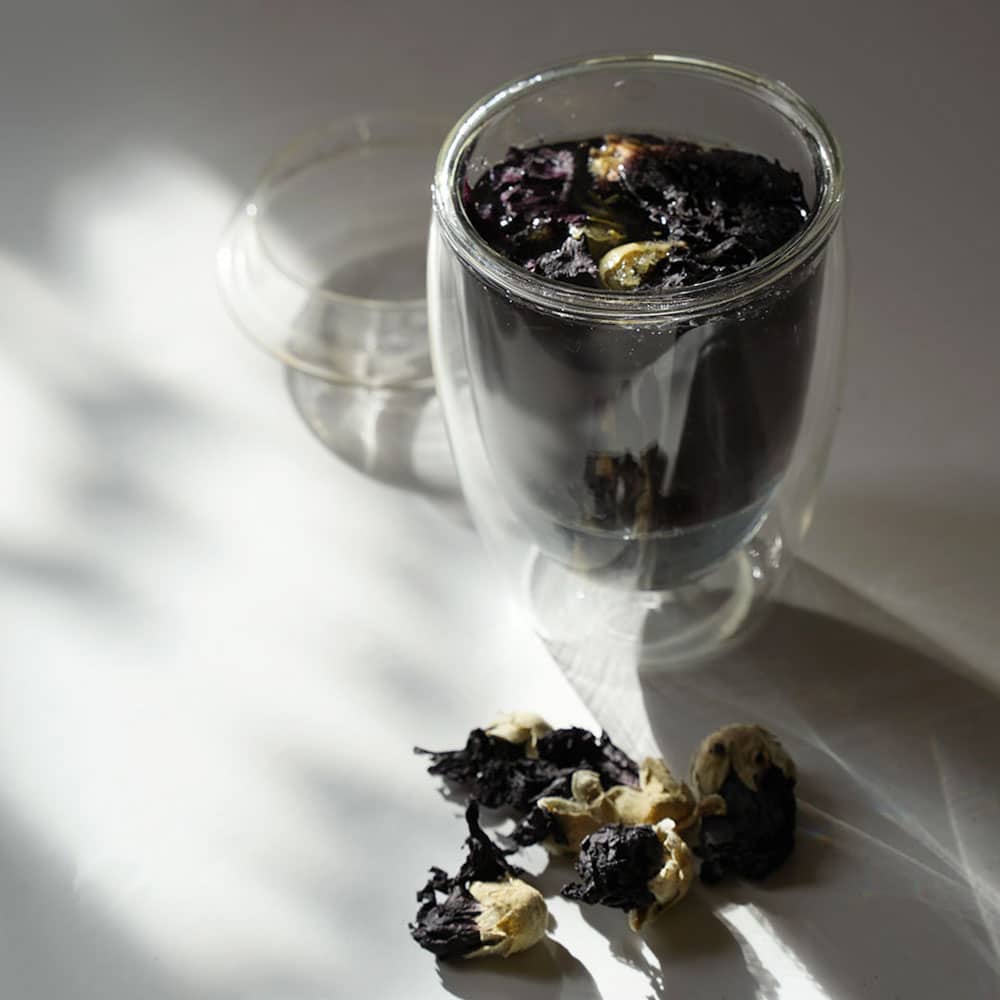
| Hibiscus | Safe for most women and beneficial in many contexts, but its blood-pressure-lowering effects mean it should be used with care by those already taking medication for hypertension. |
The general principle: the more potent the herb, the more important it is to treat it with respect and, if you are on any medications, to check for interactions with your pharmacist or GP.
How to Build a Daily Hormone-Supporting Tea Practice
The women who see the most benefit from tea for hormonal health are those who approach it as a consistent daily practice rather than an occasional remedy. Here is a simple daily structure to build from:
| Time of Day | Tea | Benefits |
|---|---|---|
| Morning | High-grade matcha or tulsi | Calm focus, cortisol management, antioxidant start to the day |
| Morning | Spearmint (if relevant for androgen balance) | Best taken in the morning on an empty stomach |
| Mid-morning to afternoon | Single-origin green tea (Sencha or Gyokuro) | Sustained energy, EGCG for liver support, L-theanine for focus without stress |
| Evening | Chamomile, lemon balm, or valerian blend | GABA support, wind-down signalling, preparation for restorative sleep |
| Evening | Red clover or sage (if in perimenopause) | Phytoestrogen support, hot flush reduction |
The quality of what you brew matters at every step. A supermarket herbal teabag contains a fraction of the active compounds found in whole-flower, whole-leaf, or properly dried loose herb.
If you are drinking tea for its health properties, the single highest-leverage change you can make is upgrading to pure, single-ingredient loose leaf.
To explore the full range of tea types and their health benefits in depth, read our Complete Guide to Tea: Health Benefits, Types and How to Get Started – it covers everything from green and white teas to rooibos, pu-erh and herbal blends, with brewing guidance for each.
Butterfly Pea Tea – Premium Colour Changing Blue Tea
Frequently Asked Questions
There is no single best tea for hormonal balance because hormonal health is highly individual and depends on which hormones are out of balance and why. That said, for everyday hormone wellness, a high-grade green tea (matcha or Gyokuro) is the most well-rounded option – it supports liver function, reduces inflammation, and delivers L-theanine for stress regulation. For specific concerns: spearmint for androgen excess, red clover or sage for menopausal symptoms, and chamomile or lemon balm for PMS-related anxiety.
Most herbal interventions require consistent daily use over 4-8 weeks before noticeable effects occur. The spearmint and PCOS research showed meaningful changes after 30 days of twice-daily consumption. Red clover research typically shows accumulating benefits over 8-12 weeks. Teas for acute symptoms – chamomile for anxiety, ginger for period pain – can work more quickly, sometimes within a single cup.
Spearmint tea has the strongest evidence base for PCOS, specifically for its effects on reducing free testosterone. Green tea has also been studied in PCOS contexts, with some evidence that its anti-inflammatory and insulin-sensitising effects may support cycle regularity. Neither should replace medical treatment for PCOS, but both can be meaningful complementary tools.
For most women, yes – in reasonable quantities (2-4 cups per day) of pure, natural herbal infusions. The key word is pure: herbal teas without artificial flavourings, synthetic additives, or mystery ingredients are far less likely to cause issues. Some specific herbs (St John’s Wort, high-dose liquorice) require more caution and are noted in Section 6. If you are pregnant, breastfeeding, or taking regular medication, consult your GP before adding medicinal herbs to your daily routine.
No – and it is important to be clear about this. Phytoestrogen-rich teas like red clover and sage have a measurable but gentle effect on menopausal symptoms. They are not equivalent to prescribed HRT in terms of potency or the range of symptoms they address. For women with moderate to severe menopausal symptoms, HRT remains the most clinically effective intervention and should be discussed with a GP. Tea can be a helpful complement – not a substitute.
Because the active compounds responsible for tea’s health effects – isoflavones, EGCG, L-theanine, rosmarinic acid, fragarine – are present in meaningful concentrations only in high-quality, properly processed plant material. Low-grade teabags often use the smallest, most broken leaf fragments (sometimes called ‘dust and fannings’), which have already lost much of their volatile and active compound content. Whole-leaf, single-origin, pure loose leaf teas and whole-herb infusions deliver these compounds in the concentrations that the research studies actually tested.
Red clover, sage, and maca are the three most evidence-backed options for perimenopause. Red clover provides phytoestrogen support for hot flushes and mood. Sage has a specific and well-documented effect on hot flush frequency and intensity. Maca works through a different mechanism entirely – supporting the body’s own hormonal self-regulation rather than introducing phytoestrogens – which makes it a valuable option for women who want to avoid phytoestrogens. Valerian root addresses the sleep disruption that makes perimenopause so exhausting. Building a daily practice with 2-3 of these in rotation gives comprehensive support.
A Final Thought
The relationship between what you drink and how your hormones function is real, nuanced, and ultimately empowering.
Understanding it – knowing why spearmint works for androgens, why sage calms a hot flush, why green tea supports the liver that processes your oestrogen – transforms a daily cup of tea from a comfort habit into a genuine act of self-care.
That knowledge is what we believe every tea drinker deserves. Not a flavoured experience designed to be pleasant, but a real understanding of what the leaf does and why it matters.
Explore the full educational resource: Complete Guide to Tea: Health Benefits, Types and How to Get Started – and begin your journey from tea drinker to tea pro.

Teapro co-founder. Favourite tea - Long Jing Dragon Well Green Tea. Obsessed with film, photography and travelling.


No Comments