
Pu-erh Tea: The Complete UK Guide to Raw, Ripe & Aged (Sheng vs Shou Explained)
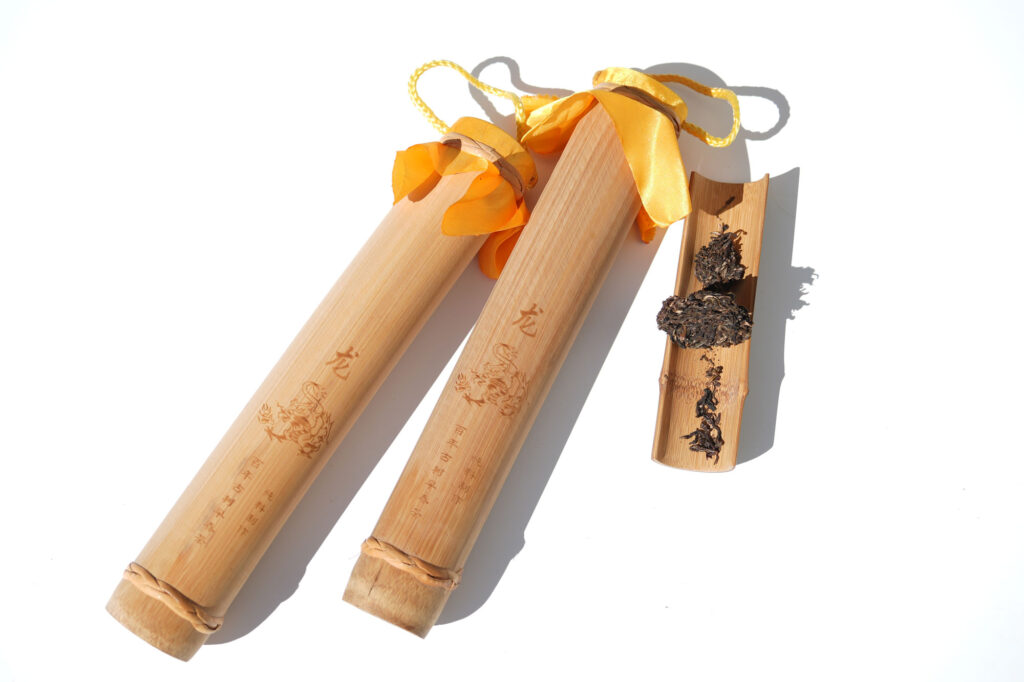
There is one tea in the world that gets better with age – not worse, not stale, not flat – genuinely, measurably better. That tea is pu-erh. 
 
It’s the only tea in the world that works like wine, not like other teas, and once you understand why, you’ll never look at your cup the same way again.
 

This is your complete UK guide to pu-erh: where it comes from, what makes sheng and shou fundamentally different, how fermentation actually works, what it tastes like, how much caffeine it contains, how to brew it properly, and the question most UK content ignores, whether you can age it at home.

What Is Pu-erh Tea? The Basics

Pu-erh (also written puer, pu’er, or 普洱茶) is a post-fermented tea produced exclusively in Yunnan Province, China, from the large-leaf variety of the tea plant, Camellia sinensis var. assamica

What makes pu-erh categorically different from green, black, white, or oolong tea isn’t just processing, it’s that the processing specifically aims to create and preserve microbial activity. 

Every other type of tea halts oxidation through heat. Pu-erh production intentionally encourages further fermentation during aging. The result is a tea that continues changing after it leaves the factory, unique in the entire tea world.

It is arguably the most complex, most misunderstood, and most rewarding tea category for anyone serious about developing their palate.


Origins: Yunnan, the Ancient Tea Horse Road & the Birth of Pu-erh

To understand pu-erh, you need to understand Yunnan, a mountainous, biodiverse province in southwest China that borders Myanmar, Laos, and Vietnam. This is where the Camellia sinensis plant is believed to have originated, and where ancient tea trees, some over 300 years old, still grow wild in the forests.

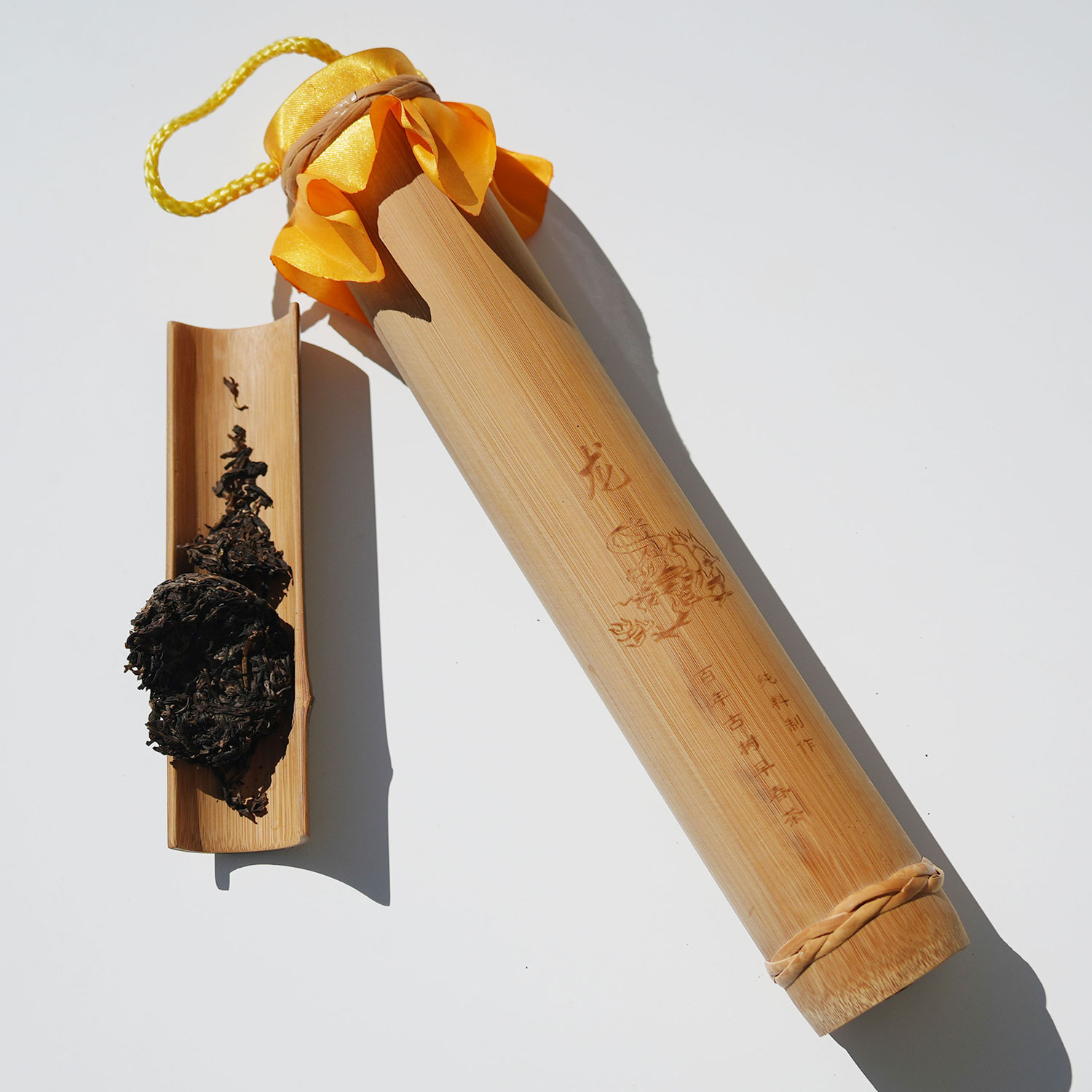
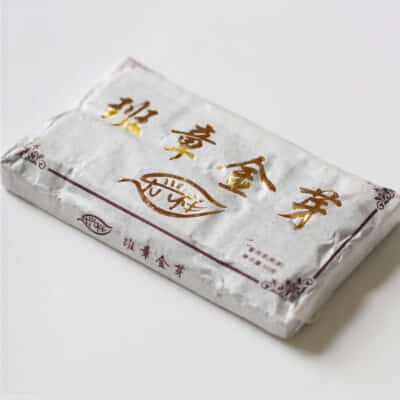
For most of its history, pu-erh existed solely in the form we now call Sheng (raw). The tea harvested by indigenous minority groups of Xishuangbanna was sun-dried and compressed into cakes or bricks, primarily for practical logistics.

These compressed cakes were loaded onto mule caravans and transported along the Ancient Tea Horse Road (Cha Ma Gu Dao), a treacherous network of routes winding through the Himalayas to Tibet and beyond.

During journeys that stretched over months, the tea was exposed to moisture, humidity, and heat. The raw leaves underwent a slow, natural post-fermentation.

By the time the caravans reached their destinations, the tea had transformed, darkened, softened, and developed the smooth, warming qualities that made it indispensable to the high-fat, meat-heavy diet of the Tibetan plateau. This naturally aged Sheng was the historical standard.

Then came 1973, and everything changed.

The 1973 Revolution: How Shou Pu-erh Was Invented

As the economies of Hong Kong and Japan boomed in the early 1970s, demand for the dark, smooth taste of aged pu-erh far outstripped the supply of naturally-aged Sheng cakes, which require decades to mature 3 .

In response, the Kunming and Menghai Tea Factories studied the “wet storage” techniques of Cantonese merchants and engineered the Wo Dui (渥堆) or “wet piling” technique. This process uses controlled heat, moisture, and microbial action to compress decades of natural aging into just 45–60 days, creating a new, affordable, and consistent product for the mass market .

The result was Shou (ripe) pu-erh, a tea that mimics the smooth, earthy profile of aged Sheng without requiring decades of patience. It was a revolution in tea production, and it created two entirely different categories of pu-erh that persist to this day.

Loading...
Price range: £4.50 through £55.00
Loading...
Price range: £37.00 through £60.00

Sheng vs Shou: The Most Important Distinction in Pu-erh

This is the question most UK tea content gets wrong.  Sheng and Shou are not just different styles of the same tea.

They are fundamentally different products, made differently, tasting differently, and ageing differently. Confusing them accounts for most beginner disappointment with pu-erh.

Here is the comparison:

Sheng (raw) pu-erh 生普洱 Shou (ripe) pu-erh 熟普洱
Also called Raw, green, uncooked Ripe, cooked, ripened
When invented Ancient - thousands of years old 1973, Kunming Tea Factory
Processing Sun-dried, compressed, aged naturally Accelerated wet-pile fermentation (Wo Dui), 45–60 days
Fermentation type Slow, natural, over years/decades Fast, engineered, microbially intensive
Young flavour Bright, grassy, floral, bitter, astringent Dark, earthy, smooth, mushroom, forest floor
Aged flavour Camphor, dried fruit, honey, sandalwood, leather Smoother, sweeter earthiness - less dramatic transformation
Caffeine Higher (especially young sheng) Lower (fermentation reduces caffeine)
Ageing potential Decades - transforms dramatically 5–15 years - smooths and refines, then plateaus
Best for beginners? No - start with aged (5+ years) Yes - accessible from day one
Stomach sensitivity Can be harsh on an empty stomach Gentle, warming, traditionally a digestive aid

Sheng Pu-erh (Raw): The Living Tea

Sheng means “raw” or “uncooked.” It is the traditional form, preferred by collectors, and the category that improves most dramatically with age.

The lifecycle of a Sheng cake is remarkable:

  • Infancy (1–5 years): Bright yellow-green liquor. Floral, grassy, intensely bitter with a sweet aftertaste. Challenging for beginners.
  • Adolescence (5–15 years): The “awkward phase.” Amber liquor. Bitterness softens, hints of dried fruit and honey emerge.
  • Maturity (15–30+ years): The tea achieves its full potential. Chestnut-red liquor. Bitterness is gone, replaced by camphor, sandalwood, aged wood, and a thick, oily texture.

A 3-year-old Sheng and a 20-year-old Sheng from the same production are almost unrecognisable as the same product . This is what makes pu-erh unique in the entire tea world.

Loading...
Price range: £5.50 through £28.00

 Shou Pu-erh (Ripe): The Accessible Gateway

Shou means “ripe” or “cooked.” It was engineered to deliver the profile of aged Sheng without the wait.

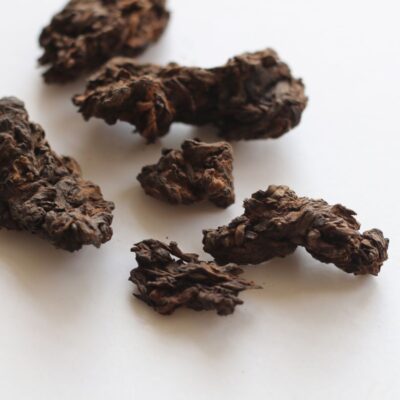
For UK drinkers new to pu-erh, Shou is the recommended starting point. It is consistently dark, smooth, and earthy from the first sip. The flavour profile is typically described as dark chocolate, mushroom, damp forest floor, and autumn leaves. That last description sounds off-putting, but in practice, it’s remarkably pleasant, in the way that aged cheese smells funky but tastes wonderful.

Fresh Shou (0–2 years) often carries a slightly “fishy” or “swampy” odour called Dui Wei, a remnant of the wet pile. This dissipates within 3–5 years, leaving a clean, sweet earthiness. Unlike Sheng, Shou does not gain significant complexity after 15–20 years; it simply becomes smoother.

Loading...
Price range: £12.00 through £125.00
Loading...
Price range: £12.00 through £89.00

What Does Pu-erh Taste Like?

This is the question that stops most people from trying pu-erh, and the answer is more nuanced than most UK tea content admits.

Young Sheng tastes like a very assertive green tea: bright, vegetal, floral, with a pronounced bitterness and a lingering sweet aftertaste called Huigan (回甘). It can be intensely mouth-drying. Not for the faint-hearted.

Aged Sheng (10+ years) is one of the most complex beverages in existence. Notes of camphor, dried fruit (apricot, plum), honey, sandalwood, old books, and a thick, oily texture that coats the mouth. The bitterness is entirely gone. This is the tea that converts people.

Shou is the most approachable: dark, smooth, warming, and earthy. Think dark chocolate, mushroom, damp autumn leaves, and sometimes a hint of dried fruit. There is no bitterness. The texture is silky. It is genuinely unlike anything else in the tea world.

One of the most remarkable things about pu-erh brewed gongfu-style is how much it changes cup to cup. The first infusion and the eighth infusion from the same leaves can taste entirely different, sweetness emerging, aroma deepening, texture becoming silkier as you progress through the session. You’re not just consuming caffeine; you’re watching a living thing unfold

Pu-erh Caffeine Guide: How Much Is Actually in Your Cup?

The honest answer is: it depends on the type, age, and how you brew it.

The caffeine content in pu-erh tea ranges from approximately 15–70mg per 8oz cup , compared to approximately 80–100mg for a standard cup of coffee.


Type Caffeine per cup (approx.)
Young Sheng (1–3 years) 50–70mg
Aged Sheng (10+ years) 30–50mg
Shou (Ripe) 15–50mg
Very aged Shou (7+ years) As low as 15–20mg
Coffee (for comparison) 80–100mg


Pu-erh Health Benefits: What the Research Actually Shows

Pu-erh has a long history in Traditional Chinese Medicine as a digestive aid, cholesterol reducer, and metabolic support. Modern science has examined several of these claims with genuinely interesting results.

1. Gut Microbiome & Weight Management

A 2026 study published in Frontiers in Microbiology found that pu-erh tea extract significantly reduced body weight in high-fat diet mice without affecting food intake, by increasing energy expenditure and remodelling gut microbiota 8 . The study found that pu-erh tea decreased the Firmicutes/Bacteroidetes (F/B) ratio,a key marker of gut health, and enhanced the abundance of beneficial bacteria.

2. Cholesterol & Lipid Profile

Multiple studies have found that pu-erh contains naturally occurring lovastatin, the same compound used as a pharmaceutical cholesterol-lowering drug, produced by Aspergillus terreus during fermentation . A small clinical trial at Kunming Medical University demonstrated modest LDL reduction (7–8%) in participants who drank 3–4 cups of Shou pu-erh daily for 3 months.

3. Digestive Support

In Traditional Chinese Medicine, Shou pu-erh is classified as energetically “warming” and is famously consumed during Dim Sum to aid in the digestion of fats. The fermentation creates a prebiotic-rich beverage that nurtures the digestive system and is considered gentle on the stomach.

4. Antioxidant Properties

Pu-erh contains unique polyphenols produced specifically by the fermentation process, including theabrownins, that are not found in any other tea. These compounds have demonstrated antioxidant and anti-inflammatory properties in multiple studies.

Honest caveat: Much of the pu-erh health research is preliminary, often conducted in animal models or small human trials. The evidence is promising but not conclusive. It’s not replacing your medication, but as part of an overall healthy lifestyle, it likely offers incremental benefits worth having.

How to Brew Pu-erh: Temperature, Steeping & Method

Pu-erh is one of the most forgiving teas to brew, robust and hard to over-steep in the way green tea can be, but there are a few principles that make a significant difference.

The Golden Rules


1. Always rinse first. Pour boiling water over the leaves, wait 5–10 seconds, and discard. This awakens the compressed leaves, washes the surface, and removes any storage dust. Never skip this step, people who try pu-erh without rinsing often experience the “first rinse” effect rather than the actual tea .

2. Use boiling water. Pu-erh needs heat, 95–100°C for Shou and aged Sheng; 85–90°C for young Sheng (to avoid extracting excessive bitterness).

3. Expect multiple infusions. A good pu-erh will give 8–15+ infusions gongfu-style, with the flavour shifting and evolving across the session.

Brewing Methods Compared

Gongfu Style Western Style
Vessel Small gaiwan or clay teapot (100–150ml) Large mug or teapot (250–300ml)
Leaf amount 5–8g 3–5g
Water temp 95–100°C 95–100°C
First steep 10–20 seconds 3–5 minutes
Subsequent steeps Add 5–10 seconds each time
Infusions 8–15+ 1–2
Best for Exploring complexity Daily convenience

Teaware Tips


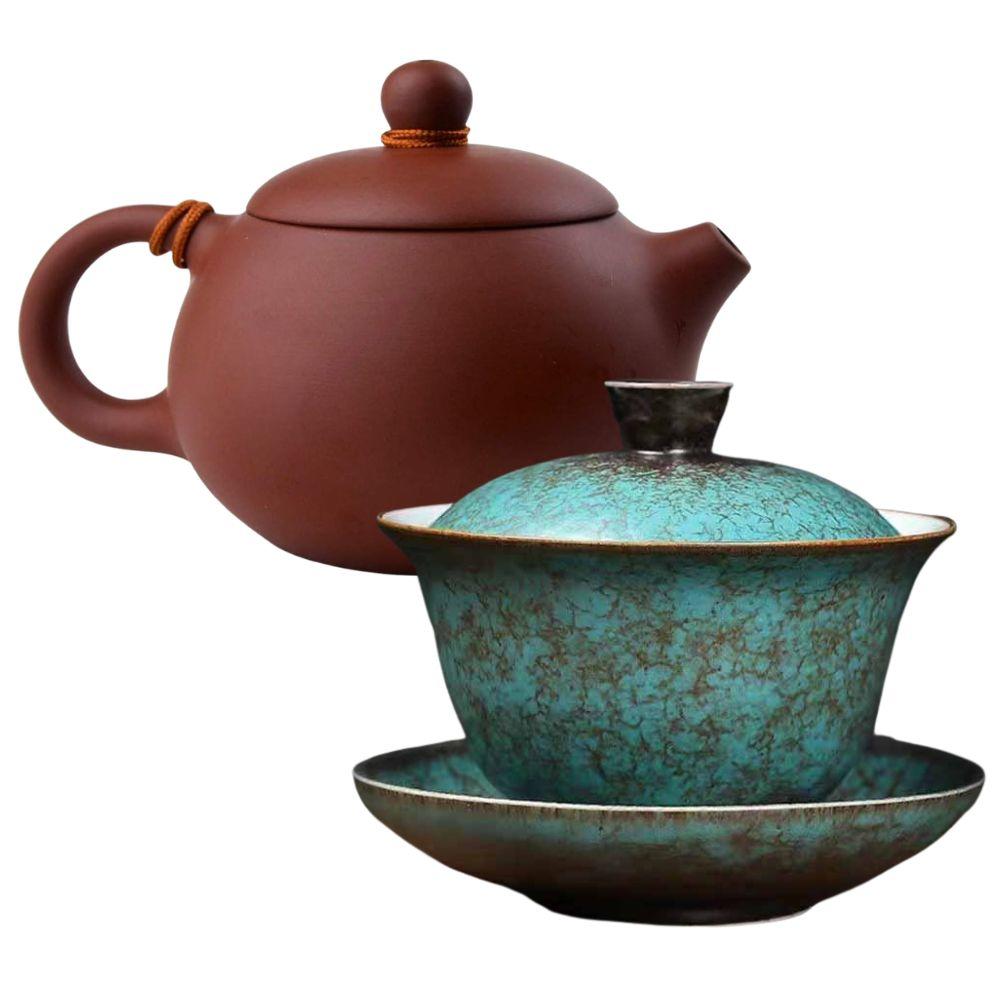
  • Shou pu-erh is best brewed in porous Yixing clay:  the clay’s porosity helps absorb any lingering pile odours and rounds out the body
 
  • Young Sheng is best in porcelain gaiwan to preserve the sparkling high notes without the clay absorbing them
 
  • Aged Sheng works beautifully in either


Not ready to invest in Yixing clay yet?
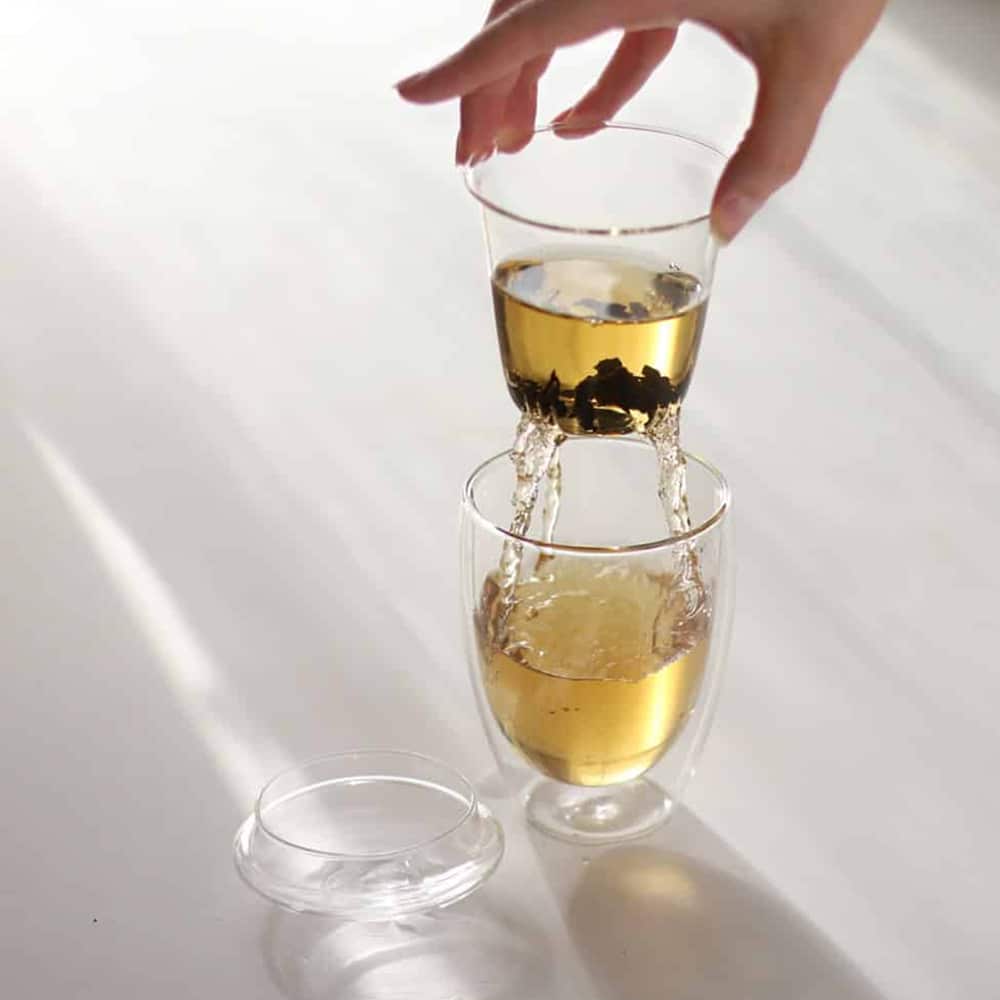
Our infuser glass (350ml) or glass teapot (800ml) are a great starting point – glass is entirely flavour-neutral, so you get a clean, unfiltered read of the tea exactly as it is.

Loading...
tea strainer- tea infuser
Price range: £17.99 through £64.00

Can You Age Pu-erh at Home in the UK? (The Question Nobody Answers)

Yes, but you need to understand what pu-erh actually needs to age properly, because most UK homes are not naturally set up for it.

Why UK Homes Are Challenging

Central heating and double glazing make UK homes significantly drier than the humid climates of Hong Kong, Taiwan, and Yunnan where pu-erh has traditionally been stored . Humidity below 50% RH causes pu-erh to effectively “die” – halting the microbial activity that drives transformation.

The Golden Zone for Ageing

The ideal environment for ageing pu-erh is :

Condition Guideline
Humidity 60–70% Relative Humidity (RH)
Temperature 18–25°C (stable - avoid daily swings)
Airflow Gentle - not airtight, but not exposed to strong drafts
Light None - UV degrades aroma compounds
Odours Zero - pu-erh absorbs smells aggressively from its environment

The Pumidor: Your Home Ageing Solution

The pu-erh collector’s solution is a “pumidor” (a pun on humidor) — a modified storage container designed to maintain stable humidity and temperature.

Beginner setup (low cost):

  • A clean, food-grade plastic bin with a tight lid
  • Boveda 65% humidity packs inside (two-way humidity control — they add or remove moisture automatically)
  • A small digital hygrometer to monitor conditions
  • Individual Mylar bags for each cake (blocks odours, slows moisture exchange)

Intermediate setup:

  • thermoelectric wine cooler (not a compressor model – compressors strip humidity from the air) used as a sealed, insulated cabinet 
  • Boveda packs + hygrometer inside
  • Inert plastic or metal shelving (never aromatic woods like cedar – they will permanently contaminate your tea) 

Critical rule: Always store Sheng and Shou separately —-Shou’s strong earthy aromas will migrate into and muddy the delicate complexity of Sheng.

What to Expect

Ageing pu-erh at home in the UK is a long game. In “dry storage” conditions (60–70% RH), ageing is slow, 15–30 years to reach the profile that Hong Kong’s humid storage achieves faster. But the reward is a tea that retains more of its original terroir, high notes, and complexity.

For most UK drinkers, the practical approach is: buy already-aged Shou for immediate enjoyment, and invest in a few young Sheng cakes for long-term ageing,  then check on them in a decade.


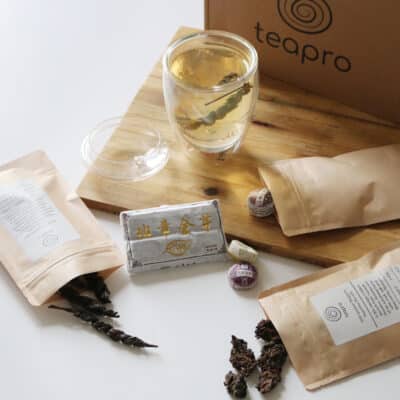
Teapro stocks both Sheng and Shou pu erh, pressed into traditional cakes. Our Cake Day Pu Erh Discovery Box is the best place to start if you’ve never tried it.

Pu-erh FAQs

Pu-erh contains approximately 15–70mg of caffeine per cup, depending on type, age, and brewing method, compared to 80–100mg for coffee. Young Sheng tends to be higher (50–70mg); aged Shou can be as low as 15–20mg. Pu-erh’s caffeine also interacts with other compounds that slow its absorption, creating a gentler, more sustained energy effect than coffee.

Research is promising but not conclusive. A 2026 study in Frontiers in Microbiology found pu-erh tea extract significantly reduced body weight in obese mice by increasing energy expenditure and remodelling gut microbiota . A 2023 study in Nutrients found pu-erh modulated gut bacteria associated with healthy metabolism . However, most evidence comes from animal studies. Pu-erh is not a weight loss supplement, but as part of a healthy diet and lifestyle, it may offer incremental metabolic benefits.

Shou pu-erh tastes earthy, smooth, and warming dark chocolate, damp forest floor, mushroom, and sometimes dried fruit. Young Sheng is more astringent and bitter with vegetal notes.

Aged Sheng (10+ years) develops extraordinary complexity: floral, fruity, sweet, smooth, and deeply earthy simultaneously. The flavour also evolves cup by cup during a gongfu brewing session.

Use boiling water (95–100°C). Always rinse the leaves first for 5–10 seconds and discard. For Western brewing, use 3–5g per 250ml and steep for 3–5 minutes. For gongfu brewing, use 5–8g in a small gaiwan (100–150ml) and steep for 10–20 seconds, adding time with each infusion. A good pu-erh will give 8–15+ infusions. 

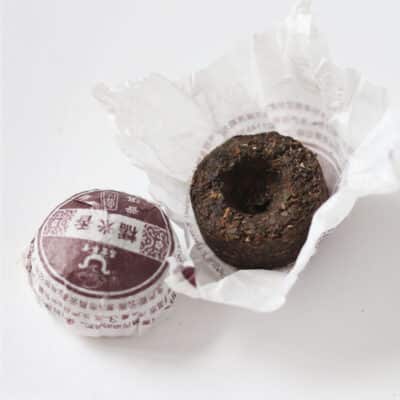
Start with a Shou (ripe) pu-erh loose leaf or a small compressed tuocha (50–100g). It’s smooth, accessible, and representative of the classic pu-erh flavour. Once you’re comfortable, explore Sheng that has at least 5–7 years of age, where the rough edges have softened and complexity has begun to develop.

Yes, specifically Sheng pu-erh. It is the only tea in the world that genuinely improves with age, transforming from a bright, astringent tea into something deeply complex, smooth, and layered over decades. Shou pu-erh also benefits from a few years of ageing (primarily to dissipate any “pile” notes from fermentation), but its transformation arc is less dramatic.

Start Your Tea Journey

There are so many teas to explore, and few are as fascinating – or as misunderstood – as pu-erh. Aged, fermented, and steeped in thousands of years of history, it’s a tea that rewards curiosity. But pu-erh is just one chapter in a much bigger story.

That’s what Teapro is built around. Not just selling tea, but teaching you to understand it. Across 12 carefully curated boxes, you’ll journey through the full world of tea – and when you reach the pu-erh box, you’ll get to explore both raw and ripe varieties, tasting how time and fermentation transform a leaf into something truly extraordinary.

Every gift box, every tea guide is designed to move you one step further along the journey from tea drinker to tea pro.

The world of tea is vast, ancient, and endlessly surprising. Welcome to it.

Loading...
Loading...
Price range: £37.00 through £60.00

Teapro co-founder. Favourite tea - Long Jing Dragon Well Green Tea. Obsessed with film, photography and travelling.

No Comments

Post A Comment