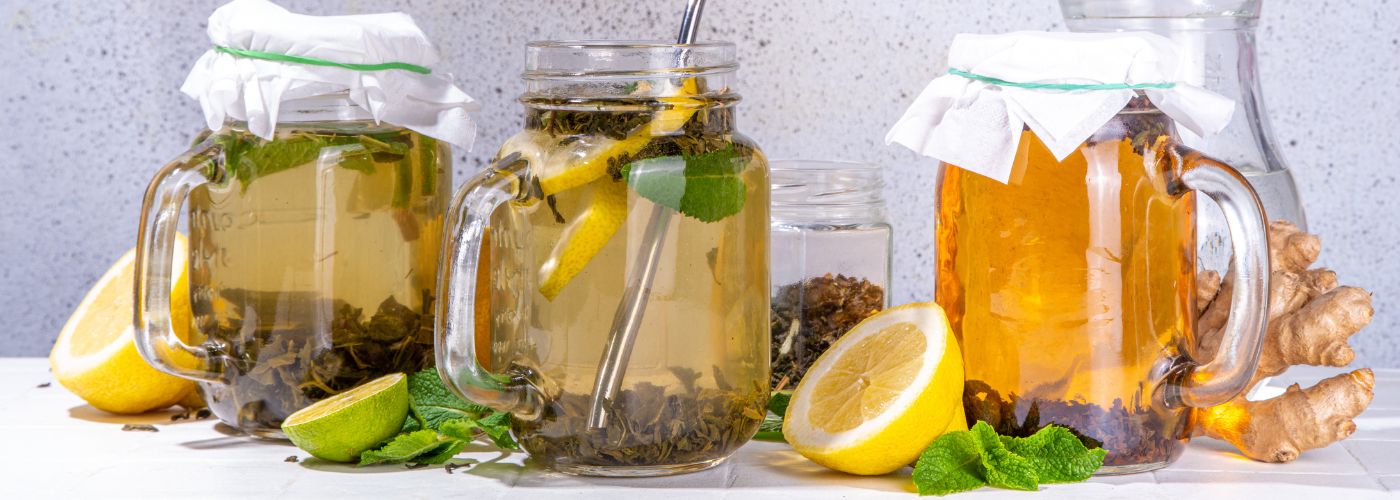
30 May How to Cold Brew Tea at Home: The No-Heat Method That Changes Everything
Most people assume tea needs boiling water. It does not. Cold brew tea at home is not just a summer trend – it is a completely different way of unlocking flavour from the leaf, and once you try it, you will question why you ever reached for the kettle.
Cold brewing is slower, gentler, and – when you use a pure, high-quality loose leaf tea – produces a cup that is noticeably smoother, naturally sweeter, and more complex than anything hot water can give you. No bitterness. No astringency. Just the real flavour of the leaf.
This guide will walk you through everything you need to know about how to cold brew tea at home: the method, the ratios, the best teas to use, how long to brew, and the flavour science behind why it works. For a full overview of brewing methods, visit our Teapro Tea Brewing Guide.
Table of contents
What Is Cold Brew Tea?
Why Cold Brew Changes Everything
The Basic Cold Brew Tea Method
Cold Brew Tea Ratios – How Much Leaf to Use
Best Teas for Cold Brewing at Home
Cold Brew Tea Timing Guide
How to Cold Brew Tea Without Any Equipment
Common Cold Brew Mistakes (and How to Avoid Them)
Cold Brew Tea and Wellness
Frequently Asked Questions
What Is Cold Brew Tea?
Cold brew tea is tea steeped in cold or room-temperature water over an extended period – typically 4 to 12 hours – rather than using hot water for a short, fast infusion. The absence of heat changes everything about how the compounds in the leaf dissolve into the water.
Hot water extracts quickly, pulling out tannins and caffeine fast – which is why over-brewed hot tea tastes bitter. Cold water is selective. It draws out the delicate aromatic compounds, natural sugars, and amino acids (particularly L-theanine) more gently, leaving most of the harsh tannins behind.
The result is a tea that tastes like it came from a completely different leaf – cleaner, sweeter, and more nuanced.
Why Cold Brew Changes Everything
If you have only ever drunk tea brewed with hot water, cold brew will genuinely surprise you. Here is what is different:
| Benefit | Why It Happens |
|---|---|
| Lower bitterness | Tannins - the compounds responsible for that dry, gripping sensation - extract poorly in cold water. Cold brew naturally produces a smoother cup without any effort on your part. |
| Natural sweetness | Amino acids like L-theanine dissolve more readily in cold water relative to the bitter compounds. The tea tastes sweeter without any added sugar. |
| More complex aroma | Delicate volatile aromatics that are destroyed by heat are preserved in cold brewing. You taste things in cold brew that simply evaporate when you use boiling water. |
| Clearer colour | Cold brew tea is often visually striking - bright, jewel-clear, and vivid in a way that hot tea rarely achieves. |
| Longer shelf life | Cold brew stores well in the fridge for up to 3 days, making it perfect for batch preparation. |
This is why, at Teapro, we consider cold brewing one of the essential methods every tea drinker should understand. It is all in our Tea Brewing Guide.
The Basic Cold Brew Tea Method
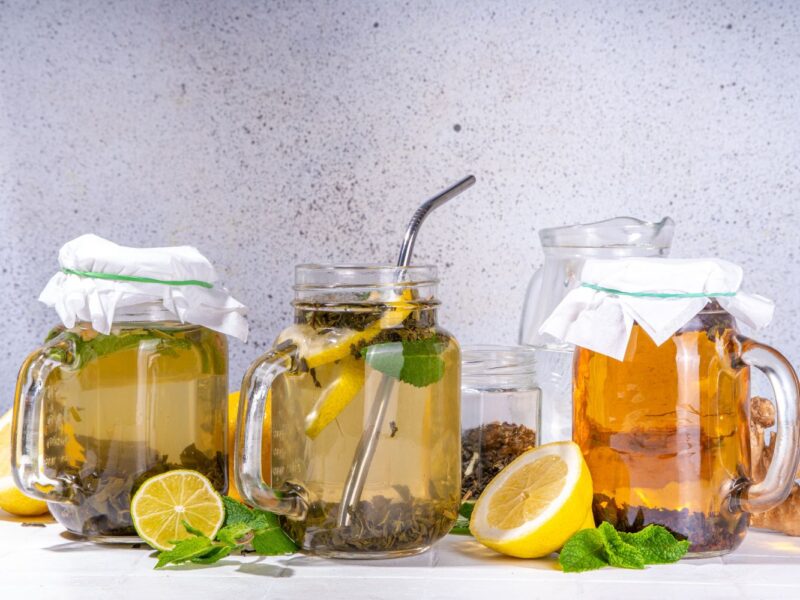
Cold brewing loose leaf tea at home requires no special equipment. Here is the core method:
| Step | What to Do |
|---|---|
| 1. Choose your tea | Loose leaf always gives better results than bags. Single-origin teas with pure, unflavoured leaves perform best. |
| 2. Measure your leaf | Use the ratios in the section below. |
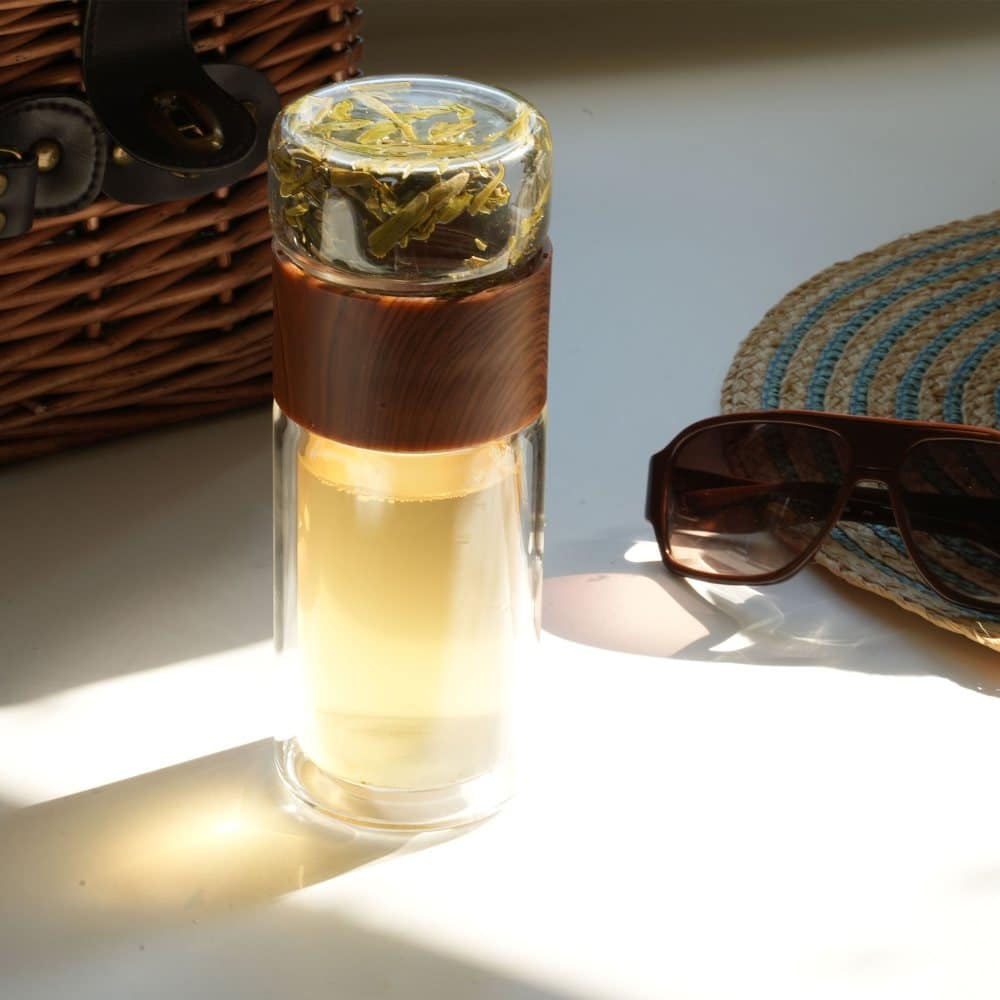
| 3. Add the leaves | Place the loose leaf in a clean glass jar, jug, or cold brew bottle with a filter. |
| 4. Pour your water | Pour cold, filtered water over the leaves. Filtered water makes a noticeable difference to clarity and taste. |
| 5. Seal and steep | Seal and refrigerate for 6 to 12 hours, or steep at room temperature for 2 to 4 hours. |
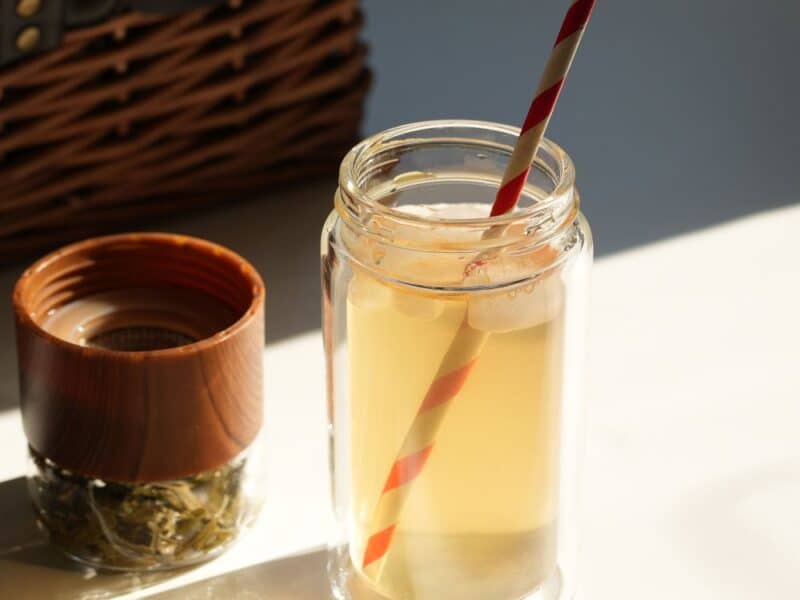
| 6. Strain and serve | Strain the leaves out and serve over ice, or store in the fridge for up to 3 days. |
That is the complete method. No boiling. No waiting for water to cool. No timing to the second. Cold brew is forgiving by nature – over-steeping a cold brew by an hour or two does not ruin the cup the way it would with hot tea.
Cold Brew Tea Ratios – How Much Leaf to Use
Getting the ratio right is the most important technical step. Too little leaf and the flavour is thin; too much and even cold brew can become overwhelming. Here is a starting guide:
| Tea Type | Leaf per 500ml | Steep Time (Fridge) | Flavour Result |
|---|---|---|---|
| Green tea | 8-10g | 6-8 hours | Sweet, grassy, fresh |
| White tea | 10-12g | 8-12 hours | Floral, delicate, honey notes |
| Black tea | 8-10g | 8-12 hours | Rich, smooth, malty |
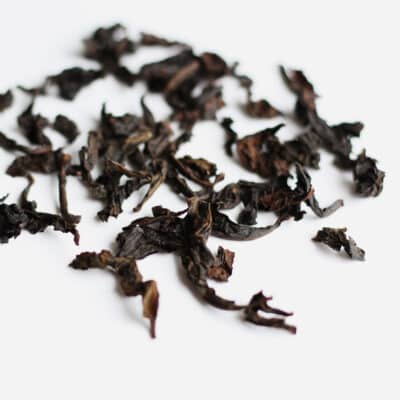
| Oolong | 10g | 8-10 hours | Complex, fruity, silky |
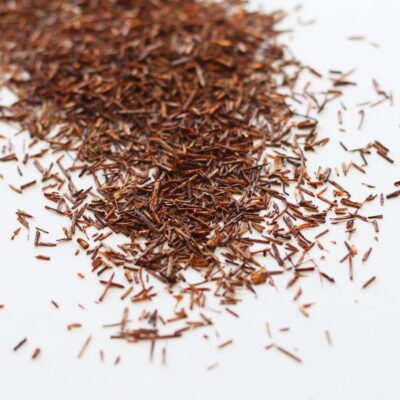
| Rooibos | 10-12g | 8-12 hours | Naturally sweet, earthy |
| Herbal blends | 10g | 6-10 hours | Varies - always smooth |
These are starting points. Single-origin teas, which have a defined flavour profile without artificial flavouring, will respond more predictably to these ratios. If you are using artificially flavoured teas, results will vary significantly.
Best Teas for Cold Brewing at Home
Not all teas cold brew equally. Here is how the main types perform:
Green Tea – The Cold Brew Classic
Green tea is arguably the best cold brew tea for beginners.
Hot water easily over-extracts green tea, producing bitterness. Cold water removes that risk entirely.
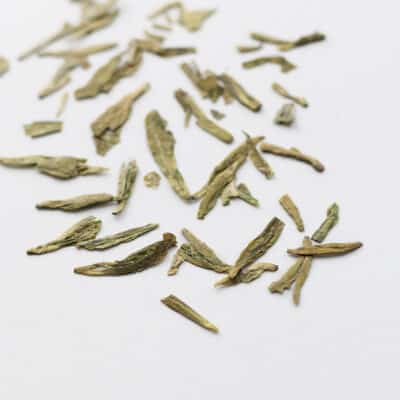
Japanese greens like sencha and gyokuro become astonishingly smooth when cold brewed – almost silky.
Chinese greens take on a sweeter, grassier note.
If you want to understand what makes green tea such a versatile base for cold brewing, our complete guide to green tea covers the varieties worth knowing.
White Tea – The Subtlest Cold Brew
White tea cold brew is one of the most refined drinks you can make at home.
The flavour is extraordinarily delicate – floral, slightly honey-like, and transparent in a way that hot brewing cannot match.
Use more leaf than you think you need, and give it a full 12 hours.
To learn more about what makes white tea so well suited to gentle extraction, visit our guide to white tea.
Black Tea – Bold and Smooth
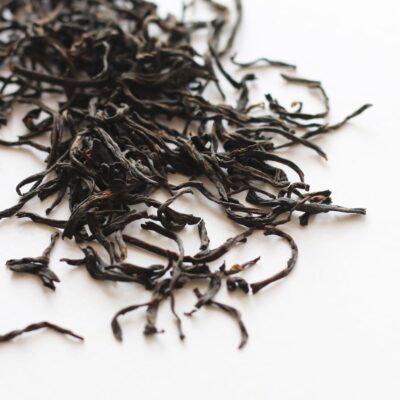
Cold brew black tea surprises people most.
They expect something like iced tea from a bottle – thin, tannic, faintly bitter. Instead, cold brew black tea is rich, malty, and smooth, with none of the harsh edges.
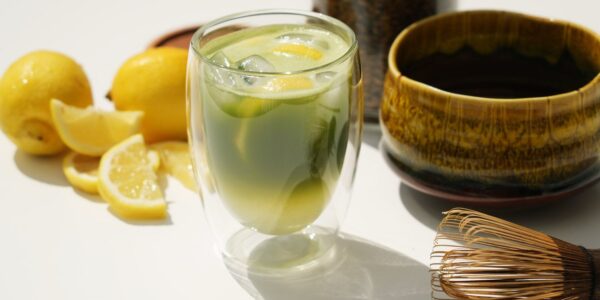
It is exceptional over ice with a slice of lemon.
For a deeper look at what separates a quality black tea from a mediocre one, see our complete guide to black tea.
Oolong – The Hidden Gem
Oolong responds beautifully to cold brewing.
The natural fruity, floral, and sometimes creamy notes in a well-sourced oolong come through clearly when heat is removed from the equation.
This is one of the most complex cold brews you will make.
Our guide to oolong explains the range of styles available and which are worth seeking out for cold brewing.
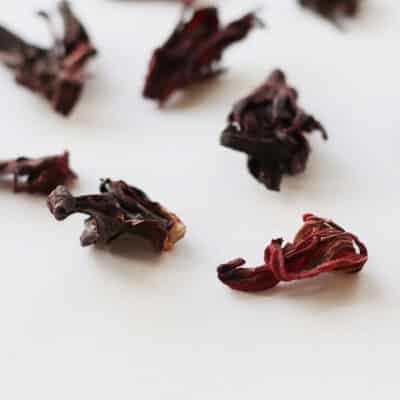
Herbal Blends and Rooibos
Naturally caffeine-free and often naturally sweet, herbal blends and rooibos are perfect for cold brew – especially for an evening drink or for those reducing caffeine.
Because they contain no tannins in the traditional sense, the smooth cold brew effect is guaranteed.
If rooibos is new to you, our complete guide to rooibos is a good place to start before you brew.
For a broader look at the full range of herbal options available for cold brewing, our complete guide to herbal tea covers everything from hibiscus to chamomile and beyond.
What to Avoid
Artificially flavoured teas – the ones where the ingredient list includes ‘flavouring’ or ‘natural flavouring’ – often produce unpredictable cold brews. The flavouring compounds behave differently in cold water, sometimes becoming cloying or flat. For cold brew, pure teas always deliver better, more consistent results.
If you are unsure what to look for when buying online, our guide on how to choose quality tea will help you avoid the most common pitfalls.
Cold Brew Tea Timing Guide
Cold brewing is forgiving, but timing still matters. Here is what happens at each stage:
| Steep Time | What to Expect |
|---|---|
| 2-4 hours (room temperature) | A lighter, brighter infusion. Works well for delicate greens and whites. The flavour is more restrained but very clean. |
| 6-8 hours (fridge) | The sweet spot for most teas. Full flavour development without any risk of over-extraction. |
| 10-12 hours (fridge, overnight) | Ideal for black tea, oolong, and rooibos. Fuller body, richer flavour, still smooth. |
| 12+ hours | For most teas, beyond 12-14 hours in the fridge, the flavour begins to plateau rather than improve. Some whites can go to 16 hours without any issue. |
The overnight cold brew method is the most practical. Put the jar in the fridge before bed – your cold brew is ready by morning. No timing, no attention required.
How to Cold Brew Tea Without Any Equipment
You do not need a cold brew bottle or any special filter. Here is how to cold brew tea with nothing but what you already have:
| Vessel | How to Use It |
|---|---|
| Glass jar with a lid | A clean glass jar works perfectly. Strain through a fine mesh sieve, a muslin cloth, or a clean coffee filter when you are ready to serve. |
| French press | An excellent cold brew vessel - steep in it, then press and pour. Easy, clean, and no separate straining needed. |
| Glass jug | A simple glass jug covered with cling film is equally effective. Place a sieve over your glass when pouring. |
The only real investment worth making if you enjoy cold brew regularly is a good quality loose leaf tea. The method costs nothing – the quality of the leaf is everything.
Common Cold Brew Mistakes (and How to Avoid Them)
| Common Mistake | Why It Matters and How to Fix It |
|---|---|
| Using too little leaf | The most common error. Cold water extracts less efficiently than hot, so you need more leaf than your usual hot brew ratio. Start with the table above and adjust to taste. |
| Using tap water | Chlorine and minerals in tap water compete with the delicate flavours in cold brew. Filtered water makes a meaningful difference, particularly with white and green teas. |
| Using artificially flavoured tea | Flavouring compounds do not always translate well to cold water. Stick to pure, single-origin leaves for reliable, complex results. |
| Steeping at room temperature for too long | Room-temperature steeping works, but above 4-8 hours at room temperature, there is some risk of bacterial growth in warm conditions. Refrigerator steeping is always the safer choice for anything beyond 4 hours. |
| Expecting it to taste like hot tea | It will not - and that is the point. Cold brew is a different drink from the same leaf. Approach it with fresh expectations. |
Cold Brew Tea and Wellness
Cold brew tea is not just about flavour – it has real wellness advantages worth understanding.
Because cold water extracts L-theanine (the calming amino acid naturally present in tea) more efficiently relative to caffeine, cold brew tends to produce a gentler, more sustained energy lift than hot tea or coffee. Many people who find hot tea or coffee too stimulating report that cold brew green tea agrees with them much better.
Cold brew also tends to be lower in caffeine overall than a hot brew of the same leaf – useful for those monitoring their intake or drinking later in the day.
For anyone moving away from coffee toward a gentler wellness ritual, cold brew black or green tea is an outstanding transition drink. It has depth, presence, and a satisfying body – but without the acidity or spike.
Learn more about the health benefits of different tea types in our Tea Brewing Guide.
Frequently Asked Questions
Cold brew tea keeps well in the fridge for up to 3 days in a sealed container. Beyond that, the flavour begins to deteriorate and freshness is lost. We recommend making a fresh batch every 2 to 3 days.
Yes, though loose leaf tea gives significantly better results. Tea bags typically contain smaller, broken pieces of leaf (often called ‘fannings’) that can over-extract even in cold water, producing a flat or slightly bitter result. If you do use bags, use half the quantity and check at 4 hours rather than 8.
Yes – all teas derived from the Camellia sinensis plant (green, black, white, oolong, pu-erh) contain caffeine. Cold brew tends to extract slightly less caffeine than hot brew, but it is not caffeine-free. Rooibos and most herbal blends are naturally caffeine-free and cold brew beautifully.
You can, but you will lose the main advantages of cold brewing – the smoothness and sweetness that come from cold extraction. If you want to drink it warm, heat it very gently rather than bringing it to the boil, which will change the flavour profile significantly.
Cold water straight from the fridge (around 4-6 degrees Celsius) is ideal for the overnight method. Room temperature water (18-22 degrees) also works and speeds up extraction – use this if you want cold brew ready in 2 to 4 hours rather than overnight.
Green tea is the ideal starting point. It is the most forgiving, produces the most dramatic difference compared to hot brewing, and the flavour transformation – from potentially bitter to naturally sweet and smooth – is the most immediately striking. Use a pure, single-origin green tea for the best first experience.
No. A glass jar, a jug, or even a large mug with cling film over the top works perfectly. Strain through a fine sieve or muslin cloth when serving. The only thing that genuinely matters is the quality of the leaf and the quality of your water.
The Cold Brew Mindset
Cold brewing teaches you something important about tea: the method you choose shapes the flavour as much as the leaf itself. The same tea can taste completely different depending on how you approach it. That is what we mean when we say tea education changes everything.
At Teapro, every tea we source is chosen because it has something real to say when you brew it properly – no artificial flavourings to prop up a thin leaf, no blends designed to hide poor provenance. Cold brew, more than almost any other method, exposes the true character of a tea. A pure single-origin leaf has nowhere to hide in cold water – and nothing to hide.
Ready to go deeper? Explore the full range of brewing methods – from gongfu to grandpa style – in the Teapro Tea Brewing Guide. Or start your structured tea education journey with our 12-box Become a Teapro subscription, where cold brew is just one stop on the journey from tea drinker to tea pro.

Teapro co-founder. Favourite tea - Long Jing Dragon Well Green Tea. Obsessed with film, photography and travelling.
- Tatjana
- Tatjana



No Comments