23 Jun White Tea Benefits: The Most Underrated Tea in Your Collection

When it comes to unlocking maximum white tea health benefits, this exceptional drink stands in a league of its own. As the least processed tea in the world, it preserves an incredibly high concentration of natural antioxidants and wellness properties.
Yet, despite being extraordinarily gentle, nuanced, and complex, white tea consistently gets overlooked in favor of bolder, louder alternatives. It is truly a hidden gem that deserves far more attention than it receives.
At Teapro, white tea is one of our most cherished categories – not because it shouts, but because once you understand it, nothing else quite compares.
This guide walks you through the genuine white tea health benefits, how they compare with green tea, what makes the best white tea so remarkable, and why this is one of the most important teas in your education as a tea drinker.
Ready to explore? Browse the full Teapro white tea collection and taste what minimal processing really means.
What Is White Tea?
White tea comes from the same plant as green tea, black tea and oolong – Camellia sinensis. What makes it unique is what does not happen to it after harvest.
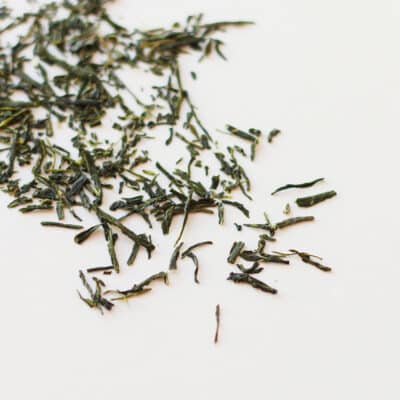
Where green tea is heated (steamed or pan-fired) to stop oxidation, and black tea is fully oxidised, white tea is simply picked and dried. That is it. No rolling. No firing. No shaping.
The leaf is harvested – usually very young buds and the first tender leaves – and allowed to wither naturally in the sun or controlled air.
The result is a tea that is closer to the living plant than almost anything else you will find in your cup.
If you want to go deeper on what actually happens between harvest and cup, our guide to the art of white tea processing walks you through every step.
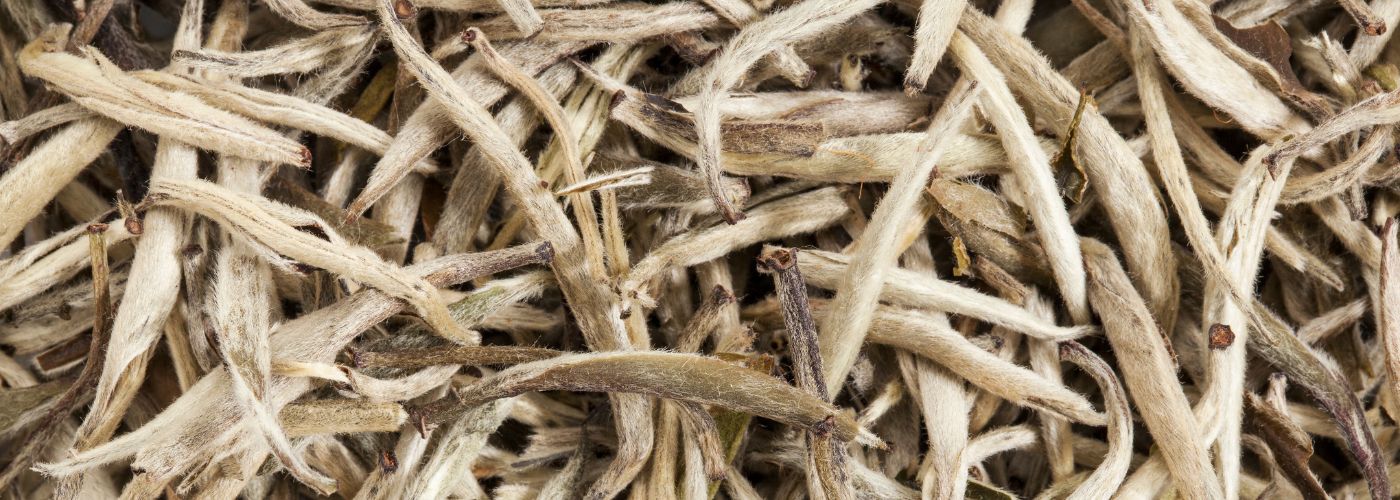
The name comes from the fine white or silver hairs (called trichomes) that cover the young buds of the tea plant.
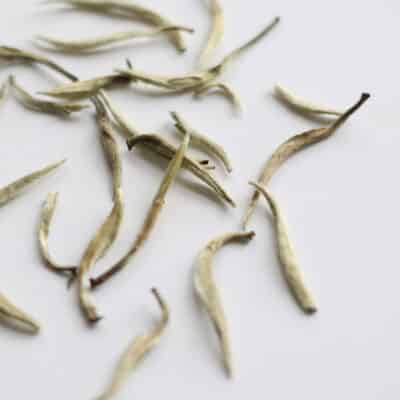
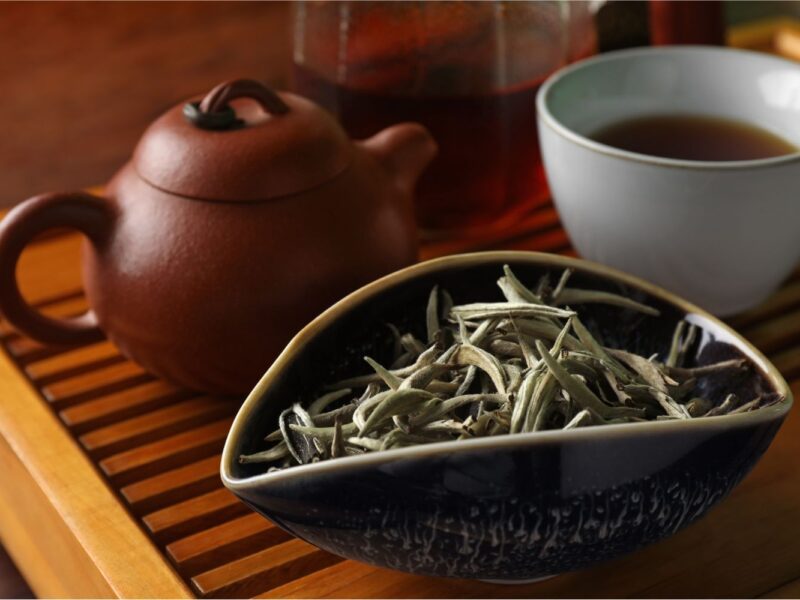
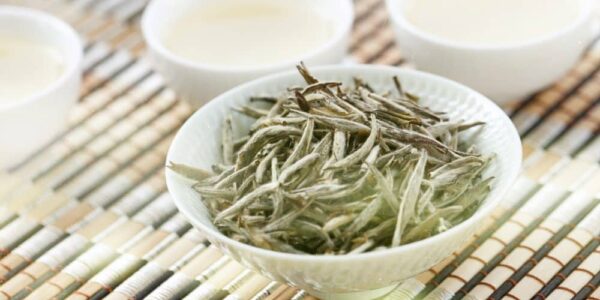
These are most visible on Silver Needle tea (Baihao Yinzhen) – the most prized style of white tea – where the entire harvest consists of the single, unopened bud covered in those silver filaments.
Where does white tea come from?
White tea originates from Fujian province in China, where it has been produced for centuries. Today it is also grown in Yunnan province and parts of Darjeeling, Sri Lanka and Kenya, though Chinese Fujian whites – particularly Silver Needle and White Peony (Bai Mu Dan) – remain the benchmark.
White Tea Benefits – The Case for the Most Underrated Tea
Here is where white tea earns serious attention. Because minimal processing preserves so much of what the plant produces naturally, white tea delivers a remarkable nutritional and sensory profile.
Let us look at the key white tea health benefits.
White tea benefits at a glance
| Benefit | What this means for you |
|---|---|
| Exceptionally high in antioxidants | Among the highest catechin content of any tea - catechins fight cell damage and inflammation |
| Low caffeine | Roughly 15-30mg per cup - substantially less than green or black tea. Ideal for evenings or caffeine-sensitive drinkers |
| Anti-inflammatory properties | Studies suggest white tea may help reduce chronic inflammation linked to a range of long-term health conditions |
| Supports skin health | Polyphenols in white tea may help protect skin from UV damage and reduce signs of ageing at a cellular level |
| Antibacterial action | Research indicates white tea extracts can inhibit certain bacteria and viruses, supporting oral and immune health |
| Cardiovascular support | Catechins may help relax blood vessels and reduce LDL cholesterol oxidation - positive signals for heart health |
| Bone health | Some research links regular white tea consumption to improved bone density - possibly due to its polyphenol profile |
| Calm, sustained energy | The small amount of caffeine works alongside naturally occurring L-theanine for a gentle, focused lift without the spike of coffee |
The antioxidant advantage
The reason white tea benefits are so potent begins with its minimal processing. Heat, rolling and fermentation all affect the polyphenol content of tea. White tea skips most of these steps, which means the catechins, flavonoids and other antioxidants remain largely intact.
Several studies have compared antioxidant capacity across tea types and found white tea performing extremely well – in some cases surpassing green tea – precisely because of this gentle approach.
White tea and skin health
One of the more surprising white tea health benefits is its potential effect on the skin. A study published in the journal Phytotherapy Research found that white tea extract outperformed 21 other plant extracts in protecting structural proteins in the skin.
The same polyphenols that defend the tea plant from UV exposure appear to offer similar protection to human skin cells. This makes white tea one of the more interesting teas for anyone with a wellness-focused skincare mindset.
White tea and calm focus
White tea contains both caffeine and L-theanine – the same pairing found in green tea that produces what many drinkers describe as a calm, alert state rather than the jittery energy of coffee.
Because white tea has less caffeine than most teas, this balance tends to feel especially gentle. Many drinkers find it ideal for late morning or early afternoon, when focus is needed but overstimulation is not.
For a full breakdown of caffeine levels across white tea styles, see our guide: does white tea have caffeine?
For a deeper dive into the science, our dedicated guide to white tea benefits covers the research in full.
White Tea vs Green Tea: What Is the Real Difference?
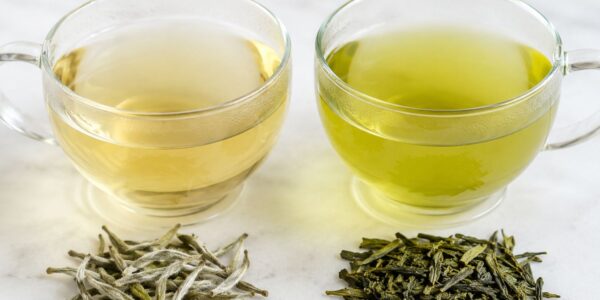
The question of white tea vs green tea comes up constantly. Both come from the same plant. Both are minimally processed. Both are rich in antioxidants. So what actually separates them?
| White Tea | Green Tea | |
|---|---|---|
| Processing | Withered and dried only | Heated (steamed or pan-fired) after picking |
| Flavour | Delicate, floral, honeyed, sometimes slightly sweet | Grassy, vegetal, sometimes astringent - varies widely by style |
| Caffeine | Lower (15-30mg per cup) | Moderate (25-45mg per cup) |
| Antioxidants | Very high - catechins preserved by minimal processing | High - but some catechins are converted during heating |
| Best for | Mindful sipping, evening rituals, anyone sensitive to caffeine | Morning energy, focus, everyday wellness routine |
| Learning curve | Steep temperature is critical - use 75-80C, never boiling | Forgiving but still benefits from lower temperatures |
In terms of white tea benefits vs green tea, the honest answer is that they complement each other rather than compete. White tea tends to offer a more delicate, nuanced experience with a gentler caffeine hit.
Green tea tends to be more energising and more widely researched. Both deserve a place in a serious tea collection.
The Teapro White Tea Range
At Teapro, we source white teas that let the leaf speak for itself. No artificial flavourings. No blending to mask inferior leaves. Just pure, single-origin white tea harvested with care. You can explore our full guide to white tea here.
Silver Needle (Baihao Yinzhe)
The crown jewel of white tea. Made exclusively from the single, unopened bud of the tea plant.
Silver Needle is covered in fine silver-white hairs and produces a pale golden cup with an extraordinarily clean, sweet and floral flavour.
The silver needle tea benefits include the highest antioxidant content of any white tea style, a very low caffeine level and a flavour that rewards slow, attentive drinking.
White Peony (Bai Mu Dan)
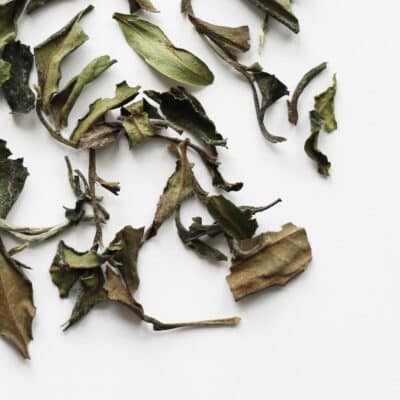
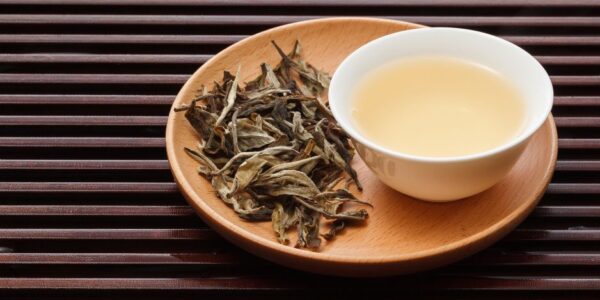
One step below Silver Needle in rarity but arguably more complex in flavour, White Peony uses one bud and two leaves.
The result is a fuller-bodied cup with the same delicate character but more depth.
This is an excellent entry point for anyone new to white tea. The white peony tea in our range is sourced from Fujian and brewed at a low temperature to preserve every nuance.
Not sure whether Silver Needle or White Peony is the right starting point for you? Our comparison guide breaks down exactly what sets them apart.
Shou Mei
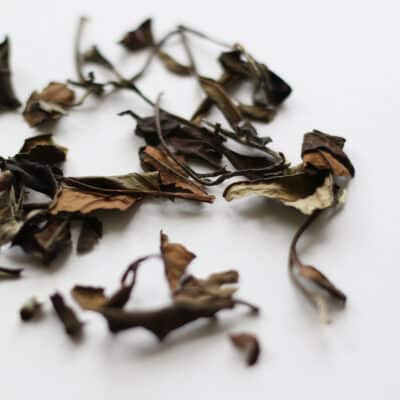
The third major style of white tea, Shou Mei uses the more mature leaves harvested later in the season.
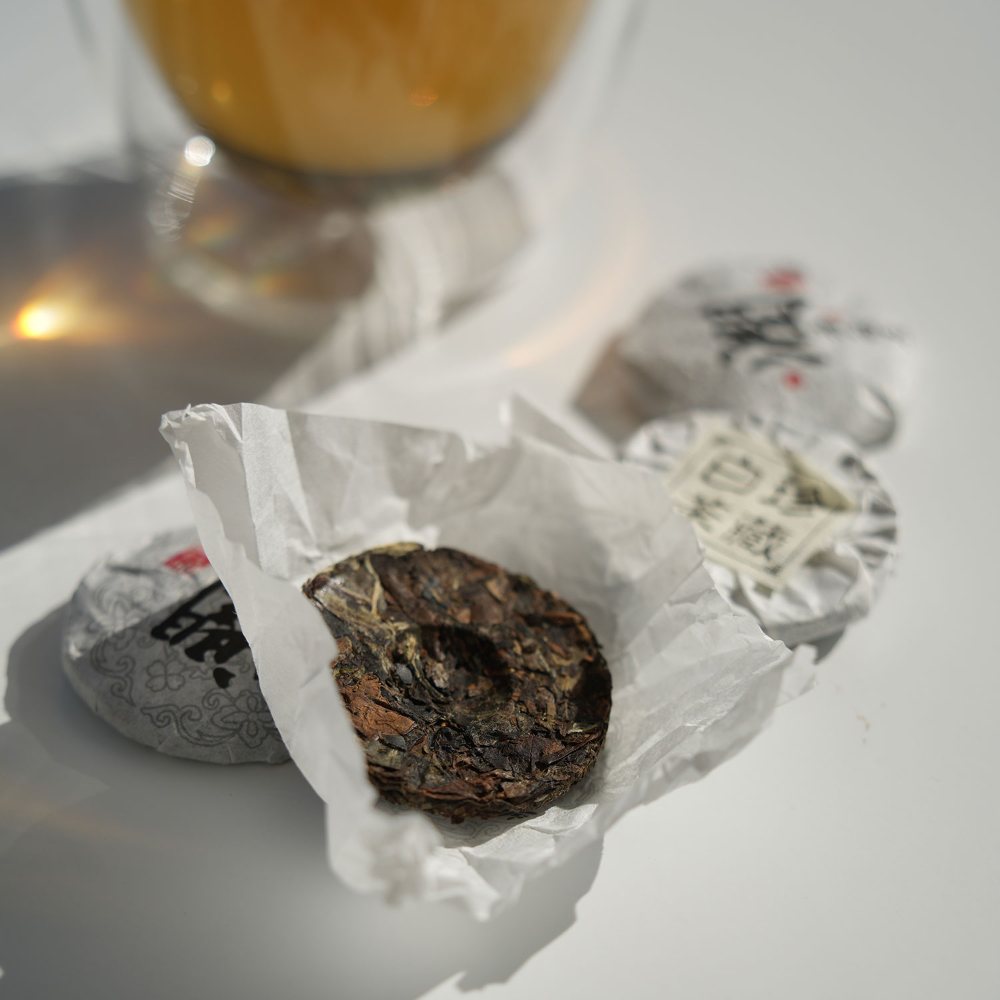
It has a darker liquor, a bolder character and – interestingly – ages beautifully, much like pu-erh.
Our aged Shou Mei offerings give you access to a flavour profile that develops complexity over years rather than hours.
The shou mei tea is ideal for tea drinkers who love nuance and the story of time in every cup.
“White Gold” White Tea Gift Box
White tea is one of the most delicate and least processed teas of all, and this box is the perfect way to get to know it properly.
Rather than committing to a single variety, you get four distinct white teas side by side, so you can brew, taste and compare them against one another – noticing how the aroma, sweetness and body shift from one to the next.
It’s a small tasting journey in a box, ideal as a gift for a curious tea lover or as a treat for your own quiet, mindful moments.
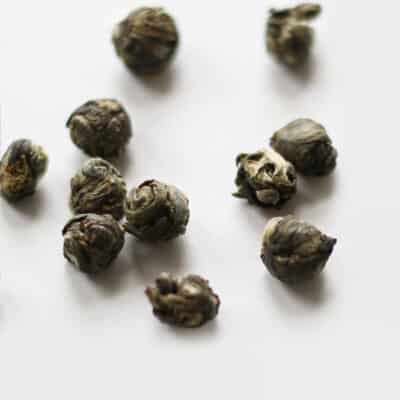
Inside you’ll find: Silver Needle, Jasmine Dragon Pearls, Shou Mei, and White Peony
How to Brew White Tea Properly
The single most common mistake with white tea is brewing it too hot. Boiling water will cook the delicate leaves and strip the flavour, leaving a flat, papery cup that does not represent the tea at all. Here is how to brew it correctly.
Brewing guide
| Parameter | Recommendation |
|---|---|
| Water temperature | 75-80 degrees C (never boiling). Let kettle cool for 3-4 minutes or use a temperature-controlled kettle |
| Leaf quantity | 2-3 grams per 200ml (white tea leaves are light and airy - use more than you might expect) |
| Steep time | 2-3 minutes for the first infusion. White tea is exceptionally good for multiple infusions - add 30 seconds each time |
| Vessel | Glass or porcelain are ideal. Avoid heavily seasoned clay pots as they can overwhelm the delicate flavour |
| Re-steeping | White tea is one of the best teas for multiple infusions. Quality Silver Needle can be steeped 4-6 times, each revealing a different character |
Gongfu-style brewing
If you want to experience the full range of white tea benefits and flavours, try gongfu-style brewing: use a higher leaf ratio (5-6g per 100ml), very short infusions (10-30 seconds), and repeat many times. This unlocks layers of flavour that a single western-style steep simply cannot reveal.
White Tea and the Teapro Philosophy
At Teapro, our core belief is that artificial flavourings mask the real taste of tea. White tea is perhaps the clearest expression of what we mean by that. When a tea has been barely touched after harvest, there is nowhere to hide.
The quality of the leaves, the altitude of the garden, the skill of the producer – it is all right there in the cup.
This is why white tea features prominently in our Become a Teapro 12-box educational subscription. It teaches you to taste at a level of delicacy that transforms how you experience every other tea you drink.
Once you have learned to find the sweetness in a Silver Needle, you will taste things in your everyday cup that you never noticed before.
If you are new to white tea or want to deepen your understanding, start with our full guide to white tea.
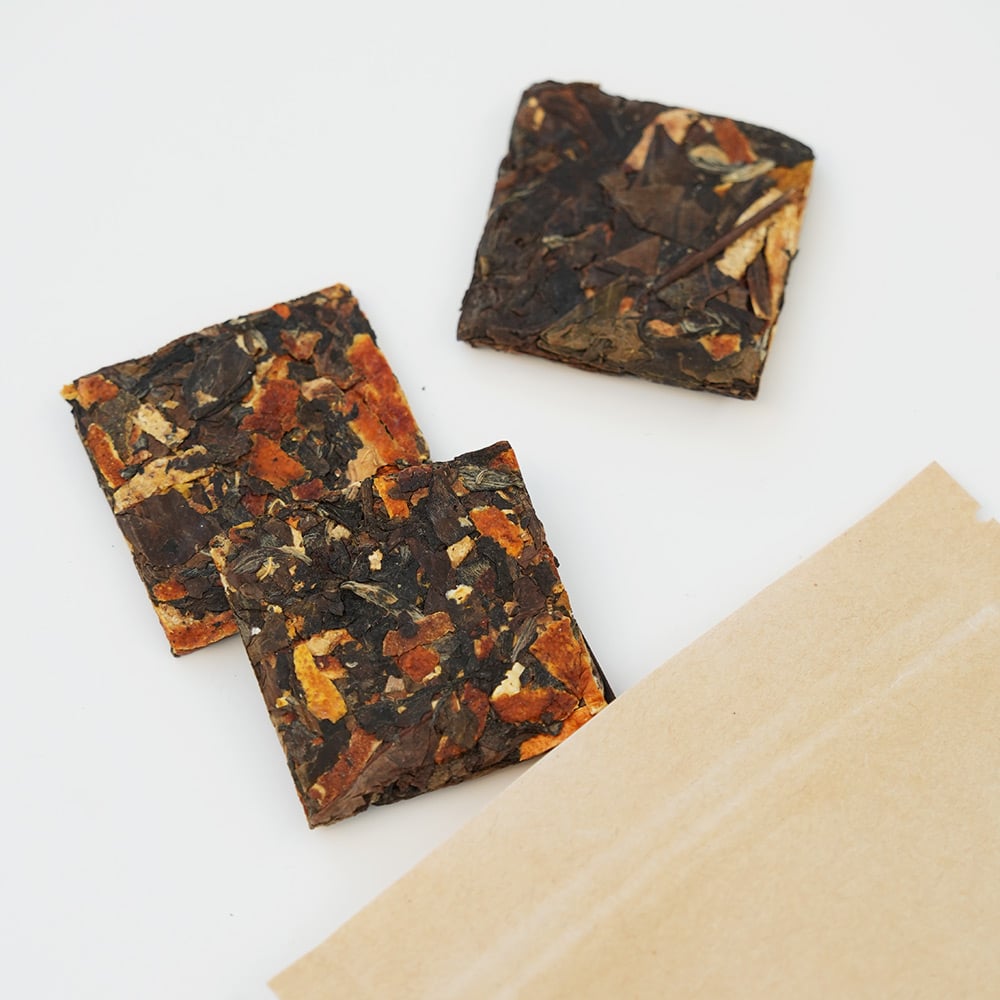
Teapro Imperial Shou Mei & Orange Peel White Tea | Limited Edition
Frequently Asked Questions
Both offer significant health benefits and are rich in antioxidants. White tea has a higher catechin content in some studies due to its minimal processing, and it has less caffeine. However, green tea has been researched more extensively. Rather than one being better, they offer complementary benefits – white tea is ideal for anyone seeking a very gentle, low-caffeine option with exceptional antioxidant levels.
At its best, white tea tastes delicate, slightly floral and subtly sweet – sometimes described as honeyed or peachy. Silver Needle tends to be the most delicate, with a clean, almost buttery sweetness. White Peony adds more body and a hint of floral depth. Shou Mei is earthier and bolder. The flavour is nothing like green tea and nothing like black tea – it occupies its own unique space.
White tea contains approximately 15-30mg of caffeine per cup, compared with 25-45mg for green tea and 40-70mg for black tea. This makes it one of the lowest-caffeine true teas available, though it is not caffeine-free. It is a good option for those reducing their caffeine intake without switching entirely to herbal teas.
Yes – white tea is an excellent daily tea. Its low caffeine content means it is suitable throughout the day, including later in the afternoon when some people find green tea too stimulating. Regular consumption is associated with the antioxidant and anti-inflammatory benefits described above.
White Peony (Bai Mu Dan) is an ideal starting point. It has more body than Silver Needle, which makes it slightly more approachable, while still delivering the characteristic white tea character of delicacy and sweetness. Once you have found your way around White Peony, Silver Needle is the natural next step.
Store white tea in an airtight container away from light, heat, moisture and strong odours. Because white tea is so minimally processed, it is relatively stable and can actually improve with careful ageing – this is particularly true of Shou Mei. Avoid refrigerating white tea unless it is sealed well, as moisture is the main enemy.
Yes. Every tea in the Teapro white tea collection is free from artificial flavourings. We believe artificial flavourings mask the real taste of tea, and white tea – being the most delicate tea in the world – would be the first to suffer. What you taste in our white teas is the leaf, the garden and the skill of the producer. Nothing else.
The Bottom Line
White tea is the purest expression of what tea can be. Minimal processing. Exceptional antioxidant content. A flavour profile so delicate it demands – and rewards – your full attention. And a caffeine level gentle enough to enjoy at almost any time of day.
The white tea benefits are real, well-supported and meaningful – but they are perhaps secondary to the simple experience of drinking a tea that has barely been touched since it left the plant. That experience is what Teapro exists to give you.
If you have never explored white tea before, or if your only experience has been a teabag version that tasted of nothing in particular, we invite you to try the real thing.
Explore the Teapro white tea collection and taste the difference that pure, single-origin loose leaf makes.

Teapro co-founder. Favourite tea - Long Jing Dragon Well Green Tea. Obsessed with film, photography and travelling.
- Tatjana

- Tatjana



No Comments