Is Green Tea Safe to Drink While Pregnant? A Complete Guide
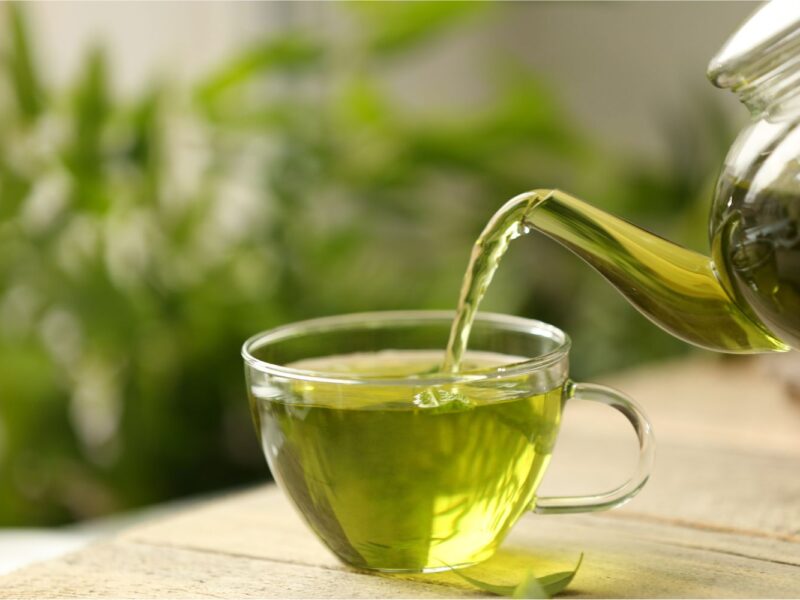
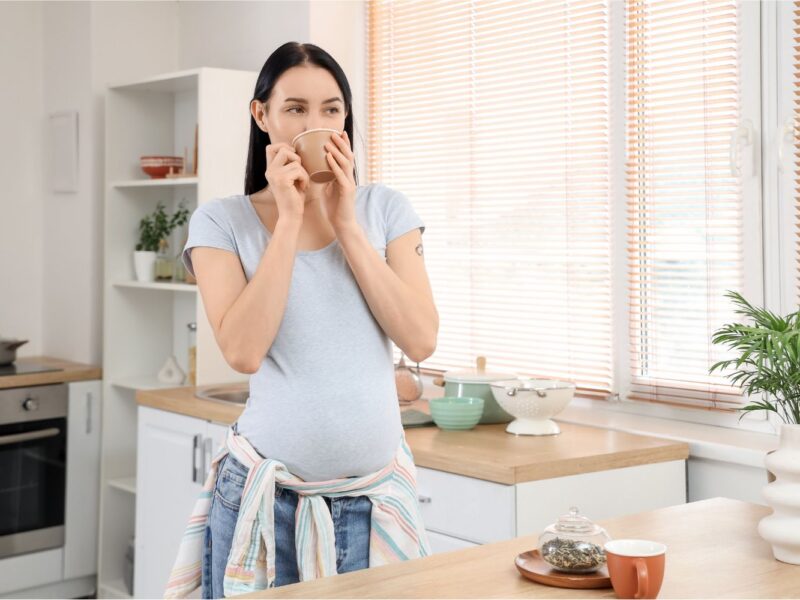
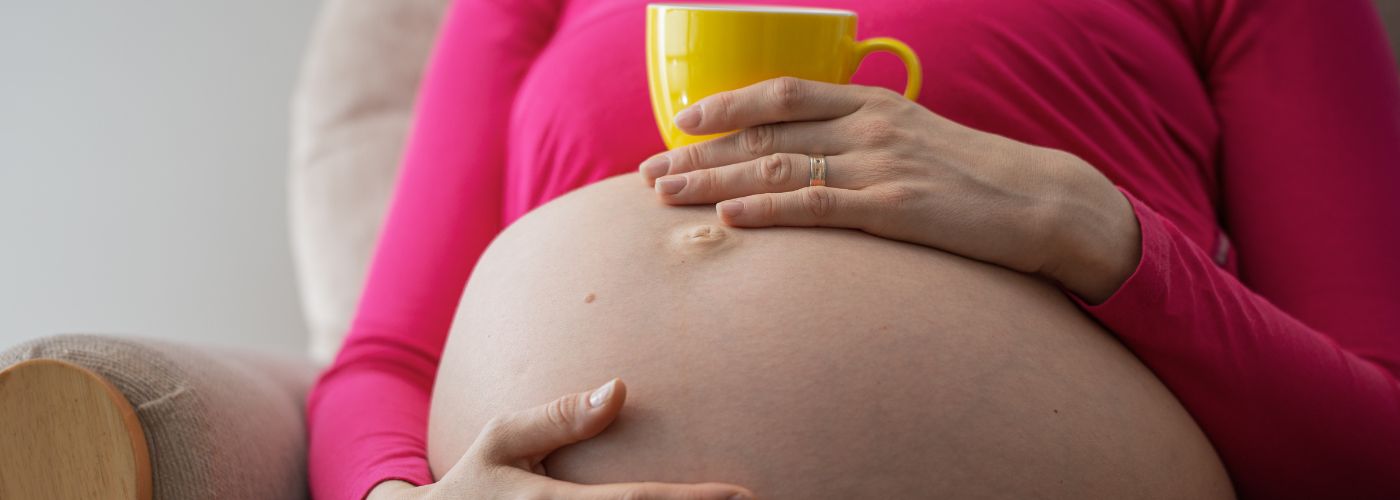
Is green tea safe during pregnancy? It is one of the most searched questions among expecting mums in the UK, and for good reason.

Green tea is naturally caffeinated, it is rich in plant compounds called catechins, and both of those things matter when you are pregnant.

The short answer is that green tea while pregnant is generally considered safe in moderation, according to NHS guidance.

But “moderation” is doing a lot of work in that sentence, so let us walk through exactly what that means, how much is too much, and what to watch out for – including matcha, folate and the first trimester.

This guide focuses on green tea specifically. If you would like to understand more about what green tea actually is, how it is grown and processed, our complete guide on green tea is a good place to start.

Contents

Is Green Tea Safe During Pregnancy?

According to NHS guidance, green tea and pregnancy can go together, but caffeine intake needs to be watched.

The NHS recommends that pregnant women have less than 200mg of caffeine a day, from all sources combined – tea, coffee, cola, energy drinks, chocolate and some medicines all count towards this total.

A standard cup of green tea contains roughly 20 to 45mg of caffeine, considerably less than a cup of coffee (around 100mg) or even a cup of black tea (around 75mg).

how to brew green tea match vs green tea-is green tea safe during pregnancy-green tea while pregnant-drink green tea during pregnancy- green tea and pregnancy-green tea pregnancy- drinking green tea while pregnant- green tea for pregnant-is green tea safe while pregnant- is drinking green tea safe during pregnancy- is it safe to drink green tea while pregnant- is green tea safe to drink during pregnancy-is matcha tea safe during pregnancy

This means that for most people, drinking green tea while pregnant in modest amounts, alongside a generally low-caffeine diet, fits comfortably within the NHS limit.

So, is it safe to drink green tea while pregnant? For the vast majority of healthy pregnancies, yes – and with an eye on your total daily caffeine from every source, not just tea.

How Much Green Tea Can You Drink While Pregnant?

There is no official NHS figure specifically for cups of green tea, because the guidance is based on total daily caffeine rather than a single drink.

Using the average caffeine content of green tea, most pregnant women could comfortably have three to four cups a day and remain within the 200mg limit, provided they are not also drinking coffee, cola or other caffeinated drinks.

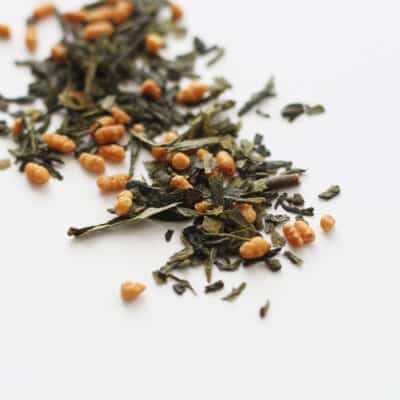
One of the green teas with a particularly low caffeine content is Genmaicha – which ranges between 10-30mg due to the blend with roasted rice. 

Loading...
genmaicha
Price range: £4.50 through £34.00
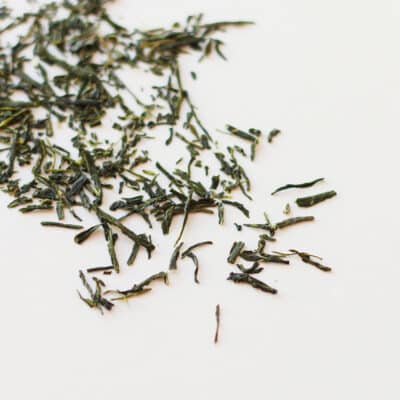
Gyokuro green tea
Price range: £5.50 through £55.00
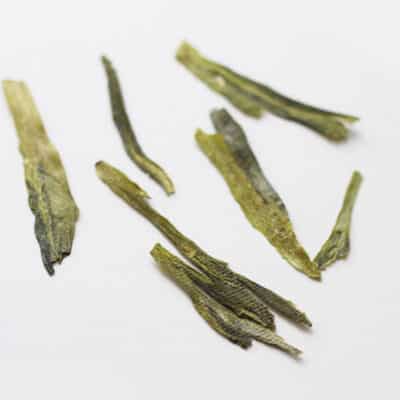
Monkey King Green Tea
Price range: £7.00 through £32.00

A sensible, ASA-aware way to think about it: treat green tea as one of several caffeine sources in your day, add them up, and keep the total under 200mg.

If you are a big tea drinker, it is worth counting your cups rather than assuming they do not add up.

Caffeine in Green Tea vs Other Drinks

Here is roughly how green tea compares to other common drinks, so you can see where it sits within your daily 200mg allowance.

Drink Approximate Caffeine
Green tea (1 cup) 20-45mg
Black tea (1 cup) ~75mg
Instant coffee (1 cup) ~100mg
Filter coffee (1 cup) ~140mg
Matcha (1 serving) ~60-80mg
Decaf green tea (1 cup) 2-4mg

Because green tea sits on the lower end of the caffeine scale, it is often recommended by midwives as a gentler alternative to coffee for pregnant women who still want a warm ritual drink with a little lift.

Green Tea and Folic Acid: What You Need to Know

This is the part of the green tea and pregnancy conversation that gets less attention than caffeine, but it matters just as much, particularly in early pregnancy.

Green tea contains a group of plant compounds called catechins, the most abundant of which is EGCG. Research suggests EGCG can interfere with the body’s absorption of folic acid and iron.

Folic acid is essential in the first trimester, when your baby’s neural tube (which becomes the brain and spinal cord) is developing.

This is exactly why folic acid supplements are recommended before conception and through the early weeks of pregnancy.

The practical takeaway is straightforward: this is not a reason to avoid green tea altogether, but it is a reason to be thoughtful about timing and quantity.

  • Avoid drinking green tea at the same time as meals - this is when your body absorbs iron and folate from food most efficiently.
  • Leave a gap between your folic acid supplement and your cup of tea - rather than taking them together.
  • Keep to moderate amounts - rather than several strong cups back to back.
  • Avoid concentrated green tea extracts, capsules or "detox" supplements during pregnancy - these contain far more EGCG than a normal brewed cup and have not been shown to be safe in pregnancy.

Is Matcha Safe During Pregnancy?

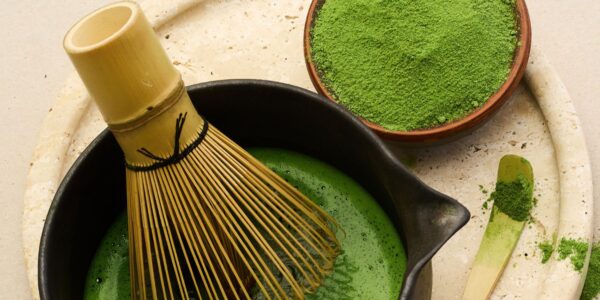
Matcha is powdered whole green tea leaf, so you are consuming the entire leaf rather than an infusion, which means both the caffeine and the catechin content are considerably more concentrated than a normal steeped cup.

A single serving of matcha can contain as much caffeine as a small cup of coffee.

Is matcha tea safe during pregnancy? In small amounts, most guidance treats it the same way as any other caffeinated drink – it counts towards your 200mg daily limit, and the same folate-timing advice applies.

Because it is more concentrated, it is sensible to treat one serving of matcha as roughly equivalent to two or three cups of standard green tea when you are totting up your daily caffeine.

Green Tea During the First Trimester

The first trimester is when folic acid matters most, because this is when the neural tube is forming.

This does not mean green tea during pregnancy first trimester needs to be avoided completely, but it is the window where the folate-timing advice above is most worth following closely.

If you are trying to conceive or are in your first few weeks of pregnancy and drink green tea daily, it is worth mentioning this to your midwife or GP at your booking appointment, particularly if you are relying on dietary folate as well as a supplement.

Decaffeinated Green Tea During Pregnancy

Decaf green tea during pregnancy is a good option if you want to reduce your caffeine intake further while keeping the ritual of a warm cup of tea.

Decaffeination removes most, though not all, of the caffeine – so decaf still contains a small amount, typically 2 to 4mg per cup.

It is worth noting that decaffeination does not remove the catechins, including EGCG, so the folate-timing advice still applies even to decaf green tea.

Will re-steeping reduce the caffeine content?

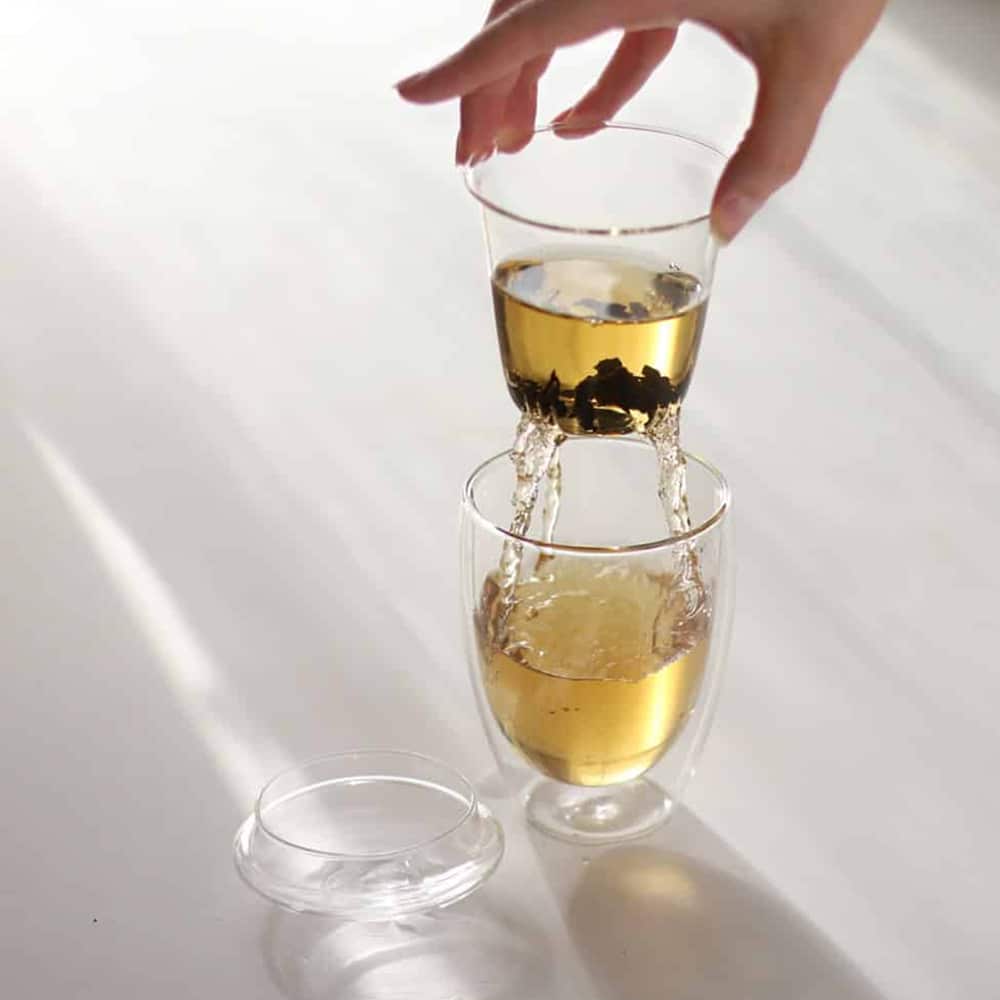
Re-steeping high quality loose leaf tea is one of the simplest ways to naturally reduce caffeine intake without giving up the ritual of drinking tea.

Because caffeine is highly water soluble, the first steep pulls out the majority of it, leaving progressively less available in each subsequent infusion.

This means later steeps offer a gentler, lower caffeine cup while still delivering flavour and the characteristic mouthfeel of the leaf, making multiple short steeps a smart strategy for anyone looking to manage their intake across the da

Loading...
tea strainer- tea infuser
Price range: £17.99 through £64.00
Dragon Well Longjing Green Tea - Long Jing Chinese Green Tea
Price range: £5.00 through £185.00

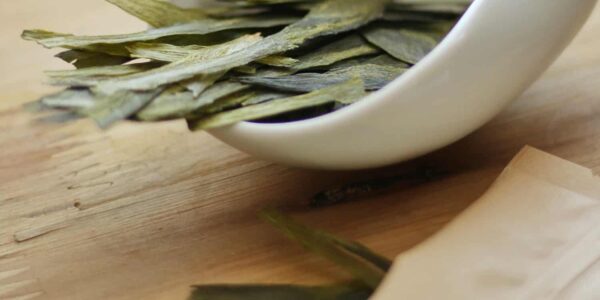
For 350ml of Longjing (Dragon Well) brewed 2-3 minutes per steep, here’s a realistic breakdown. I’m assuming a standard loose leaf ratio of about 3g of leaves for that volume, brewed around 85C-95C.

1st steep (2-3 min): roughly 40-50mg caffeine. This is where the bulk of extraction happens, both because caffeine is highly soluble and because the leaves are fully unfurling and releasing their contents for the first time.

2nd steep (2-3 min): roughly 15-20mg. Noticeably less than the first cup, since a large share of the readily available caffeine is already gone, but still a solid amount, comparable to what you’d get from a very weak black tea.

3rd steep (2-3 min): roughly 5-10mg. By now most of the extractable caffeine has been pulled out, so this cup is quite gentle, more about the residual sweetness and mouthfeel of Longjing than any real stimulant effect

Tips for Drinking Green Tea Safely While Pregnant

  • Count your total daily caffeine, not just your tea - include coffee, cola, energy drinks and chocolate.
  • Aim to stay under 200mg of caffeine a day - in line with NHS guidance.
  • Space green tea apart from meals and folic acid supplements.
  • Choose standard brewed green tea over concentrated extracts, supplements or "slimming" tea products.
  • If you love matcha, treat it as more concentrated than a standard cup - and count it accordingly.
  • Speak with your midwife or GP if you are a heavy tea drinker or have any concerns about your folate or iron levels.

Frequently Asked Questions

Yes, most guidance suggests green tea is safe in pregnancy in moderation, as long as it is counted towards your total daily caffeine intake of under 200mg, alongside sensible timing around meals and folic acid.

There is no good evidence that moderate green tea consumption causes miscarriage. High total caffeine intake during pregnancy has been linked to increased risk of complications including low birth weight, which is why the NHS recommends staying under 200mg of caffeine a day from all sources.

Drinking green tea daily is generally fine within the 200mg caffeine guidance, provided it is not combined with high amounts of coffee or other caffeinated drinks, and the folate-timing tips above are followed.

In small, occasional amounts, yes, but matcha is more concentrated than steeped green tea, so it should be counted as a bigger contribution to your daily caffeine and catechin total.

Yes, in moderation, though this is the stage where folate matters most, so paying attention to timing around meals and supplements is particularly worthwhile.

Decaf green tea reduces your caffeine intake, which can help if you are close to your daily limit, though it still contains catechins, so the same folate-timing advice applies.

The Bottom Line

So, is green tea safe to drink during pregnancy? For most healthy pregnancies, yes, in moderation, as part of a balanced approach to your total daily caffeine and a little care around folic acid timing.

Green tea does not need to be struck off your list – it simply asks for a bit more awareness than it might have before.

At Teapro, our teas are pure, single-origin and free from artificial flavourings, so you always know exactly what you are drinking – which makes it easier to keep track of what goes into your cup. To learn more about the leaf itself, read our complete guide to what green tea is.

Teapro co-founder. Favourite tea - Long Jing Dragon Well Green Tea. Obsessed with film, photography and travelling.

No Comments

Post A Comment