03 Nov Natural Cold & Flu Defense Tea: Echinacea & Pomegranate Brew
When seasonal bugs start circulating, reaching for artificial remedies or sugary cough syrups is often the default response.
But powerful, targeted plant chemistry can actively support your immune system, stimulate white blood cell activity, and clear congestion naturally.
Today, I am sharing a formula for a Cold & Flu Defense Herbal Tea.
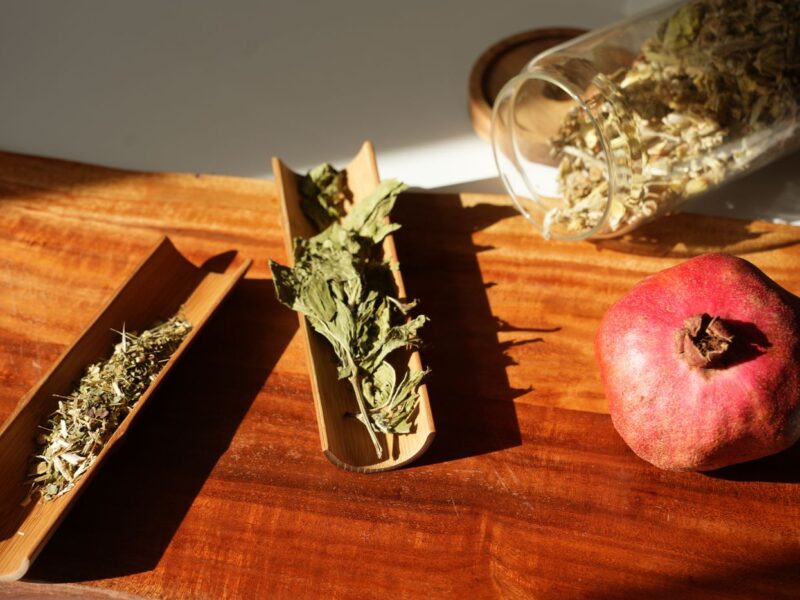
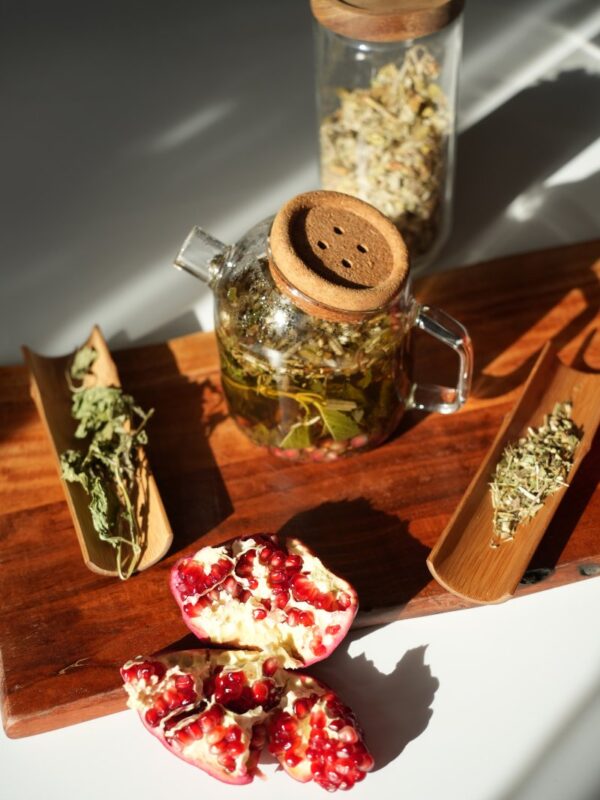
As part of my weekly recipe diaries, this blend combines four potent herbal and fruit ingredients that target immune defense, cellular protection, and respiratory relief through distinct biochemical pathways.
Table of Contents
The Formula: How Herbs Work Together
Every herbal blend in this series follows a functional structure to ensure full-body synergy:
| Role | Herb / Fruit | Function in the Body |
|---|---|---|
| The Immune Stimulator | Echinacea (Echinacea purpurea) | Activates white blood cells and enhances phagocytic activity against pathogens |
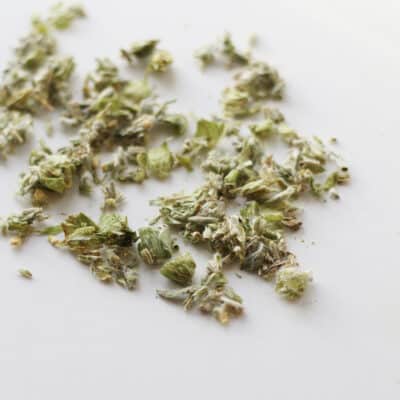
| The Neuroprotective Base | Greek Mountain Tea (Sideritis) | Supplies antioxidant polyphenols and reduces systemic inflammation |
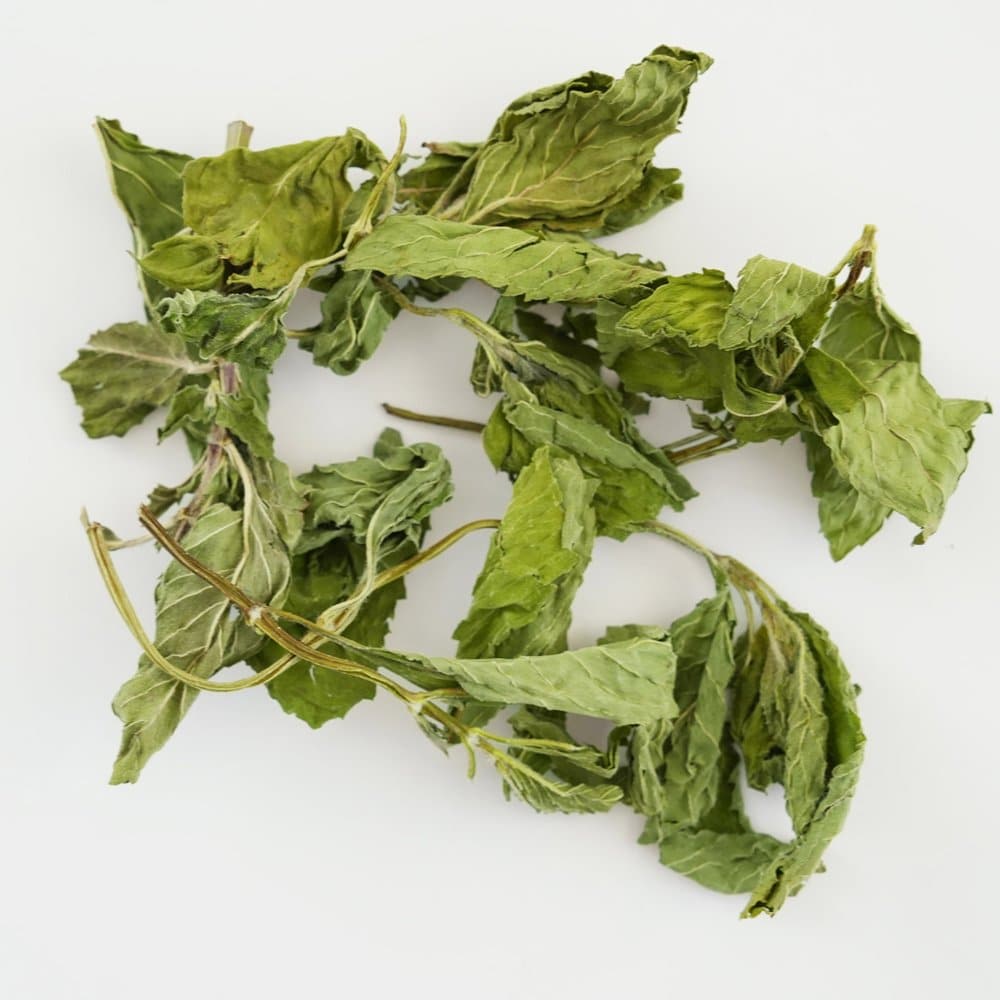
| The Decongestant Soother | Whole-Leaf Peppermint | Relieves nasal congestion and relaxes upper respiratory airways |
| The Vitamin C Powerhouse | Fresh Pomegranate Arils | Delivers high-potency antioxidants and ascorbic acid to protect immune cells |
What You’ll Need
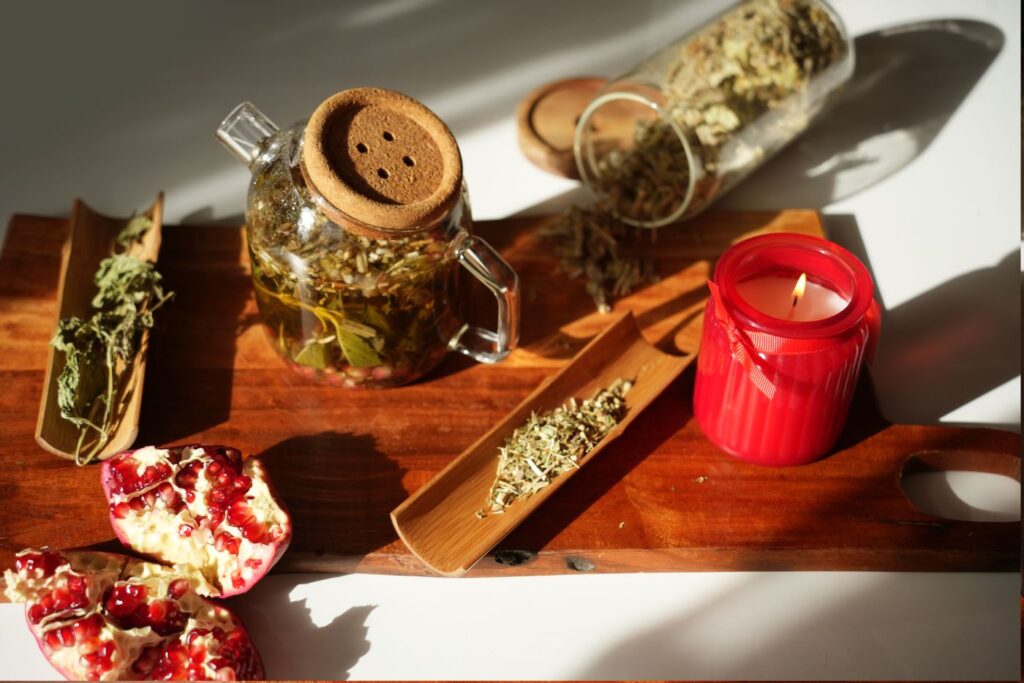
Here is the exact formulation for an 800ml teapot:
How to Brew the Cold & Flu Defense Tea
| Step | Instructions |
|---|---|
| 1 | De-seed your fresh pomegranate and measure out 3 to 5 tablespoons of vibrant arils. |
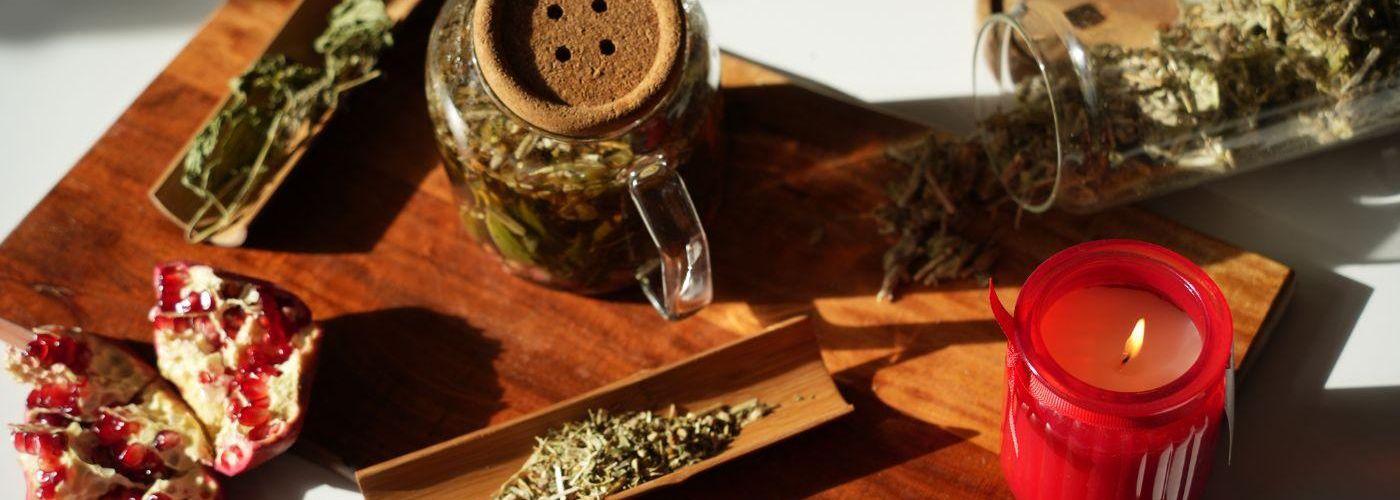
| 2 | Lightly crush the pomegranate arils at the bottom of your teapot or glass infuser to release their juice and active compounds. |
| 3 | Add 1 tbsp of Echinacea, 1 tbsp of Greek Mountain Tea, and 1 tbsp of peppermint to the pot. |
| 4 | Pour over 800 ml of freshly boiled water (around 95°C). |
| 5 | Cover immediately with a lid. Covering keeps active aromatic compounds trapped in the water. |
| 6 | Steep for 5 to 10 minutes to ensure the roots, robust stems, and fruit compounds extract fully. |
| 7 | Strain into your cup, sip, and enjoy! |
If this functional approach to blending interests you, I break down the full method in how to blend your own herbal tea at home.
The Science: Why Each Ingredient Fights Cold & Flu Symptoms
1. Echinacea (Echinacea purpurea): White Blood Cell Activation
Echinacea is one of the most thoroughly researched herbs for immune support.
It contains active alkylamides, polysaccharides, and glycoproteins that help stimulate the immune system by increasing the number and mobility of white blood cells (such as macrophages and natural killer cells).
This enhances the body’s ability to locate and neutralise invading pathogens during the early stages of a cold.
To learn more about this herb, from its flavour and nutrients to how to brew it, read our complete guide to Echinacea.
2. Greek Mountain Tea (Sideritis): Antioxidant Defense & Systemic Resilience
Greek Mountain Tea is packed with flavonoids, phenolic acids, and verbascoside. These compounds provide powerful anti-inflammatory and antioxidant action, protecting upper respiratory tissues from oxidative stress during active immune responses while supporting overall vitality.
For a closer look at how this remarkable herb has been used for antioxidant support, wellness, and more, read our full guide to Greek Mountain Tea.
3. Peppermint (Menthol): Respiratory Clearance & Decongestion
Peppermint contains high levels of menthol, a natural volatile oil that acts as a gentle expectorant and antispasmodic.
Inhaling the aromatic steam and drinking the infusion helps relax the smooth muscles of the bronchial tubes, opening airways and easing nasal and sinus congestion caused by seasonal bugs.
If you’d like to explore peppermint’s digestive benefits beyond this blend, I’ve covered it in more depth in my full guide to peppermint tea’s benefits for digestion and overall wellness.
4. Fresh Pomegranate: Vitamin C & Cellular Protection
Fresh pomegranate arils are rich in punicalagins and ascorbic acid (Vitamin C).
This combination provides exceptional antioxidant capacity, protecting immune cells from free radical damage and supporting adrenal health while fighting off seasonal infections.
Shop Ingredients for This Sleep Tea Recipe
Tips for the Best Results
| Tip | Why It Works |
|---|---|
| Lightly Crush the Pomegranate | Muddling the fresh pomegranate arils before adding hot water breaks their skins, allowing the deep red juice and antioxidant compounds to infuse directly into your brew. |
| Give Echinacea Time | Because echinacea contains dense plant material and roots, a slightly longer steep of 8 to 10 minutes ensures full extraction of its active immune-supporting polysaccharides. |
| Inhale the Steam | Before taking your first sip, hold your mug close and take a few deep breaths through your nose to let the warm peppermint and herbal steam clear your sinuses. |
Curious about why tangy fruit and cooling mint pair so well with earthy herbs like echinacea and Greek Mountain Tea? My beginner’s guide to pairing herbal flavours explains the logic behind functional flavour pairing.
If you’d like to try this cold and flu defense tea as a refreshing iced blend, with the pomegranate making it especially bright served cold, my guide to cold brewing tea at home covers the full no-heat method.
Shop Tools
Frequently Asked Questions
It’s a herbal infusion made from plants traditionally associated with immune and respiratory support. This blend combines Echinacea, Greek Mountain Tea, peppermint and fresh pomegranate arils, each chosen for a different role, from immune support to helping you breathe more easily.
Many people like to brew it at the first signs of a seasonal sniffle, or as a warming daily ritual through the colder months. Echinacea is traditionally used in the early stages of a cold, so starting sooner rather than later is the classic approach.
This recipe makes around 800 ml, which works out at roughly three to four cups. Spreading these across the day is a comfortable amount for most adults. Echinacea is traditionally used in short courses rather than continuously, so many herbalists suggest taking a break after one to two weeks.
Fresh arils give the best flavour and colour, but a splash of pure, unsweetened pomegranate juice added after steeping works well too. Dried pomegranate pieces can be steeped alongside the herbs, though the flavour will be slightly deeper and less bright.
Either works. The root is denser and benefits from the longer 8 to 10 minute steep, while the leaves and flowers infuse a little faster. Some blends use both for a fuller profile.
Peppermint’s menthol and other aromatic oils are volatile, meaning they escape with the steam. Covering the pot keeps these compounds in your brew rather than in the air.
Yes. A teaspoon of raw honey is a lovely, traditional addition and may help soothe a scratchy throat. Add it once the tea has cooled slightly so you don’t lose its delicate character. Honey isn’t suitable for children under 12 months.
Absolutely. Brew it as normal, let it cool, then chill it in the fridge. The pomegranate makes it especially refreshing served cold, though warm tea is usually more comforting when you’re feeling under the weather.
Not always. Avoid Echinacea if you’re allergic to plants in the daisy family (such as ragweed or chamomile), or if you have an autoimmune condition or take immunosuppressant medication. Peppermint may aggravate acid reflux. If you’re pregnant, breastfeeding, taking medication or preparing tea for a child, please check with your GP or a qualified herbalist first.
No. This blend is a supportive wellness ritual, not a cure or treatment for colds or flu. If your symptoms are severe, include a high fever or breathing difficulties, or last longer than a week or so, please speak to your GP or pharmacist.
Bring the Formula to Your Own Kitchen
Understanding how plant compounds interact with immune pathways allows you to turn everyday tea rituals into intentional wellness protection.
By combining white-blood-cell-stimulating echinacea with decongestant peppermint and vitamin-C-rich pomegranate, this 5-to-10-minute brew provides a comprehensive shield against seasonal cold and flu symptoms.
If you’ve enjoyed this week’s recipe diary, our complete guide to herbal tea is the perfect next step, covering everything from where herbal infusions come from to how to choose and brew loose leaf herbs for the best flavour.

Teapro co-founder. Favourite tea - Long Jing Dragon Well Green Tea. Obsessed with film, photography and travelling.
- Tatjana


No Comments