01 Nov Sore Throat & Cough Relief Tea Recipe: Black Mallow, Echinacea & Monk Fruit
When your throat feels raw and scratchy, a warm, soothing cup can make all the difference.
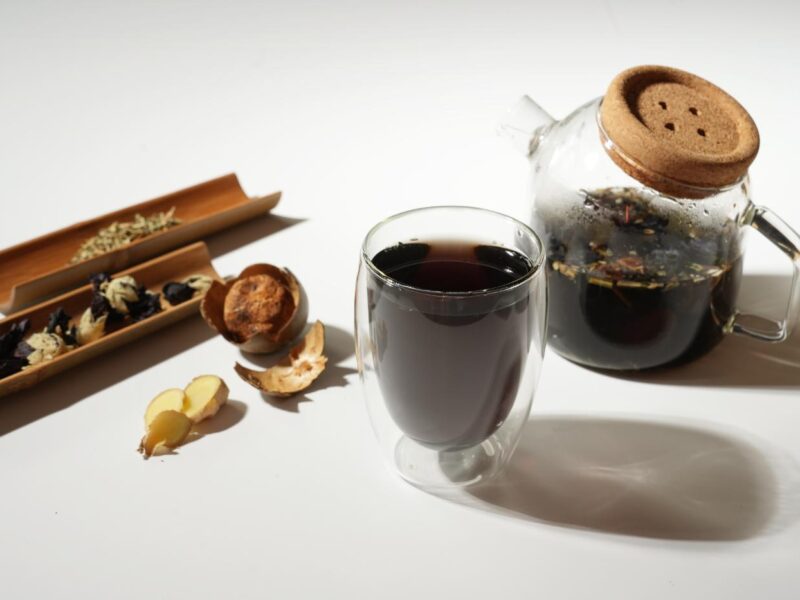
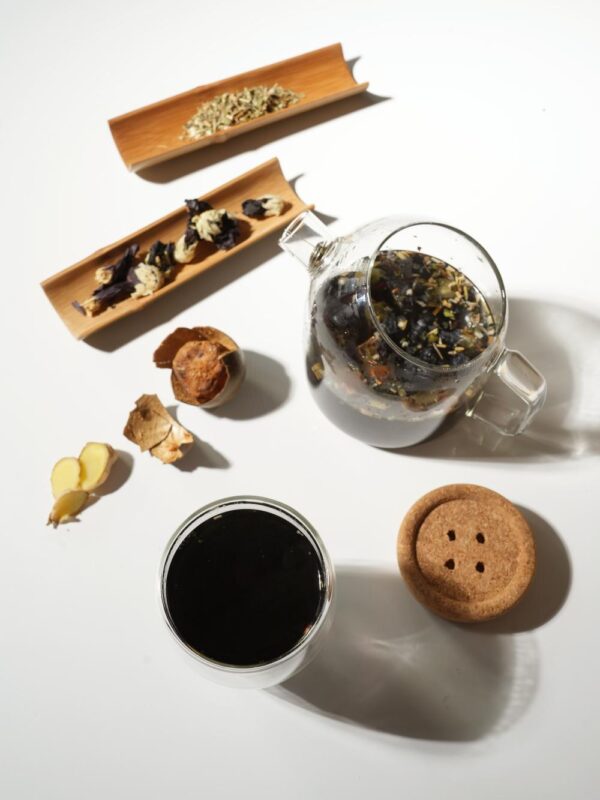
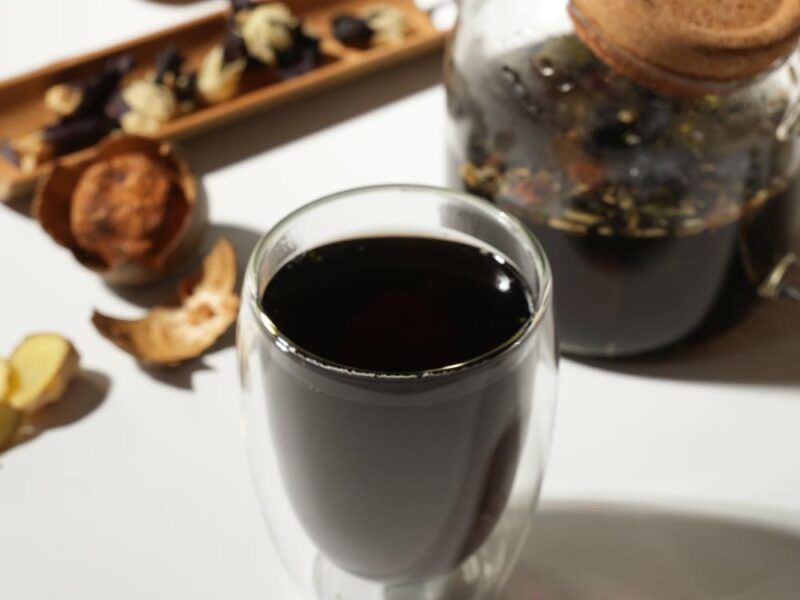
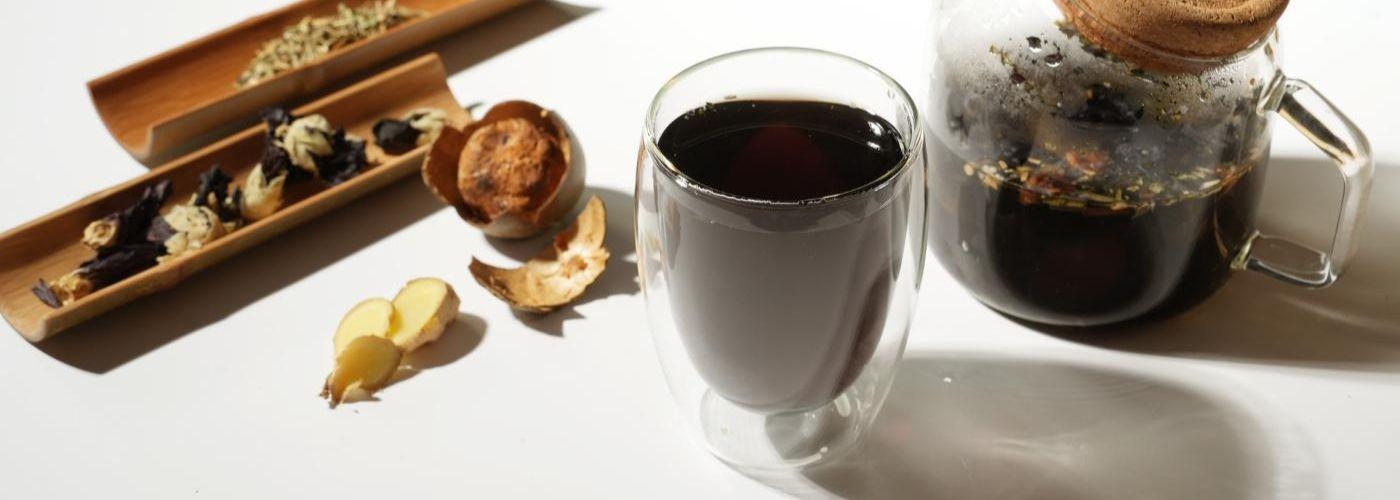
Warming and naturally sweet, this sore throat & cough relief tea combines black mallow, echinacea, monk fruit and fresh ginger, botanicals traditionally used to soothe sore throats and coughs.
Naturally caffeine-free and gently sweet with no added sugar, it’s ready in just 7 minutes and makes the perfect cosy companion for cold and flu season.
Table of Contents
The Formula: How this sore throat & cough relief tea works
What you’ll need
How to brew your sore throat & cough relief tea
The Science: Why each ingredient supports respiratory recovery
Shop ingredients for sore throat & cough relief tea recipe
Tips for the best results
Shop tools
Frequently asked questions
Bring the formula to your own kitchen
The Formula: How This Sore Throat & Cough Relief Tea Works
Every herbal blend in this functional series targets specific physiological systems to ensure complete body synergy:
| Role | Herb / Fruit | Function in the Body |
|---|---|---|
| The Demulcent Throat Coater | Black Mallow Flower (Malva sylvestris) | Rich in soothing mucilage that creates a protective barrier over inflamed mucous membranes |
| The Immune System Activator | Echinacea (Echinacea purpurea) | Delivers immunostimulating alkamides and polysaccharides to fight off viral and bacterial infections |
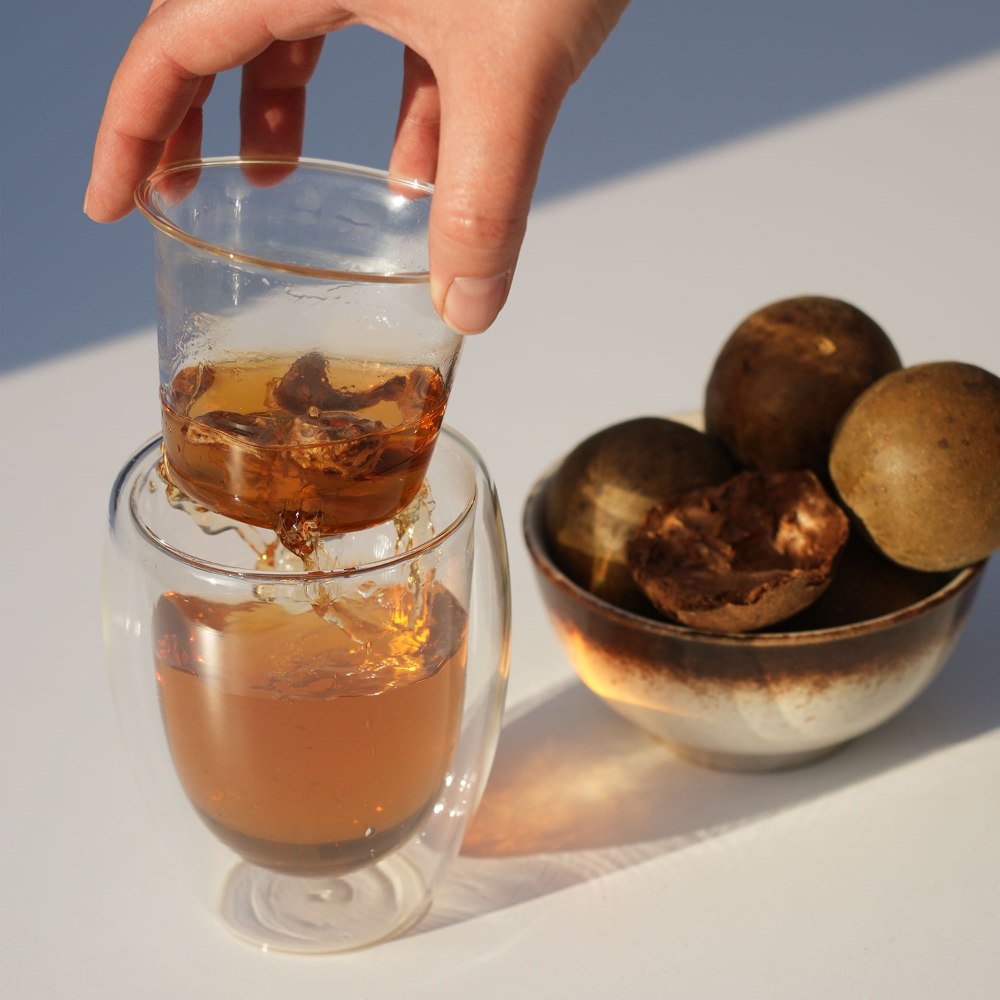
| The Soothing Sweetener & Lung Tonic | Dried Monk Fruit Pieces (Siraitia grosvenorii) | Provides natural calorie-free sweetness while offering traditional lung-moistening and antitussive relief |
| The Anti-Inflammatory Circulatory Anchor | Fresh Ginger Slices (Zingiber officinale) | Packed with active gingerols to reduce tissue inflammation, ease muscle aches, and open respiratory airways |
What You’ll Need
Here is the exact formulation for an 800ml teapot:
How to Brew Your Sore Throat & Cough Relief Tea
| Step | Instructions |
|---|---|
| Step 1: Prepare the Ginger & Monk Fruit | Slice fresh ginger root thinly and break the dried monk fruit shell into small pieces. Place both into the bottom of your glass teapot or infuser. |
| Step 2: Add the Botanicals | Add 1 tbsp black mallow flowers and 1 tbsp echinacea to the vessel. |
| Step 3: Pour Boiling Water | Pour 800 ml of freshly boiled water (100°C) over the ingredients, ensuring everything is fully submerged. |
| Step 4: Cover Immediately | Cover the teapot with a lid right away. Sealing the vessel traps key volatile essential oils and active compounds that would otherwise evaporate with the steam. |
| Step 5: Steep for 5 to 7 Minutes | Allow the tea to steep for 5 to 7 minutes to fully extract the demulcent mucilage from the mallow and the deep sweetness of the monk fruit. |
| Step 6: Strain and Sip Warm | Pour into your favourite cup, sip slowly while warm, and let the soothing liquid coat your throat. |
If this functional approach to blending interests you, I break down the full method in how to blend your own herbal tea at home.
The Science: Why Each Ingredient Supports Respiratory Recovery
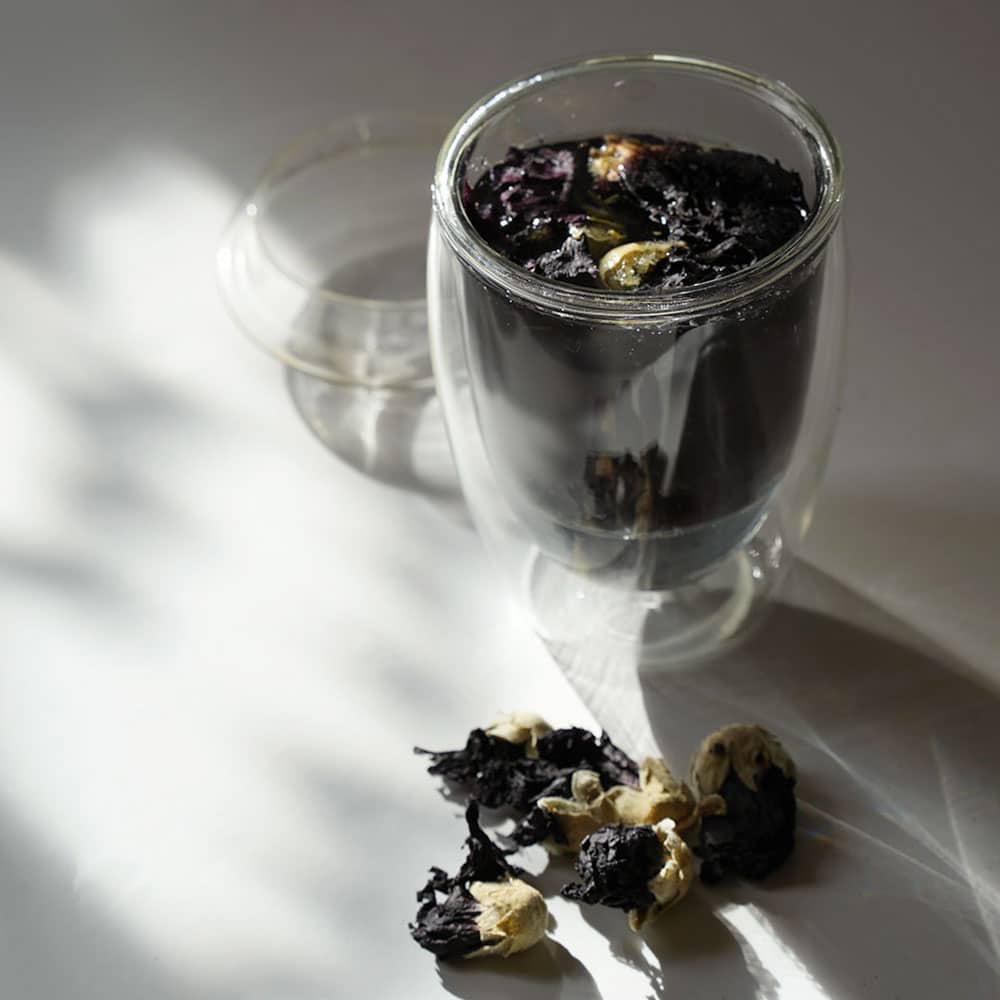
1. Black Mallow Flower (Malva sylvestris): Demulcent Coating & Mucilage Protection
Black mallow flower is celebrated for its high content of complex polysaccharides known as mucilage.
When infused in hot water, this mucilage forms a soothing, gel-like layer over raw, irritated mucosal linings in the pharynx and larynx.
This physical protective barrier buffers against dry air, coughing fits, and stomach acid irritation, offering immediate mechanical relief to a raw throat.
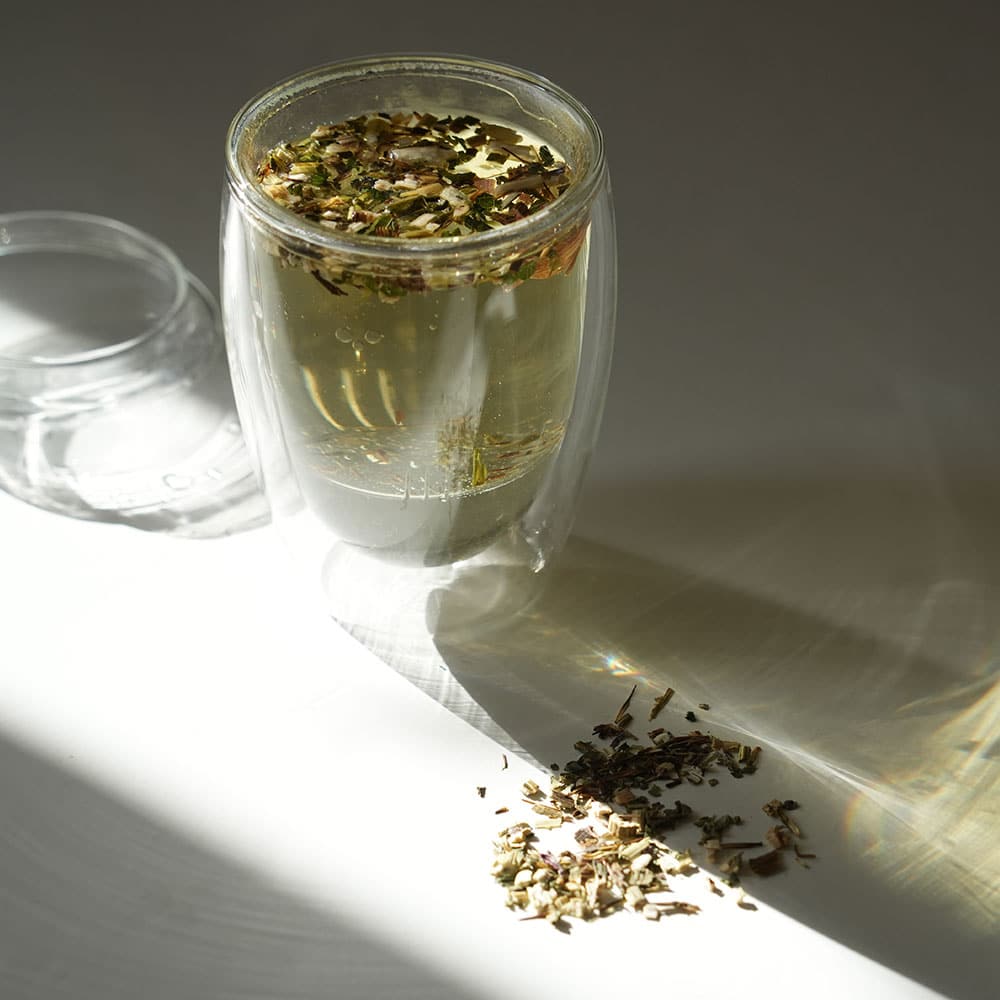
2. Echinacea (Echinacea purpurea): Immune Modulation & Pathogen Defense
Echinacea works directly with your body’s natural defense mechanisms rather than simply suppressing symptoms.
Rich in active alkamides, caffeic acid derivatives, and polysaccharides, echinacea stimulates white blood cell activity and increases phagocytosis.
Drinking echinacea at the first sign of a scratchy throat helps your body respond faster to viral pathogens and upper respiratory infections.
3. Dried Monk Fruit (Siraitia grosvenorii): Traditional Lung-Moistening & Cough Relief
Known in Traditional Chinese Medicine as Luo Han Guo, dried monk fruit has been harvested for centuries in Southern China as a traditional remedy for persistent coughs, sore throats, and lost voices.
Its intense, zero-calorie sweetness comes from natural mogrosides, which offer strong antioxidant properties.
Biochemically, monk fruit helps moisten the lungs and clear phlegm, balancing the heat and sharpness of raw ginger.
Curious about the monks, misty mountains and centuries of tradition behind this remarkable fruit? Our guide to monk fruit tea explores where it comes from, why it’s so sweet and how to brew it on its own.
4. Fresh Ginger (Zingiber officinale): Warming Gingerols & Airway Relaxation
Fresh ginger introduces powerful bio-active compounds called gingerols and shogaols into the brew.
These molecules act as potent anti-inflammatories, reducing physical swelling in the glandular tissues of the throat.
Additionally, ginger promotes peripheral circulation – generating a comforting internal heat – and acts as a smooth-muscle relaxant to calm spastic coughing reflexes.
Shop Ingredients for Sore Throat & Cough Relief tea recipe
Dehydrated Monk Fruit Tea – Nature’s Sweetener – Luo Han Guo Tea
Tips for the Best Results
| Tip | Details |
|---|---|
| Crush the Monk Fruit | Cracking open the outer shell of the monk fruit before adding it to the teapot allows the hot water to extract its full sweetness and soothing properties. |
| Sip Slowly While Warm | Drinking the tea warm ensures that the mallow mucilage and gingerols coat your throat evenly, maximising immediate relief. |
| Keep the Lid Sealed | Always cover your vessel during the 5 to 7-minute steep to lock in heat and keep essential herbal compounds from escaping. |
| Don't Over-Steep Echinacea | A steep of 5 to 7 minutes hits the sweet spot between full immune compound extraction and maintaining a pleasant, balanced flavour. |
Curious about why sweet monk fruit and warming ginger pair so beautifully with soothing herbs like black mallow and echinacea? My beginner’s guide to pairing herbal flavours explains the logic behind functional flavour pairing.
If you want to get the full method down before you start experimenting with your own sore throat & cough relief tea recipe, my guide to cold brewing tea at home covers all of it.
Shop Tools
Frequently Asked Questions
No. All four ingredients – black mallow, echinacea, monk fruit, and fresh ginger – are 100% naturally caffeine-free, making this blend ideal for day or nighttime recovery.
Monk fruit provides a deep, natural sweetness from mogrosides without adding sugars that can feed certain throat bacteria. It also carries traditional TCM respiratory benefits that directly target lung heat and dry coughs.
Yes! It makes an excellent preventive brew during seasonal shifts or whenever you feel the first signs of tickle or fatigue in your throat.
Bring the Formula to Your Own Kitchen
Soothing a sore throat and calming a dry cough doesn’t require complex synthetic remedies when nature provides targeted functional botanicals.
By combining the protective mucilage of black mallow, the immune-activating strength of echinacea, traditional Chinese monk fruit, and warming fresh ginger, this 7-minute infusion delivers instant comfort and long-term recovery support.
Black mallow, echinacea, monk fruit and ginger are just a few of nature’s comforting botanicals. Discover many more in our complete guide to herbal tea.

Teapro co-founder. Favourite tea - Long Jing Dragon Well Green Tea. Obsessed with film, photography and travelling.
- Tatjana



No Comments