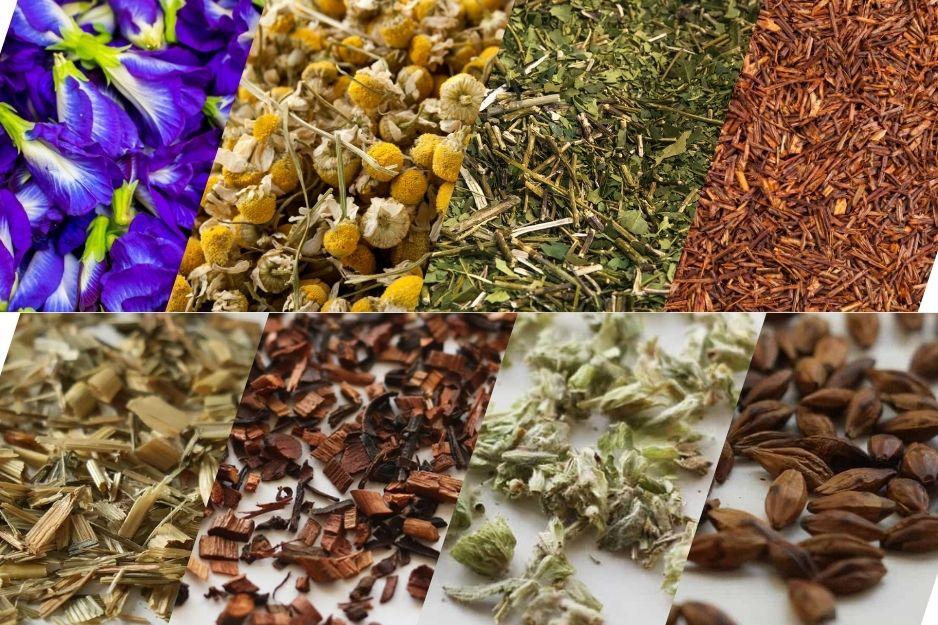
How to Pair Herbal Flavours: A Beginner’s Guide to Flavour Profiles

If you have ever followed a base, body and accent structure and still ended up with a blend that tastes muddy rather than balanced, the problem usually is not your ratios, it is your flavour pairing.

Two herbs can be perfectly proportioned and still clash, in the same way that two well-fitted clothes can still be a bad outfit if the patterns fight each other.

This guide breaks down how to pair herbal flavours into something you can actually apply, understanding the main flavour families, knowing which ones naturally sit well together, and learning a few tested combinations to start from.

What Is a Flavour Profile?

A flavour profile is simply the dominant character a herb brings to a cup, floral, citrus, minty, earthy, and so on.

Most herbal ingredients have one or two clear notes rather than the layered complexity of a true tea, which is exactly what makes how to pair herbal flavours easier to learn once you know what you are working with, you are matching or contrasting a small number of clear notes, not untangling a dozen subtle ones.

Once you can name the flavour family a herb belongs to, pairing becomes a matter of choosing herbs from complementary families, or deliberately contrasting ones, rather than guessing.

herbs for herbal tea blending, herbal tea blending, base herbs for tea, herbs for tea blending, DIY herbal tea blends, rooibos tea benefits, yerba mate benefits, chamomile tea benefits, butterfly pea tea benefits, lotus leaf tea benefits, how to blend herbal tea, base herbs, herb flavour profiles, tea flavour pairing, how to blend herbal tea, herbal tea combinations, flavour pairing for herbs, how to blend herbs for flavour

The Herbal Flavour Families

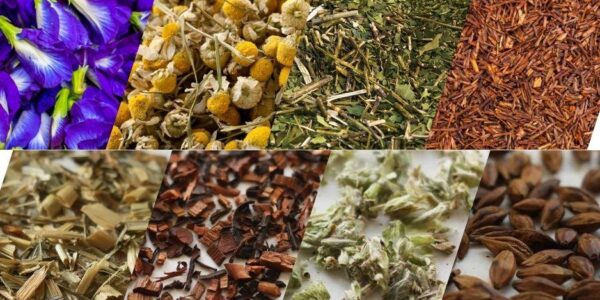
Here is how the loose leaf herbs in our own range break down by flavour family. Some herbs could reasonably sit in more than one category, this is a starting guide, not a strict rulebook.

Flavour Family Character Teapro Herbs in This Family
Floral Light, perfumed, delicate Chamomile, Rose Petal, Rose Bud, Elderflower, Calendula, Black Mallow
Fruity and Tart Sharp, sour, cranberry-like Hibiscus
Citrus Bright, zesty, lemony Lemon Balm, Lemongrass, Lemon Rooibos, Greek Mountain Tea
Minty and Cooling Sharp, clean, refreshing Peppermint, Greek Mountain Tea, Lemon Balm
Earthy and Woody Grounding, mineral, sometimes resinous Lotus Leaf, Greek Rock Rose, Echinacea, Damiana, Ginkgo Biloba
Sweet and Nutty Honeyed, toasty, naturally sweet Honeybush, Rooibos, Barley, Maca Root
Herbaceous and Tonic Green, resinous, traditionally used as a daily tonic Yerba Mate, Green Rooibos, Greek Mountain Tea, Lady's Mantle
Loading...
honeybush, herbal tea blending, base herbs for tea, herbs for tea blending, DIY herbal tea blends, rooibos tea benefits, yerba mate benefits, chamomile tea benefits, butterfly pea tea benefits, lotus leaf tea benefits, how to blend herbal tea
Price range: £5.50 through £45.00
Price range: £5.00 through £59.00
Lotus Leaf Tea - weight management tea, herbal tea blending, base herbs for tea, herbs for tea blending, DIY herbal tea blends, rooibos tea benefits, yerba mate benefits, chamomile tea benefits, butterfly pea tea benefits, lotus leaf tea benefits, how to blend herbal tea
Price range: £3.95 through £13.00
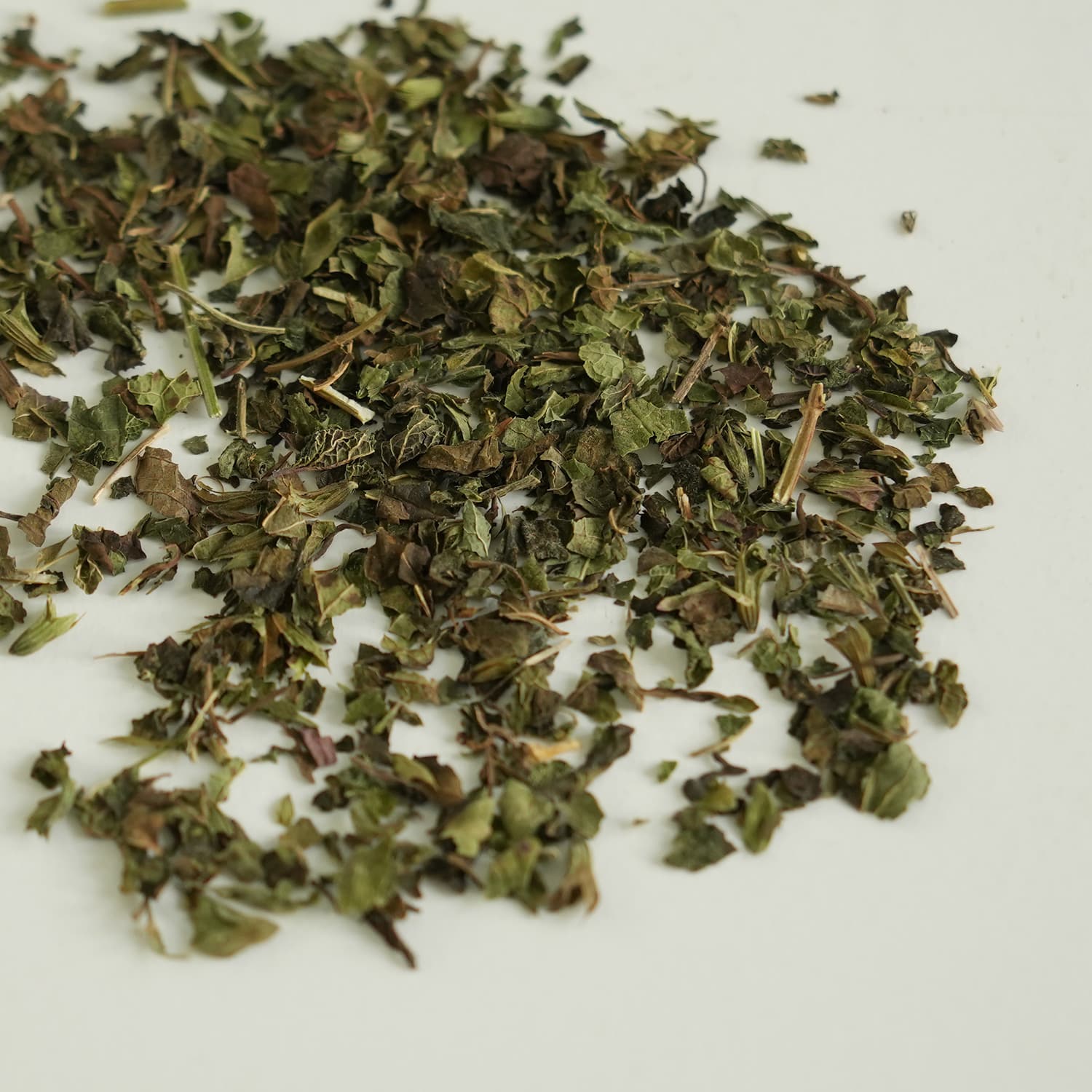
lemon balm tea
Price range: £7.50 through £35.00

Complementary vs Contrasting Pairing

There are two broad approaches to pairing herbal flavours, and both are valid depending on what you want the finished blend to feel like.

Complementary Pairing What It Means
Complementary pairing Matching herbs from the same or closely related flavour families. A floral herb with another floral herb, or a citrus herb with another citrus herb, tends to feel cohesive and gentle, everything moves in the same direction.
Loading...
Price range: £5.00 through £59.00
Loading...
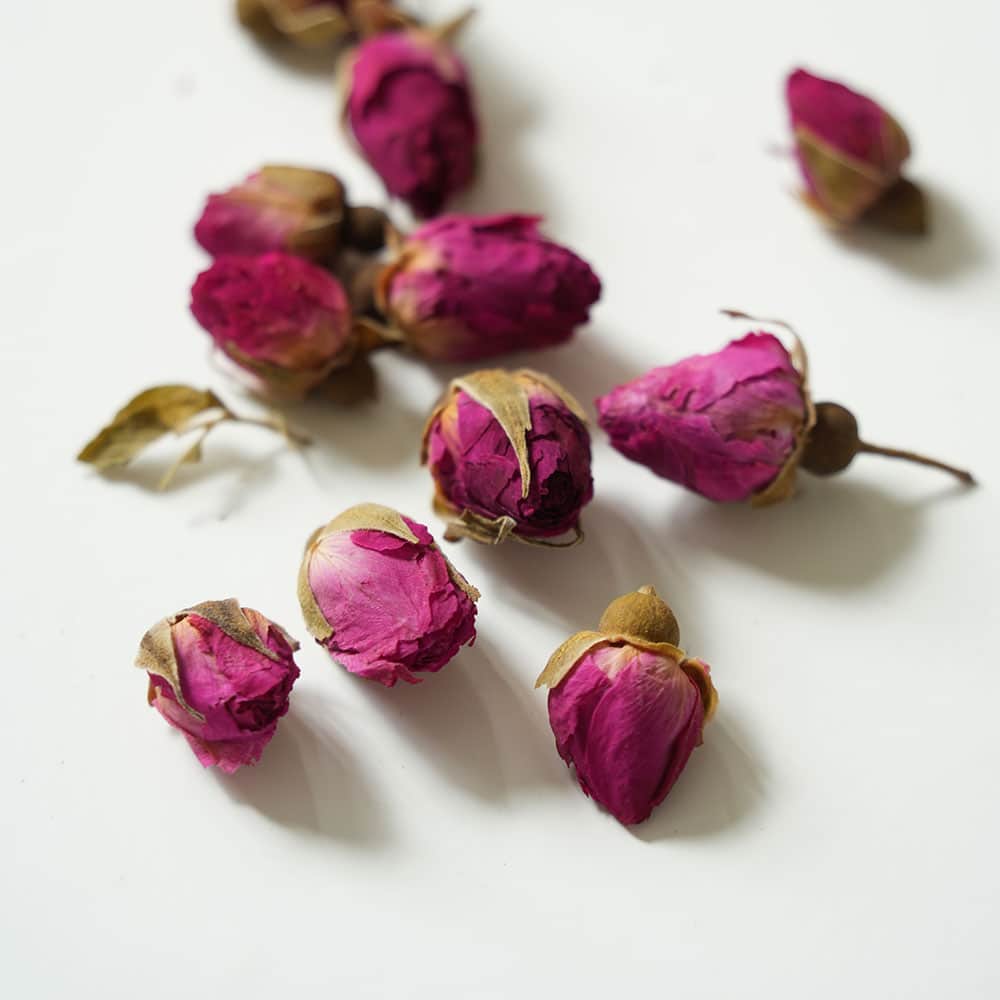
Rose tea - premium rose bud tea
Price range: £6.95 through £69.00
Contrasting Pairing What It Means
Contrasting pairing Deliberately combining herbs from different families to create tension and interest. A sweet, honeyed base against a sharp, tart accent is a classic example, the contrast is what makes the blend memorable rather than flat.
Loading...
rooibos tea, herbal tea blending, base herbs for tea, herbs for tea blending, DIY herbal tea blends, rooibos tea benefits, yerba mate benefits, chamomile tea benefits, butterfly pea tea benefits, lotus leaf tea benefits, how to blend herbal tea
Price range: £4.50 through £70.00
Loading...
hibiscus flower tea - hibiscus tea - hibiscus
Price range: £2.50 through £48.00

As a general rule for beginners, complementary pairing is the safer starting point, it is genuinely difficult to get wrong.

Contrasting pairing produces more exciting results once you understand how the families behave, but it also has more room for a combination to feel disjointed rather than deliberate.

5 Tested Flavour Pairings to Start With

Blend Why It Works
1. Chamomile and Lemon Balm (complementary, calming) Two gentle, soft-flavoured herbs that sit comfortably together, floral apple notes from Chamomile lifted by the soft citrus of Lemon Balm. A genuinely easy evening blend.
2. Rooibos, Hibiscus and a touch of Lemongrass (contrasting, bright) A sweet, honeyed Rooibos base against the sharp, cranberry-like tartness of Hibiscus, finished with a small amount of Lemongrass for lift. A classic sweet and sour combination.
3. Honeybush and Rose Bud (complementary, sweet and floral) Honeybush's natural honeyed sweetness pairs beautifully with the light, perfumed note of Rose Bud Tea, a genuinely pretty, gentle cup.
4. Peppermint and Lemongrass (complementary, cooling and bright) A well known combination for a reason, the sharp, clean cooling of Peppermint and the citrus brightness of lemongrass genuinely balance each other rather than fighting.
5. Oat Straw and Elderflower (complementary, light and floral) The quiet, hay-like neutrality of Oat Straw gives Elderflower room to lead, a genuinely delicate, spring-like blend.

Common Pairing Mistakes to Avoid

Mistake Why It Matters
Combining two strong, competing flavours A sharp, minty herb and a strong, bitter earthy herb in equal amounts rarely settle into something pleasant, one usually needs to lead.
Forgetting your base is also a flavour Even a mild base herb has a direction, sweet, grassy, earthy, choose accents that agree with it rather than fight it.
Using too many flavour families at once Three or four herbs from different families in a single blend is usually harder to balance than two herbs from complementary families.
Skipping the small test batch A pairing that sounds right on paper does not always taste right in the cup, brew a small amount before committing to a full jar.

If you want the fuller picture of what herbal tea actually is, our complete guide to herbal tea is worth reading alongside this one.

Frequently asked questions

Herbal flavour pairing is the process of combining herbs based on their dominant flavour characteristics, floral, citrus, earthy, sweet and so on, so the finished blend tastes balanced rather than muddy or clashing.

Complementary pairing, combining herbs from the same or closely related flavour families, such as chamomile and lemon balm, is the safest and easiest starting point.

Yes, but it is harder to balance. Most successful blends lean on two, occasionally three, flavour families at most, rather than combining many strong notes at once.

Hibiscus is tart and fruity, so it pairs naturally with sweet, honeyed bases like rooibos or honeybush, which soften its sharpness, or with citrus herbs like lemongrass for a brighter, more acidic cup.

Taste it on its own first, brewed plain, before blending. Note whether it reads as floral, citrus, minty, earthy, or sweet, that single tasting note is usually enough to place it within a family.

Not for flavour, since everything steeps together, but it is worth adding stronger, more assertive herbs in smaller amounts and tasting as you go, rather than adding everything in equal parts from the start.

Taste Your Way to Better Blends

Flavour pairing is genuinely more instinct than formula once you have tasted enough individual herbs to recognise their families.

Start with one of the complementary pairings above, get a feel for how two flavours behave together, and build outward from there.

The goal is not to memorise a chart, it is to trust your own palate a little more each time.

For the full base, body and accent method, along with ratios and storage tips, see our guide to blending your own herbal tea at home.

Loading...
herbal tea gift box - herbalism
Price range: £19.50 through £36.50

Teapro co-founder. Favourite tea - Long Jing Dragon Well Green Tea. Obsessed with film, photography and travelling.

No Comments

Post A Comment