
9 Best Teas for Digestion and a Happier Tummy

Long before anyone bottled a digestive supplement, people were reaching for a cup of tea after a heavy meal.

Peppermint after dinner across the Mediterranean, mugicha (barley tea) at the end of a meal in Japan and Korea, rooibos poured for a fussy stomach in South Africa, this isn’t a modern wellness trend, it’s a habit passed down for generations, and one that looks a little different in every tea-drinking culture.

None of the teas below are a substitute for medical advice, and if you’re dealing with ongoing digestive discomfort, it’s worth speaking to a doctor rather than relying on tea alone.

What we can give you is a list of the best teas for digestion and what each of these teas has traditionally been used for, and in a few cases, what the actual clinical research looked at. Where we reference a study, we’ve linked directly to it so you can read the source yourself.

Table of Contents

How These Teas May Support Digestion

Before getting into the nine teas themselves, it helps to know why tea earns a place in this conversation at all.

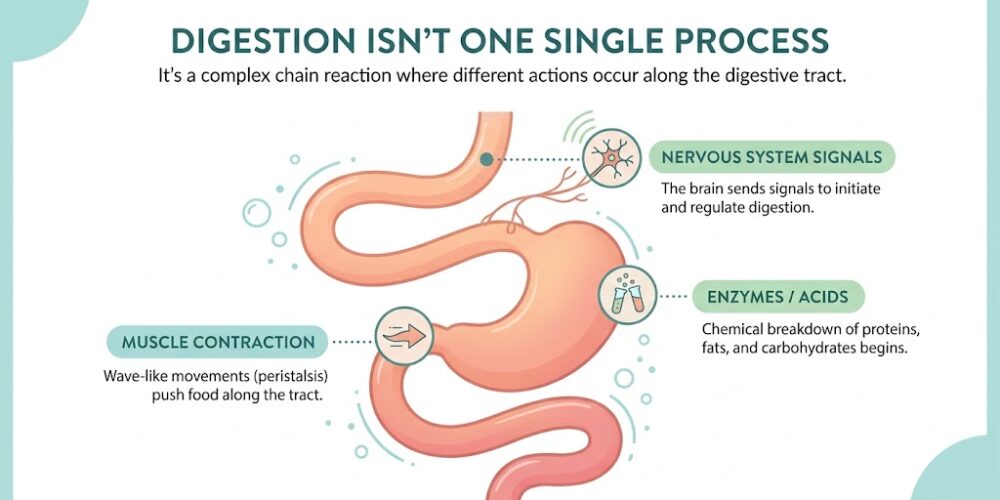
“Digestion” isn’t one single process, it covers everything from the muscle contractions that move food along the gut, to the enzymes and acids that break it down, to the nervous system signals that tell your stomach to relax or tense up.

Different herbs traditionally target different parts of that chain, which is why the teas on this list work in noticeably different ways rather than all doing the same thing.

A few themes come up again and again.

Aromatic herbs like peppermint and lemon balm contain volatile oils that are traditionally believed to relax the smooth muscle lining the digestive tract, which is the same muscle responsible for cramping and trapped wind.

Bitter-tasting herbs like damiana work through an older, simpler mechanism, a bitter taste on the tongue is thought to stimulate the release of digestive secretions before food even arrives.

Others, like barley tea and rooibos, are less about an active compound and more about a long cultural habit, a naturally caffeine-free drink that’s simply always been part of what people reach for around a meal.

Lady’s mantle takes a different route again, its leaves are rich in tannins, and that astringent, tightening quality is what traditional European herbalism valued it for, while lotus leaf comes from the traditional Chinese medicine idea of clearing “heat” and “dampness” after rich food.

Worth saying plainly: most of this is traditional use rather than settled clinical proof. Peppermint oil is the exception with a real body of research behind it, which is covered in more detail below.

For the rest, we’ve been careful to describe what a tea has been used for historically, not to promise what it will do for you.

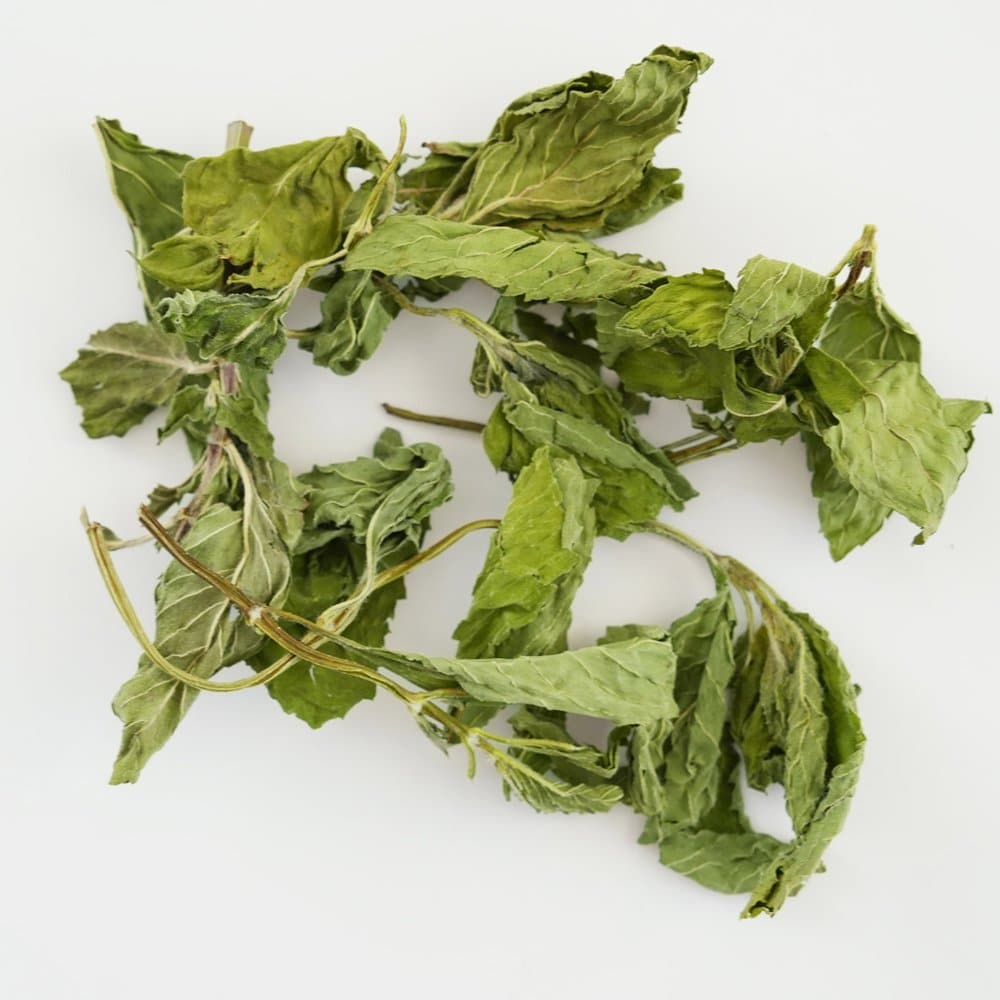
1. Peppermint Whole Leaf Tea

Peppermint is probably the most studied herb on this list when it comes to the gut.

Peppermint oil, a far more concentrated form than a cup of tea provides, has been the subject of several clinical trials and reviews looking at symptoms of irritable bowel syndrome, including this systematic review and meta-analysis published in Alimentary Pharmacology & Therapeutics.

A cup of peppermint tea is milder than a peppermint oil capsule, but the same underlying compound, menthol, is what gives it its cooling, muscle-relaxing effect on the digestive tract.

It’s traditionally taken after a meal, particularly a rich or heavy one, or whenever the stomach feels tight or overfull.

Brewing tip: steep our whole leaf peppermint for 5 to 7 minutes in freshly boiled water. The longer steep draws out more of the menthol-rich oils.

Peppermint’s reputation goes well beyond digestion, it’s also reached for as part of a broader wellness routine. For a closer look at everything it offers, our guide to peppermint tea’s benefits is worth reading.

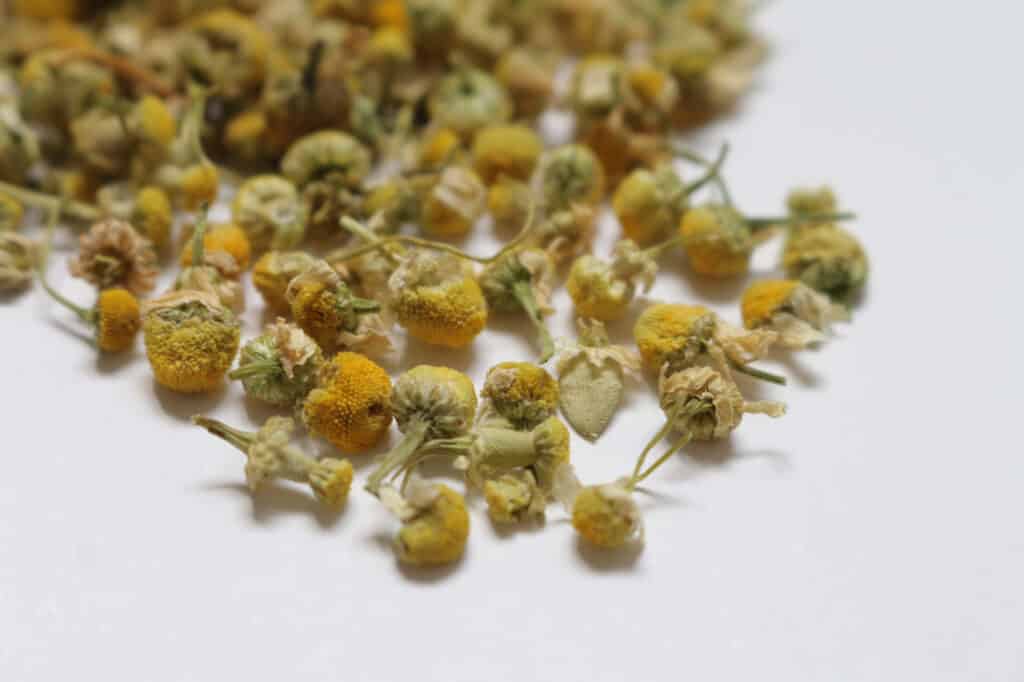
2. Chamomile Tea

Chamomile is better known for sleep than digestion, but the two are closely linked, a tense, wound-up nervous system often shows up as a tense gut.

Chamomile has traditionally been used to calm mild stomach cramping and the kind of digestive unease that comes with stress, rather than as a remedy for a specific digestive complaint.

Brewing tip: steep for 5 minutes, covered, to keep the aromatic oils in the cup rather than in the air.

Chamomile isn’t just for digestion, it’s also one of the most reached-for teas for winding down and calming the mind before bed. For a closer look at everything it offers, our guide to chamomile tea for mind, body and soul is worth reading.

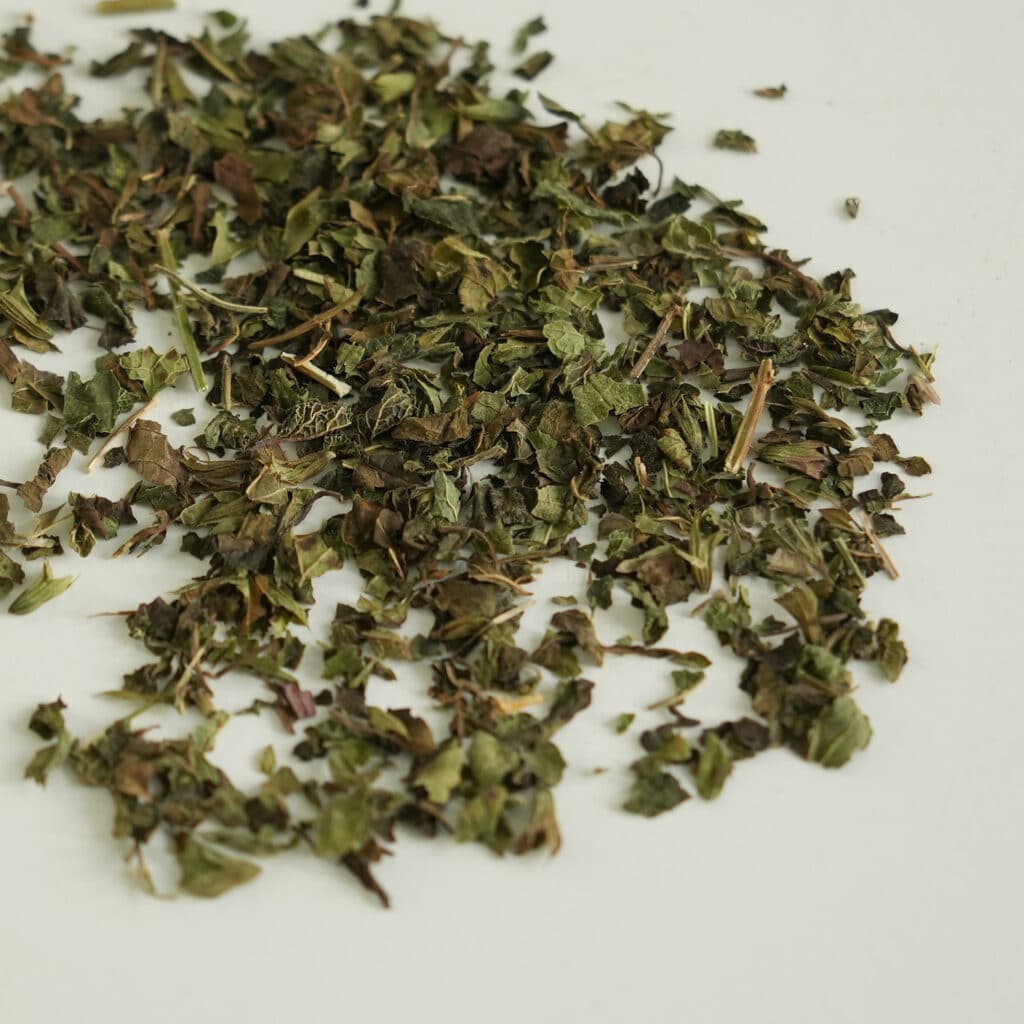
3. Lemon Balm Tea

Lemon balm has a light, lemony scent and a long history in European herbal tradition as a calming after-dinner tea.

Because so much of what feels like “a bad stomach” is actually a stressed nervous system, lemon balm has traditionally been used to settle stress-related digestive discomfort, nervous stomach ache, and mild restlessness after eating, rather than being reached for as a treatment for digestion on its own.

Brewing tip: steep for 5 to 7 minutes. Lemon balm pairs well with chamomile if you want a milder, rounder cup.

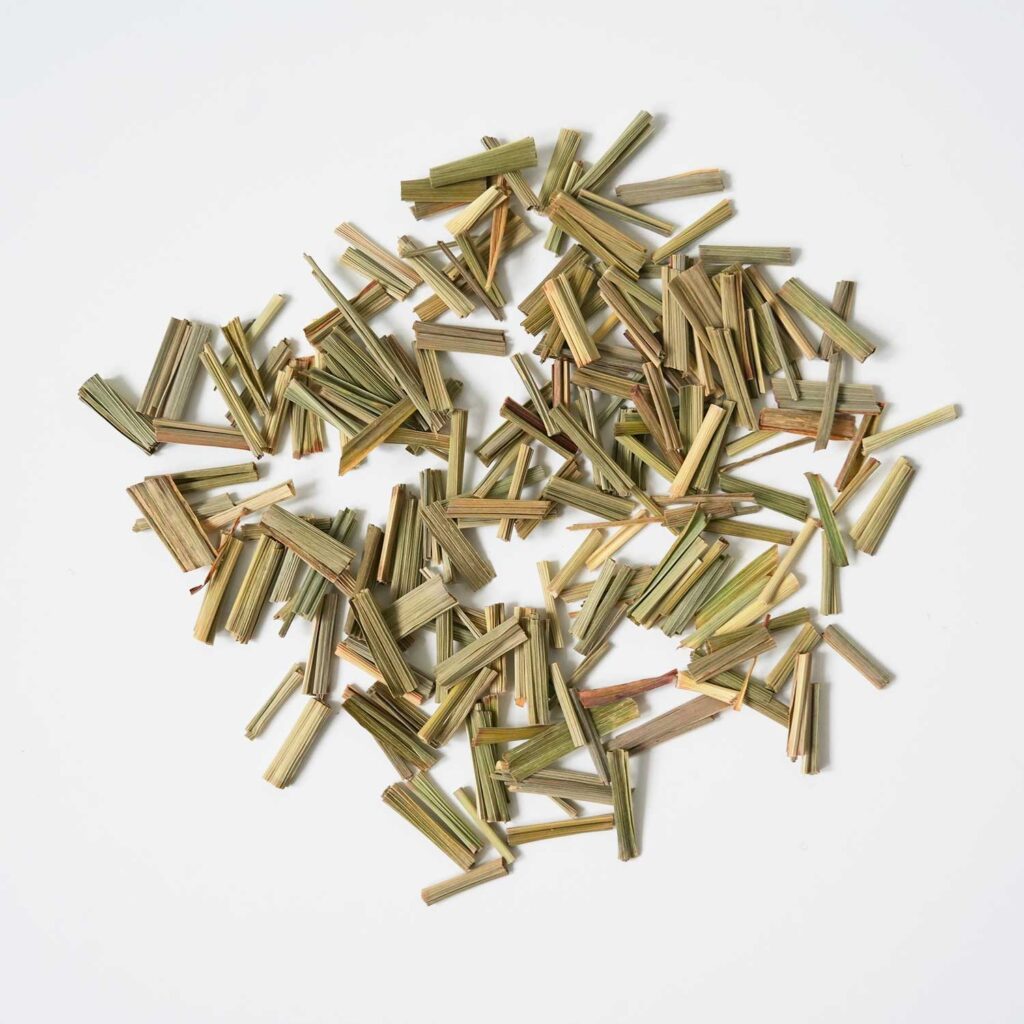
4. Lemongrass Tea

Lemongrass shows up as an after-meal tea across Southeast Asia and parts of West Africa, where it’s traditionally sipped for mild bloating and a heavy feeling after eating.

Its bright, citrusy flavour also makes it one of the easier teas on this list to enjoy on its own without honey or sweetener.

Brewing tip: steep for 7 to 10 minutes. Bruise or lightly crush the dried stalks first if you want a stronger, more citrus-forward cup.

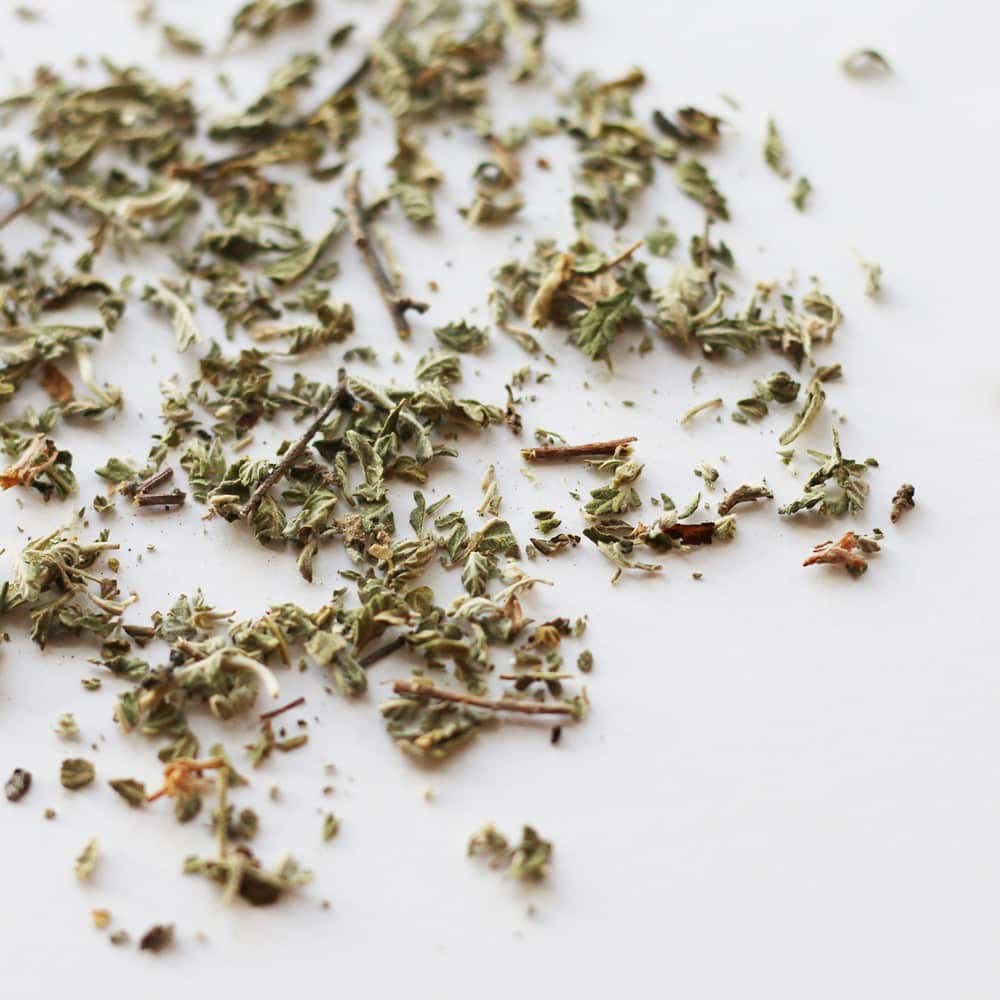
5. Damiana Tea

Damiana is a Central American herb with a long history in traditional Mexican herbalism, where it’s often taken as a mild after-meal bitter.

Bitter-tasting herbs like damiana have traditionally been used to stimulate appetite and digestive secretions, similar to the role bitters play in several other food cultures.

Brewing tip: steep for 5 to 7 minutes. Its flavour is naturally bitter and herbal, so a little honey or a pairing with a milder herb balances it well.

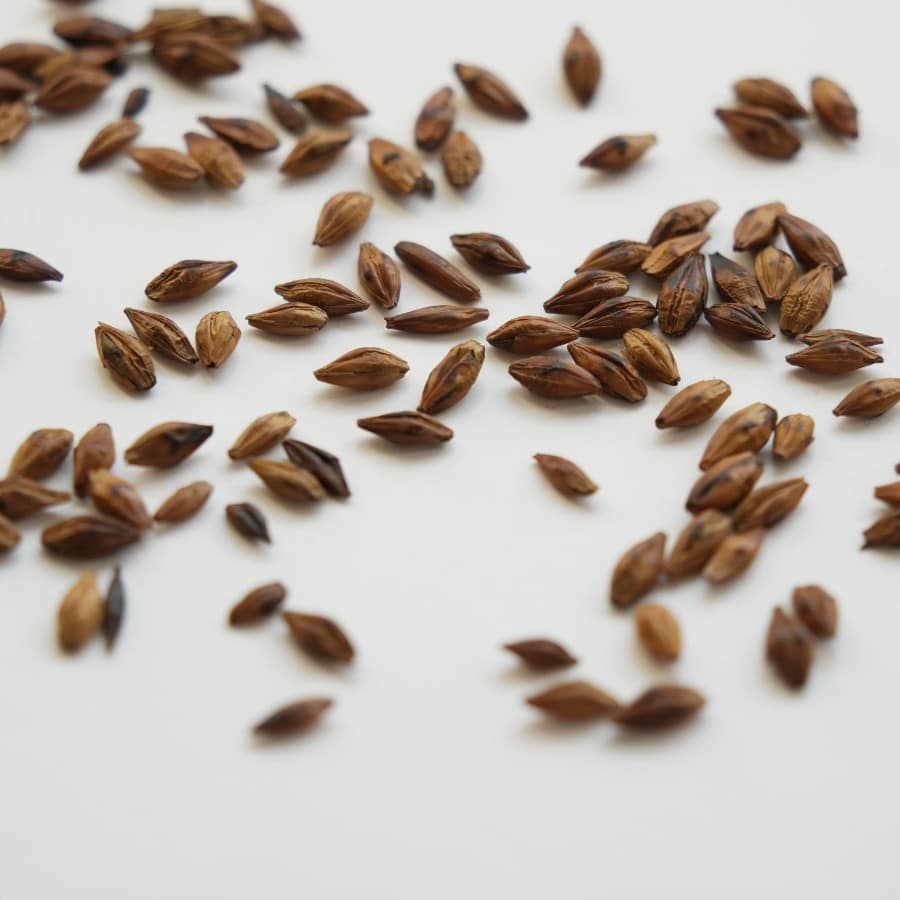
6. Barley Tea

Known as mugicha in Japan and boricha in Korea, roasted barley tea is a household staple served cold in summer and warm in winter, often specifically after a meal.

It’s naturally caffeine-free with a toasted, nutty flavour, and its role as a gentle, everyday after-dinner drink is deeply embedded in both cuisines, making it one of the most quietly traditional “digestive” teas there is.

Brewing tip: simmer the roasted grains for 5 to 10 minutes rather than a quick steep, or steep longer if using whole roasted barley rather than a fine grind.

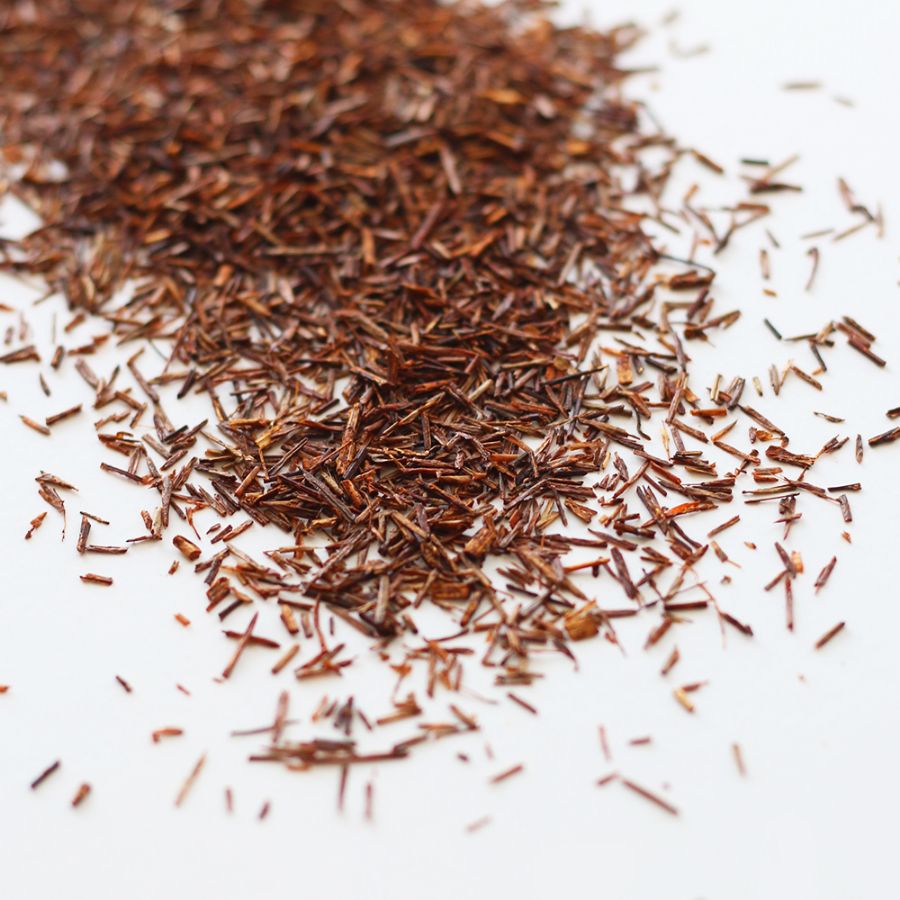
7. Red Rooibos

Rooibos has one of the more specific traditional digestive reputations on this list.

In South Africa, it’s long been the tea reached for to settle a fussy or crampy stomach, including, in diluted form, for infants with colic, a use so established that it shows up in general South African parenting advice as well as herbal tradition.

Naturally caffeine-free and naturally sweet, it’s also one of the gentlest teas on this list.

Brewing tip: rooibos is forgiving. Steep for 5 to 7 minutes, and unlike true teas, it won’t turn bitter even with a longer steep.

For a closer look at rooibos and what the science actually says about it, read our full guide here.

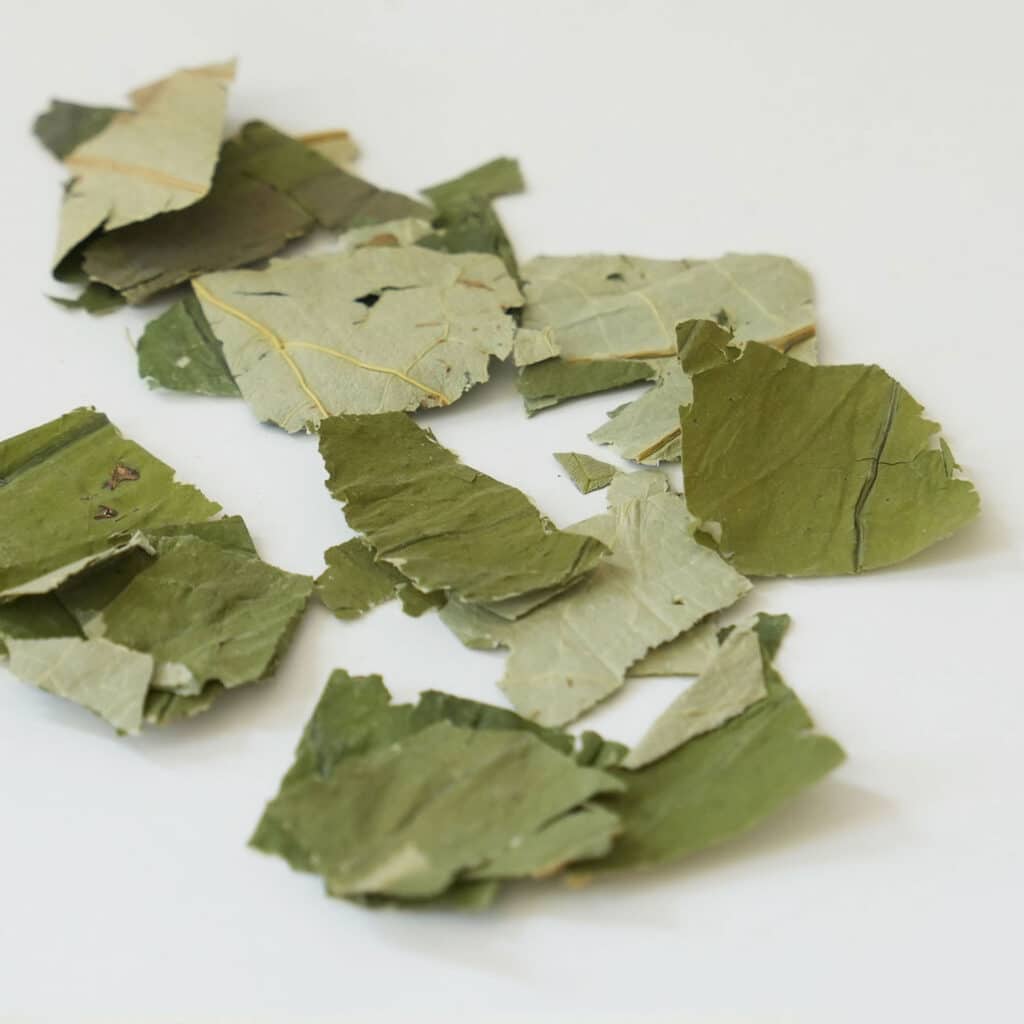
8. Lotus Leaf Tea

Lotus leaf tea, known in Chinese as he ye cha, has been drunk in China for centuries.

In traditional Chinese medicine, lotus leaf is classed as a cooling herb, traditionally used to clear “heat” and “dampness” from the body.

In everyday terms, that’s the heavy, sluggish, overfull feeling that can follow a rich or greasy meal, which is exactly when lotus leaf tea has traditionally been poured. It has a gently sweet, earthy flavour with soft vegetal notes, and because it’s naturally caffeine-free, it works just as well as an evening cup.

Most of the research on lotus leaf so far comes from laboratory and animal studies rather than human trials, so its digestive reputation rests mainly on long traditional use rather than clinical proof.

Brewing tip: steep one teaspoon of dried lotus leaf in hot water for 5 to 7 minutes. The longer you steep, the stronger and earthier the cup, and a slice of lemon lifts it nicely.

Discover more about this tea and its traditional health benefits for mind, body, and soul in our guide to Lotus Leaf.

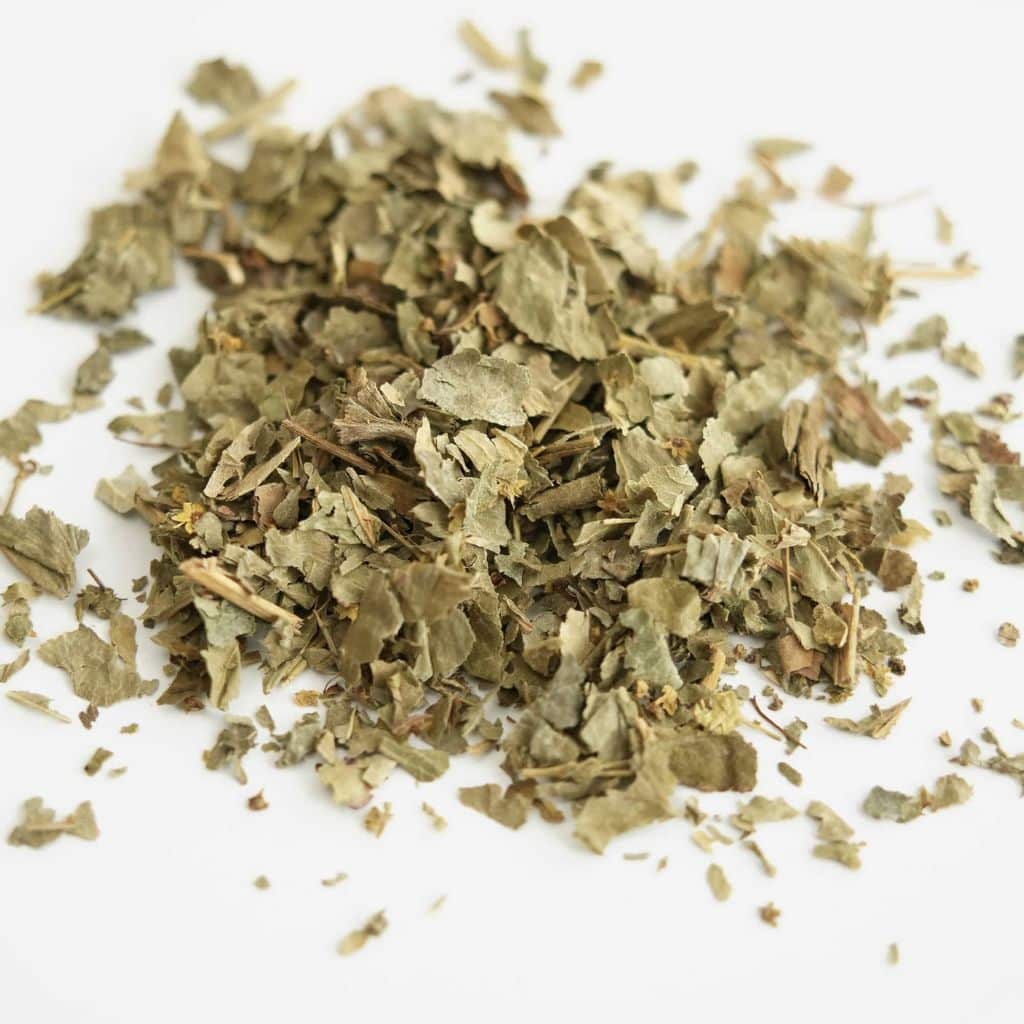
9. Lady’s Mantle Tea

Lady’s mantle is a European meadow herb best known in folk herbalism for women’s health, but it also has a long history as a digestive tea.

Its leaves are naturally rich in tannins, which give it a mildly astringent quality, and in traditional European herbalism that astringency made it a go-to for a loose or unsettled stomach, where it was traditionally used to help settle mild diarrhea.

Despite that reputation, the flavour is surprisingly gentle, mildly sweet and earthy rather than harsh.

Because lady’s mantle is also traditionally associated with hormonal balance, it isn’t recommended during pregnancy, or if you’re taking hormone medication, unless a doctor has advised otherwise.

Brewing tip: steep 1 to 2 teaspoons in hot water for 5 to 10 minutes. It’s lovely hot or cold, and blends well with chamomile or peppermint for a rounder after-dinner cup.

To dig deeper into this tea and discover how it can benefit your health, check out our guide on Lady’s Mantle Tea: Nourishing Feminine Health and Beyond.

How to Brew a Proper Digestive Tea

Tip Details
Use Whole Leaf, Grain or Herb Finely ground "dust" in standard tea bags loses aromatic oils quickly.
Cover Your Cup or Pot This keeps the volatile oils in the water rather than evaporating into the room.
Drink It After the Meal Not instead of it, these teas are traditionally a follow-on to eating, not a meal replacement.
Give It Time Most of these need a full 5 to 10 minute steep to release their flavour and aromatic compounds, a quick 1 minute dip won't do much.

If you’d like to go deeper on technique beyond what’s covered here, our full guide to brewing loose leaf tea walks through the proper way to brew, from water temperature to steep time, for every tea type.

Frequently Asked Questions

Lemongrass and peppermint are the two most commonly reached for. Lemongrass is traditionally used specifically for a heavy, bloated feeling after eating, while peppermint’s muscle-relaxing effect on the gut is the better studied of the two. Lotus leaf is another option, traditionally drunk in China after rich or greasy meals for that heavy, overfull feeling.

Yes, all nine of these are suitable as a daily after-meal habit for most people, though lady’s mantle is best kept to one or two cups a day and avoided during pregnancy. Rooibos and barley tea in particular are naturally caffeine-free and gentle enough to drink throughout the day, not just after meals.

It depends on the tea. Peppermint oil has a reasonable body of clinical research behind it, including the study linked above. Others on this list, like lemongrass, damiana, barley tea, rooibos, lotus leaf and lady’s mantle, are supported mainly by long traditional use across specific food cultures rather than large human trials, which is worth knowing rather than assuming every tea has the same level of evidence behind it.

Traditionally, most of these teas are drunk after a meal rather than before. Bitter teas like damiana are the exception, some traditions take a bitter drink shortly before eating to stimulate appetite and digestive secretions.

Chamomile and rooibos are generally considered gentle enough for children, rooibos in particular has a long tradition of use with infants in South Africa, though always in a weak, diluted form. Damiana, lotus leaf and lady’s mantle aren’t as well studied in children, so they’re best kept to adults. Check with a pediatrician before offering any herbal tea to a child regularly.

If digestive discomfort is frequent, severe, or comes with other symptoms like unexplained weight loss, blood in your stool, or persistent pain, see a doctor rather than relying on tea. These teas are a gentle, traditional addition to a meal, not a treatment for an underlying condition.

Bring the Ritual to Your Own Table

A good after-dinner tea is one of the simplest rituals you can build into your day, no equipment beyond a kettle and a strainer, and a genuine tradition behind almost every cup.

Start with whichever of these seven speaks to what your stomach actually needs tonight, and build the habit from there.

Curious how these herbal teas compare to true teas like green, black and oolong? Our complete guide to the world of tea covers the full picture.

Teapro co-founder. Favourite tea - Long Jing Dragon Well Green Tea. Obsessed with film, photography and travelling.

No Comments

Post A Comment