15 Aug 5 Best Green Tea to Drink: The Healthiest, Best-Tasting Types Ranked
Type ‘best green tea to drink’ into Google and you will get a hundred different answers, because the honest truth is there is no single best green tea, there is a best green tea for you.
Some people want the healthiest green tea to drink daily, others just want to know what type of green tea is the best for a proper afternoon brew.
This guide ranks 5 green teas by both health and flavour, points you towards the best green tea for beginners, and helps you work out what a genuinely good green tea actually looks like, rather than what marketing tells you it looks like.
Table of Contents
What Makes a Green Tea ‘Best’?
Before ranking anything, it helps to ask what ‘best’ actually means, since it usually comes down to two different questions: what is the healthiest green tea to drink, and what is the best tasting green tea.
The two do not always overlap.
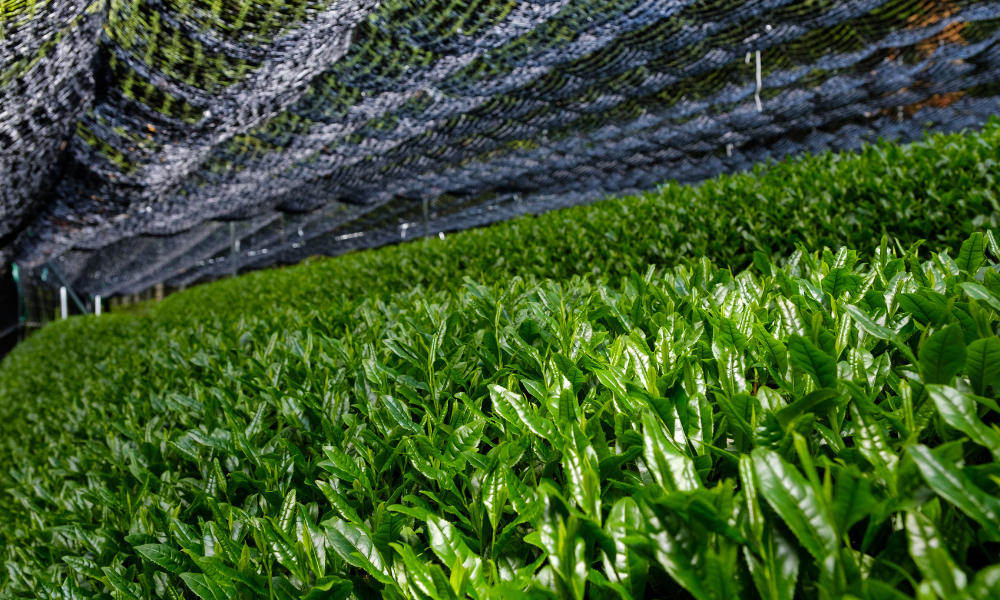
A shaded, intensely umami Gyokuro is arguably one of the healthiest green tea types going by antioxidant content, but it is not necessarily what a beginner wants in their first cup.
So rather than crowning one single ‘best green tea in the world’, this guide splits the ranking into health, flavour, and use case, so you can find what is genuinely a good green tea for your own taste and goals.
Shade-grown Japanese teas naturally develop exceptionally high levels of L-theanine; learn more in our deep dive into Gyokuro green tea.
The 5 Best Green Tea Types to Drink, Ranked
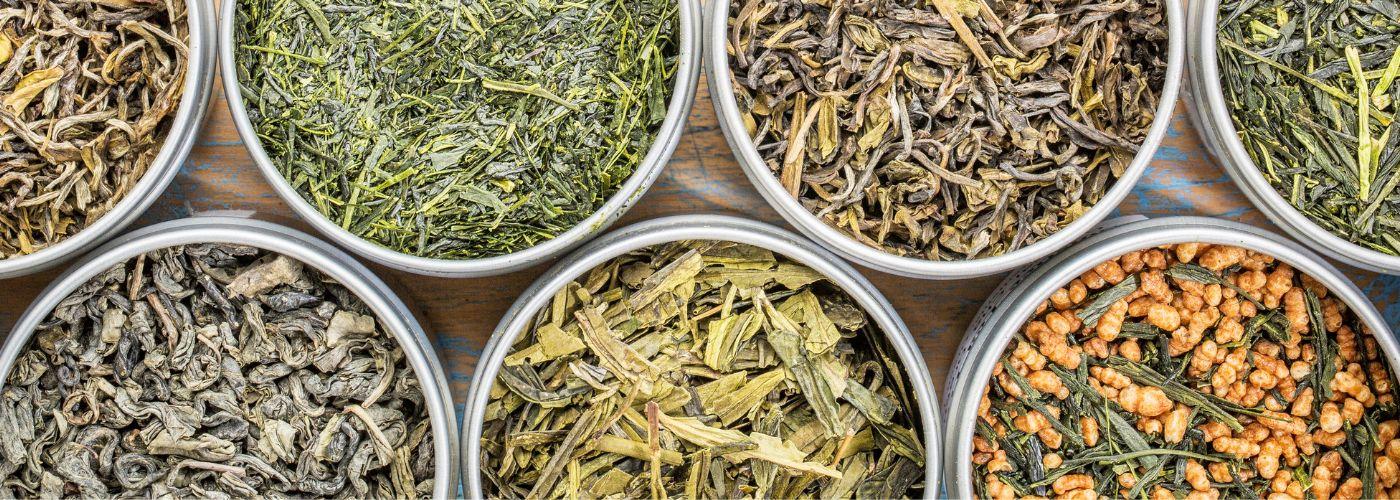
Rather than ranking green tea in the abstract, here are 5 real green teas worth trying, ranked with both health and flavour in mind, and all available in Teapro’s own range.
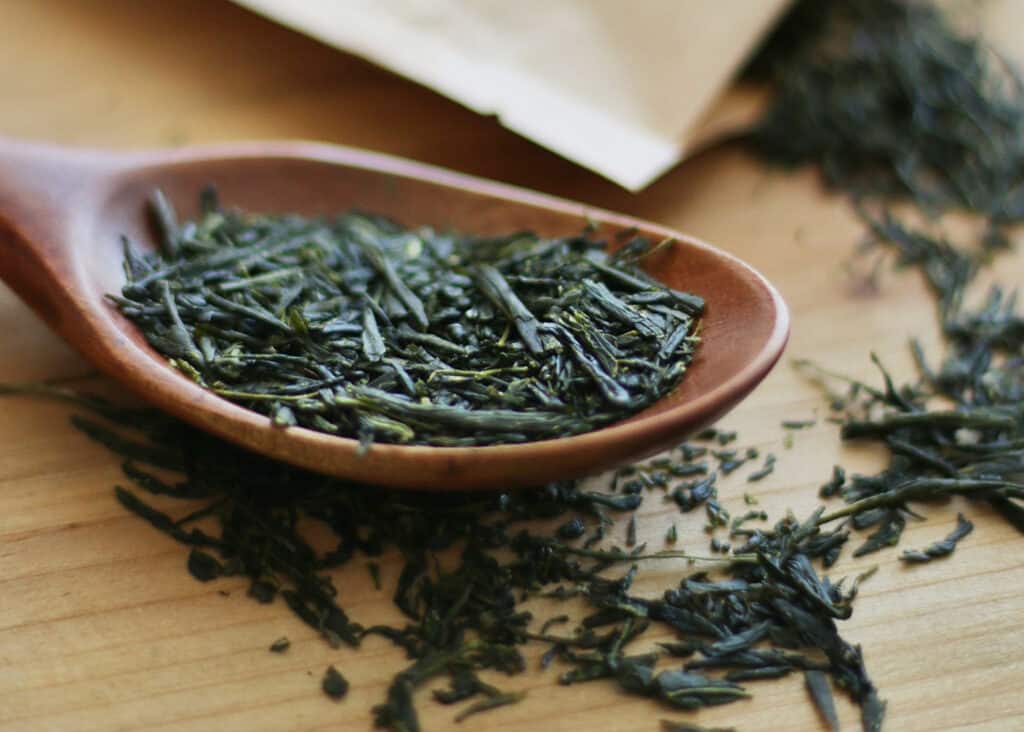
Gyokuro
Japan’s highest-grade green tea, shade-grown for around three weeks before harvest to boost its concentration of catechins, chlorophyll and L-theanine.
This makes Gyokuro a strong contender for healthiest green tea type, with a rich, savoury, umami character that rewards more experienced palates.
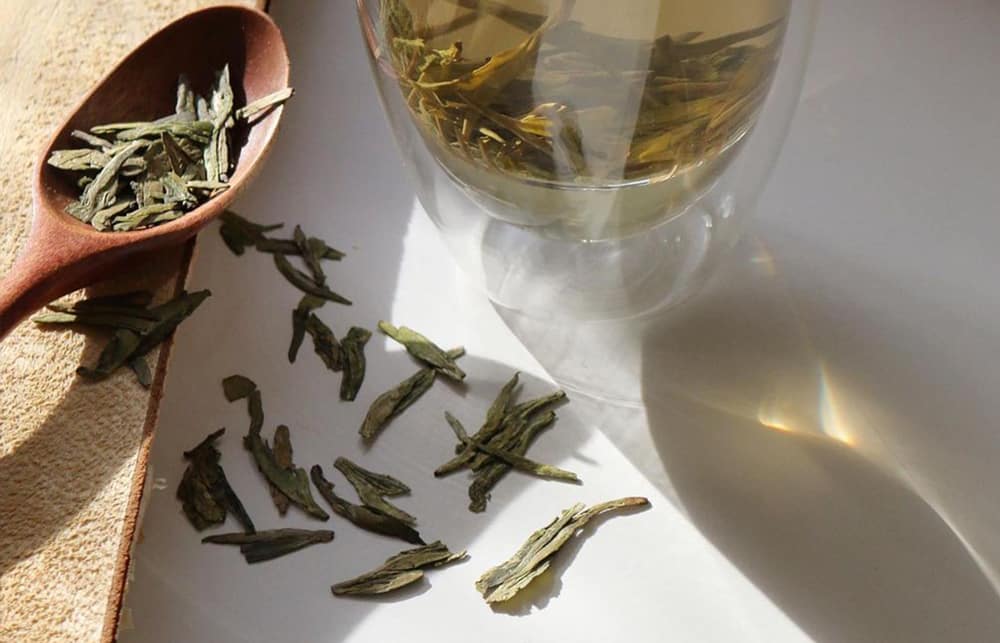
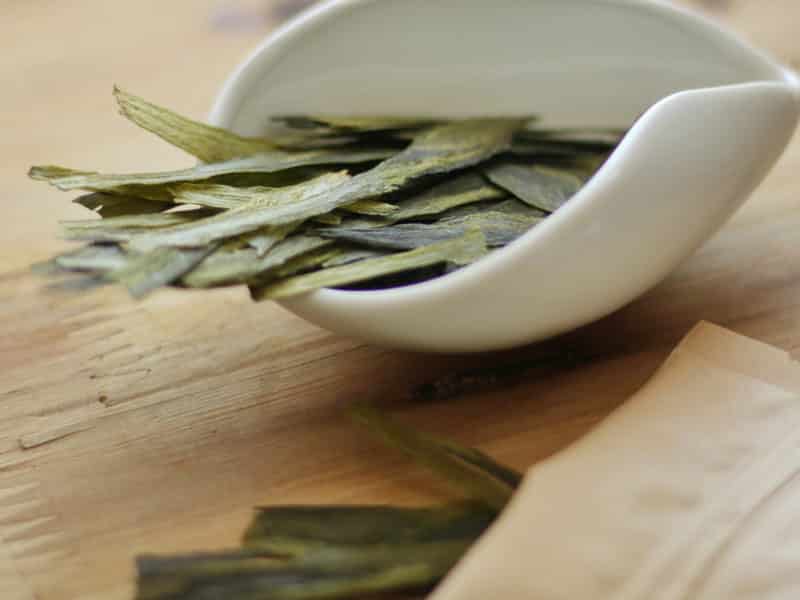
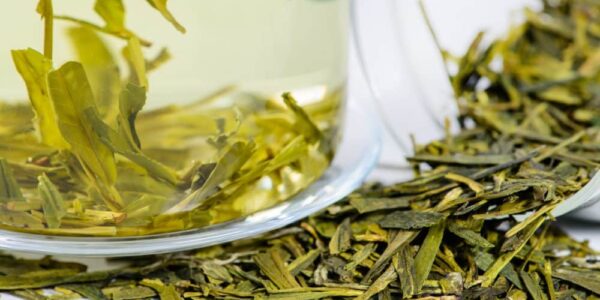
Dragon Well (Longjing)
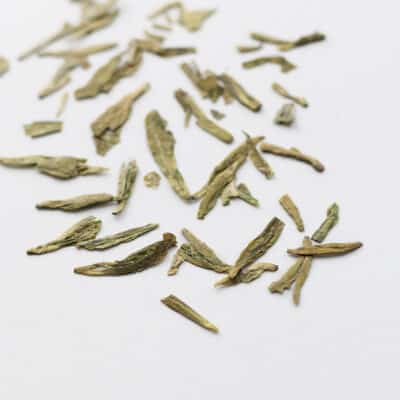
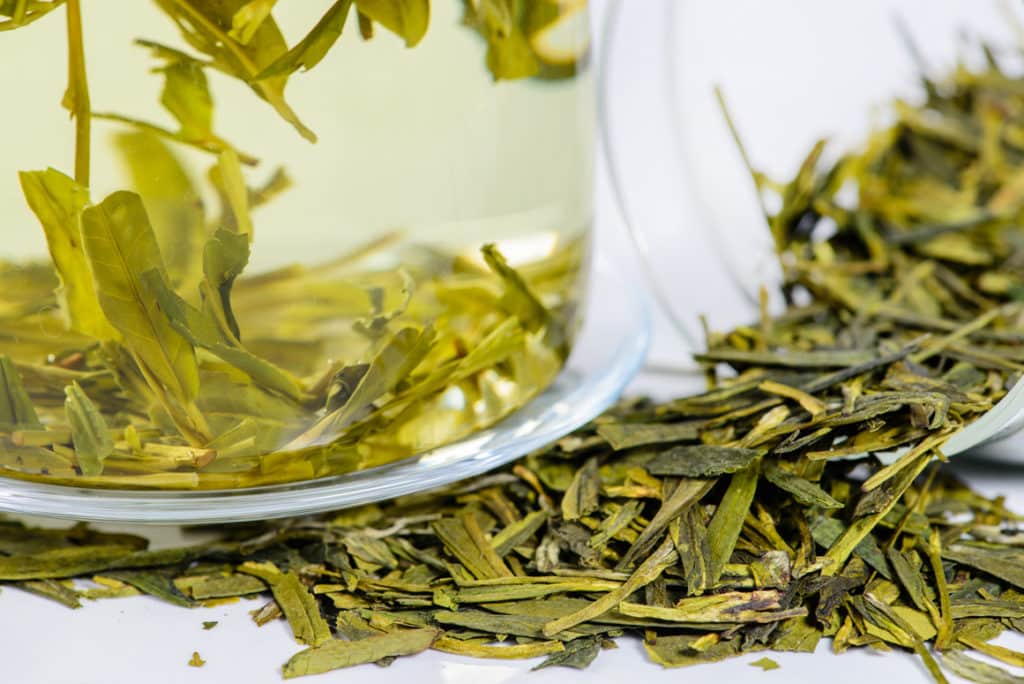
China’s most celebrated green tea, hand-picked in spring from young, tender buds around Hangzhou’s West Lake, then pan-fired into flat, spear-shaped leaves.
Dragon Well (Longjing)is smooth, nutty and toasty, often cited as the best flavour of green tea for people who find pure green tea too grassy.
For an iconic pan-fired green tea that offers a naturally sweet, nutty profile without astringency, discover everything you need to know about Dragon Well tea.
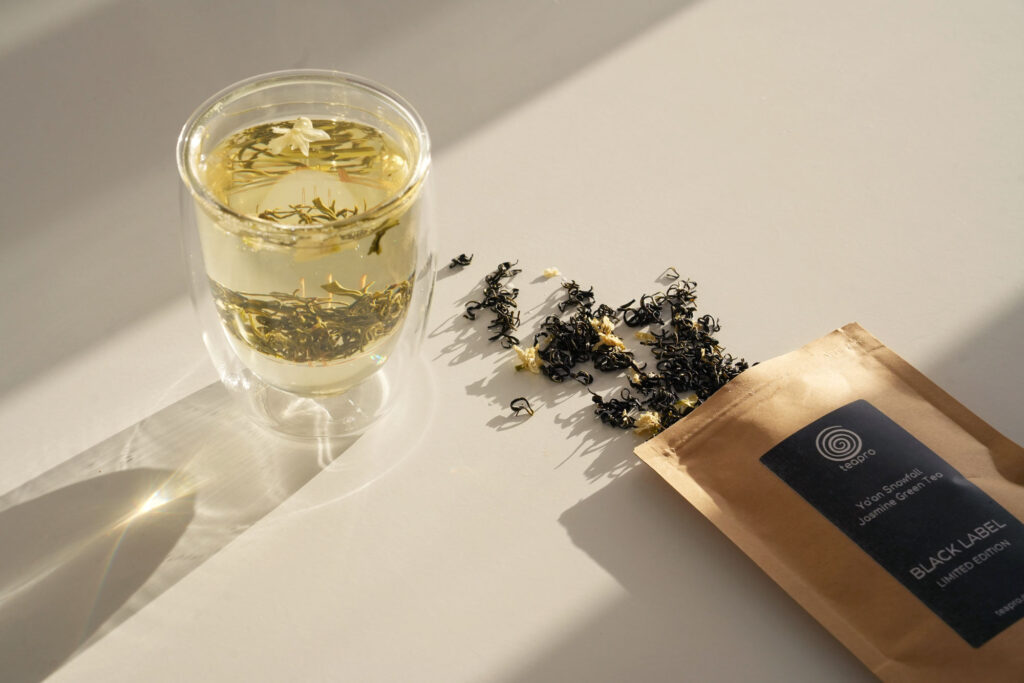
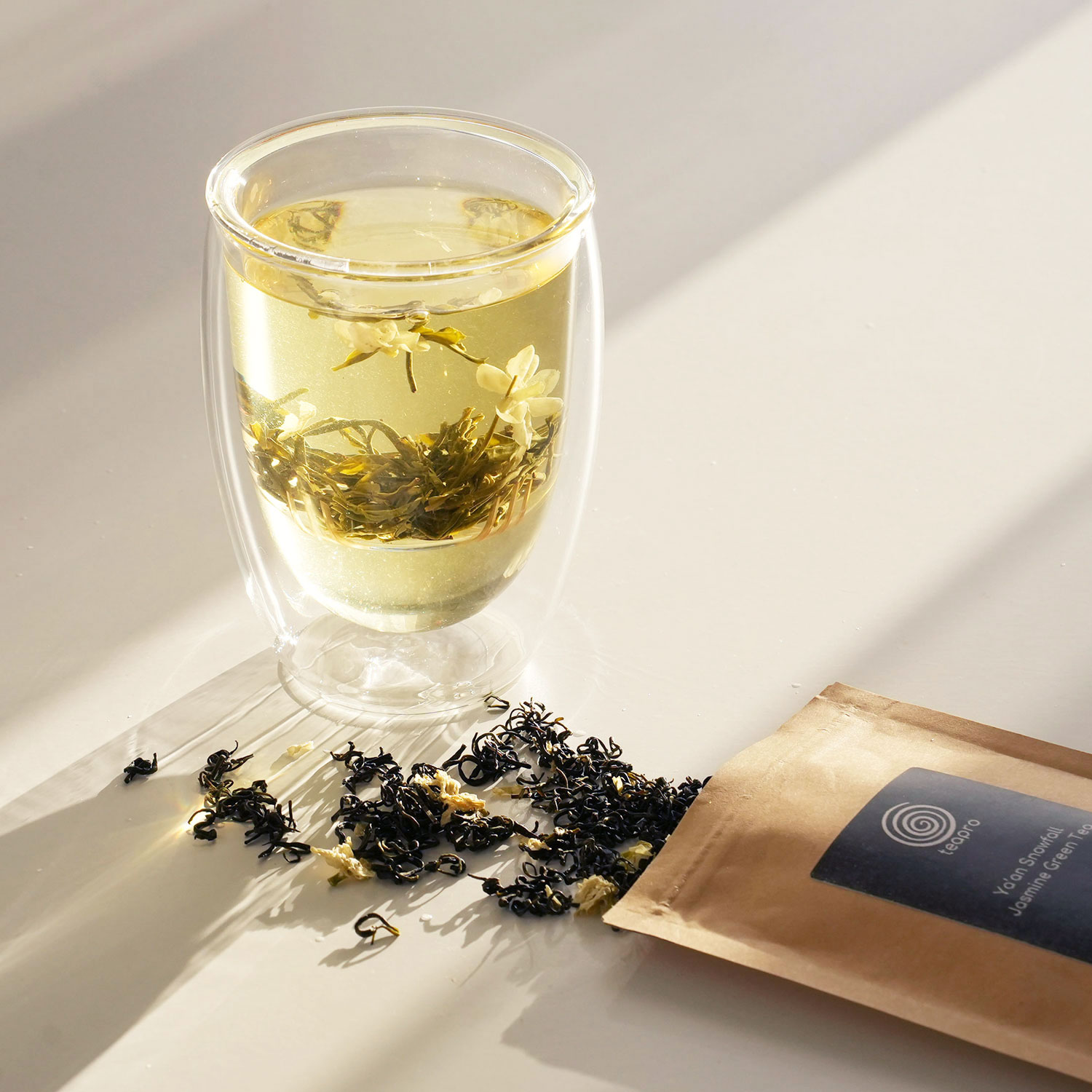
Ya’an Snowfall Jasmine Green Tea
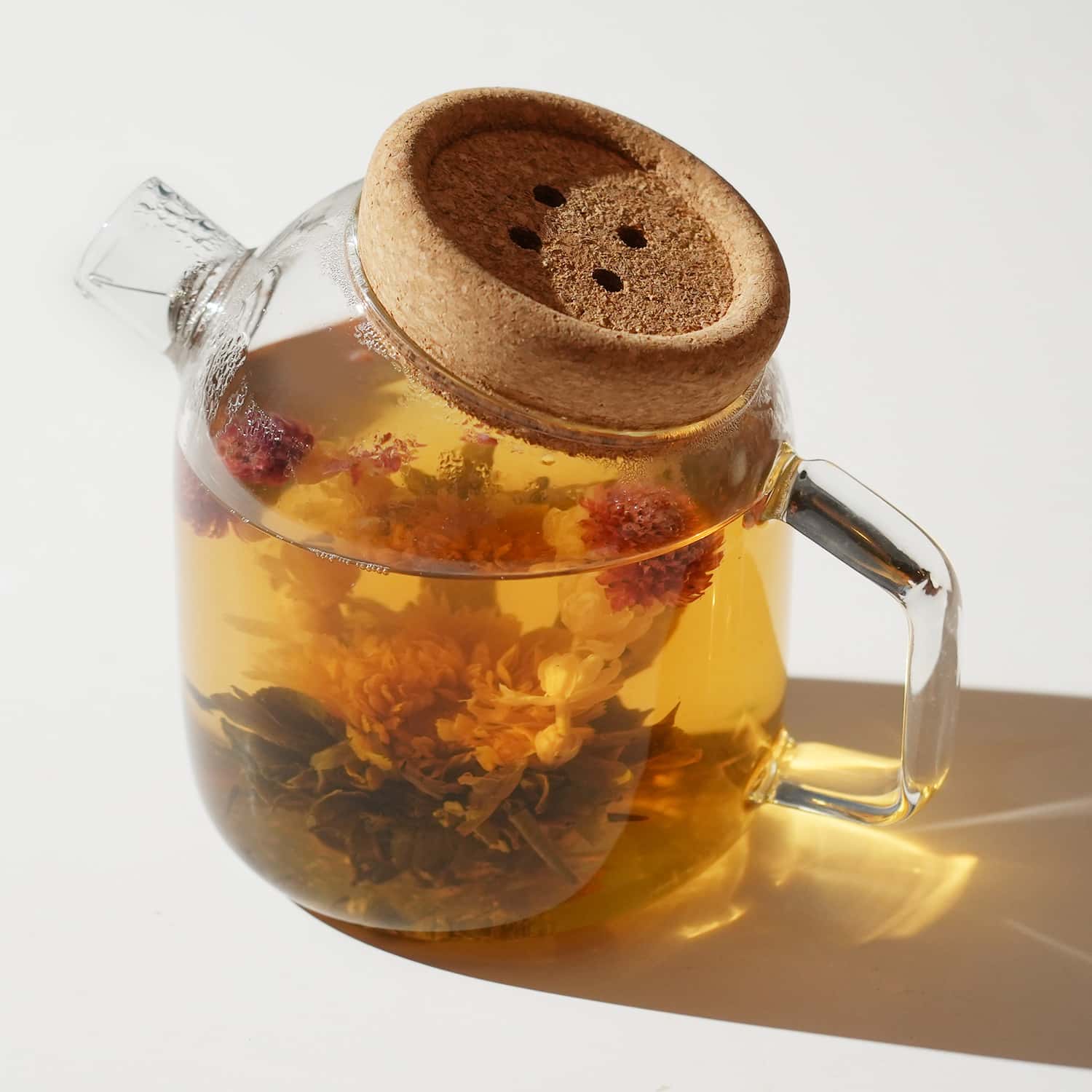
A limited edition tea from Mengding Mountain in Sichuan, where a soft, sweet Yun Wu green tea base is naturally scented with fresh jasmine blossoms over several infusions.
Ya’an Snowfall Jasmine Green Tea is floral, smooth and gently honeyed, one of the most approachable, best-tasting entry points into green tea.
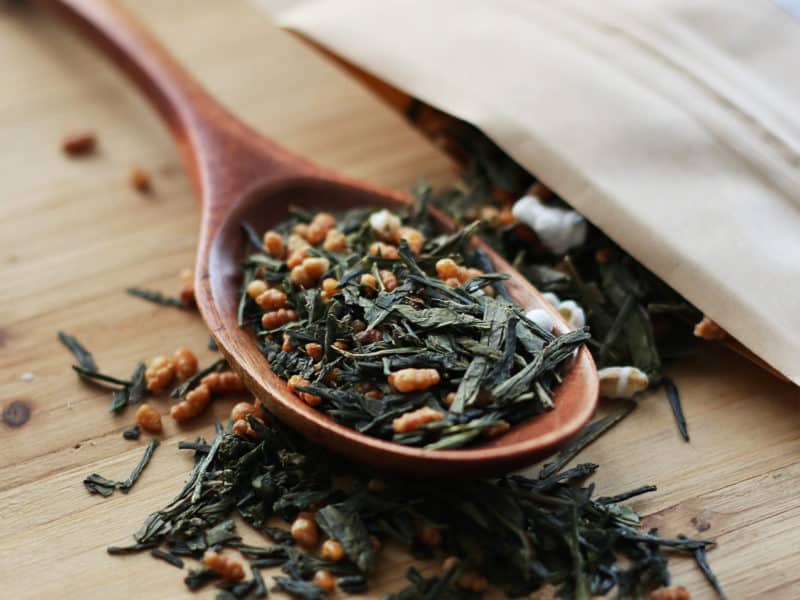
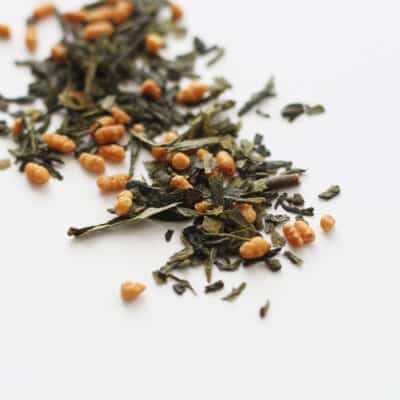
Genmaicha
A comforting Japanese blend of green tea and roasted rice, some of which pops during roasting, giving it the nickname ‘popcorn tea’.
Genmaicha is mellow, nutty and forgiving of imprecise brewing, making it a genuinely good green tea to drink daily.
Taiping Houkui (Monkey King)
A striking green tea from the Huang Shan mountains in Anhui province, known for its long, flat pressed leaves that unfurl dramatically as they steep.
Taiping Houkui (Monkey King)is light and floral, with a natural orchid aroma, a distinctive best green tea type for anyone who has already worked through the more familiar styles.
If you enjoy smooth, naturally refreshing varieties that make daily hydration effortless, check out our guide to Taiping Houkui / Monkey King green tea.
These are general wellbeing associations rather than medical claims, and green tea should be enjoyed as part of an overall varied, balanced diet rather than as a treatment for any health condition.
Two more worth exploring from the same limited edition range: Phoenix Eye Jasmine Green Tea, a hand-rolled Guangxi green tea layered with jasmine overnight for a deep, lasting aroma, and Clouds and Mist (Yun Wu), a traditional Sichuan tribute tea with a sweet, earthy depth and a gentle hint of smokiness.
Sencha vs Jasmine Green Tea
Two of the most searched green teas side by side, sencha vs jasmine green tea comes down to processing rather than plant type.
Sencha is a straightforward steamed Japanese green tea, prized for its grassy, marine, slightly sweet character with no added flavouring.
Jasmine green tea, like Teapro’s own Ya’an Snowfall Jasmine Green Tea, is typically a green tea base that has been scented with fresh jasmine blossoms over several rounds, giving it a distinctly floral, lightly sweet profile.
Neither is objectively better, sencha suits people who want a clean, unflavoured green tea experience, while jasmine green tea suits people who find plain green tea a little too grassy and want something more fragrant and forgiving.
Sencha is also worth a word of caution for beginners specifically, since it’s very easy to overbrew.
Steep it too long or use water that’s too hot, and a tea that should taste grassy and slightly sweet turns bitter fast, with far less room for error than most other green teas.
Teapro Black Label Ya’an Snowfall Jasmine Green Tea | Limited Edition
If you are choosing between the two as a beginner, jasmine green tea tends to be the gentler introduction, partly for this reason, its floral sweetness is more forgiving of a slightly imperfect brew, where sencha rewards precision.
Best Green Tea for Beginners
If you are new to the category and want to know what is good green tea to drink first, start gentle rather than intense.
The best green tea for beginners avoids the more intensely umami, savoury styles like Gyokuro, which can be an acquired taste.
| Green Tea | Why It's Great for Beginners |
|---|---|
| Ya'an Snowfall Jasmine Green Tea | Floral and naturally sweet, rarely bitter even with a slightly longer steep. |
| Genmaicha | Roasted, comforting, and forgiving of imprecise brewing, a genuinely good green tea to drink for anyone nervous about bitterness. |
| Dragon Well (Longjing) | A proper, classic green tea experience without the intensity of shaded styles like Gyokuro. |
Whichever you start with, cooler water (around 70 to 80°C, not boiling) and a shorter steep will make almost any green tea taste noticeably better, most ‘I don’t like green tea’ reactions come down to over-brewing rather than the tea itself.
Teapro Black Label Ya’an Snowfall Jasmine Green Tea | Limited Edition
Is Green Tea Good for Weight Loss?
It is one of the most searched questions in this space, so it is worth answering honestly: no single green tea, brand or type is a proven weight loss solution.
Green tea naturally contains catechins and a moderate amount of caffeine, compounds that have been studied for a potential, modest role in metabolism as part of an overall varied and balanced diet, but green tea alone will not meaningfully change your weight.
Be cautious of any brand claiming to be ‘the best green tea brand for weight loss’, since no single product can make that promise responsibly.
If you have specific health or weight goals, it is always best to speak with a doctor or nutritionist rather than relying on a tea claim.
What Makes a Green Tea Brand ‘Best’?
Rather than which green tea company is best in the abstract, it is more useful to ask what actually separates a good green tea brand from an average one.
A few markers matter far more than packaging or marketing claims:
| What to Look For | Why It Matters |
|---|---|
| Whole, Intact Leaves | Rather than broken, dusty fragments, which oxidise and lose flavour faster. |
| Single-Origin Sourcing | Clear, so you know the specific region and harvest, rather than a vague, generic blend. |
| No Artificial Flavourings | Letting the tea's natural character speak for itself rather than masking lower quality leaf. |
| Genuine Education | Alongside the product, not just a sales pitch, since understanding what you are tasting is part of actually enjoying it. |
At Teapro, this is exactly the standard we hold ourselves to.
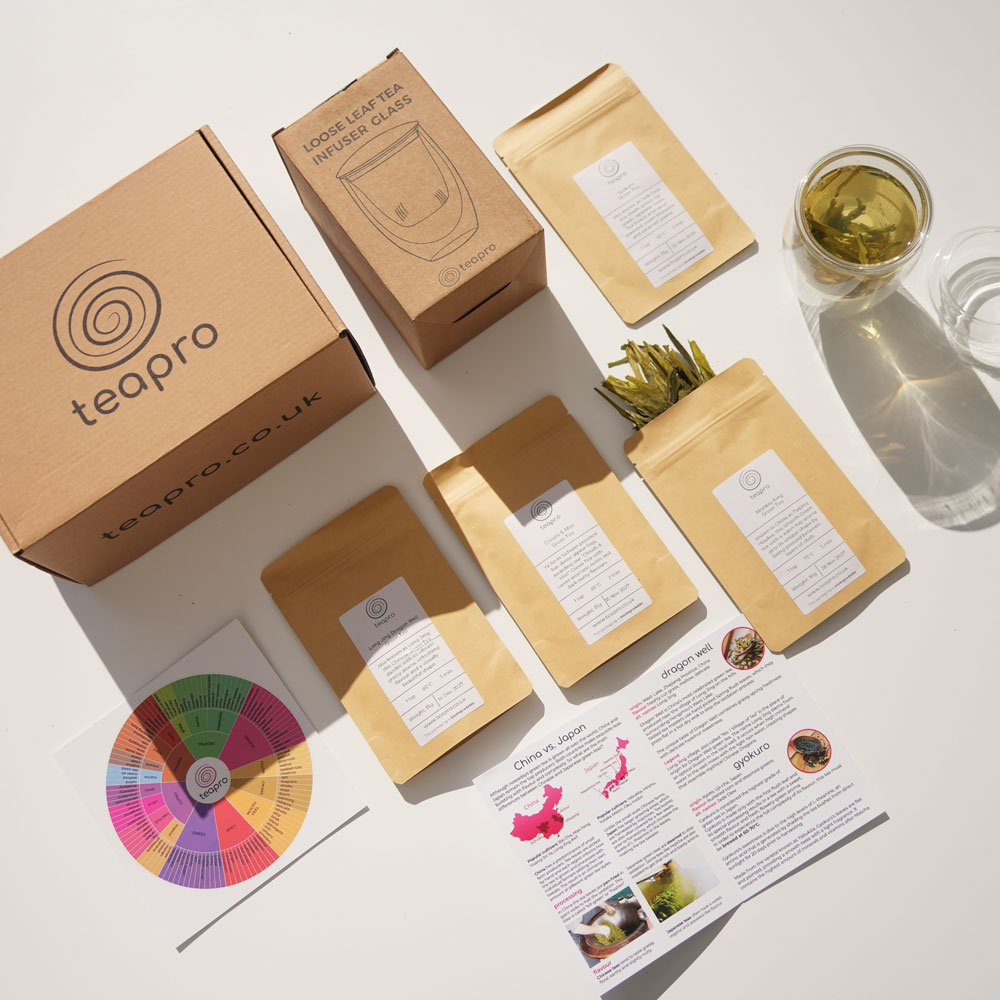
We source pure, single-origin green teas with no artificial flavourings, and every purchase, right down to our gift boxes, is built to teach you something about what you are drinking, not just sell it to you.
How to Choose the Best Green Tea for You
With so many types available, working out which green tea is best for you usually comes down to three simple questions:
| Question | What to Consider |
|---|---|
| How Intense Do You Want It? | Dragon Well and Taiping Houkui sit in the middle, Gyokuro is more intense, Ya'an Snowfall Jasmine and Genmaicha are gentler. |
| Hot or Cold? | Most green teas make a genuinely excellent hot green tea, but delicate types like Gyokuro and Dragon Well are also particularly well suited to cold brewing. |
| Loose Leaf or Bagged? | All 5 teas in this ranking are loose leaf, which almost always delivers better flavour and lets you see the actual leaf quality. If you are after the best green tea bag as a convenient daily option, look for whole-leaf pyramid bags over dusty, crushed-leaf bags, the difference in taste is significant. |
There is no single best green tea type for everyone, the best green tea to drink daily is simply the one that fits your taste, routine, and how you like to brew.
If you are new to brewing or curious about how different processing methods impact flavor profiles, explore our detailed breakdown on what green tea actually tastes like.
Frequently asked questions
There is no single best green tea, it depends on what you want. Dragon Well and Taiping Houkui are well-rounded, everyday choices, Gyokuro is the most antioxidant-rich, and Ya’an Snowfall Jasmine or Genmaicha are the most approachable for beginners.
Gyokuro is generally considered one of the healthiest green tea types, since it retains higher levels of catechins and antioxidants than standard steeped green tea, thanks to being shade-grown before harvest.
This comes down to personal preference. Dragon Well offers a nutty, toasted flavour, Ya’an Snowfall Jasmine is floral and sweet, and Genmaicha is warm and roasted, all popular answers to ‘what is the best tasting green tea’ for different palates.
Ya’an Snowfall Jasmine, Genmaicha and Dragon Well are the most beginner-friendly, since they are naturally sweeter, more forgiving of brewing mistakes, and less intensely umami than shaded styles like Gyokuro.
Green tea contains catechins and moderate caffeine, which have been studied for a potential, modest role in metabolism, but no green tea or brand can be relied on as a weight loss solution on its own. It is best enjoyed as part of an overall balanced diet, and it is worth speaking to a health professional about specific weight goals.
Sencha is a pure, steamed Japanese green tea with a grassy, marine flavour, while jasmine green tea is a green tea base scented with jasmine blossoms, giving it a floral, lightly sweet character. Jasmine is generally the gentler, more beginner-friendly option.
Look for whole, intact leaves, clear single-origin sourcing, no artificial flavourings, and genuine education alongside the product, rather than vague marketing claims about being ‘the best’.
Final Thoughts
The best green tea to drink is not a single leaf.
It is whichever type genuinely suits your palate, your routine and what you want from your cup, whether that is the healthiest green tea to drink daily, the best tasting green tea for a lazy Sunday, or simply the best green tea for beginners easing into the category.
Start with a gentler style, brew it properly, and let your own taste guide you from there.
For a full breakdown of green tea types, origins and step-by-step brewing guidance, read our complete guide to Green Tea
Ready to explore the range for yourself? Discover Teapro’s pure green tea range, or find out how our Become a Teapro programme can deepen your knowledge, one tea type at a time.

Teapro co-founder. Favourite tea - Long Jing Dragon Well Green Tea. Obsessed with film, photography and travelling.
- Tatjana



No Comments