06 Jun Monk Fruit and Keto: Is Luo Han Guo the Perfect Sweetener for a Ketogenic Diet?
If you are following a ketogenic diet, you already know the sweetener landscape is a minefield. Most options either carry hidden carbs that tip you out of ketosis, taste unpleasantly artificial, or come with a list of synthetic additives that sit uneasily alongside a whole-food approach to eating.
Monk fruit – known in traditional Chinese medicine as Luo Han Guo – is different. It is a naturally derived, zero-carb sweetener with a clean taste and a centuries-long history of use.
And when it comes to monk fruit keto compatibility, the answer is straightforward: it is one of the best options available.
In this guide to monk fruit and keto, you’ll learn what monk fruit is, why it works so well as a keto-friendly sweetener, how monk fruit tea fits into a ketogenic diet, and how to choose the best monk fruit products.
What’s in This Guide
What Is Monk Fruit (Luo Han Guo)?
Is Monk Fruit Keto Friendly?
Monk Fruit vs Other Keto Sweeteners – a Comparison
Why Monk Fruit Tea Works So Well on Keto
How to Add Monk Fruit to Your Keto Tea Routine
What to Watch Out For on the Label
The Teapro Approach – Pure Ingredients, No Compromises
Frequently Asked Questions
What Is Monk Fruit (Luo Han Guo)?
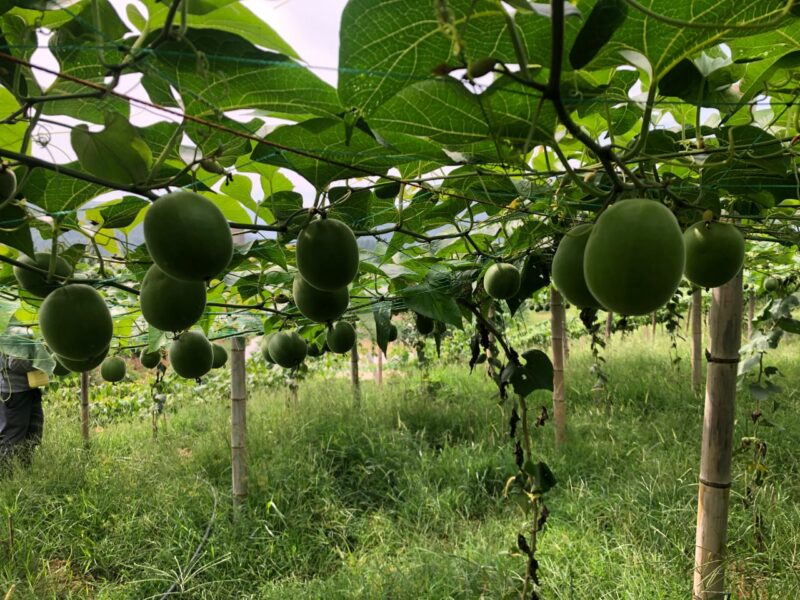
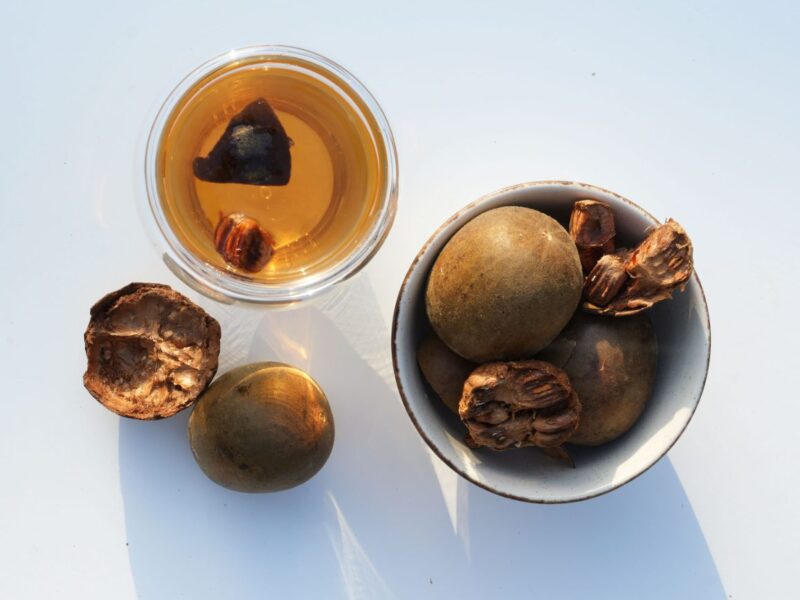
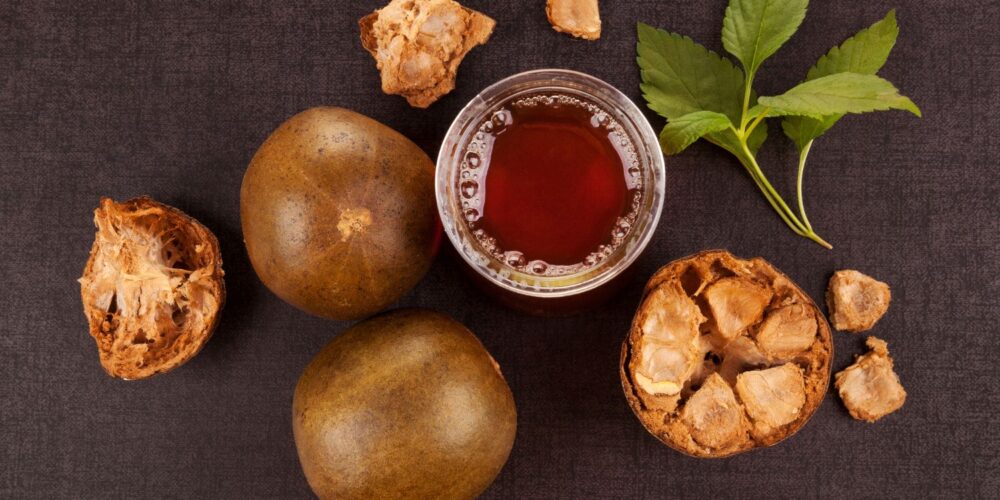
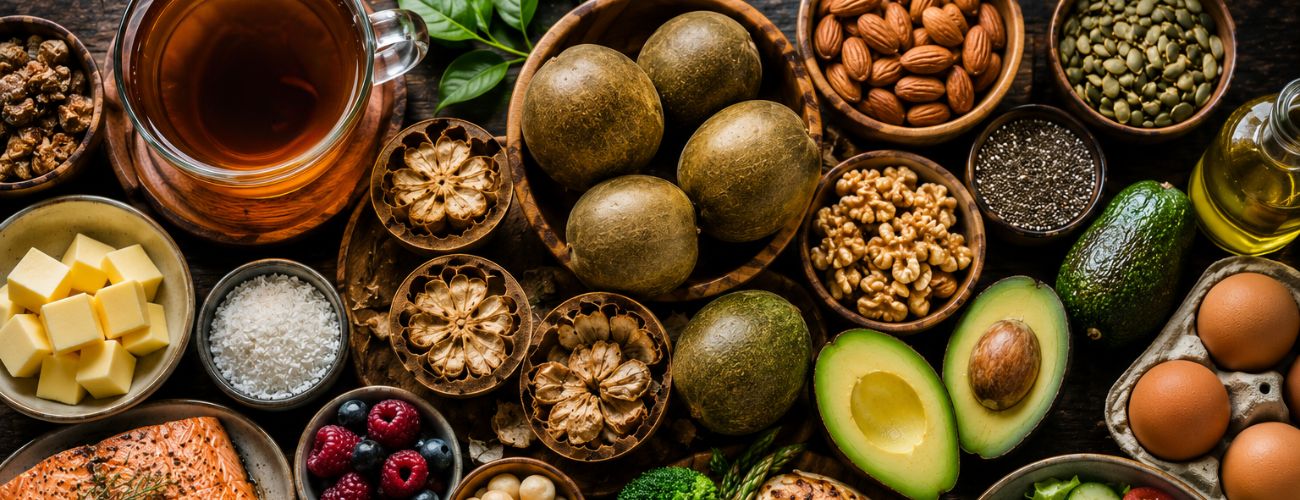
Monk fruit is a small green melon – Siraitia grosvenorii – native to the mountains of southern China.
It has been cultivated and used medicinally in the region for hundreds of years, traditionally brewed as a tea to soothe sore throats and support respiratory health.
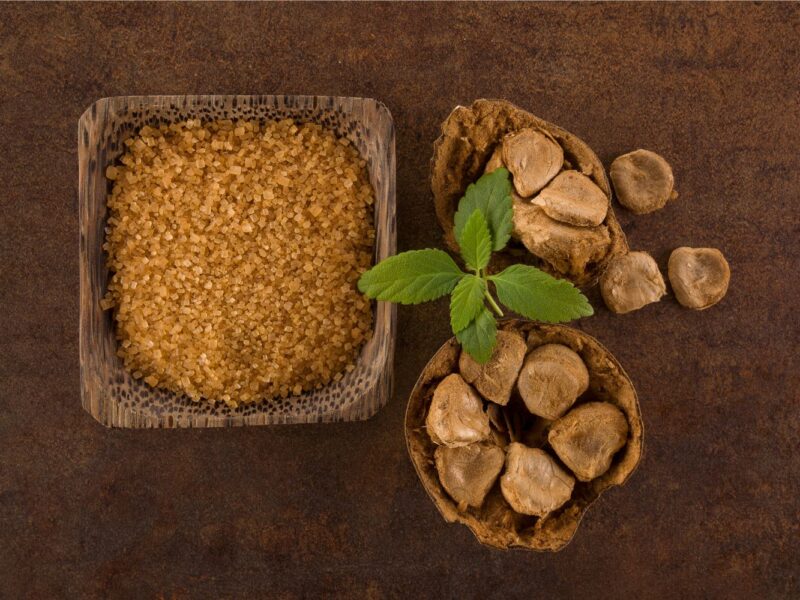
The remarkable sweetness of monk fruit does not come from sugar. It comes from a group of antioxidant compounds called mogrosides – specifically mogroside V – which are extracted from the dried fruit using water.
These mogrosides are estimated to be 200 to 250 times sweeter than table sugar, which is why you need only a very small amount.
Crucially for anyone on a ketogenic diet, mogrosides are not metabolised as carbohydrates. They pass through the digestive system without being absorbed in the same way as sugar, which means they contribute essentially zero calories and have no effect on blood glucose or insulin levels.
For a deeper look at monk fruit as a tea ingredient – its origins, flavour profile, and how to brew it – read our dedicated guide: Monk Fruit Tea (Luo Han Guo) – the Naturally Sweet Tea That Contains No Sugar.
Is Monk Fruit Keto Friendly?
Yes – monk fruit is keto friendly. In fact, it is one of the cleanest sweetener choices you can make on a ketogenic diet.
Here is why it passes every test:
| Property | Details |
|---|---|
| Zero net carbohydrates | No impact on your daily carb allowance in pure form. |
| Glycaemic index of zero | Does not raise blood sugar. |
| No insulin response | Critical for maintaining the metabolic state of ketosis. |
| Naturally derived | No synthetic chemicals or artificial compounds. |
| Heat stable | Works in hot tea, cold drinks, and baking without breaking down. |
The ketogenic diet works by keeping carbohydrate intake low enough – typically under 20 to 50 grams of net carbs per day – that your body shifts from burning glucose to burning fat as its primary fuel source.
Any sweetener that carries carbs or triggers an insulin response risks undermining that shift. Monk fruit does neither.
For people asking whether monk fruit sweetener keto use is genuinely safe, the answer is yes – provided you are buying a pure product.
Alongside keto-friendly sweeteners such as monk fruit, certain teas may complement a weight management routine. If you’re interested in learning more, explore our guide to the best teas for weight loss and why they work.
Monk Fruit vs Other Keto Sweeteners – a Comparison
Not all keto-safe sweeteners behave the same way, and the differences matter particularly when you are adding sweetness to tea.
| Sweetener | Net Carbs / tsp | Glycaemic Index | Keto Safe? |
|---|---|---|---|
| Monk fruit extract | 0 g | 0 | Yes - ideal |
| Stevia | 0 g | 0 | Yes |
| Erythritol | 0 g net | 0-1 | Yes (most people) |
| Xylitol | 4 g net | 7 | Use sparingly |
| Coconut sugar | 4 g | 35 | No |
| Honey | 6 g | 58 | No |
| White sugar | 4 g | 65 | No |
Monk fruit sits at the top of this comparison for several reasons. Stevia is equally zero-carb but can leave a bitter or liquorice-like aftertaste that competes with delicate tea flavours.
Erythritol is widely used and effective but some people experience digestive sensitivity, and it can leave a cool or slightly chemical note in hot drinks. Monk fruit tends to have the cleanest finish – sweet, neutral, and non-intrusive.
For zero carb sweetener keto use in hot beverages specifically, monk fruit is often the most enjoyable choice because it works with the flavour of the drink rather than against it.
Why Monk Fruit Tea Works So Well on Keto
Pure herbal teas are one of the most keto-compatible drinks you can choose. A well-sourced, unflavoured herbal blend contains no carbohydrates, no sugar, and no additives – just dried plant material and water. That makes tea an ideal companion to a ketogenic lifestyle.
Adding monk fruit tea keto combinations into your daily routine gives you a warm, satisfying, slightly sweet drink at any time of day – without touching your macros.
This is particularly valuable for people who are transitioning away from sugary drinks or from coffee with milk and sugar.
The ritual of a proper cup of tea, sweetened naturally with monk fruit, can replace those habits in a way that feels genuinely indulgent rather than like deprivation.
There is also a functional dimension.
Many of the herbal teas that pair well with monk fruit – chamomile, peppermint, rooibos, lemon balm – have documented benefits that align with common keto goals: better sleep, reduced bloating, steadier energy, and stress management.
A keto lifestyle is not just about macros; it is about building sustainable daily rituals. Tea does that work quietly and consistently.
Herbal teas that pair particularly well with monk fruit on keto:
| Tea | Notes |
|---|---|
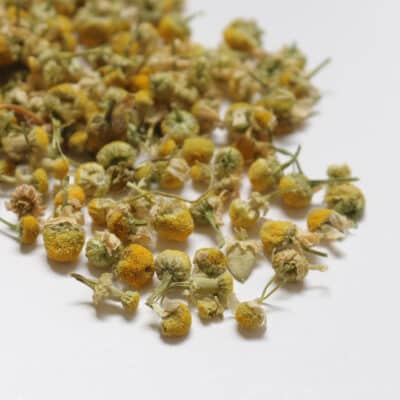
| Chamomile | Gentle, floral, with a natural softness that monk fruit enhances without overpowering. Excellent in the evening. |
| Rooibos | Naturally low in tannins and slightly sweet on its own. Monk fruit rounds it out beautifully. Caffeine-free. |
| Peppermint | Bold and cooling. A small amount of monk fruit softens the edge. Works brilliantly iced. |
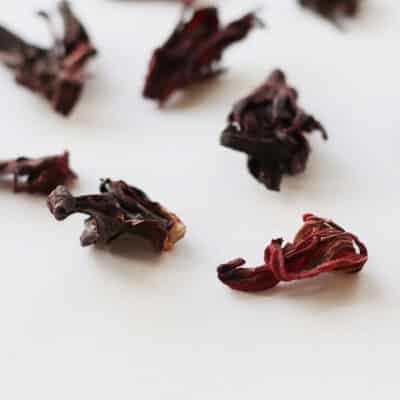
| Hibiscus | Sharp and tart. Monk fruit is its natural counterbalance, bringing sweetness without masking the bright acidity. |
| Lemon verbena | Citrus-forward and clean. Monk fruit complements the freshness without introducing a competing flavour. |
Each of these teas is naturally zero-carb when sourced pure and unflavoured – which is precisely what Teapro does.
How to Add Monk Fruit to Your Keto Tea Routine
Because monk fruit is so concentrated, using the right amount takes a little adjustment.
Here is a simple approach:
| Tip | Details |
|---|---|
| Start very small | Roughly one eighth of a teaspoon of powder, or 2-3 drops of liquid extract, for a standard 250 ml cup. |
| Brew first, sweeten second | Brew your tea fully and let it cool slightly before adding sweetener - tasting at drinking temperature gives you better feedback. |
| Add incrementally | Taste after each addition - monk fruit is much easier to over-sweeten with than sugar. |
| Choose your format wisely | Liquid extracts dissolve more evenly in hot drinks; powder works well in cold brew if stirred thoroughly. |
| Cold infusions - sweeten before drinking | For a cold hibiscus or peppermint infusion, brew overnight and add monk fruit before drinking rather than during the brew. |
Monk fruit is heat-stable, which means its sweetness does not degrade in boiling water.
It behaves consistently whether you are making a hot rooibos before bed or a cold lemon verbena infusion after a workout.
What to Watch Out For on the Label
This is where many people on keto run into problems. A product labelled as monk fruit sweetener is not always pure monk fruit.
Many commercial versions are blended with other ingredients to create a product that is easier to measure and behaves more like sugar in recipes.
Most blends are still keto compatible – but some are not, and it is worth knowing the difference.
| What to look for | Details |
|---|---|
| Primary ingredient | Monk fruit extract listed as the primary or only active ingredient. |
| Acceptable blend | Erythritol as a secondary ingredient if blended - this combination is keto safe for most people. |
| Net carb count | 0 g net carbs per serving on the nutrition label. |
| What to avoid | Details |
|---|---|
| Maltodextrin | A high-glycaemic bulking agent sometimes added to powdered sweeteners. It can spike blood sugar despite appearing in a sugar-free product. |
| Dextrose | A glucose-based filler with a high glycaemic index. |
| Hidden carbs | Any product where carbohydrates are listed above 0 g net per serving. |
Liquid monk fruit extracts tend to be the cleanest option for Luo Han Guo keto use, as they typically contain only monk fruit extract and water with no bulking agents required.
This principle of reading what is actually in your product connects directly to how Teapro approaches tea sourcing.
Our range is built around pure, unflavoured teas – and where we do offer flavoured options, we use only natural flavourings, never artificial ones, so the tea itself still comes through.
The same logic applies to your sweetener choice – the purer the ingredient, the more honestly it performs.
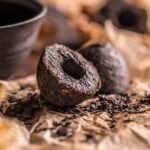
Dehydrated Monk Fruit Tea – Nature’s Sweetener – Luo Han Guo Tea
The Teapro Approach – Pure Ingredients, No Compromises
At Teapro, we source single-origin teas and natural herb blends without artificial flavourings wherever possible.
We believe that real flavour – whether in a white tea from Fujian or a rooibos from the Cederberg – comes from the plant itself, not from a laboratory. Our job is to source it properly and teach you to taste it.
That philosophy extends to how we think about every ingredient that goes into your cup. If you are adding sweetener to your tea, monk fruit is the option most consistent with that approach.
It is natural, it is clean, it amplifies rather than disguises, and it does not interfere with your ketogenic goals.
Luo Han Guo has been used to sweeten tea in China for centuries. There is something satisfying about the fact that one of the most ancient brewing traditions happens to align so precisely with one of the most modern dietary approaches.
To explore monk fruit further as a tea ingredient – including its history, preparation, and what it actually tastes like – visit our full guide: Monk Fruit Tea (Luo Han Guo) – the Naturally Sweet Tea That Contains No Sugar.
Frequently Asked Questions
Yes. Pure monk fruit extract contains zero net carbohydrates and has a glycaemic index of zero. It does not raise blood sugar or insulin levels and will not disrupt ketosis. It is one of the most keto-compatible sweeteners available.
No – pure monk fruit extract does not break ketosis. The mogrosides responsible for its sweetness are not metabolised as carbohydrates. Always check the ingredients list if buying a blended product, as some contain maltodextrin or dextrose which can raise blood sugar.
There is no established upper limit from a ketogenic standpoint. In practice, monk fruit is so sweet – 150 to 250 times sweeter than sugar – that you would find the taste overwhelming well before you consumed a meaningful quantity. One eighth to one quarter of a teaspoon per cup of tea is typically more than enough.
Both are equally zero-carb and keto safe. The practical difference is taste. Stevia can have a bitter or liquorice-like aftertaste that some people find intrusive in delicate herbal teas. Monk fruit tends to have a cleaner, more neutral sweetness. For tea specifically, monk fruit is often preferred because it does not compete with the natural flavour of the herb.
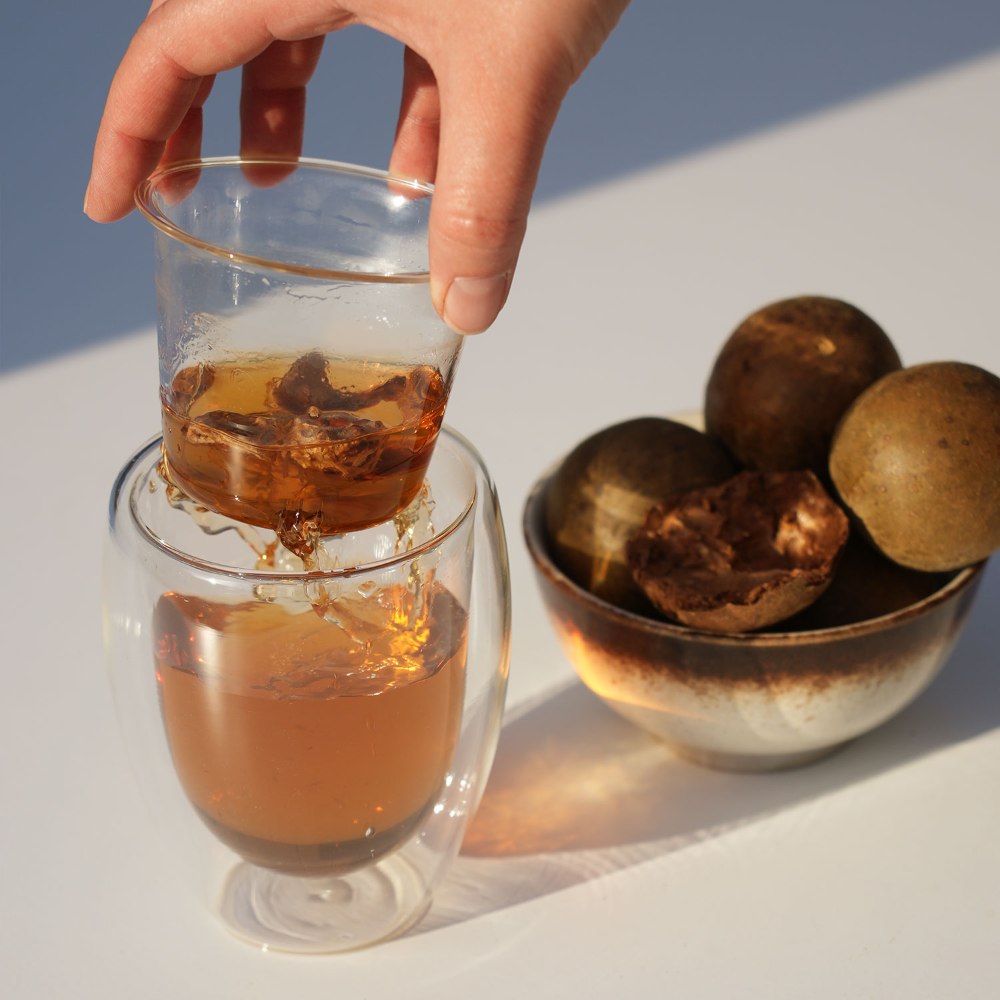
Yes. Monk fruit tea – made by brewing the dried fruit itself – is naturally zero-carb, caffeine-free, and has been used medicinally in China for centuries. It can be drunk on its own or blended with other herbal teas. It is a natural fit for a keto lifestyle.
Start with a very small amount – a few drops of liquid extract or a pinch of powder – and taste before adding more. Brew your tea fully first, then add the sweetener at drinking temperature so you can gauge the sweetness accurately. Less is consistently more with monk fruit.
Yes. Luo Han Guo is the traditional Chinese name for monk fruit (Siraitia grosvenorii). Both names refer to the same plant. The sweetener derived from it is sometimes labelled as monk fruit extract, monk fruit sweetener, or Luo Han Guo extract – they are the same thing.
Yes. Monk fruit is heat-stable, which means it does not break down under high temperatures the way some sweeteners do. It works in baking, cooking, and hot or cold drinks consistently. When substituting for sugar in recipes, start at roughly a quarter of the quantity – monk fruit is significantly sweeter than sugar by volume.
The Bottom Line
Monk fruit is a genuinely excellent sweetener for anyone following a ketogenic diet. It is naturally derived, zero-carb, glycaemically inert, and – when bought pure – free from the additives that undermine other products labelled as sugar-free.
In tea, it performs beautifully. It enhances rather than overrides, it complements herbal flavours rather than competing with them, and it fits naturally into the kind of daily ritual that makes a keto lifestyle sustainable long-term.
At Teapro we believe the best cup of tea starts with the best ingredients – sourced honestly and prepared properly. Adding a pure monk fruit sweetener is entirely in keeping with that approach.
Explore monk fruit as a tea ingredient in full – history, flavour, and how to brew it – in our dedicated guide: Monk Fruit Tea (Luo Han Guo) – the Naturally Sweet Tea That Contains No Sugar.

Teapro co-founder. Favourite tea - Long Jing Dragon Well Green Tea. Obsessed with film, photography and travelling.


No Comments