29 May Why Does My Matcha Taste Bitter? 6 Brewing Mistakes to Fix
Matcha should be smooth, grassy and gently sweet – with a clean, lingering finish that keeps you coming back. So if your cup tastes harsh, astringent or downright unpleasant, something has gone wrong in the brewing process.
So, why does my matcha taste bitter? Bitter matcha is almost always a technique problem, not a quality problem. Fix the method, and the flavour follows.
Here are the six most common matcha brewing mistakes – and exactly how to correct each one.
Table of contents
You’re Using Water That’s Too Hot
This is the single most common cause of bitter matcha – and the easiest to fix.
Matcha contains compounds called catechins, particularly epigallocatechin gallate (EGCG). These are the antioxidants that make matcha so beneficial for your health.
But at high temperatures, these compounds release very rapidly and in very large quantities, overwhelming the other flavour notes and producing that harsh, bitter taste.
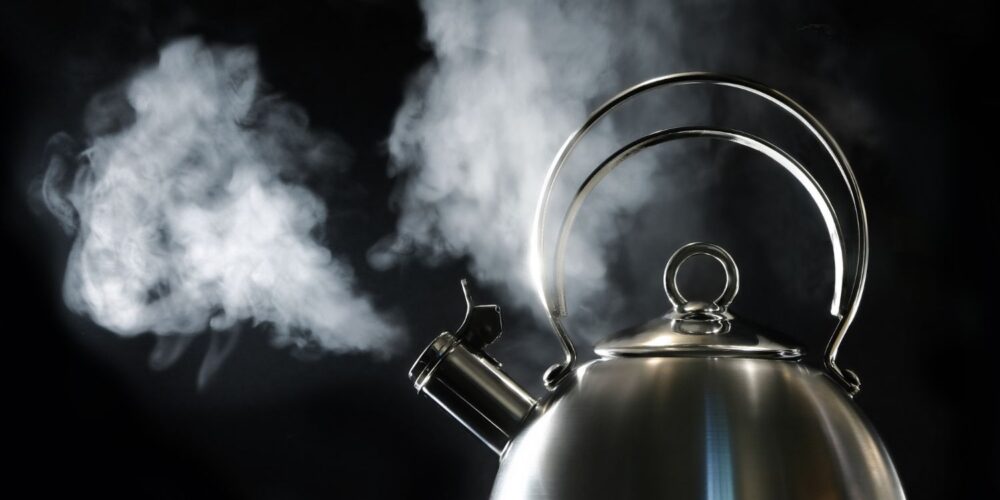
The fix: Use water heated to between 70-80°C (158-176°F). Never pour boiling water directly onto your matcha. If you don’t have a temperature-controlled kettle, boil your water and let it sit for 5-10 minutes before using it.
At the right temperature, the same catechins that cause bitterness when overheated contribute to matcha’s natural umami depth – that savoury, mouth-coating richness that makes a well-made bowl so satisfying.
You’re Using Too Much Matcha Powder
More powder does not mean more flavour – it means more bitterness.
The concentration of matcha in the bowl directly affects how intense the astringency becomes. Many people assume a heaping teaspoon is the right starting point. It isn’t.
The fix: Use 1 to 1.5 grams of matcha per 70-80ml of water for a traditional thin matcha (usucha). That is roughly half a teaspoon of a good ceremonial-grade powder.
If you want a stronger, thicker preparation – koicha, or thick tea – use 2-3 grams with slightly less water, and expect a more intense, naturally earthy taste.
Start at the lower end and increase gradually. You will be surprised how little you need for a full, flavourful cup.
Premium Ceremonial Matcha Set – Blue Matcha Gift Set
Matcha “Land of Fire” Ceremonial Grade Matcha Green Tea
You’re Not Sifting Your Matcha First
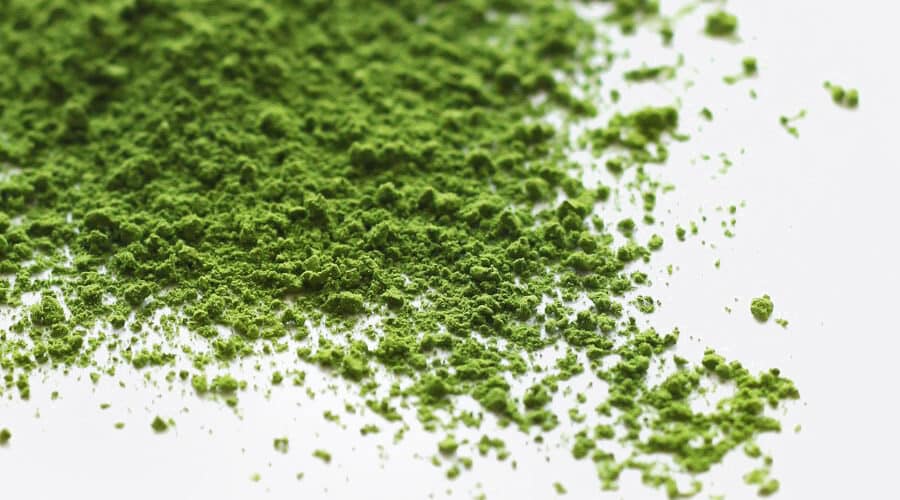
Matcha powder is extremely fine – finer than flour. Without sifting, it clumps. Clumps resist dissolving evenly in water, which means pockets of highly concentrated powder remain in your bowl. Those pockets taste intensely bitter.
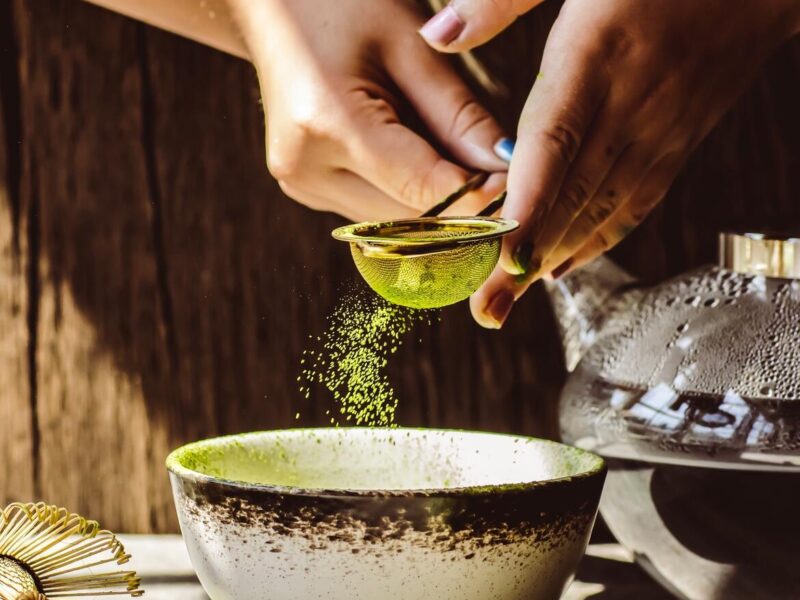
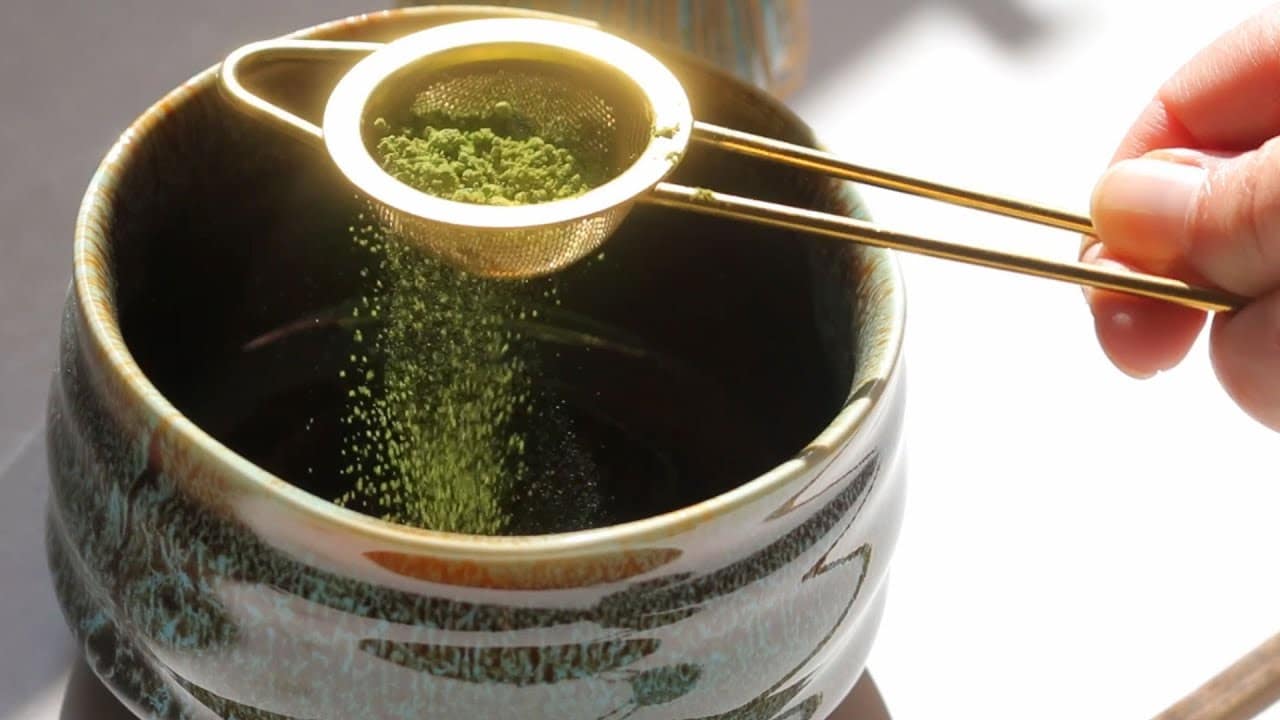
The fix: Pass your measured matcha through a small fine-mesh sieve directly into your bowl before adding any water. This takes ten seconds and makes a meaningful difference to both texture and taste.
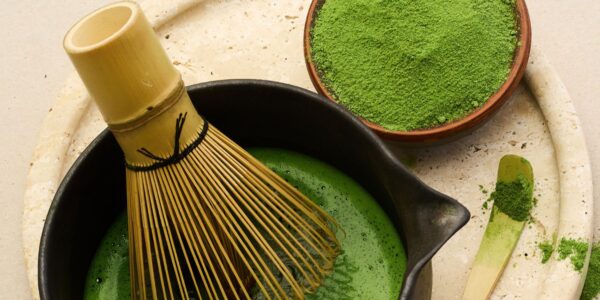
Once sifted, add a small amount of your cooled water (about 10-15ml) and work the powder into a smooth paste with your chasen (bamboo whisk) before adding the rest of the water. This paste method ensures even distribution every time.
You’re Whisking Incorrectly
Whisking technique matters more than most people realise. Under-whisking leaves the matcha unevenly distributed.
Over-whisking – or using a circular stirring motion rather than the correct back-and-forth technique – can damage the foam and create a flat, heavy texture that emphasises bitterness.
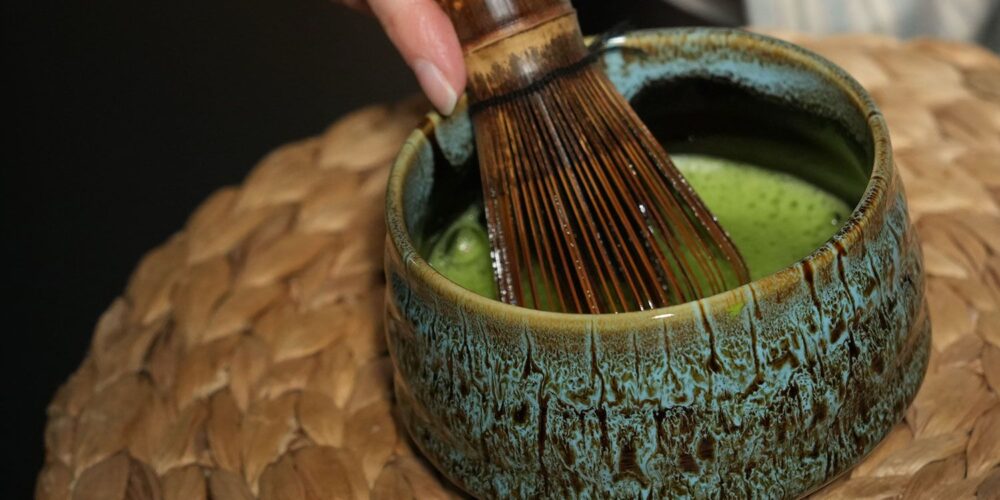
The fix: Hold the chasen loosely between your thumb and fingers, with the tip resting near the bottom of the bowl.
Whisk rapidly in a zigzag or “W” motion – not circular – until the surface is covered with a fine, even foam. This takes about 20-30 seconds of active whisking.
A good foam is the sign of a well-emulsified matcha. It softens the overall taste and delivers a smooth, velvety mouthfeel.
Your Matcha Powder Is Low Quality or Stale
Sometimes bitter matcha is not a technique problem at all – it is a quality problem. Not all matcha is made equal. Lower-grade matcha is often made from older tea leaves harvested later in the season.
These leaves contain higher concentrations of tannins and less of the amino acid L-theanine, which is responsible for matcha’s natural sweetness and umami character.
Stale matcha – powder that has been exposed to air, light or moisture – also degrades quickly. The fresh green colour fades to a dull yellow-green, and the flavour becomes flat and harsh.
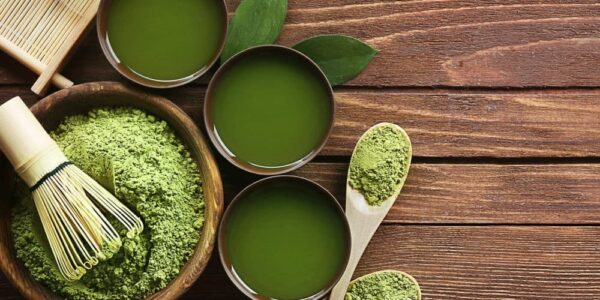
The fix: Choose ceremonial-grade matcha from a traceable, single-origin source. Look for a vivid, jewel-bright green colour – this indicates high chlorophyll content and proper shade-growing. Store it in an airtight container, away from light, and use it within 4-6 weeks of opening.
At Teapro, we source only pure, single-origin matcha – no artificial flavourings, no blends designed to mask inferior leaf.
The matcha should speak for itself. You can read more about what to look for, how to taste it and how to brew it perfectly in our complete matcha green tea guide.
You’re Using the Wrong Water
Water quality is an underrated factor in matcha bitterness. Hard tap water – high in calcium and magnesium – can interfere with the way matcha compounds dissolve, making the taste noticeably harsher and more astringent.
The fix: Use filtered water or a soft, low-mineral bottled water. The ideal TDS (total dissolved solids) for brewing matcha is around 50-100 ppm. If your tap water is very hard, a simple filter jug makes a real difference.
Soft water allows the full complexity of a high-quality matcha to come through – the grassiness, the sweetness, the umami – without the mineral interference that compounds bitterness.
Yin & Yang Matcha Starter Kit | Matcha Ceremony Set
Matcha “Land of Fire” Ceremonial Grade Matcha Green Tea
Putting It All Together
Here is a quick-reference brewing method that addresses all six mistakes at once:
| Step | Instructions |
|---|---|
| Heat the water | Heat filtered water to 75-80°C. |
| Measure your matcha | Measure 1-1.5g of ceremonial-grade matcha powder. |
| Sift into your bowl | Sift directly into a clean, dry matcha bowl. |
| Make a paste | Add 15ml of your heated water and whisk into a smooth paste. |
| Add the rest of the water | Pour in a further 60ml of water. |
| Whisk to a foam | Whisk vigorously in a "W" motion for 20-30 seconds until a fine, even foam forms. |
| Drink immediately | Enjoy straight away - matcha is best fresh. |
That is it. Follow those steps with a quality, single-origin matcha and bitterness becomes a thing of the past.
FAQ: Matcha Bitterness Explained
The most likely culprit is water temperature. Even ceremonial-grade matcha will taste harsh if you pour boiling water over it. Let your water cool to 75-80°C before brewing and you will notice an immediate improvement.
Yes, bitter matcha is not harmful. The bitterness comes from catechins – powerful antioxidants. But there is no reason to drink something unpleasant when small technique adjustments will give you a far better cup.
Significantly. Using too much powder is one of the fastest routes to an undrinkable bowl. Start with half a teaspoon (around 1g) and adjust from there.
Ceremonial-grade matcha is made from younger, shade-grown leaves harvested early in the season. It has higher L-theanine content (responsible for sweetness and umami) and lower tannin levels, making it naturally less bitter when brewed correctly. Culinary-grade matcha is intended for cooking and baking, where its stronger, more astringent flavour is balanced by other ingredients.
Yes. Oxidation dulls the amino acids that give matcha its sweetness and deepens the astringency. Always check the harvest date and use your matcha within 4-6 weeks of opening the tin.
You can – and many people enjoy matcha lattes for exactly this reason. But if your matcha is bitter even with milk, the underlying technique issue is worth fixing. A well-brewed matcha bowl requires no additions to taste smooth and pleasant.

Teapro co-founder. Favourite tea - Long Jing Dragon Well Green Tea. Obsessed with film, photography and travelling.
- Tatjana

- Tatjana



No Comments