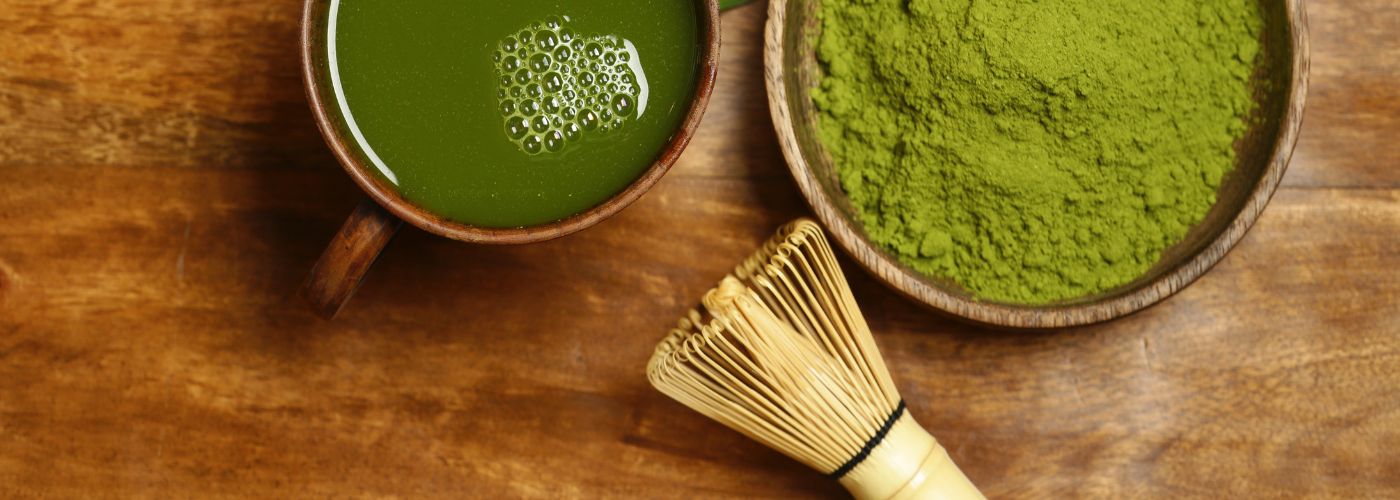
13 Jun The Truth About Fake Matcha: How to Spot Low-Quality Powder
If you have ever bought a bag of matcha that looked more grey than green, tasted bitter and chalky, or barely frothed when you whisked it – you have probably been sold low-quality powder without realising it.
It happens to thousands of tea buyers every year. The market is flooded with matcha products that use the word loosely. Some are blended, some are artificially coloured, and some are simply culinary-grade powder dressed up in ceremonial-grade packaging.
The result is a drink that bears little resemblance to what real matcha is supposed to taste and feel like.
At Teapro, we believe artificial flavourings and low-grade fillers mask the real taste of tea. That principle applies to matcha more than almost any other tea type – because matcha quality varies more dramatically than most people realise.
This guide gives you the tools to spot the difference, so you never waste money on fake matcha again. For deeper context on the full story of matcha, read our complete matcha green tea guide.
Table of contents
What Makes Matcha Real – and What Makes It Fake
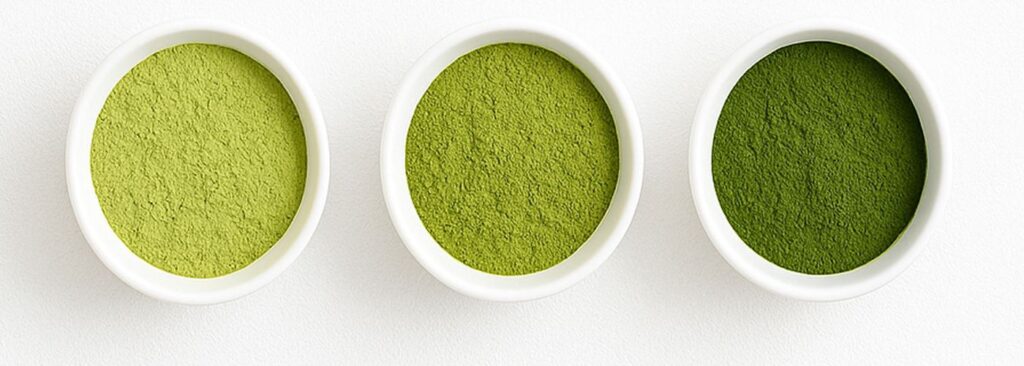
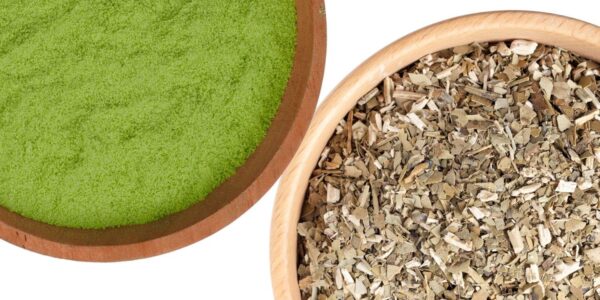
The Colour Test: What Genuine Matcha Looks Like
The Smell Test: Fresh Grass vs Stale Dust
The Taste Test: Umami vs Bitterness
The Froth Test: What Happens When You Whisk It
Grade Confusion: Ceremonial, Premium, and Culinary Explained
The Origin Test: Why Japan Matters
Red Flags on the Packaging
The Price Test: What Real Matcha Actually Costs
How to Buy Matcha You Can Trust
Frequently Asked Questions
The Teapro Standard
What Makes Matcha Real – and What Makes It Fake
Matcha is stone-ground green tea powder made from shade-grown tea leaves called tencha.
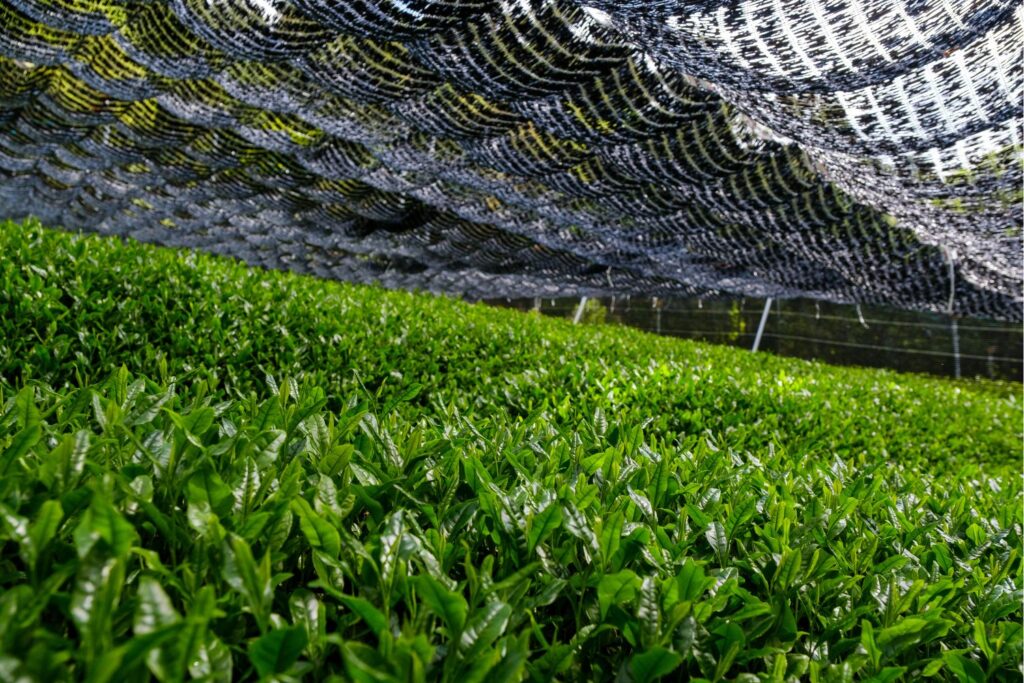
That specific process – shading the plants for three to four weeks before harvest, hand-picking the youngest leaves, steaming and drying them, then stone-grinding them slowly to prevent heat damage – is what creates the bright colour, rich umami, and smooth texture that real matcha is known for.
Fake matcha or low-quality matcha powder is almost always the result of cutting one or more of these steps.
Here is what that typically looks like in practice:
| Shortcut | What It Means |
|---|---|
| Wrong leaf type | Powder made from sencha or bancha leaves rather than tencha - cheaper to produce but lacking the shading process that creates the characteristic sweetness and colour. |
| Fillers and additives | Powder that has been blended with fillers, dextrose, or artificial colouring agents to improve appearance. |
| Poor growing conditions | Powder from tea plants grown in poor soil or harvested too late in the season, producing coarser, more bitter leaves. |
| Damaged during processing | Powder that has been exposed to heat, light, or oxygen during processing or storage, degrading its chlorophyll and amino acid content. |
| Misleading origin claims | Powder labelled as Japanese matcha but actually grown in China, Korea, or elsewhere and processed to lower standards. |
The key distinction: real matcha is a specific product made by a specific process. When brands skip steps or substitute ingredients, what ends up in your cup is not true matcha – no matter what the packet says.
The Colour Test: What Genuine Matcha Looks Like
The single most reliable way to spot low-quality matcha powder is by its colour. Colour is a direct indicator of chlorophyll content, which is a direct indicator of the shading and processing quality.
Here is a simple breakdown:
| Colour | What It Signals | Quality Level |
|---|---|---|
| Vivid, bright green | High chlorophyll - proper shading and processing | Ceremonial grade - high quality |
| Dull or olive green | Some chlorophyll loss - lower-grade leaf or older stock | Premium or culinary - acceptable for cooking |
| Yellow-green or brownish | Significant oxidation, old stock, or poor growing conditions | Low quality - avoid for drinking |
| Grey, khaki, or muddy | Heavily oxidised, very old, or adulterated | Fake or unusable matcha |
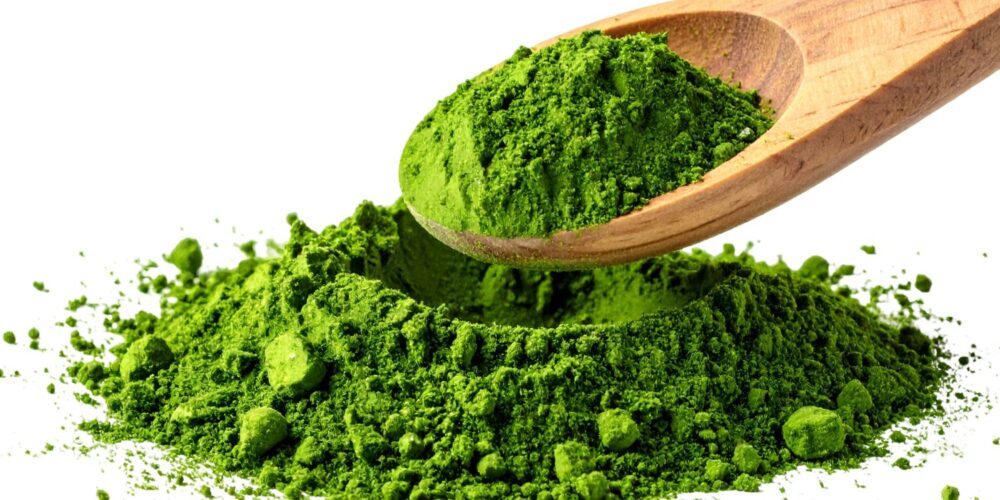
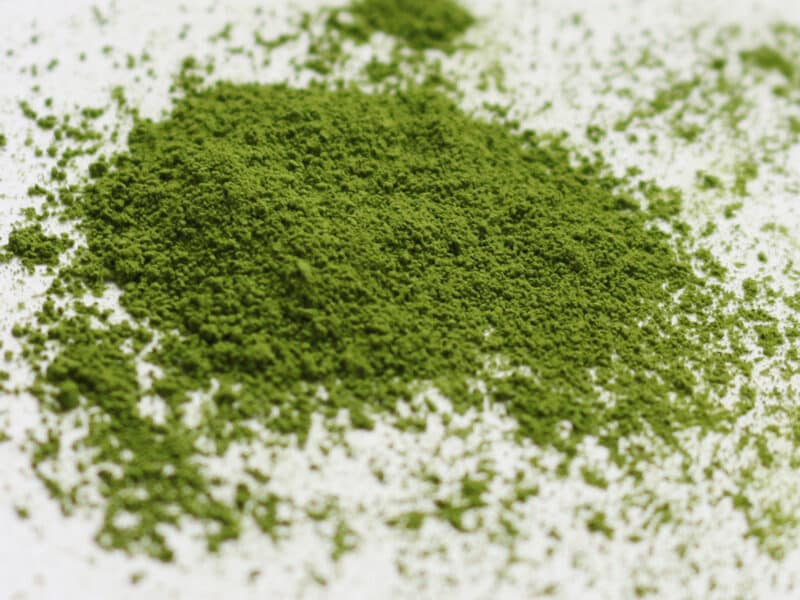
You can run this test at home before you even make a drink. Open the pouch and look at the powder in natural light. Real ceremonial-grade matcha should be almost luminous – the kind of green that makes you think of spring moss or fresh-cut grass.
If it looks like something you might find at the back of a spice rack, it probably is.
Ceremonial Grade Matcha Green Tea Powder from Kyushu, Japan
The Smell Test: Fresh Grass vs Stale Dust
After colour, smell is your second most powerful diagnostic tool. Real matcha has a complex, fresh aroma that is grassy, slightly sweet, and faintly marine – think of fresh-cut grass with a hint of seaweed and a warm, milky undertone.
Low-quality matcha smells quite different. The most common warning signs include:
| Warning Sign | What It Means |
|---|---|
| Flat, stale, or musty aromas | A sign of oxidation or poor storage. |
| Earthy or composty notes | Often a sign of older, lower-grade leaf. |
| No real aroma at all | Badly processed matcha can smell like chalk. |
| Artificial or chemical sweetness | A potential sign of added flavouring. |
A simple rule: if the smell does not make you want to drink it immediately, that is telling you something.
The Taste Test: Umami vs Bitterness
This is where fake matcha exposes itself most clearly – in the cup.
Real high-quality matcha has a flavour profile built on umami. It is smooth, slightly sweet, and full-bodied. The bitterness is present but gentle, balanced by the L-theanine content that comes from proper shading – the same compound that gives matcha its calm, focused energy without the jitters.
It coats your mouth pleasantly and leaves a lasting sweetness on the finish.
Low-quality matcha tastes overwhelmingly bitter, astringent, and thin. There is nothing to hold onto. It often leaves a chalky or metallic aftertaste that is difficult to shake.
Some low-quality powders add sugar or artificial flavouring to mask this – which is exactly why Teapro exists. Artificial flavourings mask the real taste of tea, and nowhere is that more damaging than in matcha.
A quick sip test: mix a quarter teaspoon of matcha with a small amount of warm water (not boiling – ideal temperature is around 70-80 degrees Celsius). If it is genuinely bitter and unpleasant with nothing else going on, the powder is telling you the truth about its quality.
The Froth Test: What Happens When You Whisk It
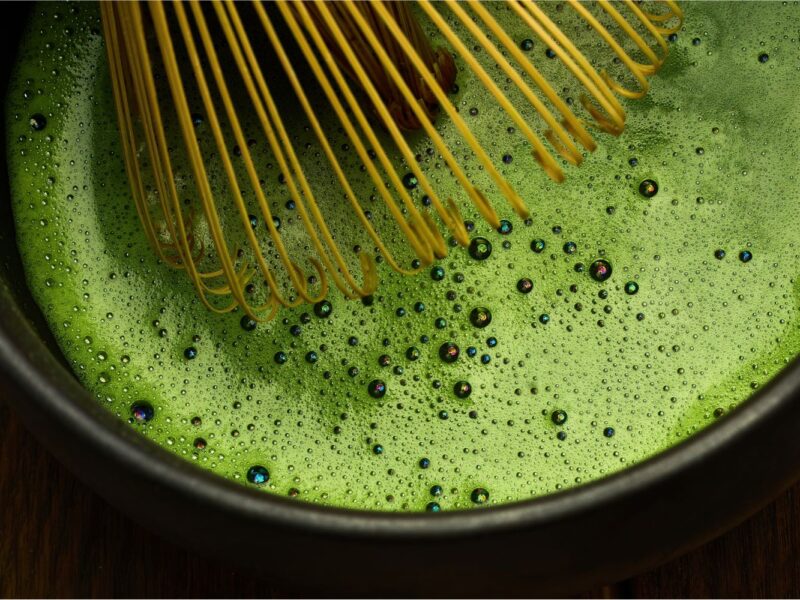
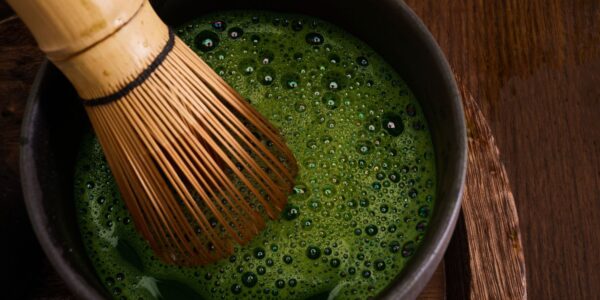
Traditional matcha preparation uses a bamboo whisk (chasen) to create a light, stable foam on the surface of the drink. The ability to produce this froth is a practical quality indicator, because it reflects the fineness of the grind and the condition of the powder.
Real ceremonial-grade matcha, properly ground to an ultra-fine particle size, will froth readily and hold its foam for a minute or more. The bubbles will be small and consistent.
Low-quality or poorly ground matcha may:
| What You See | What It Means |
|---|---|
| No froth at all | Leaves flat, murky water - a sign the powder is too coarse or heavily degraded. |
| Large, uneven bubbles | Bubbles disappear almost immediately - indicating poor grind quality or oxidised powder. |
| Powder layer at the bottom | A visible layer of unsuspended powder sitting at the bottom of the bowl - the particles are too coarse to disperse. |
| Clumping | Powder clumps together rather than dispersing evenly - often caused by moisture damage or poor processing. |
If your matcha refuses to behave when whisked, the powder itself is the problem – not your technique.
Grade Confusion: Ceremonial, Premium, and Culinary Explained
One of the most persistent sources of confusion in the matcha market is grade labelling. The terms ceremonial grade, premium grade, and culinary grade are widely used but not independently regulated – which means different brands apply them inconsistently.
Here is how to think about them:
| Grade | Leaf Source | Intended Use | Taste Profile |
|---|---|---|---|
| Ceremonial | First harvest tencha, youngest leaves | Drinking - whisked with water only | Smooth, sweet, umami-forward |
| Premium | Later harvests or blended tencha | Drinking or lattes | Good quality, slightly more bitter |
| Culinary | Older leaves, stems, or lower-quality leaf | Baking, cooking, smoothies | Strong, bitter - designed for mixing |
The issue arises when culinary-grade powder is packaged and marketed as ceremonial grade. This is not technically fraud in most markets – but it is deeply misleading.
For a fuller look at how each grade is made, how they differ in the cup, and when to reach for which, see our guide to the grades of matcha, from everyday delight to ceremonial elegance.
If you are drinking matcha straight with water and experiencing harsh bitterness, you may simply be using the wrong grade for the application – or you may have been sold the wrong product altogether.
A trustworthy brand will be transparent about which grade it is selling and why. If that information is absent from the packaging, treat it as a red flag.
The Origin Test: Why Japan Matters
Matcha originated in Japan and the finest matcha in the world is still produced there – particularly in three regions you should know: Uji (Kyoto), Nishio (Aichi), and Yame (Fukuoka).
Each has its own distinct character, soil profile, and processing tradition. When a brand can tell you exactly where its matcha comes from – down to the farm or region – that specificity is itself a quality indicator.
A significant proportion of matcha sold in the UK and Europe is actually sourced from China. That is not necessarily a dealbreaker for culinary use, but Chinese-grown matcha is generally produced at a lower standard, with less rigorous shading protocols and less precise stone-grinding. The result is usually inferior in both colour and flavour.
Questions to ask about matcha origin:
| Question to Ask | Why It Matters |
|---|---|
| Is it Japanese? If so, which region? | The finest matcha comes from specific Japanese regions - Uji, Nishio, and Yame. A brand that cannot name a region likely does not know where its matcha came from. |
| Is the sourcing single-origin or blended from multiple origins? | Single-origin matcha is traceable and consistent. Blended sourcing can mask lower-quality batches and makes provenance impossible to verify. |
| Can the brand tell you the farm or cooperative it came from? | Farm-level traceability is a strong indicator of quality and transparency. If a brand cannot answer this, it has limited oversight of its supply chain. |
| Has it been independently tested for pesticide residues and heavy metals? | Third-party testing protects you from contamination risks and shows the brand stands behind the purity of its product. |
If a brand cannot answer any of these questions, it likely does not know the answers itself. And if it does not know, you cannot trust the product.
Red Flags on the Packaging
You can often spot low-quality matcha before it even arrives in your kitchen by reading the packaging carefully.
Here are the red flags to look for:
| Red Flag | What It Tells You |
|---|---|
| No origin information | Vague phrases like "premium Japanese tea" without naming a region or supplier mean the brand cannot - or will not - tell you where the matcha came from. |
| "Matcha flavour" or "matcha blend" in the small print | This is not matcha. Flavoured blends use cheaper base ingredients with added flavouring to mimic the taste of the real thing. |
| Artificial colouring in the ingredients | Real matcha gets its colour from chlorophyll alone. Artificial colouring is added to disguise poor-quality, oxidised powder. |
| Added sugars, dextrose, or maltodextrin | Common in budget products to improve taste and texture - masking bitterness that should not be there in quality matcha. |
| No harvest date or best before information | Matcha degrades significantly over time. A brand that omits this information may be selling old stock it does not want you to scrutinise. |
| Excessive health claims without substance | Brands confident in their product talk about taste and origin first. Heavy reliance on health claims often signals there is little else to say about quality. |
| No inner foil or nitrogen flushing | Matcha is extremely sensitive to oxygen. Resealable packaging without proper protection means the powder begins degrading the moment it leaves the factory. |
Good matcha packaging tells you where it came from, when it was harvested, how to store it, and how to brew it. If any of those four things are missing, ask why.
Ceremonial Grade Matcha Green Tea Powder from Kyushu, Japan
The Price Test: What Real Matcha Actually Costs
This one is uncomfortable but important. Real ceremonial-grade matcha is expensive to produce. The shading process, hand-picking, careful processing, and slow stone-grinding all add cost.
Authentic single-origin ceremonial matcha from Japan typically retails from around 25 to 60 pounds for 30-100g in the UK, depending on the grade and supplier.
If you are seeing 30g of “ceremonial grade” matcha for under 10 pounds, one of several things is happening:
| Reason It Is Cheap | What That Means for You |
|---|---|
| Culinary grade mislabelled as ceremonial | You are paying a ceremonial price for powder intended for baking and smoothies - it will taste bitter and harsh when whisked with water alone. |
| Not Japanese matcha at all | Matcha grown outside Japan - often in China or Korea - is produced to lower standards, with less rigorous shading and processing, resulting in inferior colour and flavour. |
| Heavily blended or adulterated | Blending with cheaper ingredients or fillers reduces cost while hiding the poor quality of the base material. What is in the bag is not pure matcha. |
| Brand operating at a loss to acquire customers | Unsustainably low pricing raises questions about long-term quality consistency - corners are being cut somewhere, and that usually starts with the sourcing. |
This is not to say that affordable matcha has no place – culinary grade is perfectly appropriate for lattes, baking, and smoothies. It is exactly what you want for cooking, in fact: our 7 best matcha pancake recipes are a delicious place to put it to use.
How to Buy Matcha You Can Trust
After everything above, the buying principles are actually quite simple:
| What to Do | Why It Matters |
|---|---|
| Choose a supplier that names the specific region or farm | Not just "Japan" - a named region like Uji, Nishio, or Yame signals genuine traceability and gives you something to verify. |
| Look for bright, vivid green powder | Avoid anything yellow, grey, or muddy. Colour is a direct indicator of chlorophyll content and the quality of shading and processing. |
| Read the ingredient list | It should contain one thing: matcha (or tencha). Any additional ingredients are a sign the product has been blended, sweetened, or adulterated. |
| Check for grade, harvest date, and storage guidance | This information on the packaging shows the brand knows its product and is confident enough to be transparent about it. |
| Be sceptical of unusually low prices | Anything priced well below the market average for the grade being claimed is almost certainly not what it says it is. |
| Buy from brands that prioritise education | A brand that wants you to understand what you are buying has nothing to hide. Education alongside product is a sign of genuine confidence in quality. |
For a full breakdown of matcha types, how ceremonial and culinary grades differ in preparation, and which Teapro matcha is right for your routine, read The Complete Matcha Green Tea Guide.
It covers everything from the history of the shade-growing tradition to step-by-step whisking technique.
Frequently asked questions
The colour test is your fastest tool. Real ceremonial-grade matcha is a vivid, bright green – almost luminous. If the powder looks yellow, grey, olive, or brownish, it has either been poorly processed, oxidised, or adulterated. Open the pouch and look in natural light before you do anything else.
Most artificial green colouring agents used in food products are considered safe in small quantities under UK and EU food safety regulations. However, the presence of artificial colouring in a matcha product is a clear sign that the natural colour – which comes from chlorophyll – is deficient. That deficiency indicates poor quality leaf, regardless of safety. At Teapro, we believe artificial additives have no place in pure tea.
Not if you are using it for the right purpose. Culinary-grade matcha is intentionally produced to be bitter and robust, because those qualities hold up well in baking, cooking, and milk-based drinks where other flavours are present. The problem is not the culinary grade itself – it is when culinary-grade powder is sold as ceremonial grade at a premium price.
Matcha is highly sensitive to oxygen, light, heat, and moisture. Store it in an airtight, opaque container in the refrigerator. Once opened, use it within four to six weeks for the best flavour. High-quality matcha often comes in nitrogen-flushed tins or resealable foil pouches specifically designed to protect the powder from oxidation.
Yes. Because you are consuming the whole leaf in powdered form rather than an infusion, matcha delivers more caffeine than most steeped teas – typically around 70mg per serving depending on preparation. It also contains L-theanine, an amino acid that modifies the way caffeine is metabolised, producing a calmer, more sustained alertness than coffee.
Ceremonial grade refers to matcha made from the youngest, first-harvest tencha leaves that have been properly shaded, processed, and stone-ground to an ultra-fine powder. It is intended to be drunk straight – whisked with water only – where its smoothness and complexity can be fully appreciated. The term is not independently regulated in the UK, so always verify the claimed grade against colour, smell, taste, and origin information.
Bitterness in matcha is usually caused by one of three things: low-quality powder that lacks sufficient umami-producing amino acids; water that is too hot (always use water at 70-80 degrees Celsius, never boiling); or too much powder relative to water. If you have checked your preparation and the bitterness persists, the powder itself is the issue. Try a higher-grade, properly sourced matcha and the difference will be immediately apparent. Often the powder is the culprit, but not always – sometimes it is the brewing. If yours tastes harsh, it is worth checking these six common brewing mistakes before blaming the tea.
The Teapro Standard
At Teapro, we source single-origin teas and natural herb blends – and matcha is no exception. Our matcha is traceable, pure, and grade-accurate.
We tell you exactly where it comes from, what grade it is, and how to prepare it – because we believe education is inseparable from the tea itself.
If you are ready to experience what matcha is actually supposed to taste like – bright, smooth, and full of depth – start with The Complete Matcha Green Tea Guide. Then explore our curated matcha range. Your palate will thank you.
Teapro – turning tea drinkers into tea pros, one honest brew at a time.

Teapro co-founder. Favourite tea - Long Jing Dragon Well Green Tea. Obsessed with film, photography and travelling.
- Tatjana

- Tatjana


No Comments