28 May What Spices Are in Chai Tea – And Why Do They Matter?
Chai is one of the most misunderstood drinks in the tea world. Ask most people what is in it and they will say ‘spices’ – but pressed for specifics, they often cannot go further than cinnamon.
So, what spices are in Chai tea? That gap between familiarity and understanding is exactly where the best chai gets lost, and where the worst chai gets away with being mediocre.
In this guide, we go through every major spice in a traditional chai blend, explain what each one contributes to flavour and to your wellbeing, and show you why the quality and purity of those spices matters enormously to what ends up in your cup.
If you want the full picture – the history, the regional variations, the base tea, the milk question, and everything else – you can read our complete guide to chai. But if you are here specifically because you want to understand the spices and why they matter, you are in the right place.
Contents
What is masala chai, really?
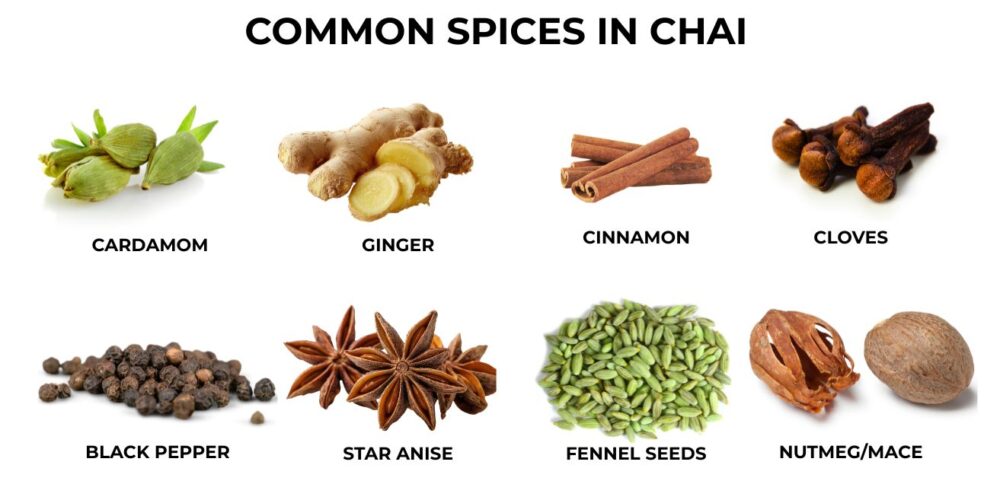
The core chai spices – and what they do
The base: black tea and why it matters
Regional variations and why chai blends differ
How spice quality affects your cup
Why artificial chai flavourings fall short
How to brew chai to get the most from the spices
Who benefits most from a well-spiced chai?
Frequently asked questions
Your next step
What Is Masala Chai, Really?
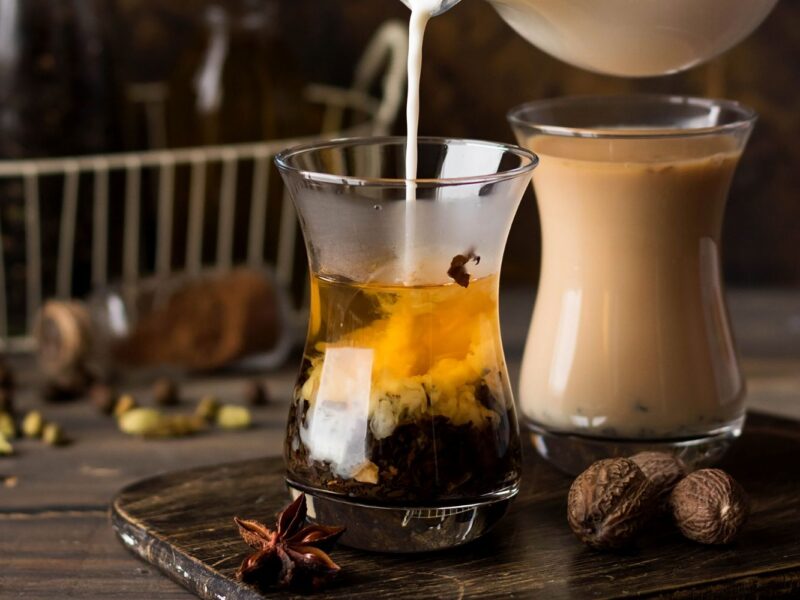
The word ‘chai’ simply means tea in Hindi – so ‘chai tea’ is technically a redundancy, like saying ‘tea tea’. What most people in the UK mean when they say chai is masala chai: spiced tea, traditionally made by simmering black tea, whole spices, milk, and sweetener together in a pot.
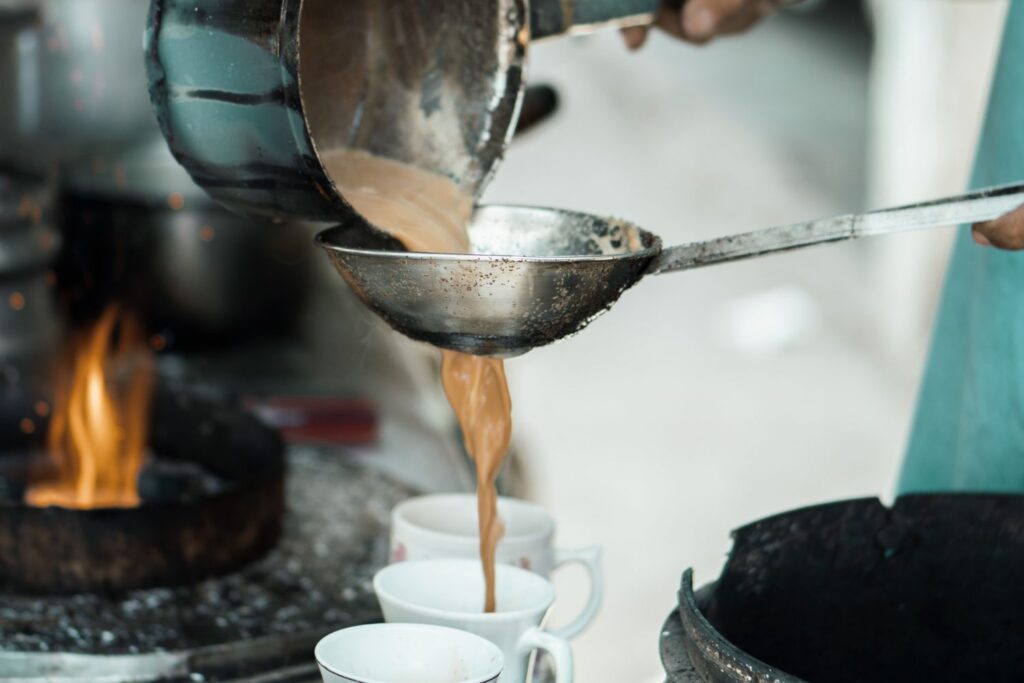
Masala means spice blend. And unlike a fixed recipe, masala chai is not one single formula. Every family in India, every region, and every chai wallah (street tea vendor) has their own version.
The spices shift. The ratios change. What stays constant is the principle: black tea as the backbone, warming spices as the character, and milk as the bridge between the two.
Understanding the spices individually is the first step to understanding why some chai blends are extraordinary and others are flat, generic, or just a vehicle for sweetener.
The Core Chai Spices – And What They Do
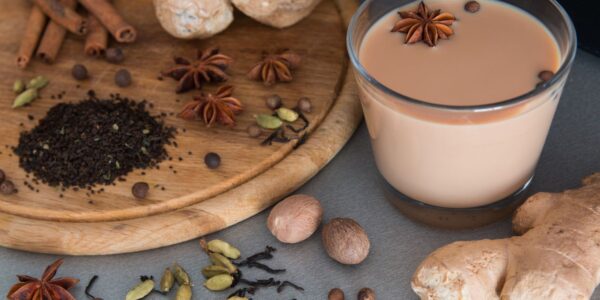
There is no single authoritative list of chai spices – but the following appear in almost every serious blend, and each one earns its place.
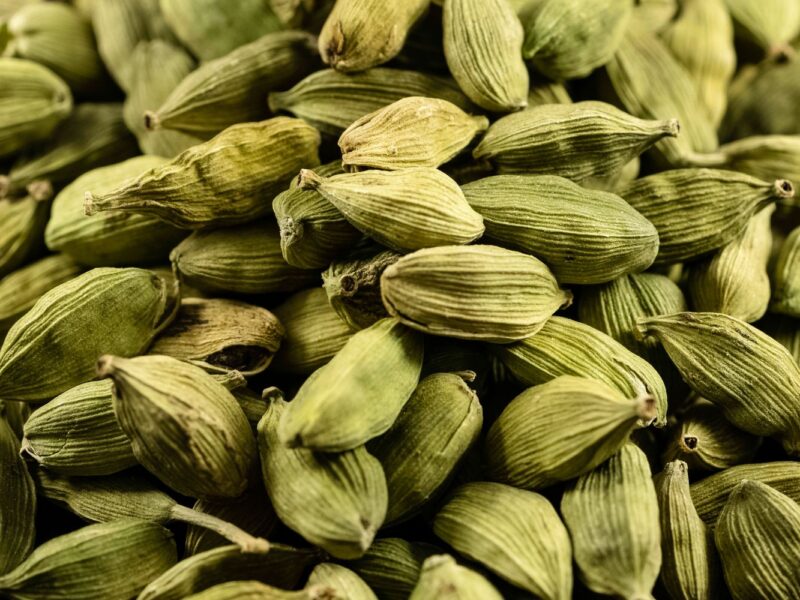
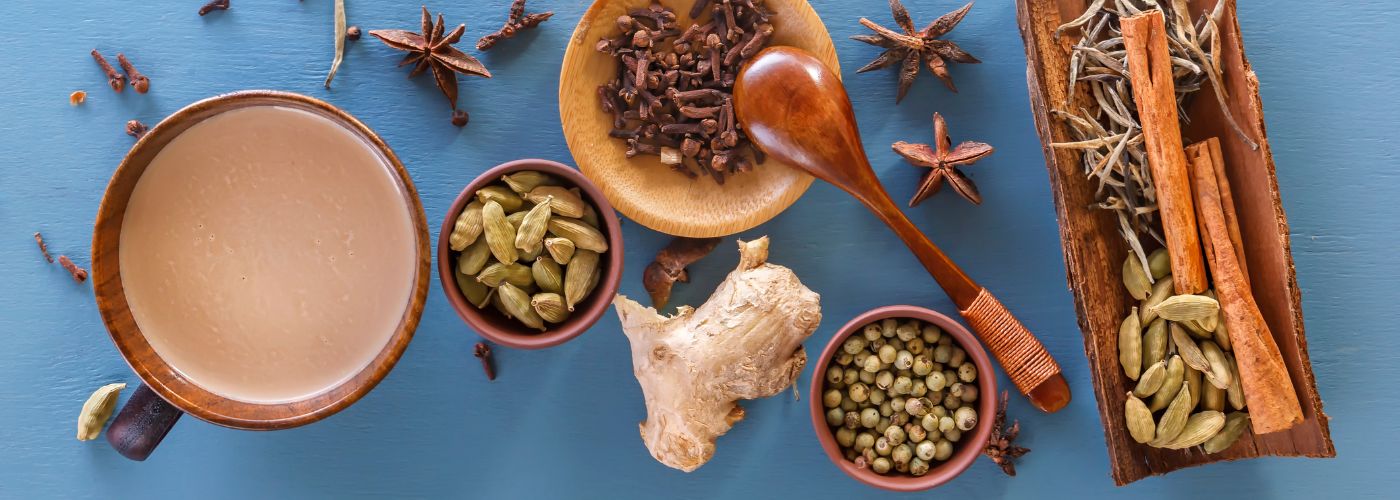
Cardamom
Cardamom is arguably the most essential chai spice.
Native to southern India and Sri Lanka, it is one of the world’s oldest and most prized spices – and in chai, it provides the high, floral, almost eucalyptus-like note that makes a good cup immediately recognisable.
Green cardamom (the variety most commonly used in chai) contains cineole and terpinyl acetate, volatile compounds responsible for its distinctive aroma.
Beyond flavour, cardamom has a long history of use in Ayurvedic medicine as a digestive aid. Research suggests it may support gut health and has antioxidant properties, though the science is still developing.
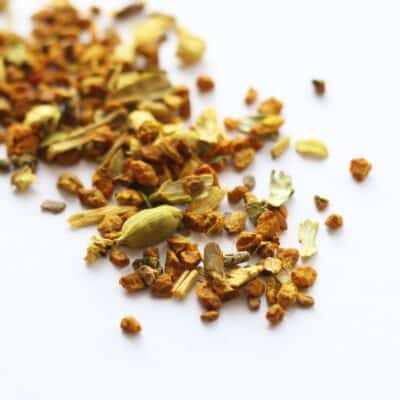
The difference between fresh cardamom and pre-ground cardamom in a blend is significant. Once ground, the volatile aromatics escape quickly. A quality chai blend uses whole pods or freshly cracked seeds.
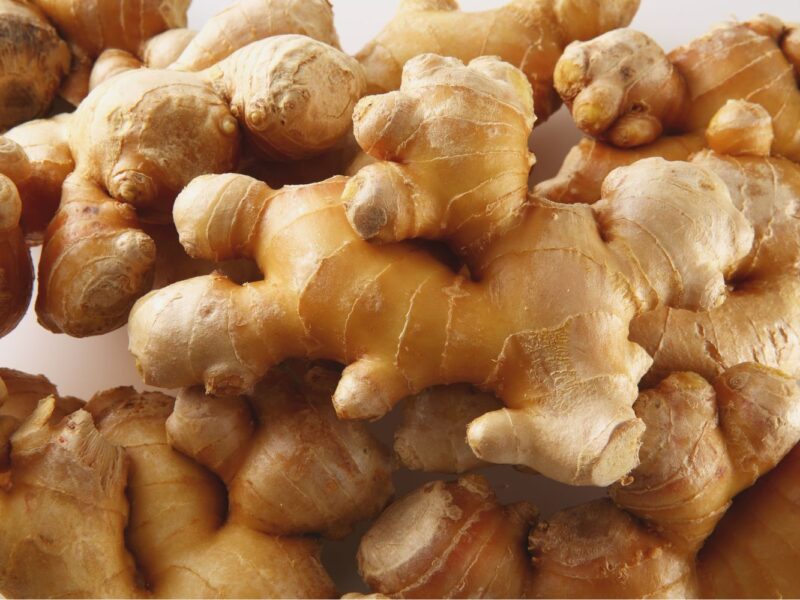
Ginger
Ginger brings the warmth and the heat.
It is the spice most responsible for the sensation of chai being a warming drink – not just in temperature, but in the way it activates receptors in the mouth and throat.
The active compound is gingerol (and its dried form, shogaol), which is responsible for both the flavour and the well-documented anti-inflammatory and digestive properties that ginger is known for.
Ginger is one of the most researched spices in the wellness space, with good evidence for its role in reducing nausea and supporting digestion.
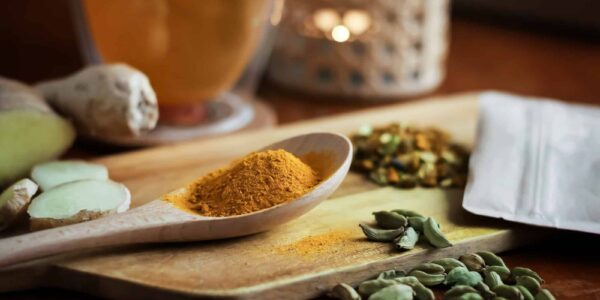
In a chai blend, ginger can be used as dried root pieces, ground powder, or – in the best traditional preparations – freshly grated. Each form delivers a different intensity and profile. Dried ginger tends to be warmer and more resinous; fresh ginger is brighter and more pungent.
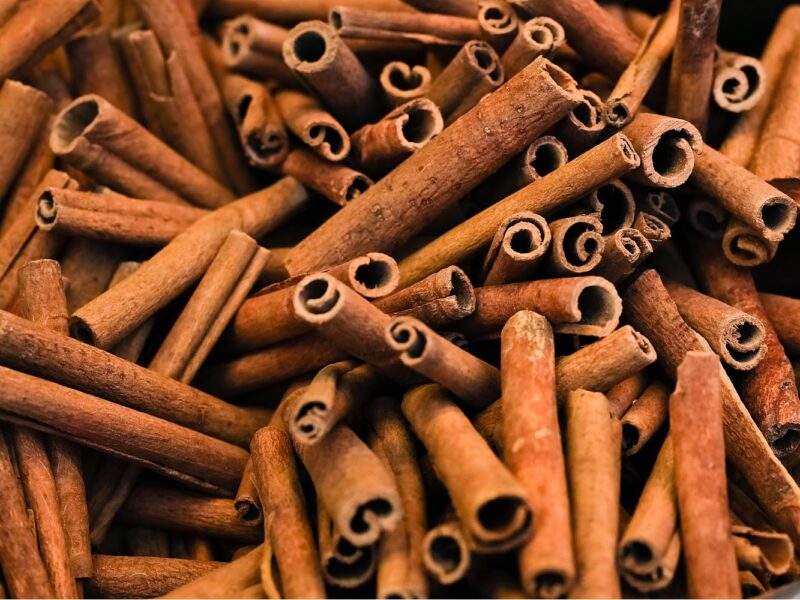
Cinnamon
Cinnamon adds sweetness, depth, and a woody warmth that ties the other spices together. It is perhaps the most familiar of the chai spices for a UK audience, which makes it easy to underestimate.
There are two main types: Ceylon cinnamon (true cinnamon, with a delicate, slightly sweet flavour) and Cassia cinnamon (the more robust, spicier variety common in supermarket ground cinnamon).
Most commercial chai blends use Cassia because it is cheaper and more assertive. A quality loose leaf chai may specify Ceylon, which has a more nuanced flavour and contains lower levels of coumarin – a compound that, in very high doses, can be problematic for the liver.
In terms of wellbeing, cinnamon has been linked in research to blood sugar regulation and has antioxidant properties. Again, the science is ongoing – but it is a spice that does considerably more than add flavour.
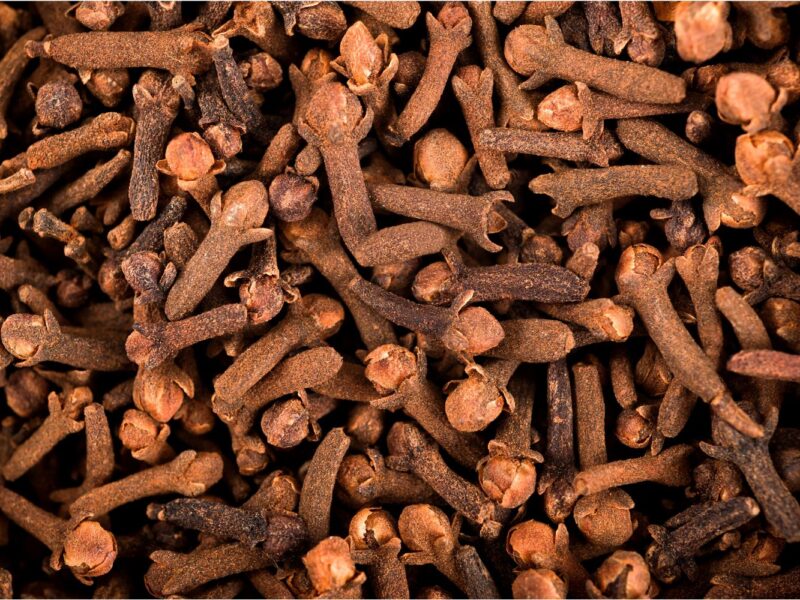
Clove
Clove is the most assertive of the core chai spices. Used sparingly, it adds a deep, almost medicinal intensity – a long, warming finish that lingers in the back of the throat. Used too heavily, it can overwhelm everything else.
The key compound is eugenol, which is responsible for the characteristic clove aroma and also has well-documented antiseptic and anti-inflammatory properties.
Eugenol is so potent that it is also used in dentistry.
In chai, the balance of clove is often the mark of an expert blender – too little and the depth is missing, too much and the blend becomes harsh.
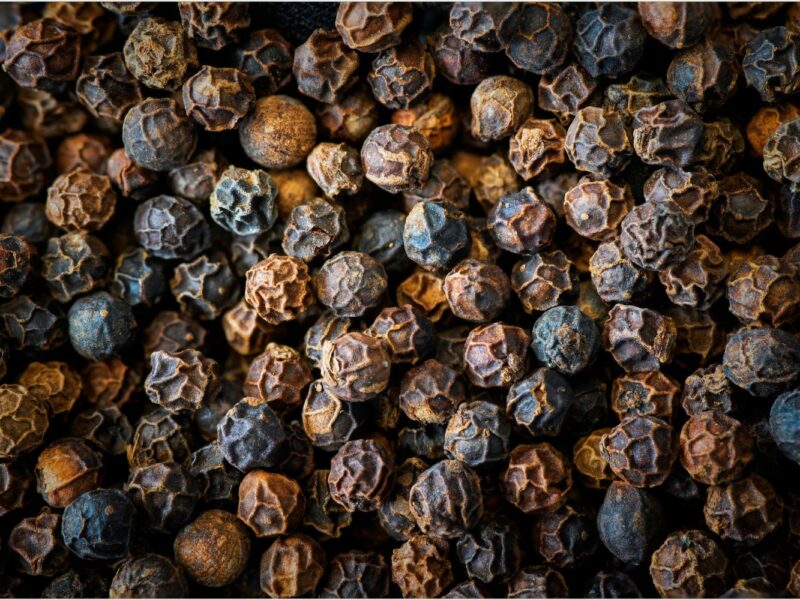
Black Pepper
Black pepper in chai might surprise people who associate it purely with savoury cooking.
But it plays an important role: it provides a sharp, bright heat that is different from ginger’s warmth, and it helps to lift and amplify the other spices.
Piperine, the active compound in black pepper, has attracted significant research interest for its role in enhancing the bioavailability of other nutrients – including the curcumin in turmeric, which is why the two are often paired.
In chai, piperine does something similar with the other spice compounds, potentially helping your body absorb more of what the blend has to offer.
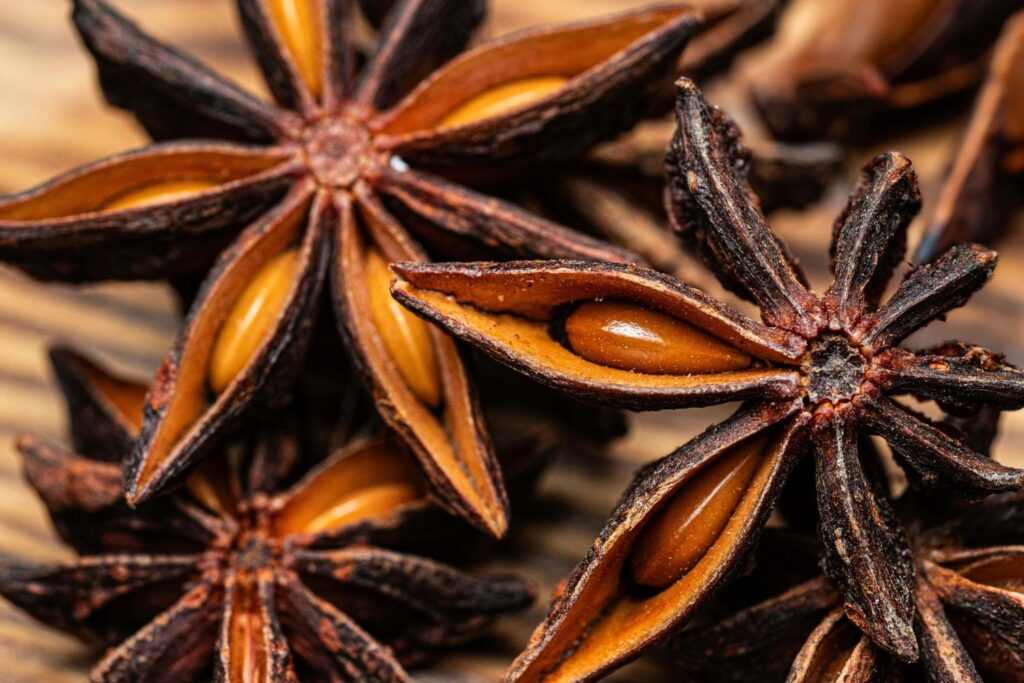
Star Anise
Not all chai blends include star anise, but many do – particularly those with Kashmiri or southern Indian influence.
It contributes a liquorice-like sweetness that adds complexity without sugar.
Star anise contains anethole, the same compound responsible for the flavour of fennel and liquorice root.
In small quantities within a chai blend, it adds a background sweetness and a slightly exotic quality. People who dislike liquorice often find that star anise at the right level in a blend is subtle and pleasant rather than overpowering.
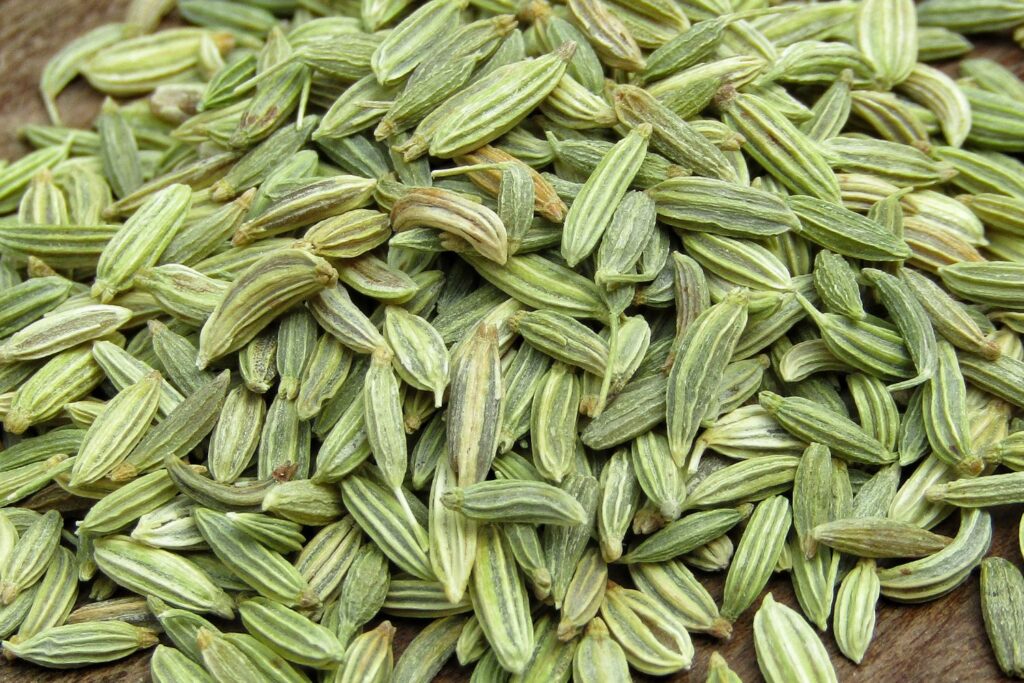
Fennel Seeds
Fennel seeds appear in many regional chai variations, particularly in Gujarat and Rajasthan.
They provide a gentle anise note and are well-regarded in Ayurvedic tradition for their digestive properties.
Where star anise is bold and resinous, fennel is lighter and greener.
The two can coexist in a blend, but more commonly a blender chooses one or the other to provide the anise note.
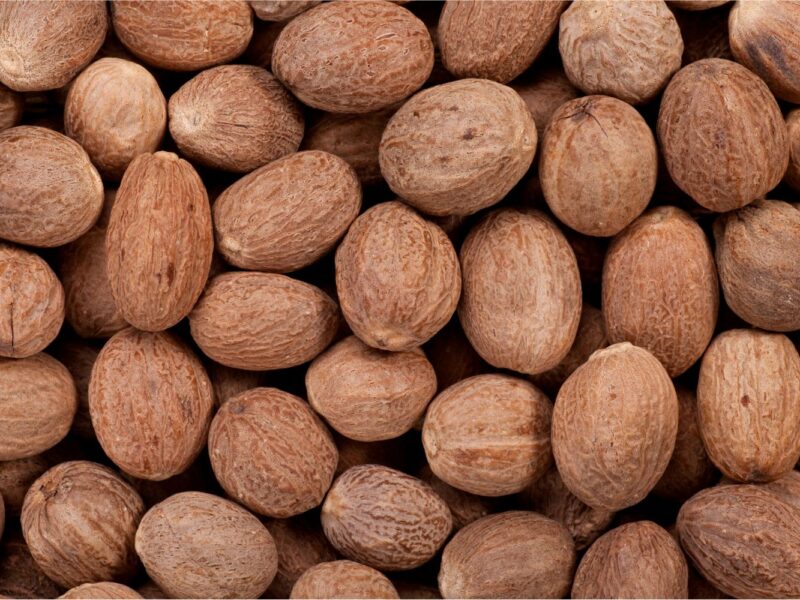
Nutmeg
Nutmeg adds a soft, creamy warmth that rounds out the sharper edges of the other spices.
It is particularly complementary to cinnamon and cardamom, and it is the spice that often gives a chai blend its sense of depth and completeness.
Like clove, nutmeg should be used in small quantities – it is potent.
Freshly grated nutmeg has a considerably more complex aroma than pre-ground, which loses its volatile oils quickly after processing.
The Base: Black Tea and Why It Matters
The spices in chai are the character, but the black tea is the foundation. Without a quality base tea, the blend has nowhere to anchor.
Traditional masala chai uses an Assam or CTC (cut, tear, curl) tea – robust, malty, and strong enough to hold its own when simmered with milk.
A delicate Darjeeling would be overwhelmed; a thick, earthy Assam stands up to the spices and the milk and provides the backbone the drink needs.
At Teapro, we believe the base tea matters as much as the spices. A chai blend built on a quality single-origin Assam will taste fundamentally different – more rounded, more genuine – than one built on low-grade, unspecified ‘black tea dust’. The provenance of the leaf is part of the story.
Regional Variations and Why Chai Blends Differ
One of the things that makes chai so interesting is that there is no single correct version. The spice blend shifts considerably depending on where in India (or the wider world) you are.
| Variety | What Sets It Apart |
|---|---|
| Masala chai (North India) | Typically strong on ginger, cardamom, and clove, with black pepper and sometimes fennel. |
| Kashmiri noon chai | Green tea-based, with cardamom, cinnamon, and sometimes saffron - a very different drink to the masala chai most people know. |
| Mumbai cutting chai | Strong, heavily sweetened, often with ginger as the dominant spice - designed to be drunk quickly in small glasses. |
| Masala tea blends in the UK | Often include warming spices in a chai latte format, which frequently means more cinnamon and less of the complexity of a traditional blend. |
Understanding these regional differences helps you appreciate why a ‘chai blend’ is not one thing – and why the source, the recipe, and the quality of the ingredients matter so much.
How Spice Quality Affects Your Cup
This is where quality becomes more than a preference – it becomes the difference between a genuinely good cup and an average one.
Spices contain volatile aromatic compounds that degrade quickly once exposed to air, heat, and light.
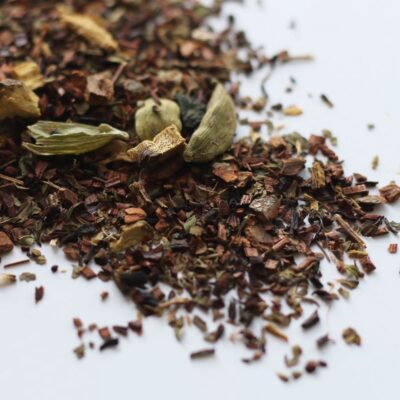
Pre-ground spices in a cheap chai blend may have lost a significant proportion of their aromatic compounds before the blend even reaches you. Whole spices – or freshly ground ones – retain their oils and deliver a fuller, more complex flavour.
The same principle applies to freshness. A chai blend that was packed six months ago and has been sitting on a shelf will deliver a noticeably flatter experience than one made from recently sourced, properly stored spices.
This is why, at Teapro, we source our spices as carefully as we source our teas. Artificial flavourings can mimic the surface taste of chai spices, but they cannot replicate the complexity, depth, or the wellness properties of the real thing.
When you drink a chai made from genuine whole or freshly ground spices, you taste the difference immediately.
Why Artificial Chai Flavourings Fall Short
A significant proportion of chai products available in the UK – particularly chai lattes, powdered mixes, and flavoured tea bags – use artificial flavourings to simulate the taste of spices. These products can taste broadly ‘chai-like’. They do not taste like chai.
Artificial chai flavouring is typically a combination of synthetic aroma compounds designed to evoke cinnamon, cardamom, and ginger.
What is missing:
- Real spices contain hundreds of aromatic compounds interacting with each other. Artificial flavouring uses a handful of synthetic approximations.
- The warmth of real ginger, the floral lift of fresh cardamom, the resinous intensity of clove – these are physical sensations, not just flavours. Artificial versions flatten them.
- Wellness properties. Gingerol, eugenol, cineole, piperine – the active compounds in real chai spices have genuine research behind them. Artificial flavourings contain none of these.
At Teapro, our position is straightforward: artificial flavourings mask the real taste of tea. In chai, they mask the real taste of the spices too. We believe you should be able to taste – and feel – exactly what you are drinking.
How to Brew Chai to Get the Most from the Spices
The way you brew chai significantly affects how much of the spice character ends up in your cup.
| Tip | Why It Matters |
|---|---|
| Simmer, don't steep | Traditional chai is simmered on a hob - spices and tea in water, then milk added and simmered again. This extraction method draws far more from the spices than simply pouring hot water over a tea bag. |
| Crack or bruise whole spices before use | Cracking cardamom pods, bruising ginger, and lightly crushing cloves before adding them to the pot dramatically increases the surface area and the flavour extraction. |
| Use whole milk or a full-fat plant alternative | Many of the aromatic compounds in chai spices are fat-soluble, meaning they bind to milk fat and carry more flavour into the cup. Skimmed milk or thin plant milks deliver noticeably less. |
| Low and slow | A gentle simmer over 5 to 10 minutes gives the spices time to open up. High heat can drive off volatile aromatics before they have a chance to infuse. |
| Taste and adjust | Unlike a simple cup of tea, chai rewards adjustment. If you want more heat, add ginger. More floral lift, add cardamom. More depth, a touch more clove. The blend is yours to shape. |
For a full step-by-step guide to brewing chai at home, including traditional hob methods and loose leaf alternatives, visit our complete chai guide.
Who Benefits Most from a Well-Spiced Chai?
| Who It's For | Why Chai Works |
|---|---|
| People moving away from coffee | Chai delivers a meaningful caffeine lift from the black tea base, combined with the warming, grounding quality of the spices. For people who love the ritual of a hot, comforting drink but want something more complex than tea and less harsh than espresso, a well-made chai is a genuinely compelling alternative. |
| People building a wellness ritual | The spices in chai - ginger, cardamom, cinnamon, black pepper - all have credible wellness research behind them. Drinking a quality chai daily is a pleasurable way to incorporate these ingredients into your routine. |
| People who want to understand what they are tasting | Learning to identify individual spices in a chai - the floral lift of cardamom, the bright heat of ginger, the deep finish of clove - is a genuine palate education. It is the kind of knowledge that makes every cup more interesting. |
| Cold weather, long afternoons, and slow mornings | Chai does not need a wellness justification. It is one of the most comforting, satisfying drinks in the world. That alone is reason enough. |
Frequently Asked Questions
The most common chai spices are cardamom, ginger, cinnamon, clove, and black pepper. Many blends also include star anise, fennel seeds, and nutmeg. There is no single fixed recipe – the blend varies by region, maker, and tradition. What distinguishes a quality chai is the freshness and purity of the spices used.
A well-made chai has a complex flavour profile: warming and slightly spicy from ginger and pepper, floral and aromatic from cardamom, sweet and woody from cinnamon, deep and slightly medicinal from clove, with a malty backbone from the black tea. The overall impression is warming, rich, and layered – quite different from a simple cup of builder’s tea or a flat white.
The spices in chai – particularly ginger, cardamom, cinnamon, clove, and black pepper – all have credible research behind them in areas including digestion, inflammation, and antioxidant activity. The black tea base contributes further antioxidants and L-theanine. That said, many commercial chai products contain added sugar and artificial flavourings that offset these benefits. A pure, loose leaf chai with whole spices is a very different product from a chai latte powder.
‘Chai’ simply means tea in Hindi – so technically all tea is chai. What most people call chai in the UK is masala chai: spiced tea. The word masala refers to the spice blend. So masala chai is the correct term for the spiced, warming drink you are probably thinking of.
Yes. Traditional chai is made at home from scratch – whole spices added to a pot of water with black tea, simmered, then milk added. The spices you use, and the quantities, are entirely up to you. That said, a well-sourced, quality loose leaf chai blend gives you a considered starting point and consistent results, particularly if you are new to making it.
Three things: the quality and freshness of the spices (whole or freshly ground beats pre-ground every time), the quality of the black tea base (single-origin Assam will significantly outperform generic ‘black tea’), and the absence of artificial flavourings or fillers. A quality blend should smell intensely aromatic the moment you open the packet – if it smells flat, the volatile oils have already gone.
Yes. Chai is based on black tea, which contains caffeine – typically 40 to 70 mg per cup depending on the strength of the brew and the amount of tea used. The caffeine in black tea is accompanied by L-theanine, which tends to produce a smoother, less spikey energy experience than coffee. If you are caffeine-sensitive, herbal chai blends made without black tea are available, though they are a different drink.
Real chai spices contain hundreds of naturally occurring aromatic compounds, many of which have documented wellness properties – gingerol in ginger, eugenol in clove, cineole in cardamom, piperine in black pepper. Artificial chai flavouring uses synthetic approximations of a handful of these compounds to create a surface-level impression of the taste. The complexity, depth, and wellness benefits of real spices cannot be replicated artificially.
Your Next Step
Understanding the spices in chai changes the way you drink it.
Once you can identify the floral lift of cardamom, the bright warmth of ginger, and the deep resonance of clove, you start to notice their absence in flat, generic, or artificially flavoured blends – and you start to appreciate what a carefully sourced, well-made chai actually offers.
If you want to go further – understanding the history of chai, regional traditions, how to choose the right black tea base, and how to prepare it in different ways – our complete guide covers everything you need.
Explore The Complete Guide to Chai and start tasting what chai is really capable of.
Or, if you are ready to begin your full tea education, our ‘Become a Teapro’ 12-box subscription takes you through 12 essential tea types – chai included – with the knowledge, provenance, and brewing guidance that turns a tea drinker into a tea pro.

Teapro co-founder. Favourite tea - Long Jing Dragon Well Green Tea. Obsessed with film, photography and travelling.
- Tatjana

- Tatjana


No Comments