Rooibos vs Honeybush: What’s the Difference?

If you’ve ever explored South African herbal teas, you’ve almost certainly met rooibos. It’s the one with the deep rust-red colour and the warm, naturally sweet flavour that’s won over millions of caffeine-free tea drinkers around the world.

But there’s a quieter companion that grows in the same mountain fynbos of South Africa – one that many tea drinkers have never even heard of: honeybush. 

These two herbal infusions are often grouped together, and it’s easy to see why. Both are naturally caffeine-free. Both come from the same dramatic landscape – the Cape Floristic Region, one of the most biodiverse places on earth.

Both brew a deep amber cup and carry a natural sweetness that needs no added sugar. And yet they are genuinely, fascinatingly different.

Loading...
rooibos tea
Price range: £4.50 through £70.00
honeybush
Price range: £5.50 through £45.00

This guide will walk you through everything you need to know – from botanical origin and flavour profile, to health benefits and how to brew each one perfectly. And if you want to go deeper on rooibos specifically, our complete guide to South African rooibos tea covers the full story.

First: Where Do They Come From? 

Both rooibos and honeybush are endemic to South Africa – meaning they grow nowhere else on earth in the wild. But their botanical origins are distinct, and understanding that difference helps explain everything that follows.

Rooibos 

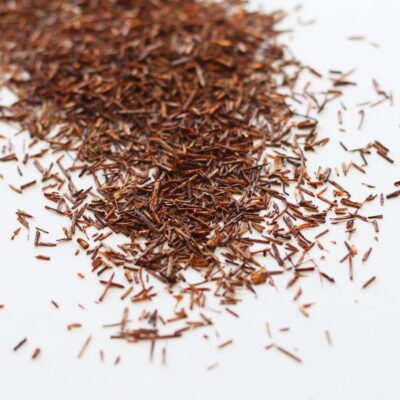
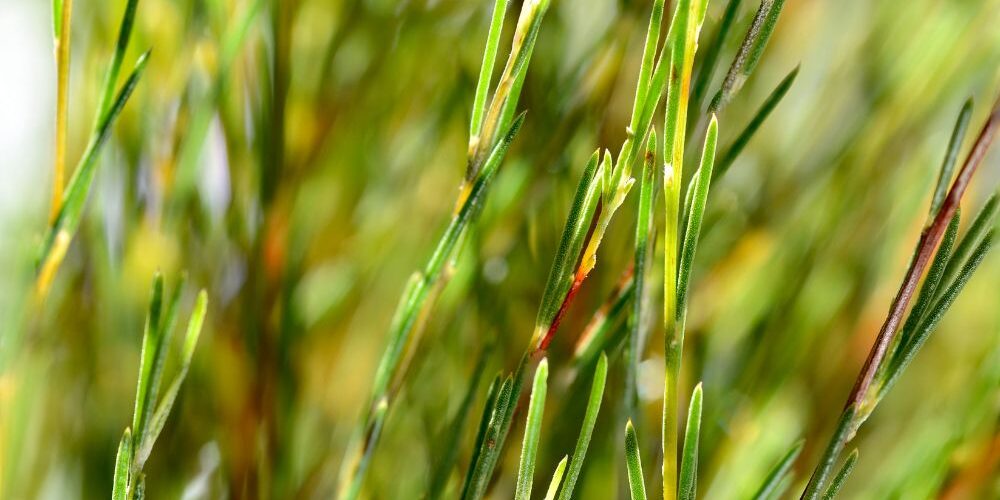
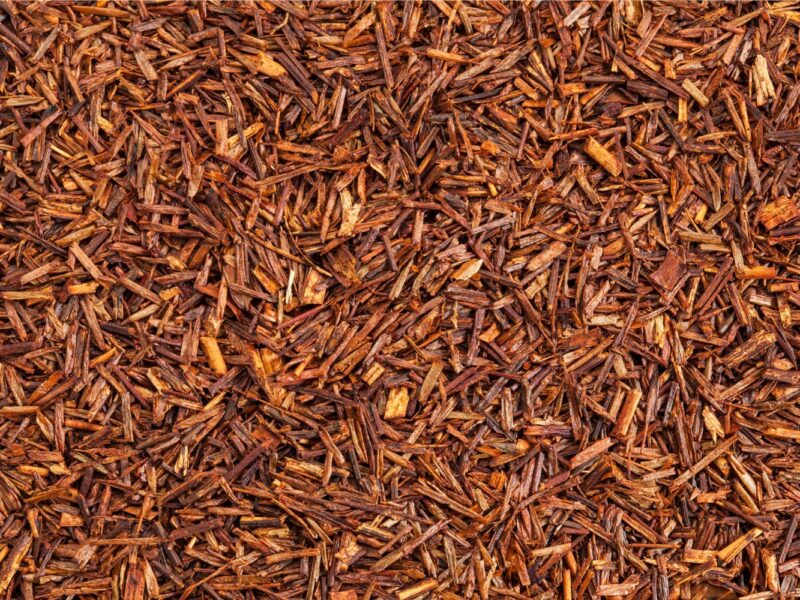
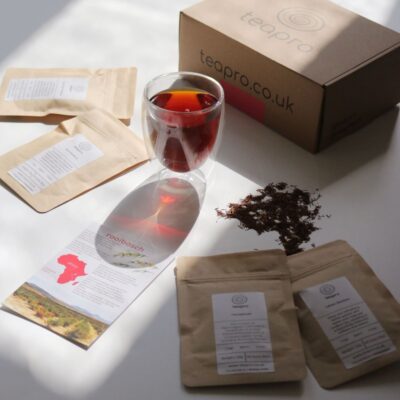
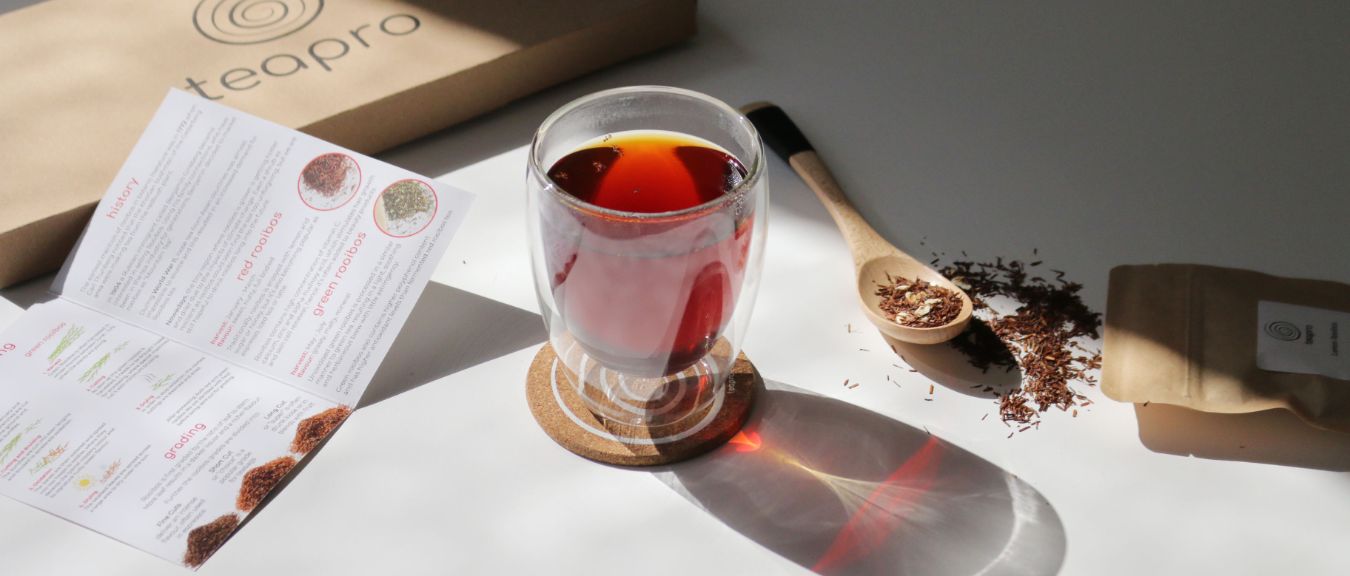
Rooibos (pronounced ROY-boss) comes from the plant Aspalathus linearis, a slender, needle-leafed shrub that grows almost exclusively in the Cederberg region, about 200 km north of Cape Town. The Afrikaans name translates as ‘red bush’ – and once you’ve seen a cup of fully oxidised rooibos, you’ll understand why. The leaves and stems are harvested, bruised, and left to oxidise in the open air, developing that signature deep red colour and the warm, vanilla-tinged sweetness the tea is known for. 

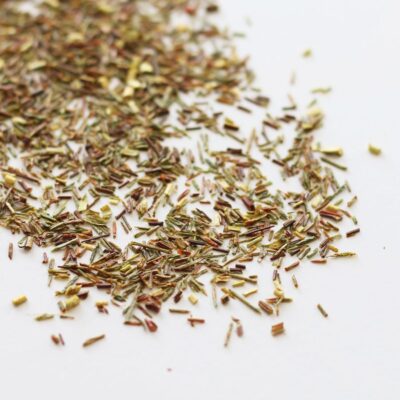
Green rooibos – unoxidised and processed more like green tea – also exists. It’s lighter, grassier, and higher in antioxidants, with a very different flavour. 

rooibos tea plant

Honeybush 

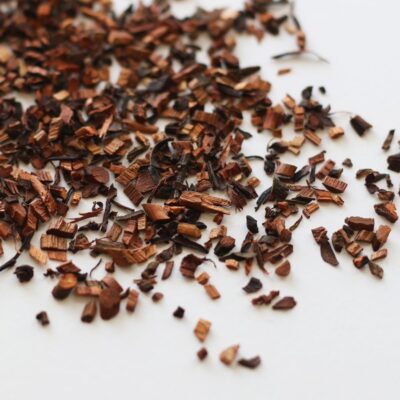
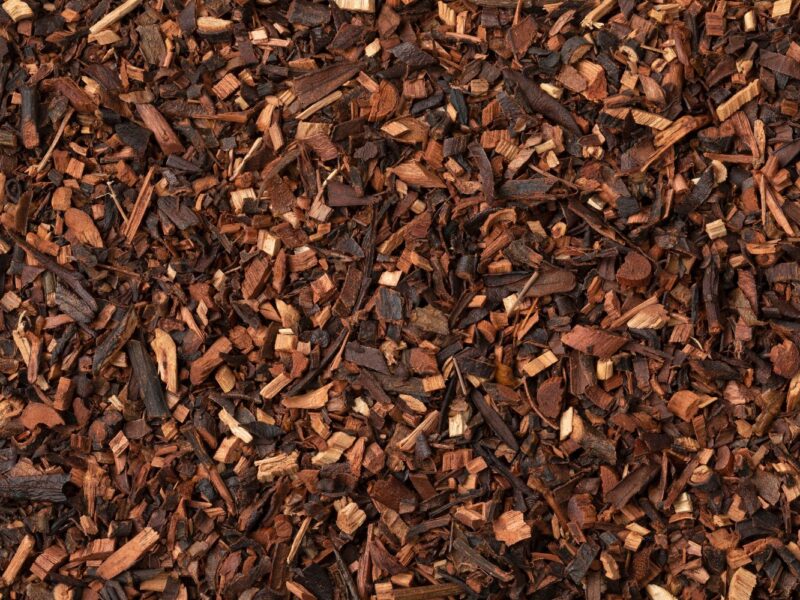
Honeybush comes from several related species in the Cyclopia genus – most commonly Cyclopia intermedia and Cyclopia genistoides. It grows across a wider area of the Western and Eastern Cape than rooibos, preferring coastal mountain fynbos between 500 and 1000 metres above sea level. 

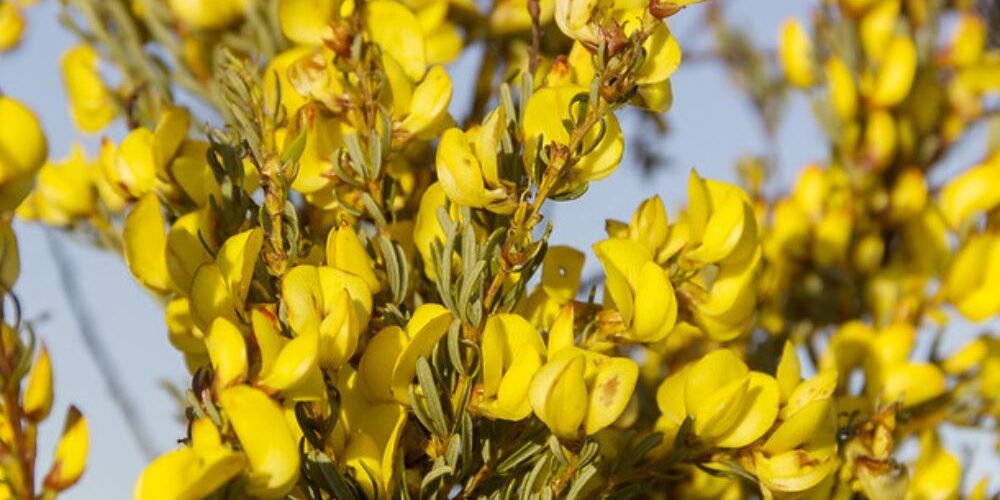
The name ‘honeybush’ comes from the sweet honey-like fragrance of the plant’s yellow flowers when in bloom – not, as many assume, from a particularly sweet flavour. It’s a distinction worth noting, because while honeybush is sweet, its sweetness is softer and more floral than rooibos. 

honeybush

The Flavour Difference – This Is Where It Gets Interesting 

Flavour is where rooibos and honeybush diverge most clearly – and where your preference will probably be decided. 

Rooibos: Warm, Woody, and Naturally Sweet

Rooibos has a full, round flavour with notes of vanilla, caramel, and a gentle earthiness. It’s warming without being heavy. 

The sweetness is genuine and natural – you don’t need to add anything.

There’s a slight nuttiness in a well-brewed cup, and very little bitterness even when steeped for a long time. This makes it exceptionally forgiving for new brewers.

Honeybush: Softer, Floral, and Gently Sweet

Honeybush is typically described as sweeter and milder than rooibos, with a lighter body and a distinctly floral quality.

Some people detect notes of apricot, peach, or dried fruit. The flavour is gentle and approachable – almost delicate in comparison to rooibos’s warmer, earthier depth.

If rooibos is the bold, warming fireside cup, honeybush is the lighter, meadow-breeze alternative. Neither is better – they suit different moods, different moments, different palates. 

Caffeine: Both Are Caffeine-Free – But Here’s the Nuance 

Both rooibos and honeybush are completely, naturally caffeine-free. Not ‘low caffeine’ – genuinely zero. This is one of the reasons both have attracted such a loyal following among people moving away from coffee, managing anxiety, improving sleep, or looking for something they can drink freely throughout the day and into the evening. 

Neither plant contains caffeine in any form – it’s not a processing decision, it’s botanical fact. This makes them excellent choices for children, pregnant women, and anyone sensitive to stimulants. 

Health Benefits: What the Research Says 

Both herbal infusions have been studied for their potential health properties, and the findings are genuinely interesting – though as with all food and herbal research, context matters and they shouldn’t be treated as medicine. 

Rooibos Health Benefits 

Rooibos Health Benefits
Benefit Details
Antioxidant-rich Rooibos contains aspalathin and nothofagin - two unique antioxidants not found in other plants. These may help protect cells from oxidative stress.
Supports bone health Studies suggest rooibos may support bone density, making it a useful addition to wellness routines concerned with long-term skeletal health.
Digestive ease Traditionally used to soothe colic and digestive discomfort, rooibos has antispasmodic properties that may calm the gut.
Heart health Some research points to rooibos supporting healthy cholesterol levels and blood pressure - though the evidence is still developing.
Low tannins Unlike black or green tea, rooibos is very low in tannins - meaning it doesn't inhibit iron absorption and is gentle on sensitive stomachs.

Honeybush Health Benefits 

One honest note: much of the research on both plants is still at early stages – cell studies and small trials rather than large clinical evidence. Drink them because you love the flavour and the ritual. Treat any health benefits as a welcome bonus. 

How to Brew Each One Perfectly 

Both rooibos and honeybush are remarkably forgiving compared to green or white teas – they won’t turn bitter if you oversteep. But brewing them with intention still makes a real difference to the cup.

Brewing Rooibos 

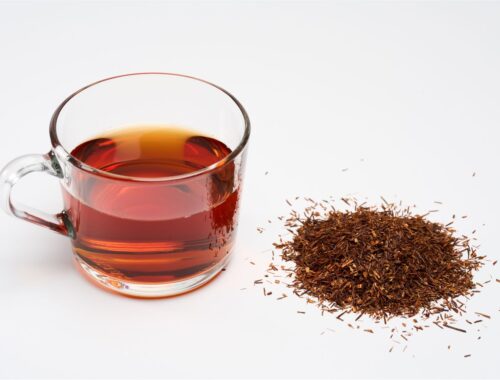
  • Use freshly boiled water – 100 degrees C. 
  • 1 heaped teaspoon per 250ml cup, or 3-4g per 500ml teapot. 
  • Steep for 4-6 minutes. Longer steeping deepens the flavour without bitterness. 
  • Drink black to appreciate the pure flavour, or with a splash of oat milk for a warming, almost caramel-like cup. 
  • Cold-brew rooibos is also excellent – steep overnight in cold water for a smooth, naturally sweet iced tea. 
brewing Rooibos tea Rooibos vs Honeybush

Brewing Honeybush 

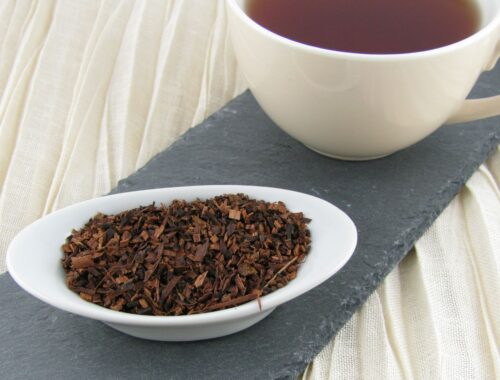
  • Use freshly boiled water – 100 degrees C. 
  • 1 heaped teaspoon per 250ml, or 3g per 500ml. 
  • Steep for 4-5 minutes. The flavour is more delicate than rooibos, so slightly shorter steeping can preserve its floral notes. 
  • Excellent served without milk – the floral, fruity notes are best appreciated without dairy. 
  • Wonderful cold-brewed, or as part of a light herbal blend. 
brewing honeybush tea - Rooibos vs Honeybush

Rooibos vs Honeybush: A Side-by-Side Summary 

Feature Rooibos Honeybush
Plant family Aspalathus linearis Cyclopia genus
Origin Cederberg, Western Cape Western and Eastern Cape
Caffeine None None
Colour Deep amber-red Golden amber
Flavour Warm, woody, vanilla, caramel Soft, floral, apricot, honey
Body Full and round Light and delicate
Brew temp 100°C 100°C
Steep time 4-6 mins 4-5 mins
Milk? Optional - works well Best without
Best for Warming evening cup, coffee alternative Gentle afternoon tea, hormonal support

Which Should You Choose? 

The honest answer is: it depends on what you’re looking for.

Choose rooibos if you want a warming, full-bodied cup that can genuinely stand in for coffee or black tea, pairs beautifully with milk, and delivers a flavour experience that’s rich enough to sip and appreciate slowly. Our complete guide to rooibos is the best place to start if you want to understand everything this remarkable plant has to offer. 

Choose honeybush if you prefer something lighter and more floral – a gentle, approachable herbal that suits afternoon sipping and rewards you with its subtle fruity sweetness. It’s also particularly interesting if you’re exploring herbals for hormonal wellness. 

And honestly? Drink both. They are different enough to suit different times of day and different moods – and together they represent the very best of what South Africa’s Cape Floristic Region has to offer the world of herbal tea. 

Loading...
Price range: £4.50 through £60.00
Price range: £18.00 through £35.00

FAQ: Everything Else You Need to Know

Rooibos comes from the plant Aspalathus linearis and has a warm, full-bodied flavour with notes of vanilla and caramel. Honeybush comes from the Cyclopia genus and has a softer, more floral taste with hints of apricot and honey. Both are naturally caffeine-free and grown in South Africa, but they are botanically different plants with distinct flavour profiles.

No – they are different plants from different botanical families. They share a South African origin and are both naturally caffeine-free, but rooibos (Aspalathus linearis) and honeybush (Cyclopia genus) have different flavours, different appearances, and different compounds. Honeybush has a lighter, more floral taste; rooibos is fuller-bodied and warmer.

Both offer interesting health properties, and neither is definitively healthier than the other – they simply offer different benefits. Rooibos is particularly rich in the unique antioxidants aspalathin and nothofagin. Honeybush is notable for mangiferin and hesperidin, and has attracted interest for potential hormonal support. Both are low in tannins, caffeine-free, and kind to the gut. The healthiest choice is the one you’ll drink and enjoy regularly.

Both are naturally caffeine-free and generally considered safe during pregnancy – but always consult your midwife or GP if you have any concerns. Some sources advise caution with very high quantities of any herbal tea during pregnancy, so drinking them in moderate amounts is the sensible approach.

Not exactly – the name ‘honeybush’ comes from the honey-like fragrance of the plant’s yellow flowers when in bloom, not from a strongly honey-flavoured cup. The taste is gently sweet and floral, with hints of apricot and dried fruit. It’s naturally sweet without added sugar, but it doesn’t taste like honey straight from the jar.

Use freshly boiled water (100 degrees C), 1 heaped teaspoon per 250ml, and steep for 4-5 minutes. Honeybush is best enjoyed without milk so you can appreciate its delicate floral notes. It also makes an excellent cold brew – simply steep overnight in cold water and refrigerate.

They serve different purposes. Green tea contains caffeine and is rich in EGCG antioxidants. Rooibos is caffeine-free and contains its own unique antioxidants (aspalathin and nothofagin) not found in other plants. If you want a calming, caffeine-free alternative you can drink any time of day, rooibos is a wonderful choice. If you want a gentle caffeine boost with antioxidant support, green tea has its place too.

At Teapro, we source pure, single-origin rooibos and honeybush with no artificial flavourings – because we believe the leaf is remarkable enough on its own. Explore our complete guide to rooibos and discover the full Teapro range at teapro.co.uk. 

The Teapro Difference 

At Teapro, we only source pure, single-origin rooibos and honeybush – no artificial flavourings, no added sweeteners. We believe that when the leaf is good enough, it speaks for itself. And the South African fynbos produces some of the most naturally complex, flavour-forward herbal infusions anywhere on earth. 

Every tea we sell comes with the knowledge to understand what you’re tasting – because the journey from tea drinker to tea pro starts with understanding what’s actually in your cup. 

Explore our full range of pure herbal teas – and if you’re ready to go deeper, discover our Become a Teapro 12-box educational subscription, the only structured tea education programme of its kind in the UK. 

Loading...
Loading...
Price range: £18.00 through £35.00

Teapro co-founder. Favourite tea - Long Jing Dragon Well Green Tea. Obsessed with film, photography and travelling.

No Comments

Post A Comment