13 Jun Ceremonial Grade vs Culinary Grade Matcha: Which Should You Buy?
Stand in front of a shelf of matcha and you will see the same two words again and again: ceremonial and culinary. They sound like a quality ranking, as if one is the good stuff and the other is the budget option, but that is not what they mean at all.
The ceremonial vs culinary grade matcha question is really about what each grade was made for, and once you understand that, choosing the right one becomes simple.
This guide explains the genuine difference, how to spot quality in either grade, and exactly which matcha you should buy for the way you actually drink it. If you want the wider story of matcha first, start with our complete matcha green tea guide.
Table of contents
First, what actually is matcha?
Matcha is green tea in its most complete form. The plants are shaded from the sun for several weeks before harvest, which pushes up the levels of chlorophyll and the amino acid L-theanine and gives matcha its vivid colour and smooth character.
The leaves are then steamed, dried, de-stemmed and stone ground into an ultra fine powder. Because you whisk and drink the whole leaf rather than steeping and discarding it, you take in everything it has to offer.
That single fact, that you consume the entire leaf, is exactly why the quality and purity of the powder matters so much, and why grade is worth understanding before you buy.
Ceremonial vs culinary matcha: the real difference
Grade is not a score out of ten. It describes the leaf and its intended use. Both ceremonial and culinary matcha can be genuinely high quality, and both can be pure single origin tea.
The difference lies in which leaves are used and what the powder is designed to do once it reaches your kitchen.
Ceremonial grade matcha
Ceremonial grade matcha is made from the youngest, tenderest leaves of the first spring harvest, shade grown for longer and stone ground slowly to protect the delicate powder.
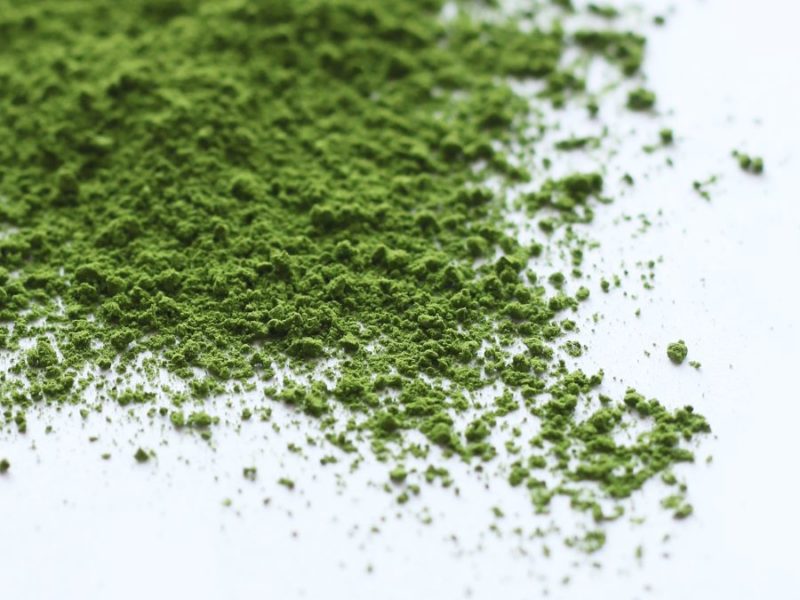
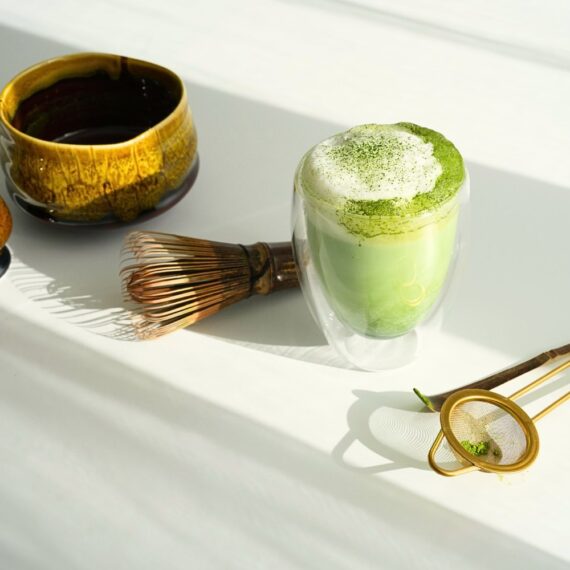
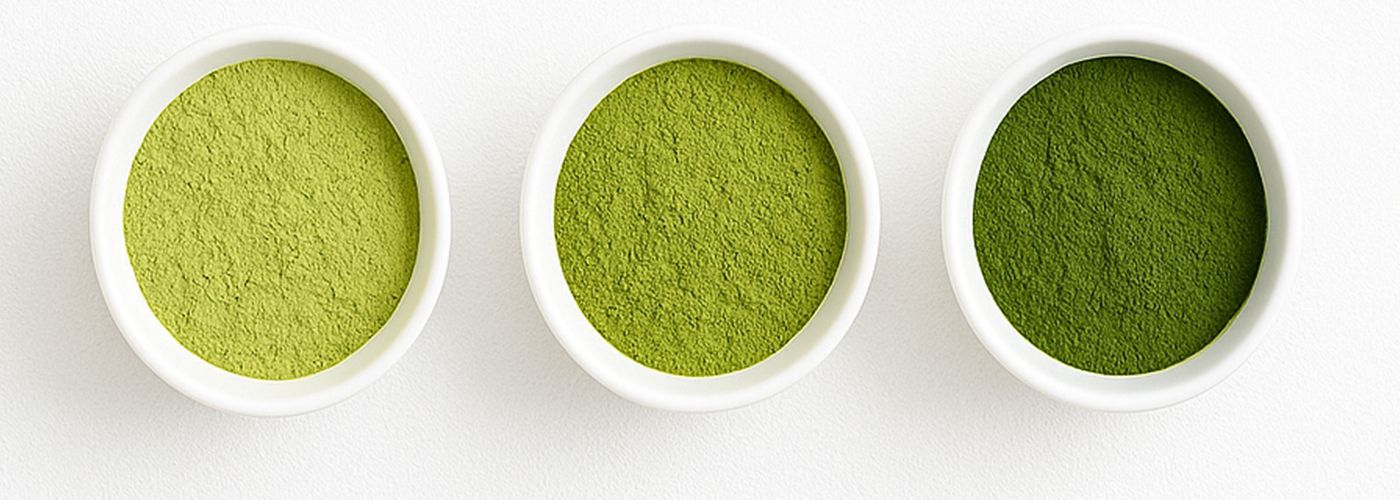
The result is a bright jade green colour, a silky texture and a smooth, naturally sweet, savoury flavour with very little bitterness. It is made to be whisked with nothing but hot water and enjoyed on its own, which is the truest way to taste the craft of the leaf. This is the grade for the morning cup you slow down for.
New to matcha? Explore our Complete Matcha Green Tea Guide to learn about matcha grades, brewing techniques, health benefits, and how to choose the right matcha for your needs.
Culinary grade matcha
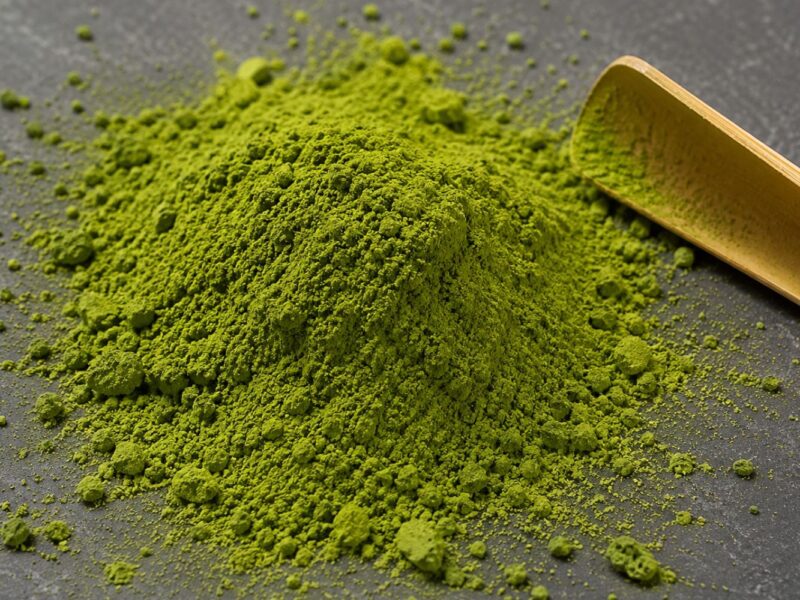
Culinary grade matcha is made from slightly more mature leaves. It is still pure ground green tea, but it carries a stronger, bolder and slightly more astringent flavour that is built to stand up to other ingredients.
That is a feature rather than a flaw. When matcha is going into a latte, a smoothie or a bake, you want a flavour with enough backbone to come through the milk, the fruit or the flour.
Culinary grade is also usually more affordable, which makes it the practical everyday choice if matcha is an ingredient in your cooking as much as a drink.
Quick comparison table
| Ceremonial grade matcha | Culinary grade matcha | |
|---|---|---|
| Leaves | Youngest first-harvest leaves | Slightly more mature leaves |
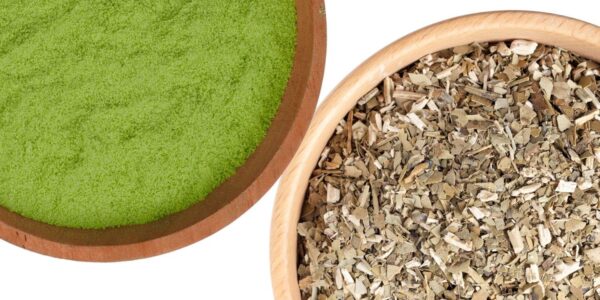
| Colour | Vivid jade green | Deeper, slightly duller green |
| Taste | Smooth, sweet, umami, no bitterness | Bolder, stronger, a little astringent |
| Best for | Drinking neat, whisked with water | Lattes, smoothies, baking, recipes |
| Texture | Very fine, silky | Fine, slightly coarser |
| Typical price | Higher | More affordable |
Which matcha should you buy?
The honest answer is that the best matcha to buy depends entirely on how you plan to drink it.
Ask yourself one question: are you sipping it, or cooking with it?
| Choose ceremonial grade if... |
|---|
| You want to drink matcha neat, whisked with just hot water, the traditional way. |
| You enjoy it with a splash of milk and want a smooth, naturally sweet cup that needs no sugar. |
| You care about the flavour and the ritual, and you want to taste the quality of the leaf itself. |
| Choose culinary grade if... |
|---|
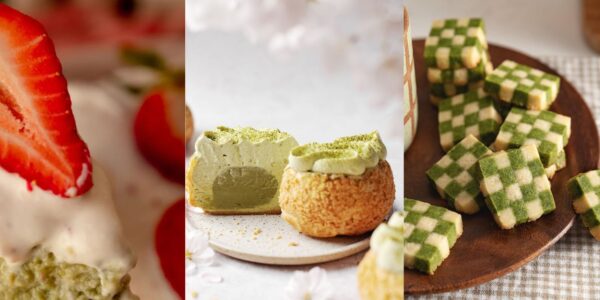
| Matcha is mainly an ingredient for you - lattes, smoothies, baking, energy balls or ice cream. |
| You want a flavour bold enough to hold its own against milk and other ingredients. |
| You drink or make it daily and want better value without giving up purity. |
Many tea lovers end up keeping both: a tin of ceremonial grade for the cup they savour slowly, and a pouch of culinary grade for everything they whisk into milk or fold into a recipe.
If you are buying your very first matcha, choose the grade that matches what you will do with it most often. You can explore our pure, single origin matcha here: Ceremonial Grade Matcha Green Tea and Matcha Tea Set Collection
How to spot quality matcha in either grade
Grade tells you what a matcha is for, but it does not guarantee quality on its own. Whichever grade you choose, these are the signs of a matcha worth buying.
| What to check | What to look for |
|---|---|
| Colour | Look for a vibrant, lively green. A dull, yellowish or khaki tone usually means older or lower quality leaf. |
| Origin | The best matcha is single-origin and clearly labelled with where it was grown. Vague or unstated origin is a red flag. |
| Ingredients | The list should say one thing and one thing only - green tea. No sugar, no milk powder, no added flavourings. |
| Texture | Good matcha is silky and fine, like talc, and dissolves smoothly when whisked rather than sitting in gritty clumps. |
The mistake most matcha buyers make
Here is the part that matters more than the ceremonial vs culinary matcha choice itself: do not let a sweetened, flavoured powder be your first experience of matcha.
Many supermarket matcha mixes and cafe matcha lattes are built on sugar, milk powder and added flavourings, with only a little real tea underneath. They taste of vanilla or sweetness, not of matcha, and they teach your palate the wrong lesson entirely.
At Teapro we believe artificial flavourings mask the real taste of tea, so wherever possible we let the leaf speak for itself. A genuinely good matcha, ceremonial or culinary, does not need anything added to it, because the quality of the leaf is the flavour.
Buy pure, learn what real matcha tastes like, and every cup after that becomes a small lesson in tasting the real thing.
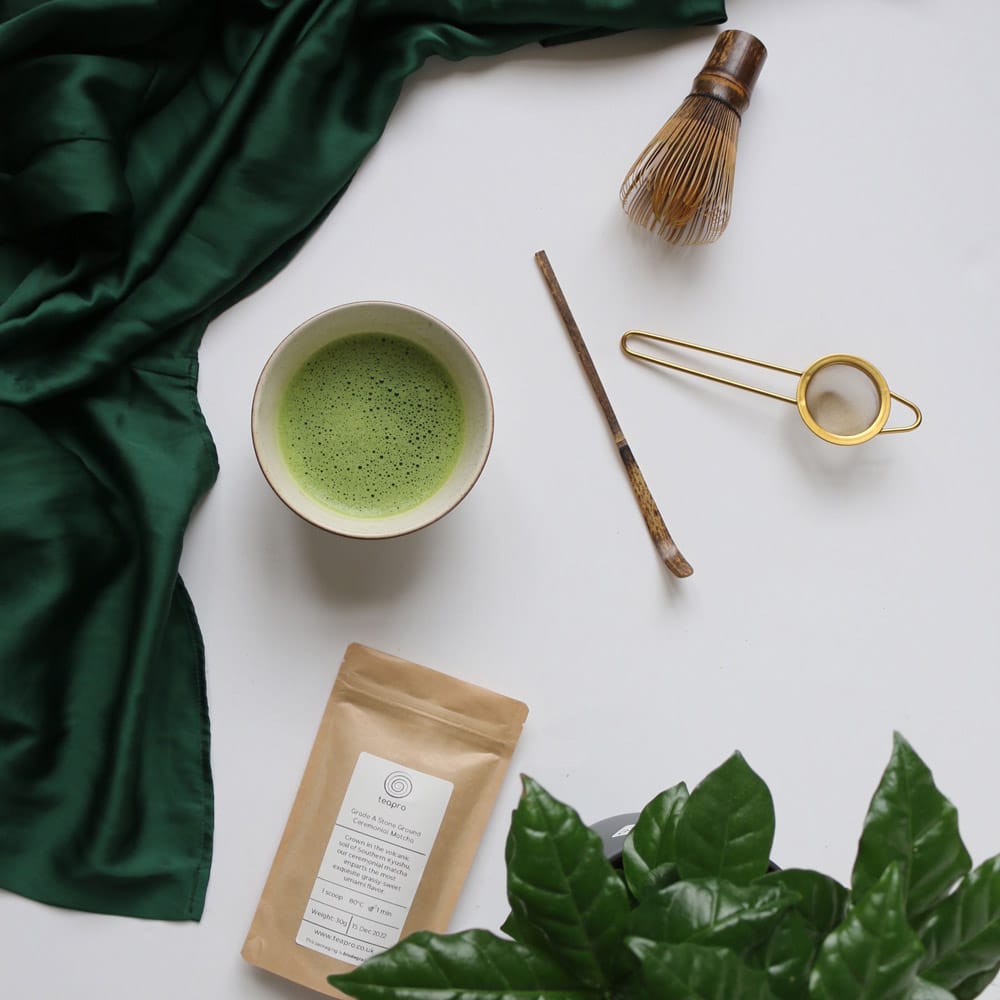
Ceremonial Grade Matcha Green Tea Powder from Kyushu, Japan
How to brew and use each grade
Whisking ceremonial matcha
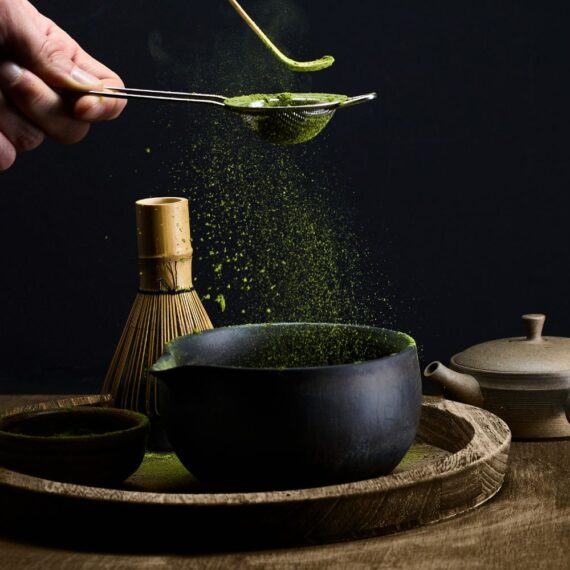
Sift 1 to 2 grams (about half to one teaspoon) into a bowl to remove clumps.
Add a little water that has cooled to around 70 to 80 degrees, never boiling, as water that is too hot scorches the leaf and turns it bitter.
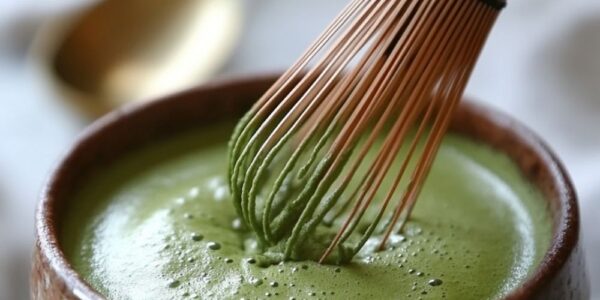
Whisk briskly in a zig zag, not a circle, until a fine froth forms on top, then top up and drink. This is matcha at its most honest.
Using culinary matcha
For a latte, whisk culinary matcha into a small splash of warm water first to make a smooth paste, then pour over your milk of choice.
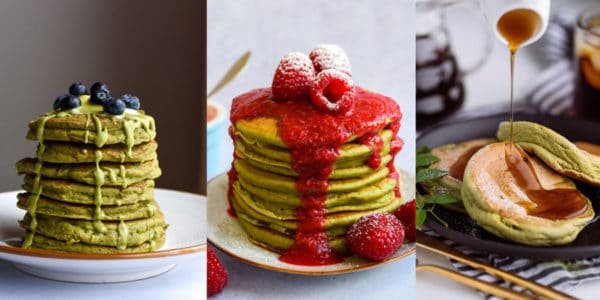
The same paste folds beautifully into smoothies, overnight oats, yoghurt, icing and baking.
Because culinary grade is bolder, its colour and flavour carry through even when it is one ingredient among many.
If your matcha tastes overly bitter, it may be due to common preparation mistakes. Learn more about the most frequent brewing errors and how to fix them in our guide on why matcha tastes bitter.
Frequently asked questions
Ceremonial grade matcha is made from the youngest leaves and is smooth and sweet enough to drink whisked with just water. Culinary grade matcha is made from slightly older leaves, with a bolder, more astringent flavour built to stand up in lattes, smoothies and baking. Both can be pure, high quality green tea.
If you drink matcha neat or with milk and want the smoothest, sweetest flavour, yes. If you mostly use matcha as an ingredient in cooking, the finer qualities of ceremonial grade are largely lost, so culinary grade gives you better value.
You can, and it will taste lovely, but it is not necessary. Once matcha is mixed with milk, fruit or flour, the subtle qualities you pay extra for in ceremonial grade are hard to notice, so culinary grade usually makes more sense for recipes.
Yes, though it will taste stronger and more astringent than ceremonial grade. Many people enjoy it neat, but if you find it sharp, it is happiest balanced by milk in a latte.
If you want to learn what real matcha tastes like, start with a good ceremonial grade so your first impression is smooth and sweet rather than bitter. If you are mainly making lattes, a quality culinary grade is a friendlier place to begin.
Look for a vivid green colour, a clearly stated single origin, a silky fine texture and an ingredient list that says only green tea. Dull colour, vague origin and added sugar or flavourings all point to lower quality.
The bottom line
Ceremonial vs culinary matcha is not a contest between good and bad. It is a choice between two tools made for two jobs.
Buy ceremonial grade if you want to sip and savour, buy culinary grade if you want to cook and blend, and whichever you choose, buy it pure and single origin so you are tasting the leaf and nothing else.
Get that right and matcha stops being a mystery on a shelf and becomes a daily ritual you understand.
To go further into grades, origins and the art of the perfect whisk, read our complete matcha green tea guide and keep building your palate, one cup at a time.

Teapro co-founder. Favourite tea - Long Jing Dragon Well Green Tea. Obsessed with film, photography and travelling.
- Tatjana

- Tatjana


No Comments