Rooibos for Skin: The South African Secret Hiding in Your Teacup
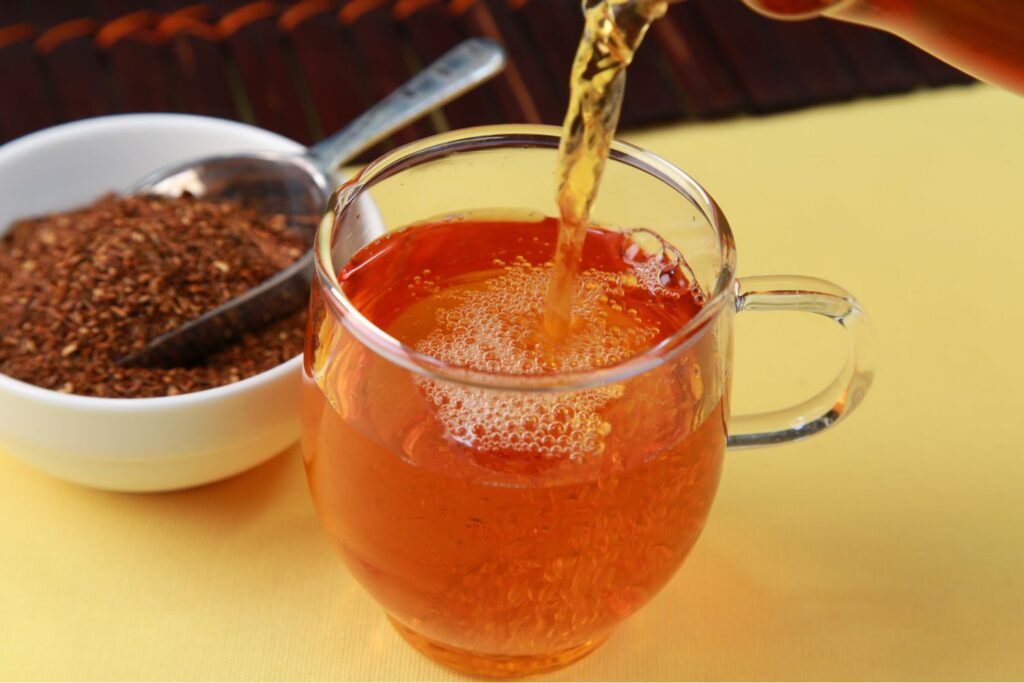
Your skin-care routine might be missing something. And it has nothing to do with a new serum or a trending ingredient. It has been growing wild in the Cederberg mountains of South Africa for centuries – and for the last few decades, scientists have been catching up to what local communities already knew. 

Rooibos – the naturally caffeine-free red bush herb – is one of the most antioxidant-rich botanicals available as a loose leaf brew. Drunk daily, it delivers a quiet but consistent stream of skin-supporting compounds that no flavoured tea blend or synthetic supplement can replicate.


Because when you drink something pure, with nothing added or masked, your body gets exactly what the plant intended. 

This guide covers what rooibos does for your skin, the science behind it, and how to get the most from it – whether in your cup or as part of your wider wellness routine. 

Already familiar with rooibos? Start with our complete guide to rooibos tea for everything on origins, flavour, and brewing.

Why Rooibos Is Different from Other Teas for Skin 

Most teas people reach for – green tea, white tea, black tea – come from the Camellia sinensis plant. They carry caffeine, tannins, and their own range of polyphenols. All have skin benefits. But rooibos is an entirely different botanical, and that difference matters.

Rooibos tea difference - rooibos tea for skin

Rooibos (Aspalathus linearis) contains no caffeine and very low tannins. This makes it far gentler on the body – no cortisol spikes, no tannin interference with iron absorption, no jitteriness that can worsen skin inflammation.

For anyone who wants the antioxidant benefits of a daily tea ritual without the stimulant load, rooibos is in a category of its own. 

It also contains a unique set of polyphenols not found in any other plant in meaningful quantities – most notably aspalathin and nothofagin.

These two compounds are native to the Cederberg mountains of the Western Cape, which means you cannot replicate rooibos through any other food or drink. If you want them, you drink rooibos. 

That exclusivity is not marketing. It is botany.

The Key Antioxidants in Rooibos - and What They Do

When we talk about rooibos being good for skin, we are really talking about its antioxidant profile. Here are the compounds doing the work:

Antioxidant What it does for skin
Aspalathin The standout polyphenol unique to rooibos. Aspalathin is a powerful antioxidant and anti-inflammatory compound. Research has linked it to reduced oxidative stress - the cellular damage that accelerates skin ageing and contributes to conditions like acne and eczema. It is found in higher concentrations in green (unfermented) rooibos.
Quercetin A well-researched flavonoid found across many plants but present in useful quantities in rooibos. Quercetin has documented anti-inflammatory and antihistamine properties - useful for sensitive and reactive skin. It also supports collagen synthesis and may help protect against UV-induced skin damage.
Luteolin Another flavonoid with anti-inflammatory action. Luteolin has been studied for its role in inhibiting the release of inflammatory cytokines - the internal signals that trigger redness and swelling. If your skin tends to react to stress or environmental triggers, luteolin is a compound worth knowing about.
Orientin and Vitexin These two C-glycosyl flavones are present in rooibos and have antioxidant, anti-inflammatory and photoprotective properties. Orientin in particular has been studied for its ability to protect skin cells against UV-induced oxidative stress - not a replacement for sunscreen, but a complementary internal defence.
Alpha-hydroxy acids (AHAs) Rooibos contains small amounts of alpha-hydroxy acids - the same compounds used in skincare products for gentle exfoliation and skin renewal. Drinking them in their natural matrix, alongside rooibos's other compounds, adds a complementary layer to skin health.

Rooibos and Anti-Ageing: What the Research Says 

Skin ageing has two primary drivers: intrinsic ageing (the natural slowing of cellular renewal over time) and extrinsic ageing (damage from UV exposure, pollution, stress and oxidative load). Antioxidants fight the second kind – and that is where rooibos earns its place. 

A 2010 study published in the journal Phytochemistry found that rooibos extracts significantly inhibited lipid peroxidation – a key marker of oxidative damage in skin cells.

A 2013 study in the Journal of Ethnopharmacology confirmed the anti-inflammatory and antioxidant properties of rooibos compounds, with implications for skin health. 

More recently, researchers have explored rooibos’s effect on ACE (angiotensin-converting enzyme) inhibition – which plays a role in blood circulation and, indirectly, in skin tone and cell renewal. Improved circulation supports brighter, more even skin over time. 

None of this is to suggest that rooibos is a wrinkle cure. It is not. But daily consumption as part of a considered wellness routine does give your skin’s repair mechanisms consistent antioxidant support – quietly, with every cup.

Rooibos for Acne and Inflammation 

Acne is, at its root, an inflammatory condition. And rooibos is, at its root, an anti-inflammatory beverage. This makes the connection intuitive – but there is substance behind it. 

The quercetin and luteolin in rooibos both inhibit inflammatory pathways that can drive acne flare-ups. The absence of caffeine is also relevant: caffeine elevates cortisol, and elevated cortisol increases sebum production, which feeds acne. Replacing a morning coffee with rooibos removes that hormonal trigger. 

Rooibos also contains zinc – a mineral well-established in dermatology for its role in wound healing, sebum regulation and anti-inflammatory action. While the zinc content per cup is modest, regular consumption contributes to daily intake alongside other dietary sources. 

For those prone to breakouts, rooibos is not a substitute for a consistent skincare routine. But it is a useful internal complement – particularly if it replaces a caffeine or sugar-heavy drink that was already working against you. 

Select Rooibos for Skin: The South African Secret Hiding in Your Teacup Rooibos for Skin: The South African Secret Hiding in Your Teacup - rooibos for sensitive skin
Rooibos for Sensitive Skin and Redness 

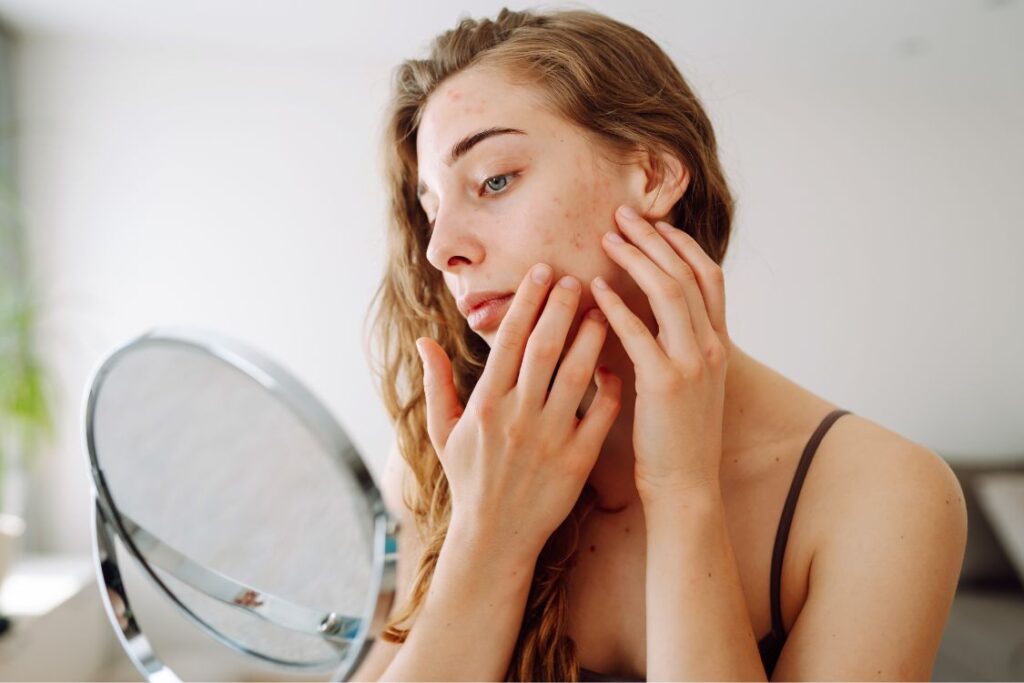
For skin that flushes easily, reacts to temperature changes or shows persistent redness, rooibos has particular relevance. Its antihistamine properties – primarily through quercetin and chrysoeriol – help calm immune system overreactions that show up on the skin. 

Conditions like rosacea, eczema and contact dermatitis all involve inflammatory and histamine pathways. While rooibos should never be positioned as a treatment for medical skin conditions, its anti-inflammatory and antihistamine compounds make it a supportive daily habit for skin that runs hot. 

Its extremely low tannin content is also important here. Tannins – present in high amounts in black tea and to a lesser extent green tea – can irritate sensitive digestive systems and sometimes exacerbate skin conditions by affecting gut health.

Rooibos sidesteps this entirely. It is one of the few warming, comforting brews that is genuinely kind to sensitive systems inside and out.

Green Rooibos vs Red Rooibos: Which Is Better for Skin? 

This is a question worth answering properly, because the difference is real and significant.

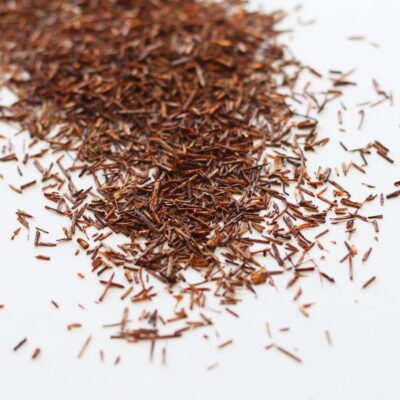
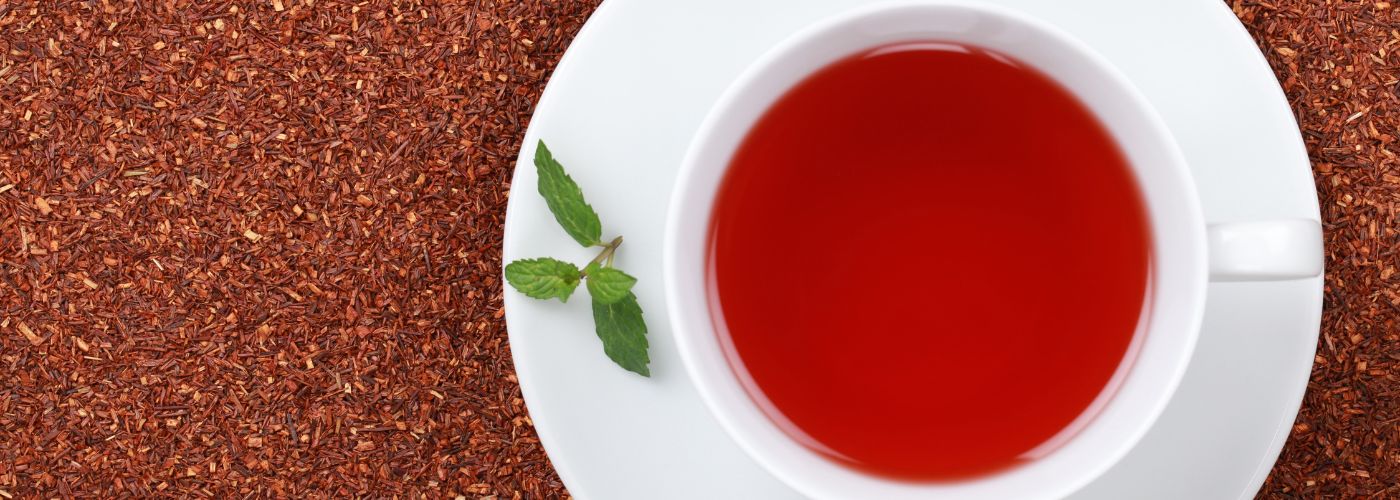
Red rooibos – the familiar russet-coloured tea most people know – undergoes a fermentation process after harvest.

During fermentation, some of its polyphenols break down and transform.

The resulting brew is sweeter, earthier and deeply warming. 

Loading...
rooibos tea
Price range: £4.50 through £70.00

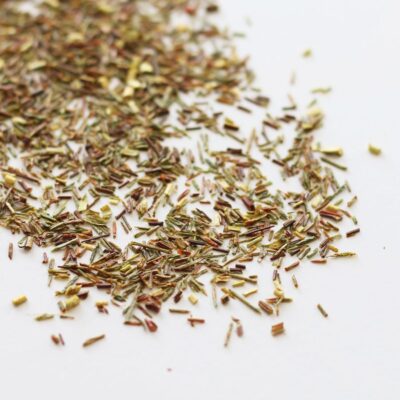
Green rooibos – skips fermentation entirely. It is dried quickly after harvest, preserving a higher concentration of the original plant compounds – particularly aspalathin, rooibos’s signature antioxidant.

Studies have confirmed that green rooibos contains significantly more antioxidants by weight than its fermented counterpart. 

Loading...
Price range: £4.50 through £60.00

If skin antioxidant support is your specific goal, green rooibos has the stronger scientific case. But it has a grassier, slightly more complex flavour – and for many people, the comforting, familiar taste of red rooibos is the one they will actually drink every day. 

The best rooibos for skin is the one you drink consistently. If red rooibos is the brew that becomes a daily ritual, it still delivers meaningful antioxidant and anti-inflammatory support. 

How to Brew Rooibos for Maximum Skin Benefit 

How you brew rooibos affects how much of its beneficial compounds you extract. Unlike green tea – which punishes high temperatures – rooibos actively benefits from boiling water and a generous steep time.

Brewing Factor Recommendation
Water Temperature 100°C (full boil). Rooibos is robust and needs the heat to release its polyphenols fully.
Amount 1 heaped teaspoon of loose leaf rooibos per 200–250ml of water.
Steep Time 5–7 minutes minimum. Rooibos does not turn bitter with extended steeping. For maximum antioxidant extraction, 7–10 minutes is ideal.
Milk Adding dairy milk slightly reduces the absorption of some polyphenols. For maximum antioxidant benefit, try rooibos without milk — or with an oat or almond alternative.
Sweetener Pure rooibos has a natural sweetness from its low tannin content. Try it unsweetened first. If needed, a small amount of honey adds its own antioxidant compounds.

The full brewing science – including a step-by-step guide for both red and green rooibos – is in our complete rooibos guide.

How Much Rooibos Should You Drink? 

Consistency matters more than quantity. Most research on rooibos’s health effects looks at regular, daily consumption rather than large single doses. 

A practical starting point is 2-3 cups per day. At this level, you are delivering a steady stream of antioxidants to your system without overcrowding your hydration intake with a single source.

Rooibos is caffeine-free, which means you can drink it morning, afternoon or evening without disrupting sleep – and sleep, of course, is when your skin does its deepest repair work. 

Because rooibos contains no caffeine and very low tannins, there is no established upper limit for daily consumption in healthy adults. It is one of the most accessible and gentle teas for everyday use.

Loading...
Price range: £4.50 through £60.00
rooibos tea
Price range: £4.50 through £70.00

Frequently Asked Questions 

Yes – rooibos contains a range of antioxidant and anti-inflammatory compounds, including aspalathin (unique to rooibos), quercetin and luteolin. Drunk regularly, it supports skin at a cellular level by reducing oxidative stress and calming inflammatory pathways.

Rooibos may help reduce the inflammation associated with acne, and replacing caffeine-based drinks with rooibos removes a hormonal trigger for sebum overproduction. It is a supportive habit, not a standalone treatment.

Rooibos does not contain collagen directly, but it contains compounds – particularly quercetin – that support the body’s own collagen synthesis and help protect existing collagen from oxidative breakdown. 

Green rooibos retains higher levels of aspalathin and overall antioxidant content, making it the stronger choice if skin antioxidant support is your specific goal. Red rooibos still delivers meaningful benefits and is gentler in flavour for daily drinking. 

Antioxidant benefits from dietary sources are cumulative rather than immediate. Most people who drink rooibos consistently report improvements in skin clarity and tone after 4-8 weeks – though this varies considerably with overall diet, lifestyle and skin type.

Yes – cooled rooibos tea can be used as a face rinse or added to a bath. Its anti-inflammatory compounds have a mild topical effect. However, the primary and most effective route for skin benefit is consistent internal consumption. 

Rooibos is well tolerated for most people. There is some evidence that very high consumption may affect certain anticoagulant medications. If you are on prescribed medication, check with your GP before significantly increasing your rooibos intake. 

The Takeaway 

Rooibos is not a skincare trend. It is a botanical with a centuries-long history and a growing body of scientific evidence to support what South African communities have known for generations. 

Drunk daily – pure, properly brewed, without artificial interference – it delivers antioxidant and anti-inflammatory compounds that support skin health quietly and consistently.

It does not spike your cortisol. It does not interfere with sleep. It does not mask its own quality behind flavourings. 

It just does what the plant is supposed to do. 

Want to understand rooibos more deeply? Read our complete guide to rooibos tea – covering origins, flavour profiles, brewing and the full story of the Cederberg mountains. 

Loading...
Loading...
Price range: £18.00 through £35.00

Teapro co-founder. Favourite tea - Long Jing Dragon Well Green Tea. Obsessed with film, photography and travelling.

No Comments

Post A Comment