Butterfly Pea Flower Tea: The Complete Guide
Blue tea. Colour-changing tea. That viral tea that turns purple when you add lemon. Whatever you’ve heard it called, butterfly pea flower tea is one of the most visually striking and genuinely fascinating herbal teas in the world – and it has a lot more going for it than a great Instagram moment.

This is the complete guide. By the end, you’ll know exactly what butterfly pea tea is, where it comes from, what it tastes like, how to brew it properly, why it changes colour, and what the science actually says about its health properties.

What is butterfly pea flower tea?

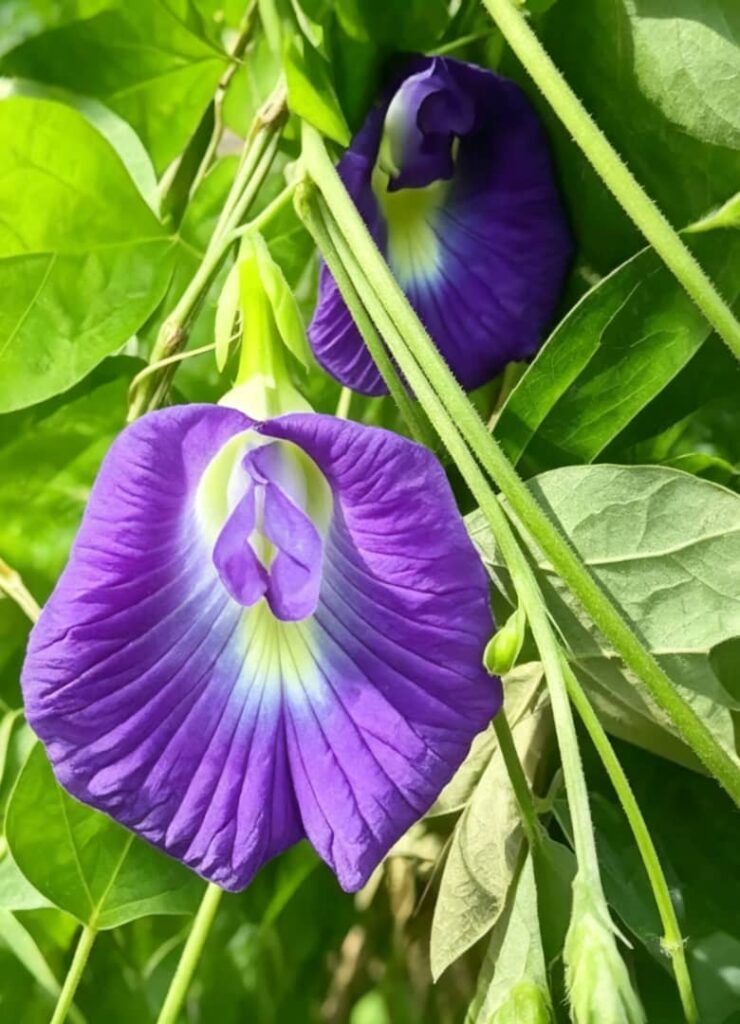
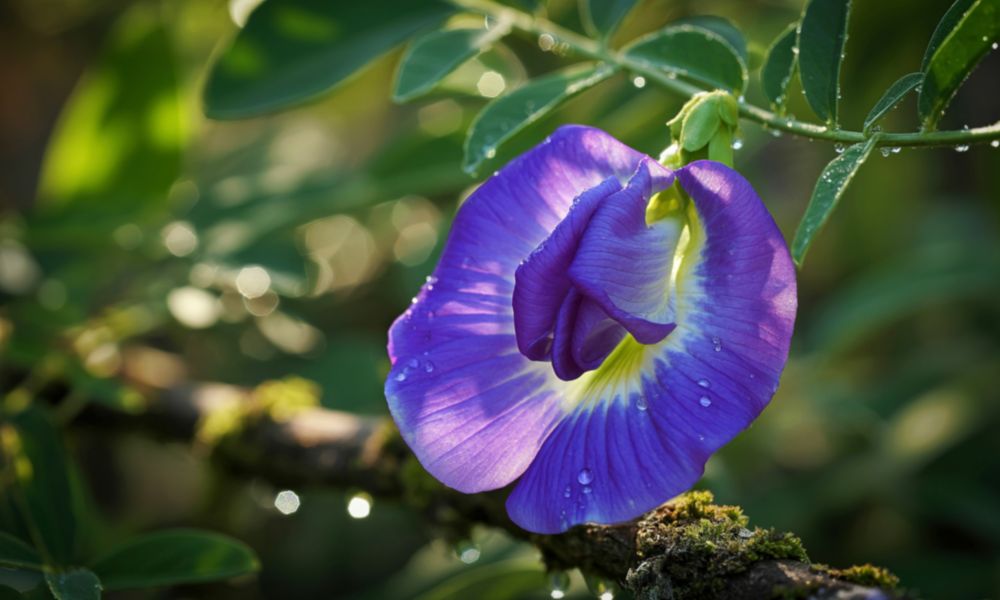
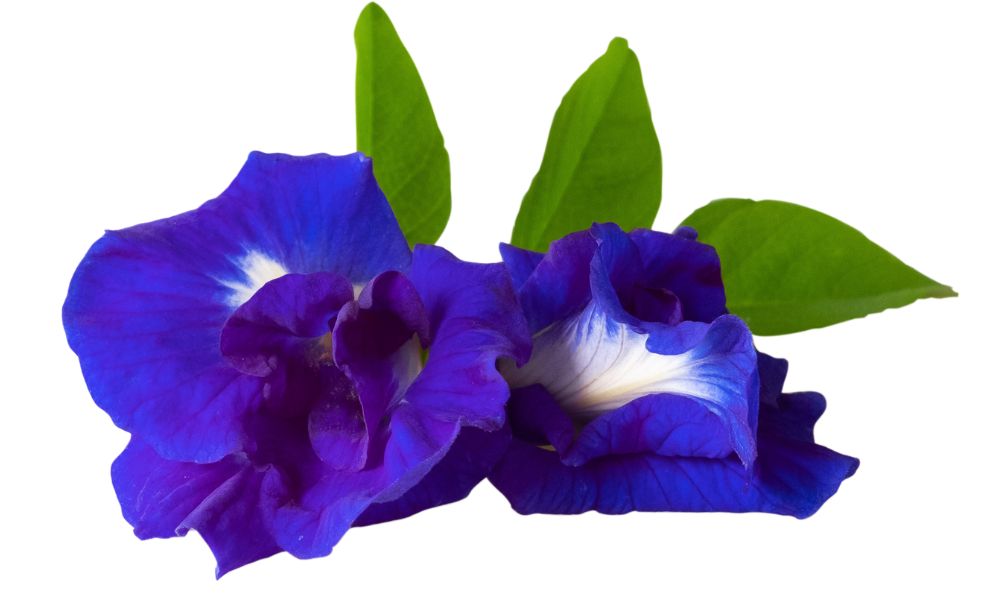
Butterfly pea flower tea is a caffeine-free herbal infusion made from the dried flowers of Clitoria ternatea, a climbing plant native to Southeast Asia.

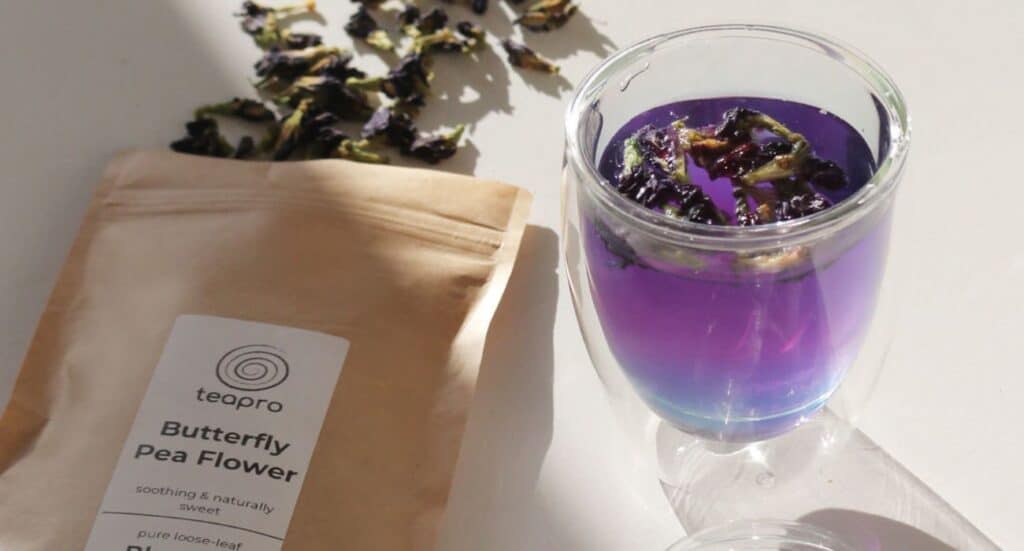
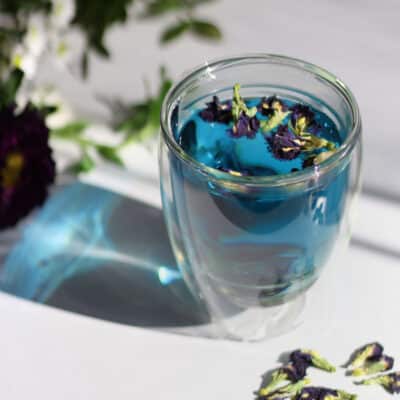
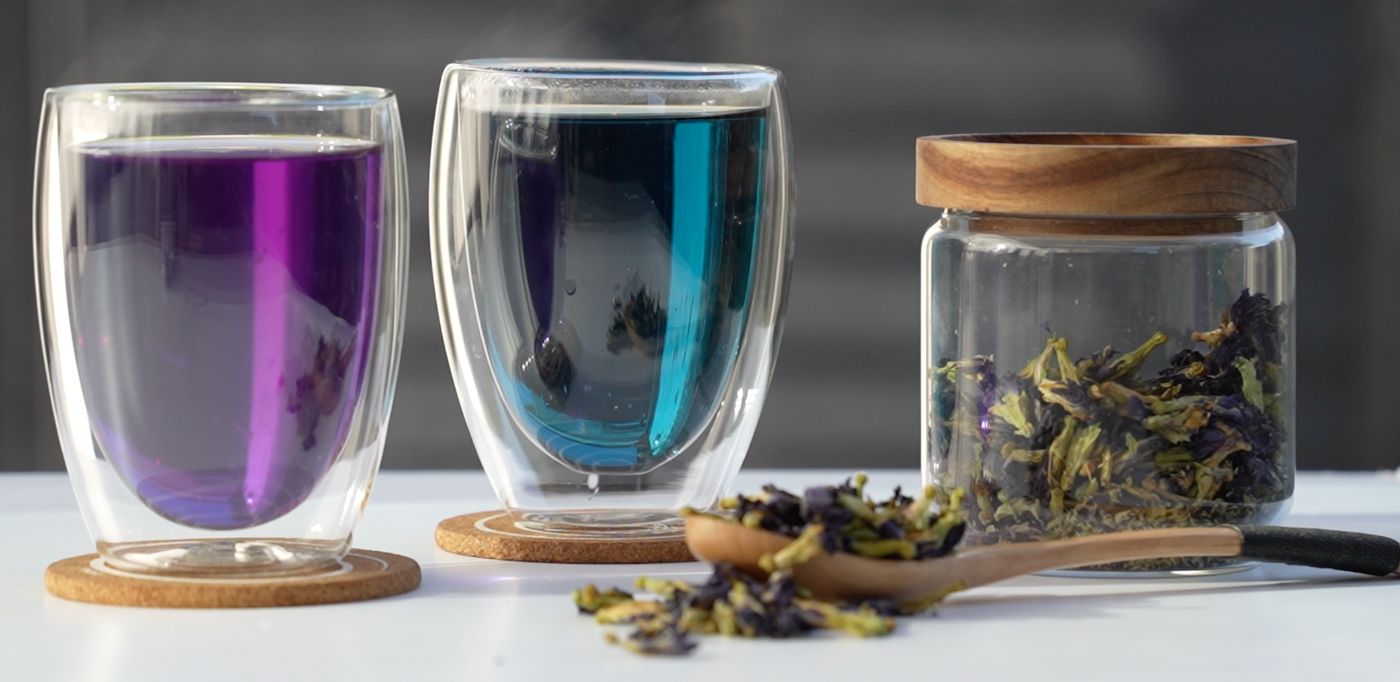
When you steep the dried flowers in hot water, the liquid turns a deep, vivid blue – a colour so striking that it’s often described as “unnatural” despite being entirely plant-derived.

Unlike most teas (which come from the Camellia sinensis plant), butterfly pea flower tea is a true herbal tisane.

There are no tea leaves involved. Just the flowers, steeped in water.

butterfly pea flower tea

It goes by several names:

  • Butterfly pea tea – the most common name in the UK
  • Blue tea – named for its colour
  • Anchan or Nam Dok Anchan – the Thai name, used widely in Southeast Asia
  • Aparajita tea – the name used in parts of India, where it features in Ayurvedic tradition

Where does butterfly pea tea come from?

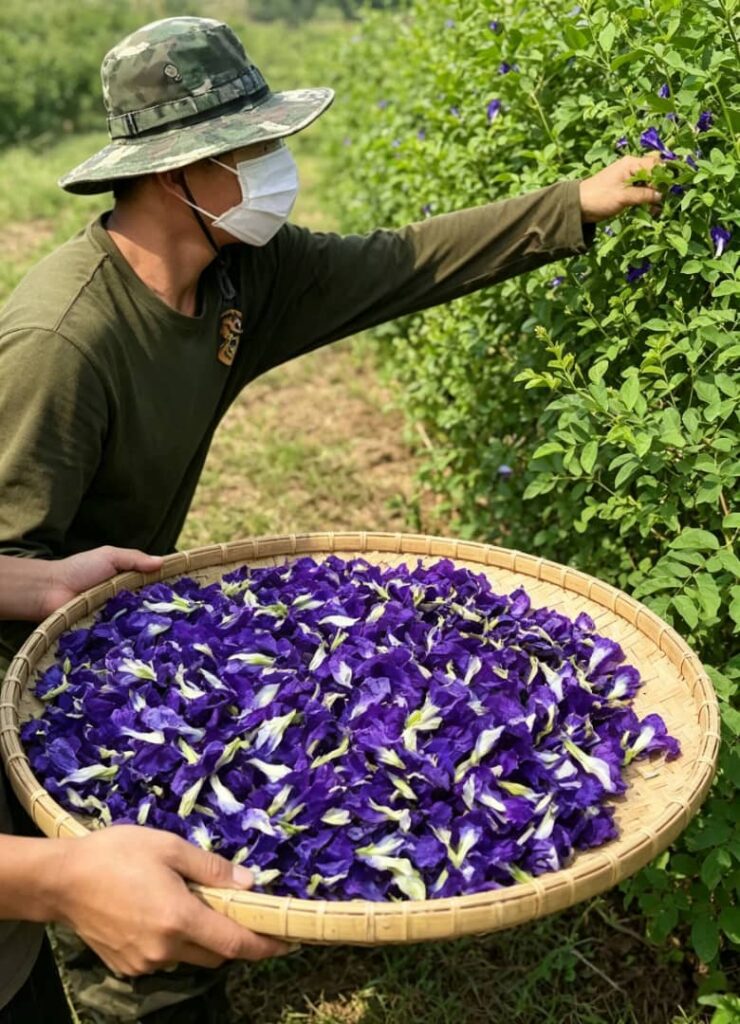
The Clitoria ternatea plant is native to tropical and subtropical Asia, with particularly deep roots in Thailand, Malaysia, Myanmar, and the wider Southeast Asian region. It’s a hardy, fast-growing vine that produces vivid blue flowers throughout much of the year, especially during the rainy season.

In Thailand, the flowers have been used for centuries in both traditional medicine and everyday cooking. The tea – known locally as Nam Dok Anchan – is a staple in Thai cafes and street stalls, typically served cold over ice with a wedge of lime. Watch what happens when the lime hits the blue tea: the colour shifts immediately to purple or pink. It’s a trick that never gets old, and Thai vendors know exactly how to make it look spectacular.

The plant also has deep roots in Indian Ayurvedic medicine, where it has traditionally been used as a brain tonic, supporting memory, focus, and mental clarity. In parts of India, the blue flowers are offered in Hindu religious ceremonies.

What’s interesting from a sourcing perspective is that butterfly pea grows best in warm, humid climates with well-drained soil. It’s typically harvested by hand in the early morning, when the flowers are at their freshest and most pigment-rich. At Teapro, that provenance matters – which is why we go directly to Thailand rather than sourcing through intermediaries.

What does butterfly pea tea taste like?

If you’re expecting a bold, punchy flavour, butterfly pea tea will surprise you – in a good way.

The taste is mild, earthy, and gently woody, with a subtle floral quality that sits in the background rather than dominating the cup. Some people compare it to a very light green tea, but without any of the grassiness or astringency. It’s smooth, clean, and genuinely easy to drink.

On its own, it’s understated – which actually makes it an exceptionally versatile tea. It works as a blank canvas that you can adapt to your mood:

  • Add honey for a soft, floral sweetness
  • Add lemon or lime for a citrus lift (and a colour change – more on that below)
  • Add ginger for a warming, spiced version
  • Add oat or coconut milk for a blue latte that looks extraordinary and tastes even better
  • Cold brew overnight for a naturally light, refreshing iced tea

One honest note: if you’re a tea drinker who loves strong, robust flavours – a bold Assam, a smoky Lapsang – butterfly pea tea won’t deliver that intensity. Its character is quieter and more contemplative. But that’s precisely the point for many people who reach for it.

Why does butterfly pea tea change colour?

This is the part everyone asks about – and the science behind it is genuinely beautiful.

Butterfly pea flowers are rich in a group of plant pigments called anthocyanins – the same compounds responsible for the deep blues and purples in blueberries, blackcurrants, and red cabbage. What makes anthocyanins unusual is that they are pH-sensitive: they change colour depending on how acidic or alkaline their environment is.

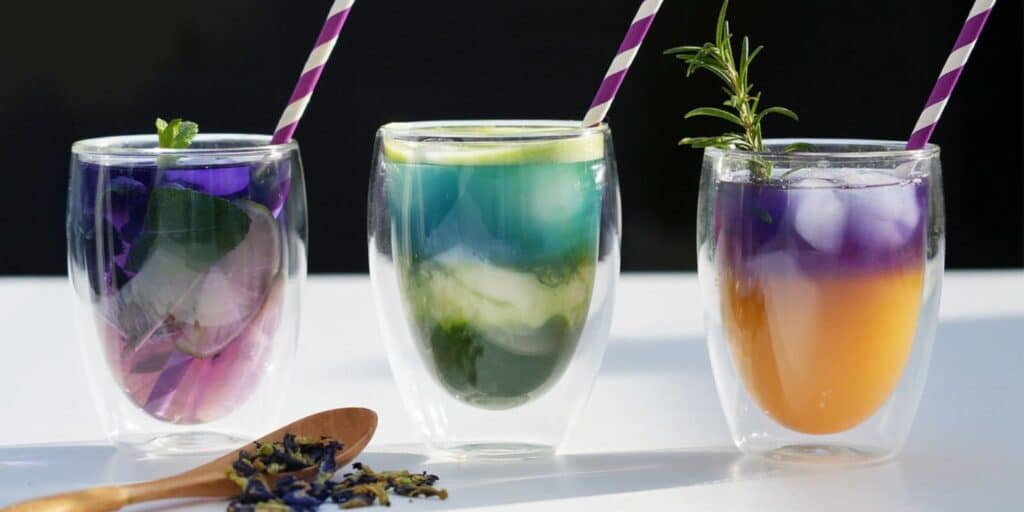
Brewed butterfly pea tea sits at a neutral-to-slightly-alkaline pH, which produces the characteristic deep blue. When you add something acidic – lemon juice, lime juice, hibiscus – the pH drops, and the anthocyanins shift structure, producing a vivid purple or pink.

What you addpH effectColour result
Nothing (plain water) Neutral/alkaline Deep blue
Small squeeze of lemon Mildly acidic Soft purple
Generous pour of lime juice More acidic Magenta/pink
Hibiscus tea Acidic Purple-pink

The more acid you add, the more dramatic the shift. A small squeeze of lemon gives a soft purple. A generous pour of lime juice takes it all the way to magenta.

This isn’t a dye trick or a processing quirk. It’s straightforward chemistry happening with completely natural compounds, in real time, in your cup.

A few other things that affect the colour:

  • Your water mineral content – harder water tends to sit at a higher pH, which can make the blue appear deeper or slightly more blue-green. Soft water often produces a more vivid, classic blue.
  • Steep time – the longer you steep, the more pigment is extracted, and the deeper the blue.
  • Temperature – hot brewing extracts colour more efficiently than cold, though cold brewing overnight gives a beautiful, crystal-clear result.

How to brew butterfly pea tea

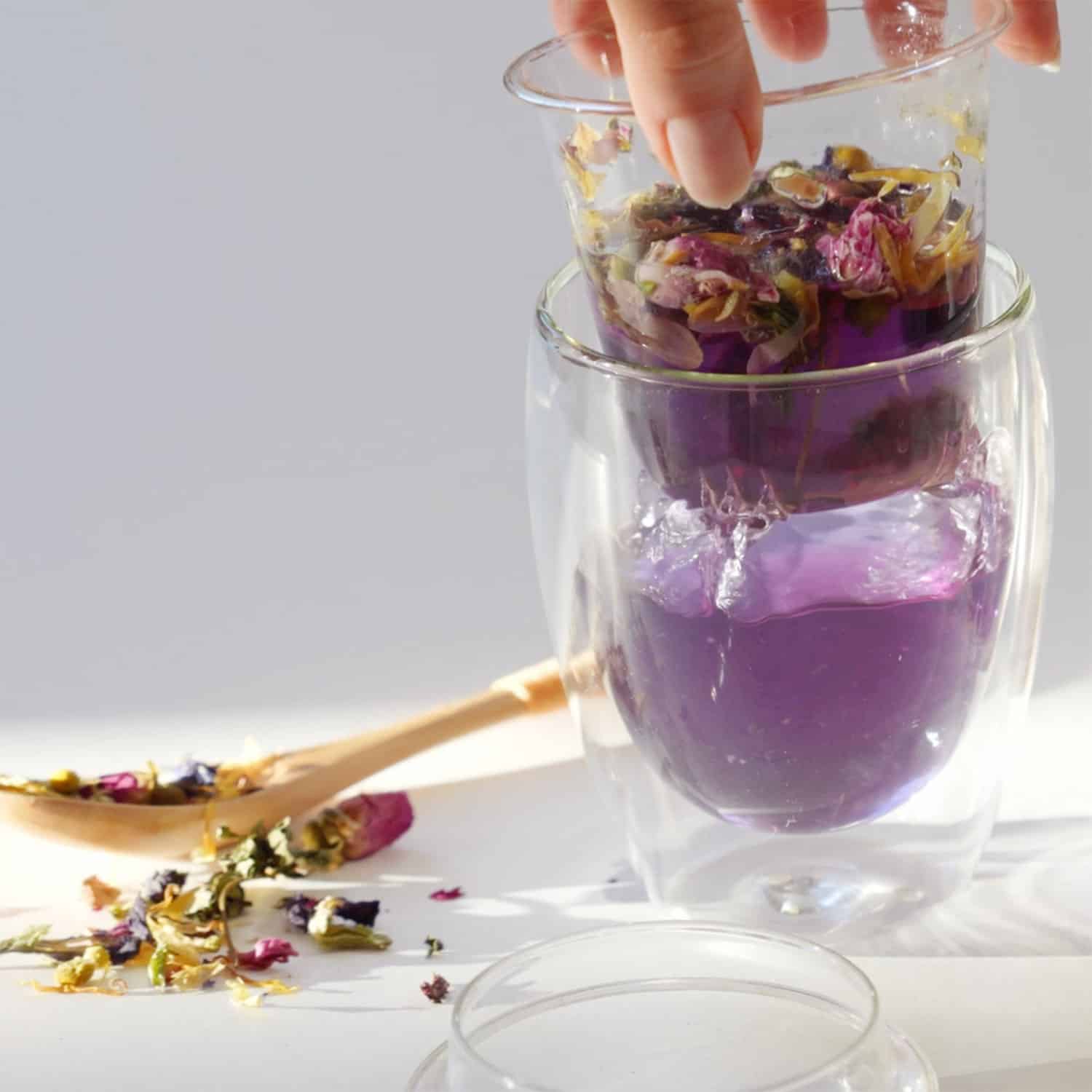
Brewing butterfly pea tea correctly takes about five minutes, and the result is dramatically more satisfying than a teabag.

Hot brewing
  • Water temperature: 100°C (freshly boiled)
  • Amount: 2-3g of dried flowers per 350ml (roughly 1-2 teaspoons)
  • Steep time: 3-5 minutes

The colour develops quickly – you’ll see the water turning blue within the first minute. At 3 minutes, you’ll have a light, clear blue. At 5 minutes, a deeper, richer blue. Don’t be afraid to experiment with steep time based on how intense you want the colour.

Strain the flowers out, then serve. A small strainer works well; you don’t need specialist equipment.

At Teapro, we believe the best way to understand a tea is to taste the real thing – pure, unadulterated, and exactly as nature intended. Our butterfly pea flowers are sourced directly from South East Asia with no artificial colouring, additives, or flavourings.

The colour-change trick

Once brewed, squeeze in fresh lemon or lime juice and stir. The colour shifts before your eyes from deep blue to purple or pink – the speed of the change is genuinely startling the first time you see it. Add citrus gradually to control the final shade.

Cold brewing

Cold brewing is arguably the best way to drink butterfly pea tea in warmer months.

  • Add 3-4g of dried flowers to 500ml of cold water
  • Leave in the fridge for 8-12 hours (overnight is ideal)
  • Strain and serve over ice

Cold-brewed butterfly pea tea is naturally slightly sweeter and softer in flavour than hot-brewed. The colour is a clear, luminous blue – stunning over ice with a sprig of mint.

As a blue latte

Brew a double-strength batch (use twice the usual amount of flowers), strain, then add heated oat milk or coconut milk. The result is a vivid blue-grey latte that looks extraordinary and tastes gently floral and earthy. A small spoon of honey rounds it off.

As a natural food colouring

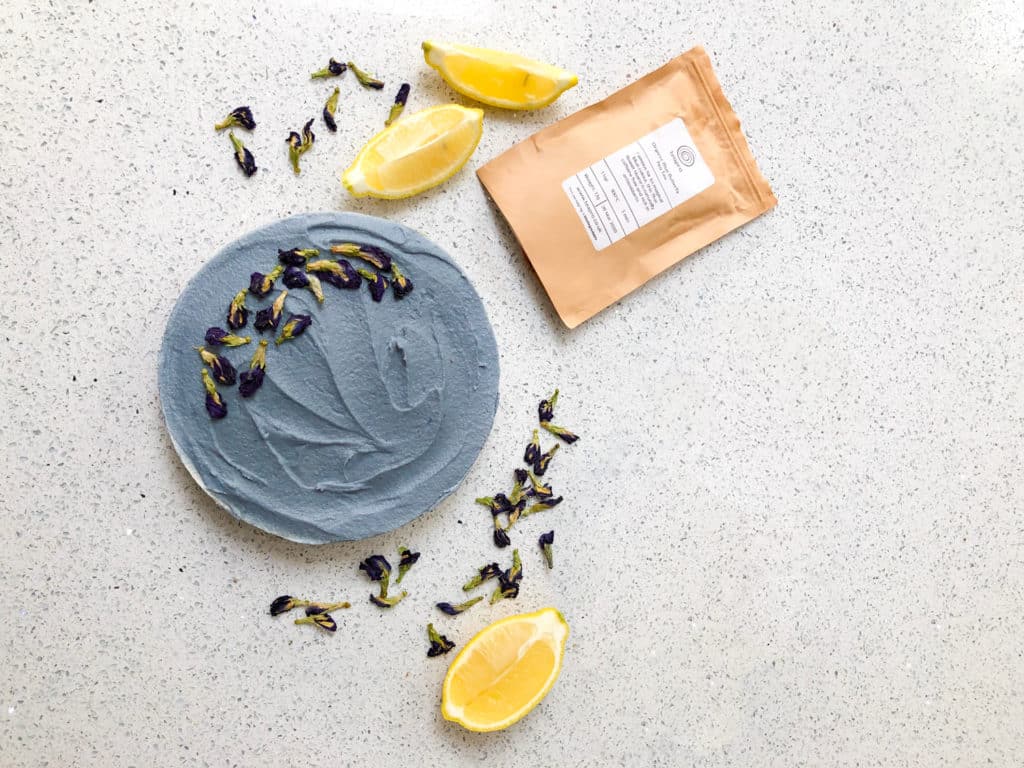
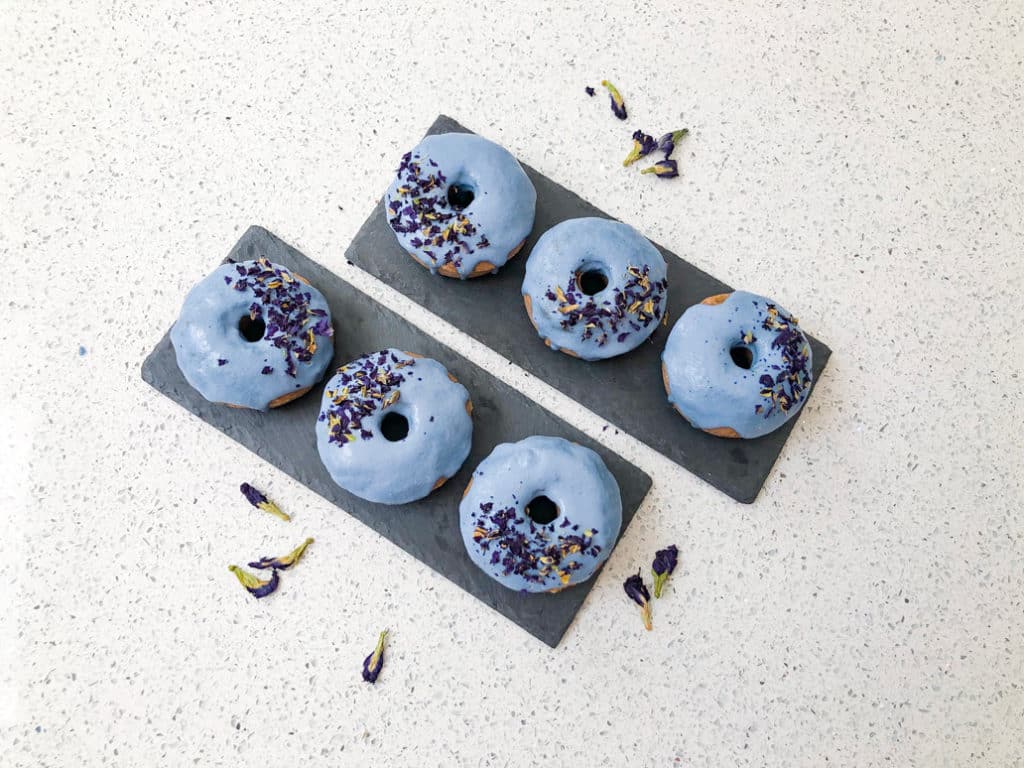
Because the blue is so intense and entirely natural, butterfly pea tea can be used to colour rice, cakes, pasta dough, cheesecakes, glazes, and cocktails. We have a Blue Vegan Cheesecake and Blue Glazed Donut recipe on the Teapro blog that show exactly how well it works in the kitchen.

The nutritional profile of butterfly pea tea

Butterfly pea flowers contain a notable range of bioactive compounds – the substances that do the interesting work in the body:

CompoundWhat it isKey benefit
Anthocyanins The pigments that give butterfly pea tea its vivid blue colour Powerful antioxidants that neutralise free radicals and help protect against cellular ageing
Flavonoids A broad family of plant antioxidants found across many herbs and flowers Help protect cells from oxidative stress - a key driver of chronic disease risk
Catechins Antioxidants more commonly associated with green tea, also present here Anti-inflammatory and cardiovascular-protective properties
Proanthocyanidins Compounds that support healthy circulation in small blood vessels May benefit the capillaries supplying the eyes and brain
Terpenoids and alkaloids Naturally occurring plant compounds with a long history of traditional use May contribute to the anti-inflammatory and antimicrobial properties of the plant

In terms of macronutrients, butterfly pea tea is essentially calorie-free, contains no caffeine, no fat, no protein, and no significant carbohydrates.

It does contain trace vitamins and minerals – including vitamin C, vitamin A, and iron – though not in quantities that would make it a meaningful nutritional source on its own.

Is butterfly pea tea caffeinated?

No. Butterfly pea flower tea is completely, genuinely caffeine-free. Not “low caffeine” – zero caffeine. This is because caffeine is produced by the Camellia sinensis plant (the source of black, green, white, and oolong teas). Butterfly pea tea is made from a completely different plant, with no caffeine at all.

This makes it an ideal tea for:

  • Evening drinking – when you want something comforting without disrupting sleep
  • Anyone reducing caffeine intake – whether for health reasons, pregnancy, or preference
  • Children – with appropriate moderation, as with any herbal tea
  • Coffee-to-tea switchers – who find caffeinated teas too stimulating

It also means you can drink it at any point in the day without it affecting your energy levels or sleep quality.

Is butterfly pea tea safe?

For most healthy adults, butterfly pea tea is considered safe when consumed in normal amounts – around 2-3 cups per day is the typical guidance from herbal tea practitioners.

A few considerations worth being aware of:

If you are pregnant or breastfeeding: Caution is recommended. Some traditional sources suggest the plant may stimulate uterine contractions in high doses, and the research base for this population is limited. Check with your doctor before drinking it regularly.

If you take prescription medication: The interactions between butterfly pea flower and specific medications are not fully established. As with any herbal tea, it’s worth checking with a healthcare professional if you’re on regular medication.

Digestive sensitivity: Very high consumption can occasionally cause mild digestive discomfort in sensitive individuals. The 2-3 cup daily guideline covers most people.

Allergic reactions: Rare, but possible as with any plant product. If you’re trying it for the first time, start with a small amount.

The key point is that butterfly pea tea is a herbal tisane – not a pharmaceutical intervention. It’s been consumed across Southeast Asia for centuries. As long as you approach it with the same sensible moderation you’d apply to any herbal tea, it’s a safe and genuinely pleasurable addition to your routine.

Butterfly pea tea in traditional medicine

Long before it appeared in UK tea shops and on TikTok, butterfly pea flower had an established place in Southeast Asian and South Asian traditional medicine.

In Thailand, it was used as a traditional remedy for hair loss and as a tonic for the eyes – uses that modern research is now beginning to examine more closely.

In Ayurveda (Indian traditional medicine), the plant – known as Shankhpushpi or Aparajita – was classified as a brain herb: a substance believed to sharpen memory, improve learning, and calm the nervous system. It was used in formulations targeting cognitive function and mental fatigue.

Across Southeast Asia, the flowers were used as a natural dye for food and textiles, and as an ingredient in traditional remedies for fever, inflammation, and skin conditions.

What’s notable is how consistent the traditional uses are across different cultures that developed their knowledge of this plant independently. Memory support, eye health, anti-inflammatory effects – these appear repeatedly in the traditional record, and they’re the same areas that modern biochemical research is now beginning to explore.

How does butterfly pea tea compare to other herbal teas?

It helps to understand where butterfly pea tea sits relative to other popular herbal options:

Versus chamomile: Chamomile is more strongly calming and has a sweeter, more distinctive flavour. Butterfly pea tea is more subtle in both respects – lighter, more versatile.

Versus hibiscus: Hibiscus is tart, bold, and vivid red. Butterfly pea tea is milder and blue. They’re actually complementary – combining both produces a beautiful purple tea.

Versus peppermint: Peppermint is cooling and assertive. Butterfly pea tea is gentle and earthy. Very different moods.

Versus green tea: Both are light and earthy, but green tea contains caffeine and has a more complex, sometimes grassy flavour. Butterfly pea tea is simpler, softer, and entirely caffeine-free.

Versus rooibos: Both are caffeine-free and naturally mild. Rooibos is warmer and nuttier; butterfly pea tea is more floral and visually dramatic.

If you’re new to herbal teas, butterfly pea tea is one of the most accessible entry points – gentle in flavour, striking in appearance, and flexible enough to be enjoyed in dozens of different ways.

How butterfly pea tea is enjoyed in Thailand

In Thailand, Nam Dok Anchan is both an everyday drink and a point of pride. At street stalls and in cafes across Bangkok, Chiang Mai, and the Thai countryside, you’ll find it served cold in clear glasses filled with ice – specifically so the blue colour is visible before the citrus transformation.

The traditional preparation is simple: strong-brewed butterfly pea tea, chilled, poured over ice, with a slice of lime or lemon served on the side. The vendor (or the drinker) squeezes the citrus in at the table. The colour shifts. People smile. It’s a small ritual that’s been repeated millions of times.

The tea is often sweetened with a little cane sugar or honey, and sometimes infused with lemongrass for an aromatic, herbal depth that works beautifully with the floral character of the butterfly pea.

Where to buy butterfly pea tea in the UK

Butterfly pea tea is increasingly available in the UK, but quality varies significantly. The key things to look for:

  • Pure dried flowers with no additives, artificial colours, or flavourings. Some products blend butterfly pea with other ingredients – which is fine, but check the label carefully.
  • Thailand or Southeast Asian origin – this is where the flowers grow best and where sourcing relationships are most established.
  • No artificial enhancement of the colour – the blue should be entirely natural.


At Teapro, we sell pure dried butterfly pea flowers sourced directly from South East Asia, with no additives or artificial colouring of any kind.

We also offer our Magic Love Potion blend, which pairs butterfly pea with complementary botanicals for a more complex cup.

Loading...
magic love potion herbal tea
Price range: £7.00 through £85.00
Loading...
Butterfly Pea Tea Benefits
Price range: £6.50 through £349.00

Frequently asked questions

Most herbal tea guidance suggests 2-3 cups per day for most healthy adults. There’s no established upper limit, but moderation is sensible with any herbal tea.

Yes, for most people. It’s caffeine-free and well-tolerated. If you have any specific health conditions or are pregnant, check with your doctor first.

It’s caffeine-free, so it won’t disrupt sleep. Some people report a gentle calming effect, consistent with traditional use as a nerve tonic. It’s a good evening tea choice for that reason.


Yes – this is one of its best uses. The blue is intense and entirely natural. It works in rice, cakes, cheesecakes, glazes, pasta, and cocktails. Adding acid (lemon juice, vinegar) will shift it to purple or pink.

A few things affect the colour. Water mineral content plays a role – hard water (higher pH) often produces a deeper or slightly more teal blue, while soft water gives a brighter, more vivid blue, so filtered water is worth trying for the most consistent result.

The amount of tea you use matters too – too many flowers and the brew can turn a deep navy very quickly, making it harder to see that classic vivid blue. Start with less than you think you need and adjust from there.

And finally, teaware makes a real difference: we find the colour effect is most striking in glass, where the light passes through the liquid and the full depth of that blue really comes to life.

They’re the same thing. “Blue tea” is simply the informal name, referring to the colour. Butterfly pea tea and butterfly pea flower tea are the more precise names.

No. Blue lotus (Nymphaea caerulea) is a different plant entirely, with different properties and a different legal and safety profile in the UK. Butterfly pea flower (Clitoria ternatea) is safe and widely consumed.

Your next step

You now know more about butterfly pea flower tea than most people who have been drinking it for years. That is exactly what Teapro is for.

Most people in the UK have experienced a fraction of it. A supermarket chamomile bag. A mass-market peppermint. Perfectly fine – but nowhere near the real thing.

The real thing – pure, whole, unflavoured, brewed correctly – is one of the most genuine sensory experiences available in everyday life. And unlike many pleasures, it is also entirely good for you.

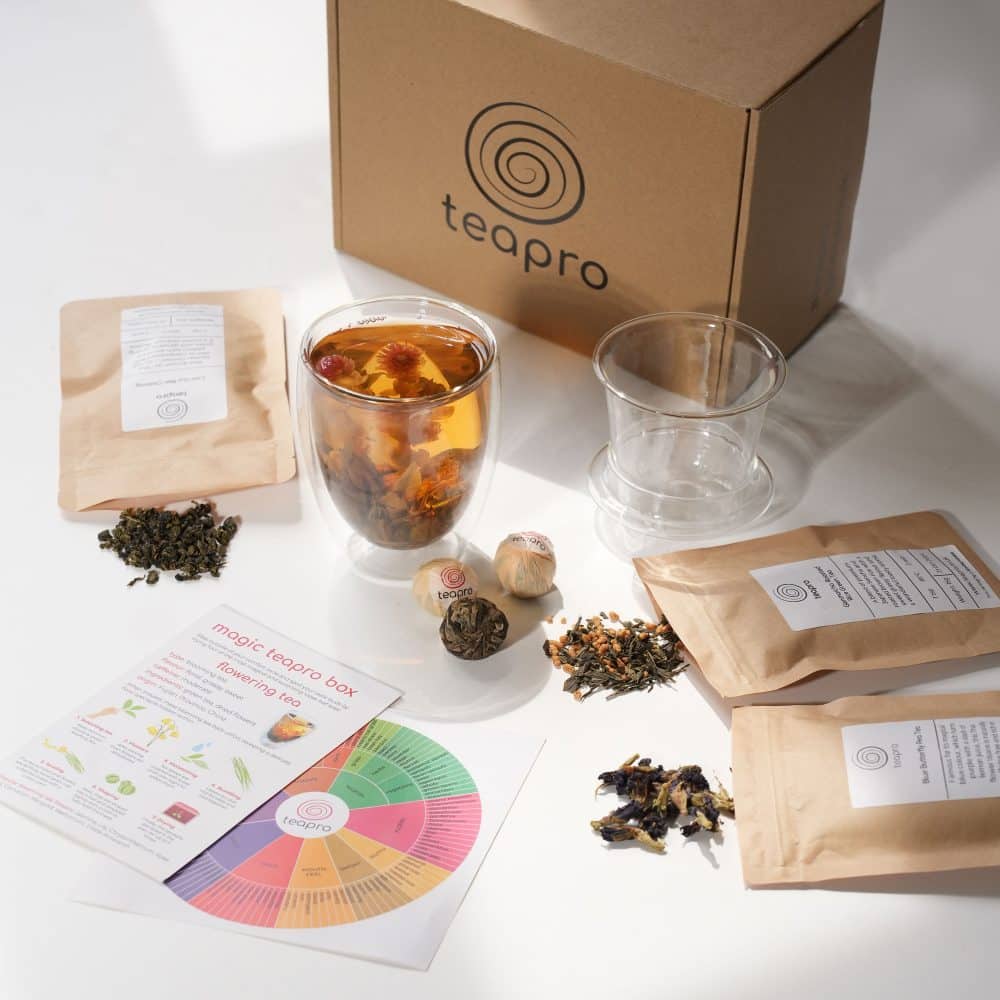
Butterfly pea flower tea features in our Magic Tea Discovery Box – one of 12 boxes in the Become a Teapro programme, each one exploring a different corner of the world’s teas and tisanes. It is the only structured tea education programme of its kind in the UK, and herbal tea is the box where most subscribers are most surprised by what they discover.

Loading...
magic tea gift box - tea gift sets - tea gifts
Price range: £20.00 through £37.00
Loading...

Teapro co-founder. Favourite tea - Long Jing Dragon Well Green Tea. Obsessed with film, photography and travelling.

No Comments

Post A Comment