How to Brew Loose Leaf Black Tea Perfectly (No Bitterness)
Bitterness is one of the most common complaints about black tea – but before you blame the leaf, consider what you are actually brewing with.


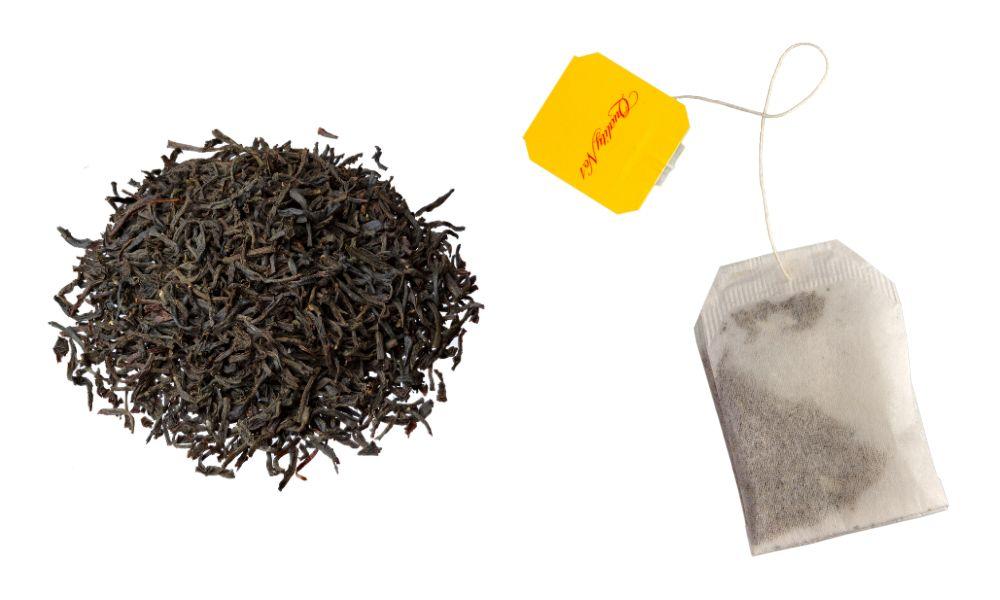
The honest truth is that most bitterness people associate with black tea comes not from loose leaf at all, but from teabags. And there is a structural reason for that.

Teabags are filled with very finely cut or broken leaf – sometimes called fannings or dust – which has a much higher surface area than whole or large-leaf loose tea. More surface area means faster, more aggressive extraction.

A teabag left in a mug for four minutes extracts far more tannins than the same time would pull from a loose leaf tea, simply because the particles are so much smaller.

black tea bitterness

Loose leaf black tea, by contrast, is far more forgiving – it extracts more slowly and evenly, which is one of the main reasons it tends to produce a more balanced, less harsh cup.

That said, loose leaf black tea is not entirely immune to bitterness, and how you brew it does matter. This guide covers everything you need to know on how to brew loose leaf black tea perfectly without the bitterness – starting with the factors that make the biggest difference. 

In this guide

Not all black teas behave the same – origin and leaf grade matter most

This is the detail most brewing guides skip over, and it is probably the most important one. 

Origin makes a dramatic difference to bitterness potential. 


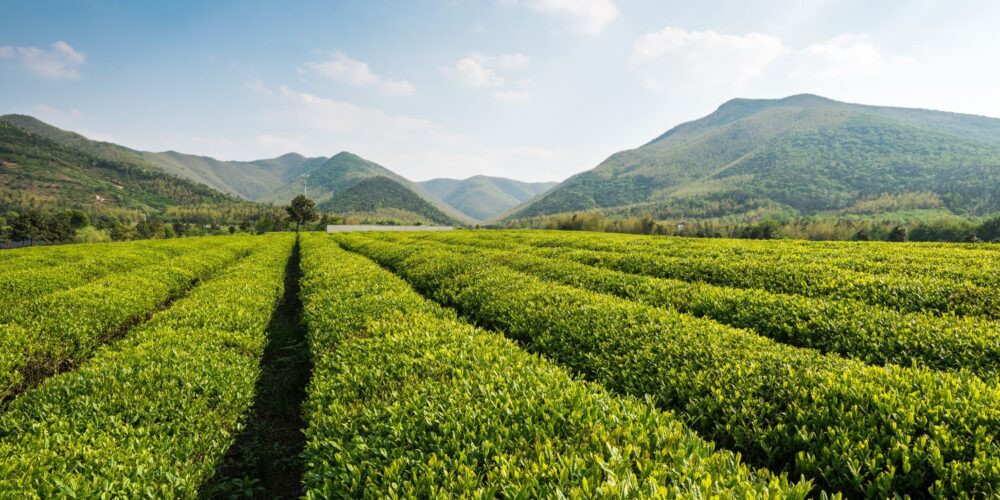
Chinese black teas – known in China as hong cha (red tea) – are among the most forgiving black teas you can brew.

Varieties like Yunnan Dian Hong, Keemun, and Lapsang Souchong are naturally low in astringency, with a smooth, often sweet character that holds up well even if you steep a little longer than intended.

This is partly due to the cultivars used, partly due to processing methods, and partly due to the different chemical profile of Chinese tea-growing regions. If you have ever found black tea too harsh, a Chinese black tea is often a revelation. 

chinese black tea farm -how to brew loose leaf black tea

By contrast, some other black teas – particularly certain South Asian styles like high-grown Assam or strong CTC-processed teas – have a higher natural tannin potential and can tip into bitterness more easily if brewing is off. 

Leaf grade and processing also play a major role. The OPA, FOP, GFOP, BOP and CTC grades you sometimes see on loose leaf tins are not just marketing – they describe the size and condition of the leaf, which directly affects how it brews: 

Tea Leaf Grades
Grade What It Means
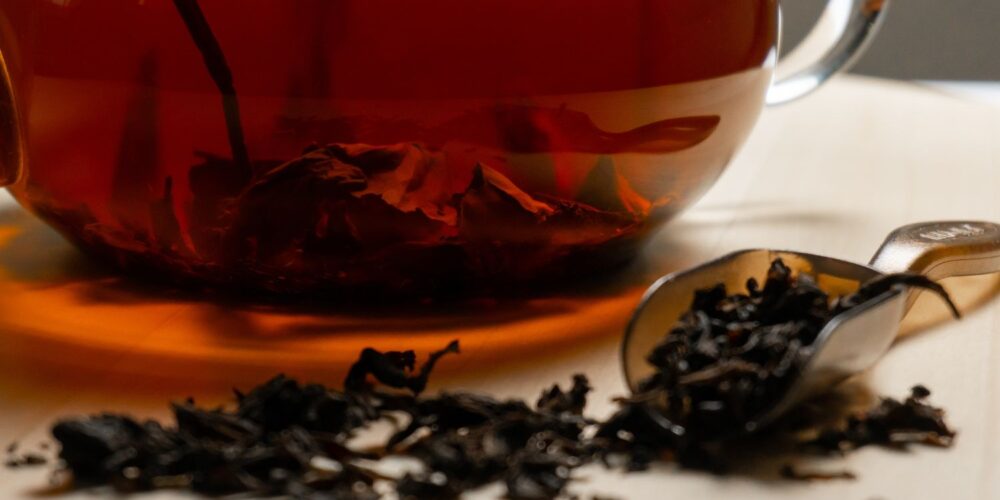
Whole or large-leaf grades (OP, FOP, GFOP and variations) Extract slowly and evenly. These are what most quality loose leaf teas use, and they are naturally more resistant to over-extraction and bitterness.
Broken leaf grades (BOP - Broken Orange Pekoe) Extract faster due to increased surface area. They produce a stronger, brisker cup, which is not a flaw - it is by design for milk-forward breakfast teas - but they require more attention to steeping time.
CTC (Cut, Tear, Curl) A machine-processing method that produces small, pellet-like pieces designed for strong, fast extraction. CTC is the standard for most teabags and many mass-market breakfast blends. In loose leaf form it is less common, but if you encounter it, treat it like a teabag: shorter steep, less leaf, and expect a bolder, more tannic result.

Understanding what you are brewing is the single best starting point for avoiding bitterness – before you adjust temperature or timing. 

Why bitterness happens – what is actually going on

water temperature how to brew loose leaf tea

Bitterness in black tea comes from tannins – polyphenol compounds naturally present in all tea leaves. At the right concentration, tannins contribute structure, body and a pleasant dryness to the finish. Too much, and they overwhelm everything else. 

The key variable is extraction. Tannins dissolve into water progressively over time, and they dissolve faster at higher temperatures. 

The pleasant flavour compounds – brightness, sweetness, malt, floral notes – tend to come out early. Tannins continue extracting beyond that point. This means: 

  • Too long a steep extracts more tannins after the pleasant compounds are already out 
  • Too much heat speeds up tannin release 
  • Too much leaf increases tannin concentration from the start 
  • Finely broken or cut leaf (CTC, fannings) accelerates all of the above 


The good news: all of these variables are within your control.

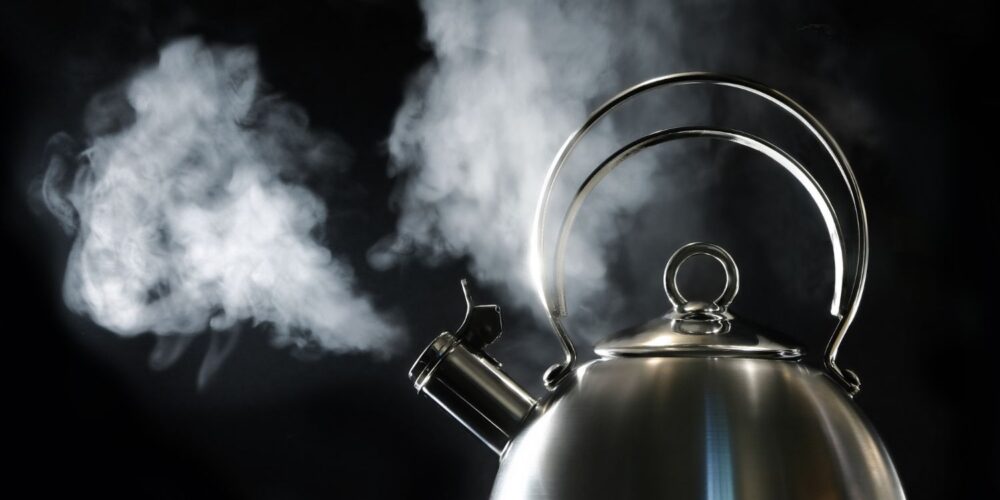
Water temperature

Black tea is a fully oxidised tea and generally handles higher temperatures well – but the right temperature depends on the type of tea you are brewing. 

Black Tea Water Temperature
Temperature Best For Notes
Full boil (100°C) Bold breakfast blends, Assam, CTC-style teas These teas are built for boiling water and will taste thin and underdeveloped if brewed cooler.
Just off the boil (90-95°C) Darjeeling, Chinese black teas (Dian Hong, Keemun), high-quality single-origin loose leaf blacks Volatile aromatic compounds can be damaged by a full rolling boil. Boil your kettle and rest for 60-90 seconds before pouring to preserve muscatel, fruity or honeyed notes.
Practical default (95°C) Most quality loose leaf black teas Works well across the board without risking damage to more delicate varieties.
Re-boiled water (any temperature) Avoid for all tea types Repeated boiling drives off dissolved oxygen. Fresh water, heated once, always produces a brighter, livelier cup.

Steeping time

Steeping time is where most bitterness actually originates when brewing Western-style (one infusion in a mug or teapot). The pleasant flavour compounds are largely extracted in the first two to three minutes; beyond that, you are primarily pulling tannins. 

Recommended steeping times:

Black Tea Steeping Times
Tea Type Steeping Time
Bold breakfast blends (English Breakfast, Assam, Kenyan) 3-4 minutes
Darjeeling first flush 2-3 minutes
Darjeeling second flush 3-3.5 minutes
Chinese black teas (Dian Hong, Keemun) 2-3 minutes
Ceylon 3-4 minutes
Lapsang Souchong 3-4 minutes

Start tasting at the lower end of the range. The difference between 3 and 5 minutes in a bold Assam is significant – at 3 minutes you get a full, bright cup; by 5 minutes it tips toward harsh. Find your preference and be consistent. 

Set a timer. It takes ten seconds and is the single most reliable habit you can build for consistent brewing. 

Leaf quantity

The standard ratio: 1 heaped teaspoon (approximately 2-3g) per 250ml of water. 

Too much leaf is a common mistake, particularly for people used to teabags. Loose leaf extracts more efficiently than broken or fannings-grade tea, so you need less of it. 

If your cup is consistently too strong or bitter even at the right temperature and timing, reduce the leaf quantity first before adjusting anything else. Going from 3g to 2g per 250ml can make a meaningful difference. 

For premium single-origin teas, a small digital scale is worth using – the difference between 2g and 4g is substantial, and teaspoon measurements vary with leaf size and how heaped your spoon is. 2g per 250ml is a reliable baseline to start from. 

Water quality

Hard water – common in many parts of the UK – affects black tea in two ways. The minerals (primarily calcium and magnesium) bind to aromatic compounds and dull the flavour.

They also react with tannins to produce the thin film you sometimes see floating on a freshly brewed cup, which is a mineral reaction rather than a sign of bad tea. 

Filtered water produces a noticeably brighter, cleaner cup, particularly with lighter or more delicate black teas. For bold breakfast blends the effect is less dramatic, but if you are investing in quality loose leaf, filtered water lets you taste what the tea is actually capable of. 

tea water quality

The vessel

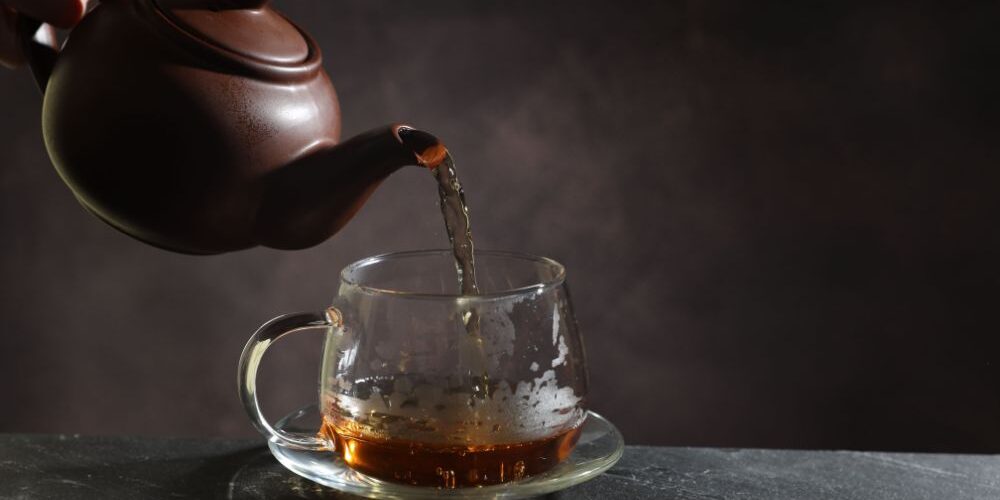
A cold vessel will drop your water temperature the moment you pour, which causes uneven extraction. Pre-warming takes 20 seconds and makes a real difference. 

To pre-warm: pour a small amount of boiling water into your teapot or mug, swirl, and discard. This brings the vessel up to temperature before brewing. 

Good vessels for loose leaf black tea: 

  • Ceramic or porcelain teapot with a strainer basket: excellent heat retention, easy to control steeping time by lifting the basket 
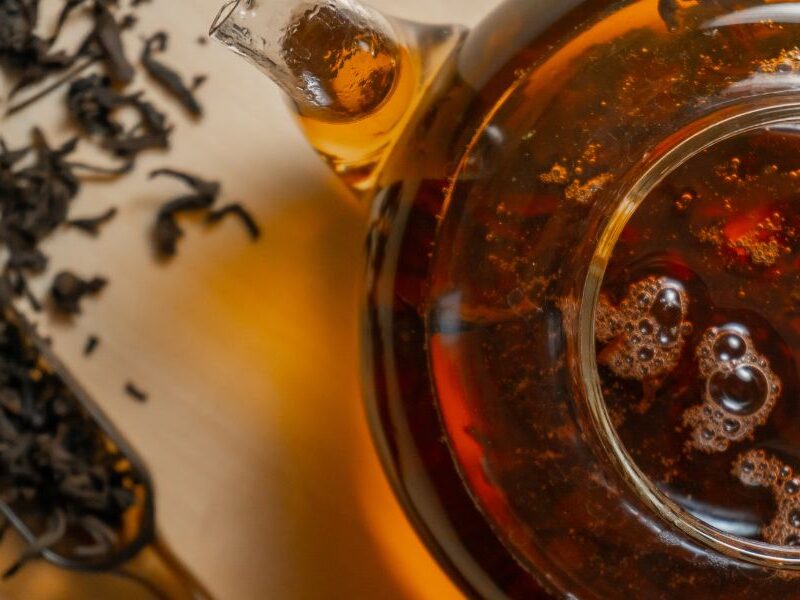
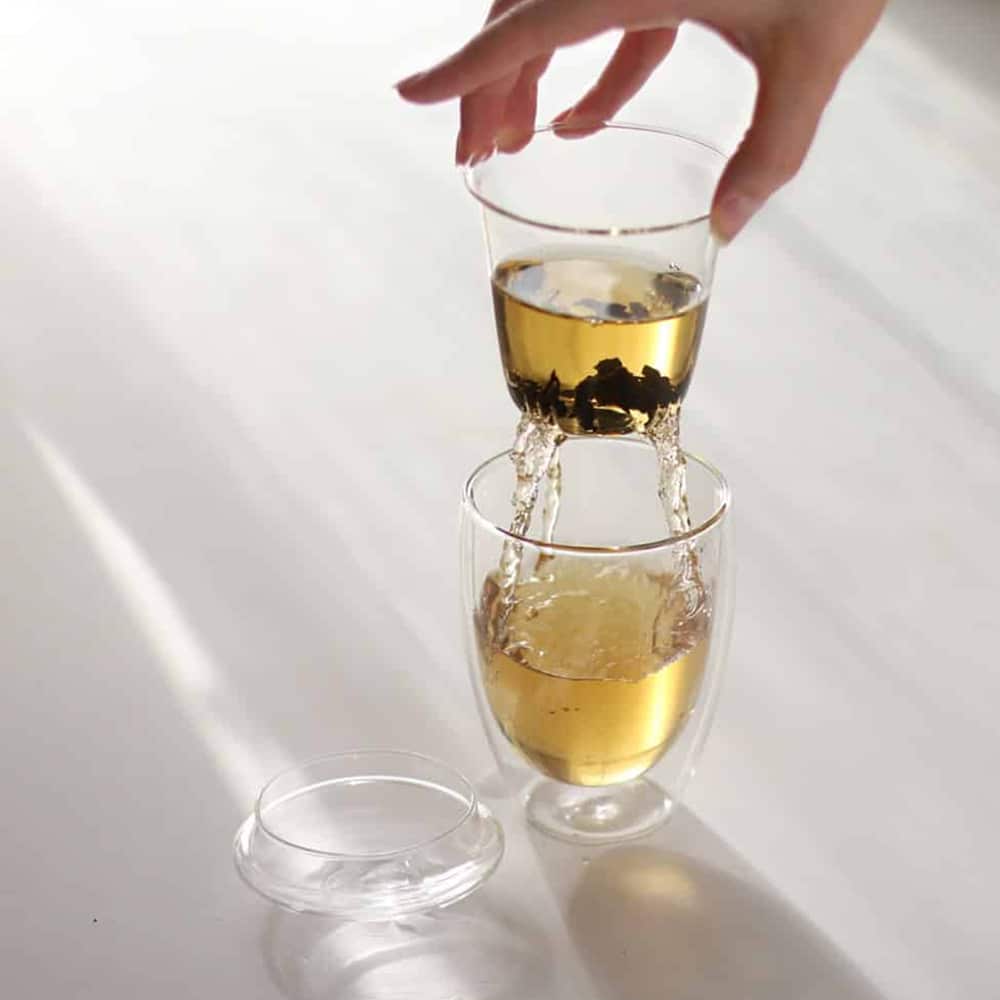
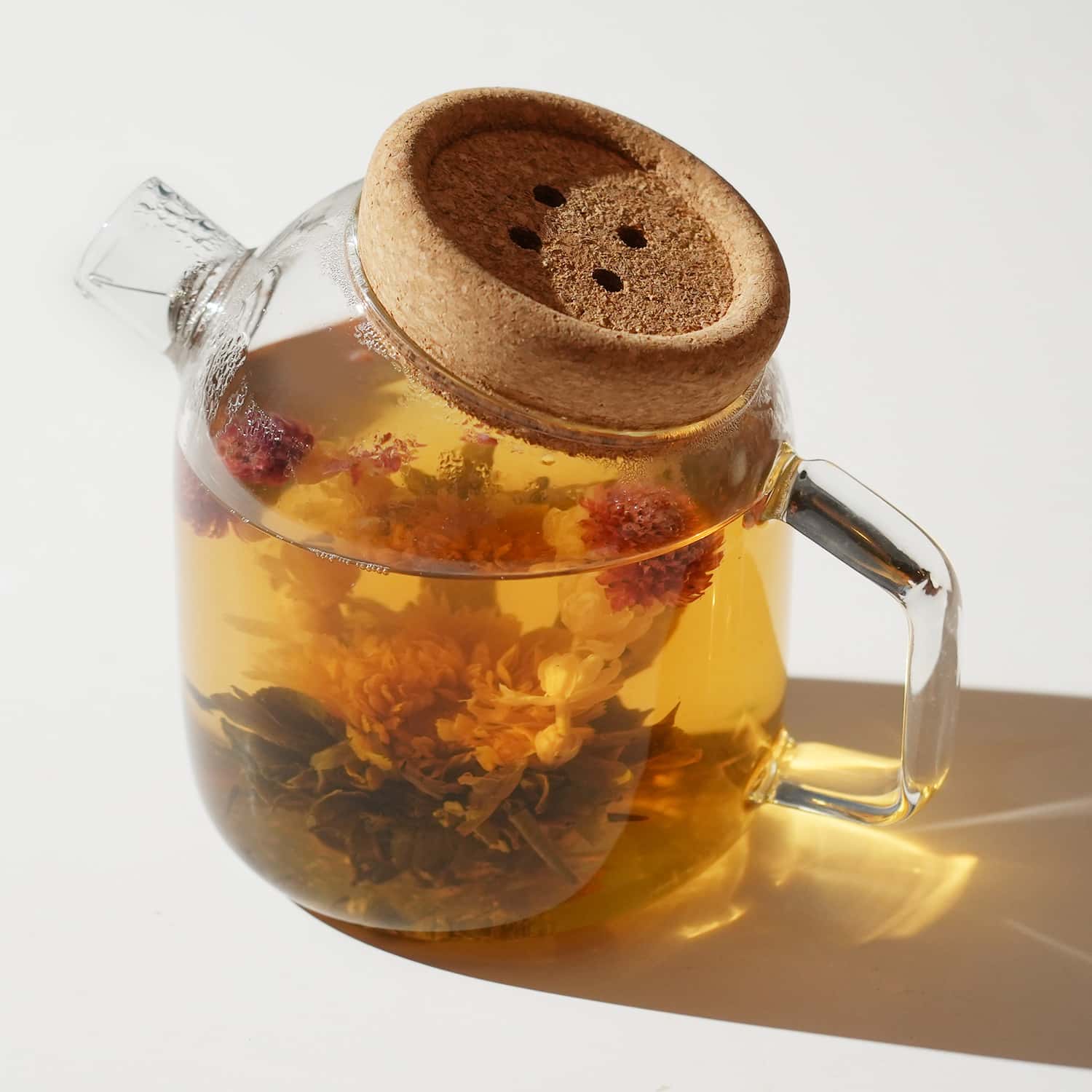
  • Glass teapot with infuser: lets you watch the colour develop and pull the leaves at exactly the right moment 
  • Cast iron teapot: very good heat retention for robust breakfast blends 
  • A mug with a mesh infuser: perfectly effective for a single cup 


Whatever you use: pull the infuser or basket as soon as the timer goes. Leaves left sitting in liquid continue extracting even after the water looks done.
 

Loading...
tea strainer- tea infuser
Price range: £17.99 through £64.00

Milk, sweetener and additions

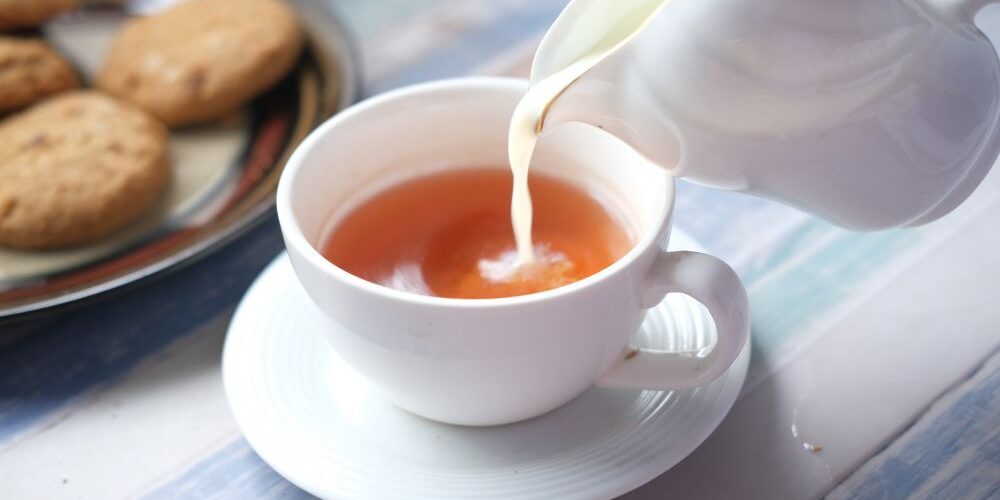
Add milk after brewing, not before. Pouring milk into a cold cup before adding tea interferes with extraction and cools the brew unevenly. Brew the tea properly first, then add milk to taste. 

milk addition how to brew loose leaf black tea

Does milk reduce bitterness? Yes – milk proteins bind to tannins and reduce the perception of bitterness. This is why milk is so commonly added to strong, high-tannin teabag tea: it masks the over-extraction. With properly brewed loose leaf, you should not need milk to correct bitterness – though if you enjoy it, it will soften the body and round the finish. 

On sweetener: a well-brewed loose leaf black tea, particularly a Chinese black like Dian Hong, will often have a natural sweetness that needs no addition. If you find yourself reaching for sugar, try shortening your steep by 30 seconds first – you may find the bitterness you were masking simply disappears. 

Re-steeping loose leaf black tea

Quality loose leaf black tea can be steeped more than once – this is one of the genuine advantages over teabags, which are designed to exhaust their flavour in a single use. 

There are two ways to approach re-steeping, and it is worth being clear about which one you are using.

Re-steeping Methods
Method How It Works What to Expect
Western-style re-steeping Same leaf, same vessel, same temperature. Add around 1 minute to your steeping time for the second steep. A lighter, softer cup than the first. Most quality loose leaf black teas give two good steeps; robust whole-leaf Assams often manage three.
Gongfu-style brewing Shorter steeps (often 30 seconds or less), a higher leaf-to-water ratio, and a small vessel. Popular with Chinese teas. Can produce six or more steeps from the same leaves. Not comparable to a shortened Western steep - it is a different method that deserves its own guide.

For most black tea drinkers at home: brew Western-style, re-steep once or twice, add a minute each time. 

Troubleshooting

Black Tea Troubleshooting
Problem What to Try
The tea is too bitter
  • Reduce steeping time by 30-60 seconds
  • Check water temperature - boiling water on a Darjeeling or Chinese black tea can cause bitterness even at short steep times
  • Reduce leaf quantity (try 2g per 250ml instead of 3g)
  • Use filtered water if on a hard water supply
  • Consider whether you are brewing a CTC or broken-leaf tea, which extracts more aggressively
The tea is too weak or watery
  • Increase steeping time by 30 seconds
  • Add slightly more leaf
  • Check your water is hot enough - cooler water under-extracts
  • Pre-warm your vessel so the temperature stays consistent
The tea tastes flat or dull
  • Use fresh water - re-boiled water loses dissolved oxygen and produces flat tea
  • Check the freshness of your leaf - black tea loses its aroma over time, especially if stored incorrectly
  • Try filtered water - mineral content can suppress aromatic compounds
  • Ensure your tea is stored in an airtight, opaque tin away from heat and light
There is a film on the surface of the cup
  • This is a mineral-tannin reaction, most common in hard water areas
  • Filtered water will reduce or eliminate it
  • It does not significantly affect flavour, but indicates quite hard water

Quick-reference brew guide

Black Tea Brewing Variables
Variable Guidance
Leaf quantity 1 heaped teaspoon (2-3g) per 250ml
Water temperature 100°C for bold breakfast blends and CTC; 90-95°C for Darjeeling and Chinese black teas
Steeping time 2-4 minutes depending on tea type; start tasting at the lower end
Water quality Filtered where possible, especially in hard water areas
Vessel Pre-warm before brewing
After steeping Pull infuser immediately when timer goes
Milk Add after brewing, not before
Re-steeping Add ~1 minute per subsequent steep; most quality loose leaf gives 2 good cups

Frequently asked questions

Check water temperature first – boiling water on a delicate tea like Darjeeling or a Chinese black can cause bitterness even at two to three minutes. Also check leaf quantity and whether your tea is a broken-leaf or CTC grade, which extracts more aggressively than whole-leaf tea. Try reducing to 2g per 250ml and brewing at 90-95°C.

Rarely. Chinese black teas (hong cha) – Dian Hong, Keemun, Lapsang Souchong – are naturally low in astringency and are among the most forgiving black teas to brew. If you are sensitive to bitterness, they are an excellent starting point.

Yes. You can brew directly in a teapot and pour through a small strainer – this is actually the traditional method and gives the leaves the most room to expand. A French press also works well. 

Stored correctly in an airtight, opaque tin away from heat, light and moisture, most loose leaf black teas stay at their best for 12-18 months. After that, flavour compounds fade and the tea tastes increasingly flat. Buy in quantities you will use within a few months for the best experience. 

Yes, significantly. A 2-minute steep extracts considerably less caffeine than a 4-minute steep from the same leaves. If you are caffeine-sensitive, shorter steeping gives you more control than switching teas entirely. 

One heaped teaspoon (2-3g) per 250ml cup is the standard. People used to teabags sometimes overcompensate with loose leaf – it is more efficient than broken or fannings-grade tea, and tablespoon quantities per cup will almost always produce an over-strong, bitter result. 

Yes. Leave the wet leaves in your infuser or teapot and re-steep within a few hours. No need to refrigerate between steeps unless you are making iced tea. The second steep will be lighter and often more subtle than the first. 

If you want something forgiving, a Chinese black tea like Yunnan Dian Hong is an excellent choice – naturally sweet, low in bitterness, and hard to over-extract. If you prefer the classic UK breakfast style, a well-blended English Breakfast using whole-leaf grades is more forgiving than a straight CTC Assam. Once comfortable with the basics, single-origin Assam and Ceylon are natural next steps. 

Two main reasons. First, leaf grade: loose leaf uses larger, higher-quality leaf that brews more slowly and evenly. Second, room to expand: whole leaves need space to open fully during steeping, which is essential to full extraction. Teabags constrain both the leaf grade (fannings and dust) and the physical expansion of the leaf, which limits the flavour regardless of how carefully you brew. 

Want to go deeper on black tea – its origins, how oxidation works, the difference between varieties, and what to look for when you buy? Read our complete guide to black tea. 

This is what we do at Teapro. We do not just sell you the tea – we give you the knowledge to taste what it is actually capable of. That is the difference between drinking tea and becoming a tea pro. 

Loading...
Loading...
black tea gift box
Price range: £25.00 through £42.00

Teapro co-founder. Favourite tea - Long Jing Dragon Well Green Tea. Obsessed with film, photography and travelling.

No Comments

Post A Comment