10 Best Base Herbs Every Tea Blender Needs in Their Pantry

If you have ever tried herbal tea blending at home and ended up with something either painfully bland or overwhelmingly bitter, the problem usually is not your accent herbs, it is your base.

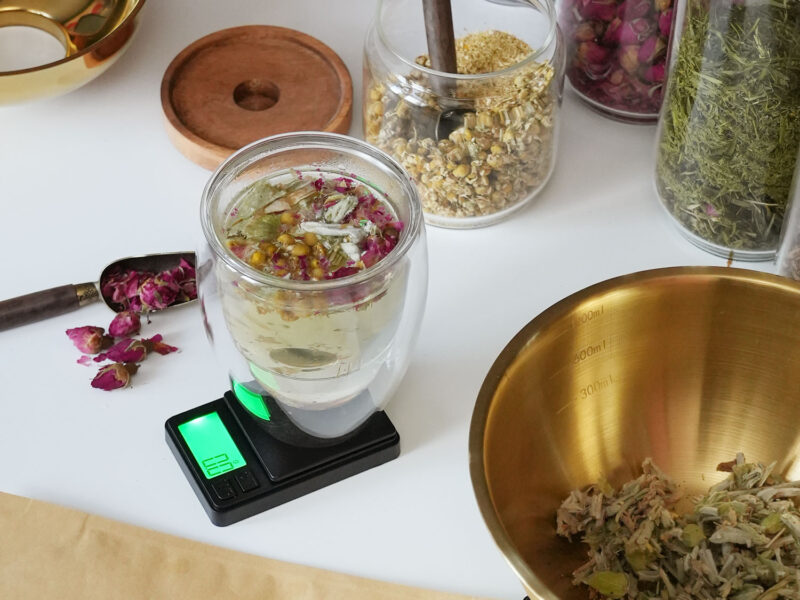
A good blend follows roughly the same structure every time: a mild, drinkable base herb makes up around 70% of the mix, with a smaller amount of a stronger flavour herb and a pinch of something aromatic layered on top.

This guide focuses entirely on that first, most crucial layer, the best herbs for herbal tea blending that serve as your foundation.

These base herbs are gentle enough to drink in large quantities, allowing them to carry the bulk of a mix without overpowering it, while still contributing distinct character and nutrients.

For the complete method behind crafting your own mixes from scratch, our guide to blending your own herbal tea at home covers the entire process in detail.

What’s in This Guide

What Is a Base Herb, and Why 70%?

In herbal tea blending, the base is the herb that makes up the majority of the mix, typically around 70%.

Its job is to be mild enough that you can drink a generous cup without it becoming harsh, sharp, or bitter, while still contributing its own gentle flavour and nutrients underneath everything else.

The remaining 30% is usually split between a stronger flavour herb and a small aromatic accent, ginger, hibiscus, cardamom, citrus peel, that kind of thing.

If you have ever wondered why a homemade blend tastes thin or, alternatively, why it tastes like you are drinking straight medicine, the base is almost always where the imbalance started.

Get the base right, and the rest of the blend has something solid to sit on.

1. Yerba Mate

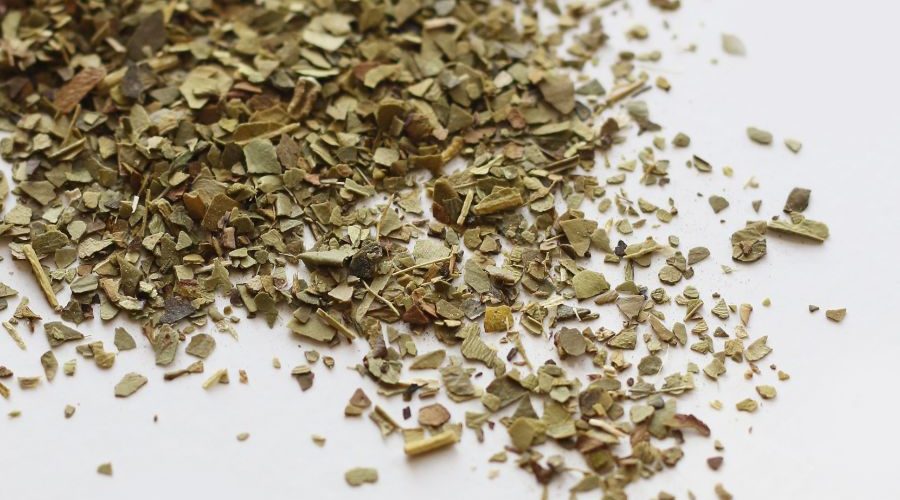
Yerba mate is one of the more assertive options on this list, but it earns its base status through sheer drinkability once you are used to it.

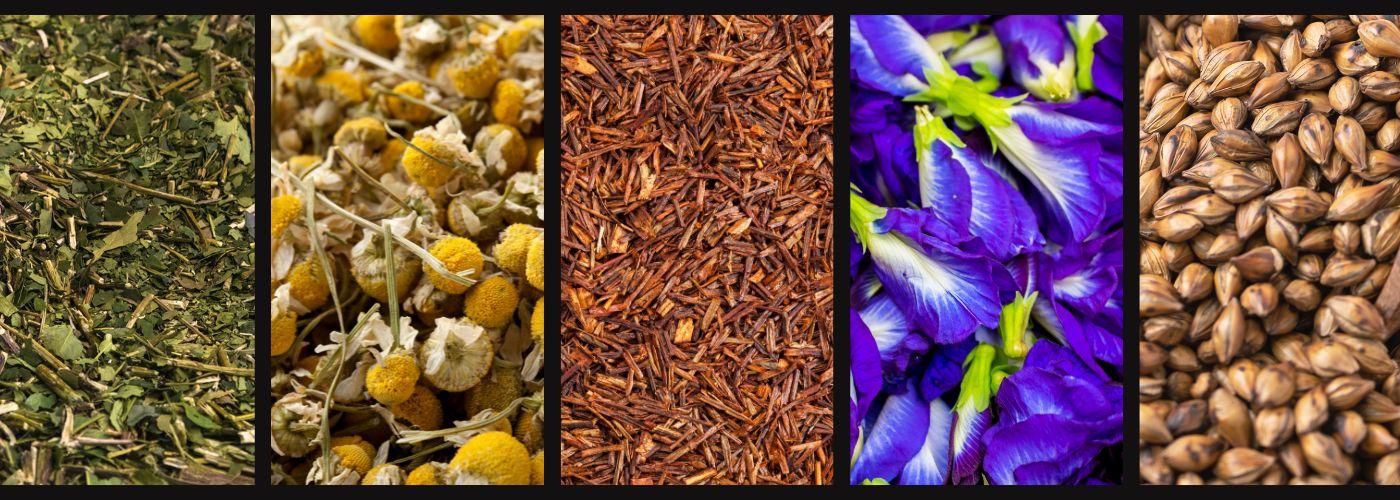
Traditionally consumed throughout the day across South America, it has a grassy, slightly smoky character and a naturally energising lift, making it a genuinely useful base for a morning or focus-oriented blend.

Try both: our Pure Yerba Mate comes as unroasted green yerba mate for a clean, grassy and refreshing starting point, or as roasted yerba mate for a richer, toastier base without the traditional smokiness.

For tea blending, both work brilliantly as a foundational layer – it just depends on the flavour profile you want to build.

2. Rooibos

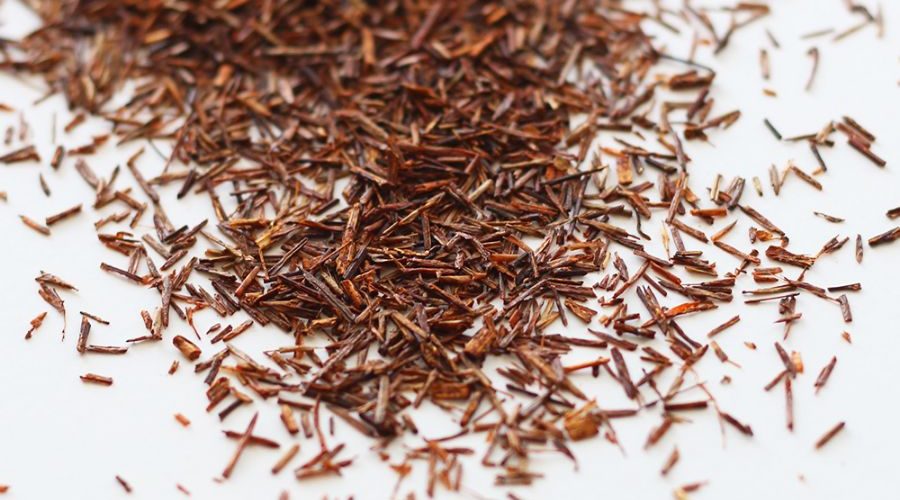
Rooibos is arguably the single most popular base herb in commercial herbal blending, and for good reason.

Naturally sweet, nutty and completely caffeine-free, it is mild enough to drink all day, which is exactly what a good base needs to do. It also takes on other flavours generously, making it a forgiving base for beginners.

Try it: our Rooibos Redbush Tea range includes red, green and lemon variations, each a slightly different base note to build from.

To learn more about this caffeine-free South African red bush – where it comes from, what it tastes like, and its unique antioxidant profile, read our full guide, What is Rooibos Tea? The Complete Guide to South Africa’s Red Bush.

Less common, but just as delicious is Green Rooibos tea – perfect base layer with a more grassy flavour profile.

3. Honeybush

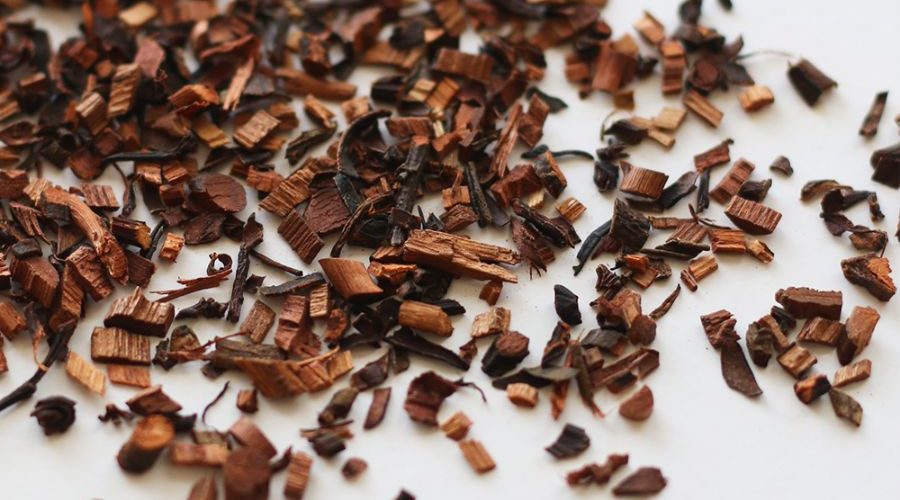
Honeybush is rooibos’s sweeter, gentler cousin, both are exclusive to South Africa, but honeybush leans further into a genuinely honeyed, slightly fruity character.

It is an excellent base for blends where you want natural sweetness to come from the base herb itself rather than added sugar or heavy fruit.

Try it: our Honeybush gets noticeably smoother with each subsequent brew, worth knowing if you like to re-steep.

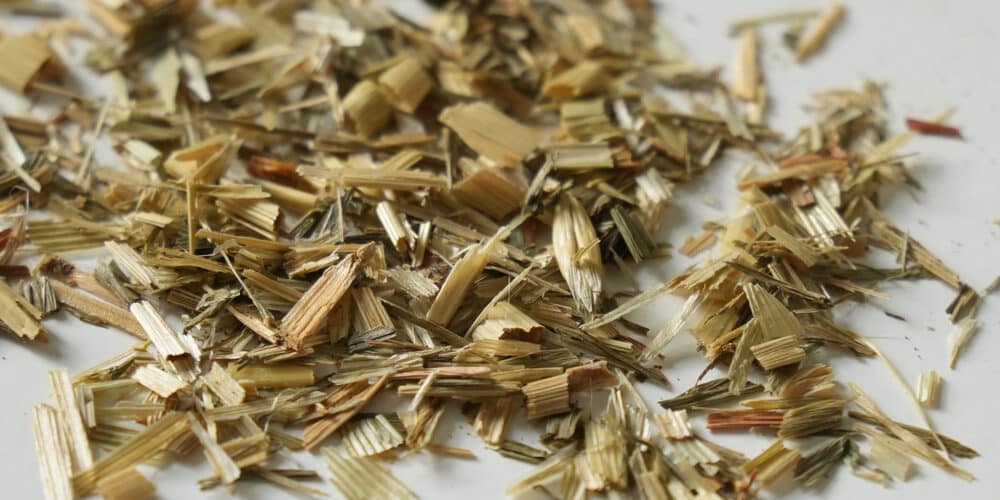
4. Oat Straw

Oat straw comes from the same plant as the oats you might eat for breakfast, but it is the green stalk and leaf rather than the grain.

It has a very mild, faintly sweet, hay-like flavour, genuinely one of the most neutral bases on this list, which makes it an easy way to bulk out a blend without adding much flavour of its own.

Try it: our Oat Straw Tea is about as gentle as base herbs get, a genuinely quiet foundation to build almost any blend on.

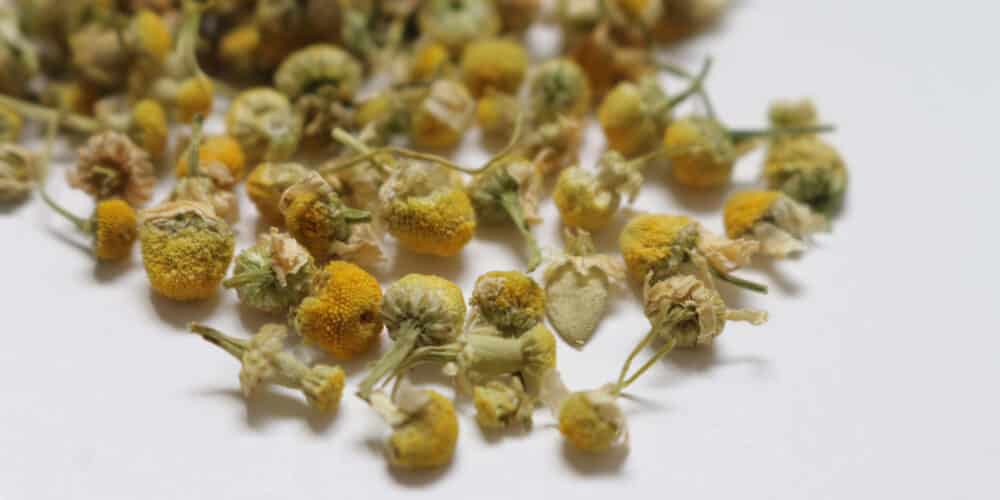
5. Chamomile

Chamomile is one of the most recognisable herbal teas in the world, and while it reads as a flavour in its own right, it is genuinely mild enough to work as a base rather than just an accent.

Its soft, apple-like, floral character sits gently underneath other herbs rather than competing with them, and it is naturally calming, making it a strong choice for evening or bedtime blends.

Try it: our Chamomile Tea is a genuinely versatile starting point, mild enough to drink alone, but happy to carry other herbs too.

If you’re curious how chamomile can help you sleep more soundly and support your overall wellbeing, our full guide, Chamomile Tea: Wellness for Mind, Body, and Soul, breaks down the science behind its calming effects.

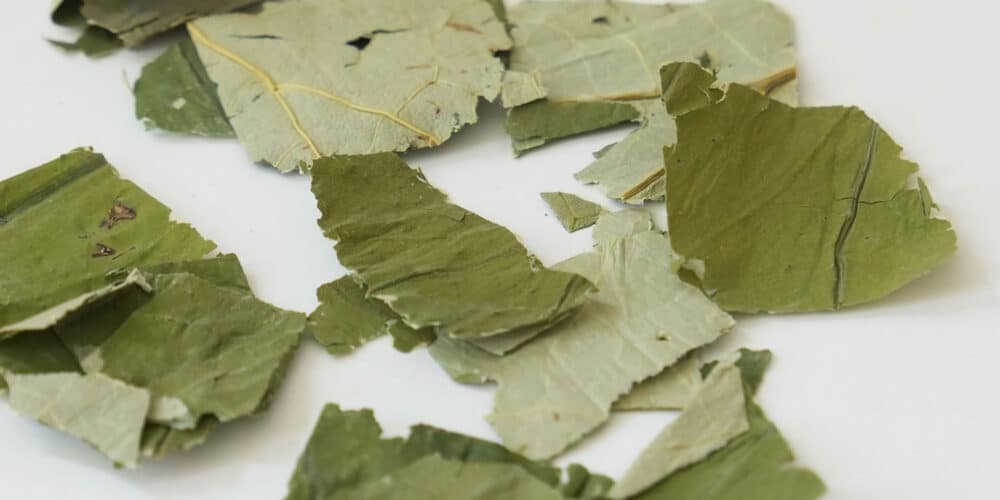
6. Lotus Leaf

Lotus leaf has a mild, earthy, faintly grassy flavour with none of the bitterness its reputation might suggest.

It has a long history in traditional practice, and its gentle character makes it a genuinely useful base for blends where you want a calmer, more grounded flavour profile than something bright or floral.

Try it: our Lotus Leaf Tea pairs particularly well with warming spices layered on top.

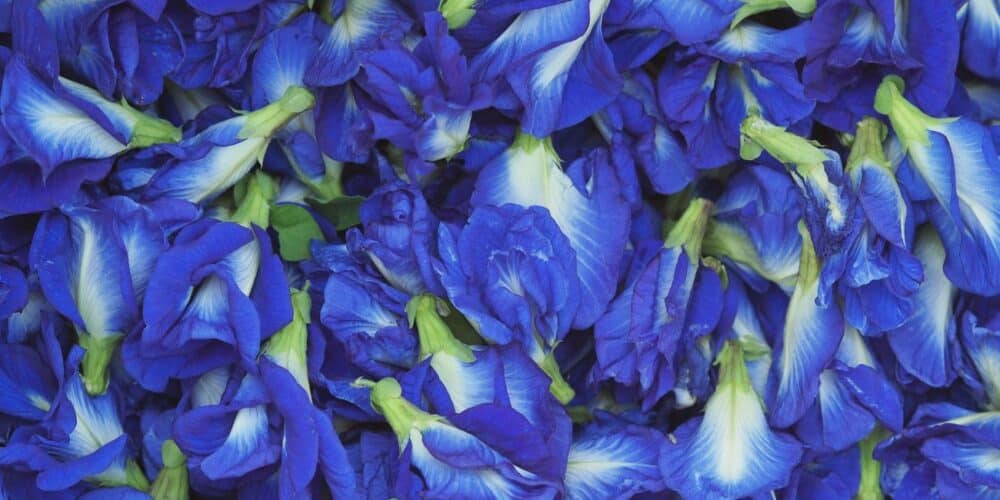
7. Butterfly Pea

Butterfly pea flower is famous for its striking blue colour, which shifts toward purple or pink with the addition of something acidic like lemon, but its flavour is genuinely mild and earthy, easy to overlook next to its visual party trick.

That mildness is exactly what makes it a workable base rather than just a novelty, particularly for blends built around presentation as much as taste.

Try it: our Butterfly Pea Tea is also the base behind our colour-changing Magic Love Potion blend, if you want to see the effect already put together.

If you’re curious how this striking, colour-changing brew fits into a calming evening routine, our full guide, Butterfly Pea Flower Tea: The Complete Guide, covers everything from its caffeine-free profile to its gentle, soothing effects.

8. Greek Mountain Tea

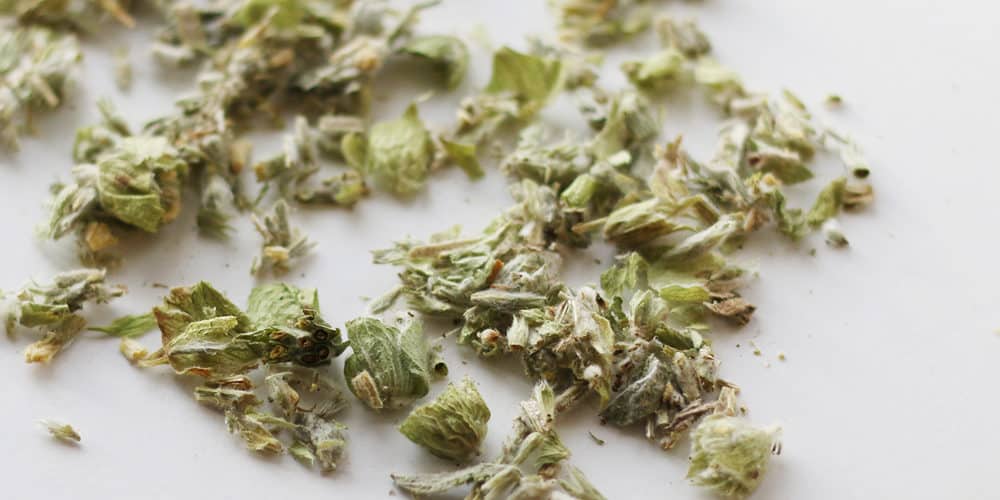
Greek mountain tea, made from Sideritis, has been drunk across Greece for centuries and has a mild, slightly floral, herbaceous flavour with a faintly resinous note.

It is traditionally regarded as a tonic herb, and its gentle character makes it a genuinely interesting, less common base for anyone wanting to move beyond the usual rooibos and chamomile options.

9. Barley

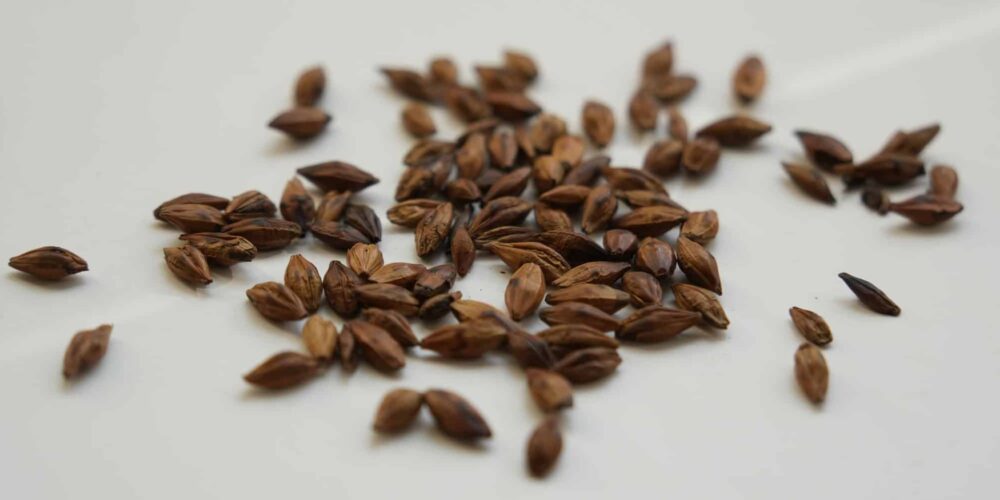
Roasted barley tea is a staple across East Asia, valued for its warm, toasty, faintly nutty flavour that is naturally caffeine-free.

As a base herb, it brings a genuinely different character to a blend, closer to a light roasted grain than a typical herbal note, which makes it a good base for autumnal or evening blends where you want warmth without spice.

10. Bamboo Leaf

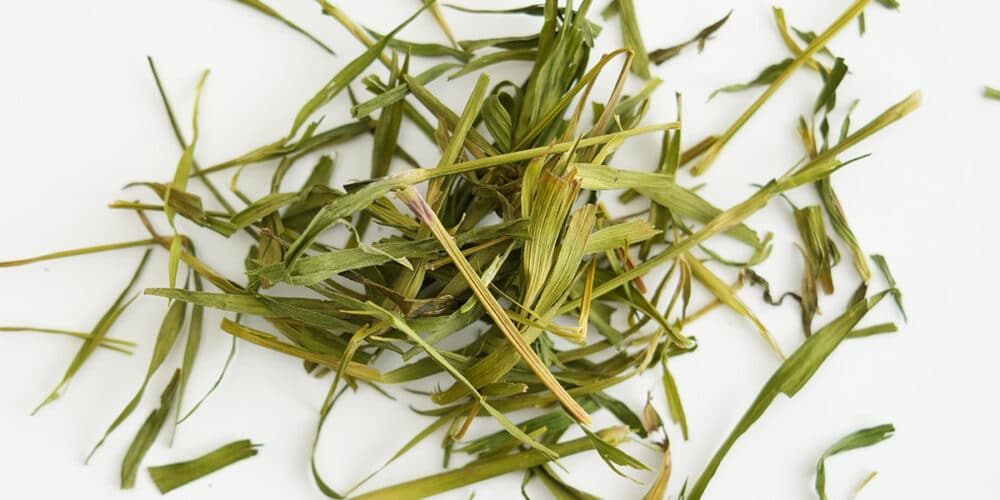
Bamboo leaf is a less common but genuinely interesting base, with a light, faintly sweet, grassy flavour.

It has a long history in traditional practice as a beauty and strength-supporting herb, and its mild character makes it easy to blend with florals or citrus without one overpowering the other.

How to Use These Base Herbs in Your Own Blends

Once you have a base herb you like, building a full blend is mostly a matter of proportion, not complexity.

Step What to Do
Base herb, 70% Start with roughly 70% base herb, one of the ten above, chosen for the flavour direction you want.
Flavour herb, 20% Add around 20% of a stronger flavour herb, this is where things like hibiscus, peppermint, or ginger come in.
Aromatic accent, 10% Finish with around 10% of an aromatic accent, dried citrus peel, lavender, or a warming spice like cardamom.
Test batch first Mix a small test batch first, a tablespoon or two, before committing to a larger jar.
Store properly Store finished blends in an airtight container, away from light, and use within about a year for the best flavour.

This is a simplified version of the process.

For the complete method, including ratios, brewing times and troubleshooting common mistakes, see our full guide to blending your own herbal tea at home.

Frequently asked questions

A base herb is the mild, easily drinkable herb that makes up the majority of a blend, typically around 70%. It carries the bulk of the mix without overpowering it, leaving room for stronger flavour and aromatic herbs layered on top.

Rooibos is generally the easiest starting point. It is naturally sweet, mild, completely caffeine-free, and takes on other flavours well, which makes it forgiving if your proportions are not perfect yet.

Yes. Combining two mild base herbs, rooibos and honeybush, for example, is a common way to build a slightly more complex foundation before adding your stronger flavour and accent herbs.

Most are, rooibos, honeybush, oat straw, chamomile, lotus leaf, butterfly pea and Greek mountain tea are all naturally caffeine-free. Yerba mate is the exception on this list and does contain caffeine.

As a general guide, one to two teaspoons of loose base herb per cup is a reasonable starting point, though this varies by herb density and personal taste, so it is worth adjusting to your own preference.

All ten base herbs in this guide, rooibos, honeybush, yerba mate, oat straw, chamomile, lotus leaf, butterfly pea, Greek mountain tea, barley and bamboo leaf, are available as loose leaf directly from Teapro.

Build Your Pantry, One Base at a Time

You do not need all ten of these herbs at once.

Pick one or two that suit the kind of blends you drink most, energising, calming, sweet, warming, and build outward from there.

Once you understand how a base behaves, choosing the right flavour and accent herbs to go with it becomes far more intuitive.

Loading...
herbal tea gift box - herbalism
Price range: £19.50 through £36.50

Teapro co-founder. Favourite tea - Long Jing Dragon Well Green Tea. Obsessed with film, photography and travelling.

No Comments

Post A Comment