White Tea vs Green Tea: Which Is Healthier?
Both white tea and green tea are celebrated for their health benefits – but if you had to choose one, which would it be?


This guide cuts through the noise with a clear, science-informed look at what separates these two teas, so you can make the right choice for your wellness goals and your palate.

The short answer: both are exceptional. But they have meaningfully different strengths, and understanding those differences is the kind of knowledge that turns a tea drinker into a tea pro.

Table of Contents

What Is White Tea?

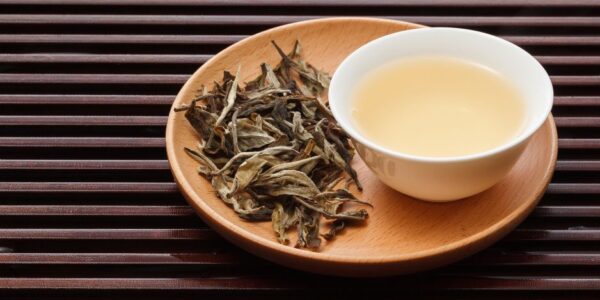
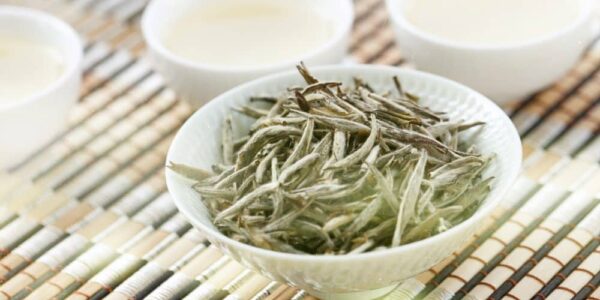
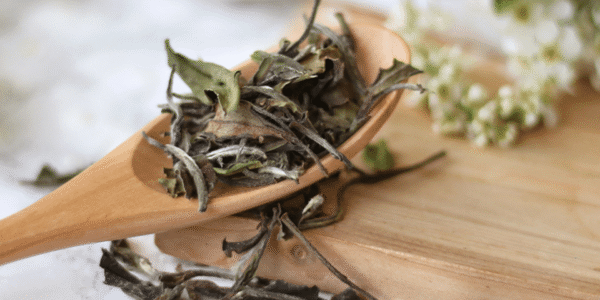
White tea is the least processed tea you can drink. Made from the youngest buds and leaves of the Camellia sinensis plant, it undergoes almost no oxidation – the leaves are simply withered and dried. That minimal handling is exactly why white tea retains such a high concentration of delicate antioxidants.

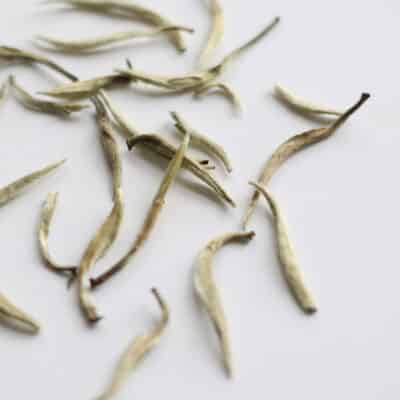
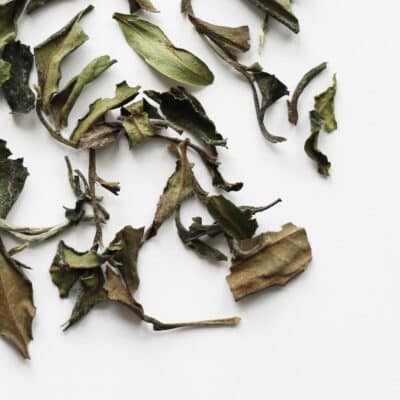
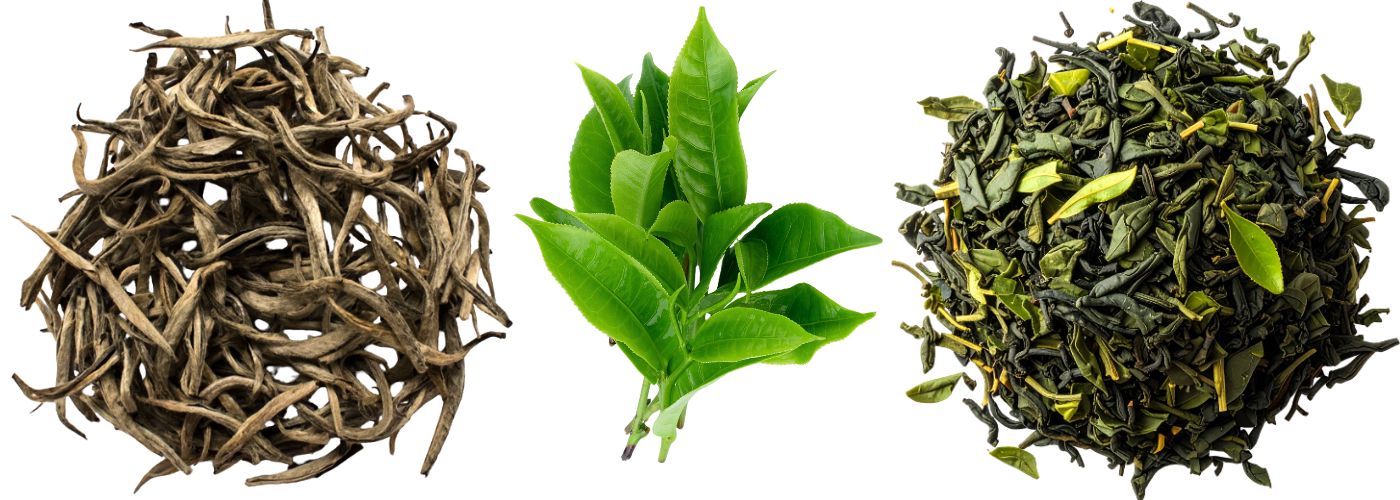
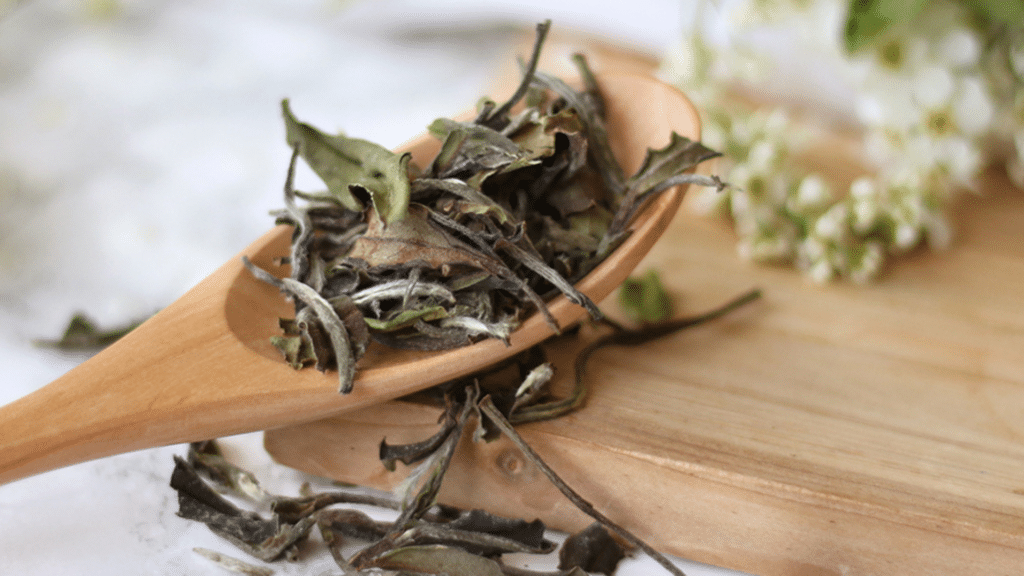
The name comes from the fine silver-white hairs that cover the young buds. In the cup, white tea is pale, sweet and gently floral – nothing harsh or astringent. Common varieties include Silver Needle (Bai Hao Yinzhen), White Peony (Bai Mu Dan) and Shou Mei.

Not sure which to choose? Read our Silver Needle vs Bai Mu Dan guide.

If you want to explore more about white tea, you can browse the full white tea guide.

What Is Green Tea?

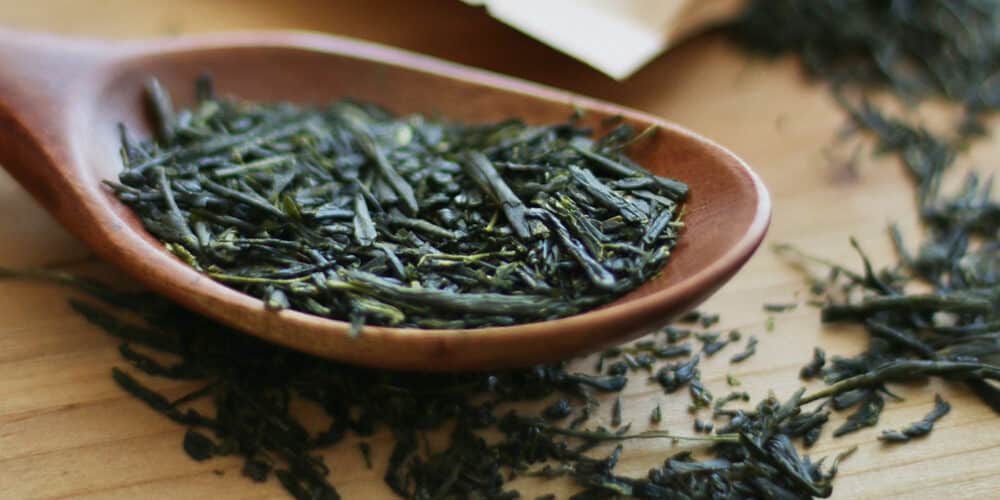
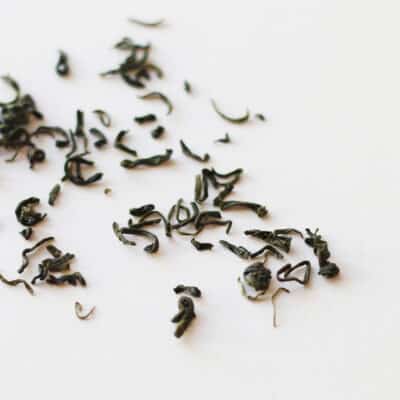
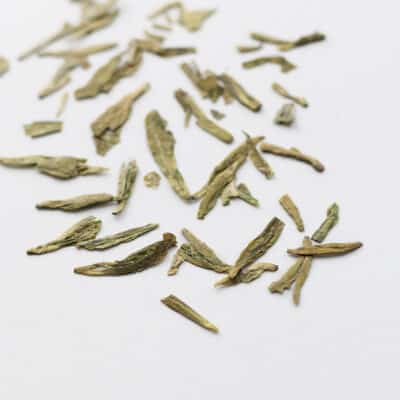
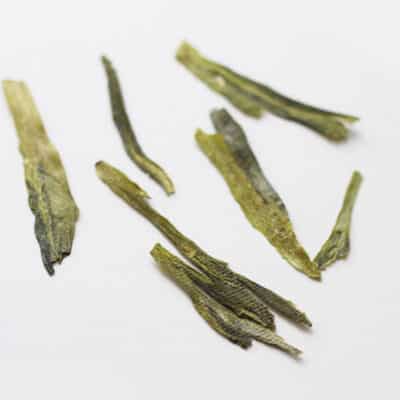
Green tea is also unoxidised, but unlike white tea it goes through a brief heating step – either steaming (Japanese style) or pan-firing (Chinese style) – immediately after picking. This stops oxidation and locks in chlorophyll, giving green tea its characteristic grassy, fresh, slightly vegetal character.

Green tea is one of the most studied foods in the world, with a substantial body of research behind its benefits. Popular varieties include Sencha, Gyokuro, Dragon Well (Longjing) and Gunpowder.

White Tea vs Green Tea: Head-to-Head Comparison

Here is how the two teas compare across the factors that matter most:

Factor White Tea Green Tea
Oxidation level None (0%) None to minimal
Caffeine Lowest (10-30mg per cup) Low-moderate (20-45mg per cup)
Antioxidants Very high - catechins + EGCG Very high - EGCG dominant
Flavour Delicate, sweet, floral Grassy, vegetal, fresh
Processing Minimal - simply dried Steamed or pan-fired
Best for Gentle energy, skin health Metabolism, focus, weight management
Brewing temp 70-75 degrees C 75-80 degrees C
Re-steepable? Yes, 2-3 times Yes, 2-4 times
Loading...
Price range: £6.00 through £95.00
Loading...
Price range: £5.00 through £44.00

Antioxidants – What Does the Science Actually Say?

Both white tea and green tea are rich in polyphenols, particularly a family called catechins. The most studied of these is EGCG (epigallocatechin gallate), which has been linked to everything from cardiovascular protection to anti-inflammatory effects.

White tea and antioxidants

Because white tea is the least processed of all teas.

Many researchers have suggested it retains higher levels of certain antioxidants than green tea – specifically, a broader range of catechins in their natural, unaltered state.

A study published in the journal Food Chemistry found white tea had comparable or superior free-radical-scavenging activity to green tea in several measures.

Loading...
white peony white tea
Price range: £7.00 through £23.00

Discover more about the benefits of white tea with our 10 Superb White tea benefits.

Green tea and antioxidants

Green tea has the larger research base.

The heating step actually increases the bioavailability of some antioxidants, particularly EGCG, which is why green tea consistently performs well in clinical studies on metabolic health, cognition and cardiovascular risk.

The science on green tea is simply more established – not because white tea is weaker, but because green tea has been studied for longer.

Loading...
Dragon Well Longjing Green Tea - Long Jing Chinese Green Tea
Price range: £5.00 through £185.00

The verdict: Both teas are antioxidant powerhouses. White tea may offer a slightly broader antioxidant profile in its natural state; green tea has stronger clinical evidence for specific health outcomes.

Caffeine Levels Compared

If you are moving away from coffee or managing your caffeine intake, this comparison matters.

Caffeine in white vs green tea:
White tea Roughly 10-30mg of caffeine per 250ml cup - the lowest of all true teas.
Green tea Roughly 20-45mg per 250ml cup - still low compared to coffee (95mg+), but noticeably more than white tea.

White tea is therefore the better choice for those who are sensitive to caffeine, drinking tea in the evening, or simply wanting a gentler lift. Both are dramatically lower in caffeine than coffee or black tea.

Which Is Better for Weight Management?

Green tea has the stronger evidence here. Multiple studies have shown that the combination of EGCG and caffeine in green tea can modestly support metabolic rate and fat oxidation – particularly when consumed as part of a balanced diet. This is one of the most replicated findings in tea research.

White tea also contains EGCG, and some in-vitro (lab) research has suggested it may inhibit the formation of new fat cells. However, human clinical evidence for white tea and weight management is thinner than for green tea.

The verdict: If weight management is your primary goal, green tea has the stronger scientific backing. White tea is a solid choice too, but the evidence base is smaller.

Loading...
Monkey King Green Tea
Price range: £7.00 through £32.00
Loading...
Price range: £5.00 through £44.00

Which Is Better for Skin Health?

This is where white tea arguably holds the edge. The antioxidants in white tea – particularly its polyphenols and flavonoids – have been studied for their potential to protect collagen and elastin from degradation, which are the proteins that keep skin firm and elastic.

A laboratory study published in BMC Complementary and Alternative Medicine found that white tea extract demonstrated the strongest inhibition of collagenase and elastase – enzymes involved in the breakdown of collagen and elastin – among 23 plant extracts tested.

However, these findings were observed in vitro (outside the human body), so they should not be interpreted as evidence that drinking white tea directly improves skin ageing outcomes in humans.

For those focused on skin health and anti-ageing as part of their wellness routine, white tea is a compelling choice.

The verdict: White tea has a slight edge for skin-focused benefits. Green tea is still excellent, but white tea’s gentler processing preserves more of the compounds specifically linked to collagen protection.

Loading...
Price range: £6.00 through £95.00
white tea gift box - teapro white gold
Price range: £22.00 through £39.00

Which Is Easier to Brew?

Neither is difficult, but white tea is the more forgiving of the two.

Brewing white tea

Brewing step What to do
Water temperature 70-75 degrees C (cooler than green tea).
Leaf quantity 2-3g per 200ml.
Steeping time 2-3 minutes.
Re-steepable Yes, 2-3 times.

Brewing green tea

Brewing step What to do
Water temperature 75-80 degrees C.
Leaf quantity 2g per 200ml.
Steeping time 1-2 minutes.
Re-steepable Yes, 2-4 times.

The key rule for both: never use boiling water. High temperatures scorch the delicate leaves and produce a bitter, astringent cup. If you do not have a temperature-controlled kettle, simply boil your water and leave it to cool for 3-5 minutes before pouring.

The verdict: White tea is slightly more forgiving – it tolerates a wider temperature range without going bitter. Green tea needs a little more precision, particularly lighter Japanese styles like Sencha and Gyokuro. Japanese Green teas are much more prone to oversteeping, sometimes It’s recommended to brew them at 60-70 degrees.

Which Should You Choose?

The honest answer is that both white tea and green tea are among the healthiest things you can drink. Neither is a wrong choice.

But here is a simple guide:

Choose white tea if... Choose green tea if...
You are sensitive to caffeine You want the most researched health benefits
You want the most delicate, natural flavour You are focused on metabolism or weight management
Skin health and anti-ageing are a priority You enjoy a bolder, grassier flavour
You want a gentle evening tea You want more re-steeping potential
You are a total beginner to loose leaf tea You already love green tea and want to go deeper

The best approach? Try both. Teapro’s white tea collection  and green tea collection are a great place to start – every tea is pure and single-origin, so you taste the leaf itself rather than artificial flavourings masking the real thing.

Frequently Asked Questions

Neither is definitively healthier – they have different strengths. White tea may offer a broader antioxidant profile and is better for skin health and low caffeine intake. Green tea has a larger body of clinical research behind it, particularly for metabolism and cardiovascular health.

Green tea typically has more caffeine (20-45mg per cup) than white tea (10-30mg per cup). Both are far lower in caffeine than coffee or black tea.

Yes – both are safe and beneficial as part of a daily routine for most healthy adults. As with any caffeinated beverage, moderation is sensible. Most research suggests 2-4 cups per day is a reasonable daily intake for both teas.

Green tea has the stronger clinical evidence for supporting metabolism and fat oxidation, largely due to its EGCG and caffeine combination. White tea contains EGCG too, but the human evidence for weight management specifically is thinner.

No – they are quite different. Green tea is grassy, fresh and sometimes vegetal. White tea is much more delicate – sweet, floral and light. Most people find white tea more immediately approachable, especially those new to loose leaf tea.

Artificial flavourings mask the real taste of tea – the very thing you are trying to appreciate. By sourcing pure, single-origin teas, Teapro lets the leaf speak for itself. It also means the health benefits you read about are actually in your cup, rather than buried under flavouring agents.

The Bottom Line

White tea vs green tea is not a competition with a clear winner – it is a question of what you are looking for. Both are among the healthiest beverages you can drink. Both are rich in antioxidants. Both are low in caffeine compared to coffee.

If you want the gentlest flavour, the lowest caffeine, and skin-health benefits, white tea is your answer. If you want the most researched metabolic and cardiovascular support, green tea is hard to beat.

Want to dig deeper to Green tea, read our complete guide to Green tea.

The real secret? Drink both. Teapro’s white tea collection gives you pure, single-origin options that let you taste what these teas are really about – no artificial flavourings, no shortcuts, just the leaf.

Loading...
Loading...
white tea gift box - teapro white gold
Price range: £22.00 through £39.00

Teapro co-founder. Favourite tea - Long Jing Dragon Well Green Tea. Obsessed with film, photography and travelling.

No Comments

Post A Comment