31 Aug Japanese Teas: The Complete Guide to Every Type You Should Know
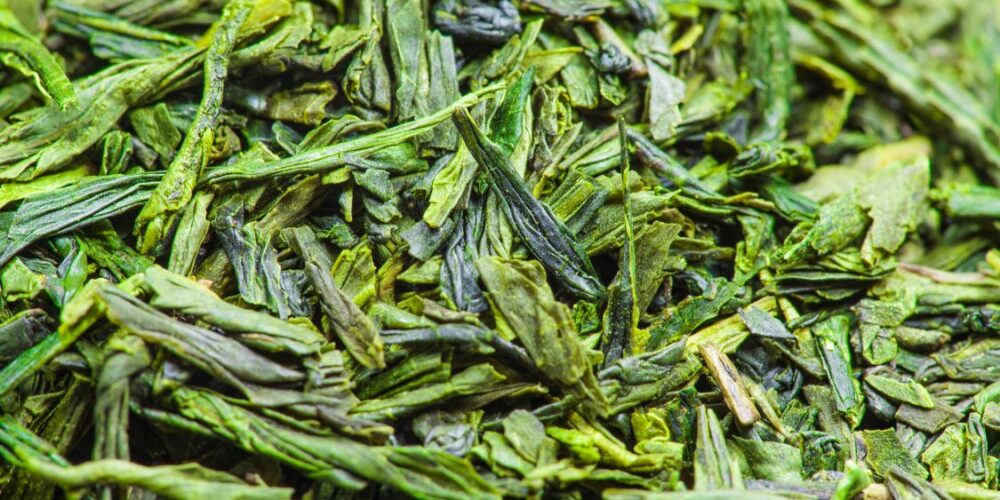
Japanese teas are some of the most distinctive in the world, and japanese green tea in particular makes up over 99% of everything grown in Japan.
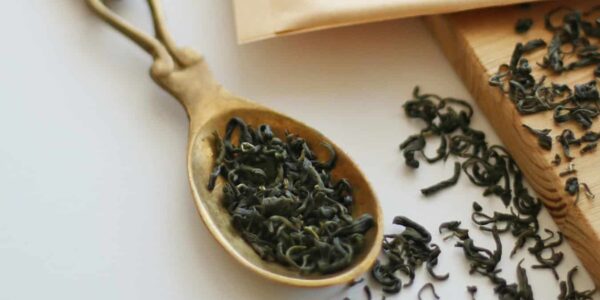
Unlike Chinese green tea, which is typically pan-fired, Japanese green tea is steamed shortly after harvest.
This single difference in processing is what gives japan green tea its unmistakable grassy, marine freshness rather than the toastier notes found elsewhere.
This guide walks through every major type of japanese tea you are likely to come across, from the everyday cup to the rare and prized, along with what makes each one different, how it is grown, and how to brew it properly.
Whether you are searching for the best japanese teas to start with or looking for premium japanese green tea to add to an existing collection, you will find it here.
Table of Contents
What is Japanese green tea?
The main types of Japanese green tea at a glance
Sencha: Japan’s Everyday Tea
Matcha: Japan’s Most famous tea
Gyokuro: The most prized Japanese green tea
Genmaicha: Green tea with rice
Hojicha: Roasted Japanese Green tea
Kukicha and Bancha: Japan’s Everyday teas
More types of Japanese Green tea to explore
Beyond Green: Japan’s Emerging Black, Oolong and White Teas
Japanese Black tea (Wakoucha)
Japanese Oolong
Japanese White tea (Hakuyoucha)
Which Japanese tea is most popular right now?
How to choose the best Japanese Green tea for you
Frequently asked questions
Where to buy premium Japanese Green tea
What Is Japanese Green Tea?
All true tea, whether japan tea or otherwise, comes from the same plant, Camellia sinensis. What makes japanese green tea its own category is the processing method.
After the leaves are picked, they are steamed for a short period, which halts oxidation almost immediately and locks in a bright green colour and vegetal flavour.
From that single starting point, Japanese producers have developed an enormous range of teas by varying how long the leaves are shaded before harvest, how long they are steamed, whether they are ground into powder, and whether anything else, such as roasted rice, is blended in.
That variation is what gives us sencha, matcha, gyokuro, genmaicha, hojicha and the rest, each with its own character despite starting from the same leaf.
The Main Types of Japanese Green Tea at a Glance
Here is how the main types of japanese teas compare, before we go into each one in detail.
| Tea | Caffeine level | Flavour profile | Best for |
|---|---|---|---|
| Sencha | Moderate | Fresh, grassy, lightly astringent | Everyday drinking |
| Matcha | Moderate to high | Rich, sweet, umami-forward | Mornings, rituals, lattes |
| Gyokuro | High | Deep umami, sweet, minimal bitterness | Special occasions |
| Genmaicha | Low | Nutty, toasted, mellow | Meals, evenings, beginners |
| Hojicha | Low | Roasted, warm, caramel-like | Evenings, sensitive stomachs |
| Kukicha | Low | Light, mild, slightly sweet | Low caffeine daily drinking |
| Bancha | Low | Earthy, woody, mineral | After meals |
Sencha: Japan’s Everyday Tea
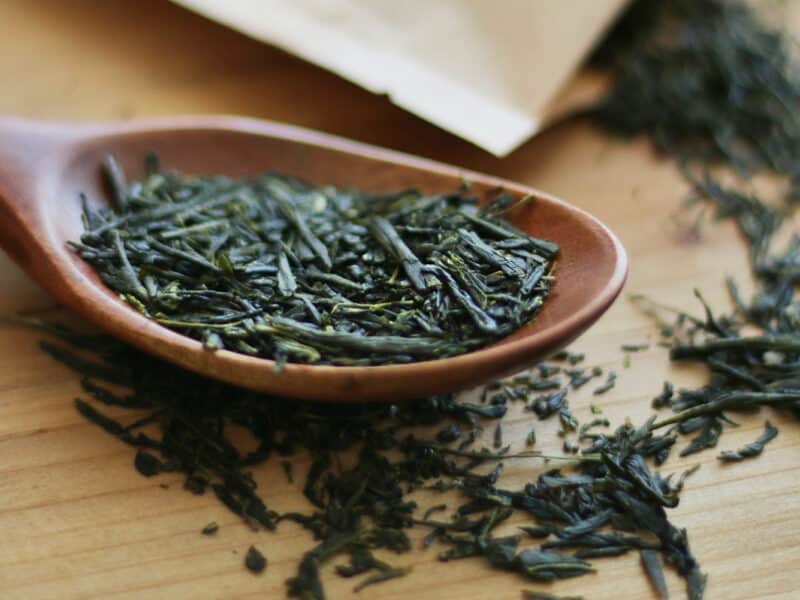
If you order japanese sencha tea anywhere in Japan, you are drinking the country’s most commonly consumed tea by a wide margin.
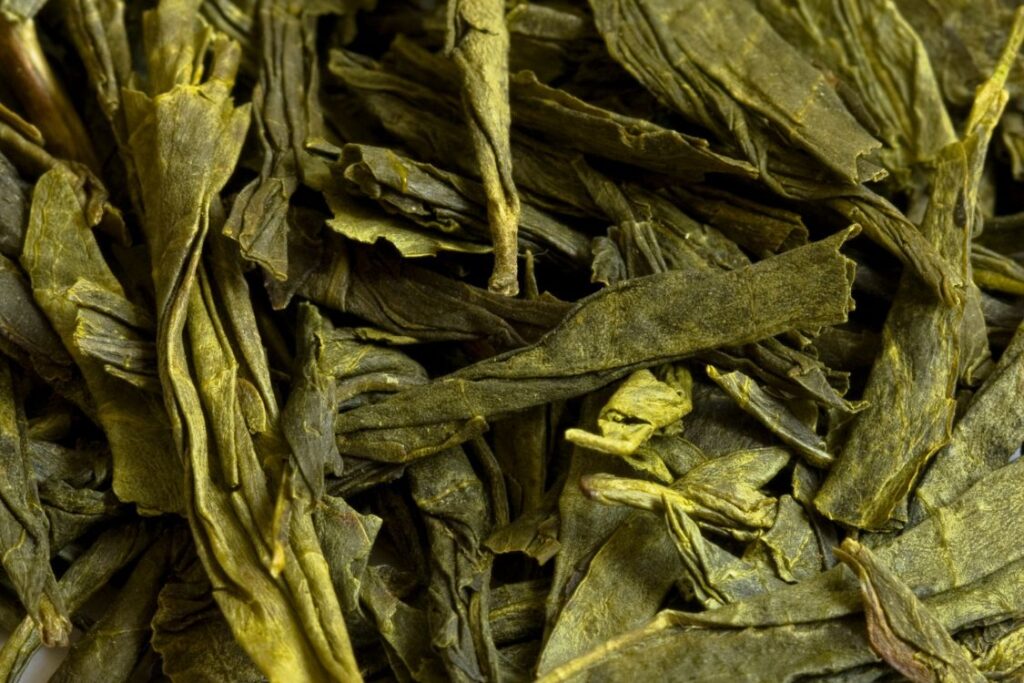
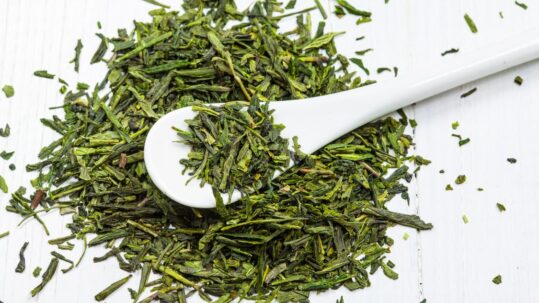
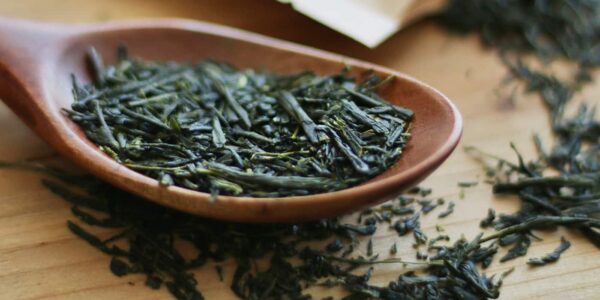
Sencha tea from japan is grown in full sun rather than shaded, then steamed, rolled and dried. The result is a tea with fresh, grassy notes and a light citrus-like astringency in the finish.
Sencha itself covers a range of styles depending on how long the leaves are steamed. A shorter steam produces a lighter, more delicate cup, while a longer steam produces a deeper green colour and a fuller, more vegetal flavour.
For a first introduction to japanese green tea, sencha is almost always the right place to start.
How to brew it: use water around 70 to 80C, steep for 60 to 90 seconds, and avoid boiling water, which can make sencha taste bitter.
Matcha: Japan’s Most Famous Tea
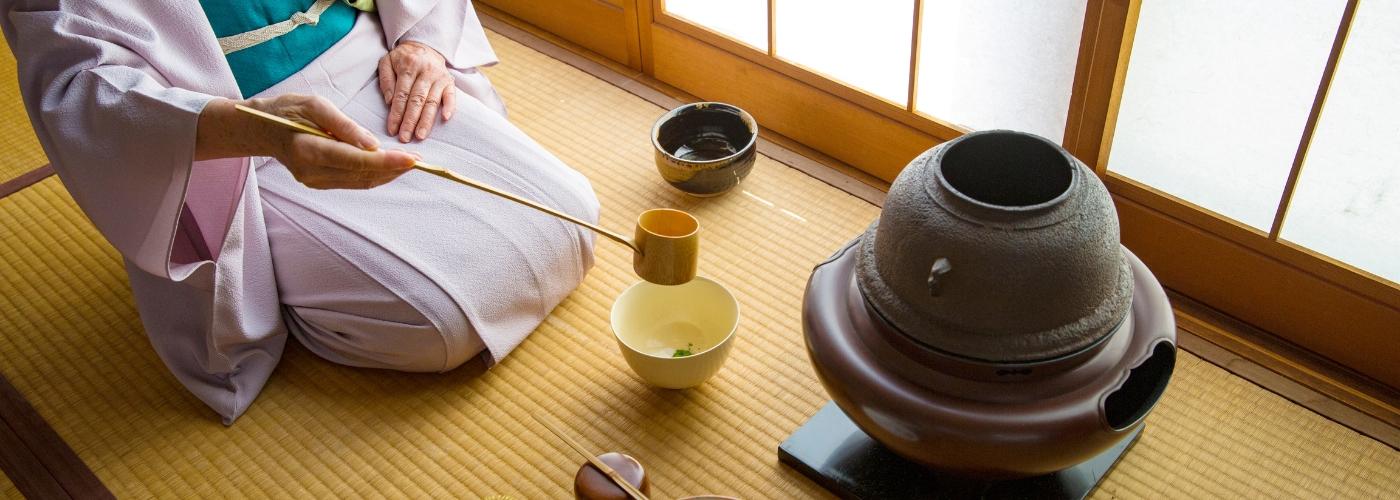
Japanese matcha is the tea most people picture when they think of Japan, thanks largely to its central role in the traditional tea ceremony.
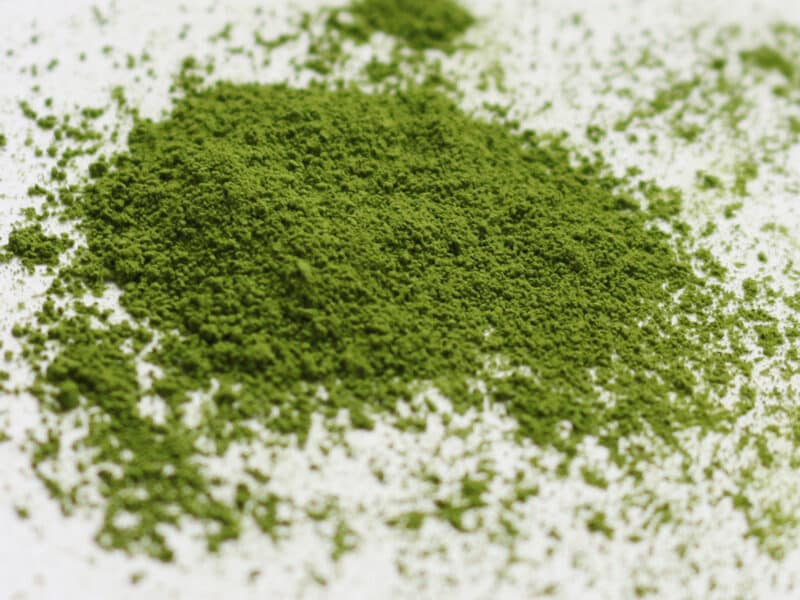
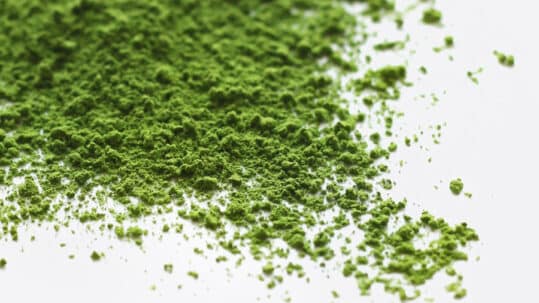
Matcha is made from shade-grown leaves called tencha, which are de-stemmed and stone-ground into a fine powder. Because you consume the whole leaf rather than an infusion, matcha delivers a more concentrated dose of flavour and natural plant compounds than a steeped tea.
Ceremonial grade matcha is intended to be whisked with hot water and drunk plain, with a naturally sweet, umami-rich flavour. Culinary grade matcha has a bolder, more robust flavour designed to stand up to milk and sweeteners, which is why it is the grade typically used for matcha lattes.
How to brew it: sift 1 to 2 teaspoons into a bowl, add a small amount of water just off the boil, and whisk briskly in a zig-zag motion until frothy.
Try it: our Ceremonial Grade Matcha Green Tea is stone-ground from shade-grown spring leaves grown on the volcanic soils of Kyushu, with no artificial flavourings.
Gyokuro: The Most Prized Japanese Green Tea
Ask any tea connoisseur which tea sits at the top of the japanese teas hierarchy, and gyokuro is usually the answer.
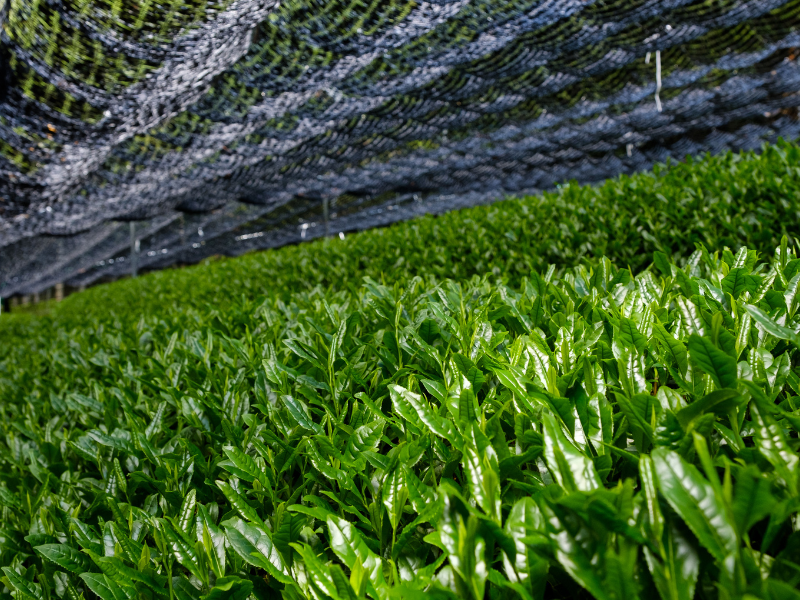
Gyokuro, sometimes searched as gyokuro cha, is shaded for around three weeks or more before harvest, considerably longer than sencha. This extended shading increases chlorophyll, theanine and sweetness, while reducing the bitterness typically associated with green tea.
Green tea gyokuro is traditionally brewed with cooler water than most other teas, a larger amount of leaf, and a longer steeping time, all of which concentrate its deep umami character.
Because the process is slow and labour-intensive, gyokuro tea is also among the most expensive japan green tea available, and is often reserved for special occasions or serious tea drinkers.
How to brew it: use water around 50 to 60C, a generous amount of leaf, and steep for 2 to 3 minutes for the fullest umami character.
Try it: our Gyokuro Green Tea is a Kyoto first flush from the Uji-Cha region, shaded before harvest for its signature umami sweetness.
Genmaicha: Green Tea with Rice
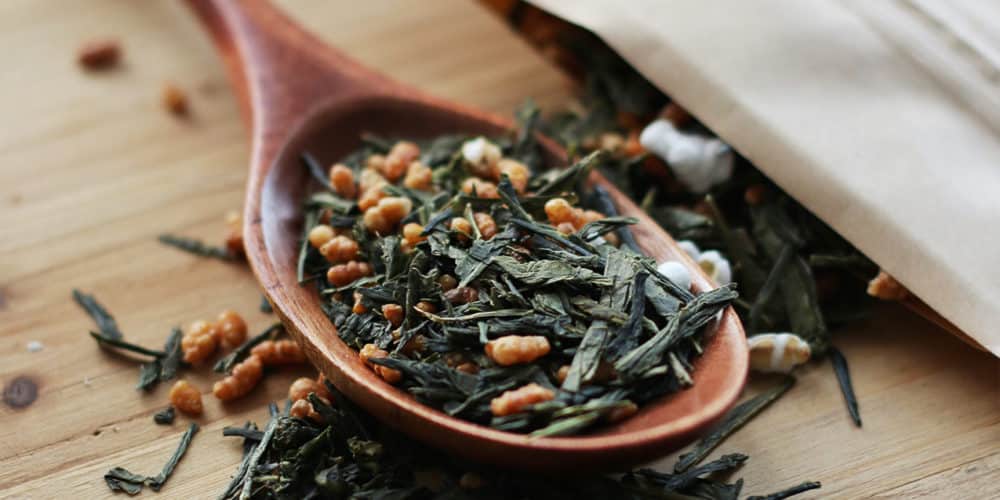
Genmaicha is one of the most recognisable japanese teas outside Japan, and it is instantly identifiable by its toasted, nutty aroma. It is a green tea with rice, traditionally sencha or bancha, blended with roasted brown rice.
Genmaicha is sometimes called popcorn tea, since a portion of the rice grains pop open during roasting.
Historically, tea with rice began as a practical way to stretch more expensive tea leaves further, making it more affordable for everyday households.
Over time, rice tea grew into a beloved style in its own right, valued today for its warm, comforting flavour as much as its origins.
Genmaicha Benefits
Genmai tea benefits are largely inherited from its green tea base, which naturally contains catechins, a type of antioxidant compound found in all true teas.
Because roughly half of genmaicha is roasted rice rather than tea leaf, green tea with rice typically contains noticeably less caffeine than a straight sencha, which is part of why it is so widely drunk throughout the day in Japan, including by those who are more sensitive to caffeine.
This is general information rather than health advice. If you are pregnant, breastfeeding, or managing a specific health condition, it is worth checking with a doctor or pharmacist about caffeine intake from any tea.
How to brew it: use water around 80 to 90C and steep for 60 to 90 seconds. Genmaicha is forgiving and hard to over-brew.
Try it: our Genmaicha Rice Popcorn Green Tea blends spring Sencha and Gyokuro with roasted popped rice for a toasty, umami-rich cup.
Hojicha: Roasted Japanese Green Tea
Hojicha tea stands apart from every other tea on this list because of one extra step: roasting.
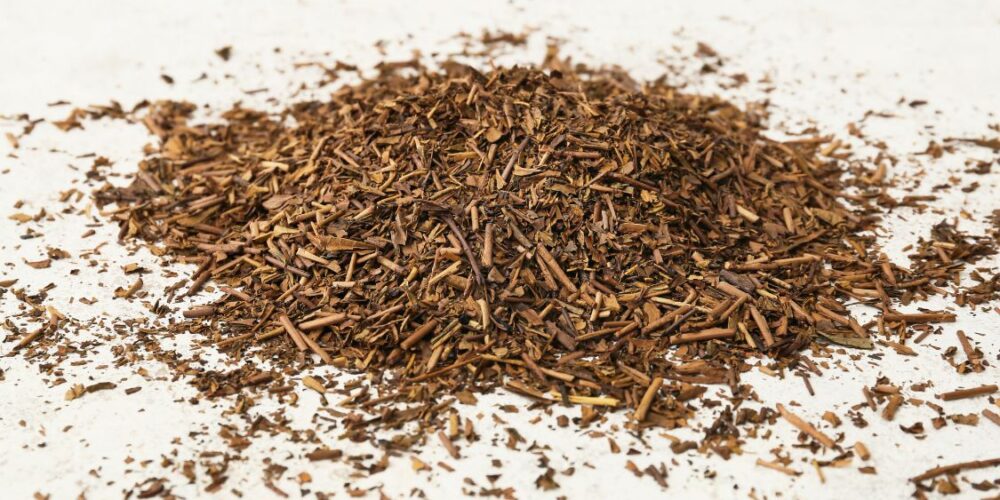
Made from sencha or bancha leaves roasted at high heat, hojicha turns from green to a reddish brown, and its flavour shifts entirely away from grassy and vegetal toward warm notes of caramel, toasted grain and light chocolate.
Because roasting breaks down much of the caffeine and astringency in the leaf, hojicha is naturally low in caffeine, making it a popular choice in the evening or for anyone who finds other green teas too stimulating.
How to brew it: use water close to boiling, around 95C, and steep for 30 to 60 seconds. Unlike most green teas, hojicha does not turn bitter with hotter water.
Kukicha and Bancha: Japan’s Everyday Teas
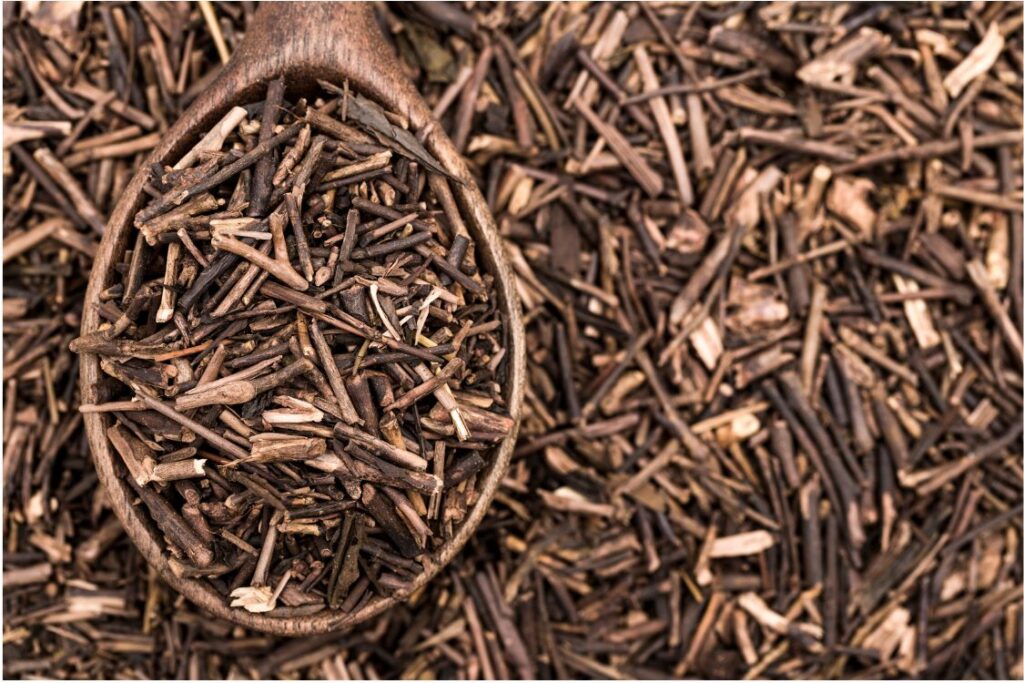
Kukicha tea, sometimes called twig tea, is made from the stems and stalks left over from producing sencha or higher grade teas such as gyokuro.
Rather than going to waste, these stems are dried and brewed on their own, producing a light, mildly sweet tea that is naturally lower in caffeine than a leaf-only sencha.
Bancha green tea is made from more mature leaves harvested later in the season, typically the third or fourth flush.
The later harvest produces a heartier, more mineral and slightly woody flavour, along with lower caffeine than earlier harvest teas.
In Japan, bancha is often served after meals, traditionally thought to be gentle on digestion.
How to brew it: both kukicha and bancha are forgiving. Use water around 80 to 90C and steep for 60 to 90 seconds.
More Types of Japanese Green Tea to Explore
Beyond the everyday staples covered above, japanese green tea covers a genuinely enormous range once you look at how shading, steaming, leaf selection and harvest timing are varied.
Here is the fuller picture, organised by category, including the main teas already covered above.
Shaded Teas
| Tea | Description |
|---|---|
| Gyokuro | The most prized shaded green tea, covered in full above. |
| Kabusecha (Kabuse Sencha) | Shaded for 10 to 20 days, sitting between sencha and gyokuro in sweetness and intensity. |
| Tencha | Shaded, de-veined leaf dried flat, the raw material that becomes matcha. |
| Karigane | A stem tea made from shaded-leaf trimmings, sweeter and slightly higher in caffeine than kukicha. |
Powdered Teas
| Tea | Description |
|---|---|
| Matcha | Stone-ground shaded leaf, covered in full above. |
| Funmatsucha | Powdered green tea from ordinary, unshaded leaf, more bitter and duller than true matcha. |
| Hojicha Powder | Roasted hojicha ground fine, suited to lattes and desserts. |
Unshaded, Sun-Grown Teas
| Tea | Description |
|---|---|
| Sencha | Japan's everyday tea, covered in full above. |
| Asamushi Sencha | Lightly steamed for 20 to 40 seconds, a delicate, lighter style. |
| Chumushi Sencha | Steamed for a standard 40 to 80 seconds, the most common style in Japan. |
| Fukamushi Sencha | Deep steamed for 80 to 200 seconds, fuller-bodied and cloudier. |
| Bancha | Later, mature-leaf harvest, covered in full above. |
| Mecha | Made from young tea buds picked in early spring, sitting between sencha and gyokuro in grade. |
Roasted Teas
| Tea | Description |
|---|---|
| Hojicha | Roasted sencha or bancha, covered in full above. |
| Kuki Hojicha | Roasted stems, very low in caffeine with dark, toasty notes. |
| Kyobancha | A heavily pan-roasted Kyoto specialty, sometimes with a smoky character. |
Blended Teas
| Tea | Description |
|---|---|
| Genmaicha | Green tea with roasted rice, covered in full above. |
| Hoji Genmaicha | Roasted hojicha blended with roasted rice for an even more mellow cup. |
| Matcha-iri Sencha | Sencha dusted with matcha powder for added strength and sweetness. |
Stem and Byproduct Teas
| Tea | Description |
|---|---|
| Kukicha | Twig tea made from stems, covered in full above. |
| Konacha | Fine tea dust left over from processing, common in sushi restaurants. |
By Leaf Style
| Tea | Description |
|---|---|
| Tamaryokucha (Guricha) | Curled, comma-shaped leaves with a milder, nuttier flavour. |
| Kamairicha | Pan-fired rather than steamed, a Kyushu specialty with warmer, nuttier notes. |
By Harvest Timing
| Tea | Description |
|---|---|
| Shincha (Ichibancha) | The prized first spring harvest, richest in stored nutrients. |
| Nibancha | The second flush, generally more astringent with fewer nutrients. |
| Sanbancha | The third harvest, typically used for teabags or bottled tea. |
Unrefined Green Tea
| Tea | Description |
|---|---|
| Aracha | Raw, semi-finished leaf used as a base for further refining rather than sold as a finished tea. |
Beyond Green: Japan’s Emerging Black, Oolong and White Teas
Green tea is only most of the story.
Japan has historically focused almost entirely on green tea production, but small, growing pockets of producers are now working with black, oolong and white tea too, often using the same cultivars grown for sencha and gyokuro, just processed differently.
None of the three below are likely to replace sencha or matcha as Japan’s everyday teas anytime soon, but they are worth knowing about if you want the fuller picture of where Japanese tea is heading, not just where it has been.
Japanese Black Tea (Wakoucha)
Wakoucha is Japan’s answer to black tea, fully oxidised rather than steamed, which puts it in the same broad family as Chinese, Indian and Sri Lankan black teas.
It is still a niche category within Japan, but production has been growing steadily in regions such as Miyazaki, Kagoshima and Shizuoka.
What makes wakoucha distinctive is that it is often made from the same cultivars grown for Japanese green tea, rather than the cultivars typically used for black tea elsewhere.
That tends to give it a gentler, sweeter profile than a bold Assam or Ceylon, with less of the sharp tannic strength, and sometimes a faint fruitiness that hints at its green tea relatives.
How to brew it: use water close to boiling, around 90 to 95C, and steep for 2 to 3 minutes. Start on the shorter end and adjust to taste, since wakoucha’s gentler character means it can turn slightly flat if over-steeped.
Japanese Oolong
Japanese oolong is genuinely rare. Oolong sits between green and black tea in oxidation, and producing it well takes considerable skill and time, which is part of why so few Japanese growers have taken it on.
Most Japanese oolong comes from small, experimental batches, with Kyushu being one of the more active regions.
It sits apart from the far more established Taiwanese and Chinese oolong traditions, both in scale and in style, and tends to be lighter and less floral than a classic high mountain Taiwanese oolong.
It is best approached as a curiosity worth trying if you come across it, rather than something you will find as an everyday staple.
How to brew it: use water around 85 to 90C and steep for 2 to 3 minutes, adjusting steep time to find the balance between the tea’s green and black tea characteristics.
Japanese White Tea (Hakuyoucha)
Hakuyoucha is the rarest of the three.
It follows the same minimal processing philosophy as Chinese white tea, simply withered and gently dried with very little intervention, but made from Japanese cultivars rather than the varieties traditionally used in Fujian, where white tea originates.
Because production is still so limited, hakuyoucha can be genuinely difficult to find outside Japan, and even within Japan it remains a specialty item rather than a mainstream category.
It is one to watch as Japan’s tea industry continues to diversify beyond green, and a good example of how far Japanese producers are willing to experiment with the same leaf.
How to brew it: use water around 70 to 75C, similar to other white teas, and steep for 3 to 4 minutes, since its light, delicate character can be lost with water that is too hot.
Which Japanese Tea Is Most Popular Right Now?
Within Japan, sencha remains the everyday staple, the tea most households reach for without a second thought.
Matcha, by contrast, has become Japan’s most visible export, and its popularity outside Japan has accelerated sharply in the last couple of years, driven largely by social media.
Matcha in particular has become closely associated with Gen Z, who have embraced it as a visually striking, ritual-driven alternative to coffee.
Its vivid green colour photographs well, and its combination of caffeine and L-theanine is often described as a gentler, steadier form of energy compared with coffee’s sharper spike and crash.
Whether that popularity settles into a lasting habit or fades as a passing trend, matcha’s current visibility is genuinely reshaping how a younger generation is discovering japanese green tea for the first time.
For a deeper breakdown of how matcha is grown, harvested, and loaded with energy-boosting L-theanine, read Teapro’s complete guide to matcha green tea.
How to Choose the Best Japanese Green Tea for You
With so many types of japanese teas available, the right starting point usually comes down to three simple questions.
| If You Are... | Try This |
|---|---|
| New to Japanese tea | Start with sencha. It is the most representative everyday cup and the easiest to brew well. |
| Wanting a ritual or morning lift | Matcha gives you a concentrated, energising cup with a genuine sense of occasion. |
| Sensitive to caffeine or drinking in the evening | Genmaicha, hojicha, kukicha or bancha are all naturally gentler choices. |
| Looking for something to save for a special moment | Gyokuro is the tea to reach for. |
Unlike pan-fired varieties, Japanese green teas are typically steamed to preserve their vibrant green color and rich, vegetal flavor profile, as highlighted in Teapro’s complete guide to green tea.
Frequently asked questions
Sencha is generally the best starting point, since it is the most widely drunk tea in Japan and gives a true sense of what japanese green tea tastes like without the intensity of gyokuro or the ritual required for matcha.
Premium japanese green tea is usually defined by leaf grade, harvest timing, and processing care. Early harvest leaves, careful shading, and hand-selected picking all raise both quality and price, which is why teas like gyokuro and ceremonial matcha sit at the top of the range.
Yes. Genmaicha is a traditional blend of Japanese green tea, usually sencha or bancha, with roasted brown rice. It is sometimes searched simply as rice tea or tea with rice.
Yes, but noticeably less than a straight sencha, since roughly half of the blend is roasted rice rather than tea leaf. This is one of the main genmai tea benefits people look for when choosing it over other green teas.
The key difference is shading. Gyokuro is shaded for around three weeks or more before harvest, which increases sweetness and umami and reduces bitterness, while sencha is grown mostly in full sun for a fresher, grassier flavour.
Japanese matcha has seen a sharp rise in popularity recently, particularly among younger tea drinkers, thanks to its vivid colour, ritual-like preparation, and reputation as a steadier source of energy compared with coffee.
Where to Buy Premium Japanese Green Tea
At Teapro, we source pure, single-origin japan green tea directly, with no artificial flavourings added, ever. We believe that when a tea is genuinely good, it does not need masking, so wherever possible, we let the leaf speak for itself.
Ready to find your new favorite brew? Explore our wide range of Japanese Green Tea products to discover everything from rich ceremonial Matcha to deeply savory Gyokuro.
Every Teapro tea comes with the education to go with it, how it was grown, how it was processed, and how to brew it properly, because we believe understanding your tea is part of genuinely enjoying it.
If you want to go deeper, Become a Teapro is our structured 12-box journey across 12 tea types, including Japanese green tea, designed to take you from tea drinker to tea pro, one type at a time.

Teapro co-founder. Favourite tea - Long Jing Dragon Well Green Tea. Obsessed with film, photography and travelling.
- Tatjana



No Comments