9 Teas for Blood Sugar Support: What the Research Says

The mid-afternoon slump. The sudden hunger an hour after lunch. The restless night after a carb-heavy dinner. Most of us have felt the effects of a blood sugar spike without ever putting a name to it, and you do not need a diabetes diagnosis to benefit from keeping your glucose levels steadier through the day.

This is where tea earns a genuine place in the conversation.

While it is far from the only factor, and nowhere near a substitute for diet, movement and medical care, a small but growing body of research suggests that certain teas, true and herbal alike, contain compounds that may help the body manage glucose more smoothly around meals.

Some slow how quickly carbohydrates are broken down. Others appear to support how efficiently cells take up glucose in the first place.

None of them work by magic, but understood properly, teas for blood sugar support are one of the simplest additions you can make to a daily routine.

Tea is not a treatment for diabetes, and nothing in this guide should be read as medical advice.

What follows is a look at nine of the best-researched teas for blood sugar support, the mechanisms behind each one, and how to actually fit them into your day, whether that is a cup alongside breakfast or a calming brew to wind down in the evening.

Table of Contents

How Tea May Support Blood Sugar Levels

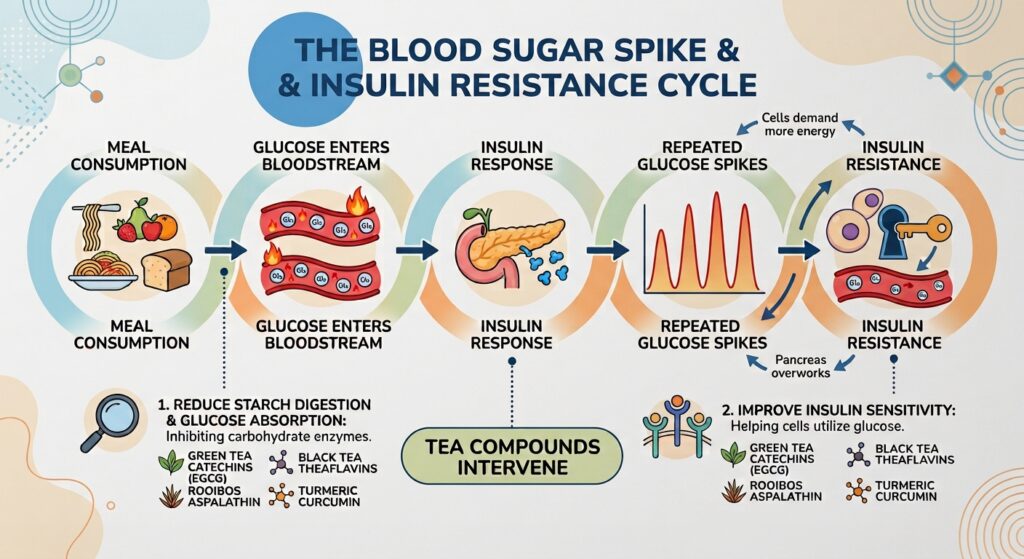
When you eat, especially a meal high in refined carbohydrates, glucose enters the bloodstream and insulin is released to help cells absorb it.

Frequent, sharp spikes can, over time, make the body less responsive to insulin, a state known as insulin resistance.

This is where tea’s compounds come in.

Catechins in green tea and theaflavins in black tea appear to slow the enzymes that break carbohydrates into glucose, softening a post-meal spike.

Others, like aspalathin in rooibos or curcumin in turmeric, act more directly on glucose uptake and insulin response.

Chamomile may help more indirectly, by supporting the sleep and stress response blood sugar regulation depends on.

None of this makes any single cup a fix on its own, and the research is still developing in several cases. Below is a closer look at each of the nine teas, the mechanism behind it, and how to brew it.

This cuts it from three paragraphs to three shorter ones, dropping the opening scene-setting sentence, some of the connective phrasing, and a bit of the elaboration on each mechanism, while keeping every distinct claim (the physiology, the three mechanism categories, the specific compounds and teas named, and the caveat about limited evidence) intact.

1. Green tea

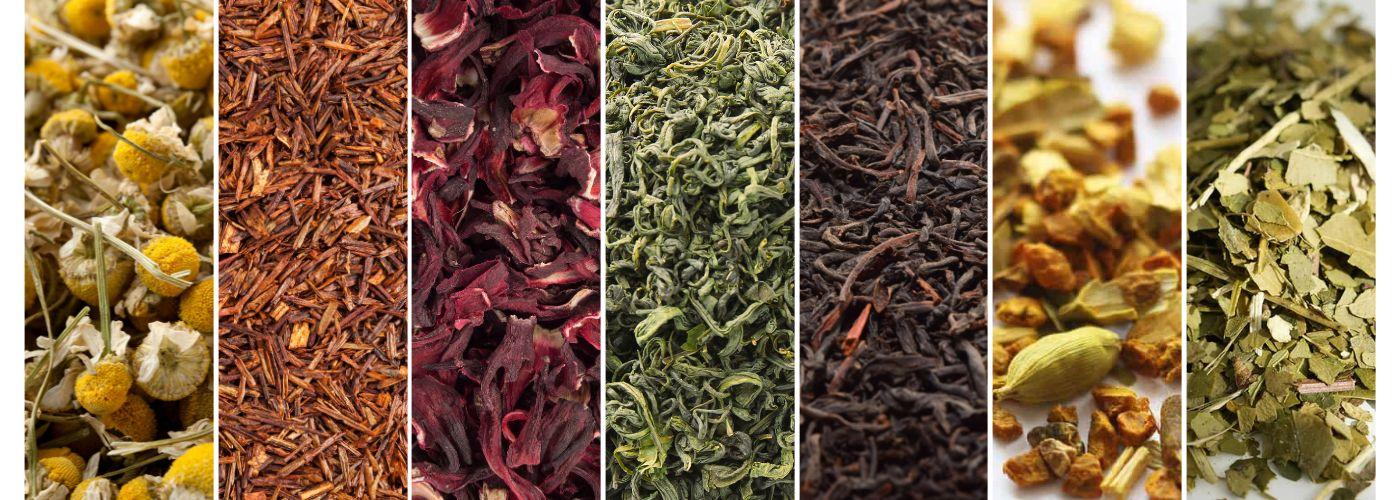
Green tea is probably the most studied tea for blood sugar, largely thanks to its high concentration of catechins, particularly EGCG (epigallocatechin gallate).

Research suggests these compounds can inhibit the digestive enzymes responsible for breaking down carbohydrates, which may slow the release of glucose into the bloodstream after meals.

Cohort studies have also associated regular green tea drinkers with a lower likelihood of developing type 2 diabetes, though this kind of observational research cannot prove cause and effect on its own.

How to enjoy it: Brew green tea just off the boil (75 to 80 degrees Celsius) for 2 to 3 minutes to avoid bitterness, and enjoy it unsweetened alongside meals.

For a deeper look at how green tea is made and its full range of benefits beyond blood sugar, check out our complete guide to green tea.

2. Black tea

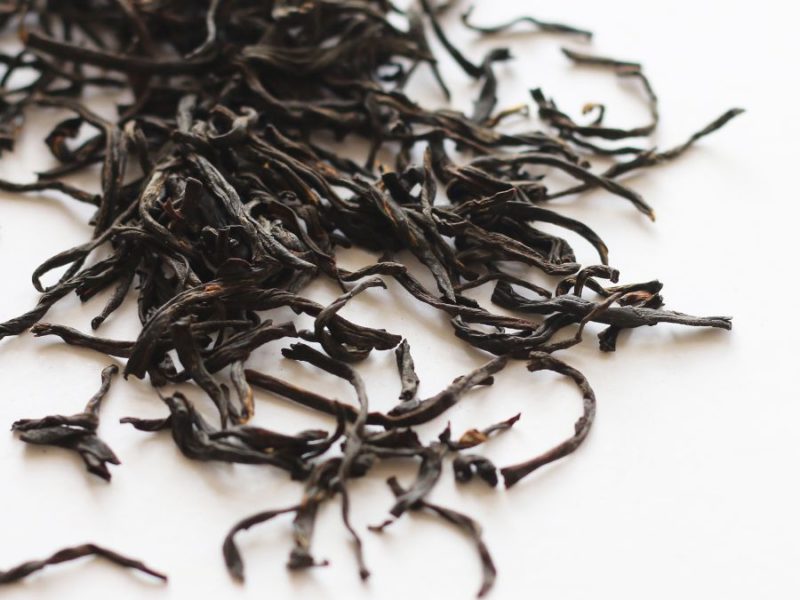
Black tea undergoes full oxidation, which produces theaflavins and thearubigins, compounds not found in green tea.

Some research suggests these polyphenols may help suppress the enzymes involved in carbohydrate absorption, and smaller studies have linked regular black tea consumption with improved post-meal glucose response.

How to enjoy it: A cup of black tea after a carbohydrate-heavy meal is a simple way to build the habit, and it is naturally sugar-free if you drink it without milk or sweetener.

If you’d like to understand black tea more broadly, from its oxidation process to how to choose a good loose leaf, see our complete guide to black tea.

3. Hibiscus tea

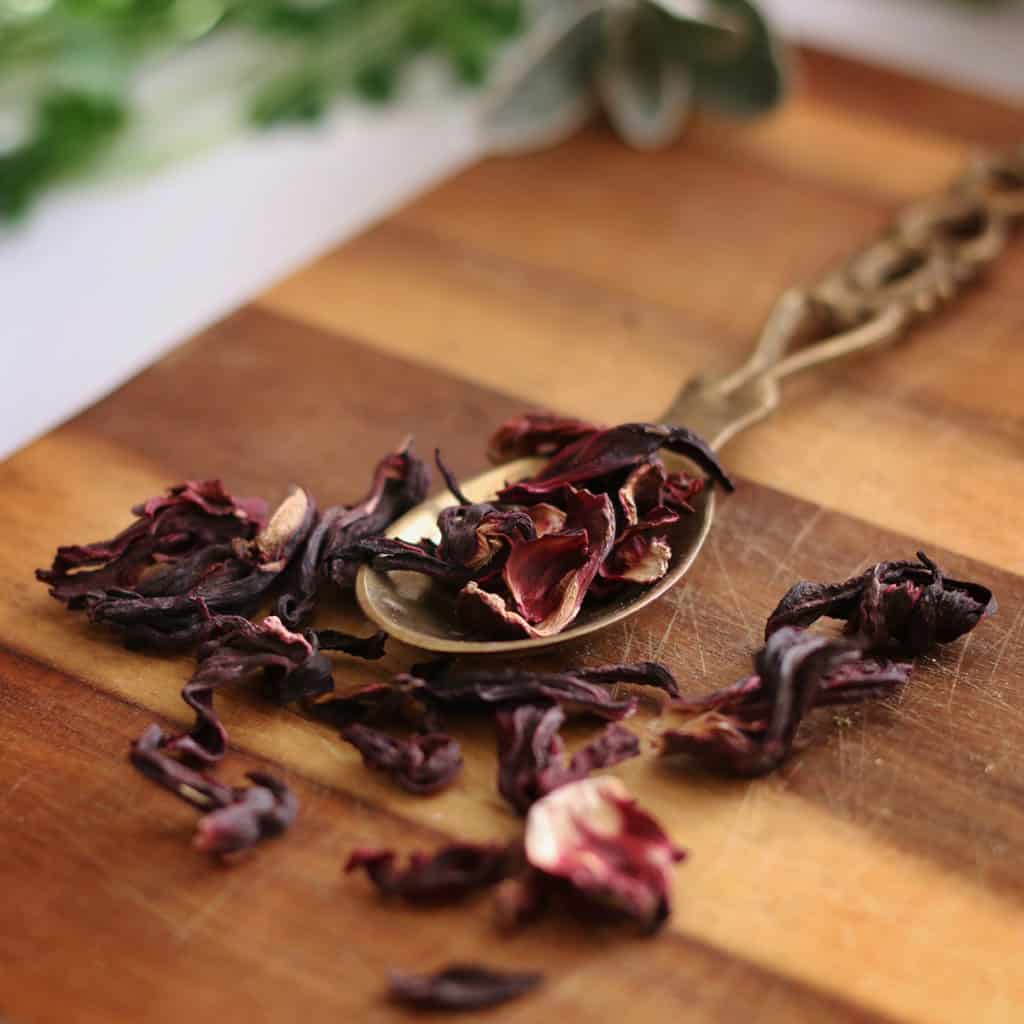
Hibiscus is best known for its role in supporting healthy blood pressure, but some studies point to hypoglycemic properties too, meaning it may help support how the body regulates blood sugar.

Research in people with type 2 diabetes has associated hibiscus with improvements in cholesterol and triglyceride markers alongside blood sugar measures, which is a useful combination given how closely heart health and blood sugar are connected.

How to enjoy it: Steep hibiscus tea hot or serve it iced. Its natural tartness means it rarely needs sweetening, which makes it a genuinely sugar-free way to end a meal.

For the full picture on this ingredient, see our complete guide to hibiscus tea benefits and what roselle actually does for your body.

4. Rooibos tea

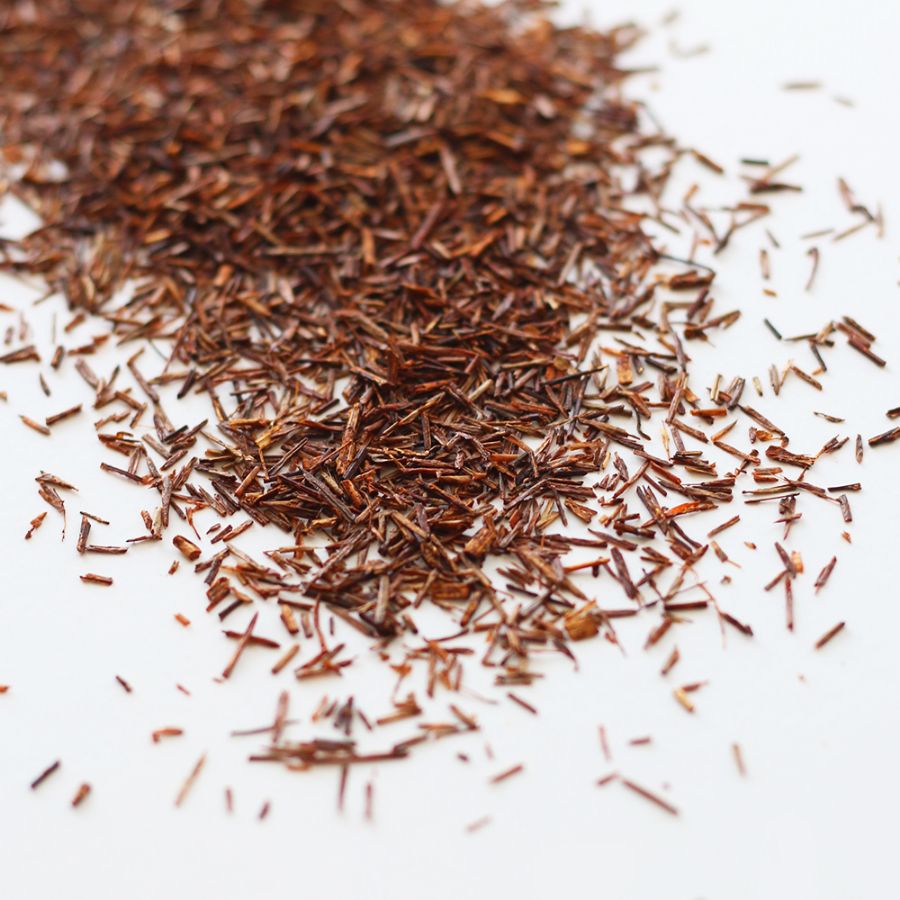
Rooibos is naturally caffeine-free and gets its distinct reddish colour from fermentation, but it is the unfermented “green” form that has drawn the most research attention for blood sugar.

Rooibos contains a unique flavonoid called aspalathin, and laboratory studies have found that aspalathin-rich extracts can suppress post-meal blood glucose spikes and inhibit the enzymes responsible for breaking down carbohydrates.

Animal studies have also linked aspalathin to improved glucose uptake in muscle cells, a mechanism similar to how the body responds to insulin.

How to enjoy it: Brew rooibos tea for 5 to 7 minutes. It has a naturally sweet, honeyed flavour, so it rarely needs sugar even for those with a sweet tooth.

Curious about rooibos beyond blood sugar? Our deep dive into rooibos tea benefits and what the science says about red bush covers the fuller research picture.

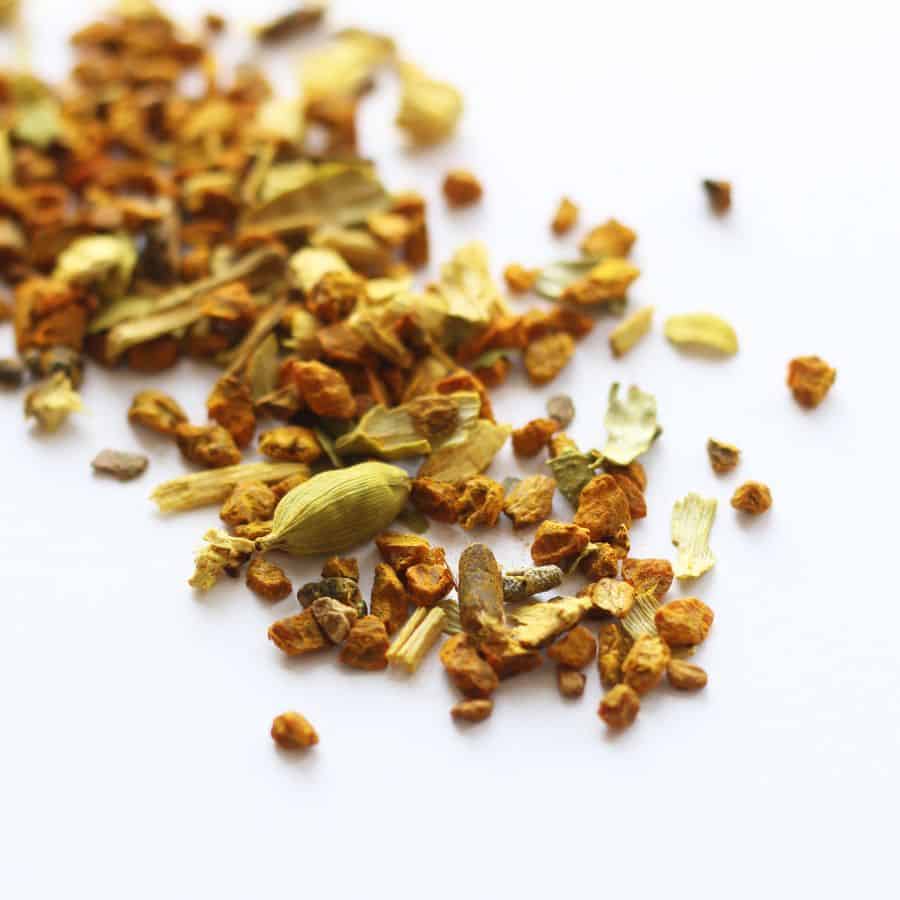
5. Turmeric Chai

Turmeric’s active compound, curcumin, has been studied for its effect on insulin and glucose metabolism, with several human trials finding that curcumin can meaningfully reduce the blood glucose spike that follows a meal and lower markers of inflammation associated with insulin resistance.

The mechanism is thought to involve curcumin’s anti-inflammatory action, which may help the body respond to insulin more efficiently over time.

How to enjoy it: Our turmeric root chai pairs turmeric with warming spices, making it an easy, naturally sweet way to build the habit without needing a bare turmeric infusion.

If you enjoy how the warming spices balance turmeric here, our beginner’s guide to pairing herbal flavours explains the principles behind combinations like this

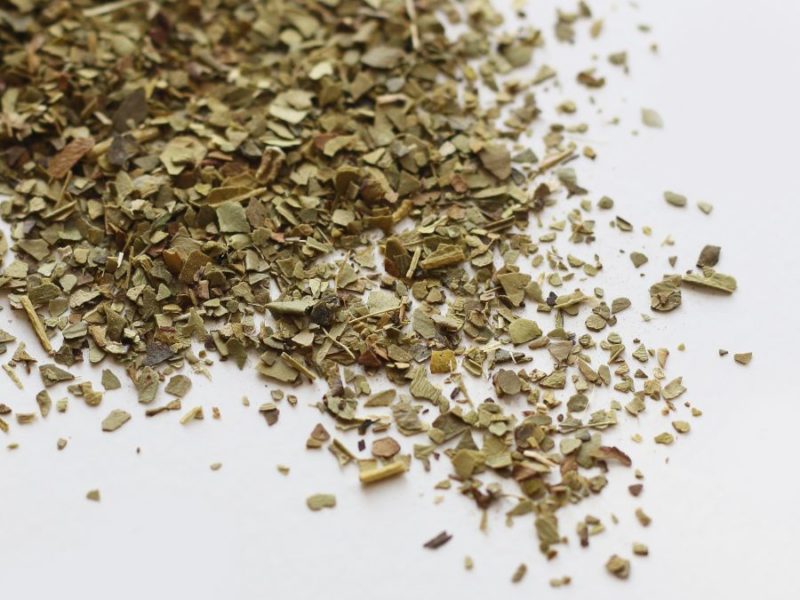
6. Yerba Mate

Yerba mate is a South American infusion rich in polyphenols and saponins.

A clinical trial in people with type 2 diabetes and prediabetes found that drinking roasted mate tea three times a day over 60 days was associated with improved glycemic and lipid profiles, particularly when combined with dietary guidance.

Earlier research has also suggested mate may help reduce plasma glucose.

How to enjoy it: Try roasted yerba mate for a smoother, less grassy flavour than the traditional green style, and drink it the traditional way, sipped through a bombilla from a gourd, or simply steeped as a loose leaf tea.

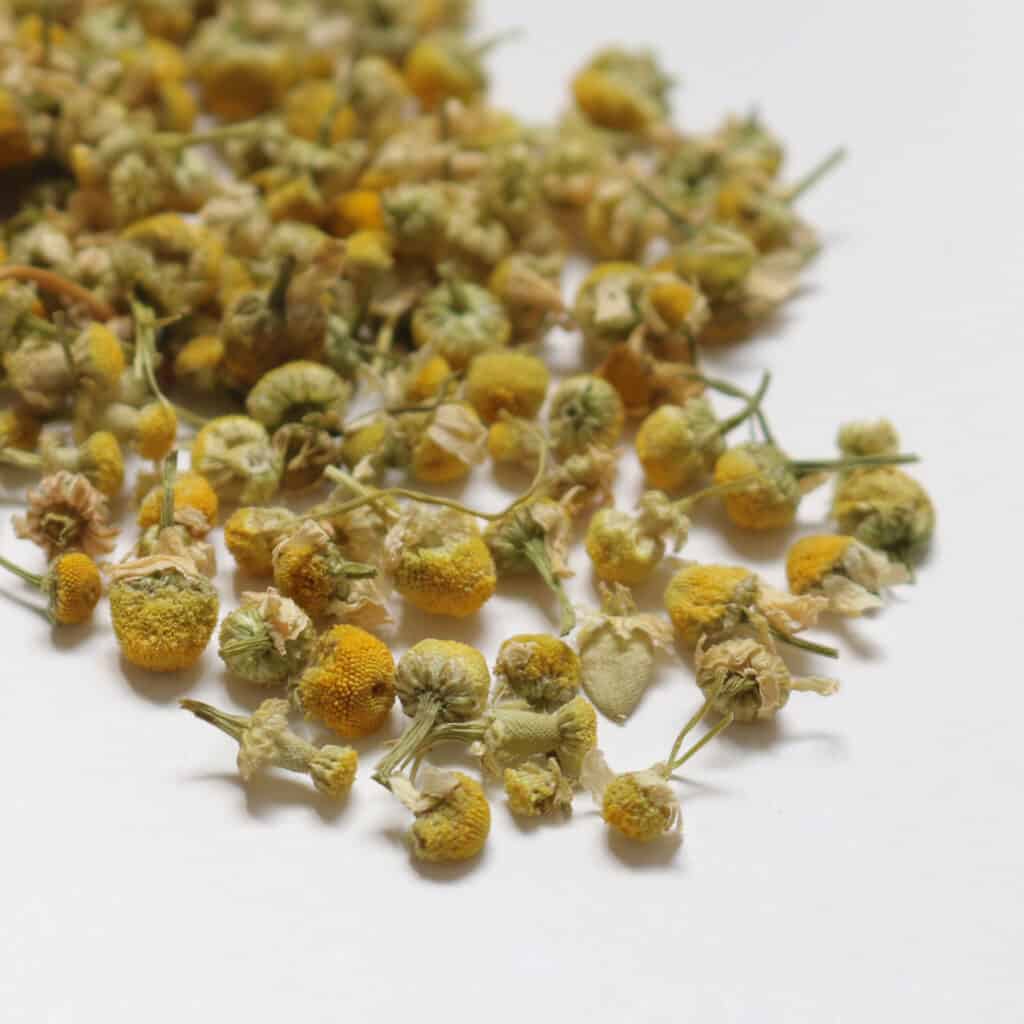
7. Chamomile Tea

Chamomile is usually reached for as a bedtime tea, but some research has also explored its role in blood sugar support, with early studies suggesting it may help protect the cells in the pancreas that produce insulin.

Since stress and poor sleep can both disrupt healthy blood sugar regulation, a calming evening cup may offer an indirect benefit as well as a direct one.

How to enjoy it: Brew chamomile tea in the evening as part of a wind-down routine. It pairs particularly well with a light dinner.

Chamomile’s calming reputation extends well beyond bedtime – read more in our guide to chamomile tea for mind, body and soul wellness.

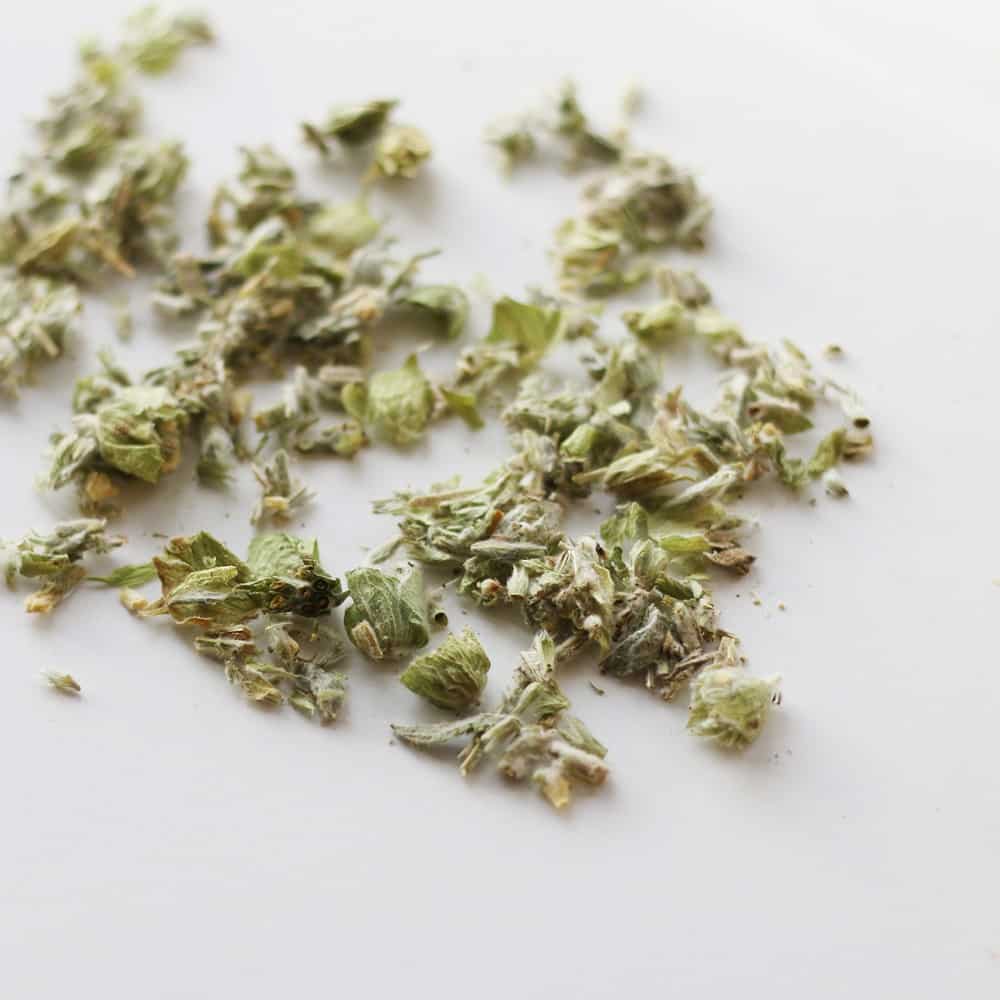
8. Greek Mountain Tea

Greek mountain tea is made from the leaves and flowers of Sideritis, a hardy herb that grows on Greek mountainsides at around 1,000 metres and has been brewed there since antiquity.

It is naturally rich in polyphenols, particularly flavonoids and phenylethanoid glycosides, but its role in blood sugar support is at a much earlier stage than the teas above.

Laboratory studies on several Sideritis species have found that certain extracts can inhibit alpha-amylase, one of the enzymes that breaks starch down into glucose, which is the same broad mechanism researched in green and black tea.

These were concentrated extracts tested in the lab rather than a cup of tea tested in people, so for now it is a promising lead rather than an established effect.

Where it genuinely earns its place is as a naturally caffeine-free cup that needs no sugar at all, with a soft, gently sweet flavour that sits somewhere between mint, chamomile and citrus.

How to enjoy it: Steep 1 to 2 teaspoons of Greek mountain tea in freshly boiled water for 5 to 10 minutes. In Greece, it is often served with a slice of lemon, which brightens the floral notes without adding any sugar.

To learn more about how this herb supports digestion, mood, and overall wellness, check out our overview of Greek Mountain Tea benefits.

9. Peppermint Tea

Peppermint is far better known for digestion than for blood sugar, and it is worth being honest that the research here is thin.

Animal studies on peppermint essential oil have reported lower blood glucose in diabetic rats, but that is a concentrated oil in an animal model, a long way from a cup of tea in a person, and human research is still very limited.

Its real value for blood sugar is more practical.

A cup of peppermint after dinner is a naturally sugar-free, caffeine-free way to close a meal, and many people find its cool, clean flavour takes the edge off the urge for something sweet, which makes it an easy swap for a dessert or a sugary drink.

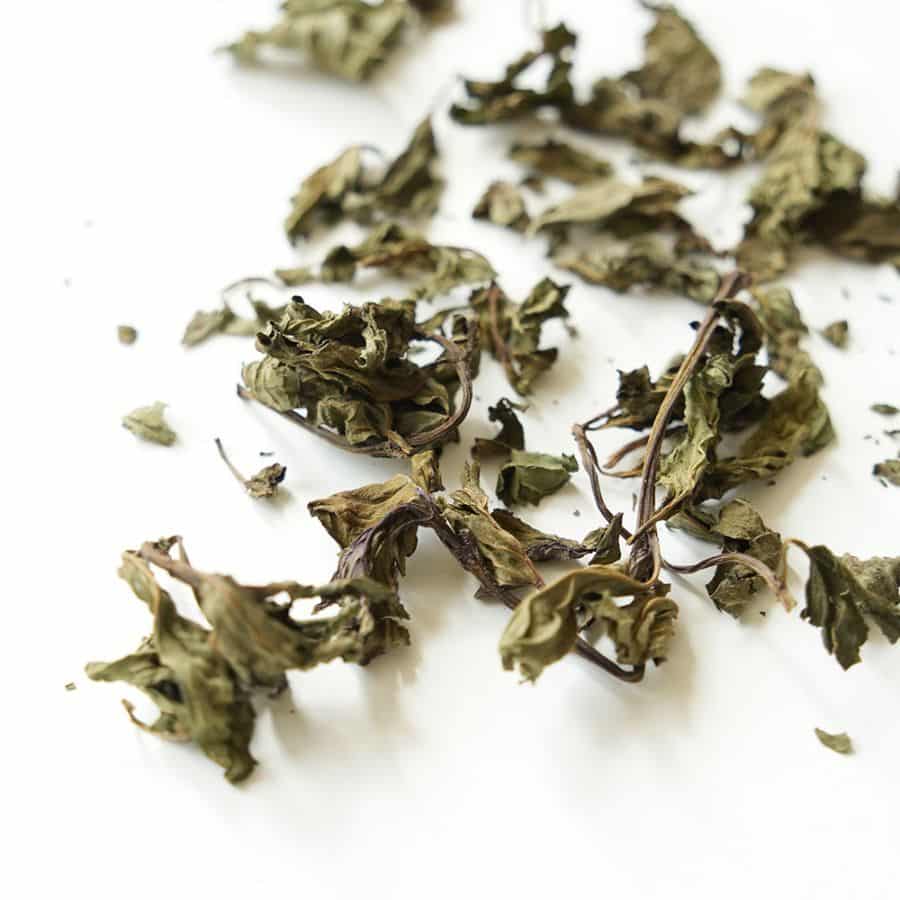
How to enjoy it: Steep whole leaf peppermint tea in freshly boiled water for 5 to 7 minutes, covered to keep the aromatic oils in the cup, and make it your after-dinner ritual in place of dessert.

For a complete breakdown of how it supports gut health and overall balance, explore our full guide to peppermint tea’s benefits for digestive issues and wellness.

A Note on Safety

These teas are supportive everyday rituals, not medical treatments, and none of them should replace a prescribed diabetes medication or a doctor’s advice.

Turmeric can interact with blood-thinning medication, yerba mate contains caffeine, which may not suit everyone, and peppermint can aggravate acid reflux or heartburn in some people.

If you are pregnant, breastfeeding, managing diabetes, or taking any medication, check with your doctor or pharmacist before making any of these teas a regular habit.

Frequently asked questions

Some teas contain compounds that research suggests may support healthy blood sugar levels, particularly around meals. The effects seen in studies are generally modest, and tea works best as part of a broader healthy diet rather than as a stand-alone solution.

There is no single best tea for blood sugar, since each works through a slightly different mechanism. Green tea and black tea are well studied for everyday use, while rooibos and turmeric have some of the more specific research behind their effect on post-meal glucose.

No. Tea should never replace prescribed medication or medical advice. If you have diabetes or prediabetes, speak with your doctor before changing your routine, and treat any tea in this guide as a complement to your existing care rather than a substitute for it.

Most of the studies referenced in blood sugar research use two to four cups a day, often taken around mealtimes. There is no need to overdo it. Consistency over time matters more than quantity in any single sitting.

Research suggests green tea’s catechins, particularly EGCG, may help slow carbohydrate digestion and support healthy post-meal glucose levels. Regular green tea drinkers have also been associated with a lower likelihood of developing type 2 diabetes in observational studies.

Not necessarily safer, just different. True teas like green and black tea contain caffeine, while herbal options like rooibos, turmeric chai, Greek mountain tea and peppermint are naturally caffeine-free (yerba mate does contain caffeine). Some herbal teas can interact with medication, so it is still worth checking with a doctor or pharmacist, especially if you are managing a health condition.

It is possible, particularly with concentrated preparations like turmeric, which may have an additive effect alongside blood sugar or blood-thinning medication. If you take medication for diabetes, speak with your doctor or pharmacist before making any of these a regular habit.

Most research looks at tea consumed around mealtimes, either just before or shortly after eating, since this is when it may help moderate the post-meal glucose response. A calming tea like chamomile in the evening can also support healthy sleep, which plays its own role in blood sugar regulation, while peppermint is a natural fit straight after dinner as a sugar-free alternative to dessert.

Keep exploring

Blood sugar is just one piece of the picture. If you would like to understand the full range of what tea has to offer, from brewing technique to the health properties of every major tea type, our complete guide to the remarkable world of tea is the best place to start.

If you’d rather build your own blood-sugar-friendly blend from scratch, our guide to blending your own herbal tea at home walks through the process.

Loading...
herbal tea gift box - herbalism
Price range: £19.50 through £36.50

Teapro co-founder. Favourite tea - Long Jing Dragon Well Green Tea. Obsessed with film, photography and travelling.

No Comments

Post A Comment