25 Sep Blood Sugar Support Tea Recipe: Raspberry, Lotus Leaf & Ginger Tea
When we think about managing blood sugar and supporting healthy metabolic function, we usually look straight to dietary changes and lifestyle habits.
But specific herbs and fruits contain active polyphenols and plant compounds that actively support how our body processes glucose and digests starches.
Today, I am sharing a formula for a Blood Sugar Support Tea Recipe.
It combines five complementary herbal ingredients that target glucose regulation, lipid metabolism, and digestive balance through distinct biochemical pathways.
Table of Contents
The Formula: How This Blood Sugar Support Tea Recipe works
Every herbal blend in this series follows a functional structure to ensure full-body synergy:
| Role | Herb / Fruit | Function in the Body |
|---|---|---|
| The Enzyme Inhibitor | Fresh Raspberries | Supplies fresh ellagitannins and anthocyanins to slow carbohydrate breakdown |
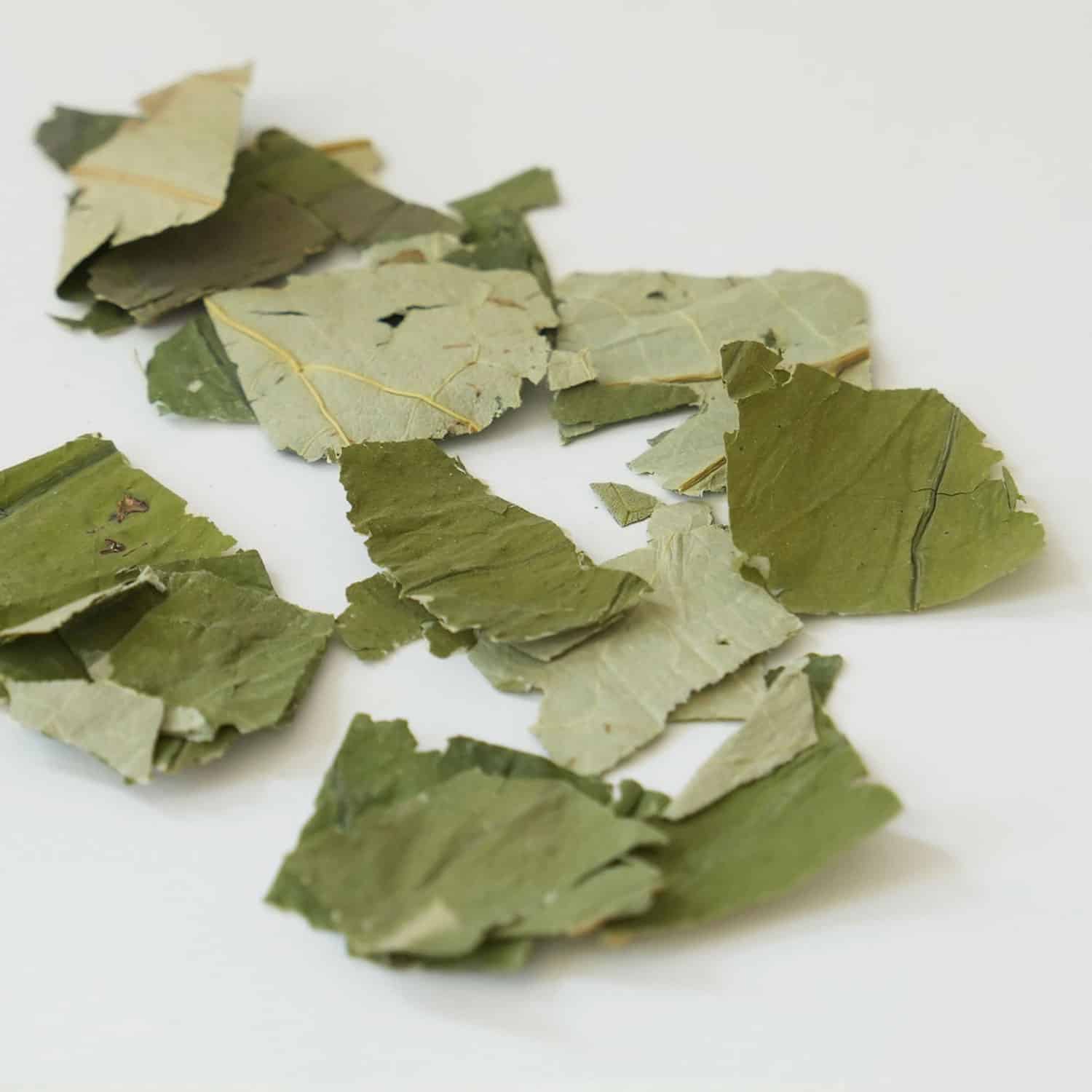
| The Lipid Regulator | Dried Lotus Leaf (Nelumbo nucifera) | Activates AMPK pathways and supports fat oxidation |
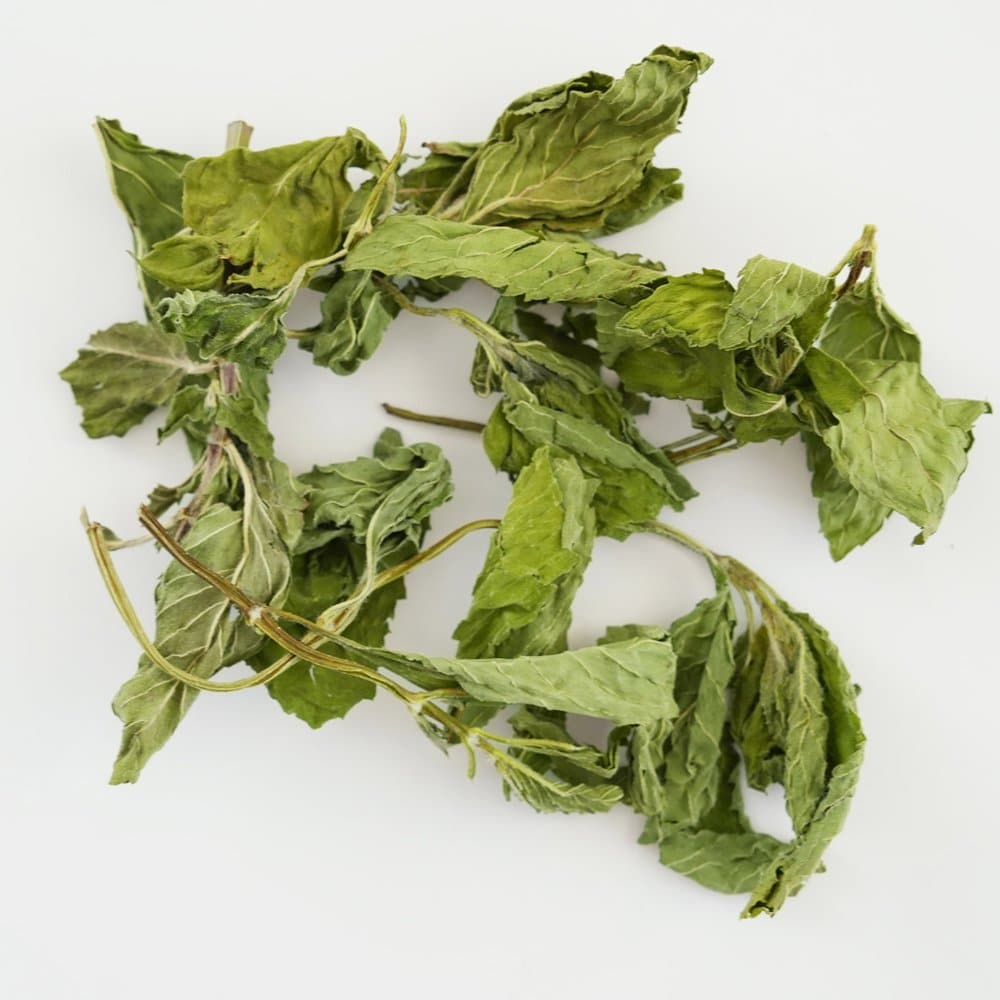
| The Digestive Soother | Whole-Leaf Peppermint | Relieves bloating and supports smooth gastric emptying |
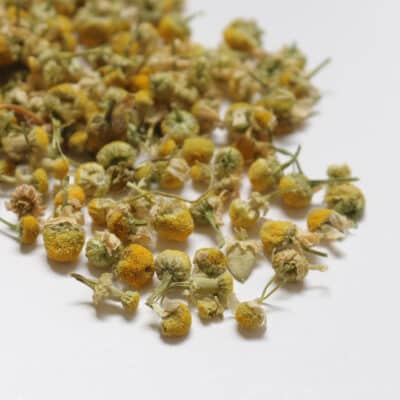
| The Inflammatory Calmer | Whole Chamomile Flowers | Protects pancreatic beta cells and reduces oxidative stress |
| The Insulin Sensitiser | Fresh Ginger Root | Enhances GLUT4 translocation and improves insulin responsiveness |
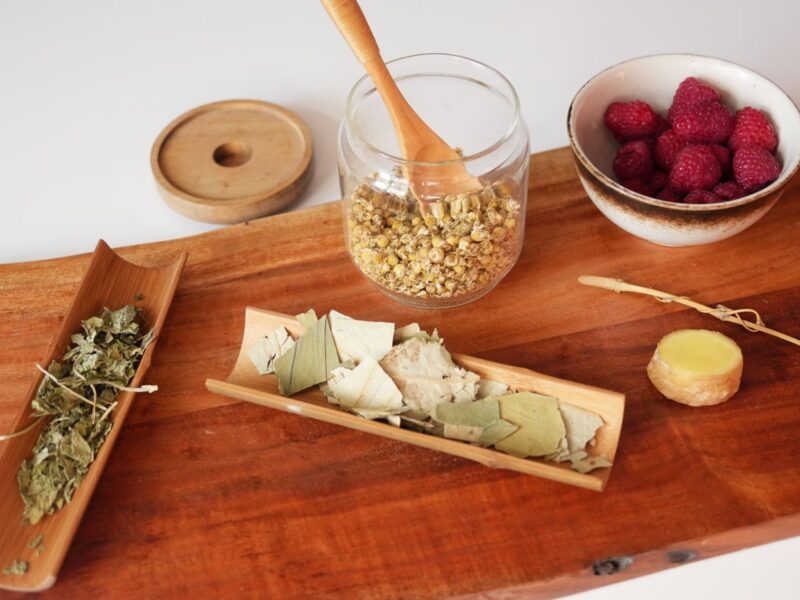
What You’ll Need
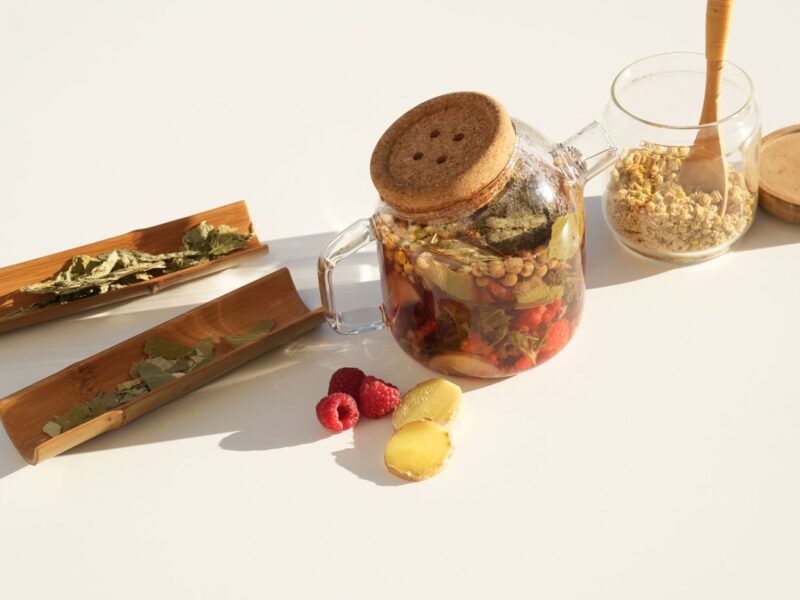
Here’s what I use:
| Ingredient | Amount |
|---|---|
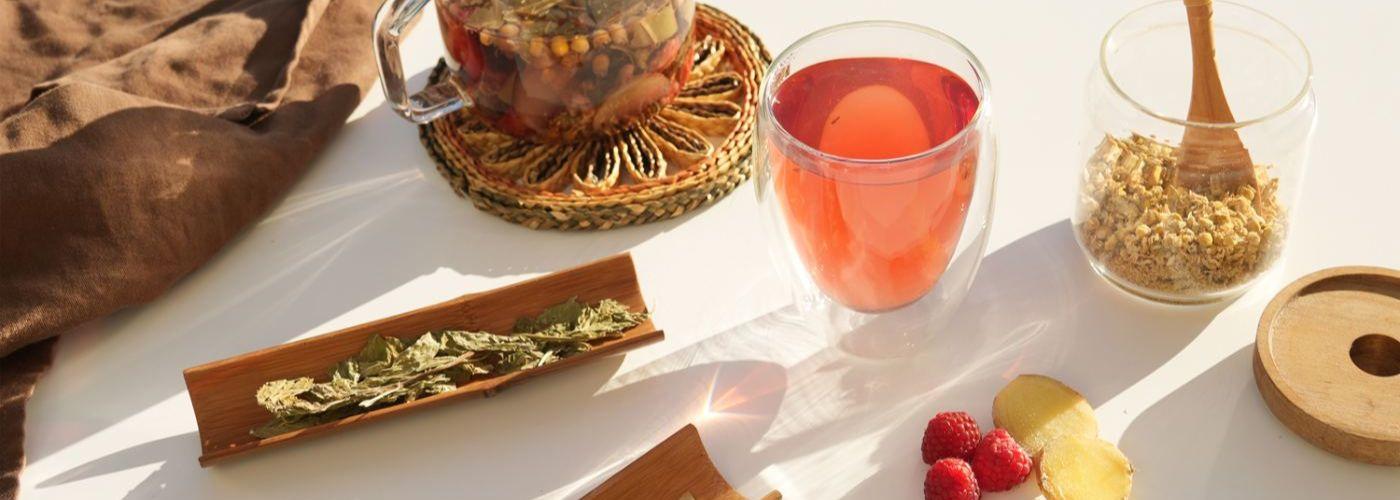
| Fresh Raspberries | 4 to 5 to be mashed + 3 to 4 kept whole |
| Dried Lotus Leaf | 1 tbsp |
| Whole-Leaf Peppermint | 1 tbsp |
| Whole Chamomile Flowers | 1 tbsp |
| Fresh Ginger | 2 to 3 thin slices |
| Filtered Hot Water | 800 ml (boiled to 95°C) |
How to Brew your Metabolic and Blood Sugar Support Tea Recipe
| Step | Instructions |
|---|---|
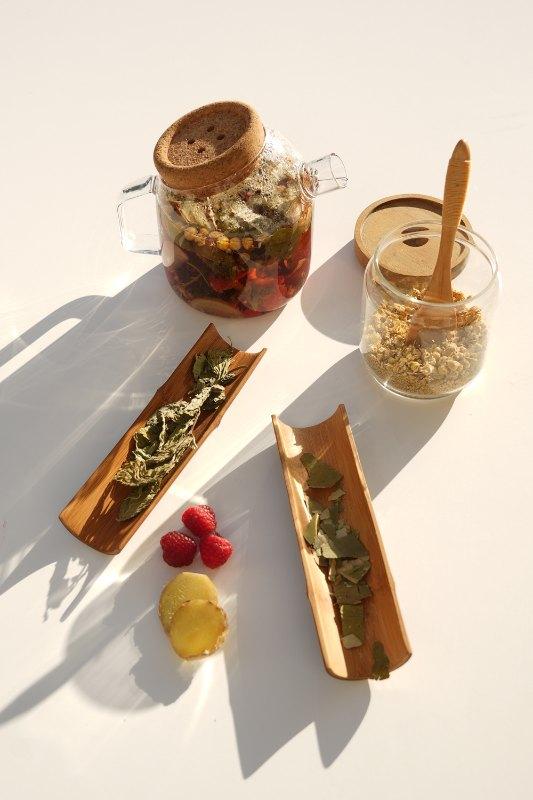
| 1 | Place 4 to 5 fresh raspberries at the bottom of your teapot or glass infuser and lightly mash them with a spoon or muddler to release their juices and active compounds. |
| 2 | Add 1 tbsp lotus leaf, 1 tbsp peppermint, and 1 tbsp chamomile to the pot. |
| 3 | Add 2 to 3 thin slices of freshly cut ginger root and the remaining 3 to 4 whole raspberries. |
| 4 | Pour over 800 ml of freshly boiled water (around 95°C). |
| 5 | Cover immediately with a lid. Covering keeps active aromatic compounds trapped in the water. |
| 6 | Steep for 5 to 10 minutes to ensure the heavier polyphenols, fresh fruit compounds, and root oils extract fully. |
| 7 | Strain into your cup and enjoy plain after meals for maximum digestive benefit. |
If this functional approach to blending interests you, I break down the full method in how to blend your own herbal tea at home.
The Science: Why Each Ingredient Supports Metabolic Health
1. Fresh Raspberries: Starch Digestion & Enzyme Inhibition
Fresh raspberries are rich in soluble fibre, organic acids, and key polyphenols such as ellagitannins and anthocyanins.
These compounds help inhibit alpha-amylase and alpha-glucosidase, the primary digestive enzymes responsible for breaking complex starches down into simple sugars in the gut.
By mashing part of the berries, you immediately release these active polyphenols into the water to slow starch breakdown, while leaving a few whole adds subtle sweetness and visual texture as they infuse.
2. Lotus Leaf (Nelumbo nucifera): Lipid Metabolism & AMPK Activation
Lotus leaf has a long tradition in Asian herbalism for weight management and lipid balance.
It contains active alkaloids like nuciferine along with flavonoids that help activate AMPK (AMP-activated protein kinase), often called the body’s master metabolic switch.
This pathway encourages the oxidation of fatty acids, inhibits new fat cell formation (adipogenesis), and assists in maintaining healthy blood lipid profiles.
Lotus leaf has plenty of other benefits worth knowing about too – see our full guide to lotus leaf tea’s 6 benefits for the complete picture.
3. Peppermint (Mentha piperita): Gastric Emptying & Smooth Digestion
Smooth digestion is essential for steady metabolic balance.
Peppermint contains volatile oils high in menthol, which relax the smooth muscles of the gastrointestinal tract.
This helps regulate gastric emptying rates, prevents uncomfortable post-meal heaviness, and reduces digestive spasms after eating heavy meals.
If you’d like to explore peppermint’s digestive benefits beyond this blend, I’ve covered it in more depth in my full guide to peppermint tea’s benefits for digestion and overall wellness.
4. Chamomile (Matricaria chamomilla): Glycaemic Control & Cellular Protection
Beyond its calming nature, chamomile exerts a direct influence on blood sugar regulation.
Studies indicate that chamomile polyphenols inhibit enzymes involved in the polyol pathway (which can cause cellular stress during high glucose periods) and help protect pancreatic beta cells from oxidative stress, supporting long-term glycaemic control.
Chamomile’s benefits go well beyond blood sugar support too – see my dedicated piece on chamomile tea for mind, body and soul wellness for the fuller picture
5. Fresh Ginger: Insulin Sensitivity & Glucose Uptake
Ginger root contains potent bioactive gingerols and shogaols that directly improve insulin responsiveness.
Research shows that ginger compounds facilitate the translocation of GLUT4 transporters to the surface of muscle cells, allowing your body to clear glucose from the bloodstream efficiently without requiring excessive insulin secretion.
Shop Ingredients for this Blood support tea recipe
Tips for the Best Results
| Tip | Details |
|---|---|
| Mash and Float | Lightly mashing the first 4 to 5 raspberries breaks the outer skin and releases active polyphenols into the water, while floating the remaining 3 to 4 whole berries gives a beautiful visual presentation in a glass teapot. |
| Drink After Meals | Enjoying this brew 20 to 30 minutes after a meal allows the enzyme-inhibiting polyphenols and gingerols to work alongside active digestion. |
| Slice Ginger Thinly | Cutting ginger into thin rounds increases the surface area exposed to hot water, releasing maximum gingerol content. |
| Skip the Sweetener | The natural tart sweetness of fresh raspberries balances the spice of the ginger and earthy lotus leaf, making added sugar unnecessary. If you really need something sweet, add natural honey. |
Curious about why raspberry, ginger, and lotus leaf work so well together on the palate? My beginner’s guide to pairing herbal flavours explains the logic behind flavour pairing in more detail.
If you want to get the full method down before you start experimenting with your own blood sugar support tea recipe, my guide to cold brewing tea at home covers all of it.
Shop Tools
Frequently Asked Questions
The individual compounds named here (ellagitannins, gingerols, nuciferine) have real research behind them, mostly in isolated or extract form rather than as a home-brewed cup. Treat this tea as a supportive daily habit alongside a healthy diet, not something that will measurably move your blood sugar on its own.
No. This tea should never replace prescribed medication, insulin, or medical advice. If you have diabetes, prediabetes, or any condition affecting blood sugar or metabolism, talk to your doctor before adding this to your routine.
Lotus leaf has been studied for effects on blood pressure and lipid levels, so if you’re on blood pressure medication, a blood thinner, or anything affecting your heart or metabolism, check with a doctor or pharmacist before making it a daily habit.
Yes, in a pinch. Thawed frozen raspberries can be mashed the same way, though fresh berries give a brighter flavour and colour, since mashing is what releases their compounds into the water.
Mashing breaks the skin so the active compounds release into the water faster, while the whole berries add a milder sweetness and a nicer visual presentation as they steep.
Tart and lightly sweet from the raspberries, warmed by the ginger, with an earthy note from the lotus leaf and a light minty finish from the peppermint and chamomile. It’s naturally sugar-free.
It’s designed as an after-meal tea. Peppermint and chamomile both have a calming effect, so an evening cup after dinner works well, but the timing here is meant to work alongside digestion rather than as a bedtime brew specifically.
Ginger in food amounts is generally considered fine in pregnancy, but lotus leaf and concentrated chamomile haven’t been as well studied for pregnancy specifically. Check with your doctor if you’re pregnant or breastfeeding before making this a regular habit.
It’s best brewed fresh each time, since the mashed raspberries and fresh ginger lose potency and flavour the longer they sit, even refrigerated.
Bring the Formula to Your Own Kitchen
Understanding how plant compounds interact with metabolic pathways gives you practical control over your daily wellness routine.
By pairing starch-blocking fresh berries with lipid-regulating lotus leaf and insulin-sensitising ginger, this blood sugar support tea recipe delivers a 5-minute infusion provides targeted, science-backed support for your body’s glucose harmony.
If blood sugar support is just one part of what interests you about tea, my complete guide to the remarkable world of tea covers everything from brewing technique to the health properties of every major tea type.

Teapro co-founder. Favourite tea - Long Jing Dragon Well Green Tea. Obsessed with film, photography and travelling.


No Comments